

When a benchrest shooter chases a group measured in the single digits, or a long-range hunter wants every handload to drop into the same hole, the green tools on the bench are very often Redding. The Cortland, New York company has built precision reloading equipment since 1946, and its name sits on some of the most respected gear in the hobby: the Competition seating and neck-sizing dies, the T-7 turret press, the legendary 3BR powder measure, and the Big Boss II single-stage press. Here is who they are, what they make, and what is worth buying.
Table of Contents
Who Redding is
Redding Reloading Equipment is a family-run company in Cortland, New York that has built premium, American-made reloading tools since 1946. It is the precision handloader’s choice, famous for its Competition dies, the T-7 turret press, and the 3BR powder measure.
Redding started in a repurposed agricultural building in the tiny town of Virgil, New York in 1946, founded by Burr Bement. Its very first product was a beam-style powder scale — the first scale designed expressly for reloading ammunition. The little company outgrew the farm building fast, moved to nearby Cortland, and was incorporated as Redding-Hunter, Inc. in 1956.
Through the 1950s Redding made a mix of things — powder measures, shotshell presses, even rifle sights and shotgun stock hardware. By the 1960s it had found its true calling and focused almost entirely on reloading tools. That focus is the whole story: while bigger names chase breadth and volume, Redding chases the last thousandth of an inch.
That puts Redding firmly in the premium, precision tier. You pay more for a Redding die or press than for the value brands, and what you get back is tighter tolerances, better concentricity, and the kind of repeatability that match shooters obsess over. It is not the cheapest way to start reloading — it is the way a lot of people finish.
What Redding makes
Competition and precision dies
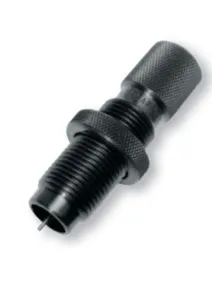
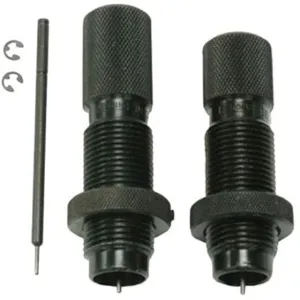
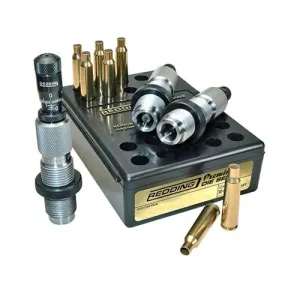
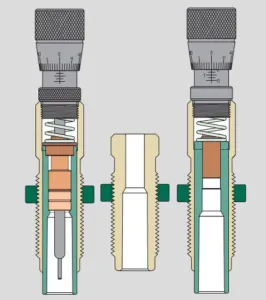
This is the heart of Redding’s reputation. The Competition Seating Die uses a micrometer adjustment and a spring-loaded sleeve that aligns the bullet to the case before seating, for minimal runout. The Competition Neck Sizing Die and the Type S bushing dies let you size only the neck, and only as much as you choose, by swapping interchangeable bushings. For handloaders working a single rifle to its accuracy ceiling, these are the dies they reach for.
Reloading presses
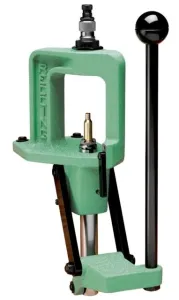
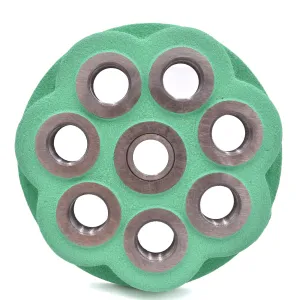
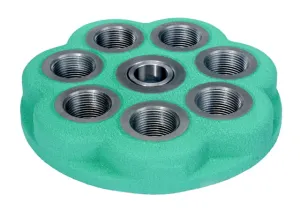
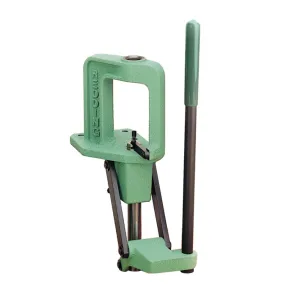
Redding builds rugged single-stage and turret presses rather than progressives. The Boss and Big Boss II are heavy cast-iron single-stage presses sized for everything up to big magnum cases, and the T-7 turret press holds seven dies at once on a thick, rock-solid turret — a favorite for shooters who load several calibers without constantly swapping dies.
Powder measures and scales
Redding’s powder measures are benchmarks. The Model 3BR Match-Grade measure throws charges with the consistency competitive shooters demand, and the Competition measure refines it further. Fitting, since a powder scale was the company’s very first product.
Case prep and accessories
The 2400 case trimming lathe, trim dies, neck and body sizing tools, the Imperial sizing wax that almost everyone keeps on the bench, and a deep catalog of components round out the line — the unglamorous precision work that decides how well a cartridge shoots.
Build quality and where it is made
Every Redding product is made in the company’s Cortland, New York factory, from American steel, with cast iron poured in Pennsylvania, on American-made machinery. That all-domestic, single-factory approach is part of why a Redding tool feels — and measures — the way it does, and why Redding gear bought decades ago still works perfectly on benches today. You are paying for manufacturing tolerances, not marketing.
How Redding compares
Against the value all-rounders, Lyman and RCBS, the difference is focus: those brands give you breadth, beginner kits, and a friendly price, while Redding gives you tighter precision at a higher cost. The closest real rival is Forster, the other premium American die maker — the two are genuinely neck-and-neck on match-grade dies, and choosing between them often comes down to which micrometer feel you prefer. For high-volume progressive loading, Dillon owns that bench; Redding does not even play there. Where Redding wins is the precision ceiling: if your goal is the smallest possible group, this is the gear.
Who should buy what
- The precision rifle handloader: Competition seating and neck-sizing dies, or Type S bushing dies, on a Big Boss II press.
- The multi-caliber loader: the T-7 turret press, so several die sets stay indexed and ready.
- The accuracy obsessive: a 3BR or Competition powder measure for charge-to-charge consistency.
- The benchrest competitor: the full Competition die and measure setup — this is exactly who Redding builds for.
- The all-around reloader who wants quality: a Boss single-stage press and standard Redding die sets.
If you are loading your very first rounds on a budget, or you need to pump out thousands of pistol rounds a week, look at Lyman, RCBS, or Dillon instead. For everyone chasing accuracy, Redding is the right call.
The Redding philosophy
Redding has done essentially one thing for nearly eighty years: make the most precise reloading tools it can, in one American factory, and refuse to chase the bottom of the market. The company would rather build a die that measures right every time than a cheaper one that mostly does. That single-minded focus on precision over price is exactly why Redding is the name on so many serious benches.
How to choose your Redding setup
Start with the press, because it anchors the bench. A Big Boss II single-stage is the right base for precision rifle loading; a T-7 turret suits a shooter juggling several calibers. Then choose dies by your goal: standard Redding die sets are excellent for general loading, while the Competition seating die and Type S bushing dies are the move when you are chasing minimum runout on one rifle. Add a 3BR or Competition powder measure for consistent charges, a 2400 trimmer to keep case length uniform, and a tin of Imperial sizing wax. Build it in that order and you will not buy anything twice.
Made in one American town since 1946
There is something quietly impressive about a company that has stayed in one small New York city, in one family’s hands, doing one thing well, for the better part of a century. Redding never became a household name the way the big-box brands did, and it never tried to. It built a reputation the slow way — one precisely machined die at a time — among the shooters who care most about accuracy. That is a rare kind of staying power, and it is exactly why the green tools keep showing up wherever serious handloading happens.
Shop Redding Parts & Prices
Live Redding products and current prices, organized by department and updated automatically.
Dies

Reloading Presses




Reloading Tools



Reloading Components




Where Redding Fits in Our Buying Guides
- Reloading: The Complete Beginner’s Guide
- The Best Reloading Presses
- The Best Reloading Dies
- The Best Reloading Kits
- Is Reloading Worth It?
Redding FAQ
Where is Redding based?
Redding Reloading Equipment is in Cortland, New York, where it has manufactured since the 1950s. It was founded just up the road in Virgil, New York in 1946.
How old is Redding?
Redding dates to 1946, founded by Burr Bement, which makes it one of the longest-running reloading companies in America and one still focused on a single craft.
What is Redding best known for?
Precision dies. The Competition seating and neck-sizing dies and the Type S bushing dies are the gear that handloaders reach for when they want minimum runout and match-grade accuracy.
Are Redding products made in the USA?
Yes, entirely. Every Redding tool is made in the company’s Cortland, New York factory from American steel, with cast iron from Pennsylvania, on American-made machinery.
Redding or RCBS and Lyman?
RCBS and Lyman are the value all-rounders with beginner kits and friendlier prices; Redding is the premium precision choice that costs more and sizes tighter. For ultimate accuracy, handloaders pick Redding or Forster; for general loading, the value brands are plenty.
What is a bushing die?
A bushing die, like Redding’s Type S, sizes only the case neck and only as much as you choose, by swapping interchangeable bushings. It lets you set neck tension precisely and work the brass less, which extends case life and helps accuracy.
Does Redding make progressive presses?
No. Redding focuses on single-stage and turret presses built for precision rather than speed. If you need high-volume progressive output, a Dillon is the better tool; Redding is for accuracy-first loading.
What tier is Redding?
Premium and precision-focused: American-made tools built to the tightest tolerances in the business, aimed at the accuracy-minded handloader rather than the budget buyer.
Related Reloading Brands
USA Gun Shop may earn a commission on purchases made through the links on this page, at no extra cost to you. We list products on merit; prices and availability are pulled live and can change.
5,743+ Gun & Ammo Deals
Updated daily from 200+ top retailers. Filter by category, caliber, action type, and price.