

If you have ever lost your front sight in low light, or fumbled a fast shot because your eye could not find it, you have run into the exact problem XS Sights was built to solve. The Fort Worth, Texas company is the maker of the unmistakable Big Dot front sight, the DXT2 tritium night sight, the three-dot R3D, the figure-eight F8, and the Marlin and Henry Lever Rails that turn an old lever gun into a modern scout rifle. Their whole pitch is speed: a sight your eye snaps to instantly, in any light. Here is who they are, what they make, and what is worth buying.
Table of Contents
Who XS Sights is
XS Sights is a family-owned sight maker founded in 1996 and based in Fort Worth, Texas, best known for the high-visibility Big Dot front sight and DXT2 tritium night sights. Every XS sight is made in the USA on medical-grade precision manufacturing equipment.
The company started in early 1996 in the head of a shooter named Ashley Emerson, who was fed up with the poor night sights and clumsy aperture hunting sights on the market at the time. He launched it as Ashley Outdoors. In 1997 he teamed up with Ed Pastusek to form A&E Manufacturing, and that partnership is the quiet reason these sights are built the way they are. Pastusek ran Horizon Tech Industries, a contract shop that made medical-device components precise enough to be used in surgery somewhere in the world roughly every three seconds. He brought that same medical-grade tolerance to gun sights, which is not a marketing line so much as a description of the machines on the floor.
The name took a winding road to get where it is now. Over the years the company went by Ashley Research, A&E Mfg, Ashley Outdoors, AO Sight Systems, and Express Sights before settling on XS Sight Systems, then simply XS Sights in 2017. Today it is still in the family: Jon Pastusek, son of the late Ed Pastusek, runs it as CEO alongside his mother Mary and sister Kellie. That continuity shows up in a product line that has stayed stubbornly focused on one thing — sights you can find fast — for nearly three decades.
On the price ladder, XS sits in the upper-middle. A set of DXT2 night sights costs about what a set of Trijicon HD or Ameriglo Pro tritiums costs, and less than some premium machined sights. You are paying for tritium vials, a genuinely bright photoluminescent ring, and US manufacturing — not for a fashionable name. For most buyers that is a fair trade.
What XS Sights makes
The Big Dot and the Express sight
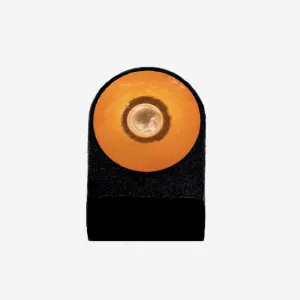
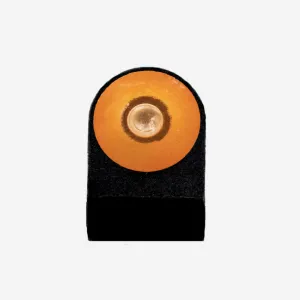
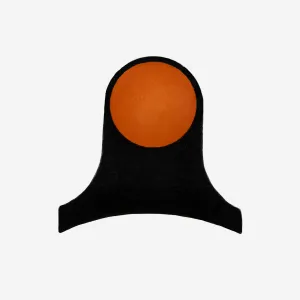
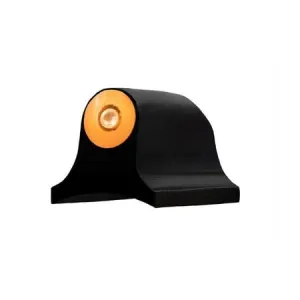
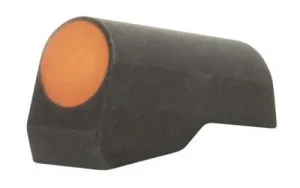
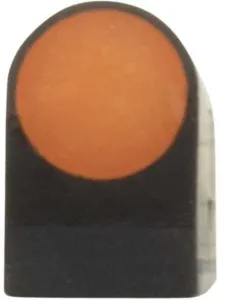
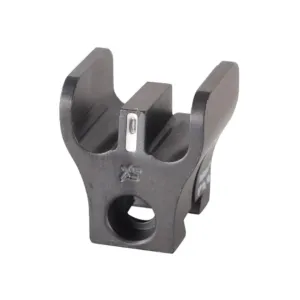
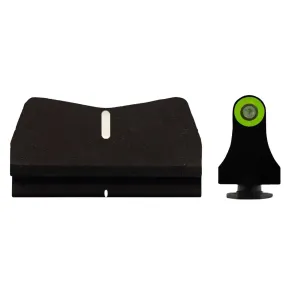
The original product was the Express sight, sometimes called the “dot-the-i” sight: a large front dot that you stack on top of a shallow V-notch rear, like dotting a lowercase i. The idea came out of dangerous-game hunting in Africa, where getting on target fast matters more than splitting hairs at distance. The modern descendant is the Big Dot, a front dot so large and bright that your eye lands on it before you have consciously looked for it. It is the fastest close-range pistol sight most people will ever shoot, and it is the sight XS is famous for.
DXT2, R3D and F8 night sights
XS learned that the Big Dot is polarizing, so they built a full lineup around different sight pictures. The DXT2 Big Dot pairs the big front dot with a tritium vial for true low-light use. The R3D (“Round 3 Dot”) is a more conventional three-dot tritium night sight with a high-visibility front ring, for shooters who want a normal sight picture with XS brightness. The F8 stacks the front and rear tritium into a figure-eight when you are aligned, which is fast and precise at the same time. Between these three lines, XS covers nearly every modern carry pistol — Glock, SIG P320 and P365, Smith & Wesson M&P, Springfield, and many more.
Lever rails and hunting sights
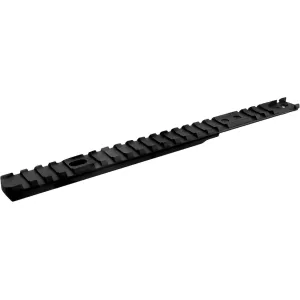
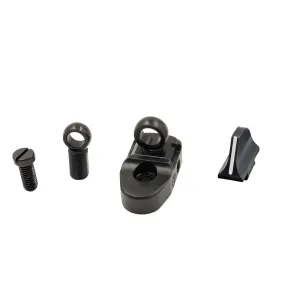
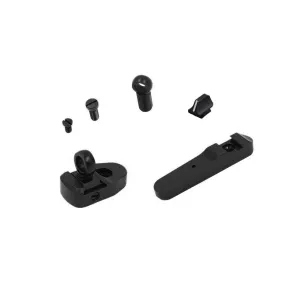
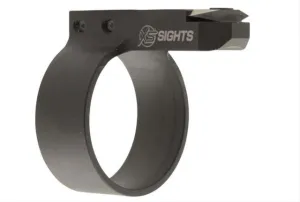
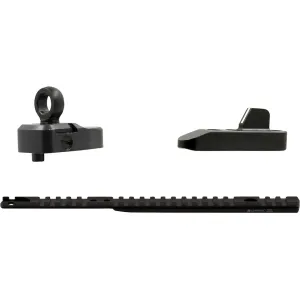
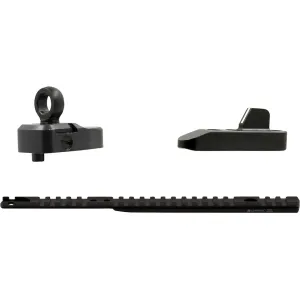
XS makes one of the most popular upgrades in the lever-action world: the Lever Rail, a machined aircraft-grade aluminum scout mount for Marlin 336 and 1895, Marlin 1894, and Henry Big Boy carbines. It bolts on without gunsmithing and turns a classic lever gun into a scout-style rifle that can wear a scope, red dot, or ghost-ring iron sights. The company also makes ghost-ring and big-dot iron sights for shotguns, lever guns, and other hunting rifles.
AR-15 and CSAT sights
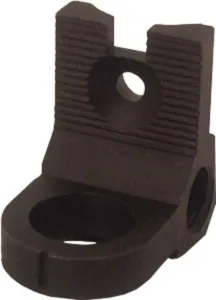
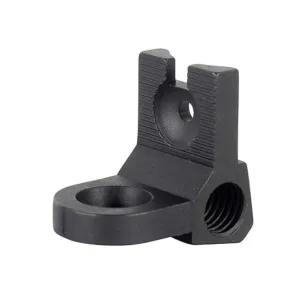
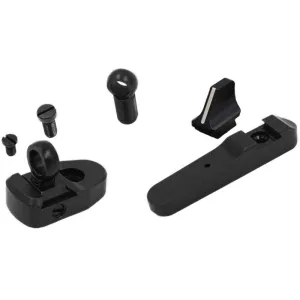
For the AR-15, XS makes flip-up backup sights and complete sight sets, including the well-respected CSAT rear. That sight was designed with Paul Howe, a retired US Army 1st SFOD-Delta operator and Mogadishu veteran who now runs the Combat Shooting and Tactics school. His rear sight has a notch cut into the top of a peep aperture: use the notch up close, drop into the peep for distance, and the geometry lets you zero at seven yards and again at 100 with the same setting. It is a genuinely clever piece of engineering from someone who has used iron sights where it counted.
Build quality and where it’s made
Every XS sight is made in Fort Worth, Texas. The medical-device manufacturing roots are the real story here — the same machines and inspection discipline that hold tolerances on surgical components hold them on sight bodies and tritium pockets. The Glow Dot and photoluminescent rings on XS sights are charged by any light source and stay visible in the gap between daylight and full dark, which is exactly when cheaper sights wash out. Tritium vials are Swiss-sourced and warrantied. It is honest, no-drama hardware: not jewelry, but built to a standard well above its price.
How XS Sights compares
The honest knock on XS is the Big Dot itself. That huge front dot is unbeatable for speed inside about 15 yards, but at distance it covers the target — you cannot make a precise 25-yard headshot when the dot is wider than the head. Bullseye and long-range shooters tend to dislike it, and they are not wrong. XS knows this, which is exactly why the R3D and F8 lines exist: pick the Big Dot for a close-range defensive gun, and the R3D or F8 if you want a precise sight picture with the same brightness.
Against the field, Trijicon HD sights are the closest rival and arguably the benchmark for night sights, with a slightly more traditional sight picture and a premium price. Ameriglo and Night Fision compete hard on three-dot tritium sets and often cost a touch less. TruGlo and Meprolight round out the budget and duty ends. Where XS wins is raw visibility and speed of acquisition; where it loses is fine precision at distance, if you choose the Big Dot. Match the sight to the job and XS is very hard to beat.
Who should buy what
- Concealed-carry and home-defense shooters: the DXT2 Big Dot for the fastest possible close-range sight picture, or the R3D if you want a normal three-dot.
- Duty and precision-minded pistol shooters: the R3D or F8 — XS brightness with a precise, conventional sight picture.
- Red-dot pistol owners: XS suppressor-height night sights to co-witness under a slide-mounted optic.
- Lever-action fans: the XS Lever Rail plus ghost-ring sights to build a modern scout rifle.
- AR-15 and carbine shooters: XS flip-up backup sights, or the CSAT rear for a do-everything iron sight.
Who should look elsewhere? If you shoot bullseye, slow-fire precision, or long-range pistol, skip the Big Dot and either choose the R3D or look at a fine-front-blade sight from another maker. For everyone whose priority is finding the sight fast in bad light, XS is the obvious call.
The XS Sights philosophy
XS designs from one question: where, when, and how will this sight actually be used? The founders insisted that field testing beat opinion and that a sight should be built to the highest manufacturing standard and then stood behind without argument. That is why the company never chased the tactical-fashion cycle — they make sights you can find instantly in the worst light, and they have spent nearly thirty years making that one idea better. Everything else, from the lever rails to the CSAT collaboration, grows out of the same root: speed onto target, made in Texas, backed by the family that builds it.
How to choose your XS Sights setup
Start with the gun and the job. For a carry or nightstand pistol, decide between the Big Dot (fastest up close) and the R3D (precise three-dot) — that is the single biggest choice, and most people are happiest with the R3D unless speed inside the room is the whole point. Next, confirm height: if your slide wears a red dot, you want suppressor-height sights so they co-witness through the optic. For a lever gun, the Lever Rail is the foundation; add a scout scope or red dot and ghost-ring backups. For an AR, choose flip-up backups for an optic-primary rifle, or the CSAT rear if irons are your main sighting system. When in doubt, the R3D is the safest first XS purchase for a defensive handgun.
Fastest sights in any light
The XS tagline — “fastest sights in any light” — is not bravado, it is the product brief written down. The Express sight came from hunters who needed to get on a charging animal now, and that DNA runs through everything XS has built since. The Big Dot front sight is one of the few genuinely original ideas in iron sights of the last few decades, and even shooters who prefer a three-dot will admit it does what it claims. Add the medical-grade Texas manufacturing and a family that still answers for its own products, and you have a brand that earns its narrow, stubborn focus. XS does not try to make every sight. It tries to make the sight your eye finds first.
Shop XS Sights Parts & Prices
Live XS Sights products and current prices, organized by department and updated automatically.
Big Dot, Night & Fiber-Optic Sights


Iron Sights & Sight Sets



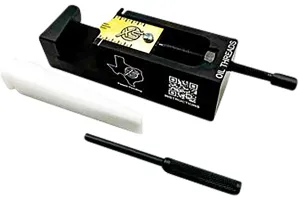
Sight Installation Tools






Lever Rails & Scope Mounts



Where XS Sights Fits in Our Buying Guides
- Best Glock Sights and Sight Upgrades
- Best Night Sights for Concealed Carry
- Best Optics-Ready Pistols
- The Best AR-15 Parts and Accessories
- Best AR-15 Red Dot Sights
XS Sights FAQ
Where are XS Sights made?
All XS sights are designed and manufactured in Fort Worth, Texas, on medical-grade precision equipment. The company has built sights in the USA since 1996.
What is the XS Big Dot sight?
The Big Dot is XS’s signature front sight: an unusually large, bright front dot that you stack on a shallow V-notch rear. It is the fastest close-range pistol sight most shooters will ever use, descended from the original “dot-the-i” Express sight.
Is the Big Dot accurate at distance?
Up close it is unbeatable for speed, but at longer range the large front dot covers the target, so it is not ideal for precise distance shooting. If you want precision with XS brightness, choose the R3D three-dot or the F8 instead.
What is the difference between DXT2, R3D and F8?
DXT2 is the Big Dot with a tritium front for night use; R3D is a conventional three-dot night sight with a high-visibility front ring; F8 is a stacked figure-eight design that is fast and precise. All three are tritium night sights with photoluminescent front rings.
Do XS sights work for red-dot pistols?
Yes. XS makes suppressor-height night sights that co-witness underneath a slide-mounted red dot, so you keep usable irons if the optic fails or its battery dies.
What is the XS Lever Rail?
It is a machined aircraft-grade aluminum scout mount for Marlin 336/1895, Marlin 1894, and Henry Big Boy carbines. It bolts on without gunsmithing and lets a classic lever gun wear a scope, red dot, or ghost-ring sights.
Who designed the CSAT sight?
The CSAT rear sight was designed with Paul Howe, a retired US Army Delta Force operator who runs the Combat Shooting and Tactics school. It combines a notch for close range with a peep aperture for distance in a single rear sight.
What tier is XS Sights?
Upper-middle. XS night sights cost about the same as Trijicon HD or Ameriglo tritiums, with US manufacturing and class-leading visibility — premium performance at a fair, non-boutique price.
Related Optics, Sights & Lasers Brands
USA Gun Shop may earn a commission on purchases made through the links on this page, at no extra cost to you. We list products on merit; prices and availability are pulled live and can change.
5,743+ Gun & Ammo Deals
Updated daily from 200+ top retailers. Filter by category, caliber, action type, and price.