

Last updated July 25, 2026. The Remington 1100 is one of the most beloved shotguns ever built. Introduced in 1963, its gas-operated action tamed recoil like nothing before it, and generations of skeet and clays shooters made it a legend on the range. It is soft-shooting, elegant, and pointable in a way few semi-autos match. Here’s the honest verdict on the classic 1100, whether you’re eyeing a new RemArms gun or a clean used one.
Table of Contents
How we tested: Every pick here is ranked against our testing methodology. Minimum round counts, accuracy and reliability protocols, the failures that disqualify a gun.
Remington 1100 Specifications
| Action | Gas-operated semi-automatic |
| Gauges | 12ga, 20ga, 28ga.410 |
| Capacity | 4+1 (2.75″ shells) |
| Barrel | Vent-rib, various lengths (26″/28″ common) |
| Stock | American walnut |
| Best known for | Exceptionally soft recoil, skeet & target use |
| Introduced | 1963 (an all-time best-seller) |
| Street price | ~$900+ new; ~$400-600 used |
The Original Soft-Shooter
The 1100’s magic is its gas system. By bleeding off gas to cycle the action, it spreads recoil out over a longer impulse, turning even stout target loads into a gentle push. For a day of breaking clays or a season of doves, that soft recoil is a genuine advantage that keeps you shooting comfortably long after a pump or inertia gun would have you flinching. Add classic walnut, a slim receiver, and that famous Remington pointability, and you have a shotgun that feels alive in the hands. It is no accident the 1100 dominated skeet fields for decades.
How the 1100 Shoots
On the range the 1100 is a joy: it swings smoothly, points naturally, and soaks up recoil so well that recoil-sensitive and younger shooters love it. It is at its best with standard target and field loads. The honest trade-offs are inherent to its era and design: the gas system needs regular cleaning to stay reliable, it is pickier about very light loads than a modern gas gun, and with Remington’s bankruptcy and the RemArms restart, parts and new-gun availability have been inconsistent. A well-maintained 1100, though, remains one of the sweetest-shooting shotguns you can own.
Remington 1100 Variants
The 1100 has been made in many flavors over the decades, from field guns to dedicated competition models.
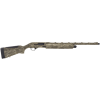
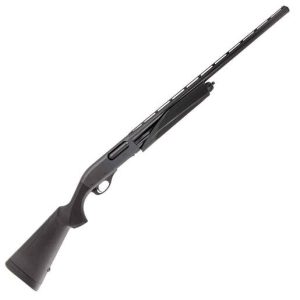
The classic walnut vent-rib 12 or 20 gauge for hunting and clays. The all-round 1100.
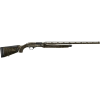
Tuned for the clays field with a nicer stock and target rib for skeet and sporting.
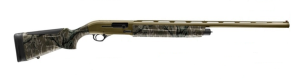
Sub-gauge and utility versions, plus the huge used market. Often the best value way into an 1100.
Where to Buy the Remington 1100
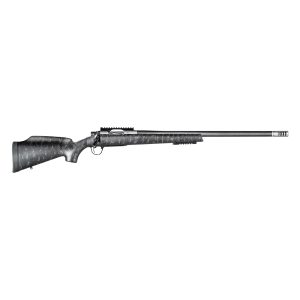
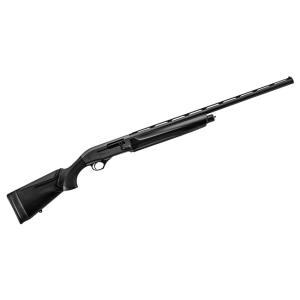
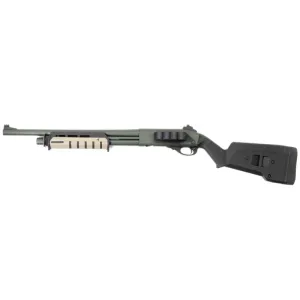
The 1100’s modern rival is the Beretta A300, a current gas gun that offers similar soft recoil with better parts availability, while the 1100’s own pump sibling, the Remington 870, trades softness for bombproof simplicity. Compare live prices below, and see the field in our best shotgun for skeet guide.



Who Should NOT Buy the Remington 1100
- Buyers who want current parts support: given Remington’s turmoil, a modern Beretta A300 offers the same soft recoil with far better new-gun and parts availability.
- Low-maintenance shooters: the gas system needs regular cleaning. If you want to shoot dirty and forget it, an inertia gun or the 870 pump is more forgiving.
- 3.5-inch magnum hunters: the classic 1100 is a 2.75-inch target and field gun at heart, not a heavy-magnum waterfowl smasher.
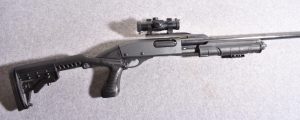
- Tactical/defense buyers: for a defensive shotgun, a pump or modern tactical semi-auto is the better, more supported choice.
The Verdict
The Remington 1100 is a genuine classic and still one of the softest-shooting, most pointable shotguns ever made. It rewards a shooter who will keep it clean with buttery recoil and timeless handling, especially on the skeet field. Parts and new-gun availability are the real question marks in the post-Remington era, so a clean used example is often the smart buy. For sheer shooting pleasure, the 1100 endures. See how it stacks up in our best shotgun for skeet guide, or read our Remington 870 review for the pump-action classic.
Our Rating: 8 / 10, a timeless, buttery-soft classic, if you’ll keep the gas system clean.
Remington 1100 FAQ
Is the Remington 1100 a good shotgun?
Yes. The Remington 1100 is a genuine classic and one of the softest-shooting, most pointable shotguns ever made. Its gas-operated action tames recoil beautifully, making it a favorite for skeet, clays and light-recoil field use.
Why does the Remington 1100 recoil so little?
The 1100 uses a gas-operated action that bleeds off gas to cycle the bolt, spreading recoil over a longer impulse. That turns even stout target loads into a gentle push, which is why it dominated skeet fields for decades.
Is the Remington 1100 still made?
The 1100 has been produced in limited runs, but Remington's bankruptcy and the RemArms restart have made new-gun and parts availability inconsistent. A clean used example is often the smart way to buy one.
Remington 1100 vs Beretta A300 - which is better?
Both are soft-shooting gas guns. The Beretta A300 is a current model with better parts availability and light-load reliability, while the 1100 has classic looks, handling and a huge used market. For a new gun, the A300; for the classic, the 1100.
Does the Remington 1100 need a lot of maintenance?
Like all gas shotguns, the 1100 needs regular cleaning of the gas system to stay reliable, and it is pickier about very light loads than a modern gas gun. Kept clean, it runs beautifully.
What gauges does the Remington 1100 come in?
The 1100 has been offered in 12 gauge, 20 gauge, 28 gauge and .410 bore across its long production history.
Is the Remington 1100 good for skeet?
Yes, it is a skeet-field legend. Its soft recoil and natural pointability made it one of the most popular target shotguns ever, and it remains an excellent choice for clays.
How much does a Remington 1100 cost?
New RemArms 1100s typically run around $900 or more, while clean used examples often sell for about $400 to $600.
4,830+ Gun & Ammo Deals
Updated daily from 200+ top retailers. Filter by category, caliber, action type, and price.
Related Guides