

Affiliate disclosure: This Taurus 856 review contains affiliate links. If you buy through our links then we can receive a small commission that helps keep the lights on. You don’t pay anything more.
- Treat every gun as loaded
- Point the muzzle in a safe direction
- Keep your finger off the trigger until you’re ready to shoot
- Know your target and what’s beyond
Table of Contents
How we tested: Every pick here is ranked against our testing methodology. Minimum round counts, accuracy and reliability protocols, the failures that disqualify a gun.
Review: Taurus 856 – Six Shots for Half the Price of a J-Frame
Our Rating: 8.0/10
- Street Price: $319.99 (Use our live pricing for the best up to date deal)
- Caliber: .38 Special +P
- Capacity: 6 rounds
- Action: Double action only, concealed hammer
- Barrel Length: 2.00 in
- Overall Length: 6.55 in
- Overall Height: 4.80 in
- Overall Width: 1.41 in
- Weight (unloaded): 22.00 oz
- Frame Size: Small
- Frame Material: Carbon steel
- Front Sight: Serrated ramp
- Rear Sight: Fixed
- Finish: Matte black frame, barrel and cylinder
- Item Number: 2-856021CH
Pros
- Six rounds where every J-frame gives you five
- Costs far less than a Smith 442
- Steel frame soaks up +P recoil
- Concealed hammer draws without snagging
Cons
- 22 oz is heavy for pocket carry
- Fixed sights you cannot adjust
- Trigger is serviceable rather than good
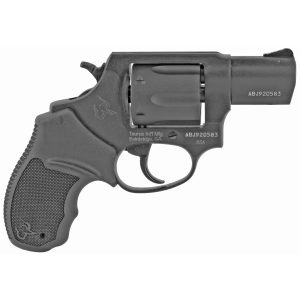
Quick Take
Small-frame defensive revolvers have been five-shot guns for about a century. The Smith & Wesson J-frame set that pattern and everybody followed it. The Taurus 856 gives you six in a gun the same size, and asks around $300 for the privilege, which is well under two thirds what a Model 442 costs.
That extra round is not a gimmick. In a class where you’re carrying five and a reload is slow and fiddly under stress, a twenty percent capacity increase for no extra bulk is the single most useful thing anybody has done to this category in years.
What you give up is weight. At 22 ounces of carbon steel this is not an Airweight, and after a full day on a belt you know it. The trigger is fine rather than lovely, and the sights are a serrated ramp and a groove. None of that stops it being the sensible buy in this bracket.
Best For: Anyone who wants a genuine defensive revolver without spending Smith money, and who carries on a belt rather than in a pocket. Skip it if ounces matter more than dollars, where a Ruger LCR or an Airweight J-frame earns its premium. Our concealed carry guide covers the wider field.
Why Taurus Built It This Way
The J-frame holds five rounds because of cylinder geometry. Fit six chambers of .38 Special into a cylinder that small and the walls between them get thin, particularly at the locking notches cut into the outside. Smith & Wesson made a decision decades ago about where that safety margin sat, and the whole category inherited it.
Taurus went back to that calculation with modern steel and modern machining. The 856 runs a slightly larger cylinder than a J-frame and stays with carbon steel rather than an alloy, which is exactly the trade that makes six chambers work. Steel handles the thinner web between chambers, and it handles +P pressure without the frame battering that alloy guns eventually show. SAAMI sets .38 Special +P at 20,000 psi against 17,000 for standard pressure, and that extra margin is what the steel is there for.
That is also why it weighs 22 ounces. An Airweight J-frame is around 15, and every one of those seven ounces is a design choice rather than sloppiness. You are buying capacity and durability with mass.
The concealed hammer on this variant is the other deliberate call. Taurus lists it as double action only, which means no single-action option and no hammer spur to catch on a cover garment. For a gun that lives under a shirt or in a bag, that is the right compromise.
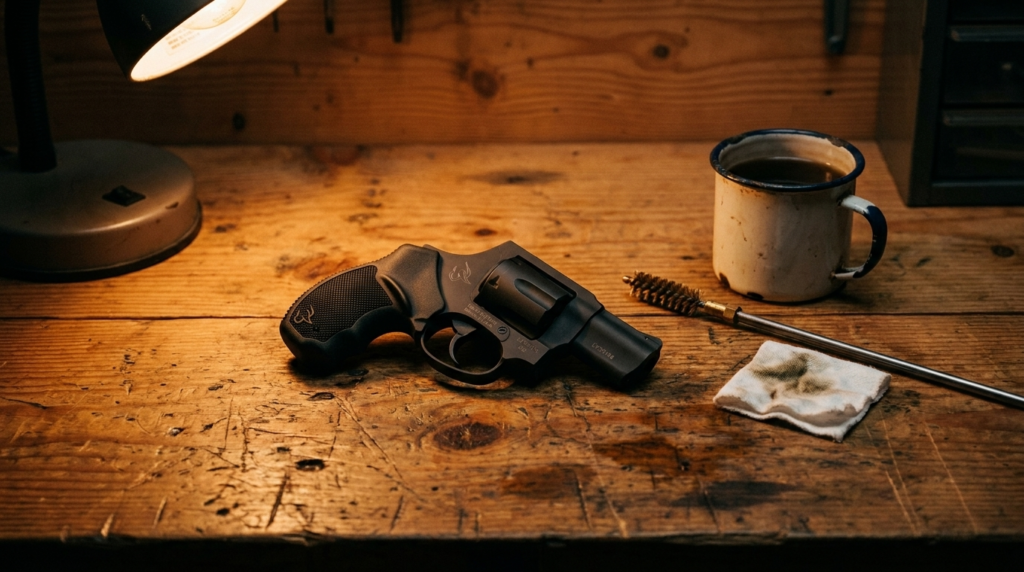
How the 856 Compares
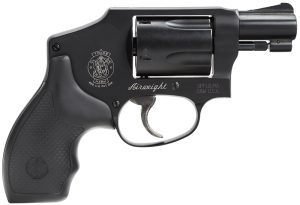
Smith & Wesson 442 ($480–$525)
The 442 is the benchmark and it costs about $200 more. It’s an Airweight, so it weighs roughly 15 ounces against the Taurus at 22, and that difference is enormous on a belt at hour eight. The trigger is smoother, the fit is better, and the resale is stronger.
It also holds five. Shooting them back to back, the lighter Smith is noticeably harsher with +P defensive loads, which is the flip side of carrying less weight. If money is no object and you carry in a pocket, buy the Smith. If you carry on a belt and $200 buys a lot of ammunition, the maths favours the Taurus.
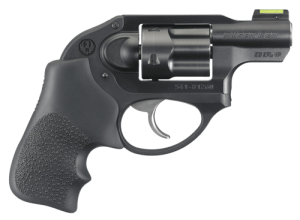
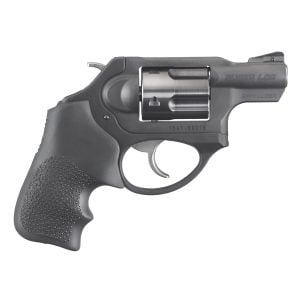
Ruger LCR ($440–$556)
The LCR has the best double-action trigger in this class, full stop. Ruger’s friction-reducing cam gives a pull that is smooth all the way through where most snubs stack toward the end. The polymer fire control housing keeps weight down around 13 to 17 ounces depending on variant.
It’s also five rounds and it starts around $440. The LCR is the better gun to shoot and the 856 is the better gun to buy. If trigger feel is what you care about most, spend the extra.
Charter Arms Undercover ($313–$327)
This is the closest price rival and the most direct comparison. Charter Arms builds in the United States, the Undercover is lighter than the Taurus at 17 ounces in steel, or 14 ounces as the aluminum-framed Undercover Lite, and street pricing sits within twenty dollars of the 856.
Where the Taurus wins is the sixth round and the steel frame. Where the Charter wins is weight and, for some buyers, the domestic manufacture. Charter’s enclosed hammer version is covered in our Charter Arms Off Duty review. Handle both if you can, because this one comes down to whether you’d rather carry an ounce less or shoot one more.
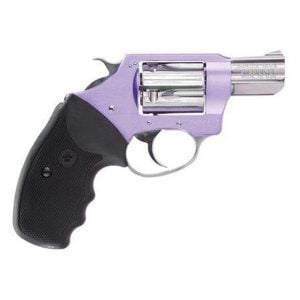
Verdict: The LCR shoots best and the 442 carries best. The 856 gives you more rounds and more gun for less money, which for most buyers in this bracket is the argument that actually matters. Our .38 Special revolver guide covers the wider field.
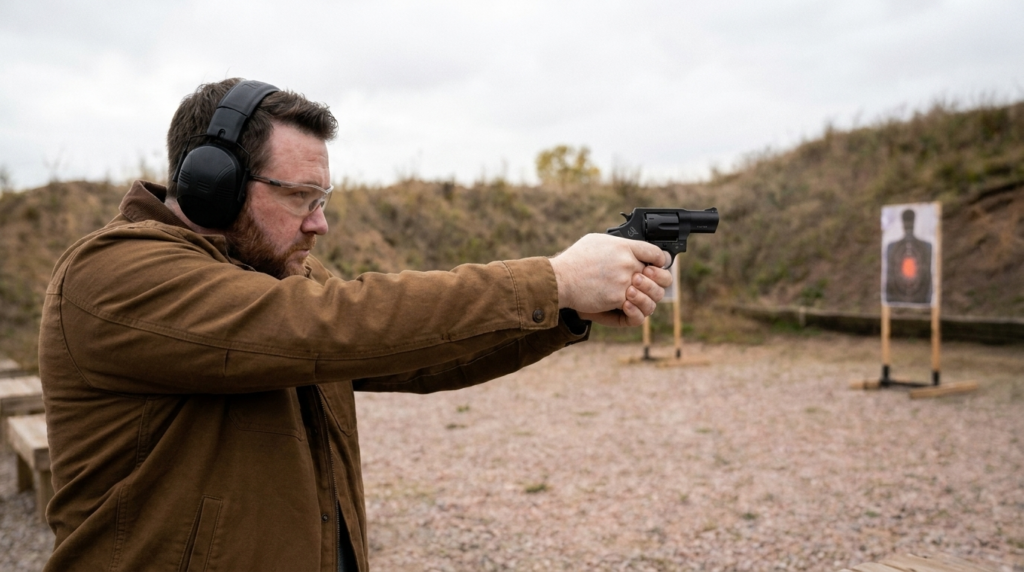
Testing Protocol
Phase 1: Break-In
First 100 rounds were Magtech 158gr .38 Special standard pressure, shot on a cool morning around 62 degrees. The double-action pull was gritty for the first two or three cylinders and smoothed noticeably by round 60, which is normal for a gun at this price. Cylinder lockup was tight from the start with no perceptible rotational play at let-off.
Phase 2: Reliability
The next 400 rounds mixed Federal American Eagle 130gr, Sellier & Bellot 158gr, Winchester white box 130gr and 150 rounds of defensive +P split between Speer Gold Dot 135gr Short Barrel and Federal HST 130gr. Two sessions, one at 62 degrees and one at 88.
No light strikes, no failures to fire, no timing problems across all 500 rounds. Every chamber indexed correctly every time, and the cylinder still locked up tight at the end.
The +P is where the steel frame earns its keep. A hundred and fifty rounds of Gold Dot through a 15-ounce Airweight is genuinely unpleasant and most people stop early. Through the 856 it’s brisk but manageable, and I finished the string without flinching. That matters, because a defensive revolver you won’t practice with is a defensive revolver you can’t shoot.
One quirk worth knowing: the ejector rod is short, as it is on every two-inch revolver. Empties need a firm slap with the muzzle held up rather than a lazy push, and one +P case needed a thumb after a hot string.
Phase 3: Accuracy
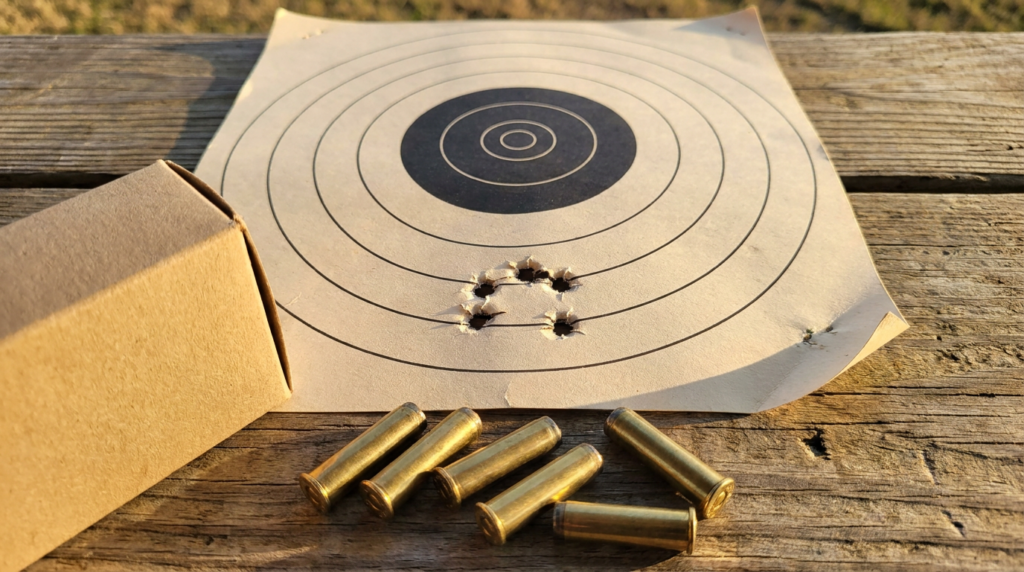
Accuracy work at 15 yards off a bag, six-shot groups, firing double action because there is no single-action option on this variant. Federal American Eagle 130gr averaged 3.1 inches. Speer Gold Dot 135gr came in at 3.4. Point of impact sat about two inches low, which the fixed sights give you no way to correct.
Those numbers are honest for what this is. A two-inch barrel, a fixed groove rear sight and a double-action-only trigger are not an accuracy package. At seven yards on a silhouette, shooting at a defensive pace, everything went where it needed to and the sixth round was there when I wanted it. That is the standard we hold every carry revolver to.
Worth saying plainly: nobody buys a two-inch .38 to shoot groups. The number that matters is whether you can keep six rounds inside a torso at conversational distance under time pressure, and this gun does that without asking anything of you. The low point of impact is the one thing I would want corrected before carrying it seriously, because two inches at fifteen yards becomes a real miss at any distance where the sights matter.
Ammunition Log
- Magtech 158gr .38 Special, 100 rounds
- Federal American Eagle 130gr, 130 rounds
- Sellier & Bellot 158gr, 70 rounds
- Winchester white box 130gr, 50 rounds
- Speer Gold Dot 135gr +P Short Barrel, 90 rounds
- Federal HST 130gr +P, 60 rounds
Total: 500 rounds, zero malfunctions, 150 of them +P.
Tracking & Observations
At 500 rounds the forcing cone shows light, even erosion and nothing more. The carbon steel frame has no battering at the cylinder window, which is the thing worth watching when a small gun eats a lot of +P. Cylinder face carbon wiped off without solvent. The matte black finish has held up on the frame but shows some wear on the cylinder edges where it rubs the crane.
What This Means for You
- Break-in: the trigger improves through the first 60 rounds. Judge it after that, not in the shop.
- Reliability: zero malfunctions in 500 rounds, including 150 of +P.
- Ammo: 130gr shot marginally tighter than 158gr, but the difference is inside the noise at this sight radius.
- Ejection: short rod. Muzzle up, firm slap, every time.
- Accuracy expectation: around 3 inches at 15 yards, hitting low, with no way to adjust.
Performance Testing Results
Reliability (8/10)
Five hundred rounds without a malfunction is what a revolver should do, and this one did it while digesting a lot of +P. The score sits at 8 rather than 9 only because Taurus quality control has historically been less consistent gun to gun than Smith or Ruger, and one clean sample does not settle that.
Accuracy (7/10)
Three inches at 15 yards double action from a two-inch barrel is respectable, and the barrel itself is clearly capable of better than the sighting system allows. The fixed rear groove and the two-inch low point of impact are what hold the score down. This is a seven-yard gun and it is honest about that.
Ergonomics & Recoil (8/10)
The rubber boot grip is better than it looks. It fills the hand properly, the finger grooves land where they should for a medium hand, and combined with 22 ounces of steel it turns +P from punishing into merely brisk.
Weight is the honest cost. At 22 ounces this rides fine in a belt holster and badly in a trouser pocket, and anybody telling you a steel-framed snub pocket-carries comfortably has not done it for a full day. The double-action pull is heavy and long, which is appropriate for a carry gun even if it isn’t a pleasure.
Fit, Finish, and Quality Control (7/10)
Better than the reputation suggests. Cylinder gap is even, lockup is tight, the matte finish is consistent, and the rollmarks are crisp. Look closely and you’ll find tool marks inside the frame window that a Smith wouldn’t show, and the trigger arrives gritty. For a $300 revolver it’s good work.
Technical Deep Dive
How Six Chambers Fit
The constraint on a small-frame revolver is the web of steel between adjacent chambers, and it’s thinnest where the cylinder locking notches are cut into the outside surface. Add a sixth chamber to a J-frame-sized cylinder and those webs get thin enough that alloy would be marginal.
Taurus solves it two ways. The cylinder is slightly larger in diameter than a J-frame’s, and it is carbon steel throughout rather than an aluminum or scandium alloy. Neither is exotic. Together they buy the sixth round at the cost of seven ounces, which is what this whole revolver is arguing for. For a genuinely unconventional take on the same problem, see the Chiappa Rhino, which moves the barrel to the bottom of the cylinder instead.
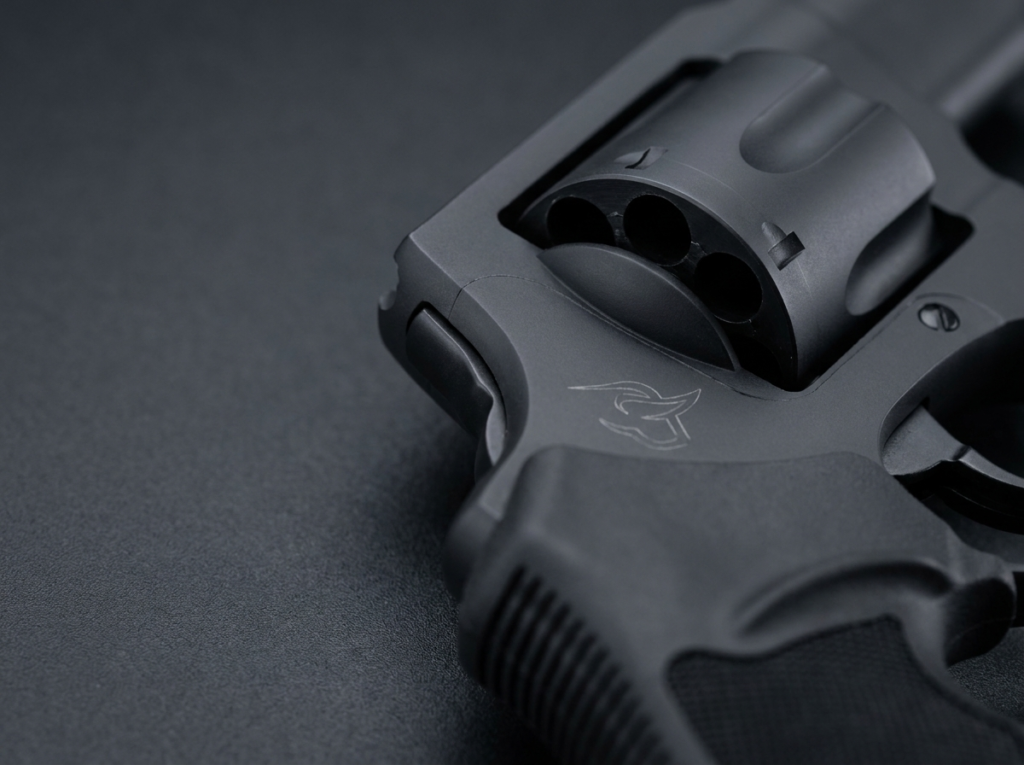
Concealed Hammer and DAO
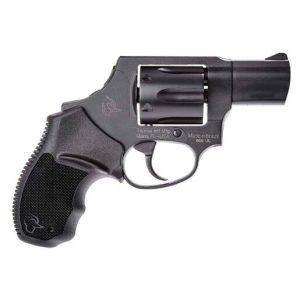
The hammer on this variant is fully shrouded inside the frame. There is no spur, so nothing catches on a shirt during a draw from concealment, and there’s no single-action option at all. Every shot is a full double-action pull.
For a carry revolver that is the correct configuration. Single action on a two-inch gun is a range novelty, and a snag-free draw is worth more than a light trigger you should never be using under stress. Taurus also sells exposed-hammer versions of the 856 if you disagree.
Sights
A serrated ramp at the front and a fixed groove milled into the topstrap at the rear. Nothing to snag, nothing to adjust, nothing to break. The serrations cut glare properly, which matters more on a defensive gun than a fiber optic would.
The downside is real though. Our test gun printed two inches low at 15 yards with everything, and the only fix on a fixed-sight revolver is a taller or shorter front blade fitted by a gunsmith.
| Component | Specification | Benefit |
| Capacity | 6 rounds .38 Special +P | One more than every J-frame in the same footprint |
| Frame | Carbon steel, small frame | Handles +P and the thinner chamber webs six rounds require |
| Weight | 22.00 oz unloaded | Soaks up recoil; the cost is belt carry rather than pocket |
| Action | Double action only, concealed hammer | Snag-free draw from concealment |
| Barrel | 2.00 in, 6.55 in overall | Genuinely compact at 1.41 in wide |
| Sights | Serrated ramp front, fixed rear | Nothing to snag or break; nothing to adjust either |
856 Variants
Taurus sells the 856 in several configurations. The differences that matter are frame material, hammer type and barrel length.
856 Concealed Hammer (2-856021CH) $300
The gun tested here. Carbon steel, matte black, 2 inch barrel, double action only with a fully shrouded hammer. 22 oz unloaded. The right pick if the gun is going under a shirt and you want nothing to catch on the draw.
856 Ultra Lite $322
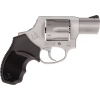
Aluminum alloy frame instead of carbon steel, dropping several ounces for pocket and ankle carry. Recoil with +P is noticeably sharper as a result. Worth the premium only if the weight genuinely bothers you.
856 Exposed Hammer $300
Same revolver with a conventional hammer spur, giving you single action for deliberate shots. Costs you a snag point on the draw. Choose it if the gun will live in a nightstand or a range bag more than under a shirt.
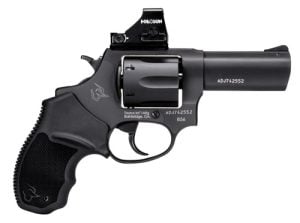
You’ll also see 856 TORO models cut for a micro red dot, and Executive Grade versions with a 3 inch barrel and a much better finish at roughly double the price.
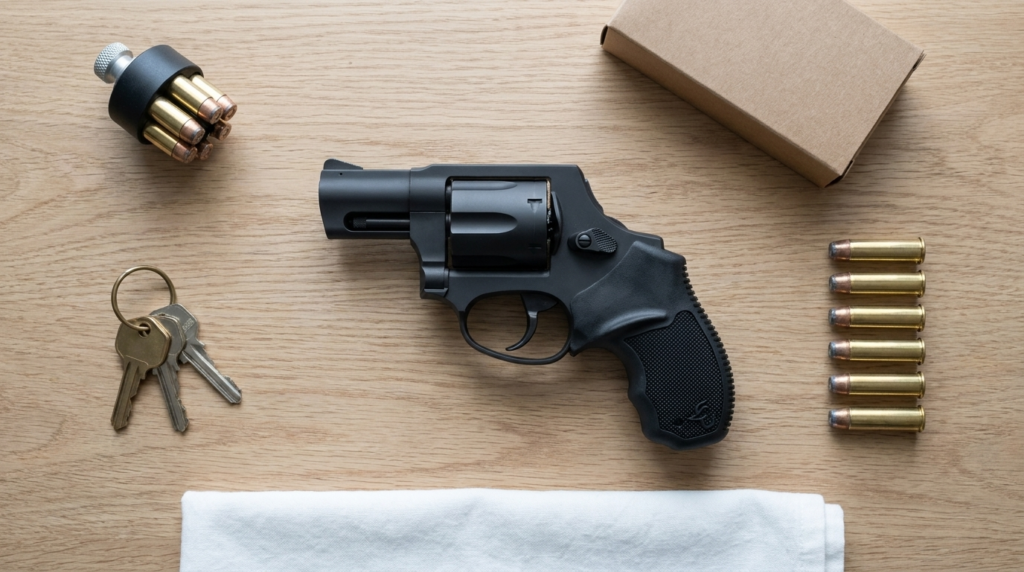
Upgrades Worth Making
| Upgrade Category | Recommended Component | Why It Matters | Cost Estimate |
| Holster | Kydex IWB cut for a small-frame revolver | 22 oz needs a proper belt rig, not a pocket | $45 – $80 |
| Speedloader | HKS or Speed Beez sized for the 856 | Six-shot loaders differ from J-frame five-shot units | $15 – $35 |
| Grip | Hogue or Pachmayr boot grip | Factory rubber is decent; a larger grip tames +P further | $30 – $60 |
| Trigger | Gunsmith spring and polish job | Takes real weight and grit out of the double-action pull | $70 – $140 |
| Ammunition | Short-barrel specific defensive loads | Standard hollow points often fail to expand from 2 inches | $25 – $40 per 20 |
Common Problems & Solutions
- Gritty trigger out of the box: normal at this price. It improves through the first 60 rounds, and a gunsmith spring job takes it further for around $100.
- Point of impact low: the fixed sights offer no adjustment. A shorter front blade fitted by a gunsmith is the only real fix.
- Sticky extraction after +P: the ejector rod is short on any two-inch revolver. Muzzle up, firm slap on the rod, and clean the chambers regularly.
- Speedloaders that do not fit: J-frame five-shot loaders will not work. Buy one made for a six-shot small frame.
- Quality control variance: Taurus is more variable gun to gun than Smith or Ruger. Check timing and lockup on the one you’re actually buying rather than assuming.
Who Should NOT Buy This Gun
- Pocket carriers: 22 ounces of steel is a belt weight. If the gun is going in a trouser pocket, an Airweight J-frame or a lighter snub is the honest answer.
- Anyone who prioritises trigger feel: the Ruger LCR is meaningfully better here and worth the extra $140 if that’s your priority.
- Shooters who want adjustable sights: the fixed groove cannot be adjusted. If you plan to shoot varied loads to point of aim, buy a revolver with a proper rear sight.
- Anyone wanting single action: this variant is DAO with a shrouded hammer. Buy the exposed-hammer 856 instead.
- Buyers who will not inspect the gun: Taurus QC varies more than its competitors. Check cylinder timing and lockup on the specific gun, or buy somewhere with a returns policy.
Final Verdict
The Taurus 856 does one genuinely useful thing that nothing else in its price bracket does. It puts six rounds of .38 Special +P in a gun the size of a five-shot J-frame, builds it out of steel so it can take the pressure, and sells it for around $300.
It’s not the best snub-nose revolver you can buy. The LCR has a better trigger and the 442 carries lighter, and both cost substantially more. What the 856 offers is the most gun and the most rounds for the money, and 500 clean rounds including 150 of +P says the execution matches the idea.
Check the timing on the specific gun before you hand over the money. Do that, carry it on a belt rather than in a pocket, and it’s very hard to beat at this price. See our best Taurus handguns guide for where it sits in the range.
Final Score: 8.0/10 – The sensible budget snub, and the only one that gives you six.
FAQ: Taurus 856
How many rounds does the Taurus 856 hold?
Six, which is the whole point of the gun. Almost every small-frame defensive revolver in this class holds five, including the Smith & Wesson J-frame that set the pattern. Taurus fits a sixth chamber by using a slightly larger cylinder and carbon steel rather than an alloy, so the thinner webs between chambers can take the pressure.
How much does a Taurus 856 cost?
Street pricing starts around $300 for the standard matte black model. The Ultra Lite with its aluminum frame runs about $322. For comparison, a Smith & Wesson 442 starts near $495 and a Ruger LCR around $440, so the 856 is roughly half the price of the benchmark J-frame.
Is the Taurus 856 rated for +P ammunition?
Yes. Taurus lists it as .38 Special +P, and the carbon steel frame is what makes that comfortable. We fired 150 rounds of +P defensive ammunition through ours with no issues and no frame battering at the cylinder window. At 22 ounces it handles +P far better than a 15-ounce Airweight does.
How much does the Taurus 856 weigh?
22.00 ounces unloaded for the carbon steel model, per Taurus. That is roughly seven ounces more than an Airweight J-frame. The weight is a deliberate trade: it buys you the sixth round and much softer recoil with +P, but it makes this a belt-carry gun rather than a pocket gun.
Taurus 856 vs Smith & Wesson 442, which is better?
The 442 is the better gun and the 856 is the better buy. The Smith weighs about 15 ounces to the Taurus at 22, has a smoother trigger and better resale, and costs roughly $200 more. The Taurus gives you a sixth round and a steel frame that soaks up +P. If you pocket carry, buy the Smith. If you carry on a belt, the maths favours the Taurus.
Does the Taurus 856 have an exposed hammer?
It depends on the variant. The model tested here (2-856021CH) has a fully shrouded concealed hammer and is double action only, so there is no spur to snag on a cover garment and no single-action option. Taurus also sells exposed-hammer versions of the 856 if you want single action.
Is the Taurus 856 reliable?
In our testing, yes. We ran 500 rounds with zero malfunctions, including 150 rounds of +P defensive ammunition. No light strikes, no failures to fire, and no timing problems. The honest caveat is that Taurus quality control varies more gun to gun than Smith or Ruger, so check cylinder timing and lockup on the specific revolver you are buying.
Can you adjust the sights on a Taurus 856?
No. The 856 has a serrated ramp front sight and a fixed rear groove milled into the topstrap. There is nothing to adjust and nothing to snag, which suits a defensive revolver. Our test gun printed about two inches low at 15 yards, and the only real fix on a fixed-sight revolver is a different height front blade fitted by a gunsmith.
5,492+ Gun & Ammo Deals
Updated daily from 200+ top retailers. Filter by category, caliber, action type, and price.
Related Guides