

Affiliate disclosure: This S&W M&P Bodyguard 2.0 review contains affiliate links. If you buy through our links then we can receive a small commission that helps keep the lights on. You don’t pay anything more.
- Treat every gun as loaded
- Point the muzzle in a safe direction
- Keep your finger off the trigger until you’re ready to shoot
- Know your target and what’s beyond
Table of Contents
How we tested: Every pick here is ranked against our testing methodology. Minimum round counts, accuracy and reliability protocols, the failures that disqualify a gun.
Review: S&W M&P Bodyguard 2.0 – The Pocket .380 That Finally Grew Up
Our Rating: 7.8/10
- RRP: $399
- Street Price: $329-$369 (Check our live pricing for the best current deal)
- Caliber: .380 ACP
- Action: Striker-fired
- Barrel Length: 2.75″
- Overall Length: 5.62″
- Height: 4.3″
- Width: 0.94″
- Weight (unloaded): 14.1 oz
- Capacity: 10+1
- Frame: Polymer
- Slide: Stainless steel, Armornite finish
- Sights: Tritium/luminescent front, white dot rear
- Safety: No manual safety (standard model)
- Made in: USA
Pros
- 10+1 capacity in a true pocket .380 is class-leading
- Flat-faced striker trigger is a massive upgrade over the original’s DAO mush
- Tritium/luminescent front sight included from the factory
Cons
- Break-in period of 50-100 rounds before it runs smooth
- Snappy recoil makes extended range sessions unpleasant
- Street price pushes into territory where micro 9mms now compete
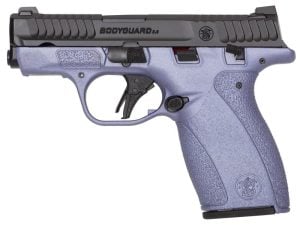

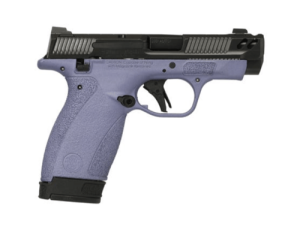
Quick Take
Smith and Wesson killed the original Bodyguard and nobody cried. The market for a serious pocket .380 had grown up around it, see our breakdown of .380 vs 9mm vs .38 Special for the caliber landscape that drove the redesign. That little hammer-fired .380 had a trigger pull that felt like dragging a cinder block through gravel. Six rounds. Terrible sights.
It sold well because the name was iconic and the size was right, but nobody loved shooting it. The 2.0 is a completely different gun. Different action, different trigger, different capacity. Same disappearing act in your pocket.
The headline number is 10+1. That’s nearly double the original’s 6+1 capacity in a gun that’s barely bigger. Smith pulled this off with a flush-fit magazine that’s surprisingly comfortable to load. Pair that with a flat-faced striker trigger that actually has a real break point and a tritium front sight from the factory, and you’ve got a pocket .380 that doesn’t feel like a compromise anymore.
I ran 500 rounds through the Bodyguard 2.0 and came away impressed. Not blown away. Impressed. It’s still a micro .380 with all the limitations that implies: snappy recoil, short sight radius, a break-in period that’ll test your patience.
But once it loosened up after about 75 rounds, it ran clean and shot better than I expected from a barrel this short.
Best For: Deep concealment, pocket carry, ankle holster use, backup guns, and anyone who needs a true pocket pistol with serious capacity. Also a strong option for women looking for a manageable .380 with a lighter trigger pull than the competition.
Why Smith & Wesson Built the Bodyguard 2.0 This Way
Original Bodyguard was a product of its time. Back then.380 pocket guns were hammer-fired, held 6 rounds, and had triggers that required a pre-workout warm-up.
The market moved. Ruger dropped the LCP MAX with 10+1 capacity and a decent trigger. Suddenly Smith’s little .380 looked ancient.
So they scrapped everything and started over. Smith now ships the Bodyguard 2.0 in three flavors: the standard model reviewed here, a thumb-safety variant for buyers who want a manual safety, and the ported-barrel Carry Comp that bleeds a little gas to tame muzzle flip. The 2.0 isn’t a refresh. It’s a ground-up redesign. Striker-fired action replaces the old DAO hammer.
Capacity jumps from 6+1 to 10+1. A flat-faced trigger replaces the curved, heavy, soul-crushing original. Tritium/luminescent front sight comes standard instead of that useless integral sight on the old model. Even the name got upgraded with the “M&P” prefix to signal this is a serious carry gun.
Smith was clearly chasing the LCP MAX and they caught it. Whether they passed it depends on how much you value the Smith name and the tritium sight versus Ruger’s lower price point. That’s the real question every pocket .380 buyer is wrestling with right now.
Competitor Comparison
Honest competitive picture: the Bodyguard 2.0 competes inside the pocket .380 lane, not the slimline 9mm category. If you are open to stepping up to micro-compact 9mm, the Springfield Hellcat OSP and S&W Shield Plus deserve a look. For pure pocket .380 carry, the four guns below are the real comparison set.
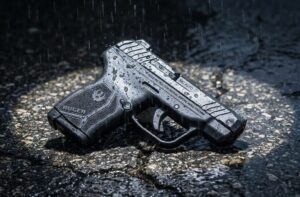
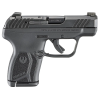
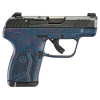
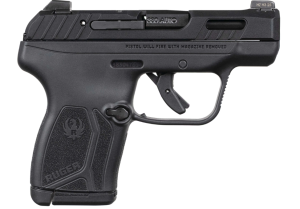
Ruger LCP MAX $250-$320
Where the Bodyguard wins: tritium front from the factory, better overall fit-and-finish, and a slightly more shootable grip shape. Price-sensitive? Get the LCP MAX. Want the better sights and trigger? The Bodyguard 2.0. Both are excellent. Neither will disappoint.
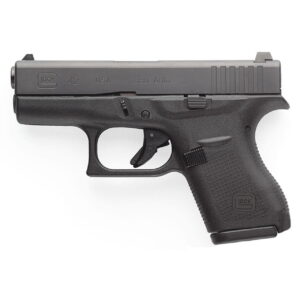
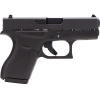
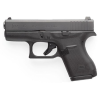
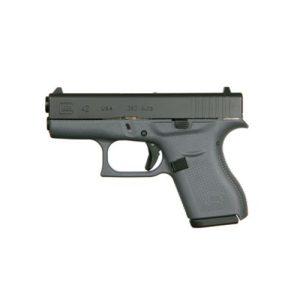
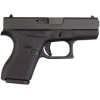
Glock 42 $380-$450
The argument for the 42 is Glock’s legendary reliability and aftermarket ecosystem. Paying $400+ for a 6-round .380 when 10-round options exist at the same price is hard to justify unless brand loyalty is doing real work.
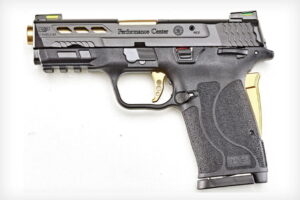
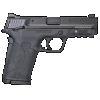
S&W Shield EZ .380 $350-$420
If concealability is your top priority, the Bodyguard wins. If easy manipulation matters more, the Shield EZ is the better pick. Smith built these for different buyers and both nail their target market.
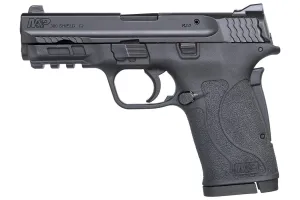
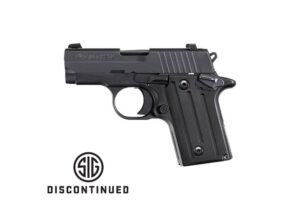
Sig P238 (Discontinued) $500-$600 used
If you find one under $500 in good shape, it’s still a fantastic gun. But with only 6+1 capacity and no new production, the Bodyguard 2.0 is the smarter buy for most concealed carriers in 2026.
| Dimension | Bodyguard 2.0 | Ruger LCP MAX | Glock 42 | S&W Shield EZ .380 | Sig P238 |
|---|---|---|---|---|---|
| Street Price (2026) | $329-$369 | $250-$320 | $380-$450 | $350-$420 | $500-$600 used |
| Capacity | 10+1 | 10+1 | 6+1 | 8+1 | 6+1 |
| Weight (unloaded) | 14.1 oz | 10.6 oz | 13.8 oz | 18.5 oz | 15.2 oz |
| Trigger | Flat-face striker, 5.5 lb | Striker, 5.5 lb | Safe-action, 6.5 lb | Striker, 5 lb | SAO, 6 lb crisp |
| Front Sight (Factory) | Tritium + luminescent | Drift-adj black | Fixed plastic | White dot | Siglite night sight |
| Width | 0.94″ | 0.81″ | 0.94″ | 1.15″ | 1.1″ |
| Manufacturer Status | Active | Active | Active | Active | Discontinued |
| Out-of-Box Score | 8/10 | 8/10 | 6/10 | 7/10 | 7/10 |
| Best For | Pocket carry with night sights | Budget pocket carry | Glock loyalists | Reduced hand strength | Collectors of fine .380s |
Read the chart this way: the Bodyguard 2.0 wins outright on trigger and factory night sights, ties the LCP MAX on capacity, and sits in the middle on weight and width. The LCP MAX is the budget pick; the Bodyguard 2.0 is the better-equipped pick at $50-80 more.
Features and Quirks
The New Striker Trigger
Night and day versus the original. I can’t stress this enough. The old Bodyguard had something like an 11-12 lb DAO trigger pull that was so long and so heavy that accurate shooting required genuine effort.
The 2.0’s striker trigger breaks at roughly 5.5-6 lbs with a flat-faced shoe and a crisp, defined wall. It’s not winning any awards against a Sig P365 trigger, but for a micro .380, it’s genuinely good.
Reset is short and tactile. You can actually do controlled pairs with this thing, which was borderline impossible with the original. This single change is the reason the 2.0 exists. Everything else is gravy.
10+1 Capacity
Getting 10 rounds of .380 into a magazine this small is an engineering achievement. The flush-fit mag sits clean with no extension, keeping the overall profile truly pocketable.
Smith also offers an extended 15-round magazine if you want to throw concealment out the window and just have a good time at the range. For carry, stick with the flush 10-rounder. It’s the whole point of the gun.
Tritium/Luminescent Front Sight
If you want to upgrade further, XS R3D 2.0, Trijicon HD XR, and Ameriglo all make direct-fit replacement night sets for the Bodyguard 2.0. Most owners stick with the factory tritium/luminescent setup. It is already a step above what most pocket .380s ship with.
This is a subtle flex from Smith. Most pocket .380s ship with basic sights that are useless in low light. The Bodyguard 2.0 comes with a tritium and luminescent front sight that actually glows in the dark.
For a gun designed to be a last-ditch defensive tool, being able to find your front sight at 2 AM matters. It’s a small thing. It’s the right thing.
Build Quality and Feel
Pick up the Bodyguard 2.0 and it feels like a proper Smith and Wesson. The Armornite finish on the slide is clean and even. The frame-to-slide fit’s tight with no rattle. The controls are crisp.
At 14.1 oz unloaded, it’s one of those guns where the quality-to-weight ratio is surprisingly high. Feels like it costs more than it does. That’s not something I say about a lot of guns in this price range.
At the Range: 500 Round Test
Ammo Log
- Blazer Brass .380 95gr FMJ: 200 rounds
- Federal American Eagle .380 95gr FMJ: 150 rounds
- Fiocchi .380 95gr FMJ: 50 rounds
- Hornady Critical Defense .380 90gr FTX: 50 rounds
- Federal Hydra-Shok Deep .380 99gr JHP: 30 rounds
- Sig V-Crown .380 90gr JHP: 20 rounds
Break-In
This is where the Bodyguard 2.0 stumbles. First 75 rounds were rough. I had two failures to feed in the first three magazines, both with Blazer Brass.
The slide felt gritty cycling and the recoil spring was clearly stiff. Not uncommon in micro .380s with tight tolerances, but it’s still frustrating when you’re at the range with a new gun and it’s hiccupping on ball ammo.
By round 100, everything smoothed out. The slide action loosened up noticeably and the feeding issues disappeared completely.
From round 100 through 500, not a single malfunction. Zero. But that first box will test your patience.
Reliability (Post Break-In)
After break-in, the Bodyguard 2.0 ran like a champ. 400 consecutive rounds with no malfunctions across four different ammo types including two hollow point loads. The Hornady Critical Defense and Federal Hydra-Shok Deep both fed and ejected perfectly, which is exactly what you need from a carry gun.
I’d still recommend running at least 100 rounds of your chosen carry ammo through it before trusting it with your life. Standard advice, but especially important here given the break-in period.
Accuracy
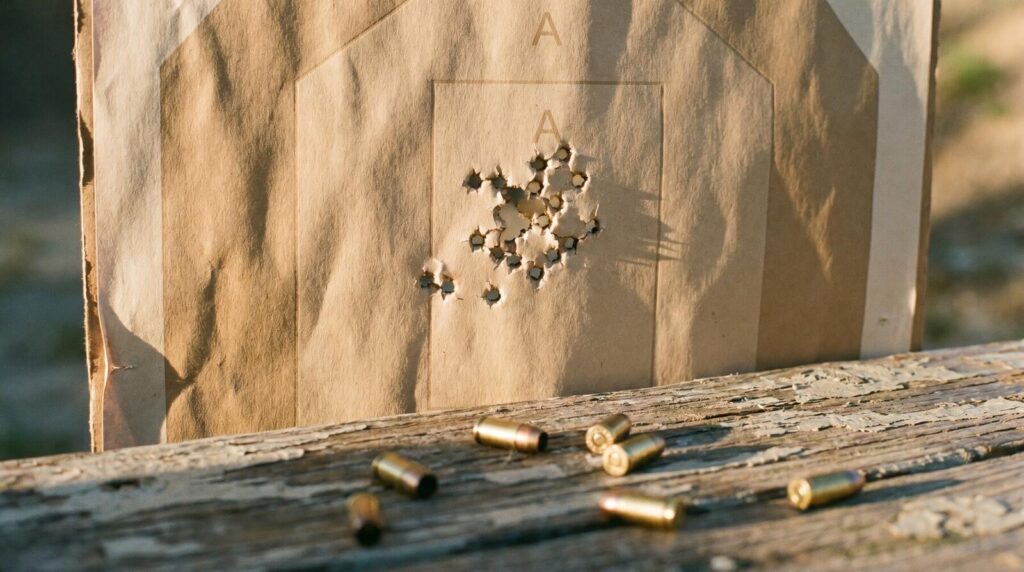
Let’s be realistic. It’s a 2.75-inch barrel on a 14-ounce gun. You’re not printing one-hole groups.
At 7 yards, I was keeping everything in a 3-inch circle shooting at a moderate pace, which is solid for a pocket gun. At 10 yards, groups opened to about 4-5 inches.
Pushing it to 15 yards was an exercise in optimism. Hits on a torso-sized target, sure. Precision? No.
The tritium front sight helps a lot with shot placement at close range. Being able to quickly index on that glowing dot makes speed drills noticeably easier compared to pocket guns with basic sights. For the intended use case of this gun (contact distance to 7 yards), accuracy is more than adequate.
Performance Testing Results
Reliability: 8/10
Docking a point for the break-in period because it’s real and it’s documented by multiple owners. After 100 rounds, this gun runs. Before that?
Roll the dice. Once broken in, I’d trust it as a carry gun without hesitation. The 8/10 reflects the total ownership experience, not just the post-break-in performance.
Accuracy: 6/10
Adequate for its purpose. Nobody buys a pocket .380 for long-range accuracy. At defensive distances of 3-7 yards, it puts rounds where you need them.
The short sight radius and snappy recoil are the limiting factors, not the gun’s mechanical accuracy. It’s what it is.
Ergonomics and Recoil: 7/10
Grip shape is surprisingly comfortable for a gun this small. Smith textured it just enough to maintain purchase without being abrasive in a pocket. Width of 0.94 inches means it genuinely disappears.
Recoil, though. It’s a sub-15-ounce .380 and it snaps. Not painful for a magazine or two, but 50+ rounds in a session and your hand starts asking questions.
This isn’t a range toy. It’s a carry gun that you practice with occasionally. Pair it with one of our tested concealed-carry holsters and a quality gun belt and you’ll forget it’s there. Know the difference.
Fit and Finish: 8/10
Genuinely impressive for the price. The Armornite finish is smooth and even. Slide-to-frame fit’s tight. No rough edges anywhere on the gun.
The flat-faced trigger looks and feels premium. Even the magazine release and slide stop have a quality click to them. Smith put real effort into making this feel like more than a budget pocket gun. It shows.
Known Issues and Common Problems
Break-In Period
Most common complaint by far. Multiple owners report failures to feed in the first 50-100 rounds. The gun smooths out and runs fine after that, but it’s a bad first impression.
If you buy one, plan to put 100 rounds through it before you trust it for carry. Non-negotiable.
Slide Stiffness
Recoil spring is stiff on a gun with very little slide to grab. If you have reduced hand strength or smaller hands, racking this slide can be genuinely difficult. The slingshot method works better than the overhand grip on this particular gun. This is a real consideration for some buyers and worth trying in-store before purchasing.
Recoil Snap
At 14.1 oz, physics isn’t your friend. The .380 ACP round isn’t high-powered by any standard, but in a gun this light, every round has a sharp snap to it.
Extended range sessions get uncomfortable fast. Budget 50-75 rounds per range trip and save your hands. This is a carry gun, not a training gun.
Ammo Sensitivity During Break-In
Some owners report the gun is pickier about ammo during the first 100 rounds, particularly with cheaper FMJ loads. After break-in, it’ll eat anything. My experience matched this exactly. Run brass-cased name-brand ammo for break-in and save the bargain bin stuff for later.
What Owners Are Saying
Owner feedback on the Bodyguard 2.0 is overwhelmingly positive, especially from people who suffered through the original. The improvement in trigger and capacity comes up constantly.
“10+1 in a .380 this small is a significant upgrade. Capacity upgrade alone was worth it.” This is the number one comment across every platform. People are blown away by how Smith crammed 10 rounds into this tiny frame. And honestly, so was I.
“The striker trigger on the 2.0 is night and day better than the old DAO trigger.” Anyone who owned the original Bodyguard understands the magnitude of this upgrade. Going from 11-12 lbs of DAO mush to a crisp 5.5 lb striker pull changes everything about how this gun shoots.
“This disappears in a pocket holster. Sub-15oz, under an inch wide.” The whole point of a pocket .380, and the Bodyguard 2.0 delivers. Multiple owners specifically mention forgetting it’s there, which is the highest compliment a carry gun can get.
“Still a micro .380. Snappy and not fun past 50 rounds.” Reality check from experienced shooters. Nobody’s claiming this is a range toy. It does its job and it does it well, but range sessions should be short and purposeful.
“Had FTF issues in first 100 rounds but smoothed out after break-in.” The break-in theme is consistent. Owners who push through the first 100 rounds almost universally report clean running after that.
“For the price, I keep going back and forth on whether I should have gotten the LCP MAX.” The eternal debate.
Both guns are excellent. The LCP MAX costs less. The Bodyguard has the better trigger and tritium sight. Your call.
Parts, Accessories and Upgrades
| Upgrade Category | Recommended Component | Why It Matters | Cost Estimate |
|---|---|---|---|
| Pocket Holster | DeSantis Nemesis | Breaks up the print, stays put in the pocket | $25 |
| IWB Holster | Vedder LightTuck | If you want belt carry instead of pocket | $65 |
| Grip Sleeve | Hogue HandAll | Adds grip surface and cushions recoil slightly | $10 |
| Extra Magazines | Factory S&W 10-round mags | One mag isn’t enough for regular practice | $30-$35 each |
| Carry Ammo | Hornady Critical Defense 90gr FTX | Optimized for short barrels, reliable expansion | $25/box |
The Bodyguard 2.0 doesn’t need much. It’s not a gun that benefits from heavy modification. A good pocket holster, a couple extra magazines, and quality carry ammo. That’s the shopping list.
The Hogue grip sleeve is optional but nice if you find the factory texture too smooth for sweaty hands. Total additional investment: about $100-130 and you’re fully kitted.
The Verdict
The Smith & Wesson M&P Bodyguard 2.0 is what the original should have been. Ten rounds, a real trigger, and sights you can actually see in the dark. Smith took their most popular pocket .380 and fixed every single thing that was wrong with it.
The break-in period is annoying and the price puts it uncomfortably close to micro 9mm territory, but those are quibbles. As a purpose-built deep concealment pistol, the Bodyguard 2.0 is one of the best options in .380 ACP right now.
Is the LCP MAX a better value? Probably. But the Bodyguard 2.0 shoots better, has a better trigger, and comes with a tritium sight. If you’re buying a gun to potentially save your life, that extra $50-70 is the best money you’ll ever spend.
Get one, run 100 rounds through it, load it with Hornady Critical Defense, and drop it in a DeSantis Nemesis. Then forget it’s there. That’s the whole point.
Final Score: 7.8/10
Best For: Pocket carry, deep concealment, backup guns, shooters who want maximum .380 capacity in the smallest possible package. A genuine upgrade for anyone still carrying the original Bodyguard.
Prefer heritage and style? Read our Walther PPK review.
Frequently Asked Questions
Is the S&W Bodyguard 2.0 reliable?
Reliable after break-in. We experienced two failures to feed in the first 75 rounds, then zero malfunctions for the remaining 425. Run 100 rounds through it before trusting it for carry. After break-in, function is consistent with quality ammunition.
Is the Bodyguard 2.0 better than the original Bodyguard?
Dramatically better. The 2.0 is a complete redesign with a striker-fired trigger instead of the terrible DAO hammer, 10+1 capacity instead of 6+1, and much improved ergonomics. It is essentially a different gun that shares only the name.
S&W Bodyguard 2.0 vs Ruger LCP MAX: which is better?
Close call. The LCP MAX is lighter at 10.6 oz versus 14.1 oz and costs about 80 dollars less. The Bodyguard 2.0 has a better trigger feel and S&W build quality. Both hold 10+1. The LCP MAX wins on weight and price. The Bodyguard wins on trigger and finish.
How many rounds does the Bodyguard 2.0 hold?
The standard model holds 10+1 rounds of .380 ACP. This is a major upgrade from the original Bodyguard which held only 6+1. The 10+1 capacity matches the Ruger LCP MAX and exceeds the Glock 42 at 6+1.
Is the Bodyguard 2.0 good for pocket carry?
Excellent for pocket carry. At 14.1 ounces and 0.94 inches wide it disappears in a front pocket with a DeSantis Nemesis or similar holster. The striker-fired action has no external hammer to snag. It is one of the best pocket carry options in .380.
Does the Bodyguard 2.0 have a manual safety?
Available both ways. The standard model has no manual safety. Smith and Wesson also offers a variant with a frame-mounted manual safety for those who prefer one. Check the SKU when ordering to ensure you get the version you want.
Is the Bodyguard 2.0 hard to rack?
The slide is small and the recoil spring is stiff, which can make racking difficult for those with limited hand strength. This is common with micro .380 pistols. The S&W Shield EZ .380 is specifically designed for easier racking if this is a concern.
What is the best ammo for the Bodyguard 2.0?
Federal HST Micro 99gr and Hornady Critical Defense 90gr FTX are the top defensive loads. For practice, any standard 95gr FMJ works well. Avoid hollow points during the first 100 rounds of break-in as they may not feed reliably until the gun is broken in.
4,715+ Gun & Ammo Deals
Updated daily from 200+ top retailers. Filter by category, caliber, action type, and price.
Related Guides