Last updated and checked October 29, 2026 · By Nick Hall
- Treat every gun as loaded
- Point the muzzle in a safe direction
- Keep your finger off the trigger until you’re ready to shoot
- Know your target and what’s beyond
A sling is to a rifle what a holster is to a pistol: it keeps the gun with you and frees your hands. A bipod does a different job, turning the rifle into a steady platform for prone and bench shooting. Both look like simple products, and both are where cheap gear lets you down first, because a slipping adjuster or a wobbly leg shows up the moment you need it.
We compare slings, sling hardware, bipods, shooting rests and bags from 200+ retailers. Filter by type, brand and price. Below the finder, I’ve laid out what each type does, what height bipod fits which position, how each one mounts, and what the good ones cost, with prices from the maker wherever they sell direct.
 -92%
FAB Defense QD Sling Swivel with Picatinny Base Mount Black
 -27%
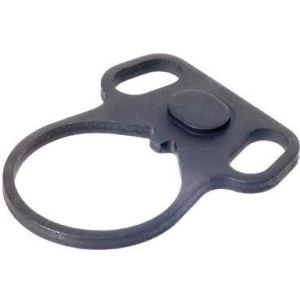
Outdoor Connection Single Point Sling Adapter
 -50%
Blackhawk Sportster Bipod Picatinny Rail Adaptor Aluminum Black
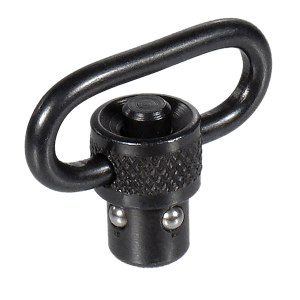
Leapers QD Sling Swivel Black 1" Push Button Steel - TLQDSW08A
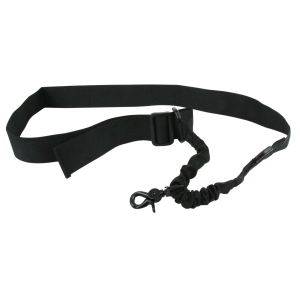
TacFire SL001B Single Point Sling Black Bungee 20-30in - SL001B
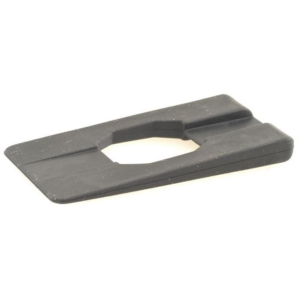
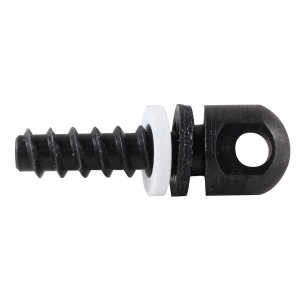
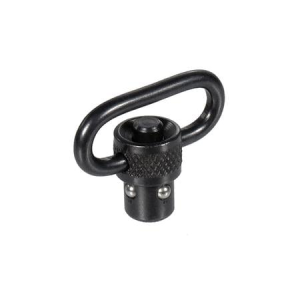
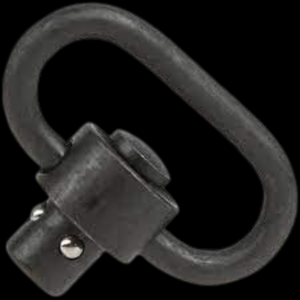
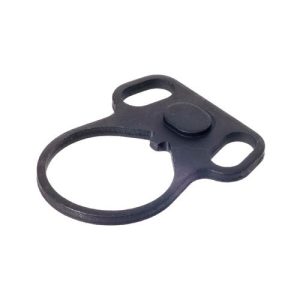
 -50%
Uncle Mike's Sling Swivel Set - Remington 760 & 7600
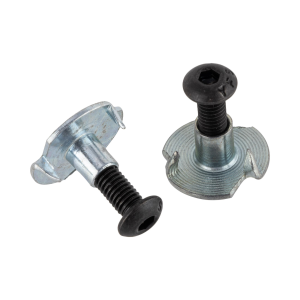
Atlas Bipods Rail Mounting Fastener Set for BT15/BT17 Picatinny Rails
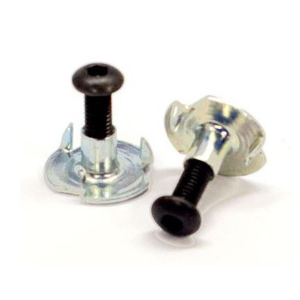
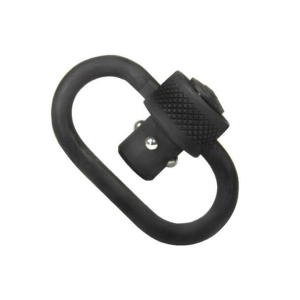
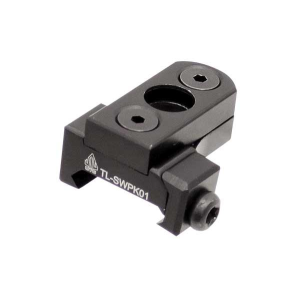
Leapers UTG Picatinny/Keymod Compatible Adaptor for QD Sling Swivel - TL-SWPK01
Table of Contents
Single-Point, Two-Point or Three-Point?
| Sling type | How it attaches | Best for |
|---|---|---|
| Two-point | Front and rear of the rifle | Carry, hunting, general use; the default pick |
| Single-point | One spot near the receiver | Fast shoulder switches; the rifle hangs and swings |
| Three-point | Front, rear and a loop around your body | Rare now; snags and tangles easily |
| Convertible | Switches between one-point and two-point | Shooters who want both, like the Magpul MS4 |
For almost everyone, buy a two-point. It carries the rifle securely, lets you sling it across your back to use both hands, and doubles as a shooting aid when you wrap it around your support arm. A single-point lets you switch shoulders fast around barricades, but the rifle swings into your knees when you let go of it. Three-point slings had a moment and mostly disappeared, because the extra strap gets in the way.
The Slings Worth Buying
Magpul’s MS1 is the plain two-point that a lot of AR owners end up with. It lists at $42.95, and its slider gives 10 inches of length adjustment, so you can cinch it tight to shoot and loosen it to carry. The MS4 Gen2 ($79.95) is Magpul’s convertible version that “quickly switches between one-point and two-point configurations.”
The Blue Force Gear Vickers Sling starts at $49.95. Blue Force Gear says it was developed with Larry Vickers, a former 1st SFOD-Delta operator, and its Quick Adjuster pulls the sling from carry length to firing length in one motion. It comes padded or unpadded. For a deer rifle, a basic padded nylon or leather sling with swivels does the job for far less. Our best rifle slings and best AR-15 slings guides rank the picks.
Sling Hardware and Mounting
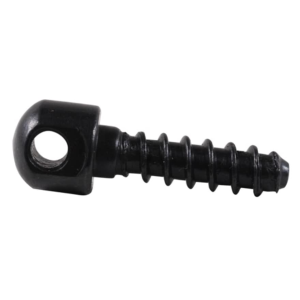
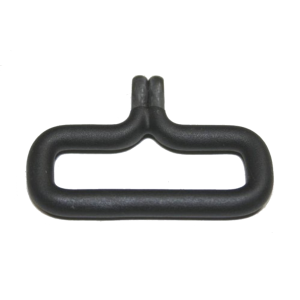
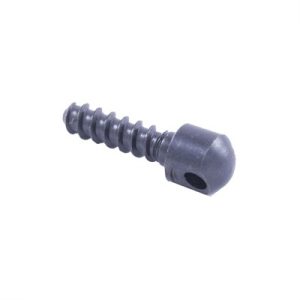
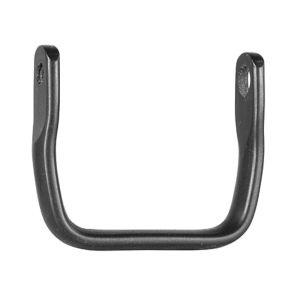
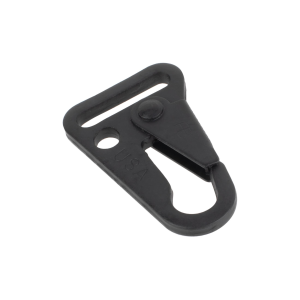
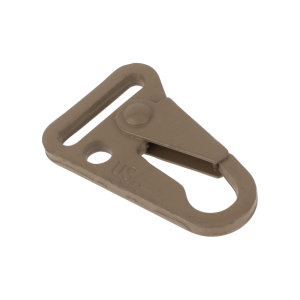
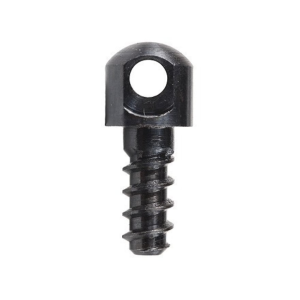
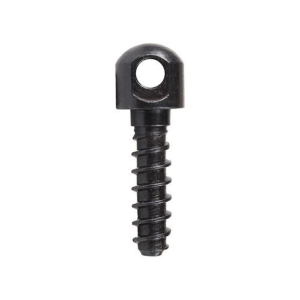
How the sling clips on matters as much as the sling. Most hunting rifles have sling swivel studs, which are small posts screwed into the stock that take a loop swivel. Most modern rifles use push-button QD sockets instead: the swivel snaps in and pops out at the press of a button. Magpul’s QD swivel ($14.95) handles slings up to 1-1/4 inches wide, and Blue Force Gear’s Push Button QD swivel starts at $24.95.
Check what your rifle has before you order. An AR with an M-LOK handguard needs an M-LOK QD socket, and some stocks take the QD swivel directly. If your rifle has bare studs and you want a QD sling, buy a stud-to-QD adapter rather than drilling anything.
Bipod Height: Match It to Your Position
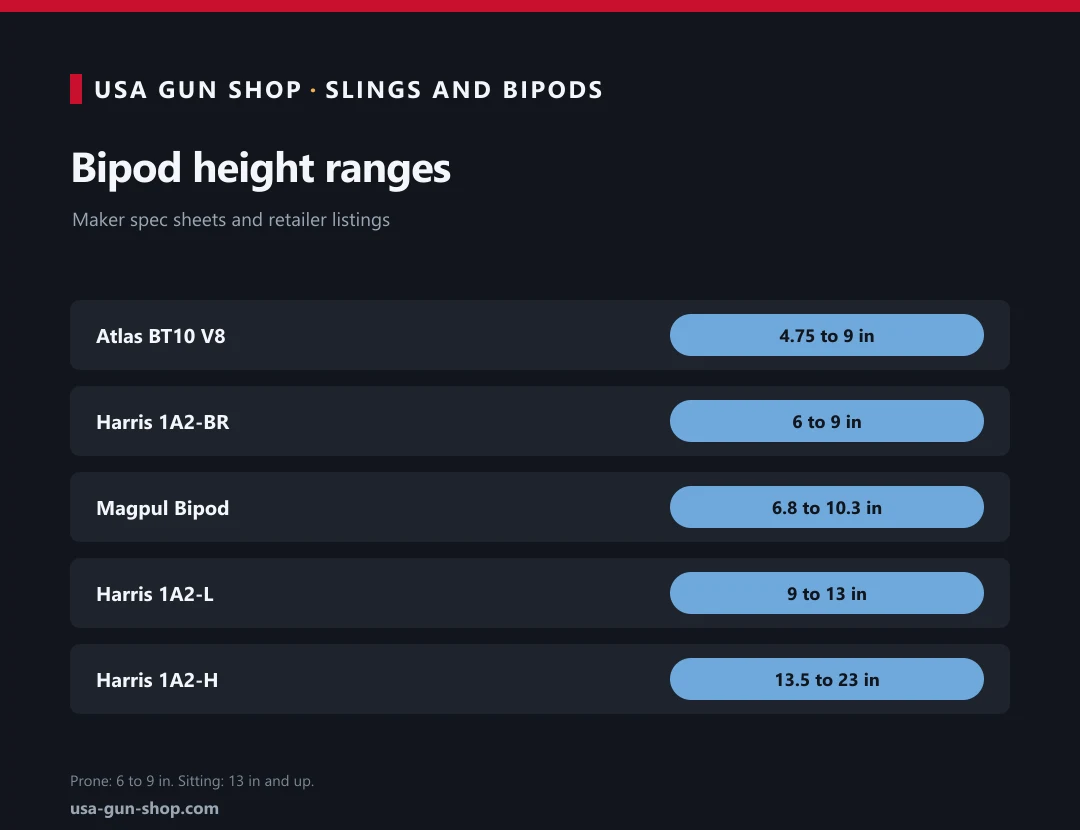
| Bipod | Height range | Use |
|---|---|---|
| Atlas BT10 V8 | 4.75 to 9 in | Prone, precision |
| Harris 1A2-BR | 6 to 9 in | Prone, bench |
| Magpul Bipod (M-LOK) | 6.8 to 10.3 in | Prone, AR and precision rifles |
| Harris 1A2-L | 9 to 13 in | Prone over grass, bench |
| Harris 1A2-H | 13.5 to 23 in | Sitting |
Height is the first decision. Prone shooters want legs in the 6 to 9 inch range, because taller legs push the rifle up and make you lift your head off the stock. If you hunt from the ground in tall grass or shoot off a bench, a 9 to 13 inch model clears the vegetation. Sitting shooters need 13 inches and up. The Harris and Atlas heights above come from retailer listings and Atlas’s own spec sheet; Magpul’s are from its product page.
Harris vs Atlas vs Magpul
Harris is the classic. It clamps to a sling swivel stud, folds forward or back, and its spring-loaded legs snap out fast. Retail prices run from $69.99 for the 1A2-BR to $129.99 for the swiveling, notched S-LM. The “S” models swivel so you can level the rifle on uneven ground; the “M” in a model name means notched legs. More in our Harris bipods brand guide.
Atlas, made by B&T Industries in Wichita, Kansas, is the precision shooter’s choice. The BT10 V8 adjusts from 4.75 to 9 inches, gives up to 15 degrees of pan or cant each way, and locks its legs at five positions from 0 to 180 degrees. It mounts on a 1913 Picatinny rail and sells for $229.95 at retail. See our Atlas bipods guide.
Magpul‘s bipod lists at $119.95 for the M-LOK version. Its legs extend from 6.8 to 10.3 inches in seven half-inch steps, with 50 degrees of total tilt and 40 degrees of total pan. It’s lighter on the wallet than an Atlas and more adjustable than a basic Harris. Our best bipods guide has the full ranking.
How a Bipod Mounts
There are three common mounts. A stud mount, the Harris style, clamps onto the sling swivel stud under the forend. A Picatinny mount clamps onto a MIL-STD-1913 rail, which Atlas describes as a metal rail with raised ridges and square-cut slots, standardized by Picatinny Arsenal in the 1990s. An M-LOK mount bolts straight into the slots on an M-LOK handguard; Magpul released the M-LOK system in 2014.
You can adapt between them. Atlas sells a BT81 adapter that converts a sling stud into a short Picatinny rail, and Magpul’s M-LOK bipod mount accepts Harris-style bipods. Pick the bipod for its legs and adjustment, then buy the adapter your rifle needs.
Shooting Rests and Bags
For sighting in at the bench, a rest beats a bipod. A sandbag-style rest is cheap and portable: Caldwell’s Tack Driver bag comes filled for $56.99 and works under a rifle or shotgun forend. A full rest like Caldwell’s Lead Sled DFT 2 ($324.99) holds the whole rifle in a dual frame, which cuts the recoil you feel during a long session with a magnum. A rear squeeze bag paired with a front bag is the cheapest way to tighten groups. Our best shooting rests guide covers more options.
A rest won’t teach you to shoot from field positions, so don’t sight in from a Lead Sled and assume your point of impact is the same off a bipod or sling. Confirm zero from the position you’ll hunt or compete from.
Using a Sling as a Shooting Aid
A two-point sling is also a shooting support. Wrap it around your support arm above the elbow, tighten it so it pulls the rifle back into your shoulder, and you’ll steady a sitting or kneeling shot in a way no bipod can, because a bipod needs a surface. Hunters who use their sling this way get steady shots from positions where a bipod won’t reach the ground. Practice it at the range before you count on it in the field.
Bipods for Precision Rifle Matches
Precision Rifle Series shooters run a short, stiff bipod with pan and cant, and the Atlas BT10 is the one you’ll see on the line most. They also carry a rear bag and a barricade bag, because many stages put you on props where a bipod can’t reach. If you’re new to the sport, read what PRS is, then check our best PRS rifles before you spend money on a bipod.
What You Pay For in a Bipod
The jump from a $70 bipod to a $230 one buys three things. First, stiffness: a better bipod flexes less under load, so when you push into it the rifle stays put and your shot breaks the same way every time. Second, movement you control: pan lets you track a target left and right without moving the legs, and cant lets you level the rifle on a slope so your crosshair stays plumb. Third, leg adjustment that locks positively, so a leg doesn’t creep shorter halfway through a string.
If you shoot from a bench or a flat range mat, a basic fixed Harris does the job and you can skip the extras. If you hunt hillsides or shoot steel at distance, the swivel or cant is worth paying for, because an unlevel rifle throws shots sideways at long range. Weight counts too: a heavy bipod hanging off a hunting rifle is the first thing you’ll take off after a long walk.
Any Legal Limits?
No state we checked restricts slings, sling swivels, shooting rests or bipods themselves. In states with an assault weapon feature test, a forward grip on a rifle counts as a feature, so a bipod with a grip-style handle can raise questions there. If you live in one of those states, check your rifle’s configuration against your state’s list before you add anything that looks like a vertical grip.
My Shopping Order
Buy the sling first, because every rifle needs one and it’s the cheapest piece. Get a two-point with a quick adjuster and the right hardware for your mounts. Second, if you shoot prone or at the bench, buy a bipod in the height that fits how you shoot: 6 to 9 inches for prone, taller for sitting. Third, add a rear bag. Only buy a full rest like a Lead Sled if you sight in a lot of heavy-recoiling rifles.
Spend on the bipod rather than the sling if your budget only stretches to one good one. A cheap sling is annoying, but a cheap bipod that wobbles or creeps costs you hits.
Facts and Figures

- Magpul Bipod: 50 degrees total tilt and 40 degrees total pan, per Magpul
- Atlas BT10 V8: five leg positions from 0 to 180 degrees, made in Wichita, Kansas
- Vickers Sling: developed with Larry Vickers, per Blue Force Gear
- M-LOK: released by Magpul in 2014
- Magpul MS1: $42.95 with 10 inches of slider adjustment
Related Guides
- Best rifle slings
- Best AR-15 slings
- Best bipods
- Best shooting rests
- Magpul parts and accessories
- Tactical gear
Frequently Asked Questions
What is the difference between a single-point, two-point and three-point sling?
A two-point sling attaches at the front and rear of the rifle and is the most common carry setup. A single-point sling attaches at one spot near the receiver so you can switch shoulders fast. A three-point sling adds a loop around your torso, so your body is the third point.
How much does a good rifle sling cost?
Magpul's MS1 two-point sling lists at $42.95. The Blue Force Gear Vickers Sling starts at $49.95, and the convertible Magpul MS4 lists at $79.95.
Who designed the Vickers sling?
Blue Force Gear developed it with Larry Vickers, a former 1st SFOD-Delta operator. Its Quick Adjuster lets you move from a comfortable carry length to a tight firing length with one pull.
What bipod height do I need for prone shooting?
Prone shooters use short bipods in the 6 to 9 inch range, such as the Harris 1A2-BR or the Atlas BT10, which adjusts from 4.75 to 9 inches. Sitting shooters use 9 to 13 inch models, and Harris makes models of 13.5 inches and up for sitting.
Does the Magpul bipod pan and tilt?
Yes. Magpul's Bipod for M-LOK gives 50 degrees of total tilt and 40 degrees of total pan, and its legs extend from 6.8 to 10.3 inches in seven half-inch steps. It lists at $119.95.
Why do precision shooters pay more for an Atlas bipod?
The Atlas BT10 V8 has preloaded pan and cant of up to 15 degrees each way and legs that lock at five angles from 0 to 180 degrees. It mounts to a 1913 Picatinny rail and sells for $229.95 at retail.
How does a bipod attach to my rifle?
Harris-style bipods clamp to a standard sling swivel stud. Rail bipods such as the Atlas clamp to a MIL-STD-1913 Picatinny rail. M-LOK bipods bolt straight into the slots Magpul introduced in 2014.
Is a shooting rest or a sandbag better for sighting in?
A shooting bag like the Caldwell Tack Driver ($56.99) gives a steady, portable rest for most rifles and shotguns. A Lead Sled DFT 2 ($324.99) holds the whole rifle in a frame to cut felt recoil during long sighting sessions.
4,367+ Gun & Ammo Deals
Updated daily from 200+ top retailers. Filter by category, caliber, action type, and price.