

For every legendary firearm that changed history, there’s one that face-planted in front of the whole world. Some were brilliant ideas that physics refused to allow. Some cut the wrong corner in production. And a couple got a worse reputation than they deserved, so I set the record straight on those too. Here are ten guns that failed spectacularly, told with affection, because a lovable disaster is still a great story.
Table of Contents
The Chauchat
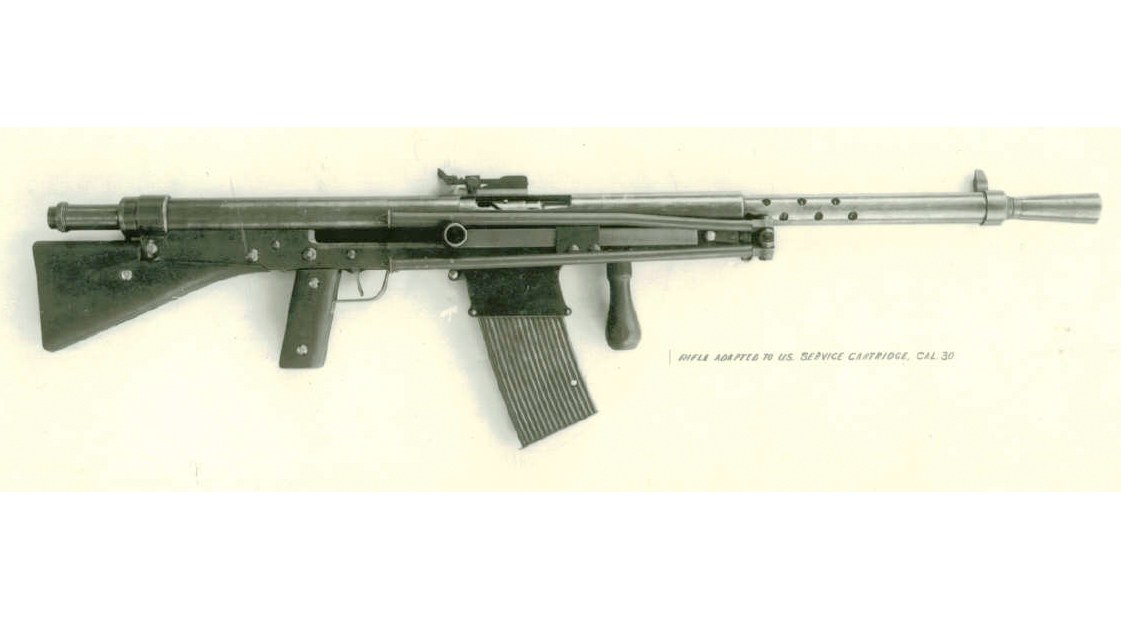
The French Chauchat is the poster child for “worst gun ever,” and that reputation is only half fair. The original 8mm version worked fine when you kept it clean; its real sin was an open-sided magazine, shaped for the awful tapered 8mm Lebel round, that scooped up mud in the trenches. The American rebuild in .30-06 was the true disaster, with badly cut chambers that caused constant extraction failures. But even that gun ran better than legend says. Frame it as a decent idea wrecked by a bad cartridge and cheap wartime production, not the worst gun in history.
The Nock Volley Gun
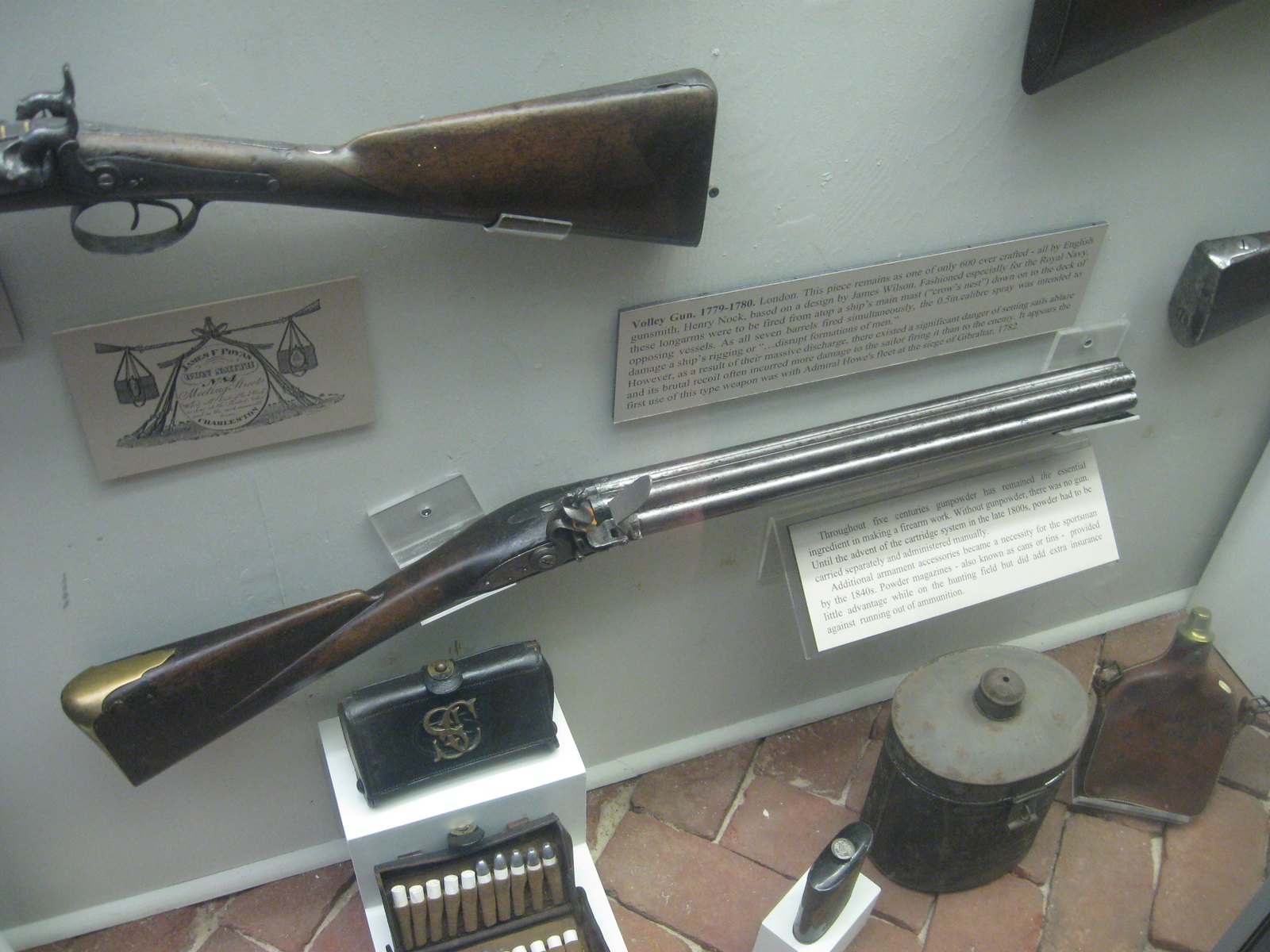
Picture a flintlock with seven barrels that all fire at once. The Royal Navy bought about 500 of them in the 1780s to fire down onto enemy decks from the rigging. The recoil was so brutal they had to cut the powder charge, and the huge muzzle flash threatened to set a ship’s own sails alight. It was slow to reload and expensive, and the Navy quietly retired it by 1804. The shoulder-shattering stories are exaggerated, but the thing was a handful.
The Gyrojet
The 1960s Gyrojet fired tiny rockets instead of bullets, and it has the strangest flaw on this list: it hit harder the farther away you stood. The little rockets left the muzzle so slowly they were nearly harmless at across-the-room pistol range, only reaching full speed 20 feet downrange. Add clogged vent ports that killed accuracy and frequent duds, and you have a space-age pistol that was worst at exactly the distance a pistol matters most.
The Dardick 1500
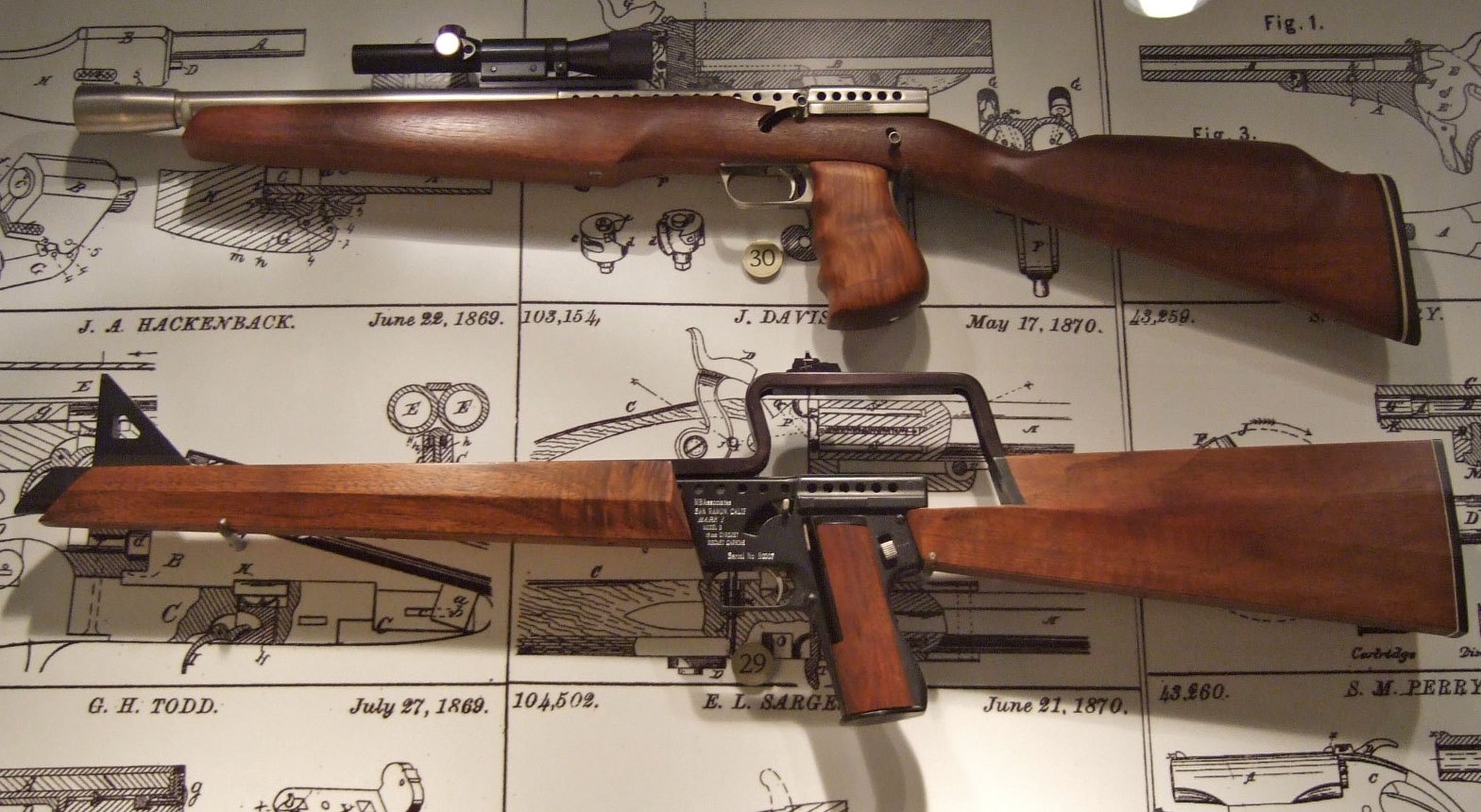
The Dardick was a genuinely clever idea buried under a terrible one. It was an open-chamber, magazine-fed revolver, arguably a third type of action between wheel gun and semi-auto. The catch was its ammo: triangular plastic-cased “trounds” that fit no other gun on earth and warped so badly they wouldn’t chamber. The company folded in about three years, and only a few dozen were ever built. If you want a revolver that actually works, our best revolvers guide has you covered.
The Krummlauf
Nazi Germany’s bent-barrel attachment for the StG 44 was meant to let you shoot around corners from cover. Physics said no. The curve shattered bullets into a useless spray and wore out fast, about 300 rounds on the gentler 30-degree version. The vent holes drilled to relieve pressure just blew hot gas and fragments back at the shooter. A great idea for exactly one thing, defeated by the laws of nature.
The Cochran Turret Revolver
Here’s one that could kill its own shooter. The 1830s Cochran used a flat, horizontal turret cylinder, which meant several loaded chambers pointed sideways and backward, straight at your face. If more than one chamber went off at once, a real risk in that era, you shot yourself. Colt’s forward-facing cylinder made it obsolete almost immediately, and for good reason.
The Mars Automatic Pistol
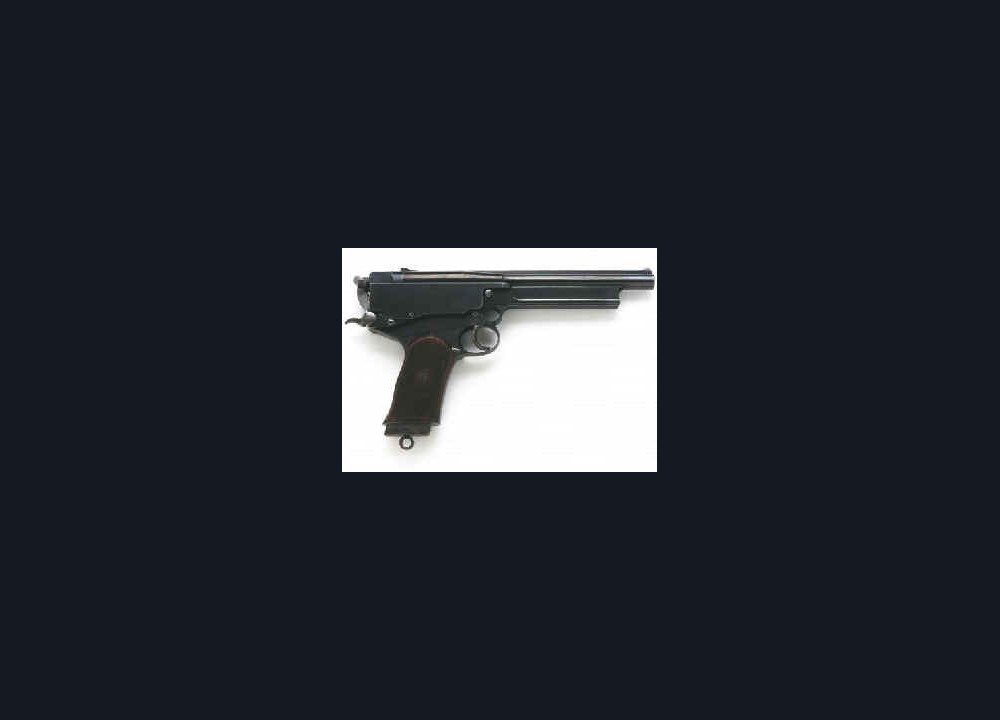
The British Mars pistol of 1900 was so unpleasant to shoot that a Royal Navy test officer summed it up perfectly: “No one who fired once with the pistol wished to shoot it again.” It had savage recoil, a blinding muzzle flash, and it flung hot spent cases back into your face. It wasn’t unreliable so much as brutal and needlessly complex, and when the inventor refused to fix it, he went bankrupt. About 80 were made.
The Remington R51
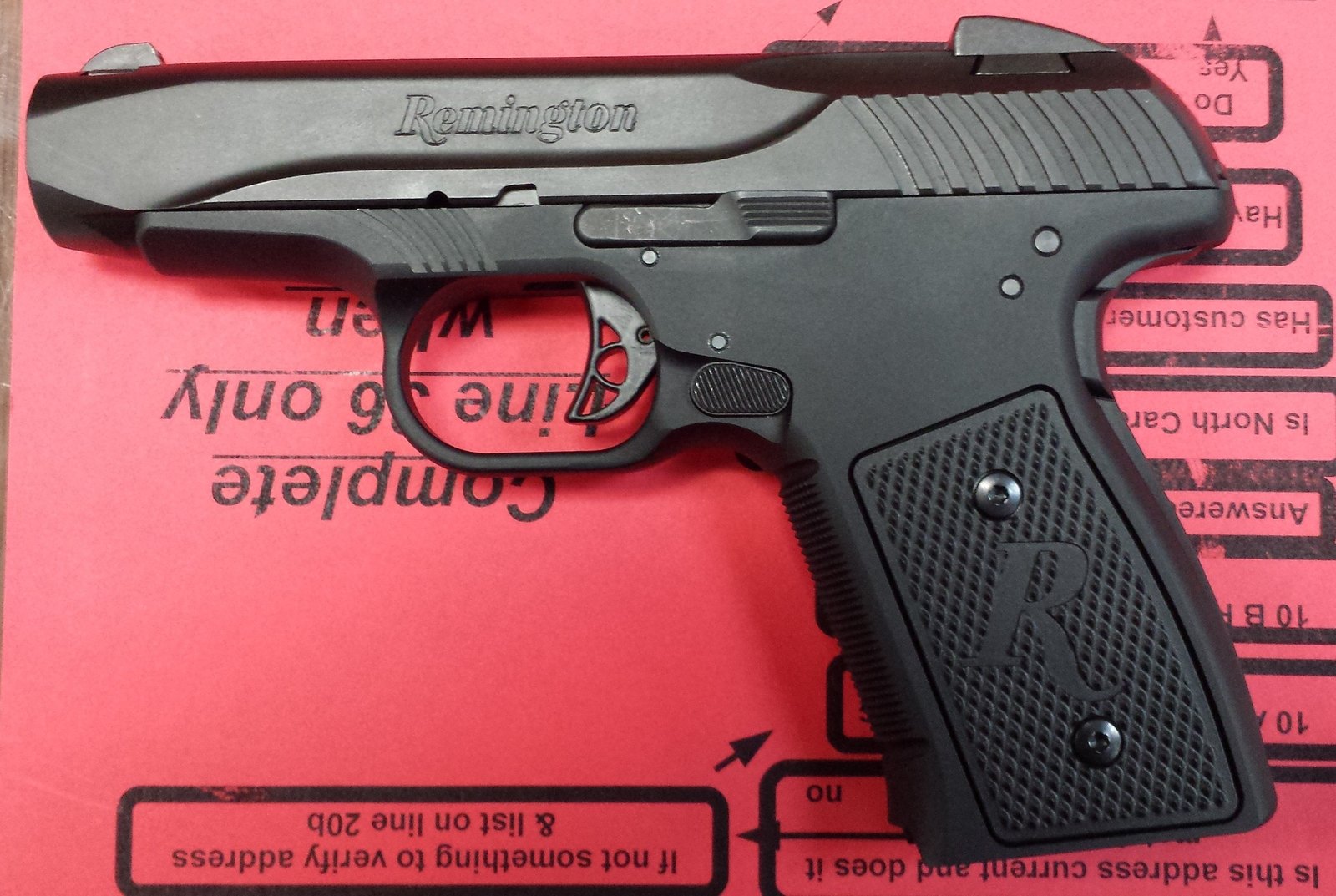
Give Remington credit for a great idea and no credit for the execution. The 2014 R51 revived John Pedersen’s elegant 1918 Model 51, and prototypes reviewed beautifully. Then production guns shipped with failures to feed, extract, and eject, magazines dropping free, and dangerous out-of-battery firing. A full recall followed. To be clear, the original 1918 pistol was a gem; only the modern relaunch flopped. It’s a textbook case of a prototype that never survived the jump to the factory floor. Our best 9mm pistols guide sticks to the ones that actually run.
The Colt All-American 2000
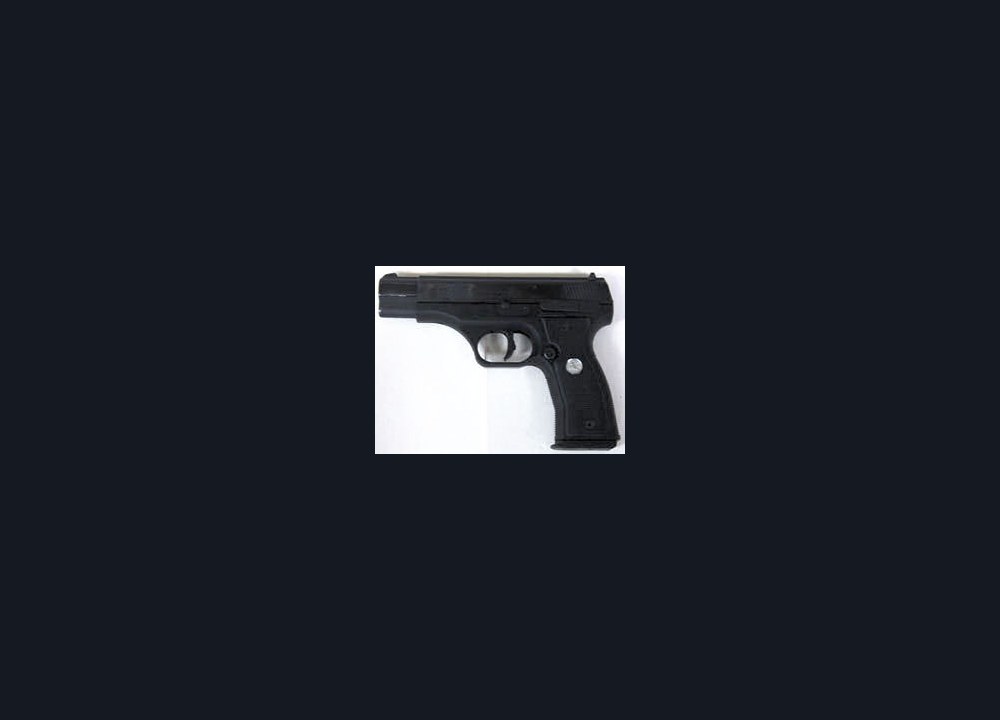
This one hurts because of the names on it. The Colt 2000 was co-designed by Eugene Stoner, the father of the AR-15, and yet it became known as Colt’s worst gun ever. Lawyers doubled the trigger pull from about six pounds to twelve, killing the whole point of its slick roller-bearing trigger, and out-of-spec barrels made it wildly inaccurate. It was dead in two years. Even legends have off days.
The Type 94 Nambu
Japan’s Type 94 earned the grim nickname “the suicide gun,” thanks to an exposed sear bar on the side of the frame that could fire the pistol without a trigger pull if you pressed it hard enough. The nickname oversells it a little, since it takes deliberate pressure, not a light bump, and the worst examples came from desperate late-war production. Still, a pistol you can fire by grabbing it wrong is not a design anyone should be proud of.
The Lesson of the Lovable Flops
Every one of these guns failed for an honest reason: a law of physics, a cut corner, a cartridge that would not cooperate, or an inventor too stubborn to listen. That’s exactly why the guns that do work are worth celebrating. If you’d rather read about firearms that earned their reputation the good way, our reviews are full of them.
4,015+ Gun & Ammo Deals
Updated daily from 200+ top retailers. Filter by category, caliber, action type, and price.
Related Guides