

For a couple of centuries, gentlemen settled insults with matched pistols at dawn under a strict code of honor. Some of history’s most famous names died this way, and the elegant cased dueling pistols they used are prized collectors’ pieces today. Here are the most famous duels in history, the guns behind them, and where the popular version of the story doesn’t match the record.
Table of Contents
Burr vs Hamilton (1804)
The most famous duel in American history pitted sitting Vice President Aaron Burr against former Treasury Secretary Alexander Hamilton at Weehawken, New Jersey. They used a pair of ornate Wogdon & Barton flintlock pistols, about .54 caliber, and Hamilton was mortally wounded, dying the next day. Burr was physically fine but his career was finished. Remarkably, those very pistols survive today, held by JPMorgan Chase in New York.
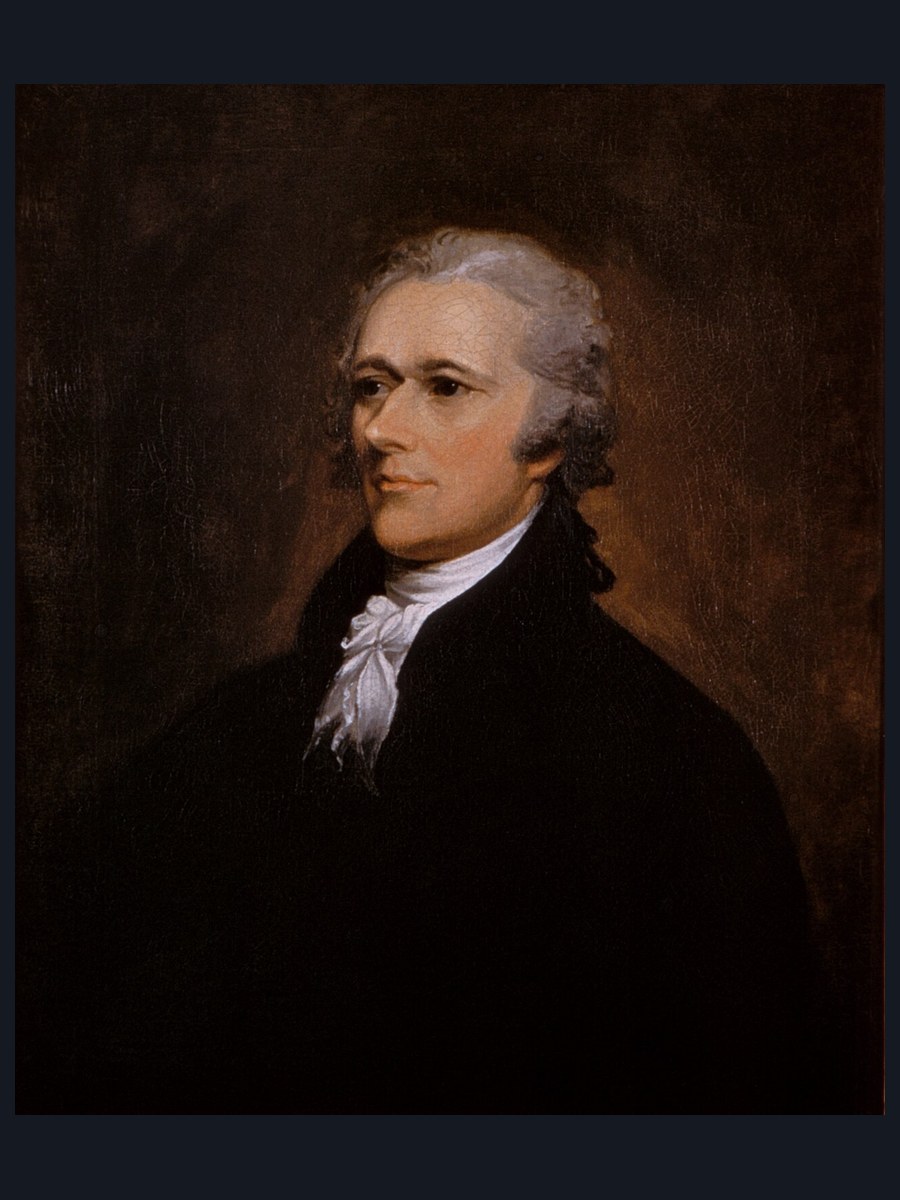
Here’s the debate that never dies: those Wogdon pistols had a hidden hair-trigger feature, and historians still argue about whether Hamilton meant to throw away his shot, fired reflexively when he was hit, or simply aimed and missed. There’s a grim family echo too. Three years earlier, Hamilton’s teenage son Philip was killed in a duel at the same spot, with the same set of pistols.
Andrew Jackson vs Charles Dickinson (1806)
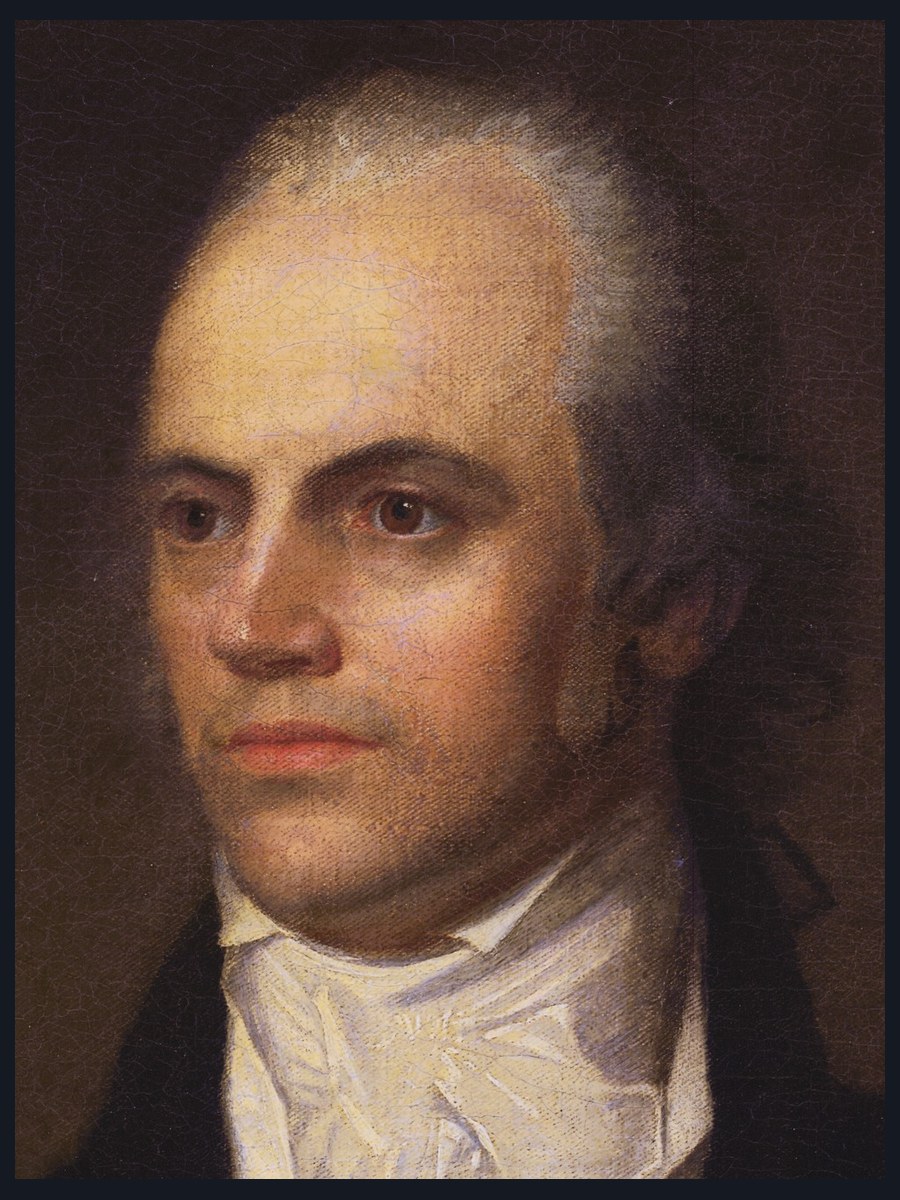
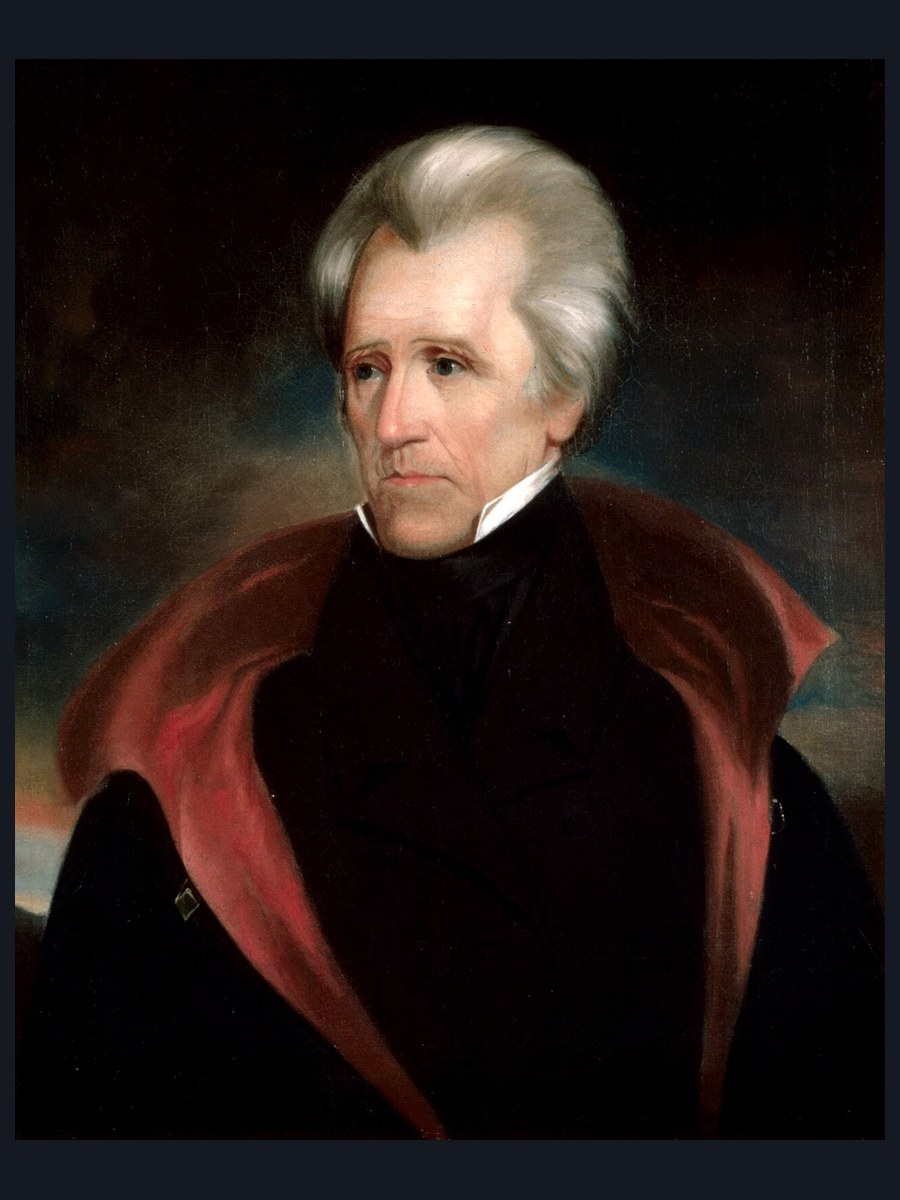
Future president Andrew Jackson fought over a horse-race insult and a slur against his wife. Dickinson, a crack shot, fired first and put a ball into Jackson’s chest, roughly two inches from his heart. Jackson stayed on his feet, took deliberate aim, and when his pistol stopped at half-cock he simply re-cocked it and killed Dickinson. He carried that bullet near his heart for the rest of his life.
Barron vs Decatur (1820)
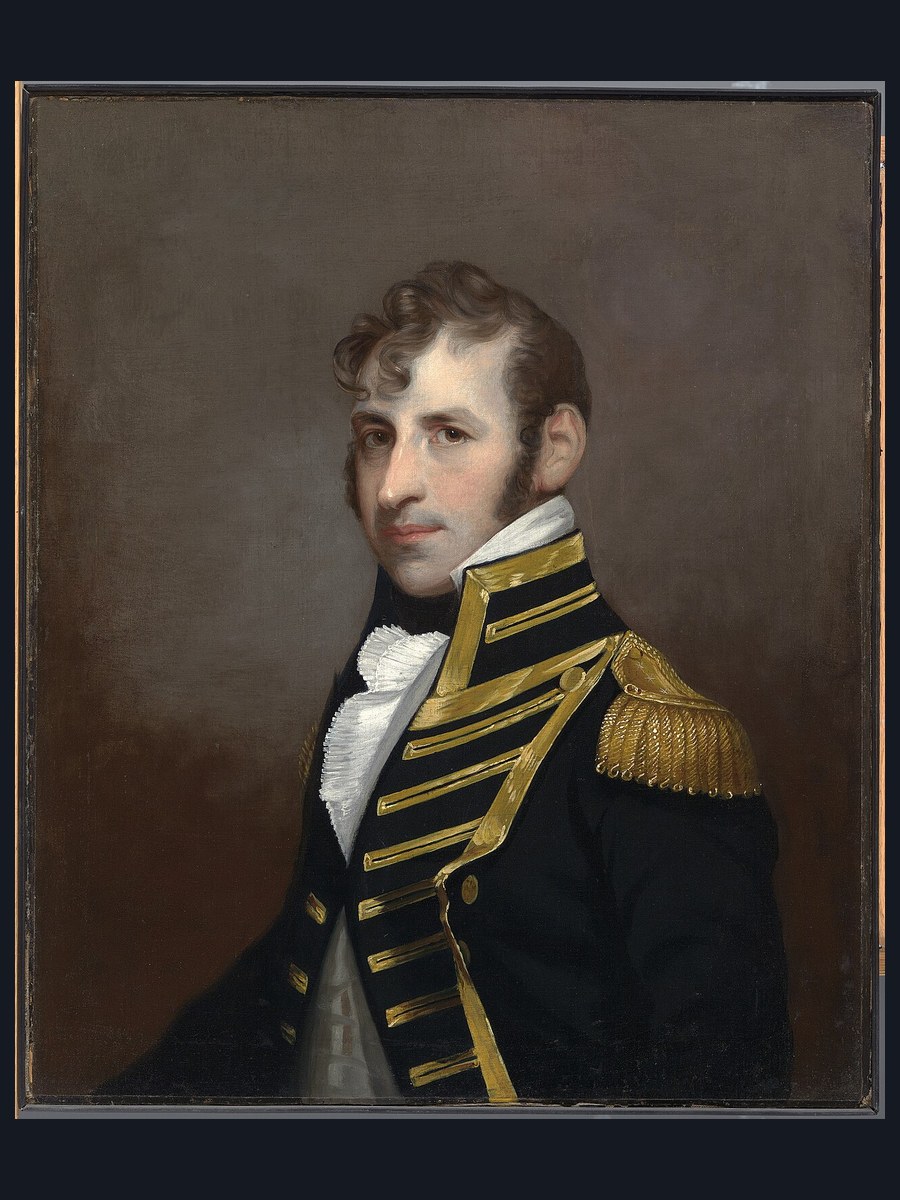
Two celebrated US Navy commodores, James Barron and Stephen Decatur, dueled at the notorious Bladensburg grounds outside Washington. Both men were hit. Barron survived his leg wound, but Decatur, a genuine national hero, died that day. The capital went into mourning and the House adjourned for his funeral. It remains one of the saddest duels in American history, two heroes destroyed by wounded pride.
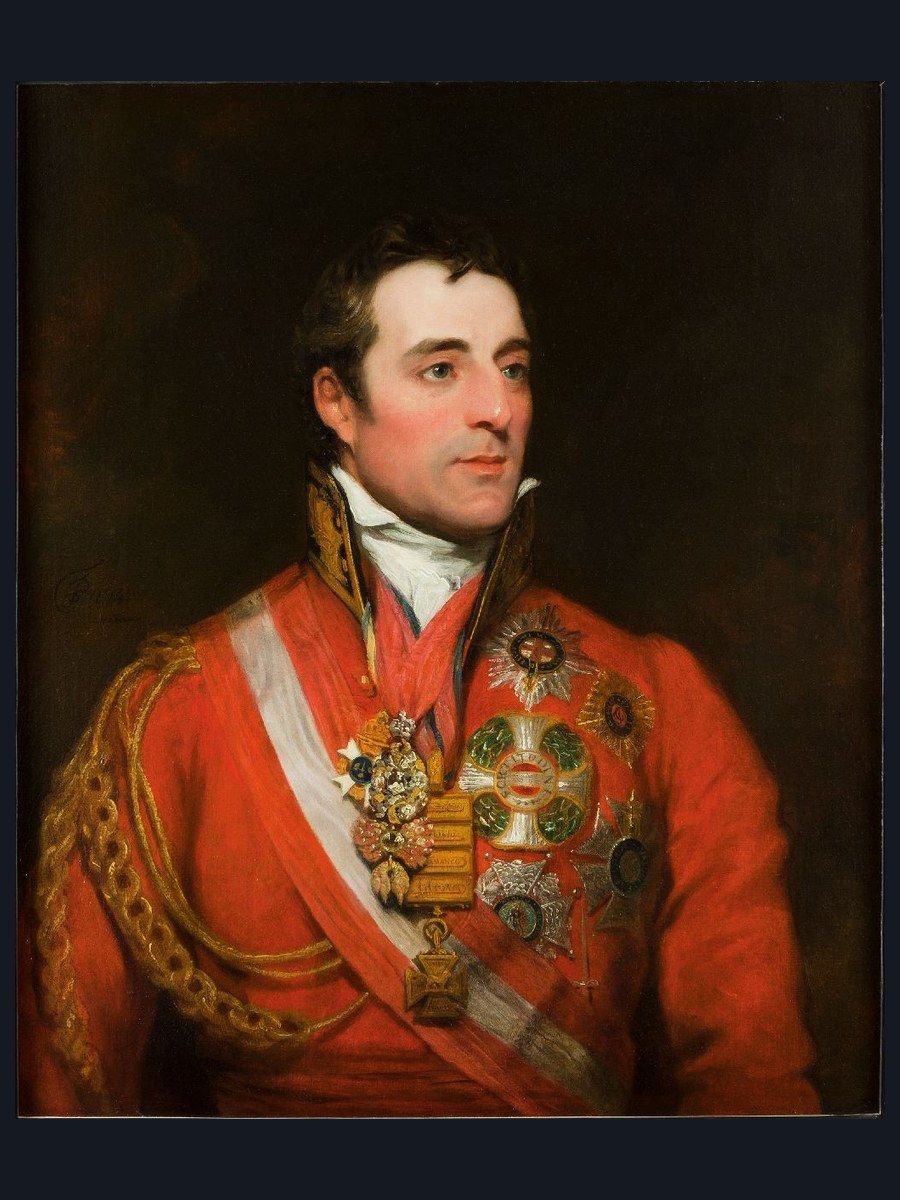
The Duke of Wellington vs the Earl of Winchilsea (1829)
Yes, a sitting British Prime Minister fought a duel. The Duke of Wellington, the man who beat Napoleon, met the Earl of Winchilsea over Catholic emancipation at Battersea Fields. It ended bloodlessly: Wellington, a notoriously poor shot, fired wide, Winchilsea kept his arm down and never fired at all, a gesture called deloping, and then apologized in writing. Honor satisfied, nobody dead.
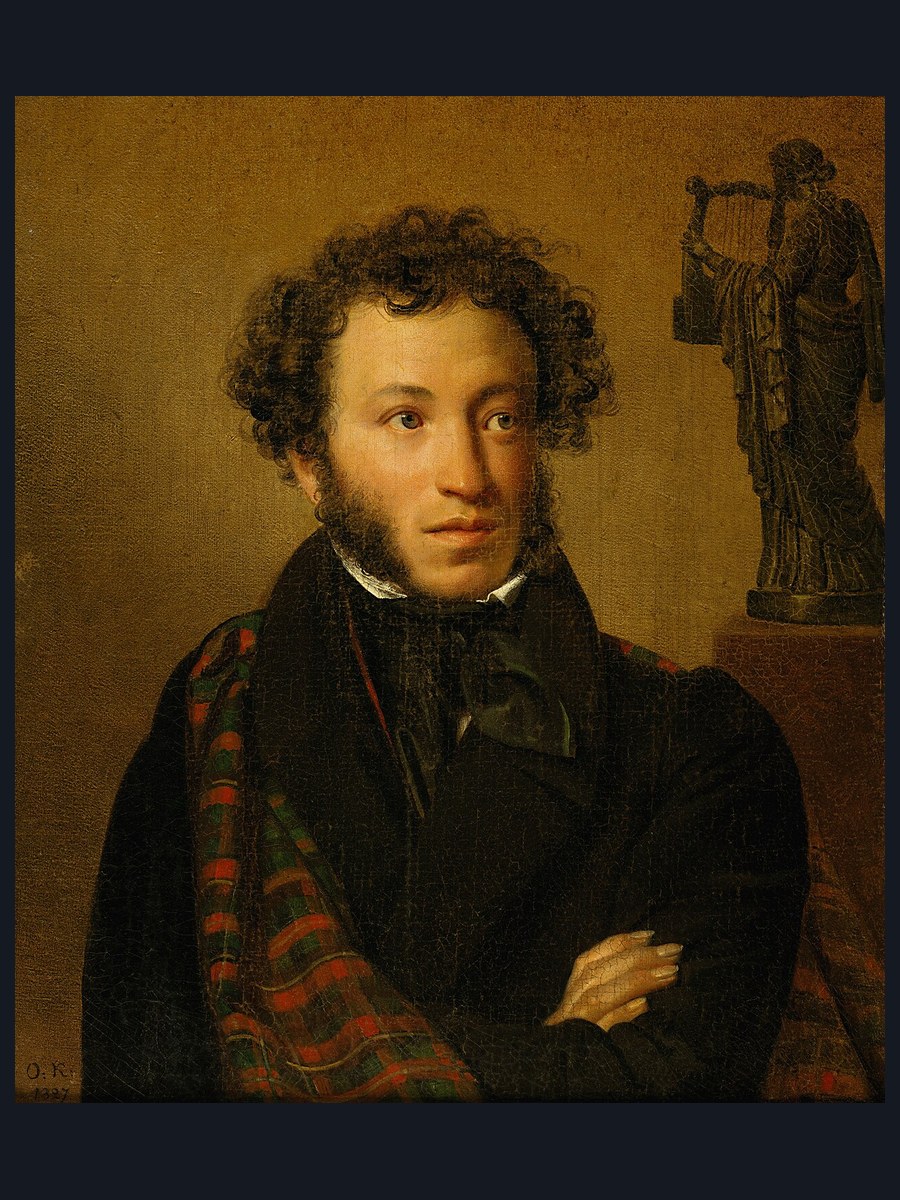
Pushkin vs d’Anthès (1837)
Russia’s greatest poet, Alexander Pushkin, died defending his wife’s honor against Georges d’Anthès, who had been openly courting her. They met with French smoothbore dueling pistols on the snowy bank of the Black River near St. Petersburg. Pushkin was shot in the abdomen and died two days later. His return shot struck d’Anthès but was stopped by a button on his uniform. Russia lost its national poet at just 37.
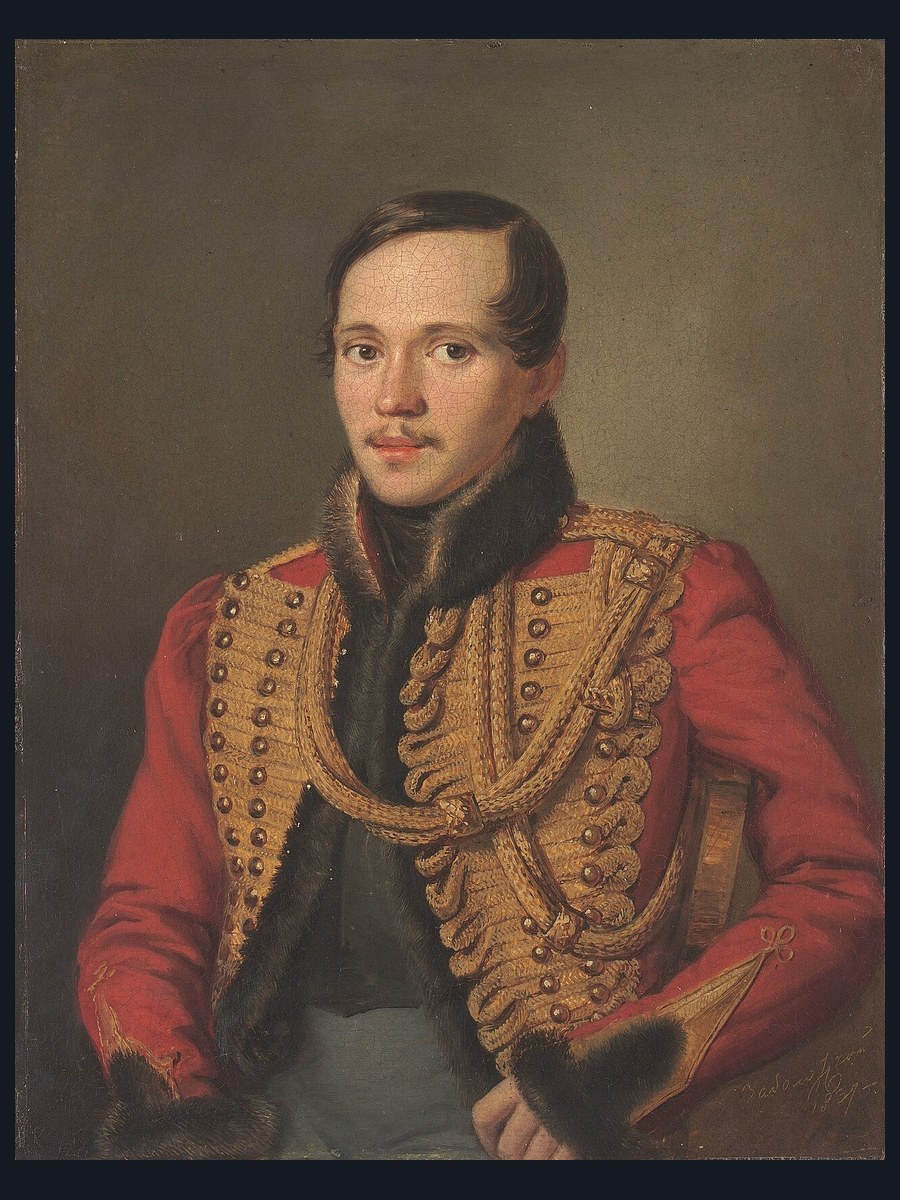
Lermontov vs Martynov (1841)
Just four years later, Russia lost its second great Romantic poet the same way. Mikhail Lermontov, who had written a furious poem blaming society for Pushkin’s death, was killed in a duel with an old classmate he had mocked once too often. The traditional account says Lermontov meant to fire into the air, though that rests on eyewitness memory rather than proof. Either way, he was dead at 26.
Lincoln vs Shields: The Duel That Wasn’t (1842)
A young Abraham Lincoln once came within minutes of a duel. State auditor James Shields challenged him over some anonymous newspaper jabs, and as the challenged party Lincoln got to pick the weapons. The lanky future president, all six-foot-four of him, chose heavy cavalry broadswords to exploit his enormous reach over the shorter Shields, then casually lopped off a high tree branch to make his point. The seconds brokered a peace on the spot, and Lincoln was so embarrassed he rarely spoke of it again.
The Gwinnett Duel and the Last of the Code
Dueling reached back to America’s founding: in 1777, Declaration signer Button Gwinnett and General Lachlan McIntosh shot each other at twelve paces, and Gwinnett died, which is partly why his signature is one of the rarest and most valuable in the country. The tradition finally faded after high-profile deaths like the 1859 duel in which a US Senator, David Broderick, was killed by a former state chief justice. These flintlock and percussion single-shot pistols are the ancestors of the American handgun; you can trace that lineage forward in our 1911 pistol guide.
4,021+ Gun & Ammo Deals
Updated daily from 200+ top retailers. Filter by category, caliber, action type, and price.
Related Guides