

Some gun “facts” get repeated so often they feel true. A lot of them come straight off a movie screen, and once you spend real time behind a trigger you find out the truth’s messier and a lot more interesting. I pulled the ten firearms myths I hear most, dug into what the science and the source documents actually say, and separated the Hollywood version from reality. A few of these myths even have a kernel of truth buried inside, so I flagged those too. Here is the honest version.
If you want the pure movie-trope edition, we broke those down separately in our Hollywood gun myths piece. This one is about the beliefs people carry into real life.
Table of Contents
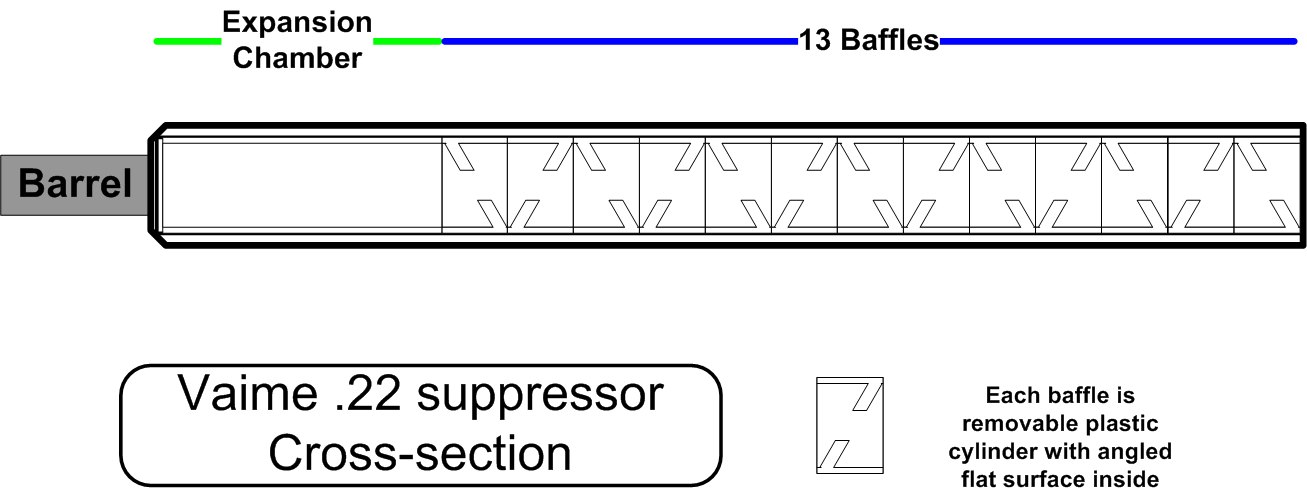
1. A Suppressor Makes a Gun Movie-Quiet
The screen version is a soft pfft you could sleep through. Real life is nowhere close. A suppressor knocks roughly 20 to 35 decibels off the peak report. Put the best can on the quietest round, a .22, and you’re still around 110 to 120 decibels. Centerfire rifles and pistols stay north of 130 decibels even suppressed, which is louder than a jackhammer. The word “silencer” is a marketing term Hiram Maxim coined over a century ago. These things quiet a gun. They don’t silence it.
Here is the part people get wrong in the other direction: suppressors aren’t useless. A single unprotected shot above about 140 decibels can cause instant, permanent hearing loss, and unsuppressed guns run 140 to 170-plus. That 20 to 35 decibel cut is real hearing protection, roughly on par with a good set of plugs, which is exactly why suppressors are pitched as hearing-health gear. If you want to understand how they actually work and what it takes to own one, start with our guide to the best suppressors.
2. The Right Caliber Has Knockdown Power
Nobody gets lifted off their feet and thrown through a window. The FBI said so in plain language back in 1989, in its report on handgun wounding factors: energy-dump and “shock” incapacitation are essentially a myth for pistol rounds. The only reliable way a handgun stops a threat is by damaging the central nervous system or causing enough blood loss that the body quits. That is why the Bureau’s whole standard is penetration, 12 to 18 inches in calibrated gel, so the bullet reaches something that matters.
Don’t swing all the way to “caliber is meaningless,” though. Penetration and shot placement rule, but the round still has to get deep enough and ideally open up, which is the entire reason hollow points and that 12-to-18-inch benchmark exist. The gap between 9mm, .40, and .45 is real but modest, which is a big part of why the FBI went back to 9mm. Load quality matters more than the number on the box, so read our breakdown of the best defensive ammo.
3. Drop a Loaded Gun and It Fires
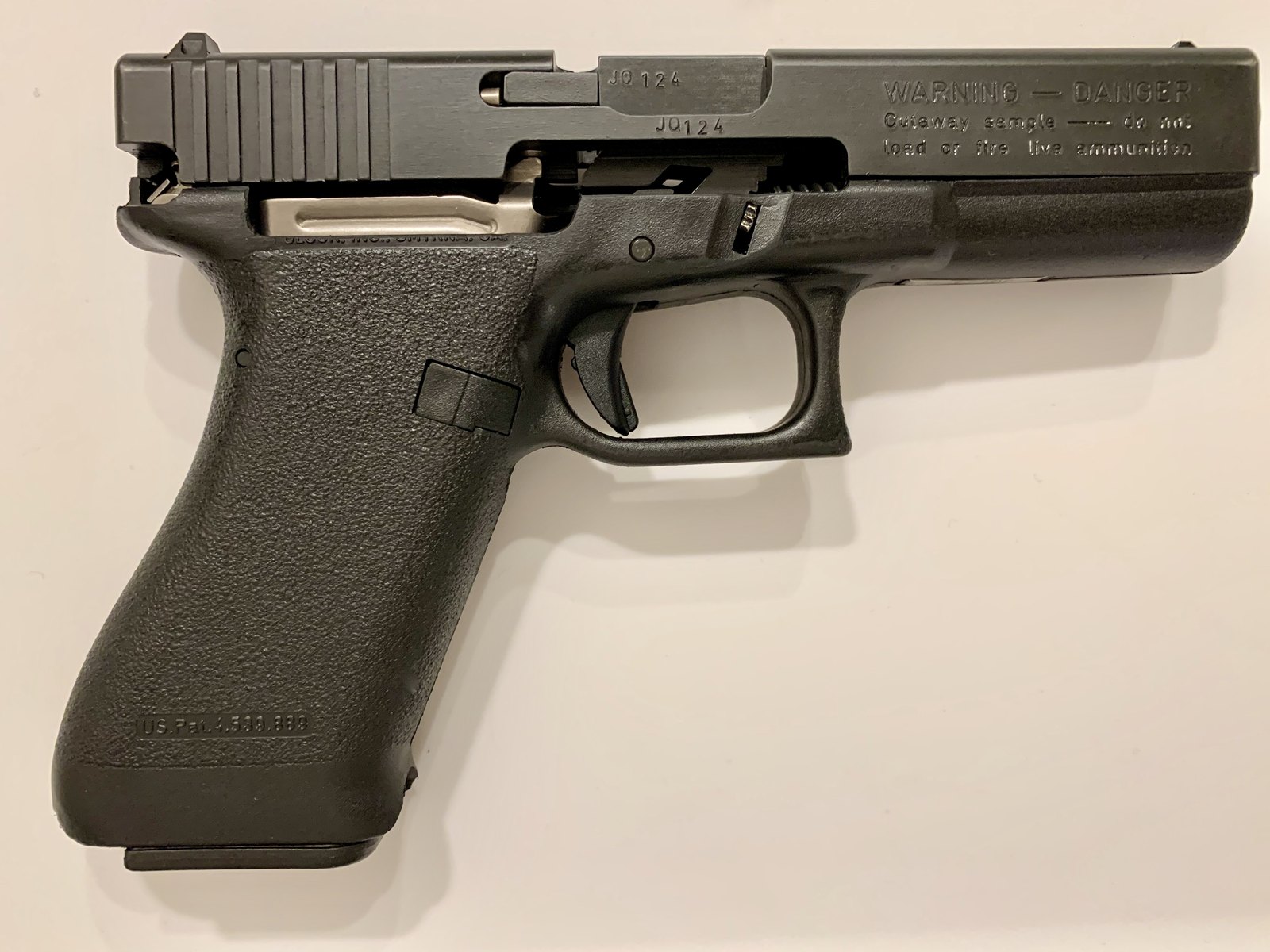
Modern guns are built specifically so this doesn’t happen. Firing-pin blocks, striker blocks, and transfer bars mechanically keep the pin off the primer unless you pull the trigger, and designs get validated against SAAMI’s drop-and-jar test protocol from a stack of angles. A properly working modern gun should not fire when it hits the floor.
This one keeps a kernel of truth, though, which is why it lingers. It was true for a lot of older designs. Single-action revolvers with no drop safety are the reason cowboys loaded five and left the hammer on an empty chamber. And it’s not fully settled today: the SIG P320 saga is the live example. SIG issued a voluntary upgrade in 2017 after testing showed early guns could fire when dropped at a specific angle, and separately more than a hundred owners have alleged uncommanded discharges, several while holstered. An FBI examination was inconclusive and the litigation has gone both ways, so treat it as an open, contested question rather than a settled verdict. If you carry striker-fired, know your platform; our best 9mm pistols guide covers the safe, proven options.
4. You Cannot Fire a Gun Underwater
You usually can, at least once. A cartridge carries its own oxidizer in the primer and powder, so ignition does not need air. MythBusters put this to bed years ago, firing handguns and rifles while fully submerged.
Don’t read that as “guns work fine underwater,” because they absolutely don’t. Water is about 800 times denser than air, so a normal bullet sheds its speed in a few feet. The same show clocked an M1 Garand round traveling roughly six feet underwater before it was harmless. Worse, water isn’t compressible, so pressure can bulge or split a barrel; their 12-gauge cracked on the shot. Firing into the water from above is actually the bigger danger to someone below the surface.
5. Just Racking a Shotgun Scares Off Any Intruder
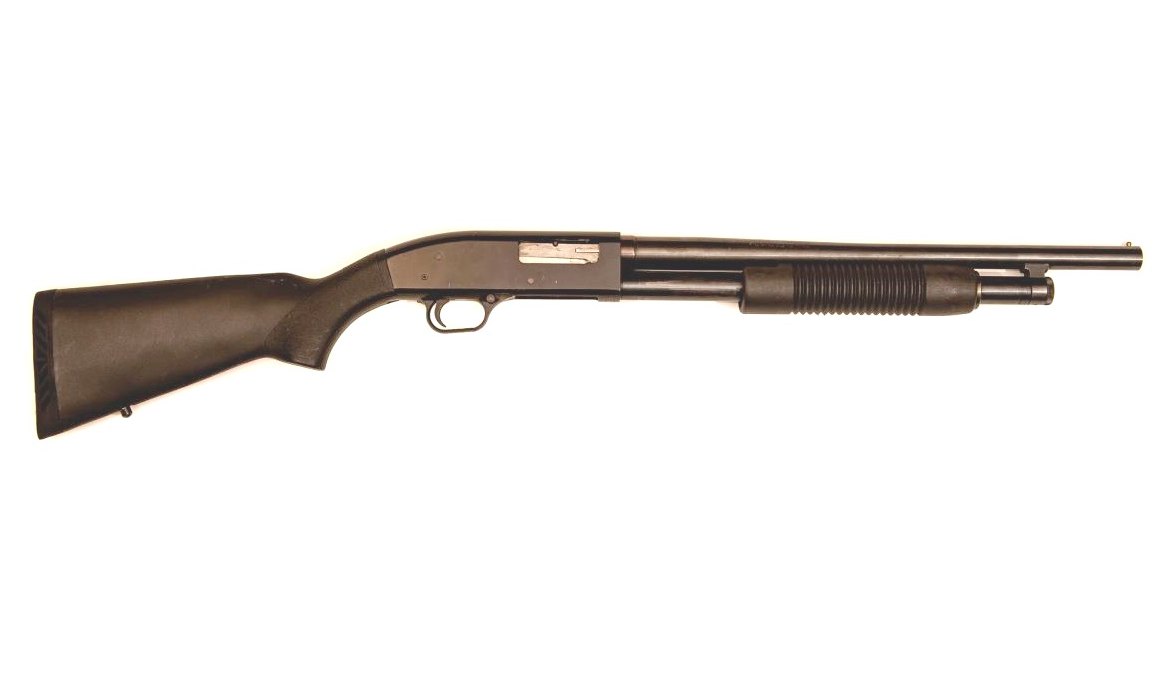
The chk-chk of a pump isn’t a magic force field, and trainers will talk you out of relying on it fast. Racking gives away your exact position and tells the intruder you’re armed, so you trade away surprise. It assumes you were carrying the gun with an empty chamber, which builds in a delay and a chance to short-stroke under stress. And it does nothing to a person who is committed, deaf to it, or chemically wound up.
The kernel of truth: most defensive gun uses end without a shot, and some intruders really do bolt at the first sign of an armed resident, so the deterrent isn’t zero. Just don’t bet your life on a sound effect, and don’t stage your home gun empty on purpose to produce it. If you are setting up for defense, our best home defense shotgun guide covers doing it right.
6. Shoot a Car’s Gas Tank and It Explodes
Liquid gasoline doesn’t detonate. Only gas vapor mixed with air in a narrow window, roughly 1.4 to 7.6 percent, will light, and a full tank’s headspace is too vapor-rich and oxygen-starved to catch. A plain lead-core bullet punches straight through cool metal without a reliable spark. MythBusters dumped conventional rounds into a car and got no fireball at all.
The exception is the interesting part: switch to tracer or incendiary rounds, which bring their own heat, and it becomes plausible. A near-empty tank, where the headspace sits in that flammable range, is the genuinely dangerous case, not the brimming one Hollywood loves. So a single pistol shot from the hero doing anything is the fantasy.
7. A .50 BMG Near-Miss Kills You From the Shockwave
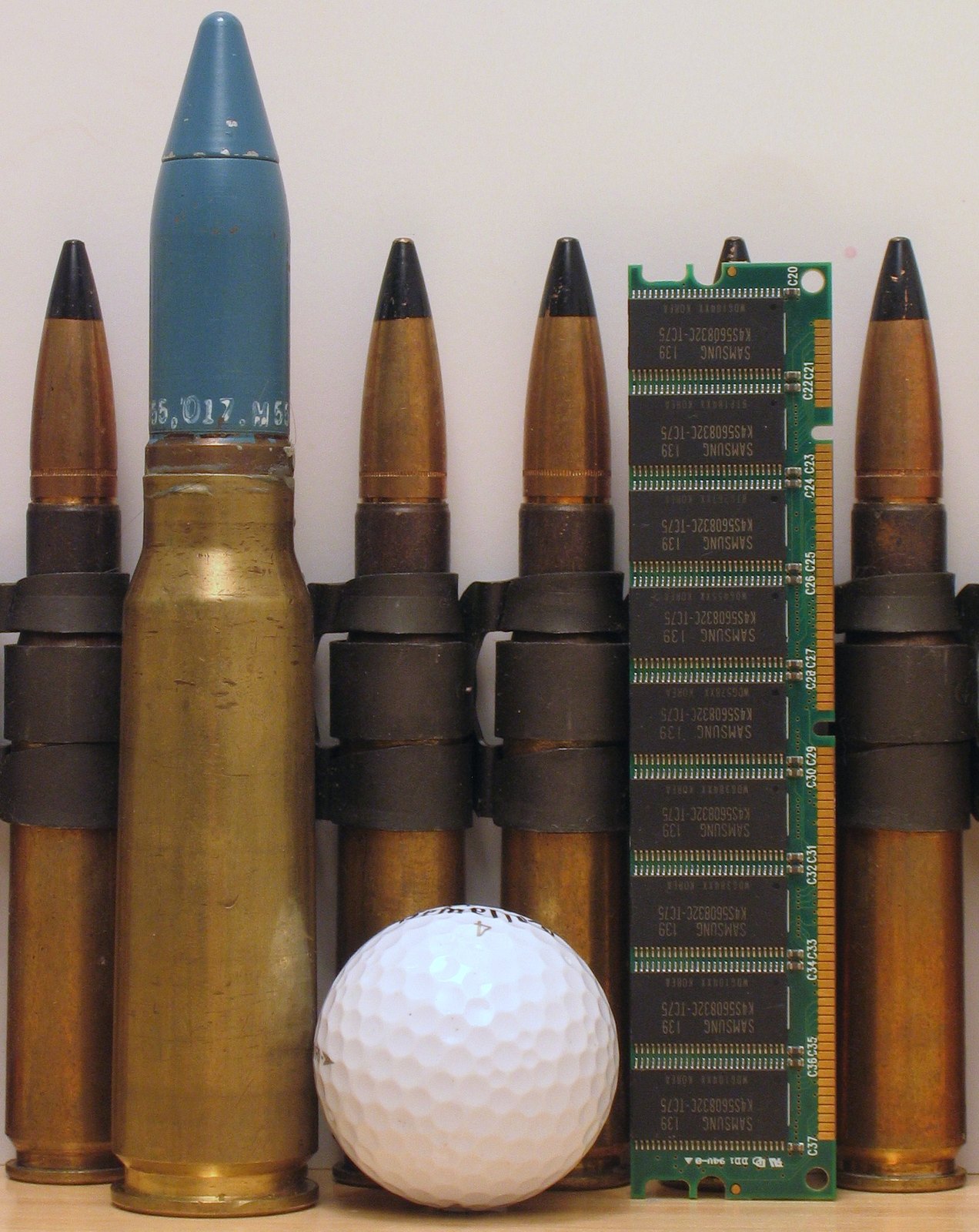
A supersonic bullet does push a pressure wave, but it is tiny and it won’t kill something it doesn’t hit. Close-pass testing has left drones hovering and stacked cups standing. There is no mechanism for the projectile’s air wave to dump killing energy into a bystander it misses.
Keep two ideas separate here. The near-miss story is flatly false. “Hydrostatic shock,” the notion that a direct hit sends a pressure wave that damages tissue away from the wound, is a genuinely disputed concept in wound ballistics, not a confirmed one, and plenty of experts think it is overstated next to plain tissue destruction. A direct .50 BMG hit is catastrophic, obviously. See the .50 BMG ammo rundown for what this round actually is.
8. Revolvers Never Jam
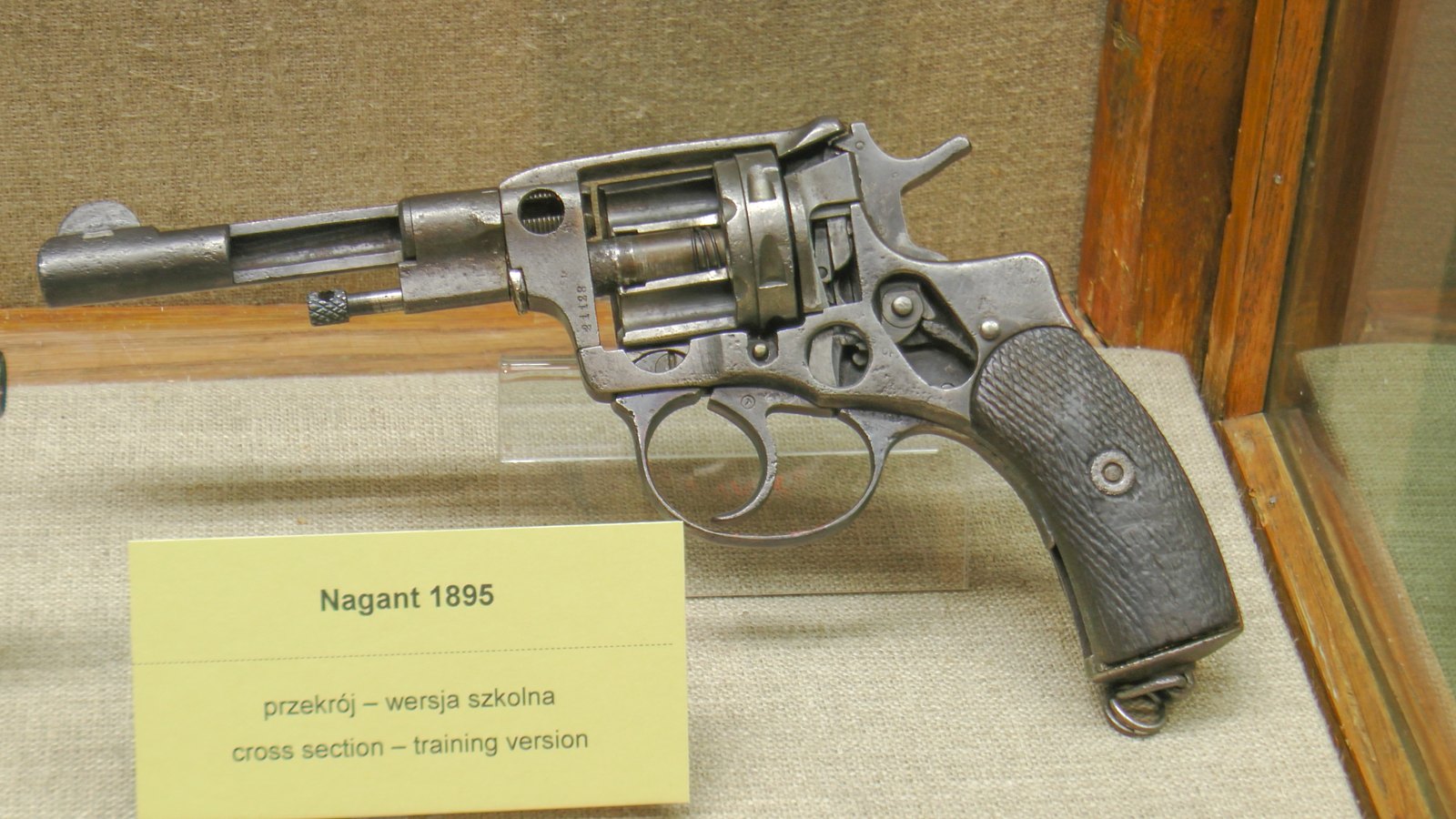
Every mechanical thing can fail, and a revolver is no exception. A high or backed-out primer can bind cylinder rotation. A squib can lodge a bullet in the bore. Bullets can creep forward under recoil and tie up the cylinder. The gun can go out of time. And a chunk of unburned powder or grit under the extractor star can stop the cylinder from closing at all.
There is a real point hiding in the myth, though. A revolver shrugs off one bad primer, since you just squeeze again to the next chamber, while a semi-auto needs a tap-rack. The trade is that when a revolver does jam, it usually jams hard: a squib, a timing problem, or debris under the star often means tools and a bench, not a two-second clearance. More forgiving of bad ammo, less forgiving of a mechanical fault. Our best revolvers guide gets into which ones earn their reputation.
9. Steel-Case Ammo Will Ruin Your Gun
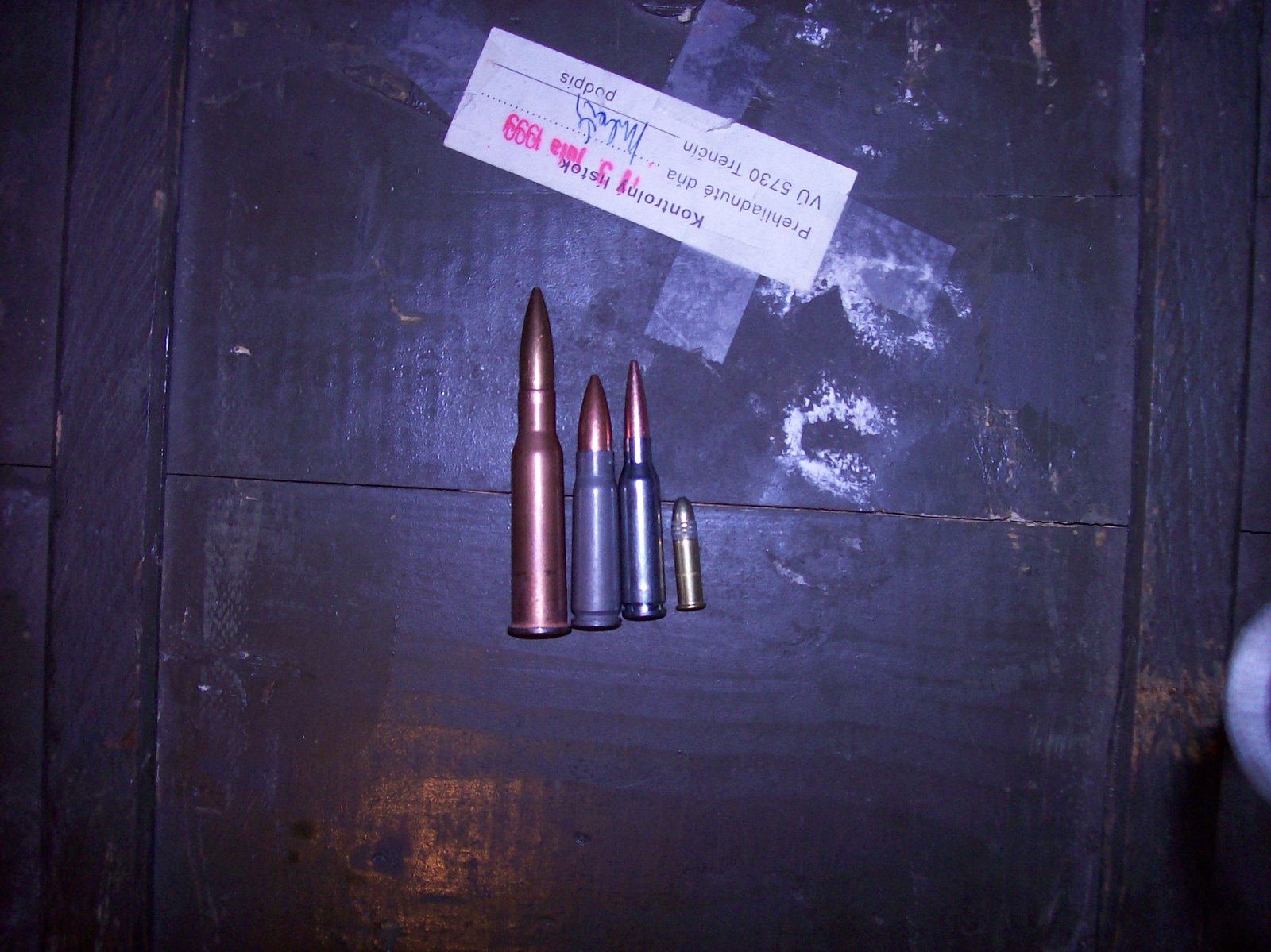
The steel case itself is not the villain. Lucky Gunner ran a multi-thousand-round torture test and found the case material did not hurt the bore. The faster wear came from the bi-metal bullet jackets common in that cheap ammo, not the case. In their run, steel-case setups started keyholing and losing accuracy around 6,000 rounds while brass held groups closer to 10,000.
“Ruins” is still too strong. There are real trade-offs: those bi-metal bullets wear rifling faster, steel does not seal the chamber like brass so you get more blowback and sometimes sticky extraction when things heat up, and extractors see more wear. For a range-and-plinking gun, steel is a legitimate way to save money. Just separate the case from the bullet in your head, because that is the whole insight. If you shoot a lot of 5.56, our best AR-15 ammo guide weighs the options.
10. More Expensive Means More Accurate
Not for most of us. In a head-to-head, a sub-$1,000 AR-10 has printed sub-MOA against rifles costing four times as much, and budget pistols routinely turn in the tightest group in a test field. Past a modest baseline, your skill and your ammo drive practical accuracy far more than the price tag does.
Don’t flip this into “price is meaningless,” either. Money buys real things: tighter tolerances, a better trigger, a higher-grade barrel, better fit and finish, and more durability over a high round count. A $250 pistol and a $2,000 one can shoot similar groups at 15 yards in average hands, but they aren’t equal in trigger, longevity, or reliability margin at the edges. The lesson is that cheap doesn’t mean bad, which is exactly why we test value guns like the ones in our best budget shotgun guide.
The Real Takeaway on These Firearms Myths
Most gun myths survive because they contain a splinter of truth wrapped in a lot of movie. Suppressors really do help your ears, just nowhere near silence. A dropped modern gun really is drop-safe, except for the older and contested cases. A revolver really is more forgiving of a dud, right up until the day it locks up hard. The fun part of learning guns is figuring out where that line sits, and it almost never sits where the screen told you.
4,021+ Gun & Ammo Deals
Updated daily from 200+ top retailers. Filter by category, caliber, action type, and price.
Related Guides