

Affiliate disclosure: This Browning Maxus II review contains affiliate links. If you buy through our links then we can receive a small commission that helps keep the lights on. You don’t pay anything more.
- Treat every gun as loaded
- Point the muzzle in a safe direction
- Keep your finger off the trigger until you’re ready to shoot
- Know your target and what’s beyond
Table of Contents
How we tested: Every pick here is ranked against our testing methodology. Minimum round counts, accuracy and reliability protocols, the failures that disqualify a gun.
Review: Browning Maxus II – The Softest Shooting Autoloader in the Blind
Our Rating: 8.3/10
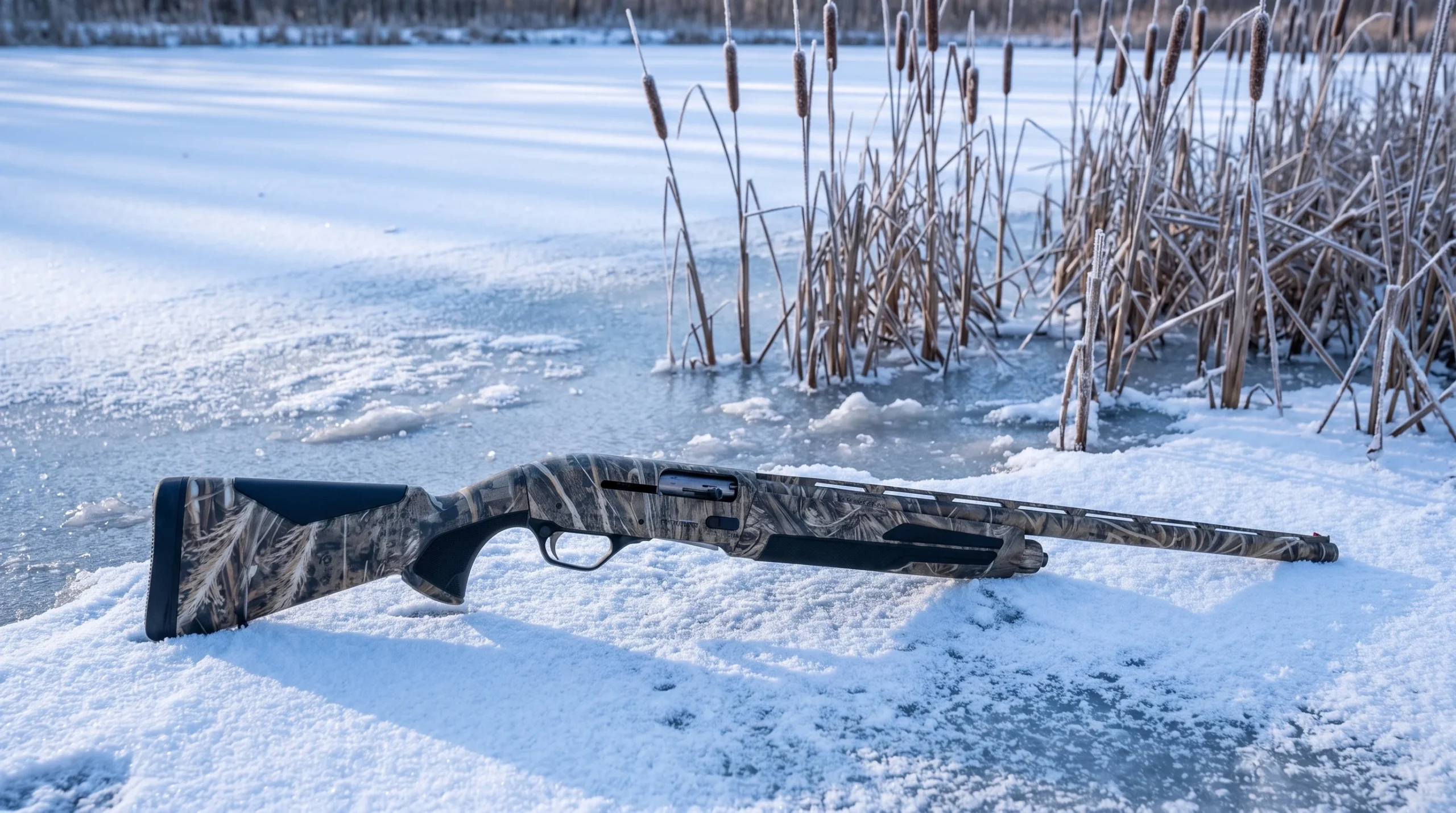
Waterfowl guns get judged on two mornings a year. The one where it is nine degrees and you have been sitting still for three hours, and the one where you fire forty shells before lunch. A gas gun should win both of those, and the Maxus II is Browning’s argument that it still does.
Browning Maxus II Specs
- MSRP: $1,839.99 for a Stalker, up to $2,399.99 for a Wicked Wing
- Street price: $1,739.99 at Sportsman’s Warehouse when we checked
- Item number: 011751204, as listed on Browning’s Wicked Wing page
- Gauge: 12
- Chamber: 3 inch, with 3.5 inch models offered
- Action: Gas operated semi-automatic
- Barrel length: 26 or 28 inches
- Overall length: 47 1/4 inches with the 26, 49 3/8 inches with the 28
- Capacity: 4 rounds
- Weight: 7 lbs 2 oz
- Length of pull: 14 7/16 inches
- Drop at comb: 1 3/4 inches
- Drop at heel: 2 inches
- Rib: Ventilated
Pros
- Recoil is genuinely soft with heavy loads
- Cycles light target loads without complaint
- Overmolded grip works in wet gloves
Cons
- Costs more than an inertia rival
- Gas system needs real cleaning discipline
- Half a pound heavier than a Benelli

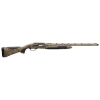
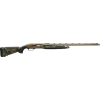
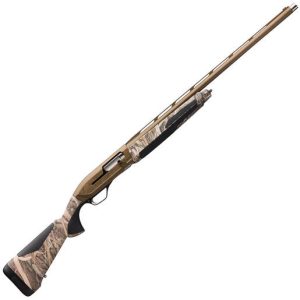
Quick Take
Gas guns exist for one reason: they hurt less. The Maxus II bleeds gas off to work the action and that stretched-out impulse is what separates a morning of 3 inch steel from a bruised shoulder. Shoot one beside an inertia gun with the same shells and the difference is not subtle.
The second thing gas buys you is the light end of the load range. Inertia guns want a certain amount of recoil to function, and a box of cheap 2.75 inch target shells is where they get fussy. Our Maxus II ate them without a single failure to cycle, which matters if you shoot clays in the summer and ducks in the winter with the same gun.
You pay for that in money and in maintenance. At $1,739.99 street it costs more than the inertia competition, and a gas system in a marsh needs cleaning on a schedule rather than when you get round to it.
Best For: Waterfowl hunters who shoot high volume and heavy loads, and anyone who wants one shotgun for both ducks and clays. Skip it if you hunt occasionally in dry conditions, where an inertia gun is lighter, cheaper and needs far less looking after.
Gas Versus Inertia, and Why It Decides This Purchase
Every argument about the Maxus II against a Benelli comes back to how the action is driven, so it is worth being clear about the trade.
A gas gun taps propellant gas from the barrel to push the action open. That spreads the recoil impulse over a longer period, which your shoulder reads as softer, and it means the gun does not care how much the whole thing recoils. Light loads work because the gas is there regardless.
An inertia gun uses the recoil of the whole gun moving against a spring. Fewer parts, nothing to foul, lighter, and it will run filthy for a season without complaint. The cost is a sharper felt recoil and a fussiness about light loads.
So the honest way to choose is not by brand. If you shoot a lot, in cold weather, with heavy loads, the gas gun is the more comfortable tool and the Maxus II is a very good one. If you shoot a box a season in a dry field and hate cleaning, inertia wins on every count that matters to you. Our inertia versus gas guide goes deeper, and Browning’s own A5 review covers their inertia gun for anyone who wants the other side from the same maker.
Maxus II vs the Competition
Benelli Super Black Eagle 3. The waterfowl benchmark and the reason this argument exists. Lighter, simpler, filthier for longer, and harder on your shoulder with 3.5 inch loads. It also costs more than a Maxus II in most configurations. Our Benelli SBE3 review has the full picture.
Beretta A400. The other serious gas gun, and the closest thing to a direct rival. Beretta’s system cycles fast and their recoil reduction in the stock is genuinely effective. Handling is a matter of taste rather than quality. See our Beretta A400 Xcel review.
Browning A5. Browning’s own inertia gun, which makes the in-house comparison easy. Same brand, same quality of build, opposite operating system. If you like Browning but hate gas cleaning, buy the A5 instead.
For the wider field, our 8 best duck hunting shotguns and 10 best 12 gauge hunting shotguns guides rank it against everything else in the blind.
Testing Protocol
Seven hundred and fifty shells through a 28 inch Wicked Wing across seven sessions from September into January, temperatures from 71F on the dove opener down to 19F on a January morning in flooded timber. Patterning was at 40 yards on 30 inch paper from a bench. Everything else was live birds and sporting clays.
Shells Used
- Winchester Xpert Steel 3in #2, 1 1/4 oz – 250 shells
- Federal Speed-Shok 3in BB, 1 1/4 oz – 150 shells
- Kent Fasteel 2.0 3in #3, 1 1/8 oz – 100 shells
- Remington Gun Club 2.75in #8, 1 1/8 oz target – 200 shells
- Winchester AA Light Target 2.75in #8, 1 oz – 50 shells
Break-In and Handling
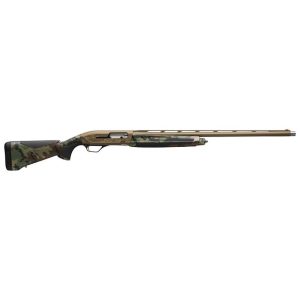
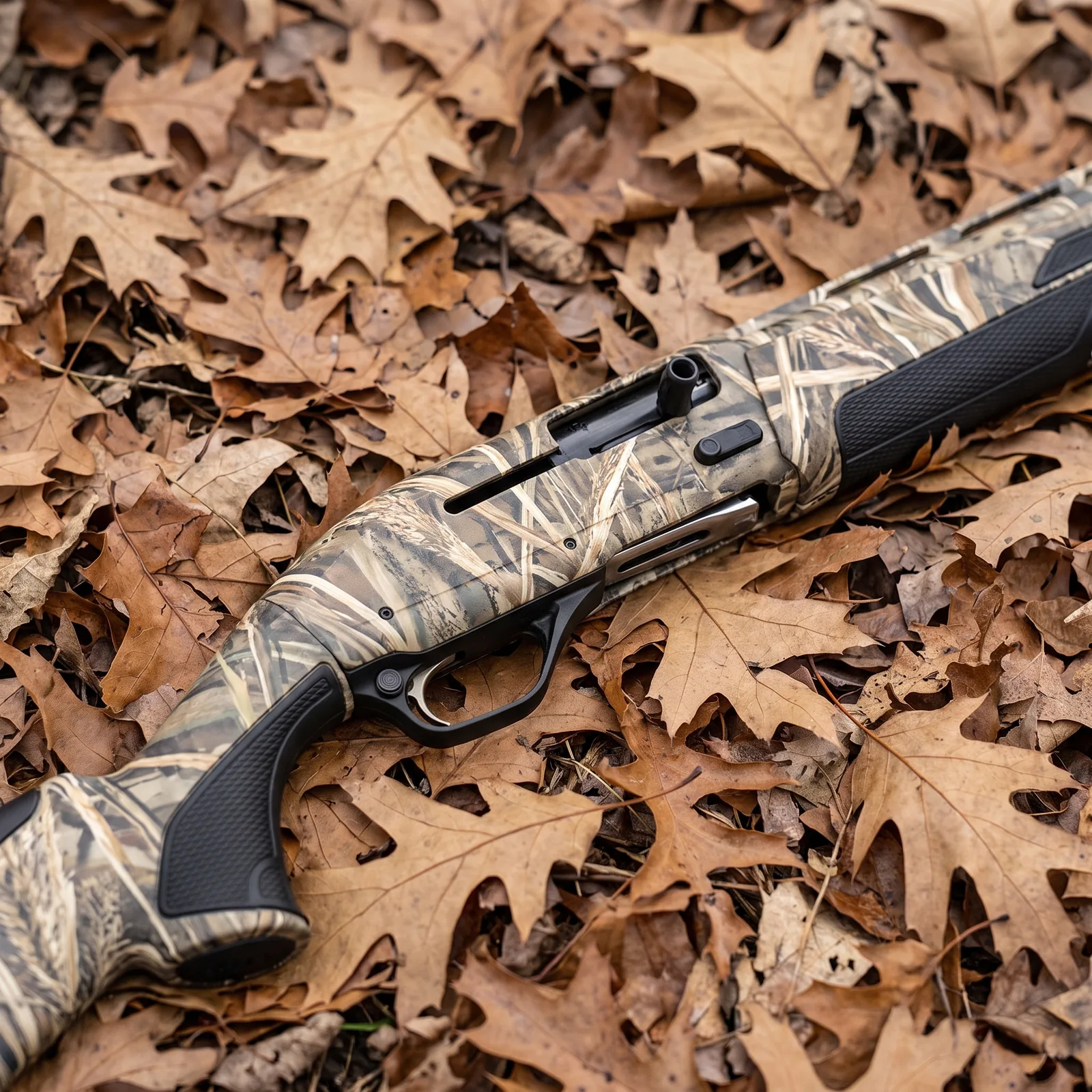
Nothing needed breaking in. The gun ran from the first box, which is what you expect at this money. The bolt handle and the safety are large enough to work in a gloved hand, and the overmolded grip panel is the detail I noticed most on a wet morning, because a slick camo stock in December is genuinely unpleasant.
At 7 lbs 2 oz it is not a light gun and it is not meant to be. Weight in a waterfowl autoloader is doing a job, and swinging it on crossing birds is where you feel the benefit rather than the cost.
Reliability
Two stoppages in 750 shells, and both came in the same session. That was session six, roughly 600 shells in, with no cleaning since session two and a morning of freezing drizzle. One failure to eject and one short stroke, both on the 1 oz Winchester AA target load, which is the lightest thing I fed it.
Stripped the gas piston that evening, found the carbon buildup you would expect, cleaned it properly and the gun ran the last 150 shells without a hiccup. That is the gas gun bargain in a sentence: it will take everything you give it, and it expects to be cleaned in return.
Everything heavier than the AA target load ran perfectly throughout, including the whole dirty session. The steel waterfowl loads never faltered once.
Patterning and Recoil
Percentage of pellets inside a 30 inch circle at 40 yards, average of five patterns per load through the factory modified tube:
- Winchester Xpert Steel 3in #2: 71 percent
- Federal Speed-Shok 3in BB: 64 percent
- Kent Fasteel 2.0 3in #3: 73 percent
- Remington Gun Club 2.75in #8: 68 percent
Those are good, even patterns with no obvious holes, and the Kent load was the one this particular barrel liked best. Pattern your own gun before the season rather than trusting anyone else’s numbers, including mine.
Recoil is the headline. Back to back against an inertia gun with the same Federal BB load, the Maxus II is noticeably softer, and after forty shells in a morning that difference is the whole reason to own one.

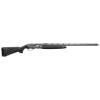
The Maxus II Range, and What Each One Costs
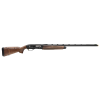
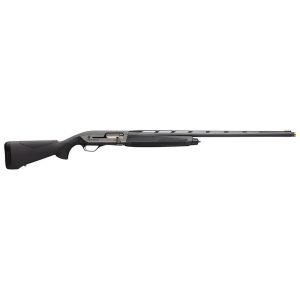
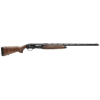
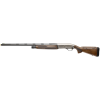
Maxus II is a family of finishes and stock materials on one action, and the price gap between the cheapest and the dearest is over $600 for the same gun underneath. We track 333 Maxus listings, so these are real selling prices.
| Model | Street range | What it is |
|---|---|---|
| Hunter | $1,433 to $2,049 | Walnut stock, blued, the classic look |
| Camo | $1,449 to $2,099 | Full camo dip, the value waterfowl buy |
| Sporting | $1,697 to $2,234 | Longer barrel, clays setup |
| Wicked Wing | $1,763 to $2,127 | Cerakote and camo, the marsh flagship |
| Ultimate | $1,774 to $2,070 | Upgraded walnut and engraving |
The trap in that table is the word Maxus without the II. Original Maxus guns are still in stock at some retailers and list for hundreds less, down near $980 for a Stalker. It is a good shotgun and it is not this shotgun, so read the listing title carefully rather than the price tag.
The other thing worth noticing is that the Camo model does the same job as the Wicked Wing for around $300 less. The Wicked Wing gets the Cerakote finish and the flashier treatment. The gun underneath is the same.
Common Problems and Fixes
Short stroking on light target loads. Almost always a dirty gas system rather than a broken one. If your Maxus II stops cycling 1 oz loads, strip the piston and clean the gas ports before you conclude anything else. Ours did exactly this at 600 shells and was cured in twenty minutes.
Carbon buildup in cold wet conditions. Waterfowl seasons are the hardest environment a gas gun sees. Clean the piston and gas ports every few hundred shells during the season rather than at the end of it.
Fit not right out of the box. The gun ships with shims to change drop and cast. Most people never open the bag. If the gun shoots high or you are fighting the comb, spend an evening with the shim kit before you blame the shotgun.
Camo wear at the muzzle and edges. Cosmetic and inevitable on a gun that lives in a blind and gets dragged over a boat gunwale. It is a hunting finish, not a safe queen finish.
Upgrades Worth Buying
Chokes first, and specifically an extended steel-rated tube for waterfowl. The factory tubes work, our best pattern came through the factory modified, but an aftermarket extended choke is easier to change with cold hands and lets you tune patterns properly.
A proper cleaning kit for the gas system next, and this is not a nice-to-have on this gun. A bore brush sized for the gas cylinder and a bottle of solvent that shifts carbon are the difference between a shotgun that always runs and one that gets fussy in January.
After that, shells. The patterning table above shows a nine point spread between the best and worst load through the same tube, which is more difference than any accessory will give you. Our duck shotgun guide covers load selection alongside the guns.
Who Should NOT Buy This Gun
- Occasional hunters who hate cleaning. A gas system in a marsh punishes neglect. The Browning A5 is the same brand and quality with an inertia action that will run dirty all season.
- Anyone counting ounces on long walks. At 7 lbs 2 oz this is a blind gun rather than a walk-up gun. A Benelli SBE3 saves you around half a pound.
- Budget-first buyers. At $1,739.99 street there are capable autoloaders for well under a thousand. Our best 12 gauge shotguns guide covers every budget, and Browning’s own gas-operated Silver Field keeps the Buck Mark for hundreds less.
- Clays-only shooters. If it will never see a duck, the Sporting model or a dedicated Beretta A400 Xcel is a better fit than paying for a camo waterfowl finish.
- Anyone who needs 3.5 inch shells but wants the cheapest way in. Check the chamber on the exact listing, because 3 inch and 3.5 inch models sit side by side at similar prices and the listing title is the only thing telling them apart.
Final Verdict
The Maxus II does the thing a gas gun is bought to do. Two stoppages in 750 shells, both on the lightest target load after 600 rounds without cleaning, and none at all with steel waterfowl loads. Recoil is softer than the inertia competition in a way you feel by the end of a morning.
What it is not is the low maintenance choice or the cheap one. A Benelli will run dirtier for longer and weighs less, and there are perfectly good autoloaders at half the money if you shoot a few boxes a year.
Buy it if you shoot enough to care about your shoulder, and buy the Camo model rather than the Wicked Wing unless you specifically want the Cerakote. Same gun, around $300 less, and the ducks have never once noticed the finish.

Frequently Asked Questions
Is the Browning Maxus II a good shotgun?
Yes, particularly for high volume waterfowl. Ours had two stoppages in 750 shells across a full season, both on the lightest 1 oz target load after 600 rounds without cleaning, and none at all with steel waterfowl loads. Recoil is noticeably softer than the inertia competition, which is the main reason to buy a gas gun.
How much does a Browning Maxus II cost?
MSRP runs from $1,839.99 for a Stalker up to $2,399.99 for a Wicked Wing. The cheapest listing at a major retailer we track was $1,739.99 at Sportsman Warehouse. Across the range the in-stock street spread is roughly $1,433 to $2,234 depending on which model you pick.
Maxus II or Benelli Super Black Eagle 3?
Gas against inertia. The Maxus II is softer shooting and happier with light target loads, which matters if the same gun shoots clays in summer and ducks in winter. The Benelli is around half a pound lighter, simpler, and will run far longer between cleanings. If you shoot a lot and heavy, buy the Browning. If you shoot occasionally and hate cleaning, buy the Benelli.
What is the difference between the Maxus and the Maxus II?
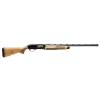
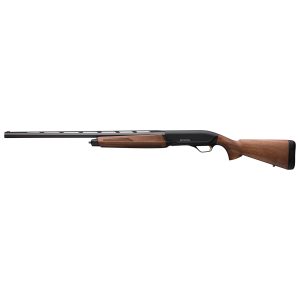
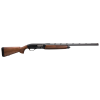
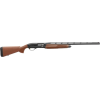
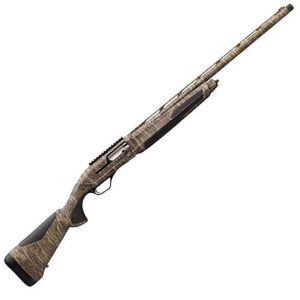
The Maxus II is the current generation and adds the overmolded grip panels and forearm insert you can see on the gun, along with revised stock geometry. Original Maxus guns are still in stock at some retailers for hundreds less, down near $980 for a Stalker. They are good shotguns, they are not the same shotgun, so read the listing title rather than the price.
How much does a Browning Maxus II weigh?
Seven pounds two ounces for the 28 inch Wicked Wing, with an overall length of 49 3/8 inches. That is a blind gun rather than a walk-up gun. The weight is doing work, since it is part of why the recoil is soft and why it swings well on crossing birds.
Will a Maxus II cycle light target loads?
Yes, and that is one of the main advantages of a gas action over inertia. Ours ran 2.75 inch 1 1/8 oz target loads faultlessly throughout. The only stoppages we had came on 1 oz loads, and only once the gas system was dirty at around 600 shells. Clean the piston and it runs them again.
How often should you clean a Maxus II?
During waterfowl season, strip and clean the gas piston and ports every few hundred shells rather than waiting until the end of the year. Cold wet conditions are the hardest environment a gas gun sees, and neglect is what causes short stroking on light loads. Ours was cured in twenty minutes by exactly this.
Which Maxus II model is the best value?
The Camo model. It does the same waterfowl job as the Wicked Wing for around $300 less, and the gun underneath is the same. The Wicked Wing buys you a Cerakote finish and a flashier treatment rather than a different shotgun.
4,021+ Gun & Ammo Deals
Updated daily from 200+ top retailers. Filter by category, caliber, action type, and price.
Related Guides