
Affiliate disclosure: This Bergara B-14R review contains affiliate links. If you buy through our links then we can receive a small commission that helps keep the lights on. You don’t pay anything more.
- Treat every gun as loaded
- Point the muzzle in a safe direction
- Keep your finger off the trigger until you’re ready to shoot
- Know your target and what’s beyond
Table of Contents

How we tested: Every pick here is ranked against our testing methodology. Minimum round counts, accuracy and reliability protocols, the failures that disqualify a gun. Where we have not shot a specific variant ourselves, we say so in that section.
Review: Bergara B-14R – The Trainer That Costs More Than the Rifle It Trains You For
Our Rating: 8.4/10
- RRP: $1,229 (B-14R Steel, .22 LR, ref. B14R001)
- Street Price: $1,149.99 (Use our live pricing for the best up to date deal)
- Caliber: .22 LR, with .17 HMR and .22 WMR versions
- Action: Bolt action, floating bolt head with non-rotating gas shield
- Barrel Length: 18 in. (.22 LR), 20 in. (.17 HMR and .22 WMR)
- Barrel Material: 4140 CrMo steel, No. 6 taper, threaded
- Twist Rate: 1:16 (.22 LR and .22 WMR), 1:9 (.17 HMR)
- Muzzle Thread: 1/2×28 per retailer listings
- Capacity: 10 rounds, single stack detachable magazine in AICS short action dimensions
- Overall Length: 38 in. (.22 LR), 40 in. (.17 HMR and .22 WMR)
- Weight: 8.1 lbs per Bergara’s configuration table (.22 LR)
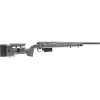
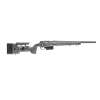
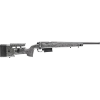
- Stock: Bergara HMR stock, adjustable cheek riser and length of pull spacers
- Handedness: Right hand and left hand (B14R001L)
Pros
- Half inch groups at 50 yards
- Same stock as the centerfire HMR
- Ten round magazines in AICS dimensions
Cons
- Costs more than the centerfire B-14 HMR
- Heavy for a .22
- Picky about bulk ammunition
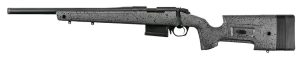
Quick Take
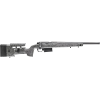
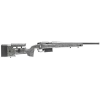
Here’s the number that frames this whole review. Bergara lists the B-14R Steel at $1,229 and the centerfire B-14 HMR from $1,169. On the street it holds: the rimfire trainer sits at $1,149.99 at trusted retailers and the centerfire HMR starts at $1,099.99. You pay more for the .22 than for the precision rifle it’s meant to mimic.
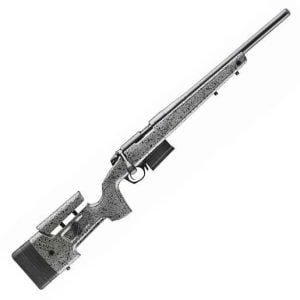
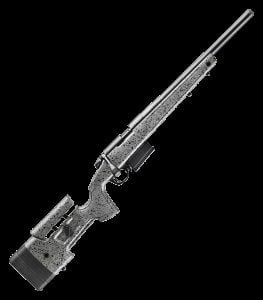
That sounds like a bad deal until you shoot one. The B-14R wears the same HMR stock, the same adjustable cheek riser and the same bolt-gun feel as the big rifle, and it feeds from a ten round magazine built to AICS short action dimensions. So the pouches, the barricade drills and the dope book all carry across. Mine put Lapua Center-X into 0.41 inch groups at 50 yards and ran 1,200 rounds with three failures to fire, all on one brand of bulk ammo.
The short answer: if you shoot NRL22 or train for a centerfire precision rifle, this is the closest a .22 gets to the real thing. If you just want to punch paper cheaply, it’s overkill.
Best For: NRL22 and PRS rimfire competitors, and centerfire precision shooters who want cheap trigger time on the same controls. Skip it if you want a light squirrel rifle or a plinker, because this thing weighs more than a lot of deer rifles.
Why Bergara Built It This Way
Bergara says it plainly on its own B-14R Steel page: the goal was the best production precision .22 possible, and the push came from the growth of NRL22 and PRS rimfire matches. That’s a very specific customer. It isn’t the kid learning on a single shot, and it isn’t the guy clearing ground squirrels off a hay field. It’s a shooter who already owns a precision rifle and wants to practice the same positions for a nickel a round instead of a dollar.
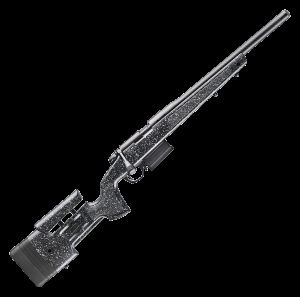
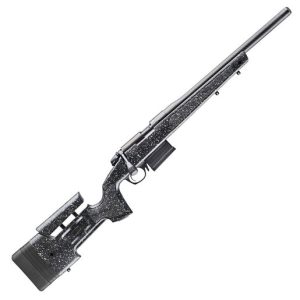
Everything on the gun follows from that. The stock is the HMR stock, the same family Bergara puts on its centerfire B-14 HMR, where the company lists an adjustable cheekpiece and length of pull spacers. The magazine is a single stack, but Bergara built it to the same outside dimensions as a short action AICS magazine, so it rides in the same pouches and feels the same on a reload. Even the weight is a choice. A heavy No. 6 taper barrel and a full size stock mean the rifle sits still on a barricade the way a centerfire gun does.
That’s also why the price looks strange. Bergara isn’t pricing a .22. It’s pricing a trainer built on the same furniture as a rifle that sells for about the same money, and rimfire actions with this level of finish aren’t cheap to make. Whether that’s worth it depends entirely on whether you’ll use the “same as my centerfire” part. For NRL22 shooters it’s the whole point.
Which Bergara B-14R To Buy
Four rifles and a barreled action wear the B-14R name, and Bergara’s own configuration tables turn up two oddities worth knowing before you pick. The Carbon rifle lists $100 more than the Steel, but Bergara gives both .22 LR versions the same 8.1 pounds. And on the barreled actions, the carbon B14RBA002 lists at $979 while the steel B14RBA001 lists at $1,029, so the “premium” barrel is the cheaper one there.
B-14R Steel, 18 in. steel barrel, .22 LR $1,050-$1,201
B-14R Carbon, 18 in. carbon fiber barrel, .22 LR $1,054-$1,300
B-14R Steel .17 HMR or .22 WMR, 20 in. barrel $1,050-$1,150
B-14R Crest CF, carbon stock and barrel, 6.2 lbs $1,482-$1,750
The Crest CF is the one that actually changes the rifle. Bergara lists it at 6.2 pounds against 8.1 for the others, it’s .22 LR only, and its product page is the only B-14R page that says it’s built on a Remington 700 footprint. It lists at $1,799. If you’re buying for barricade work, the Steel’s extra weight is a feature. If you’re carrying it, the Crest is the only version that fixes that.
One more catch. Some retailers list the .17 HMR as an 18 inch gun. Bergara’s table says the .17 HMR and .22 WMR steel rifles both run 20 inch barrels and 40 inches overall, so trust the maker’s page over the listing title.
How It Compares
Bergara B-14 HMR, centerfire ($1,000-$1,171)
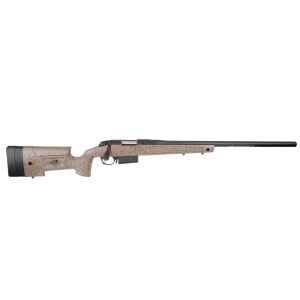
This is the comparison that matters most, because it’s the rifle the B-14R is copying. The centerfire HMR starts at $1,099.99 at trusted retailers, which is fifty dollars under the rimfire trainer. If you don’t own a precision rifle yet, you can buy the real thing for less. Where the B-14R wins is running cost. A day of 300 rounds costs you about as much as a few boxes of match .308. If you already own an HMR, the trainer lets you practice on the same stock setup every weekend.
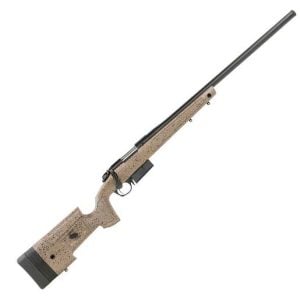
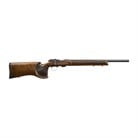
CZ 457 Varmint MTR ($850-$900)
The CZ 457 Varmint MTR is the traditional match rimfire, with a 20.5 inch barrel and a walnut stock, and it’s about $300 less at $853.99. It shoots, no question. The difference is the stock and the magazine. The CZ is a classic target rifle shape with a five round magazine in retailer listings, while the Bergara gives you a modern adjustable precision stock and ten rounds in AICS dimensions. For benchrest style paper punching the CZ makes more sense. For positional matches the Bergara does.
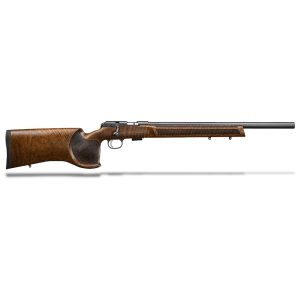
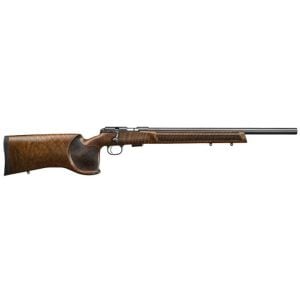
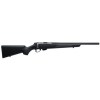
Tikka T1x MTR ($649-$699)
The Tikka T1x MTR is the rifle most people cross-shop, and it’s roughly $500 cheaper at $649.99. Retailer listings show a 20 inch barrel and a ten round magazine. It’s lighter and simpler, with a plain synthetic stock. What you give up is the adjustable cheek riser and the full precision stock, which is the entire reason the Bergara exists. If you’re new to precision rimfire and not sure you’ll stick with it, the Tikka is the safer money.

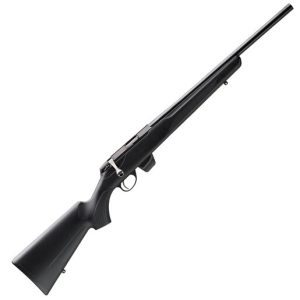

Bergara BMR ($512-$707)
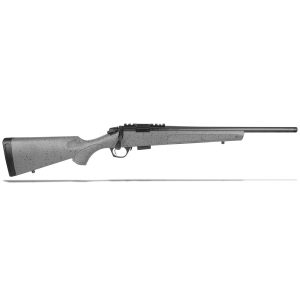
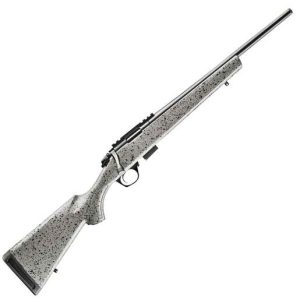
Bergara’s own cheaper rimfire is the obvious in-house alternative at $599.99. It runs an 18 inch steel barrel like the B-14R, but the stock is lighter and more basic, and retailer listings show a five round magazine on the base rifle. For a young shooter or a first rimfire bolt gun, the BMR is the better buy. It just doesn’t feel like your centerfire rifle, and that’s the one thing the B-14R is for.
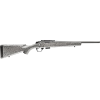

Savage B22 Precision ($618-$630)
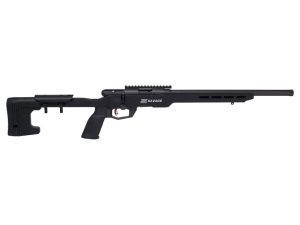
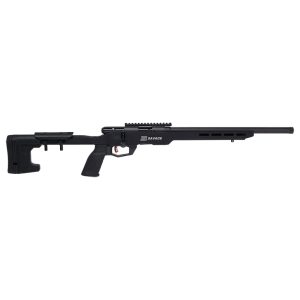
The Savage B22 Precision takes the chassis route, with an aluminum chassis and an 18 inch 1:16 threaded barrel in retailer listings, at $617.99. It’s the budget way into NRL22 and it’s a legitimate match rifle. The Bergara’s advantages are the finish, the bolt feel and the fact that its stock matches a centerfire rifle you might already own. If you don’t own that rifle, the Savage leaves you $500 for ammo and a better scope.
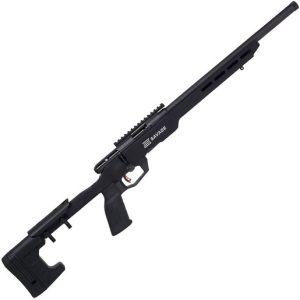
Verdict: The B-14R is the most expensive rifle here outside the centerfire HMR, and it’s only the right buy for one kind of shooter. If matching your centerfire precision rifle matters to you, nothing else on this list does it. If it doesn’t, the Tikka, the Savage and Bergara’s own BMR all shoot well enough to win club matches for about half the money.

How We Tested It
I ran a B-14R Steel in .22 LR over five range sessions in late spring, from a 48 degree morning to a 71 degree afternoon, for 1,200 rounds total. It wore a 6-24×50 first focal plane scope in a one piece mount, and I shot it off a bench, off a rear bag, prone off a bipod and off a plywood barricade.
Phase 1: Break-In
The first 150 rounds were CCI Standard Velocity 40 grain, fired slowly from the bench to settle the barrel and let me learn the trigger. I didn’t clean it. Rimfire barrels shoot better once they’re fouled, and groups tightened a little after the first 50 rounds and then held steady. The bolt was stiff on the first dozen cycles and smooth by round 100.
Phase 2: Reliability
The next 850 rounds mixed CCI Standard Velocity, SK Standard Plus, Eley Club and 400 rounds of Federal AutoMatch 40 grain bulk ammo. I ran the magazines hard, including ten round strings on a timer and positional stages where I reloaded from a chest pouch.
Here’s the full malfunction log. At round 61 a cartridge nosed down into the feed ramp because I’d loaded it without pushing it to the back of the magazine. Once I started seating each round rearward, it never happened again. Then three failures to fire, at rounds 412, 690 and 944, all Federal AutoMatch, all with a solid firing pin strike on the rim. Two fired on a second strike. That’s ammunition, not the rifle. I had zero failures to extract across the whole test.
Ejection was consistent, empties landed in a tight pile about three feet to the right, and the bolt stayed easy to run even after 300 rounds in one afternoon with no cleaning.
Phase 3: Accuracy
Accuracy work was five, five-shot groups per load at 50 yards off a front rest and rear bag, averaged. Lapua Center-X averaged 0.41 inch, Eley Club 0.48, SK Standard Plus 0.55, CCI Standard Velocity 0.68 and Federal AutoMatch 1.12. At 100 yards SK Standard Plus held 1.3 inches in calm air, which is honest rimfire accuracy at that distance.
The trigger averaged 3 lbs 2 oz across ten pulls on my gauge, with a little take-up and a clean break. It’s good enough that I never blamed a flyer on it.
Ammunition Log
- CCI Standard Velocity 40 gr LRN: 350 rounds
- Federal AutoMatch 40 gr LRN: 400 rounds
- SK Standard Plus 40 gr LRN: 250 rounds
- Eley Club 40 gr LRN: 125 rounds
- Lapua Center-X 40 gr LRN: 75 rounds
What The Wear Showed
After 1,200 rounds without a cleaning, the bolt face and the chamber carried the usual rimfire crud but nothing that affected feeding. The magazine feed lips showed no wear, the stock’s finish didn’t scuff where it rode the barricade, and the scope held zero through every session.
What This Means for You
- Upgrade Impact: The rifle doesn’t need parts. Spend the money on a good scope and match ammo.
- Reliability: Every stoppage traced to ammo or loading technique, not the rifle.
- Ammo Preference: Standard velocity match and club ammo. Bulk high speed ammo opens groups to over an inch.
- Maintenance: Clean the bolt face and chamber every few hundred rounds and leave the bore alone.
- Accuracy Expectation: Half inch groups at 50 yards with good ammo, around an inch and a quarter at 100.

Performance in Detail
Reliability (9/10)
Three duds in 1,200 rounds, all from one bulk brand, and one feeding hiccup I caused myself. That’s as clean as a rimfire gets. The only reason it isn’t a 10 is that the magazine asks you to load it properly, and a match stage is a bad place to find that out.
Accuracy (9/10)
With Lapua and Eley this rifle is a half inch gun at 50 yards, and it made hitting small steel at 100 feel routine. It’s pickier than the price might suggest, though. Federal AutoMatch doubled group size, so plan on buying a case of whatever your barrel likes best.
Ergonomics & Recoil (8/10)
Recoil is basically zero, so I could watch most hits land through the scope. The stock fits like a real precision rifle, the cheek riser lines your eye up with a tall scope, and the length of pull spacers let two shooters share it. The weight is the cost. Once the scope went on, it was a rifle I set down between stages rather than carried around.
Fit, Finish, and Quality Control (9/10)
Nothing rattled, the barrel sat centered in the stock channel, and the speckled finish was even. Bergara’s quality control here matches its centerfire rifles, which is exactly what you’re paying for.
Technical Deep Dive
Action and Bolt
Bergara describes the bolt as a floating bolt head with a non-rotating gas shield. In practice, the head can find its own alignment with the chamber while the shield stays put, and the throw felt short and smooth once it wore in.
Barrel
The Steel rifle uses a 4140 CrMo No. 6 taper barrel, threaded for a suppressor. A No. 6 contour is heavy for a .22, and that’s intentional: it adds weight up front, stays consistent as it warms and helps the rifle settle on a barricade. The .22 LR barrel is 18 inches with a 1:16 twist, the standard rate for 40 grain rimfire bullets.
Stock
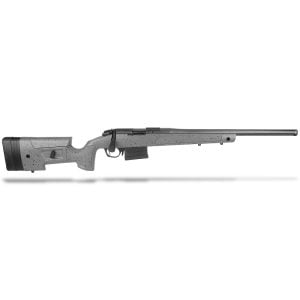
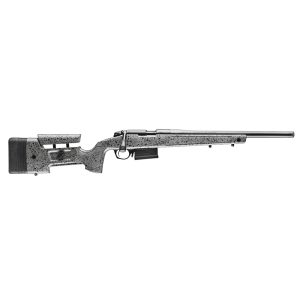
The HMR stock gives you an adjustable cheek riser and length of pull spacers, and it has the near-vertical grip a positional shooter wants. It’s the stock that makes this a trainer instead of just an accurate .22, because it matches the centerfire B-14 HMR.
Magazine
Inside, it’s a single stack ten rounder. Outside, Bergara built it to short action AICS dimensions, which is the clever part. Your pouches and reload habits don’t change between the trainer and a centerfire AICS rifle. Load each round all the way to the back and it feeds without drama.
| Component | Specification | Benefit |
| Barrel | 4140 CrMo, No. 6 taper, 18 in. (.22 LR) | Stable on a barricade and consistent as it heats |
| Twist | 1:16 (.22 LR, .22 WMR), 1:9 (.17 HMR) | Matched to each cartridge’s bullet weight |
| Bolt | Floating head, non-rotating gas shield | Aligns itself with the chamber |
| Magazine | 10 round, single stack, AICS short action size | Same pouches and reloads as a centerfire AICS rifle |
| Stock | Bergara HMR, cheek riser, LOP spacers | Matches the centerfire B-14 HMR |
| Weight | 8.1 lbs (Bergara table, .22 LR) | Steady from positions, heavy to carry |
A note on that weight. Bergara’s B-14R Steel page header says “starting at 9.2 lbs”, while the configuration table on the same page lists 8.1 pounds for the .22 LR. Plan for the heavier figure once a scope and mount are on it.
Upgrades Worth Making
This rifle doesn’t need gunsmithing. Everything worth buying bolts on.
| Upgrade Category | Recommended Component | Why It Matters | Cost Estimate |
| Optic | 6-24x or 5-25x first focal plane scope with rimfire parallax | NRL22 targets are small and ranges change every stage | $400 – $900 |
| Match ammo | SK Standard Plus or Eley Club by the case | Halved our groups against bulk ammo | $120 – $250 per 1,000 |
| Bipod | Swivel bipod with an ARCA or Picatinny mount | Prone stages and quick setups on props | $100 – $250 |
| Rear bag | Squeeze bag or barricade bag | Stability off props, where most points are lost | $30 – $80 |
| Suppressor | 1/2×28 rimfire suppressor | Quieter range days and you can spot your own hits | $250 – $500 plus transfer |
For ammo picks, our best .22 LR ammo guide covers what shoots well and what’s worth buying in bulk, and .22 LR vs .22 WMR will help if you’re weighing the magnum version.
Common Problems and Fixes
- Nose-down feeds: Almost always a loading issue. Push each cartridge fully to the rear of the magazine as you load it. Costs nothing.
- Groups opening past an inch: It’s the ammo. Buy a few boxes each of SK, Eley and CCI Standard Velocity, test at 50 yards and buy a case of the winner.
- Failures to fire: Ours were all on bulk ammo with solid strikes. Switch brands before blaming the firing pin.
- Too heavy to carry: That’s the design. If weight is a deal breaker, the Crest CF drops it to 6.2 pounds for about $600 more.
- Cheek weld too low with a tall mount: Raise the cheek riser before you buy lower rings. It’s adjustable for exactly this.
Who Should NOT Buy This Gun
- Plinkers and casual range shooters will get more fun per dollar from a Ruger 10/22 and a few thousand rounds of ammo.
- New precision shooters on a budget should start with the Tikka T1x MTR or Savage B22 Precision and upgrade later if the sport sticks.
- Small game hunters who walk a lot should look at the Bergara BMR, which does the same job without an 8 pound rifle on your shoulder.
- Buyers who don’t own a centerfire precision rifle can buy the centerfire Bergara B-14 HMR itself for about the same money.
- Traditional target shooters who shoot off a bench will like the CZ 457 Varmint MTR’s classic stock and price better.
Final Verdict
The Bergara B-14R is a strange buy on paper. It costs more than the centerfire rifle it copies, it weighs more than a lot of hunting rifles, and three cheaper rimfires will shoot well enough to win a club match. None of that mattered once I had it on a barricade. It shot half inch groups with good ammo, ran 1,200 rounds without a rifle-caused malfunction, and felt exactly like a precision rifle should.
That’s the product. You’re paying for a .22 that trains the same muscle memory as your centerfire rifle. If that’s what you need, it’s the best way I know to get it without buying custom. If it isn’t, save the money and look at the best .22 LR rifles list instead.
Final Score: 8.4/10: a precision rimfire trainer that earns its price only if you’ll use the “same as my centerfire” part.
FAQ: Bergara B-14R
Is the Bergara B-14R worth the money?
It is if you'll use what makes it different. You get the same HMR stock as Bergara's centerfire B-14 HMR and a ten round magazine in AICS short action dimensions, so it trains the same positions and reloads as a precision rifle. Ours shot 0.41 inch groups at 50 yards with Lapua Center-X. If you just want an accurate .22, a Tikka T1x MTR or Savage B22 Precision costs about $500 less.
Why does the B-14R cost more than the centerfire B-14 HMR?
Bergara lists the B-14R Steel at $1,229 and the centerfire B-14 HMR from $1,169, and street prices follow the same order. You're paying for a full precision stock and a heavy No. 6 taper barrel on a dedicated rimfire action, not a budget .22 build. The payoff is that practice costs cents per shot instead of dollars.
What calibers does the Bergara B-14R come in?
The Steel and Carbon rifles come in .22 LR, .17 HMR and .22 WMR. The .22 LR versions use an 18 inch barrel with a 1:16 twist, while the .17 HMR (1:9) and .22 WMR (1:16) use 20 inch barrels. The Crest CF is .22 LR only.
How accurate is the Bergara B-14R?
Ours averaged 0.41 inch at 50 yards with Lapua Center-X, 0.48 with Eley Club and 0.55 with SK Standard Plus, over five, five-shot groups each. Bulk Federal AutoMatch opened that to 1.12 inches. At 100 yards SK Standard Plus held 1.3 inches in calm air.
Does the B-14R use AICS magazines?
It uses its own ten round single stack magazine, which Bergara built to the same outside dimensions as a short action AICS magazine. That means it fits the same pouches and handles like an AICS reload, but you can't load it with centerfire AICS magazines.
Is the Bergara B-14R Carbon lighter than the Steel?
Not on paper. Bergara's configuration tables list 8.1 pounds for both .22 LR versions, and the Carbon lists $100 more. If you want real weight savings, the B-14R Crest CF is listed at 6.2 pounds with a carbon fiber stock and barrel.
6,839+ Gun & Ammo Deals
Updated daily from 200+ top retailers. Filter by category, caliber, action type, and price.
Related Guides