

Last updated October 26th 2026
Some of the links below are affiliate links, meaning at no additional cost to you, we may earn a commission if you click through and make a purchase.
By Nick Hall, who wrote our best dry fire training systems guide.
Table of Contents
How we tested: Every pick here is ranked against our testing methodology. Minimum round counts, accuracy and reliability protocols, the failures that disqualify a gun.
The Short Answer
Learn the isosceles, specifically the modern isosceles with your knees bent and your weight forward. It’s faster to learn, it lets you swing between targets and move, and it’s what people do anyway when they’re scared. The best evidence for that is old but blunt: in a 1989 study of 98 police shooting events, 78.6% of officers squared up and shot from an isosceles-style stance, even though most had been trained in the Weaver. Only 12.2% used the Weaver.
The Weaver isn’t wrong. Its push-pull grip controls recoil well, it suits a bladed stance behind cover or a long gun, and plenty of good shooters still use it. But if you’re picking one stance to build your carry and home defense skills on, pick the one your body defaults to under stress.
Weaver vs Isosceles at a Glance
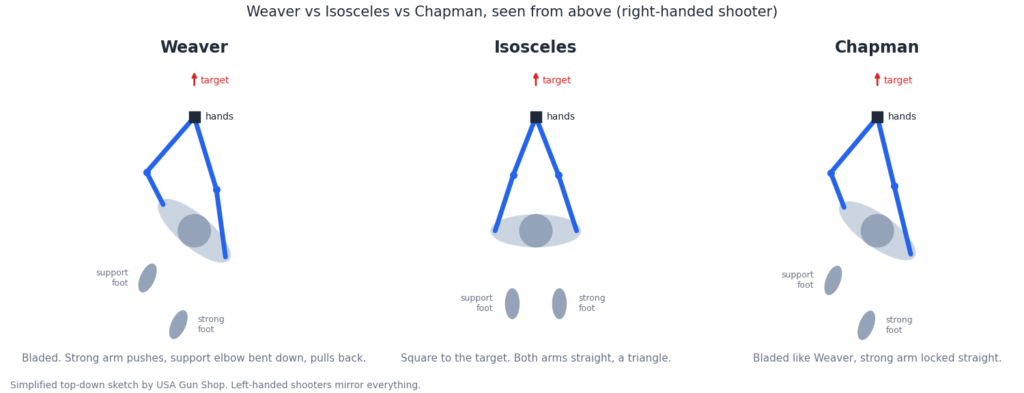
| Weaver | Isosceles (modern) | |
|---|---|---|
| Body | Bladed about 30 to 45 degrees, strong foot back | Square to the target, feet shoulder width, knees bent |
| Arms | Strong arm nearly straight and pushing, support elbow bent and pulling | Both arms extended, forming a triangle with the chest |
| Recoil control | Muscle tension from the push-pull | Bone structure and body weight driving forward |
| Learning curve | Takes steady practice to hold the arm tension | Close to a natural reaction, quick to learn |
| Under stress | 12.2% of officers in the 1989 study used it | 78.6% of officers in the study used it |
| Moving and multiple targets | Slower to swing to the strong side | Swings evenly left and right |
| Body armor | Turns the open armpit seam toward the threat | Keeps the front panel facing the threat |
| Best fit | Precision, cover, shooters who already train it | Defense, competition, new shooters |
Where the Two Stances Came From
The Weaver is named for Jack Weaver, a Los Angeles County deputy sheriff, as the NRA’s own training staff put it. In the 1950s, when most pistol shooting was one-handed, Weaver raised the gun to eye level with two hands and used the sights. He won with it, and Jeff Cooper, who founded Gunsite, built his Modern Technique of the pistol around it. For decades, the Weaver was the stance serious defensive shooters were taught.
The isosceles took over in the 1980s through competition. Practical shooting champions like Brian Enos and Rob Leatham squared up to the targets and kept winning, and trainers followed the results. Today the modern isosceles is the default in most civilian and police pistol courses.
How to Stand in the Weaver
- Blade your body about 30 to 45 degrees to the target, with your strong-side foot back, like a boxer.
- Bend your knees slightly and keep your weight a little forward.
- Extend your strong arm almost straight and push the gun forward.
- Bend your support elbow so it points down, and pull the gun back toward you with your support hand.
- Hold that push and pull through the whole string. That tension is what tames recoil.
The push-pull is the whole stance. Get the tension right and the gun settles fast between shots. Let it fade and the gun starts to wander, which is why the Weaver takes more practice to keep sharp than the isosceles.
How to Stand in the Modern Isosceles
- Face the target square, feet about shoulder width apart.
- Step your support-side foot slightly forward if it helps your balance.
- Bend your knees and lean your weight forward over the balls of your feet, nose ahead of your toes.
- Push both arms straight out, elbows locked or just short of it, so your arms and chest form a triangle.
- Grip hard with both hands and let your body weight, not muscle tension, take the recoil.
The old, upright isosceles had a real flaw: stand straight with locked knees and a fast string of fire pushes you back on your heels. The modern version fixes that with bent knees and forward weight. If a trainer shows you an isosceles where you’re standing tall, that’s the old one.
The Third Option: Chapman, or Modified Weaver
The Chapman stance, named for practical shooter Ray Chapman, sits between the two. You blade your body like the Weaver and bend your support arm, but you lock your strong arm straight like a rifle stock. Some shooters rest their cheek against the strong-side shoulder or bicep for a repeatable sight picture. It’s a steady, precise stance, and it’s a natural fit for shooters who also shoot rifles. It shares the Weaver’s problems with fast transitions and stress, though.
What Happens Under Stress: The 1989 Police Study
Most stance arguments are opinion. This one has some numbers. A study by H. Westmoreland, published in Law and Order in October 1989 and indexed by the Justice Department, looked at 98 police shooting events. 66 were spontaneous, meaning the officer had no warning and the gun was holstered, like a traffic stop or a domestic call. The other 32 were non-spontaneous, like a high-risk stop or a building search.
78.6% of the officers used the isosceles, and 12.2% used the Weaver. Most of them had been trained in the Weaver, and they still squared up. The study’s explanation is that the isosceles is “a gross and open motor skill” that holds up in a changing, moving environment, while the Weaver relies on fine, closed motor skills. It also noted that people under attack naturally face the threat with their arms out front, and that officers under stress tended to shoot one-handed and point shoot rather than use the sights.
Two caveats. It’s one study, and it’s from 1989, before the modern isosceles became the norm. And its data came from textbooks, journals, videotapes and observed training exercises, not a controlled experiment. But its finding lines up with what trainers have seen ever since, and that’s why so many departments switched.
Recoil: Muscle vs Bone
The Weaver controls recoil with opposing muscle tension: the strong arm pushes, the support arm pulls, and the gun is clamped between them. The isosceles lets recoil run straight back through locked arms into your shoulders and core, and your forward lean soaks it up. Both work. The difference shows up over time and under stress, when muscle tension fades and fine control goes first.
On my own timer, the gap was smaller than the internet would suggest. From low ready at 7 yards, six shots on a silhouette, my isosceles strings averaged 2.4 seconds with all six in the A-zone, and my Weaver strings averaged 2.7 seconds with one or two drifting out. With a full-size 9mm, either stance was fine. With a light, snappy compact, the isosceles kept my second shot faster because my arms weren’t working against each other.
Moving, Turning and Multiple Targets
Here the isosceles has a clear edge. Because your upper body is square, you can swing the gun left and right by turning at the hips, and your arms stay the same shape. In the Weaver, swinging toward your strong side fights the bent support arm and the bladed hips, so transitions that way are slower. The isosceles also makes it easier to move forward, back and sideways, because your feet aren’t set in a fighting stance you have to rebuild after every step.
Body Armor and the Bladed Stance
This is the argument that moved a lot of police departments. Squaring up puts the front panel of a vest between you and the threat. Blading turns your support-side armpit toward the threat, and that’s exactly where soft armor has a gap between the front and back panels. For a civilian without armor it matters less, but it explains why police training moved to the isosceles.
Which Stance for Concealed Carry and Home Defense?
The isosceles. A defensive shooting is close, fast and frightening, and you’ll probably start square to the threat anyway. Train the stance you’ll default to, and spend your practice time on the draw, the grip and the trigger. If you carry, a good holster matters more than either stance, so see our best concealed carry holsters and appendix carry guide. For the gun in the nightstand, our best home defense ammo rankings help pick the load.
Which Stance for Competition and Precision?
For USPSA and IDPA style matches, the modern isosceles is what you’ll see from most top shooters, because the stages reward fast transitions and movement. For slow-fire bullseye precision, a bladed stance like the Weaver or Chapman can be steadier, and plenty of shooters use one there. Shooting from behind a barricade or a car will force you into something bladed anyway, so it pays to practice both once the isosceles is solid.
How to Practice Your Stance
Stance is built with repetition, and most of it can happen at home with an unloaded gun. Practice getting into position from a natural standing posture, then add the draw. A shot timer at the range shows whether a change actually made you faster, and a dry-fire sensor shows what your grip and trigger are doing between range trips. Our dry fire training systems guide covers the options in depth. Always unload, check twice and keep ammo out of the room for dry fire.

Mantis X10 Elite. A sensor that mounts on your pistol’s rail and scores every dry-fire or live shot for movement. It’s the easiest way to see whether your grip pressure changes between stances.
Competition Electronics Pocket Pro. A shot timer is the only honest way to compare stances. It beeps, records every shot and gives you your splits.
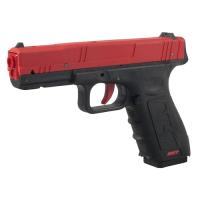
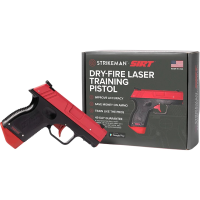
SIRT training pistol. A laser training pistol with a resetting trigger, so you can run stance, draw and transition drills at home without racking a slide after every shot.
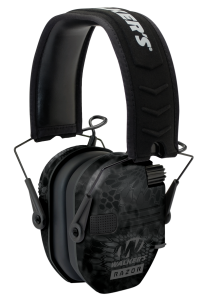
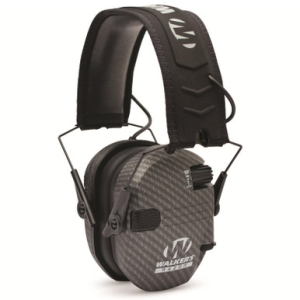
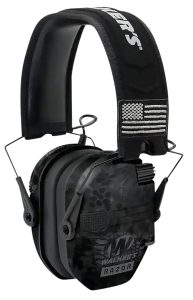
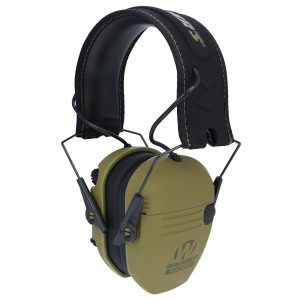
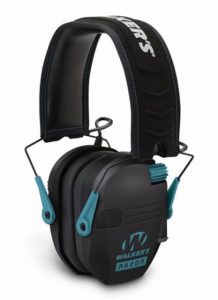
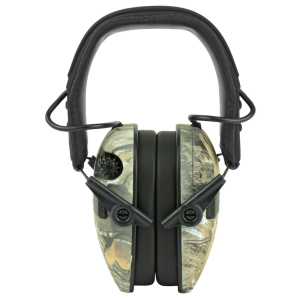
Walker’s Razor Slim. Slim electronic muffs that clear a cheek weld and let you hear range commands. See our best ear protection for shooting for more.
My Recommendation
Start with the modern isosceles and build everything on it: your draw, your grip, your reloads. Once that’s automatic, learn the Weaver or Chapman for the times when cover or a precise shot calls for a bladed stance. Don’t spend another hour of range time arguing about which is better. The 1989 study already told us which one you’ll use when it counts.
Frequently Asked Questions
Is Weaver or isosceles better?
For most shooters, the modern isosceles. It is easier to learn, better for moving and multiple targets, and closer to how people react under stress. In a 1989 study of 98 police shooting events, 78.6% of officers used an isosceles-style stance and 12.2% used the Weaver, even though most had been trained in the Weaver.
What is the Weaver stance?
A bladed pistol stance named for Los Angeles County deputy Jack Weaver. The strong-side foot goes back, the strong arm pushes the gun forward and the bent support arm pulls it back, and that push-pull tension controls recoil.
What is the modern isosceles stance?
You face the target square with your feet about shoulder width apart, knees bent and weight forward, and both arms extended to form a triangle. The bent knees and forward lean fix the old upright isosceles, which let recoil push you back.
What is the Chapman stance?
A modified Weaver named for practical shooter Ray Chapman. You blade your body and bend your support arm like the Weaver, but lock your strong arm straight like a rifle stock.
Why do police use the isosceles stance?
It holds up under stress, it is easier to move and turn in, and it keeps the front panel of body armor facing the threat. Blading the body turns the support-side armpit, where soft armor has a gap, toward the threat.
Which stance is best for concealed carry?
The modern isosceles. Defensive shootings are close and fast, and you will probably start square to the threat anyway, so practice the stance you will default to.
Does stance affect recoil control?
Yes, but both stances control recoil well. The Weaver uses opposing muscle tension, and the isosceles uses locked arms and forward body weight. The isosceles tends to hold up better when muscle tension fades.
Can I practice shooting stance at home?
Yes. Dry fire with an unloaded, double-checked gun and no ammo in the room. A dry-fire sensor like the Mantis X10 or a laser training pistol like the SIRT helps you see what your grip and trigger are doing.
4,788+ Gun & Ammo Deals
Updated daily from 200+ top retailers. Filter by category, caliber, action type, and price.
Related Guides