

Last updated September 3rd 2026 · By Nick Hall, who has installed a 700 lb safe on a second floor with an engineer-reviewed plan
Some of the links below are affiliate links, meaning at no additional cost to you, we may earn a commission if you click through and make a purchase.
Short answer: almost certainly yes, and the number you have been given to worry about is the wrong one. Nearly every guide on this subject says a second floor is built for 40 pounds per square foot. A bedroom is built for 30. Here is what the code actually says, what it pointedly does not say, and why the staircase is a bigger problem than the floor.
Table of Contents
How we tested: Every pick here is ranked against our testing methodology. Minimum round counts, accuracy and reliability protocols, the failures that disqualify a gun. Where we have not shot a specific variant ourselves, we say so in that section.
The 40 PSF Everyone Quotes Is for a Different Room
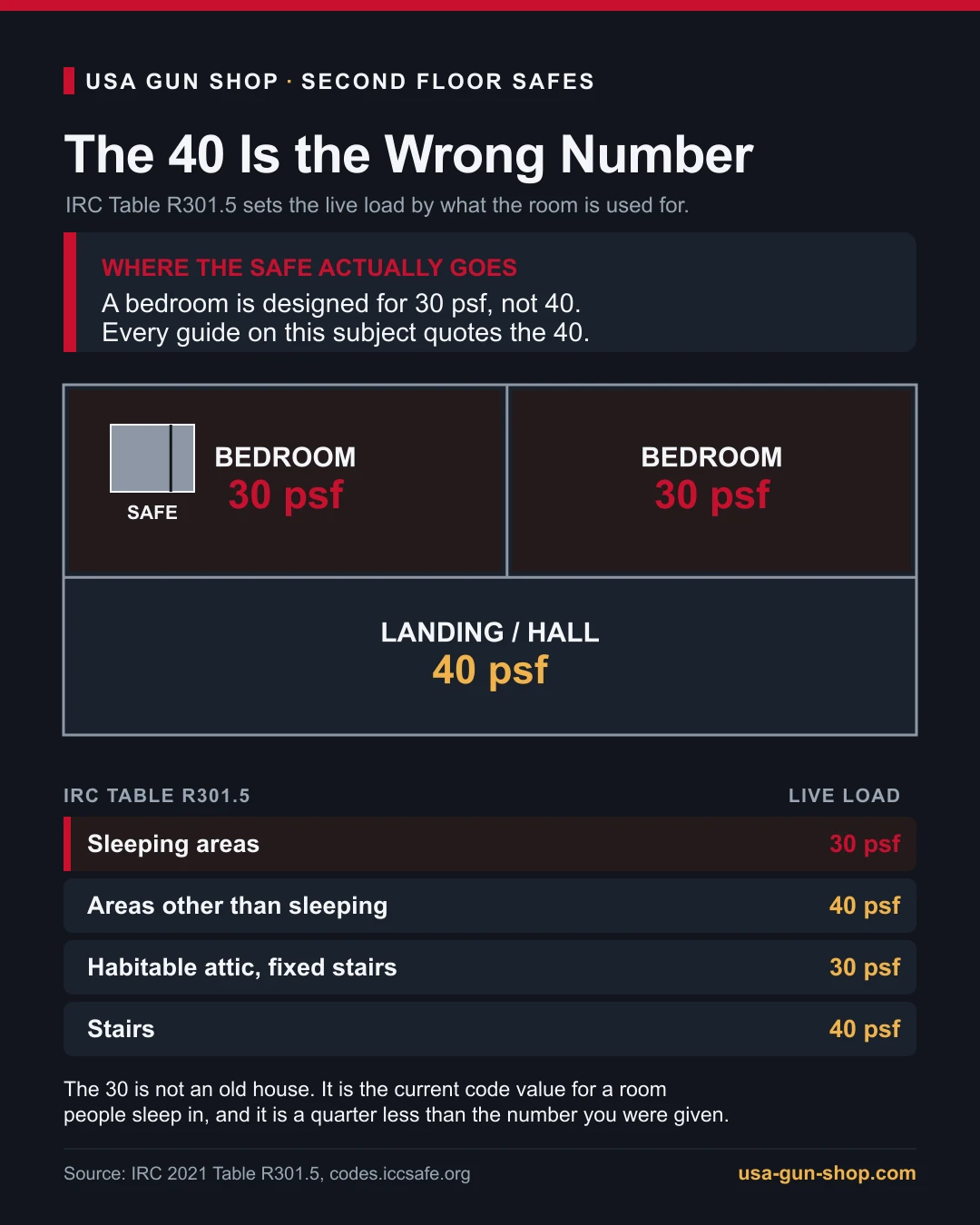
Search this question and you will be told, over and over, that a residential floor is designed for 40 pounds per square foot. That figure is real. It is also the figure for the landing outside your bedroom door, not for the bedroom.
IRC 2021 Table R301.5 sets the minimum uniformly distributed live load by what the room is used for. Sleeping areas get 30 psf. Areas other than sleeping areas get 40. Habitable attics reached by fixed stairs get 30. Stairs themselves get 40.
Most people put the upstairs safe in a bedroom or a bedroom closet, which means the floor under it was designed to a quarter less load than the number they were reassured with. That is worth knowing before you carry anything up there. It is not a reason to panic, for reasons the next section gets into, but starting from the wrong number is a bad way to make this decision.
Check which code you are being quoted, too. A single-family house is governed by the International Residential Code. Commercial and multi-family work is a different book with different numbers in it, and the two get mixed up constantly on this subject.
The Code Has No Answer for a Safe, and That Is the Point
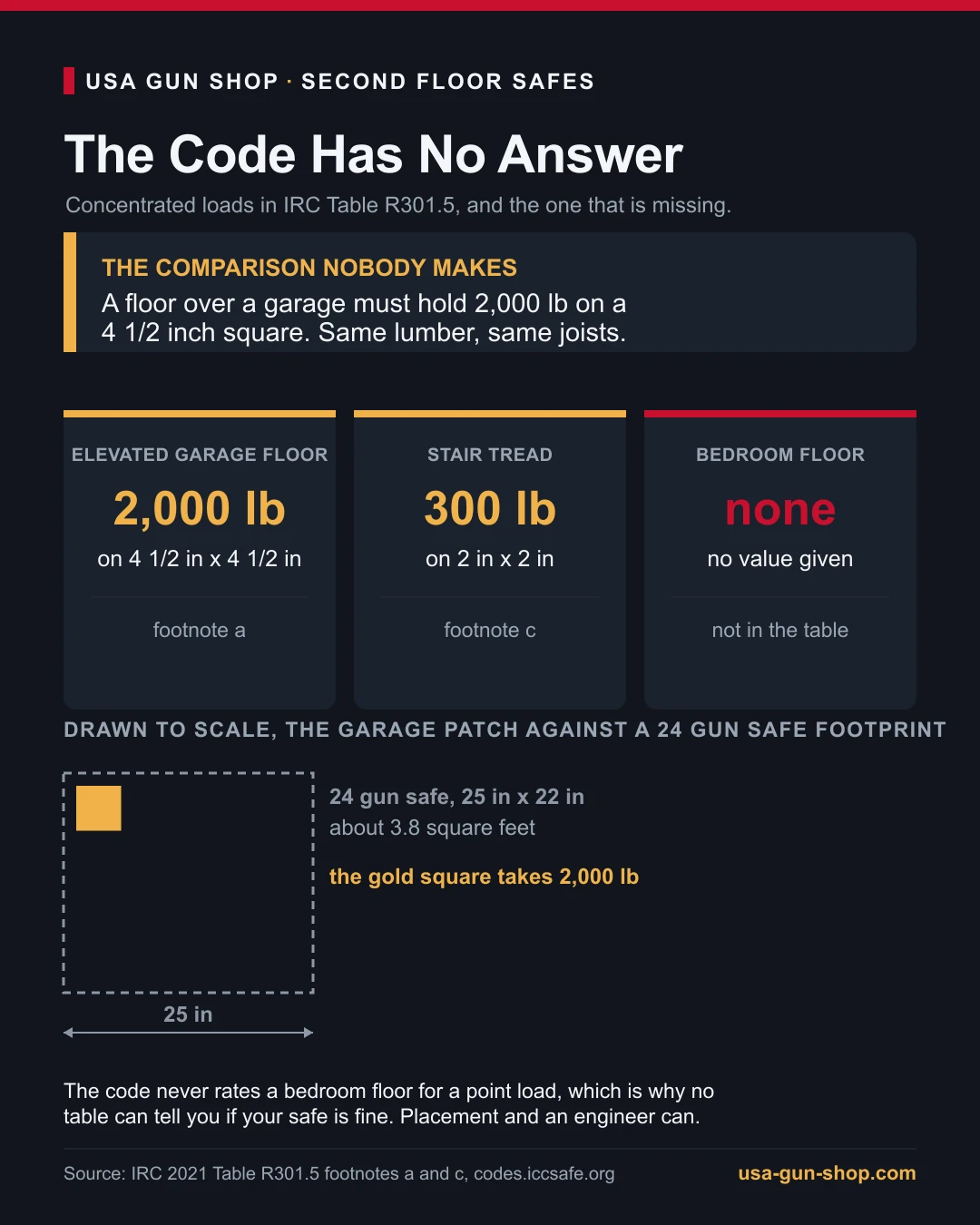
A live load in psf is a load spread evenly over the whole floor. A safe is a point load, four small feet or one dense footprint, and the two behave nothing alike. So does the code give a point load for a bedroom? No. It gives one for three things and a bedroom floor is not among them.
- An elevated garage floor: 2,000 pounds on an area of 4.5 inches by 4.5 inches
- An individual stair tread: 300 pounds on a 2 inch by 2 inch area
- A guard or handrail: 200 pounds applied at any point
- A bedroom floor: no concentrated load specified at all
Read the first one again, because it is the comparison nobody makes and it is far more reassuring than the bathtub story this page used to tell. A floor framed over a garage, in the same lumber and the same joists as the rest of the house, has to carry a ton on a patch the size of your palm. Your 600 lb safe spreads over roughly 3.8 square feet.
The honest conclusion is not “so it is fine”. It is that no table in the code can tell you whether your particular safe on your particular joists is fine, because the prescriptive code never contemplated the question. What is left is placement, which does most of the work, and past a certain weight an engineer, which does the rest.
The bathtub comparison does not work
Nearly every article on this subject reaches for the full bathtub, on the grounds that nobody worries about tubs falling through floors. Run the numbers before you take the comfort. A standard alcove tub is 60 by 30 inches, which is 12.5 square feet. A 24-gun safe is around 25 by 22 inches, which is 3.8. The tub spreads its weight over more than three times the area, so the safe is the more concentrated load by a wide margin, and the analogy runs the opposite way to how it is always told.
Deflection Is the Limit, Not Collapse
Floors almost never fail by breaking. They fail by sagging, and the code says so plainly: the allowable deflection of a floor under live load is L/360, the span divided by 360. On a 14 foot joist that is 168 inches divided by 360, or a little under half an inch.
Half an inch does not sound like much until you notice it is the budget for the entire floor, and that the ceiling below is gypsum board screwed to the underside of those same joists. This is why the warning signs further down this page are what they are. Cracked ceiling drywall, a door in the room below that suddenly sticks, a marble that rolls: those are deflection, not imminent collapse. The floor is doing its job and telling you it has spent its allowance.
It also explains something that confuses people. Every published joist span in the IRC floor tables is a deflection limit, not a strength limit. The tables answer “how far can this joist go before it flexes too much”, so a floor that is nowhere near breaking can still be a floor you should not put another 700 pounds on.
Find Your Joists, Then Find Your Span
Two numbers decide almost everything: what size the joists are, and how far they run between supports. Go into the basement or the crawl space with a tape. Joist depth is the number that matters most, and span is measured support to support, not wall to wall across the whole house.
| Joist | Sleeping area 30 psf | Other rooms 40 psf |
|---|---|---|
| 2×6 | 10 ft 9 in | 9 ft 9 in |
| 2×8 | 14 ft 2 in | 12 ft 9 in |
| 2×10 | 17 ft 5 in | 15 ft 7 in |
| 2×12 | 20 ft 3 in | 18 ft 1 in |
Those are maximum spans for Douglas fir-larch #2 at 16 inches on center with a 10 psf dead load, from IRC Tables R502.3.1(1) and R502.3.1(2). Two things fall out of the table. A joist near the top of its span has already spent its deflection budget on the floor itself, so it has the least left over for your safe. And the same joist is allowed to run further in a bedroom than in a living room, which sounds backwards until you remember the bedroom is designed for less load in the first place.
If your joists are near the long end of their span, place the safe accordingly and read the placement section below twice. If they are well short of it, you have margin you can spend.
Common Gun Safe Weights by Size
| Safe Type | Typical Weight | Second Floor? |
|---|---|---|
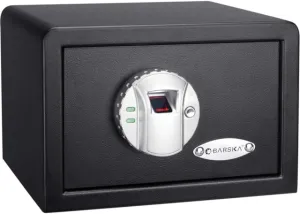
| Handgun safe | 7-20 lbs | Anywhere |
| Compact pistol safe | 20-50 lbs | Anywhere |
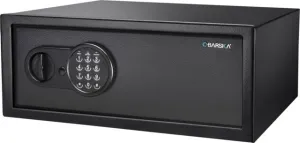
| Gun cabinet | 55-100 lbs | Anywhere |
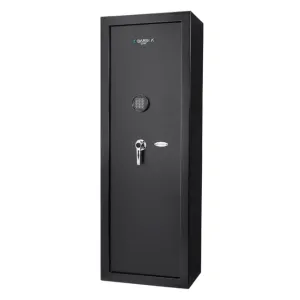
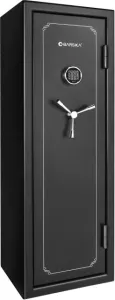
| 14-gun safe | 200-350 lbs | Yes, any wall |
| 24-gun safe | 300-530 lbs | Yes, bearing wall |
| 40-gun safe | 500-800 lbs | Bearing wall/corner |
| Premium 40+ gun | 800-1,200+ lbs | Consult engineer |
Weight is only half of it. A 500 lb safe in a corner over a bearing wall is a different proposition from the same safe in the middle of a 17 foot 2×10 span, and the table cannot know which you have.
Where to Put It, and Why It Matters More Than the Weight
Put the safe against a load-bearing wall. Bearing walls run perpendicular to the joists and carry weight straight down to the foundation, so a load sitting on one barely bends the joist at all. A joist is at its stiffest right next to its support and at its floppiest in the middle, and the difference between those two positions is larger than the difference between a 400 lb safe and an 800 lb one.
A corner is better still. Two bearing walls meet, the joists are short of their support on both sides, and the load has two paths down instead of one. A 700 lb safe in a corner over a bearing wall is, structurally, a boring event.
The worst spot is the dead center of the room, halfway along a long span. If that is genuinely your only option, turn the safe so its footprint crosses the joists rather than sitting along one, which shares the load between two or three of them instead of loading a single joist at its weakest point.
Do not confuse this with anchoring, which you should also do. Placement is about the floor holding the safe up. Anchoring is about the safe not walking out of the house on somebody else’s dolly, and our guide to bolting one down covers the fasteners. Our room-by-room placement guide covers everything that is not structural.
The Staircase Is the Real Problem
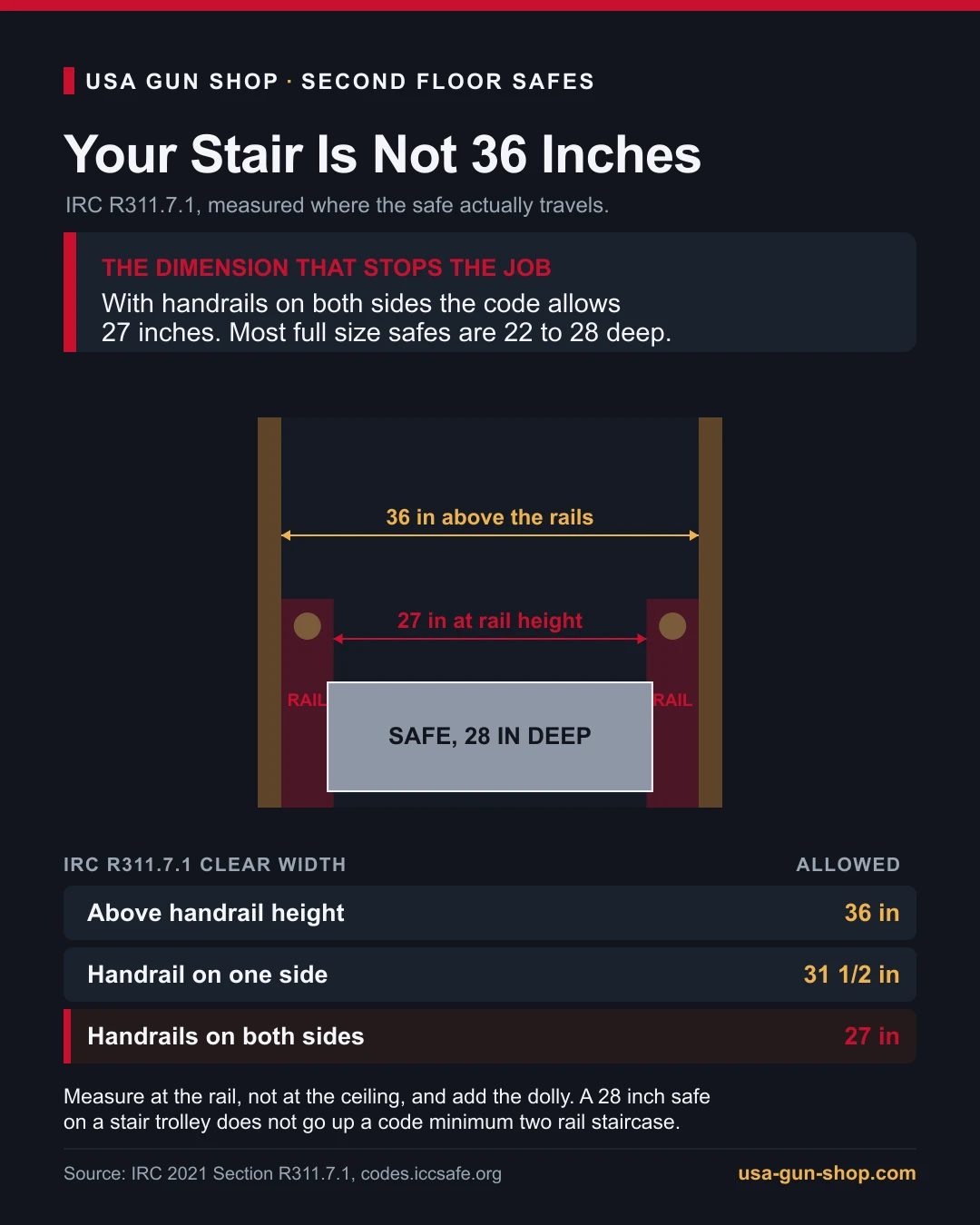
Here is the number that actually stops jobs, and it is not on any other page answering this question. IRC Section R311.7.1 requires 36 inches of clear width, but only above the permitted handrail height. At and below handrail height, which is exactly where a safe on a dolly travels, the code allows 31.5 inches with a handrail on one side and 27 inches with handrails on both.
Most full-size safes are 22 to 28 inches deep. Add the dolly frame, add the straps, add the angle the safe has to lean at, and a code-minimum staircase with rails on both sides is not a 36 inch corridor. It is a 27 inch one.
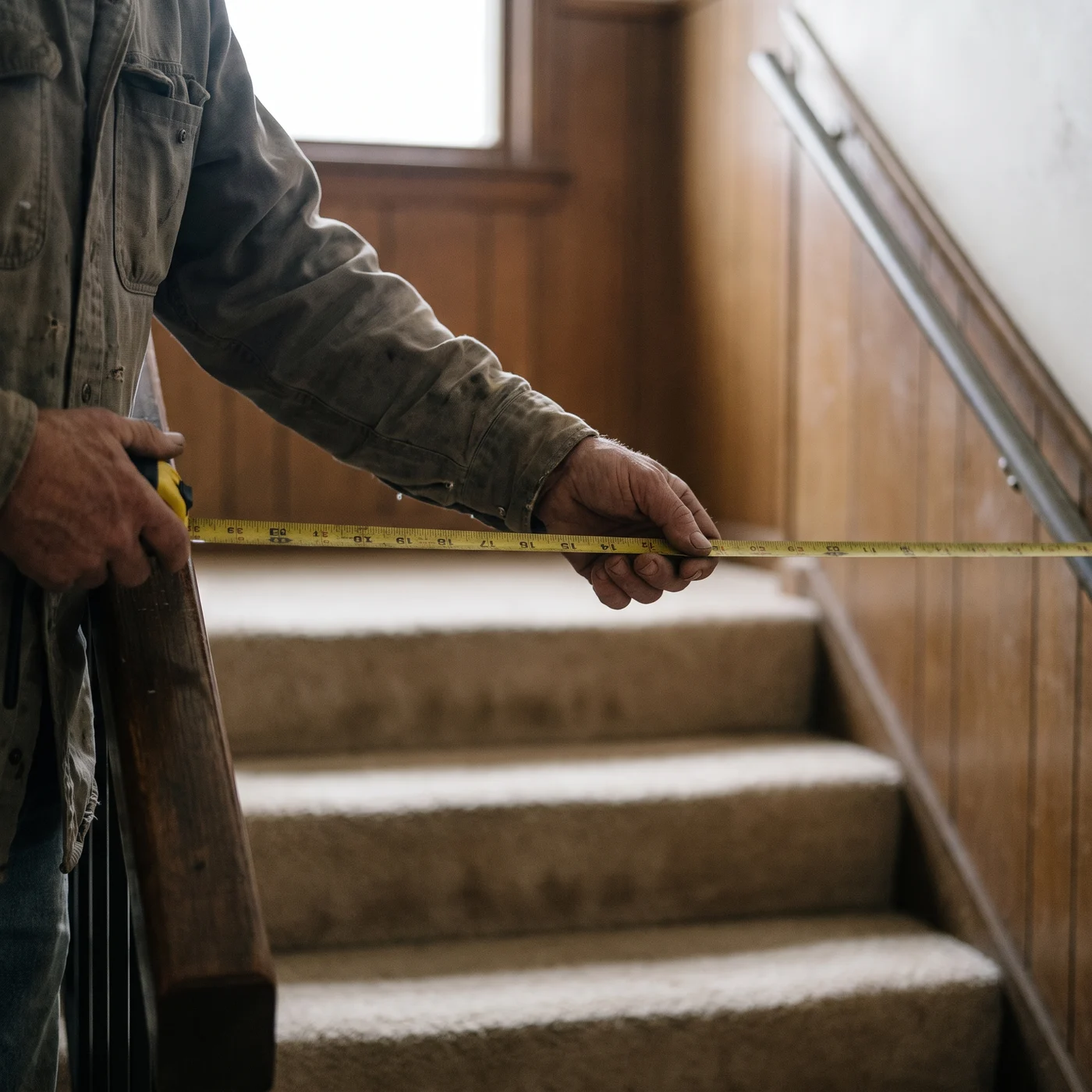
So measure at the rail, not at the ceiling, and measure the narrowest point rather than the widest. Then measure the turn. A switchback landing is where a safe that fits the straight run stops dead, because the diagonal you need through a 90 degree turn is longer than the safe is deep. A newel post at the bottom eats another few inches at the worst possible moment.
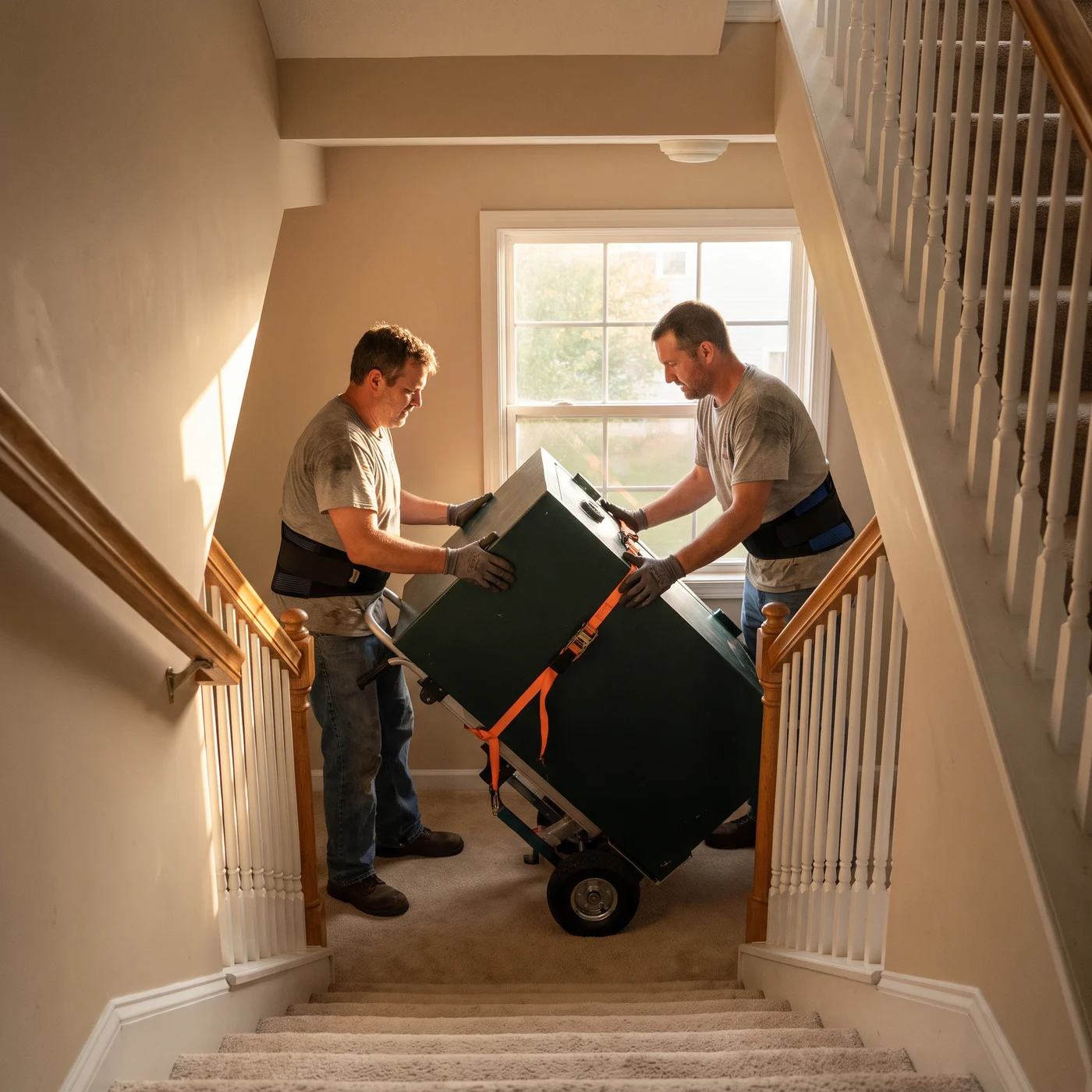
Professional safe movers are the sensible call, and a second-floor delivery runs $200 to $500 depending on the weight and the stairs. They own stair-climbing dollies and they carry insurance for the wall you are about to put a corner through. Our guide to moving a gun safe has the full method.
If you are doing it yourself, take the door off first. On most full-size safes the door is 30 to 40 percent of the total weight, though plenty of models do not have owner-removable doors, so check yours before you plan around it. Use an appliance dolly with stair-climbing wheels, work slowly, and bring more people than you think you need. A safe that gets away from you on a staircase takes the staircase with it.
Signs the Floor Is Telling You Something
If the safe is already up there, this is the list. None of these mean the floor is about to give way. All of them mean it is deflecting more than the L/360 the code had in mind, and that reinforcement would be a good idea.
- A visible dip. Stand ten feet back and sight along the floor. If it slopes toward the safe, that is deflection you can see
- The marble test. Put a marble on the floor three feet from the safe and let go
- Cracked ceiling drywall below. The cracks run along the joist lines, because that is where the board is fastened
- A door in the room below that suddenly sticks or will not latch, which means the frame is moving
- Squeaks that are new. Sheathing working against joists that are flexing further than they used to
Reinforcing the Floor If You Need To
If an engineer says the floor needs help, the fixes are ordinary carpentry. Sistering means bolting a second joist alongside each existing one under the safe, which is the proper repair and the one that actually adds capacity. It is done from below, so you need access to the ceiling under the safe.
A sheet of three-quarter inch plywood under the safe helps, but be clear about how much. It spreads the load across a slightly wider patch of sheathing. It does not turn two joists into four, and it is not a substitute for sistering if the joists are the problem.
Adjustable steel columns in the basement, under the joists that carry the safe, are the cheapest retrofit at $100 to $300 in materials. The part people skip is the bottom: a column has to bear on a footing sized for the load, and standing one on a bare four inch basement slab concentrates everything you were worried about into one small circle of concrete. That is the part to ask about, and it is why this one is worth a conversation with somebody who does it for a living rather than a weekend on YouTube.
Condos, Concrete Floors and What They Actually Change
A concrete floor is stiffer than a wood one and it will not squeak or telegraph a dip into the ceiling below. What it is not is unlimited. You will read that concrete carries enormous loads per square foot, and that figure is the compressive strength of the material, not the load the floor was designed to carry. Those are different numbers by a factor of a hundred or more, and only the second one is about your safe.
A residential concrete floor is designed to an occupancy live load like any other floor, and a suspended slab has its own span, its own reinforcement and its own deflection limit. It has more margin than a wood floor. It does not have infinite margin, and a 1,200 lb safe still belongs against a wall.
The bigger issue in a condo is not structural anyway. It is the building. Lifts have weight limits, loading bays have booking windows, and a lot of HOAs have rules about what can be moved through common areas. Ask before the safe is on a truck, not after.
Insurance, Briefly
A safe falling through a floor is not a realistic thing to worry about, but structural damage from a heavy object falls under the dwelling portion of a homeowner’s policy. What is not covered is the collection inside it: standard policies apply a low special limit to firearms unless you add a scheduled rider, and the figure varies by insurer, so read yours rather than trusting a number off a web page. Our gun safe insurance guide covers what to ask for.
Lighter Ways to Solve the Same Problem
If the weight is what is stopping you, the answer might be a lighter safe rather than a reinforced floor. These three take the structural question off the table in different ways.
A light full-size safe, still fire rated
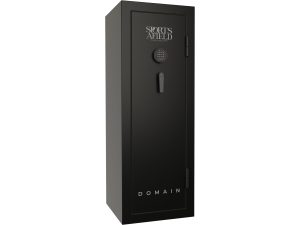
The Sports Afield Domain 20 is 195 pounds and still carries a 30 minute fire rating at 1,400 degrees, twenty long guns and five 1-inch locking bolts. That is a genuinely full-size safe that two people and a stair trolley can place, and it is less than half the weight of a comparable Liberty. You give up capacity and burn time, not the fire rating itself.
A 195 lb fire-rated safe, live pricing
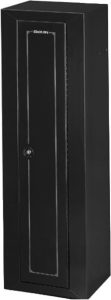
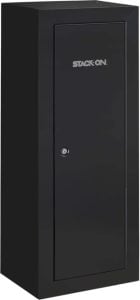
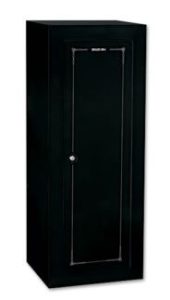
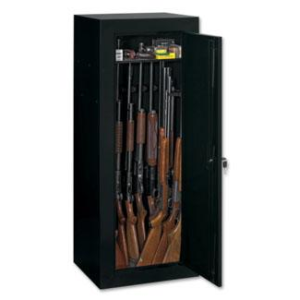
A steel security cabinet
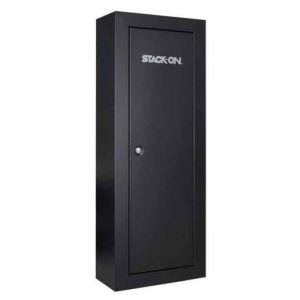
A cabinet is 55 to 150 pounds and goes anywhere in the house with no thought at all. You are trading fire protection and pry resistance for weight and price, which is a real trade and worth making honestly. Our safe versus cabinet comparison is blunt about what you lose.
Light enough for any floor, live pricing
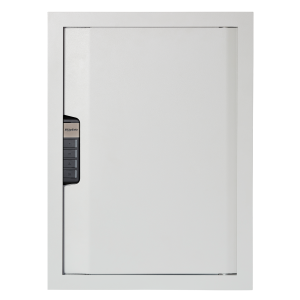
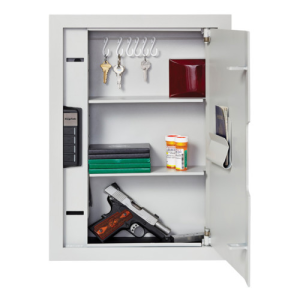
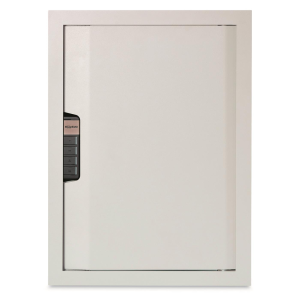
An in-wall safe, which bypasses the floor entirely
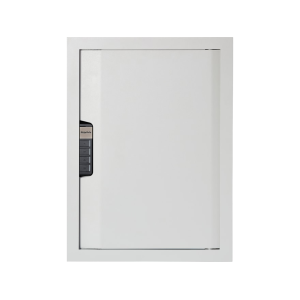
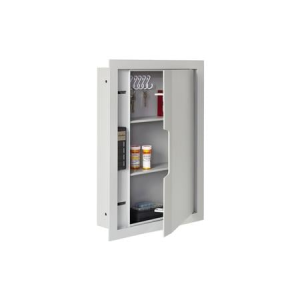
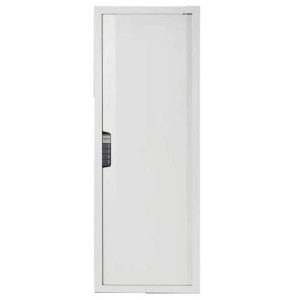
An in-wall unit hangs off the studs and transfers its weight into the wall frame, so the floor never sees it. Capacity is small and it has to go in a stud bay, but for a bedroom handgun or a few documents on an upper floor it removes the problem rather than managing it. See our wall-mounted safe picks for the fitting detail.
Weight goes into the studs, live pricing
So Can You Put It Up There?
Under 600 pounds, against a wall: yes, and it is not close. Between 600 and 1,000, against a bearing wall and ideally in a corner, with the footprint crossing the joists rather than following one. Over 1,000 pounds, or anywhere over 600 if your joists are 2x8s near the end of their span, spend $200 to $400 on a structural engineer and get an answer specific to your house.
Then measure the staircase at handrail height, because that is the number that will actually decide this.
Shop Gun Safes
Best-scored accessories across 200+ retailers · Updated every 4 hours

How I Researched This Guide
I read the International Residential Code directly for the live load table, the allowable deflection table, the two floor joist span tables and the stairway width section, rather than repeating the figures that circulate on this topic. That is how the 30 psf sleeping-area value and the 27 inch stair width turned up, neither of which appears on the pages currently ranking for this question. I also spoke with structural engineers about how point loads move through residential framing, and I have put a 700 lb safe on a second floor myself with a plan somebody qualified had looked at first.
FAQ: Gun Safe on Second Floor
Can a second floor hold a 1,000 pound gun safe?
Most of the time yes, if it sits against a load-bearing wall and ideally in a corner, but 1,000 pounds is the weight at which I stop guessing. The prescriptive residential code gives no concentrated load value for a room floor at all, so no table can answer it for your house. A structural engineer costs $200 to $400 and gives you a definite answer for your joist size and span.
What is the floor load capacity of a second-floor bedroom?
IRC Table R301.5 sets sleeping areas at 30 pounds per square foot of uniformly distributed live load. Rooms that are not sleeping areas get 40 psf. Almost every guide on this subject quotes the 40 without mentioning that a bedroom is a quarter lower, which matters because a bedroom is where most upstairs safes go.
Does the code say how much point load a floor can take?
Not for a room floor. Table R301.5 gives concentrated loads for an elevated garage floor, which is 2,000 pounds on a 4.5 inch square, for an individual stair tread at 300 pounds, and for guards and handrails at 200 pounds. There is no value for a bedroom or a living room, which is exactly why placement and an engineer matter more than any number you can look up.
Where on the second floor should the safe go?
Against a load-bearing wall, and in a corner if you have the option. Joists are stiffest next to their supports and weakest in the middle of the span, so position changes the load on the joist more than a couple of hundred pounds of safe does. If the safe has to sit away from a wall, turn it so its footprint crosses several joists instead of following one.
Will a gun safe crack the ceiling below it?
It can, and that is deflection rather than failure. The code allows a floor to deflect L/360 under live load, which is under half an inch on a 14 foot joist, and the ceiling below is board screwed to the underside of those joists. Cracks along the joist lines, a door that starts sticking, or new squeaks are all the same message: the floor is flexing more than it was designed to and reinforcement would help.
How wide does a staircase need to be for a gun safe?
Wider than the code minimum. IRC R311.7.1 requires 36 inches of clear width above handrail height, but only 31.5 inches at handrail height with one handrail and 27 inches with handrails on both sides. A full-size safe is 22 to 28 inches deep before you add the dolly, so measure at the rail and at the narrowest point, and measure any turn.
Is a concrete floor in a condo strong enough for any safe?
It has more margin than a wood floor, but it is not unlimited and the old claim that concrete handles thousands of pounds per square foot confuses the strength of the material with the load the floor was designed for. A suspended residential slab is designed to an occupancy live load like any other floor. Put the safe against a wall, and check the building's rules and lift capacity before it arrives.
Can I reinforce the floor myself?
Sistering a joist and adding plywood under the safe are ordinary carpentry if you have access from below. Adjustable steel columns are the one to be careful with: the column has to bear on a footing sized for the load, and standing one on a bare basement slab concentrates the whole problem into a small circle of concrete. Get that detail checked rather than guessed.
5,380+ Gun & Ammo Deals
Updated daily from 200+ top retailers. Filter by category, caliber, action type, and price.
Related Guides