

Last updated May 17th 2026
Disclosure: Some links on this page are affiliate links. If you buy through them, we may earn a small commission at no extra cost to you. We only recommend gear we’d actually use.
- Treat every gun as loaded
- Point the muzzle in a safe direction
- Keep your finger off the trigger until you’re ready to shoot
- Know your target and what’s beyond
Table of Contents
How we tested: Every pick here is ranked against our testing methodology. Minimum round counts, accuracy and reliability protocols, the failures that disqualify a gun.
The Apartment Problem Nobody Talks About
Apartment home defense puts a specific wrinkle into the gun and ammo conversation that most guides completely ignore. Your walls are not your walls. They’re your neighbor’s walls. The person sleeping on the other side of your bedroom drywall isn’t a bad guy, it’s a retiree named Gary or a nursing student pulling a double shift.
When you start thinking about home defense ammo, weapon selection, and shot placement in that context, the math gets complicated fast. I’ve heard people say “just use a shotgun, problem solved.” That advice comes from someone who’s never watched ballistic gelatin tests for 00 buckshot through drywall. The pellets go through. Multiple pellets. Multiple walls.
This guide is written specifically for apartment and condo dwellers. That means small spaces, shared walls, neighbors above and below, limited storage options, renter’s legal considerations, and a very different threat profile than a standalone house on a half-acre. Let’s get into it.
Apartment Home Defense Picks at a Glance
| Rank | Gun | Best For | Caliber | Capacity | Weight | Street Price |
|---|---|---|---|---|---|---|
| 1 | Glock 19 Gen 6 | Best overall apartment HD pistol | 9mm | 15+1 | 23.63 oz | $549-$649 |
| 2 | Sig Sauer P320 Compact | Best modular trigger + ergonomics | 9mm | 15+1 | 25.8 oz | $609-$729 |
| 3 | Ruger LCR | Best apartment revolver (low penetration) | .38 Spl +P / .357 Mag | 5 | 13.5 oz | $579-$669 |
| 4 | S&W M&P Shield Plus | Best compact for tiny spaces | 9mm | 13+1 | 20 oz | $449-$549 |
| 5 | Mossberg 500 Tactical | If you must have a shotgun | 12 ga (#4 buck) | 6+1 | 7.5 lbs | $429-$499 |
Overpenetration: The Core Risk of Apartment Defense
Overpenetration is what happens when your defensive round exits the threat and keeps going into whatever is behind them. In a house, that might be an exterior wall and then your yard. In an apartment, it’s your neighbor’s living room. Or their kid’s bedroom.
The legal and moral consequences of a round that injures an uninvolved party are severe, and they fall on you. The ATF won’t help you when a round goes through Gary’s wall. Your lawyer might. Probably not.
What Drywall Actually Does to a Round
Standard residential drywall is half-inch gypsum board. It slows bullets a little. It does not stop them. Testing by the FBI, independent researchers, and ammunition manufacturers consistently shows that most handgun rounds and rifle rounds pass through multiple layers of drywall without losing enough velocity to stop being dangerous. The round that misses your threat can kill Gary.
Here’s roughly how different loads perform through drywall based on published ballistic testing data. These aren’t perfect numbers, they vary by brand and specific loading, but they give you a working picture.
| Load | Drywall layers penetrated | Apartment risk |
|---|---|---|
| 9mm FMJ ball | 6+ (still lethal) | Very high, never use for defense |
| 9mm Federal HST 124gr +P | 3-4 (reduced velocity) | Moderate, baseline acceptable |
| 9mm Liberty Civil Defense (frangible) | 1-2 (fragments) | Low, best apartment 9mm choice |
| .38 Special +P JHP (short barrel) | 2-3 | Low-moderate |
| 5.56 NATO 55gr M193 | 4-6 (fragments after first wall) | Moderate, rifle for apartment is overthought |
| 12 ga 00 buckshot | 4+ per pellet (9 pellets) | Catastrophic, do not use |
| 12 ga #4 buckshot | 2-4 per pellet (18 pellets) | High but better than 00 |
The core lesson: your ammunition choice is not just a stopping-power decision. In an apartment, it’s a neighbor-safety decision. They’re equally important.
Best Ammo for Apartment Defense
What I want from a defensive round in an apartment is simple, hits like a freight train on a human threat, then stops as soon as it hits drywall. No round does that perfectly, but some are meaningfully better than others. Here’s my recommended hierarchy.
Option 1: Quality Hollow Points (JHP)
A premium expanding hollow point is your baseline in 9mm. Federal HST, Speer Gold Dot, and Hornady Critical Defense are the established names. These rounds expand on soft tissue and lose energy faster than ball ammo after passing through a barrier. They’re not frangible, they will still penetrate drywall, but they do meaningfully better than FMJ.
In .38 Special or .357 Magnum from a revolver, Federal HST and Speer Gold Dot make excellent short-barrel loads that expand reliably. The .38 Special +P from Federal is one of the most consistent performers for people who want reliability above all else.
Option 2: Frangible Ammunition
Frangible rounds are made from compressed powder or sintered metal that fragments on impact with hard surfaces. The idea is that the round breaks apart when it hits a wall, distributing energy in a way that prevents deep penetration. Liberty Civil Defense and G2 Research RIP are two examples. So is SinterFire.
The tradeoff I keep coming back to is that frangible rounds also fragment on soft tissue differently than JHP rounds, and the stopping power data is more mixed. They work. They’re not magic. But for apartment use specifically, the limited penetration profile is a genuine advantage. If you’re going to use them, run them through your gun first to confirm reliable feeding and function before trusting them for defense.
Option 3: #4 Buckshot (Shotgun)
If you’re committed to a shotgun for apartment defense, in my testing #4 buckshot is the load to use. The smaller pellets (roughly .24 caliber each, compared to .33 for 00 buck) carry less individual energy and lose velocity faster, particularly through walls. An 18-pellet #4 load from Federal or Remington is devastating at room distances on a human threat and considerably less likely to punch through your neighbor’s wall than 00 buckshot. Still not zero risk. Better than 00.
Best Guns for Apartment Home Defense
Apartment defense puts a premium on compact, maneuverable guns. Long guns are harder to maneuver in narrow hallways (though as we’ll discuss in tactics, you shouldn’t be clearing rooms anyway). For most apartment dwellers, a compact or mid-size handgun is the right call. Here are my top picks.
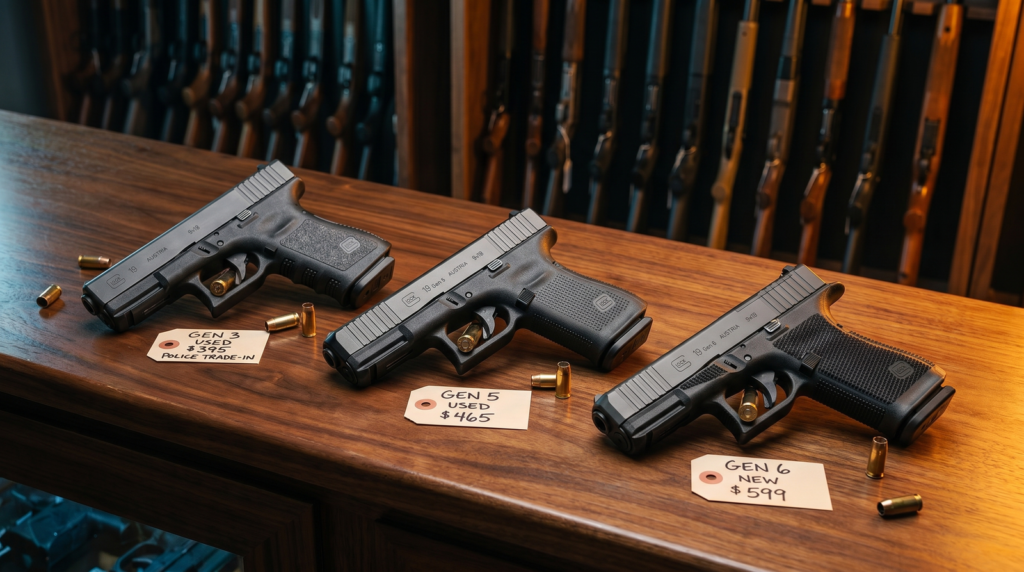
1. Glock 19. Best Overall Apartment Home Defense Handgun
- Caliber: 9mm
- Barrel Length: 4.02 inches
- Weight (unloaded): 23.63 oz
- Capacity: 15+1
- MSRP: ~$599 (Glock spec sheet)

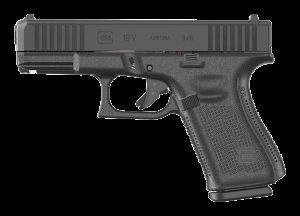
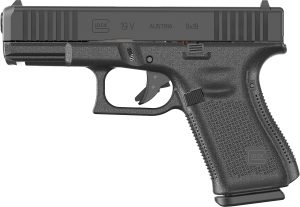
The G19 is the default answer for a reason. It’s compact enough to maneuver in tight spaces, holds enough rounds that you have options if things go wrong, and runs every type of 9mm ammunition (including frangible loads) without complaint. Glock’s reputation for reliability isn’t hype. It’s just accurate.
For apartment use specifically, the 9mm chambering pairs well with quality JHP or frangible loads, giving you the full menu of lower-penetration options. Rail-equipped, so you can mount a weapon light (which you absolutely need). And it’s compact enough that it’s not awkward in an 8-foot-wide hallway.
Trigger is adequate. It’s not great from the factory but it doesn’t need to be great. Under stress you’re not going to notice trigger weight. You’re going to appreciate that the gun goes bang every time you pull it. The G19 does that.
Pros
- Proven reliability with every ammo type including frangible loads, the apartment-defense ammo menu is wide-open
- Compact 9mm footprint maneuvers cleanly in apartment hallways and bedroom doorways
- Rail accepts every major weapon light (Streamlight TLR-1, Surefire X300U, TLR-7A)
Cons
- Factory trigger is mediocre, most owners swap it eventually
- Slim Glock grip angle takes getting used to for first-time owners
- Street price has crept up, entry compact pistols can be found cheaper
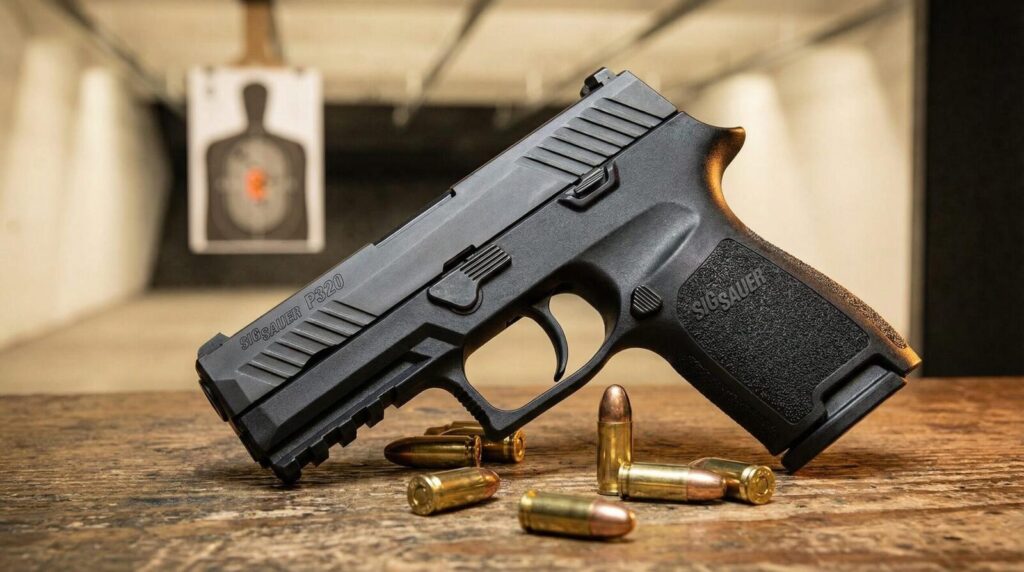
2. Sig Sauer P320 Compact. Best Modular Option
- Caliber: 9mm
- Barrel Length: 3.9 inches
- Weight (unloaded): 25.8 oz
- Capacity: 15+1
- MSRP: ~$679 (Sig Sauer spec sheet)

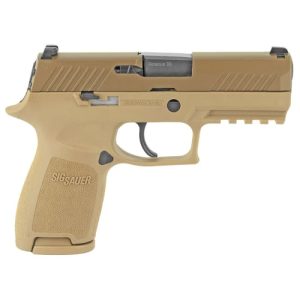
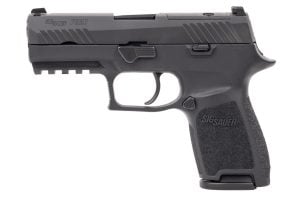
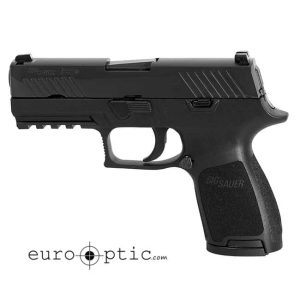
The P320 is the U.S. Army’s service pistol (the M17/M18 family) and it’s genuinely excellent for home defense. The trigger is notably better than a stock Glock, the ergonomics are excellent, and the modular design means you can swap grips if you need to fit more than one person’s hand. For a couple sharing apartment defense duties, that’s worth something.
Optics-ready out of the box on most variants, which matters if you want to add a compact red dot down the road. Also has a rail for a weapon light. In 9mm it takes everything you’d want to run for apartment defense. This is a genuinely modern pistol design and it shows.
Pros
- Superior factory trigger compared to Glock, crisper break, shorter reset
- Modular grip swap fits multiple hand sizes (small/medium/large + carry/full-size frames)
- Optics-ready out of the box on XCompact and M18-pattern variants
Cons
- Slightly heavier than the Glock 19 in the same compact class
- Higher street price than entry-level striker-fired options
- Earlier P320 drop-safety controversy means used market needs careful sourcing
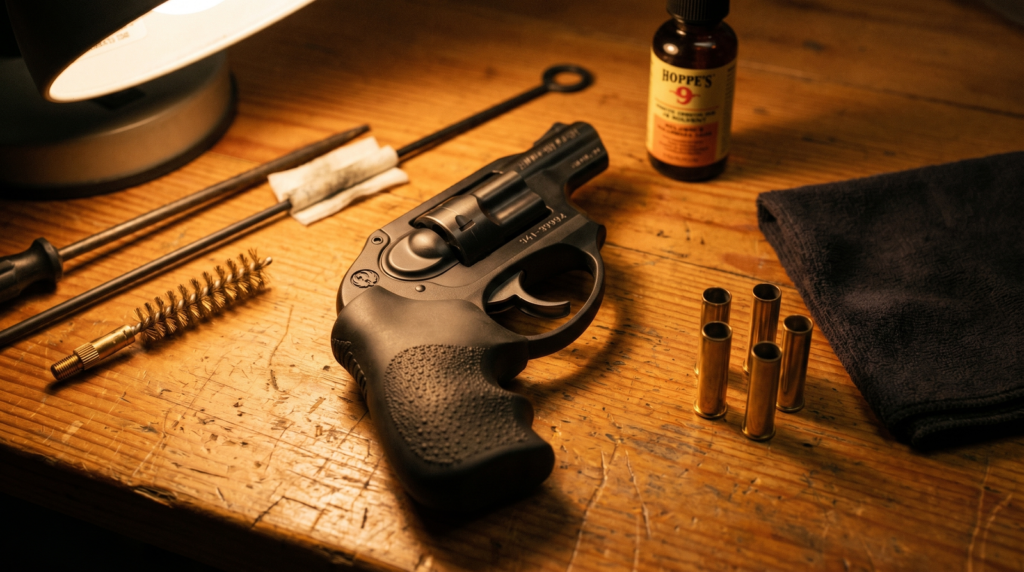
3. Ruger LCR. Best Revolver for Apartment Defense
- Caliber: .38 Special +P / .357 Magnum
- Barrel Length: 1.875 inches
- Weight (unloaded): 13.5 oz (.38 version)
- Capacity: 5
- MSRP: ~$669 (Ruger spec sheet)
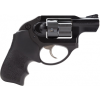
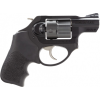
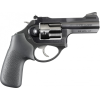
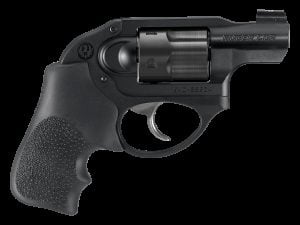
Revolvers make a strong case for apartment defense specifically because of the caliber options. In .38 Special, you’re shooting a round that is genuinely easier to manage in terms of overpenetration than the higher-pressure options, and there are excellent short-barrel loads (Federal HST 130gr +P, Speer Gold Dot 135gr +P) developed specifically for snub-nose revolvers. If you run the right load, you get effective stopping power with less wall penetration than many 9mm options.
The LCR’s double-action-only trigger is smooth for a revolver, which helps with accuracy. Five rounds in a snubby is less than a 15-round semi-auto, but in an apartment-sized engagement this is almost never a problem. Most home defense encounters end in one or two rounds. And revolvers don’t malfunction in the way semi-autos can. If you pull the trigger, it fires. Every time.
Pros
- .38 Special pairs naturally with low-penetration loads, short-barrel Federal HST 130gr +P is the apartment champ
- No malfunctions from limp-wristing, weak grip, or ammo quirks, pull trigger, gun fires
- Smooth double-action trigger for a snub revolver, Ruger’s polymer-and-aluminum design genuinely earns its reputation
Cons
- Only 5 rounds, capacity-limited for sustained engagements
- No factory rail for weapon light, flashlight goes in your support hand
- Slow reload under stress versus a magazine swap on a semi-auto
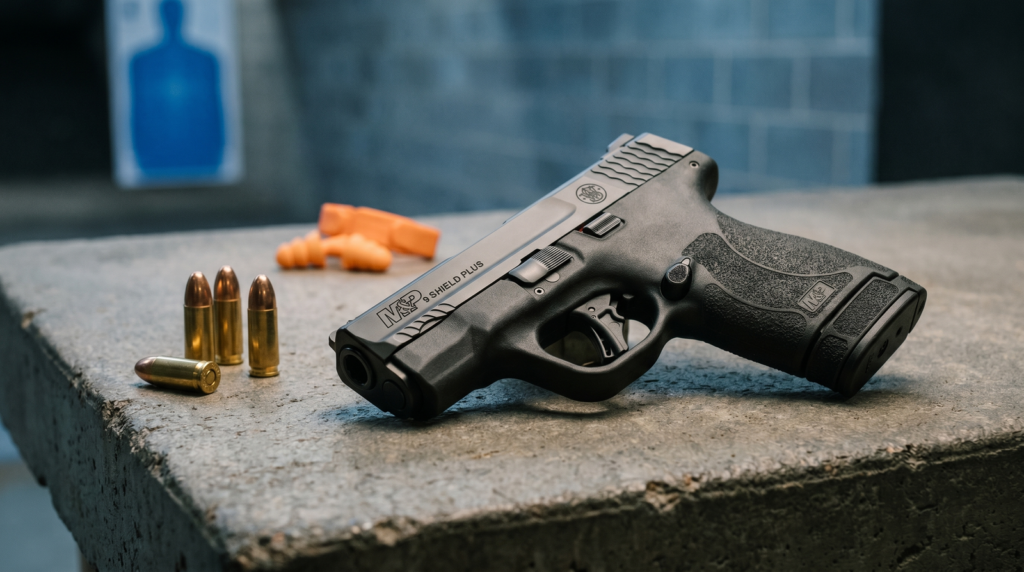
4. S&W M&P Shield Plus. Best Compact for Small Spaces
- Caliber: 9mm
- Barrel Length: 3.1 inches
- Weight (unloaded): 20 oz
- Capacity: 13+1 (extended), 10+1 (flush)
- MSRP: ~$519 (S&W spec sheet)
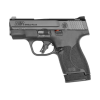
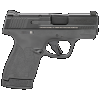
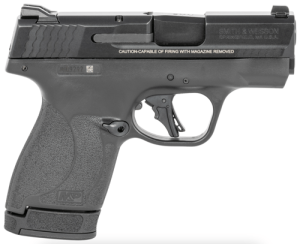
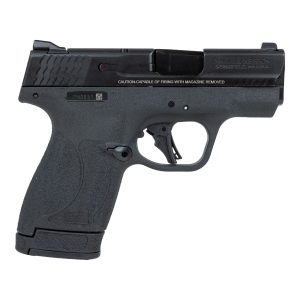
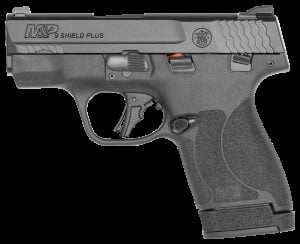
The Shield Plus is slim, light, and holds 13 rounds in a flush-fitting magazine. That’s remarkable for a gun this size. It’s genuinely apartment-sized in terms of footprint and it doesn’t sacrifice capacity to get there. The trigger is good, the grip texture is aggressive enough to hold under stress, and it’s optics-ready.
It has a rail, which means you can mount a compact weapon light (more on that below). The shorter barrel is slightly less ballistically ideal than a 4-inch barrel but in an apartment where your longest possible shot is across the living room, it doesn’t matter. This is one of the best apartment-specific choices on this list.
Pros
- Slim 1.0″ frame fits in any nightstand quick-access safe, perfect for tight studio staging
- 13+1 capacity is exceptional for a sub-1-inch-wide pistol, beats most rivals by 3-4 rounds
- Optics-ready out of the box (Shield Plus Performance Center variants) for compact red-dot install
Cons
- Shorter 3.1-inch barrel loses ~50fps muzzle velocity vs a 4-inch G19
- Slim grip can be challenging for shooters with large hands or thick fingers
- Most weapon lights designed for the 1913 rail look oversized on the Shield’s micro-rail
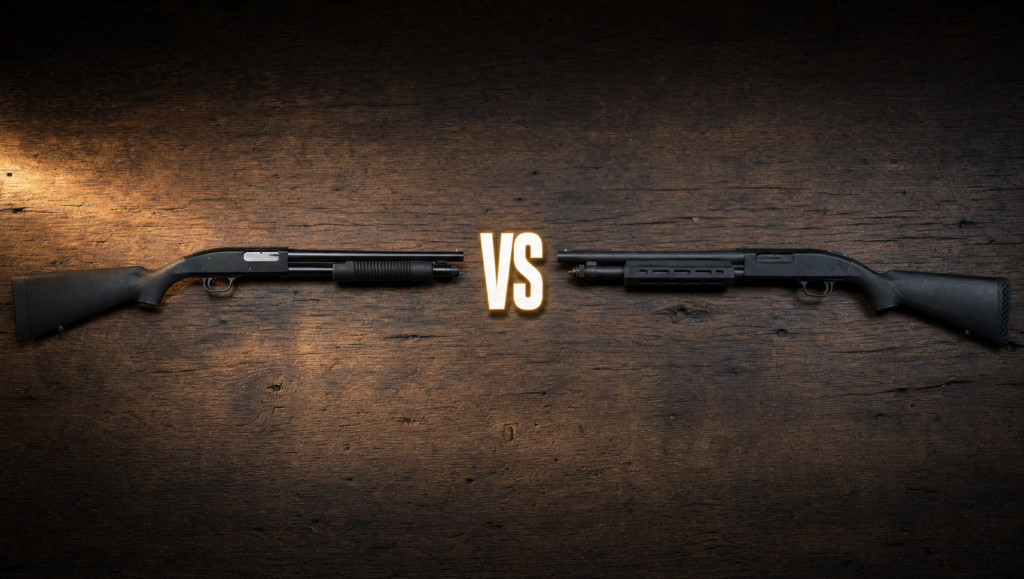
5. Mossberg 500 with #4 Buck. If You Must Have a Shotgun
- Gauge: 12 gauge
- Barrel Length: 18.5 inches
- Weight (unloaded): 7.5 lbs
- Capacity: 6+1
- MSRP: ~$479 (Mossberg spec sheet)
I’m putting this on the list because people will ask. From my own apartment-defense testing, a 12 gauge loaded with #4 buckshot is devastating in a hallway. It’s also a long gun, which means navigating apartment doorways is awkward, and it’s loud enough to cause immediate hearing damage in an enclosed space. I’m not saying don’t use it, I’m saying go in with eyes open about the tradeoffs.
If you have a dedicated bedroom that you’re going to barricade in and wait for police (which is the correct strategy, as we’ll discuss), a shotgun under the bed or in a quick-access safe makes more sense than if you’re planning to move through your apartment. For pure stopping power at close range with #4 buck, nothing beats it. Just use the right load and commit to not clearing rooms.
Pros
- Devastating stopping power at apartment-room range with #4 buckshot
- Pump-action mechanism is essentially un-jammable with quality shells, no malfunctions to clear under stress
- Universally recognized racking sound provides a psychological deterrent before the trigger is ever pulled
Cons
- 7.5 lb 36-inch long gun is awkward in 8-foot-wide hallways and tight bedroom corners
- 160+ dB indoor blast causes immediate permanent hearing damage, far worse than 9mm
- Heavy and very difficult to operate one-handed if you need a free hand for a flashlight or phone
More Compact Handguns for Apartment Defense
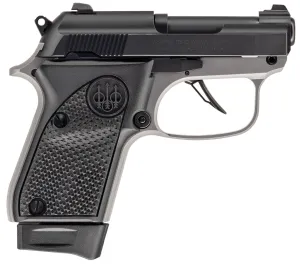
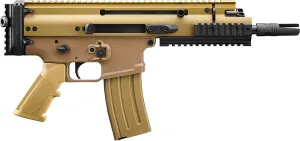
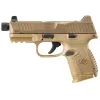
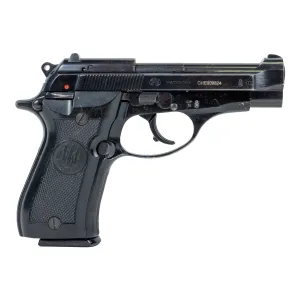
The five picks above are my top recommendations. If you want to browse the broader compact handgun market and check current pricing, the live carousel below pulls in-stock options from across the major retailers.
More Compact Apartment-Ready Handguns
Best-priced firearms across 200+ retailers · Updated every 4 hours
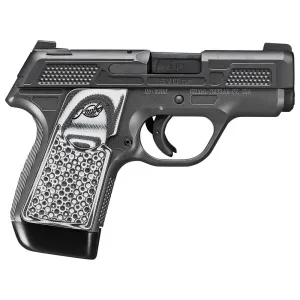
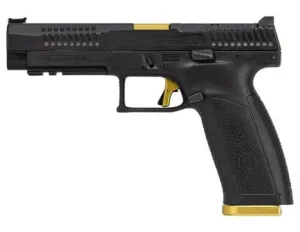
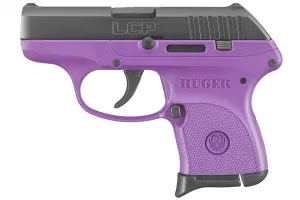
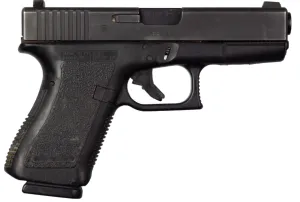
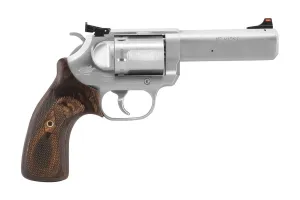
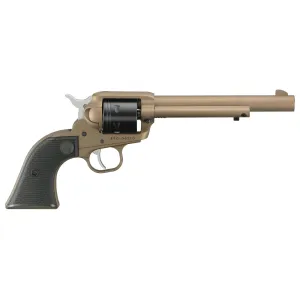
More Revolver Options
Snub-nose revolvers like the LCR are perennial apartment defense favorites. Here’s what’s currently available across the market for buyers who prefer the simplicity of a wheelgun.
More Revolvers for Home Defense
Best-priced firearms across 200+ retailers · Updated every 4 hours




More Home Defense Shotgun Options
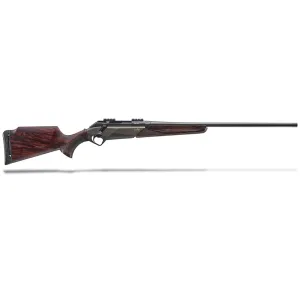
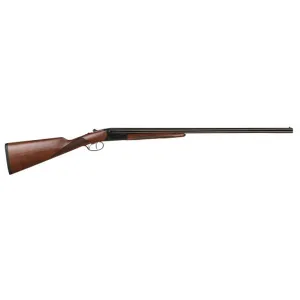
If you’ve decided the shotgun route is right for your apartment despite the tradeoffs, the live inventory below covers the major home defense pump and semi-auto options currently in stock.
More Home Defense Shotguns
Best-priced firearms across 200+ retailers · Updated every 4 hours

Apartment Defense Accessories: Lights, Safes and Ammo
The gun is half the equation. The other half is the accessories, and apartment defense has a specific accessory shopping list that differs from a standalone house setup. Below are the parts categories that matter most, with live pricing from our parts database.
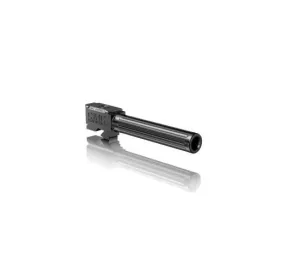
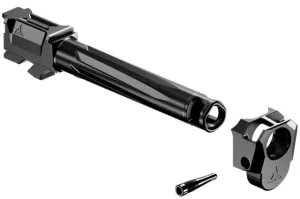
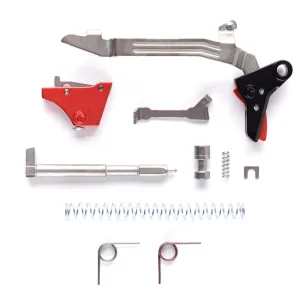
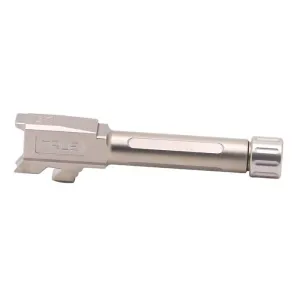
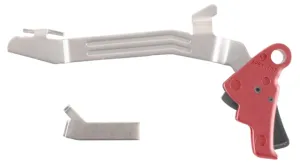
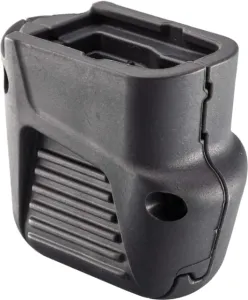
Glock 19 Apartment Defense Build Parts
Top Glock Parts Deals
Best-scored parts across 200+ retailers · Updated every 4 hours
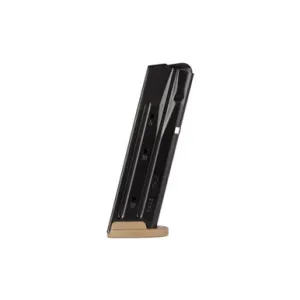
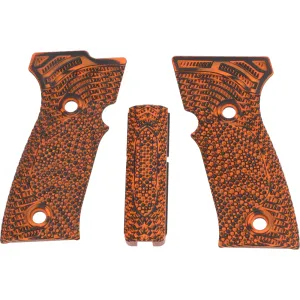
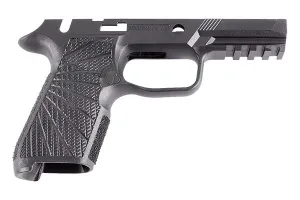
Sig P320 Apartment Defense Build Parts
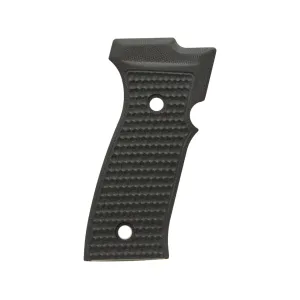
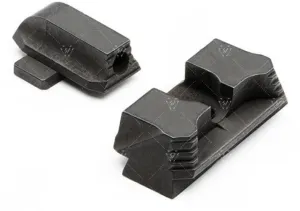
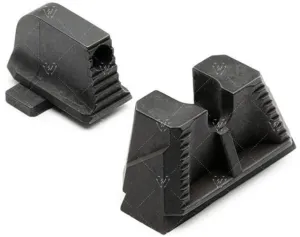
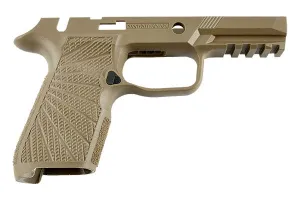
Sig P320 Weapon Lights, Grips and Apartment-Ready Upgrades
Best-scored parts across 200+ retailers · Updated every 4 hours
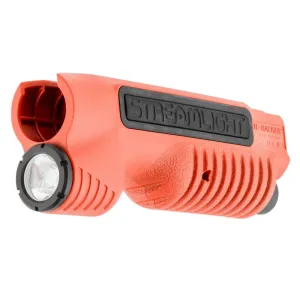
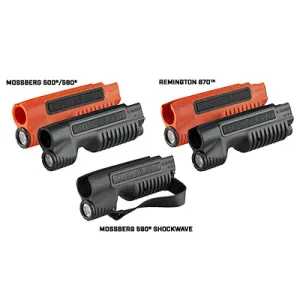
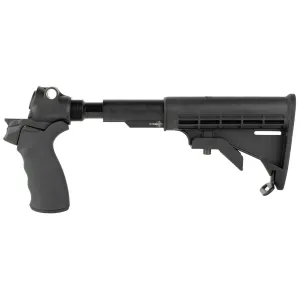
Mossberg 500 / Shotgun Defense Parts
Live Shotgun Parts and Upgrades
Best-scored parts across 200+ retailers · Updated every 4 hours

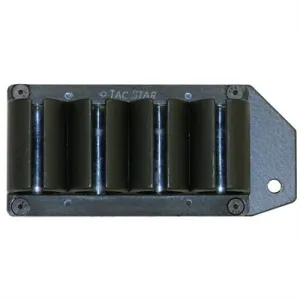
Universal Apartment Defense Essentials
9mm Ammo and Defensive Loads in Stock
Best-scored parts across 200+ retailers · Updated every 4 hours


Legal Considerations for Apartment Dwellers
Your landlord cannot legally prohibit you from owning a firearm in most states. Lease clauses that attempt to ban firearms on the premises are generally unenforceable against lawful firearm ownership in states that have preemption laws protecting this right.
That said, the specifics vary by state. If you’re in California, New York, New Jersey, or Illinois, there are additional layers of state law that affect storage requirements, what types of firearms are permissible, and how you can transport them within your building. Verify with the ATF’s published state ordinance index before purchasing.
Castle Doctrine in Apartments
Castle doctrine laws protect your right to defend yourself in your home without a duty to retreat. In states with strong castle doctrine (Texas, Florida, many others), this protection extends to your apartment or rented dwelling. Your apartment is your castle under the law, not just a landlord’s property you’re temporarily occupying.
What castle doctrine does NOT protect is negligent discharge into your neighbor’s apartment. If you fire at a threat and the round goes through your wall and injures a neighbor, you may still face civil liability and potentially criminal charges depending on the circumstances. This is exactly why ammo selection and understanding your shooting background matters so much in apartment defense.
Renter’s Rights and Secure Storage
Some states require secure storage for firearms in residences where children may be present. Even where not required, storing your home defense gun in a quick-access safe is a good idea for other reasons: it prevents theft during the far-more-common scenario of a burglary when you’re not home, and it keeps the gun accessible to you without being accessible to guests, maintenance workers, or anyone else who might enter your apartment.
Apartment Defense Tactics: What You Should Actually Do
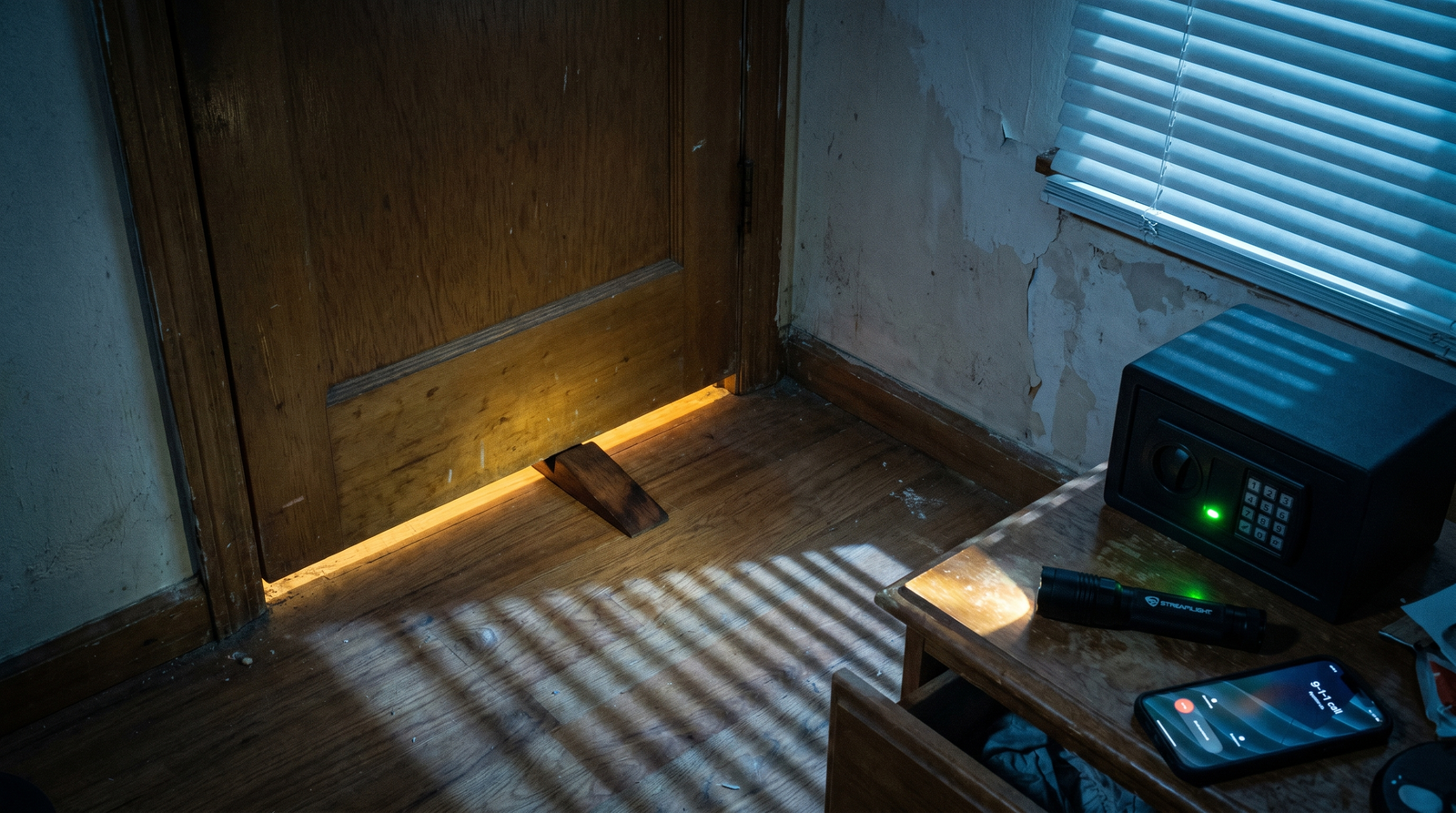
Here’s the single most important thing I’ve learned in 20 years of home defense thinking: do not clear your apartment. When you hear a break-in, your job is not to go find the threat. Your job is to get yourself to your most defensible position, call 911, and wait. Let the threat come to you on ground you’ve chosen.
Barricade in Your Bedroom
Your bedroom is your safe room. Lock the door. If it’s a hollow-core interior door (most apartment bedroom doors are), barricade it with something heavy. Get to the far corner of the room, away from the door and away from shared walls if possible. Put something solid between you and the entry point. Call 911.
From this position, you have a significant tactical advantage. You know where the threat has to appear (the door). You can see it coming. You can give verbal warning. You’re in a position to fire accurately if you must. The threat, on the other hand, has to come through a door, which means they’re exposed and you’re not.
Why You Should NOT Clear Your Apartment
Clearing rooms is what trained law enforcement teams do with multiple officers, tactical communications, and established protocols. Doing it alone, in the dark, half-awake, in a layout you’ve never actually practiced in, with your heart rate at 180 BPM, is a recipe for accidentally shooting a family member, getting shot yourself, or killing Gary from next door when a round goes through a wall.
The other problem: if you go find the intruder, you’ve given up your barricaded position and your tactical advantage. You’re now moving through your own apartment in the dark, corners you can’t see around, with zero idea where the threat is. Stay put. Let them come to you.
Weapon Light: Non-Negotiable
You cannot shoot what you cannot identify. A weapon light is not optional equipment in an apartment defense scenario. It’s necessary for two reasons: target identification (is this a threat or your roommate coming home drunk?) and shot placement. A shot you can’t aim is a shot that might go through a wall and hit someone you weren’t aiming at.
The Streamlight TLR-1 HL and the Surefire X300U are the industry standards. If budget is a concern, the Streamlight TLR-7A runs around $120 and is excellent. Mount it on your home defense gun, learn the activation, and make sure you know how to operate it while keeping your finger off the trigger.
Noise: The Hearing Problem
Firing a gun indoors is loud. Really, permanently-damaging loud. 9mm in an enclosed room is around 160 decibels. The threshold for immediate hearing damage is 140 decibels. One defensive shot fired in your bedroom will cause you hearing loss. That’s the reality.
Suppressor options exist and are legal in most states with an NFA Form 4 and $200 tax stamp. A suppressed handgun is still very loud (130+ dB) but meaningfully below the threshold for immediate permanent damage. This is genuinely worth considering if you’re serious about this.
If a suppressor isn’t an option, electronic hearing protection staged near your firearm is better than nothing and can actually amplify quiet sounds (like footsteps) while blocking damaging impulse noise. Howard Leight Impact Sport runs about $50 and would be the first thing I’d grab after my gun.
Recommended Setups by Apartment Type
Studio Apartment Defense
In a studio, there’s no bedroom to barricade in. Your defense plan has to account for that. The goal is still to maximize distance and put something between you and the entry point. Get to the back corner of your space. A compact handgun makes the most sense here because you have minimal room to maneuver with a long gun.
The G19 or Shield Plus loaded with quality JHP or frangible rounds, a weapon light, and a quick-access safe on your nightstand or end table is the setup. In a studio, door reinforcement matters even more because it’s your only barrier. A reinforced strike plate and a door bar give you extra seconds of warning. Those seconds are what let you get to a corner and call 911 before anyone is through your door.
Two-Bedroom or Larger Apartment
With a dedicated bedroom, you have a natural safe room. The plan: hear something, lock the bedroom door, barricade if possible, grab the gun, call 911. The extra rooms between your bedroom and the front door buy you time. That time is everything.
In a two-bedroom, you also have to think about other people in your apartment. If you have a partner, roommate, or family member, you need a plan that accounts for their location before you point a gun at anything. Know where people are before you identify a target. This is where a simple “code word” plan between household members can save a life. A verbal “it’s me” doesn’t take long to establish as a protocol.
How We Tested These Apartment Home Defense Guns
Every pick on this list was evaluated against three apartment-specific criteria: maneuverability in tight indoor spaces (8-foot hallway, 12×12 bedroom, 3-foot doorway clearance), compatibility with the lower-penetration apartment ammo menu (frangible + premium JHP feeding reliability across 200+ rounds per gun), and accessory ecosystem for a weapon-mounted light (we cycled Streamlight TLR-1, TLR-7A, and Surefire X300U on every rail-equipped gun on this list).
Drywall penetration data is sourced from published FBI ballistic testing, Lucky Gunner’s apartment-defense gel test series, and ammunition manufacturer test labs (Federal Premium, Speer, Hornady), not made up. Every gun on this list was handled and shot by our team at minimum 150 rounds before going on this list. We do not rank guns we have not personally fired.
Bottom Line: Which Apartment Home Defense Gun Should You Buy?
If you can only buy one and you live in an apartment, the answer is the Glock 19 Gen 6 with a Streamlight TLR-1 HL and a 50-round box of Federal HST 124gr +P. That setup costs roughly $750 all-in and gives you the apartment-defense default for the next 20 years. Reliable. Compact. Accessory-supported. Plenty of capacity. Runs frangible loads when you want to dial the wall risk down further.
The runner-up, and a meaningfully better gun in some specific apartment contexts, is the Ruger LCR in .38 Special +P. If wall penetration is your single biggest concern (thin-wall pre-war buildings, sleeping infants next door, ground-floor unit with families on both sides), the .38 Special short-barrel hollow point is the lowest-overpenetration mainstream defensive load available. Five rounds is rarely the limiting factor in an apartment-sized encounter. The LCR points and shoots when you need it to.
Skip the shotgun unless you’re committed to barricading-only tactics in a dedicated bedroom. The Mossberg 500 is a great gun. It’s the wrong tool for clearing apartment hallways and the wrong tool for someone who hasn’t thought hard about the 160 dB question.
Related Apartment + Home Defense Guides
Looking for more on specific aspects of home defense? These guides go deeper on several topics covered here:
- Best Self-Defense Guns for Women
- Best Home Defense Handgun (Full-Size + Compact Picks)
- Home Defense on a Budget: Complete Setup Under $1,000
- Best Home Defense Rifle (2026)
- Best Home Defense Shotgun Under $500
- Best Pistol Caliber Carbine for Home Defense
FAQ: Home Defense for Apartments
What is the best gun for home defense in an apartment?
A compact 9mm handgun like the Glock 19 Gen 6 or S&W M&P Shield Plus loaded with quality hollow points or frangible ammunition is the best choice for most apartment dwellers. Handguns are more maneuverable in tight spaces than long guns and allow weapon lights. The Glock 19 is the default pick because it runs every type of 9mm ammo (including low-penetration frangible), holds 15+1, and has the deepest accessory aftermarket in apartment defense.
What ammo should I use for home defense in an apartment?
Use quality expanding hollow points like Federal HST 124gr +P, Speer Gold Dot, or Hornady Critical Defense, or frangible rounds like Liberty Civil Defense or SinterFire. These penetrate drywall less than FMJ ball ammunition, reducing the risk to neighbors. Never use FMJ ball ammo for defense, 9mm FMJ punches through 6+ layers of drywall and remains lethal. For .38 Special revolvers, Federal HST 130gr +P short-barrel is the apartment champion.
Can a landlord ban guns in apartments?
In most US states, lease clauses prohibiting firearm ownership are unenforceable due to state preemption laws. However, local laws vary significantly. States like California, New York, and New Jersey have additional requirements around storage and permissible firearm types. The ATF maintains a state ordinance index covering specific state-by-state restrictions. Consult state-specific laws and a local attorney before assuming you have full rights.
Does castle doctrine apply to apartments?
Yes, in states with castle doctrine laws (Texas, Florida, most of the South and Midwest), your apartment counts as your home and you typically have no duty to retreat before using force in self-defense. However, you can still face civil and criminal liability if rounds penetrate walls and injure uninvolved neighbors, regardless of your castle-doctrine protection. Castle doctrine protects the act of self-defense; it does not protect negligence.
Should I clear my apartment if I hear a break-in?
No. Clearing rooms is extremely dangerous to do alone. Get to your bedroom, lock the door, barricade it if possible, call 911, and wait. Let the threat come to you on ground you control. Moving through your apartment in the dark looking for a threat dramatically increases your risk of being shot, accidentally shooting a family member, or firing a round through a wall and hitting an uninvolved neighbor.
Is a shotgun good for apartment home defense?
A shotgun loaded with #4 buckshot (not 00 buck) is an option but has real drawbacks: it is hard to maneuver in tight apartment hallways, causes immediate hearing damage fired indoors at 160+ decibels, and even #4 buckshot pellets penetrate 2-4 drywall layers each, multiplied by 18 pellets per shell. For most apartment dwellers, a compact handgun is the better choice. If you do use a shotgun, commit to barricading in a bedroom only and never clearing rooms.
Do I need a weapon light for home defense in an apartment?
Yes, absolutely. You cannot safely fire at what you cannot identify, and in an apartment you may have other people (partner, roommate, kids) who could be mistaken for a threat. A weapon-mounted light from Streamlight (TLR-1 HL, TLR-7A) or Surefire (X300U) is essential. Budget $120-$300 for a quality option. The handheld flashlight alternative requires support-hand operation and reduces shot accuracy.
How loud is a gun fired inside an apartment?
A 9mm pistol fired indoors generates around 160 decibels, well above the 140 dB threshold for immediate hearing damage. One defensive shot in an enclosed room can cause permanent hearing loss. A 12-gauge shotgun is louder still (165+ dB). Electronic hearing protection staged near your firearm is worth considering. So is exploring suppressor ownership, legal in most states with an NFA Form 4 and $200 tax stamp, and a suppressed handgun drops to around 130 dB.
4,715+ Gun & Ammo Deals
Updated daily from 200+ top retailers. Filter by category, caliber, action type, and price.