

Reloading .223 Remington and 5.56 NATO means working a bottleneck rifle case: small rifle primers, a .224 bullet from 55 to 77 grains, a rifle powder, and brass that has to be lubed, trimmed, and watched for stretch. The one thing to settle before anything else is that .223 and 5.56 are not freely interchangeable, because 5.56 runs at higher pressure. This guide covers the components, the case prep that pistol reloaders never touch, the pitfalls unique to the round, and where to pull verified load data. No charge weights here, and the load-data section explains why.
Some of the links below are affiliate links, meaning at no additional cost to you, we may earn a commission if you click through and make a purchase.
Table of Contents
How we tested: Every pick here is ranked against our testing methodology. Minimum round counts, accuracy and reliability protocols, the failures that disqualify a gun.
.223 vs 5.56: settle this before you load a single round
They look like the same cartridge and they chamber in the same rifles, but .223 Remington and 5.56 NATO are not identical. 5.56 NATO is loaded to higher pressure and runs a longer throat, or leade, ahead of the chamber. Fire a hot 5.56-spec load in a rifle chambered strictly for .223 Remington and you can spike pressure past what that chamber was built for.
For reloading, the rule is simple. Load to .223 Remington published data unless your barrel is clearly marked 5.56 NATO or .223 Wylde, and even then start at the low end and work up. When in doubt, .223 data is the safe choice in either chamber. Our 5.56 vs .223 breakdown walks through the chamber and pressure differences in full.
The components you need to reload .223/5.56
This is a bottleneck rifle cartridge, so the components and the prep are a step up from a straight-wall pistol round like 9mm.
Brass
.223 brass stretches when fired and resized, so unlike pistol brass it has to be measured and trimmed. Commercial .223 Remington brass is the easy starting point. Military 5.56 brass, with an LC or other NATO headstamp, works well too, but it usually has thicker walls, slightly less case capacity, and a crimped primer pocket you must deal with before re-priming. Sort commercial and military brass separately for any load you care about.
Primers
.223/5.56 uses small rifle primers, not small pistol. Do not substitute pistol primers, which use softer cups and can pierce or slamfire at rifle pressure. If you are loading military brass, the primer pockets are crimped, so you will need to swage or ream that crimp out once before the pocket will accept a new primer.
Bullets
.224 diameter bullets run from 55 grains up to 77 grains and beyond. 55 grain FMJ is the cheap, classic blasting load. 62 to 69 grain bullets split the difference, and 75 to 77 grain match bullets are the long-range choice. Here is the catch that trips people up: your barrel’s twist rate decides what you can stabilize. A 1:9 twist handles 55 to 69 grain fine, while heavy 75 to 77 grain match bullets want a 1:8 or 1:7 twist. Match the bullet to your twist or accuracy falls apart.
Powder
.223 runs on medium-burn rifle powders. The names you will see most are Hodgdon CFE 223, H335, Varget, and BL-C(2), along with IMR 8208 XBR, Accurate 2230, and Ramshot TAC. Pick one your published data covers for your exact bullet weight, and take the charge from that data, never from this page.
.223 case prep: the work pistol reloaders skip
A bottleneck rifle case needs real prep, and skipping it causes most beginner problems. First, you must lubricate the cases before sizing. A bottleneck case will stick in the die and tear off without lube, where a straight-wall pistol case on a carbide die needs none. Wipe the lube off afterward.
Second, trim to length. Measure your sized brass with calipers and trim anything over the maximum case length in your data, then chamfer and deburr the case mouth. Cases that run long can crimp into the bullet and spike pressure. Third, if you are using military brass, swage or ream the crimped primer pocket so it will seat a fresh primer cleanly.
Finally, mind your cartridge overall length. For an AR-15, keep finished rounds at or under magazine length, around 2.260 inches per SAAMI, so they feed. Bolt guns can sometimes seat longer, but feeding and your chamber decide the real limit, so confirm with your rifle.
Pitfalls unique to .223/5.56
- The pressure mismatch. Covered above and worth repeating: load .223 data unless your barrel is marked 5.56 or .223 Wylde. This is the one that bites people who assume the two are the same.
- Crimped military primer pockets. NATO brass has a crimp ring that blocks a new primer. Swage or ream it once, or you will crush primers and jam your priming tool.
- Case head separation. Repeated full-length sizing overworks the brass and thins it just ahead of the case head. Watch for a bright ring there and retire those cases before one separates in the chamber.
- Twist-rate mismatch. Heavy match bullets in a slow-twist barrel will keyhole and shoot terribly. Know your twist before you buy 77 grain bullets.
- Skipping case lube. A bottleneck case sized dry will stick in the die, and pulling it can tear the rim off. Lube every case.
The gear you need to load .223/5.56
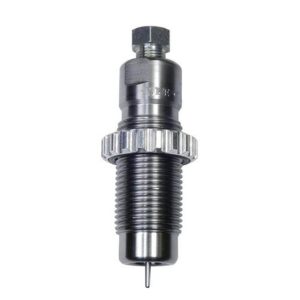
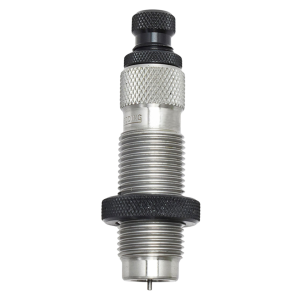
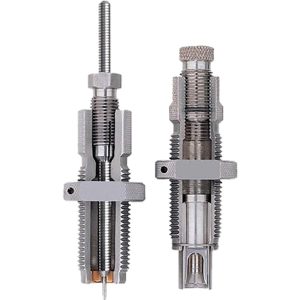
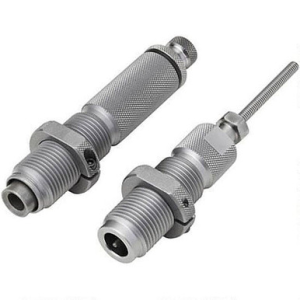
.223 asks for a little more gear than a pistol caliber, because it is a bottleneck case. You need a press, a .223 die set, a scale, calipers, a case trimmer, and case lube, plus a primer pocket swage or reamer if you are loading once-fired military brass with crimped primers. Unlike 9mm, you must lube every case before sizing, since a bottleneck case will seize and stick in the die bare. That single step is the biggest difference between loading pistol and loading .223.
A single-stage like the RCBS Rock Chucker is the classic choice for accurate .223, while high-volume AR shooters lean on a progressive. Our best reloading presses guide covers both ends, the best reloading dies roundup explains small-base versus standard dies for gas guns, and the best reloading kits guide bundles the basics. Keep your brass clean with a tumbler from the best brass tumblers guide, since grit on a .223 case scratches dies fast.
Cleaning and prepping .223 brass
.223 brass takes more prep than pistol brass, and that work is where reliable AR ammo is made. Tumble the cases first so you are not dragging grit through your sizing die. Once-fired military brass needs its crimped primer pockets swaged or reamed once, after which they prime normally for the life of the case. Then size with lube, and because the bottleneck case stretches under pressure, trim it back to a uniform length and chamfer the mouth.
Trimming is not optional on .223 the way it is skippable on 9mm. A case that grows too long can pinch the bullet at the chamber mouth and spike pressure, so measure your brass and trim any that have grown past your manual’s listed maximum length. A wet tumble with stainless pins gets the inside and the pockets spotless if you chase accuracy, while a dry vibratory is plenty for blasting ammo. The best brass tumblers guide covers both.
Loading for an AR versus a bolt gun
The gun you are feeding should shape how you load .223. For a semi-auto AR, reliability beats the last fraction of accuracy, so full-length size every time to factory dimensions, consider a small-base die if rounds chamber stiffly, and add a light crimp to keep bullets from setting back under the violence of the feed cycle. The goal is ammo that runs every time the bolt slams home.
For a bolt gun, you can chase precision instead. You can full-length size with a bushing die for controlled neck tension, seat closer to the lands, and skip the crimp for better concentricity. The same cartridge serves two different masters, and matching your process to the platform is what separates ammo that just works from ammo that prints tiny groups. If you split your loading between an AR and a bolt rifle, it is worth keeping the brass and the load recipes separate.
How to work up a .223 load safely
Start at the published starting charge for your exact bullet and powder, then build up in small steps while you watch the brass and the targets. Pressure signs on .223 show as flattened or cratered primers, stiff bolt lift on a bolt gun, ejector swipe marks on the case head, or loose primer pockets after firing. Any of those means back off. A chronograph tells you far more than recoil does, so use one if you can and watch for velocity that jumps oddly between charges.
Confirm your loaded rounds chamber freely in your actual rifle before you load a batch, and on a gas gun pay attention to whether they feed from the magazine, not just by hand. Keep your brass sorted by headstamp for loads you care about, because military and commercial cases have different wall thickness and therefore different internal capacity. Pull your charge data from the verified sources in the next section, and never share data between .223 and 5.56 without checking, for the reasons covered above.
Loading your first batch of .223, step by step
Loading .223 has more steps than a pistol caliber, because it is a bottleneck rifle case. None of them are hard, but the order matters and skipping the lube step will stop you cold, so here is how a real session flows.
Inspect and clean. Sort your brass, ideally by headstamp, and tumble it clean so grit never reaches your sizing die. If you are loading once-fired military brass, plan to swage or ream the crimped primer pockets, a one-time job per case. Bad brass gets culled now, not later.
Lube and size. Apply case lube to every case, then full-length size, which resizes the case and deprimes it. The lube is not optional on a bottleneck case, since a dry case will seize in the die and tear off its rim. Wipe the lube off afterward so it does not contaminate powder or primers.
Trim, chamfer, deburr. Measure your sized cases and trim any that have grown past the maximum length to a uniform trim length, then chamfer the inside and deburr the outside of the mouth so bullets seat without shaving. This step is what separates reliable .223 from ammo that spikes pressure.
Prime. Seat a fresh small rifle primer into each pocket, flush or just below the head. With military pockets already swaged, this goes smoothly. Confirm every primer is seated properly, because a high primer causes misfires and worse in a semi-auto.
Charge and seat. Throw the charge your verified data lists for your exact bullet and powder, and because .223 cases are tall and narrow, a powder check or visual look still matters. Seat the bullet to your data’s overall length, add a light crimp if you are loading for a gas gun, and confirm finished rounds chamber and feed from the magazine in your actual rifle. Label the box and pull your charge data from the verified sources in the next section.
Where to get verified .223/5.56 load data
As with every caliber on this site, we do not print charge weights, because a safe charge depends on your exact bullet, powder, primer, and brass, and because the powder makers’ data is proprietary and meant to be read at the source. Pull your .223 data from Hodgdon’s Reloading Data Center, from the bullet maker like Hornady, Sierra, or Berger, or from a current Lyman or Hornady manual.
Safety note: use .223 Remington data unless your rifle is chambered for 5.56 or .223 Wylde. Start at the listed starting charge, work up slowly while watching for pressure signs, and cross-reference two sources where you can. Reloading is done at your own risk.
Common .223/5.56 reloading mistakes to avoid
- Forgetting to lube cases. A bottleneck case sizes dry will seize and stick in the die, sometimes tearing the rim off. Lube every .223 case before sizing, every time.
- Not trimming after sizing. .223 brass stretches and grows past maximum length, which can pinch the bullet at the chamber and spike pressure. Measure and trim to your manual’s listed length.
- Skipping primer pocket swaging on military brass. Crimped military primer pockets will not accept a new primer until swaged or reamed once.
- Mixing .223 and 5.56 data carelessly. They are not identical. Use data matched to your chamber and components, and read the dedicated section above before loading.
- No crimp on gas-gun ammo. An AR’s feed cycle can set bullets back without enough neck tension or a light crimp, which raises pressure.
Sorting military versus commercial brass
.223 and 5.56 brass comes from two worlds, and sorting it matters for loads you care about. Military brass, marked with headstamps like LC for Lake City, tends to have thicker walls and therefore less internal capacity, which means the same charge can produce more pressure than it would in thinner commercial brass. It also usually carries a crimped primer pocket that needs swaging once. For plinking, mixed brass is fine, but for accuracy or near-maximum loads, sort by headstamp and keep your data conservative.
Commercial brass from the major makers is generally more uniform and ready to load without pocket swaging, which makes it the easier starting point for a new .223 reloader. Whichever you run, weigh a sample of each headstamp if you are chasing precision, because case weight is a rough proxy for capacity. The habit of keeping brass sorted into labeled containers pays off the first time you sit down to load a batch you actually care about hitting with.
Getting reliable feeding from your AR loads
An AR is unforgiving of ammo that is even slightly out of spec, so reliability is the first goal for gas-gun .223. Full-length size every case back to factory dimensions rather than neck sizing, because a semi-auto needs the case to chamber freely without the camming force a bolt gun provides. If rounds chamber stiffly, a small-base die sizes the case body down a touch more for guaranteed feeding.
Set your overall length to feed from the magazine, not just to chamber by hand, and a light taper or roll crimp into a cannelure helps keep bullets from setting back as the bolt strips them from the mag. Test a batch through the actual rifle and magazines you will use, since different mags can feed differently. The payoff for getting this right is .223 that runs as reliably as factory, which is the whole point of a defensive or training round.
Is reloading .223 worth it?
More than 9mm, honestly. Bulk .223 is cheap, but quality 69 to 77 grain match ammo gets expensive fast, and that is exactly where rolling your own pays off in both cost and accuracy. We ran the full numbers in our cost-per-round breakdown, and if you still need a press, our best reloading presses guide covers the picks. New to the whole process? Start with the complete guide to reloading.
Where to go from here with .223
.223 and 5.56 teach you the bottleneck-rifle side of handloading, from case lube to trimming to the small-base and crimp decisions that keep an AR running. Once you have those steps down, you can load anything from blasting ammo to genuine match .223, and the same skills carry straight over to bigger rifle cartridges.
If you are still building the bench, our best reloading presses guide covers the rigid single-stage presses that suit accurate .223 and the progressives that feed a high-volume AR habit, while the best reloading dies roundup explains standard versus small-base dies in detail. The best reloading kits guide bundles the foundation, and the best brass tumblers guide covers cleaning the brass that scratches dies if you skip it.
For the full process from start to finish, read our complete guide to reloading, and to see whether loading .223 actually saves you money at your volume, the cost-per-round breakdown runs the numbers. The savings on plinking .223 are modest, but loading match-grade .223 for a fraction of factory match prices is where this cartridge really earns its keep on the bench. Get the prep steps right, keep your brass sorted, and your handloads will run as reliably as anything you can buy.
Last updated June 3rd 2026
Can you use .223 load data for 5.56 NATO?
Yes, and it is the safe default. .223 Remington data is loaded to lower pressure, so it is safe in both .223 and 5.56 chambers. The reverse is not true: full-pressure 5.56 loads can exceed what a .223-only chamber was built for, so only use 5.56-pressure data if your barrel is marked 5.56 NATO or .223 Wylde, and still start low.
What primer does .223/5.56 use?
Small rifle primers. Do not substitute small pistol primers, which have softer cups and can pierce or cause a slamfire at rifle pressure. Military brass also has crimped primer pockets that must be swaged or reamed before re-priming.
Do you have to trim .223 brass?
Yes. Unlike straight-wall pistol brass, bottleneck .223 cases stretch when fired and resized, so you must measure and trim them to length, then chamfer and deburr the mouth. Cases that run over maximum length can raise pressure dangerously.
What bullet weight should I reload for .223?
It depends on your barrel twist. 55 grain bullets suit common 1:9 and faster twists and make cheap practice ammo. 69 to 77 grain match bullets need a faster 1:8 or 1:7 twist to stabilize. Match the bullet weight to your twist rate or accuracy suffers.
Do you need to lube .223 cases before sizing?
Yes. Bottleneck rifle cases must be lubricated before full-length sizing, or they will stick in the die and can tear the rim off when you pull them. Wipe the lube off after sizing. This is different from straight-wall pistol cases on a carbide die, which need no lube.
Why doesn't this guide list .223 charge weights?
Because a safe charge depends on your exact bullet, powder, primer, and brass, and a generic number would be both dangerous and a misuse of the powder makers' proprietary data. Pull your charges from Hodgdon's Reloading Data Center, your bullet or powder maker, or a current manual, using .223 data and starting low.
Is reloading .223 cheaper than buying it?
It can be, but the margin is thinner than for premium calibers because bulk .223 and 5.56 are relatively cheap to buy. The real wins are loading match-grade .223 for far less than factory match ammo, and being able to load at all during shortages. For plinking, the savings are modest; for precision, they are substantial.
What press should I use to reload .223?
For accurate bolt-gun .223, a rigid single-stage like the RCBS Rock Chucker or a Forster Co-Ax is ideal. For high-volume AR loading, a progressive earns its price. Our best reloading presses guide breaks down which fits your volume and budget.
4,015+ Gun & Ammo Deals
Updated daily from 200+ top retailers. Filter by category, caliber, action type, and price.
Related Guides