

If you have ever bolted a scope onto a bolt-action rifle or tuned the trigger on a 1911, there is a good chance an Evolution Gun Works part was involved. EGW is the company behind the one-piece Picatinny scope bases that gunsmiths reach for by default, the red dot sight mounts that put a Trijicon or Holosun on almost any pistol, and the oversized barrel bushings, sears and slide stops that the 1911 world quietly runs on. It is not a flashy brand. It is the one the people who build guns actually use. Here is who they are, what they make, and what is worth buying.
Table of Contents
Who EGW is
EGW (Evolution Gun Works) is a Quakertown, Pennsylvania manufacturer founded in 1991 that makes 100% American-made one-piece Picatinny scope bases, red dot sight mounts, and gunsmith-grade 1911 parts — bushings, sears, triggers and slide stops. It is one of the largest aftermarket parts suppliers in the United States, known for function-first quality at a fair price rather than boutique finish work.
The company was started in 1991 by George Smith, who was barely into his twenties at the time. The origin story is a good measure of the man: he took a two-year correspondence course on gunsmithing and finished it in five months, then went to work for a local gunsmith before opening his own shop. That shop was tiny — four manual machines in a 1,600-square-foot space in Doylestown, Pennsylvania. You can read the company’s own account of those early days on the Meet EGW page.
What turned a one-man smithing shop into a manufacturer was reputation. EGW spent more than a decade doing custom 1911 work for serious competition shooters — names like Doug Koenig and Travis Tomasie, who win championships and do not tolerate parts that fail. That custom work taught EGW exactly which pieces of a 1911 break, drift or need hand-fitting, and the company turned that knowledge into a parts catalog. They outgrew Doylestown, moved to a 5,500-square-foot space in Quakertown, and then expanded again across the parking lot into a 23,000-square-foot plant.
Today EGW sits in the value-to-mid tier, and it earns that spot honestly. You are not paying for jeweled finishes or a famous engraver’s name. You are paying for correct geometry, good steel and aluminum, and the fact that the part is made in the United States and will fit and function. For most builders that is exactly the right trade.
What EGW makes
Picatinny scope bases and rails
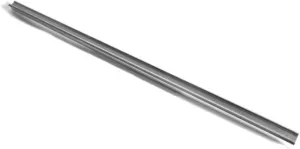
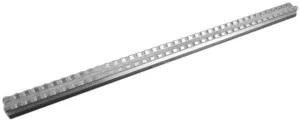
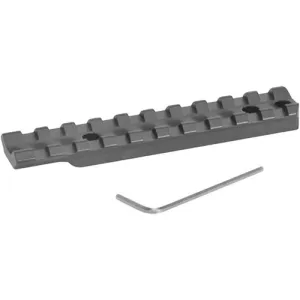
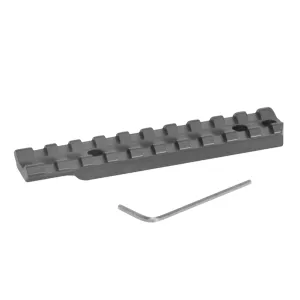
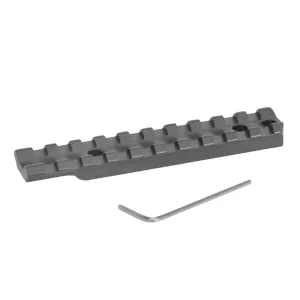
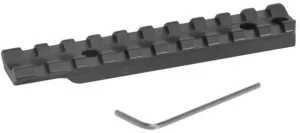
This is the product most shooters know EGW for. They make over 130 different one-piece Picatinny scope bases, covering a staggering range of rifles — Remington 700, Savage round-back and flat-back actions, Tikka, Browning X-Bolt, Ruger, CZ, Mauser variants, lever guns, muzzleloaders and more. They come in 0 MOA for general use and 20 MOA or 40 MOA versions that build in elevation for long-range shooting, and there is an HD (heavy-duty) line in steel for magnum recoil and serious distance. If your rifle exists, EGW probably makes a base for it.
Red dot sight mounts and adapter plates
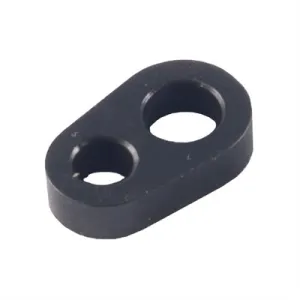
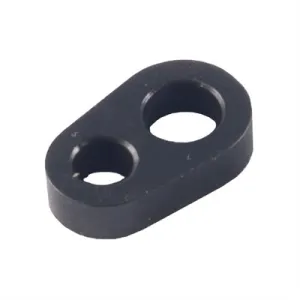
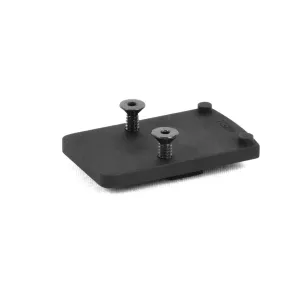
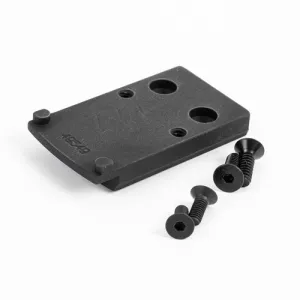
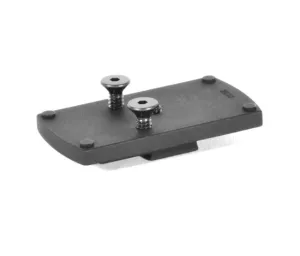
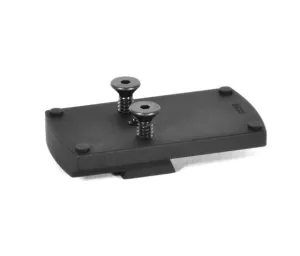
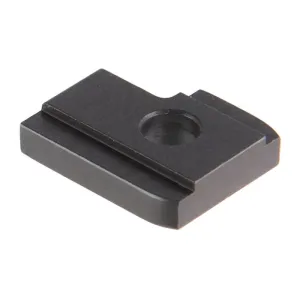
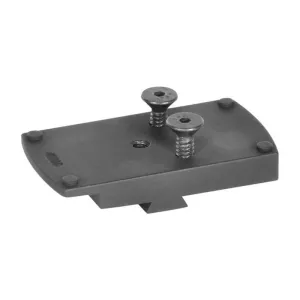
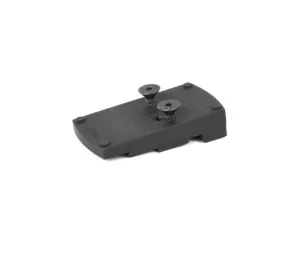
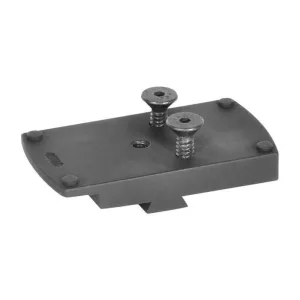
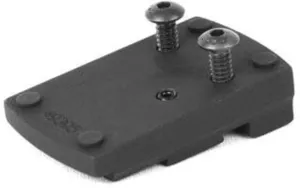
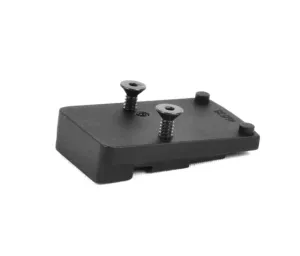
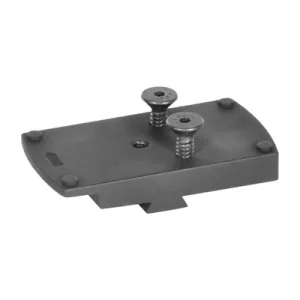
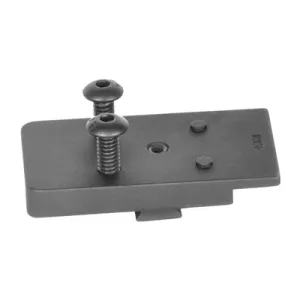
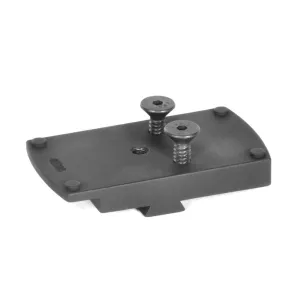
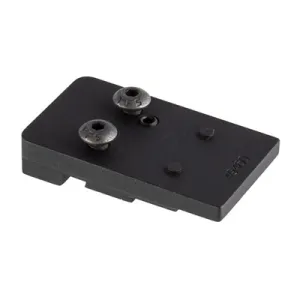
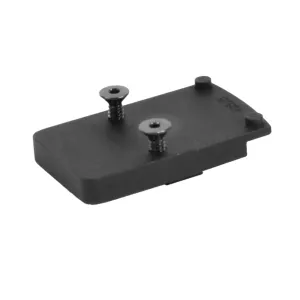
EGW makes more than 140 red dot sight mounts — the plates and adapters that let you put a Trijicon RMR/SRO, Holosun, Vortex Viper/Venom or Burris FastFire onto pistols that did not come optics-ready. They cover everything from a Colt 1911 and CZ Shadow 2 to a Ruger Mark series and Smith & Wesson target pistols. For anyone running an older or non-cut handgun, this catalog is often the only clean way to mount a modern dot.
1911 ignition and fire-control parts
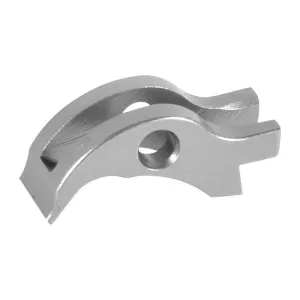
This is EGW’s heritage. Sears, hammers, trigger pull kits, disconnectors and the small ignition components that decide how a 1911 actually breaks. The Gold Cup trigger with its “tank tread” face, flat and short triggers, long and competition sears — these are the parts that competition smiths fit to build a clean, crisp pull. Many are made oversized on purpose so a gunsmith can fit them precisely rather than dropping in a sloppy “close enough” component.
Barrel bushings and slide stops
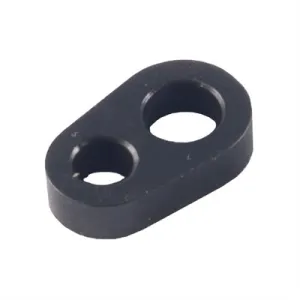
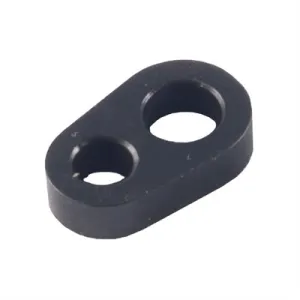
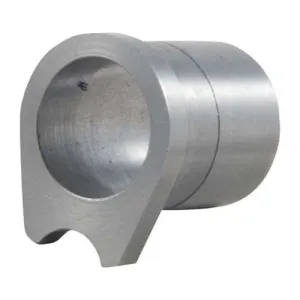
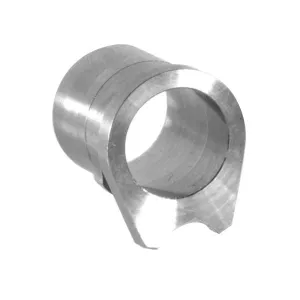
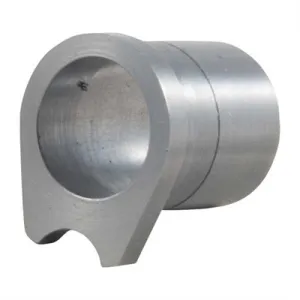
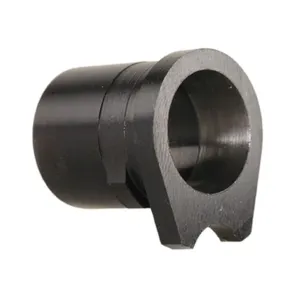
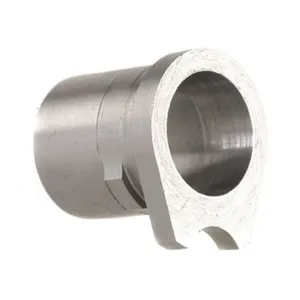
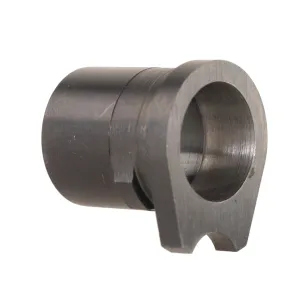
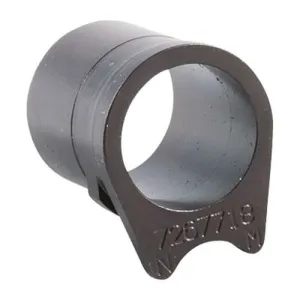
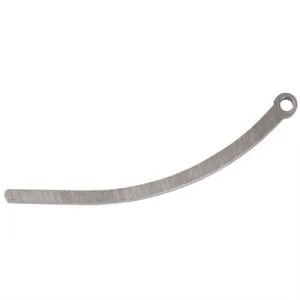
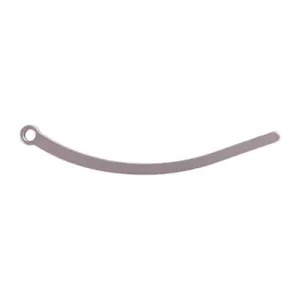
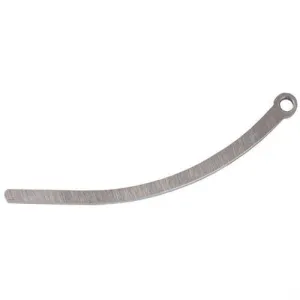
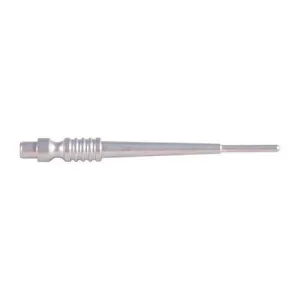
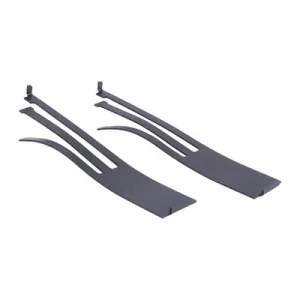
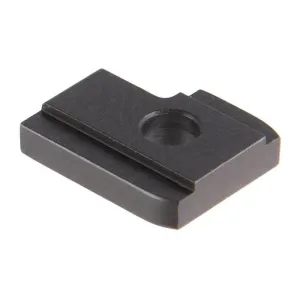
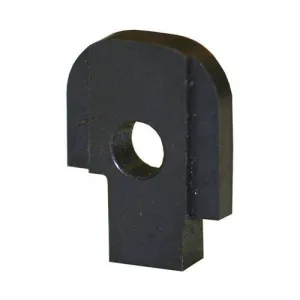
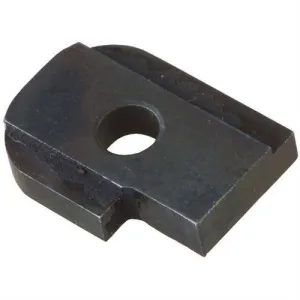
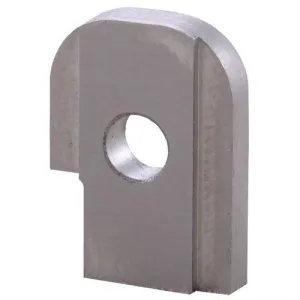
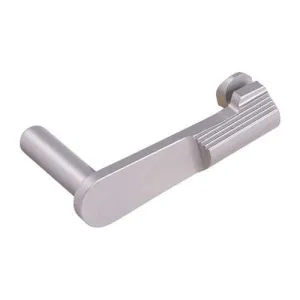
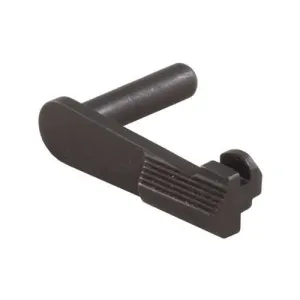
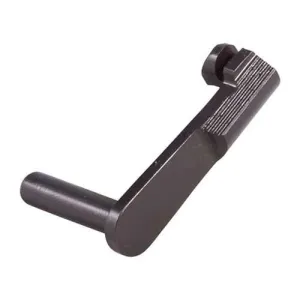
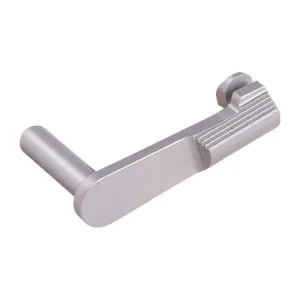
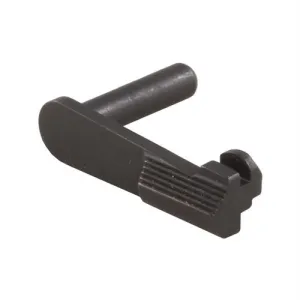
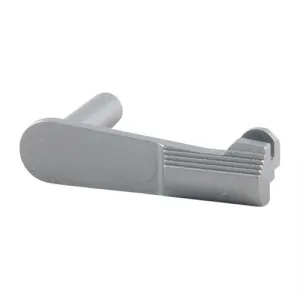
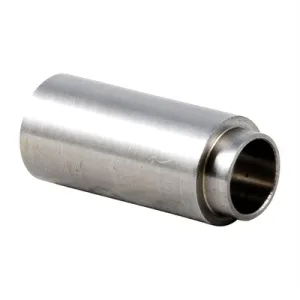
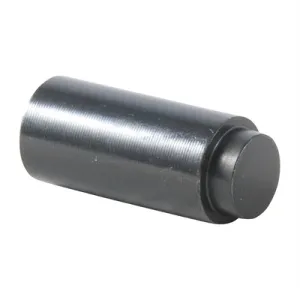
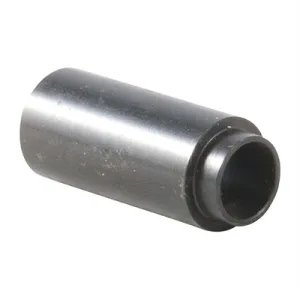
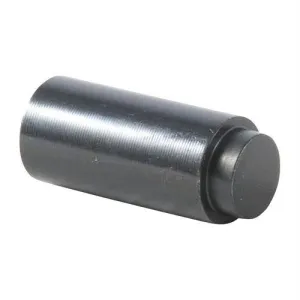
EGW’s oversized 1911 barrel bushings are a shop staple — angle-bored, straight-bored, thick-flange, match carry bevel, in blued and stainless. Fitted correctly, an oversized bushing tightens the barrel-to-slide lockup and improves accuracy. Their heavy-duty slide stops in 9mm/.38 Super with the larger .200″ pin are another fix-it-right part the 1911 world leans on.
Sights, springs and small parts
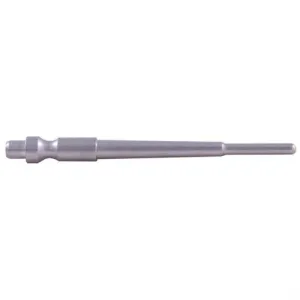
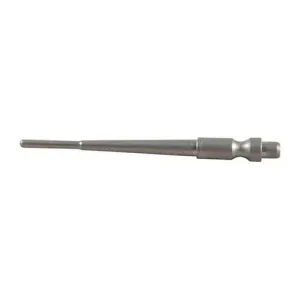
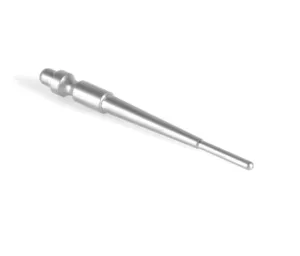
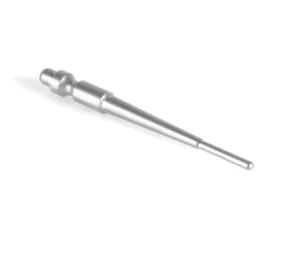
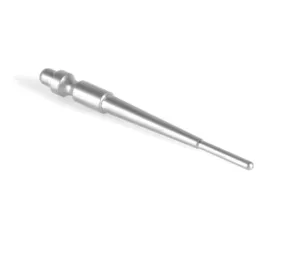
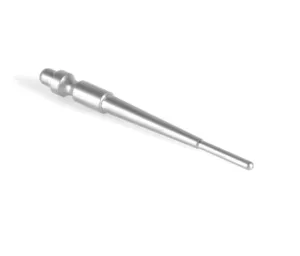
Rounding out the catalog are fixed and dovetail sights, firing pin stops, mainsprings, recoil springs and the bag of small steel that keeps a 1911 — and increasingly an AR or bolt rifle — running. It is unglamorous inventory, and it is exactly what you cannot find at most counters when something wears out.
Build quality and American manufacturing
EGW manufactures 100% of its products in the United States, in-house in Quakertown, on CNC equipment that grew out of George Smith’s original manual machines. The materials are honest — 4140 and stainless steels for the 1911 parts, 6061 aluminum and steel for the bases. The finishes are matte black and bead-blasted stainless rather than show-grade bluing, because these are working parts. What you are paying for is dimensional accuracy: a base that sits flat and true with the right MOA cant, a bushing cut to the size it claims, a sear with the correct angles. For parts whose whole job is to fit and function, that focus is the right one.
How EGW compares
For scope bases, EGW’s main rivals are Warne and Talley. Warne and Talley lean toward premium rings and integrated mounts and charge for it; EGW owns the affordable, one-piece Picatinny base lane and simply makes a base for almost every action ever drilled. If you want a rock-solid base without paying for a name, EGW usually wins on value and selection.
For 1911 parts, the comparison is Wilson Combat, Ed Brown and Cylinder & Slide. Those brands sell premium, often drop-in or semi-fitted components with a higher price and a famous name. EGW sells the gunsmith-grade raw material — frequently oversized so it must be fitted. In skilled hands EGW parts build a 1911 every bit as good for less money; for a pure drop-in with no fitting, a premium brand can be the easier path.
For red dot mounts, brands like C&H Precision and Forward Controls compete, but EGW’s sheer breadth of pistol coverage — especially older and oddball guns — is hard to beat.
Who should buy what
- The bolt-action rifle owner: an EGW one-piece Picatinny base in 0 MOA for general use, or 20 MOA if you shoot past 500 yards.
- The long-range shooter: the HD steel base in 20 or 40 MOA for magnum recoil and maximum elevation.
- The 1911 gunsmith or serious builder: oversized barrel bushings, sears and a trigger pull kit to hand-fit a crisp, accurate gun.
- The pistol owner without an optics cut: an EGW red dot sight mount for your specific make and model.
- The competition shooter: the Gold Cup or flat trigger with a long competition sear for a clean break.
- The fix-it shooter: EGW slide stops, firing pin stops and springs when factory small parts wear out.
Who should look elsewhere? If you want a fully finished, drop-in 1911 part with zero fitting and a marquee name, Wilson Combat or Ed Brown will suit you better. If you want premium quick-detach rings rather than a fixed base, Warne or Talley are the call. EGW is for the builder who values correct, American-made parts over badge appeal.
The EGW philosophy
EGW thinks like the gunsmith it started as. The catalog is built around real failure points and real fitting problems, not marketing categories — which is why so many of its parts are deliberately oversized, and why it makes a base for a rifle nobody else bothers with. The company would rather sell you the correct part for an obscure gun than the prettiest part for a popular one. That practical, problem-solving mindset is the throughline from the four-machine Doylestown shop to the 23,000-square-foot plant.
How to choose your EGW setup
Start with what you are mounting or fixing. If it is a rifle scope, identify your exact action (e.g. Remington 700 short action, Savage round-back) and pick the matching base in 0 MOA for normal ranges or 20/40 MOA for long range; choose the HD steel version if you shoot magnums or want maximum durability. If it is a pistol optic, find the mount cut for your specific gun and your specific dot footprint (RMR, Holosun K, Docter/Vortex). If you are building or tuning a 1911, decide first whether you (or your smith) can fit oversized parts — if yes, EGW’s bushings and sears give you the best result for the money; if not, choose the drop-in-friendly options. When in doubt, match the part to your exact model number and the work to your skill level.
Built for the people who build guns
EGW has never chased the spotlight. While other brands sell lifestyle and finish, EGW quietly became the parts bin for American gunsmithing — the bases that let an optic sit true, the bushings that tighten a championship 1911, the small steel that keeps decades-old pistols alive. It is a company founded by a kid who crammed a two-year course into five months and never stopped solving problems, and the catalog still reads that way: practical, deep, American-made, and aimed squarely at the person doing the work. That is a rare and valuable thing in an industry full of marketing.
Shop EGW Parts & Prices
Live EGW products and current prices, organized by department and updated automatically.
Picatinny Scope Bases & Rails




1911 Barrel Bushings
Red Dot Sight Mounts
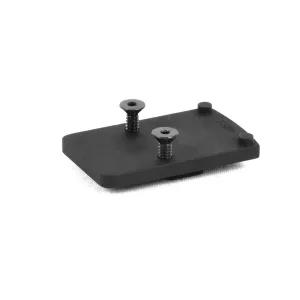

1911 Triggers & Sears
1911 Slide Stops

Sights

Springs & Small Parts

Where EGW Fits in Our Buying Guides
- Best 1911 Upgrade Parts
- Best Scope Rings & Mounts
- Best Optics-Ready Pistols
- The Best AR-15 Parts & Accessories
- How to Sight In a Rifle Scope
EGW FAQ
Where is EGW based?
Evolution Gun Works is based in Quakertown, Pennsylvania, where it manufactures its parts in a 23,000-square-foot facility. The company was founded in nearby Doylestown in 1991.
What does EGW stand for?
EGW stands for Evolution Gun Works. It was founded by gunsmith George Smith in 1991.
Are EGW parts made in the USA?
Yes. EGW manufactures 100% of its products in the United States, in-house at its Quakertown, Pennsylvania plant.
What is EGW best known for?
One-piece Picatinny scope bases for rifles and red dot sight mounts for pistols, plus gunsmith-grade 1911 parts — barrel bushings, sears, triggers and slide stops. EGW makes over 130 scope mounts and more than 140 red dot mounts.
What is the difference between a 0 MOA and a 20 MOA EGW base?
A 0 MOA base mounts the scope level for general-purpose shooting. A 20 MOA (or 40 MOA) base is canted forward to give you extra elevation adjustment for long-range work, so you do not run out of “up” on your scope at distance.
Do EGW 1911 parts drop in, or do they need fitting?
Many EGW 1911 parts — especially barrel bushings and sears — are made oversized on purpose so a gunsmith can fit them precisely for the best accuracy and trigger. Some parts are drop-in friendly, but EGW’s strength is gunsmith-grade components meant to be hand-fitted.
EGW vs Warne or Talley for scope bases — which is better?
Warne and Talley lean premium, especially for rings and quick-detach mounts. EGW owns the affordable one-piece Picatinny base lane with the widest action coverage. For a solid, true base at a fair price, EGW is usually the better value.
What tier is EGW?
EGW is a value-to-mid-tier, function-first American manufacturer — honest steel and aluminum, correct geometry and US manufacturing rather than boutique finishes or a marquee name.
Related Optics, Sights & Lasers Brands
USA Gun Shop may earn a commission on purchases made through the links on this page, at no extra cost to you. We list products on merit; prices and availability are pulled live and can change.
3,976+ Gun & Ammo Deals
Updated daily from 200+ top retailers. Filter by category, caliber, action type, and price.