

Affiliate disclosure: This Winchester Model 94 review contains affiliate links. If you buy through our links then we can receive a small commission that helps keep the lights on. You don’t pay anything more.
- Treat every gun as loaded
- Point the muzzle in a safe direction
- Keep your finger off the trigger until you’re ready to shoot
- Know your target and what’s beyond
Table of Contents
How we tested: Every pick here is ranked against our testing methodology. Minimum round counts, accuracy and reliability protocols, the failures that disqualify a gun.
Review: Winchester Model 94 – The Deer Rifle That Defined America
Our Rating: 8.5/10
- RRP: $1,459.99 (MSRP, Carbine)
- Street Price: $1,131.09-$1,197.99 (Check our live pricing for the best current deal)
- Caliber: .30-30 Winchester (also .38-55 Win, .450 Marlin on some models)
- Action: Lever-action, tubular magazine, angle-eject
- Capacity: 7+1 (.30-30 Carbine)
- Barrel Length: 20″ (Carbine)
- Overall Length: 38″
- Weight: 6 lb 8 oz
- Twist Rate: 1:12″
- Sights: Buckhorn rear, Marble Arms front; drilled and tapped for a scope rail
- Made in: Japan (Miroku, for Winchester Repeating Arms)
Pros
- Handles like nothing else: light, fast to the shoulder, and slim enough to carry all day
- The .30-30 is a proven 150-yard deer cartridge that has filled freezers for 130 years
- Modern angle-eject lets you mount a scope, unlike the old top-eject guns
- Miroku build quality is excellent, with tight wood-to-metal fit and a smooth action
- Iconic looks and heritage that no plastic rifle can touch
Cons
- Expensive now: a current Model 94 costs more than a Ruger-made Marlin 336
- Tube magazine limits you to flat- or round-nose bullets, capping .30-30 range
- Rack-grade trigger and buckhorn sights are dated compared to modern rifles

Quick Take
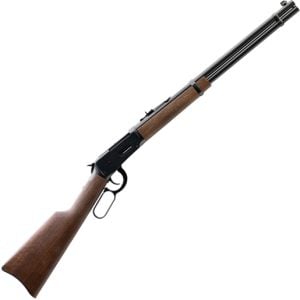
The Winchester Model 94 is the original lever-action deer rifle: a light, fast-handling .30-30 carbine that has been putting venison on the table since 1894. The current Miroku-built guns are the nicest 94s ever made, and the price reflects it.
John Browning designed the Model 1894, and for more than a century it was the American deer rifle. Somewhere north of seven million have been built. If you grew up hunting whitetail in the woods, odds are a 94 was leaning in the corner of the cabin. It is the rifle the .30-30 cartridge was built around, and the two are inseparable.
I spent a season carrying a current-production Model 94 Carbine in the deer woods and put it through a proper range workout. The verdict: it still handles better than any modern bolt gun, the Miroku fit and finish is genuinely lovely, and it drops deer inside 150 yards exactly like it always has. The only real question is price, because a new 94 now costs as much as a Ruger-built Marlin 336. If heritage and handling matter to you, it earns the money. If you just want a working .30-30, there are cheaper doors in.
Best For: Whitetail hunters in timber and brush, traditionalists, and anyone who wants a genuine piece of American gun history that still works. See how it ranks in our best .30-30 lever guns guide.
Why the Model 94 Still Matters
The Model 94 was the first commercial rifle built for smokeless powder, and it made the lever gun a serious hunting tool. When Winchester chambered it in .30-30 in 1895, it gave hunters a flat-shooting, hard-hitting cartridge in a package that weighed nothing and pointed like a shotgun.
That combination is why it sold in the millions. A 94 rides easy in your hands through thick brush, comes up fast on a running deer, and delivers a fast follow-up shot with a flick of the lever. In the close, timbered country where most American deer are shot, it is arguably still the ideal tool. Bolt rifles are more precise at distance, but almost nothing beats a lever carbine for handling inside 150 yards.
The current guns are made under license by Miroku in Japan, the same shop that builds Browning’s finest rifles and shotguns. They are the best-finished Model 94s ever produced, with the crucial modern update of angle-eject, which throws brass to the side so you can finally mount a scope over the receiver. Winchester keeps the line alive because demand never died. Two decades after the New Haven plant closed, people still want a real Model 94. It’s one of the 16 rifles on our list of classic American rifles.
Winchester Model 94 Variants
Winchester Repeating Arms sells the Model 94 in several configurations. Here’s how to pick the right one.
The classic. A 20-inch round barrel, plain walnut, blued steel, and a saddle-ring carbine profile. This is the deer rifle everyone pictures and the one to buy if you want the traditional 94 experience at the lowest price in the line. Best For: hunters who want the iconic carbine and nothing fancy.
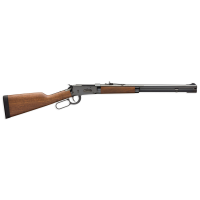
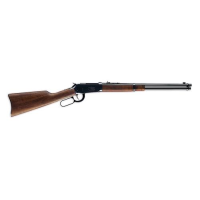
A 20-inch barrel with a straight-grip stock, steel crescent or shotgun butt, and a slightly dressier look than the carbine. It splits the difference between the plain Carbine and the fancy Sporter, and it comes in .38-55 for a period-correct classic. Best For: shooters who want a touch more style and a straight-grip stock.
The premium walnut model: a 24-inch half-octagon barrel, checkered Grade II walnut, a pistol-grip stock and a crescent buttplate. It is heavier and steadier at the bench, and it is genuinely beautiful. Best For: collectors and shooters who want the dressed-up 94.
The takedown model separates into two pieces for packing and travel, and it is offered in hard-hitting .450 Marlin as well as .30-30. It is the specialist pick for backcountry hunters and anyone short on storage. Best For: pack hunters who want a lever gun that breaks down.
Competitor Comparison
The .30-30 lever market is small but hard-fought. Here’s how the Winchester stacks against the guns you’ll cross-shop.
The Ruger-built Marlin 336 is the Winchester’s oldest rival and, right now, its toughest. It side-ejects, scopes even more easily, has a slightly stronger receiver, and now sells for about the same money. The Winchester counters with lighter handling and prettier lines. For pure value, the Marlin wins; for feel and heritage, the 94 holds its ground.

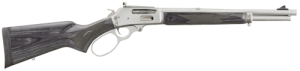

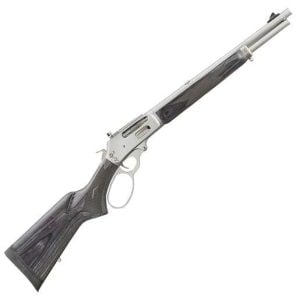
Henry’s blued steel .30-30 adds a side loading gate to the traditional tube, is beautifully made in the USA, and undercuts the Winchester on price. It is a bit heavier and has its own loyal following. If made-in-America matters most to you and you like a heftier rifle, the Henry is a strong call.
The Rossi R95 is the budget .30-30 lever gun, a Brazilian-made carbine that works fine and costs half what the Winchester does. The fit and finish are nowhere near the Miroku 94, but if you just want a functional deer rifle and don’t care about heritage, it gets the job done for a lot less.
Verdict: If handling, looks, and heritage top your list, the Model 94 is worth the premium. If you want the same job done for less money, the Rossi R95 is the budget floor, and the Marlin 336 matches the 94 on price with a side-eject receiver.
| Dimension | Winchester Model 94 | Marlin 336 | Henry Side Gate | Rossi R95 |
|---|---|---|---|---|
| Street Price (2026) | $1,131-$1,198 | $1,130-$1,466 | $1,000-$1,150 | $599-$799 |
| Caliber | .30-30 Win | .30-30 Win | .30-30 Win | .30-30 Win |
| Weight | 6.5 lb | 7.0 lb | 7.0-8.0 lb | 6.9 lb |
| Scope Mounting | Angle-eject, D&T | Side-eject, D&T | Side-eject, D&T | Side-eject, D&T |
| Fit & Finish | Excellent (Miroku) | Very good (Ruger) | Very good (USA) | Basic |
| Made In | Japan | USA | USA | Brazil |
| Our Score | 8.5/10 | 8.7/10 | 8.4/10 | 7.6/10 |
| Best For | Heritage & handling | Best value | Made in USA | Budget floor |
Features and Build Quality
The Action and Angle-Eject
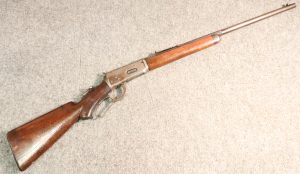
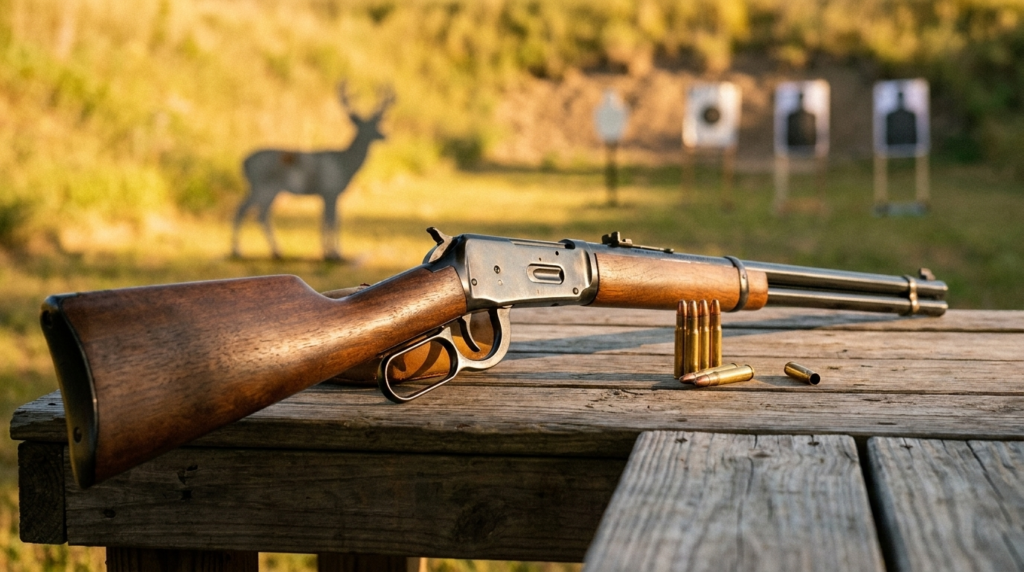
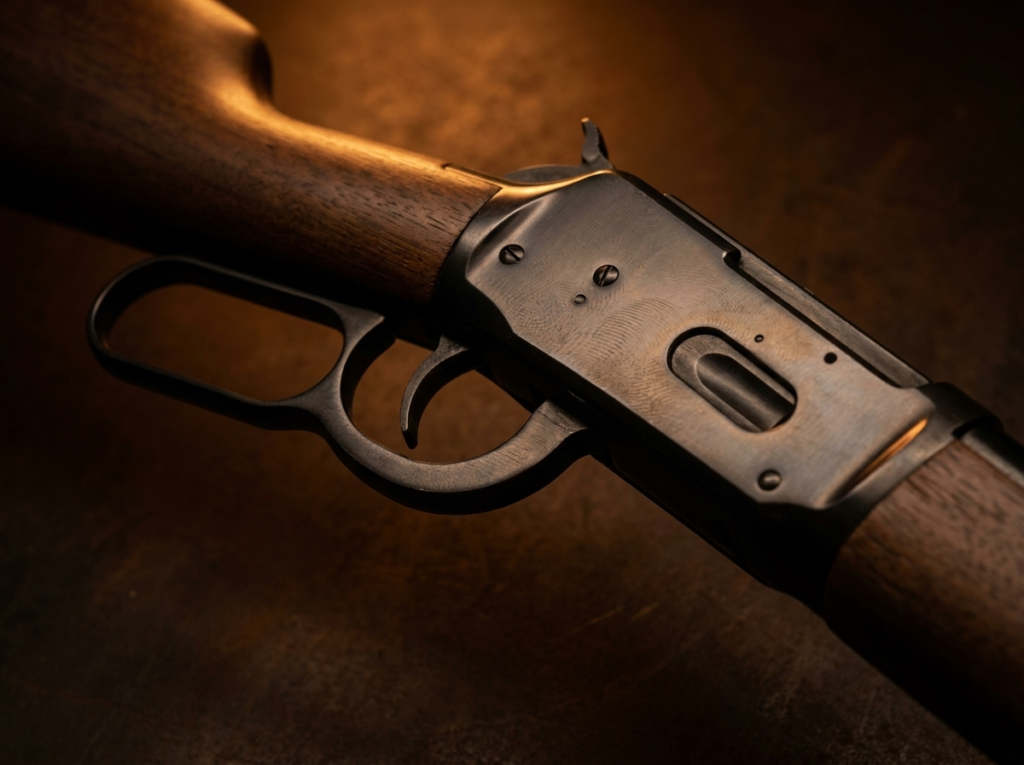
The heart of the Model 94 is its slim, fast lever action, and the modern angle-eject version fixed the gun’s one real flaw. Original 94s ejected spent brass straight up out of the top, which made mounting a scope impossible without an awkward offside mount. The current Miroku guns kick the brass out at an angle to the right, so you can bolt a scope rail over the receiver and run glass like any other rifle.
The action itself is classic Browning: a locking bolt, a lever that cams the whole thing open and closed, and a tubular magazine under the barrel. It is not the smoothest lever on the market out of the box, but it slicks up beautifully with use and a little polishing. There is a cross-bolt or tang safety depending on the model, a feature purists grumble about but that adds a layer of security the originals lacked.
Stock, Sights, and Fit
This is where the Miroku 94 earns its price. The walnut is real, the wood-to-metal fit is tight, and the bluing is deep and even. Hold a current 94 next to a rack-grade modern rifle and the difference in craftsmanship is obvious. These are built the way rifles used to be built.
The factory sights are a buckhorn rear and a Marble Arms front, traditional and fast for close work but dated compared to a modern peep or a red dot. Most hunters either learn to love the irons for brush range or add a scout scope or receiver sight. The carbine’s slim forend and straight lines are what make it carry and point so well, and no amount of modern engineering has improved on that shape in 130 years.
At the Range and in the Field
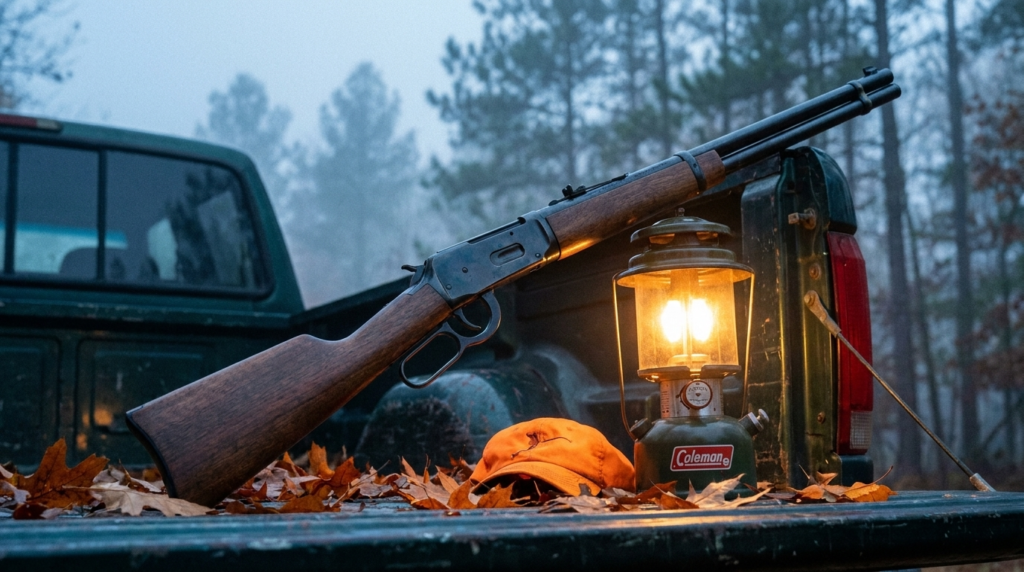
I ran roughly 250 rounds of .30-30 through a current Model 94 Carbine over a season, mixing bench work at 50 and 100 yards with real carry time in the deer woods. Here’s how the old warhorse performed.
Reliability
Flawless, which is what you expect from a design this old and this proven. It fed flat-nose and round-nose .30-30 without a hiccup, the lever never bound, and the angle-eject threw brass cleanly every time. Lever guns are mechanically simple and hard to break, and the Miroku build only makes this one more dependable. This is a rifle you can trust in bad weather, cold hands, and mud.
Accuracy
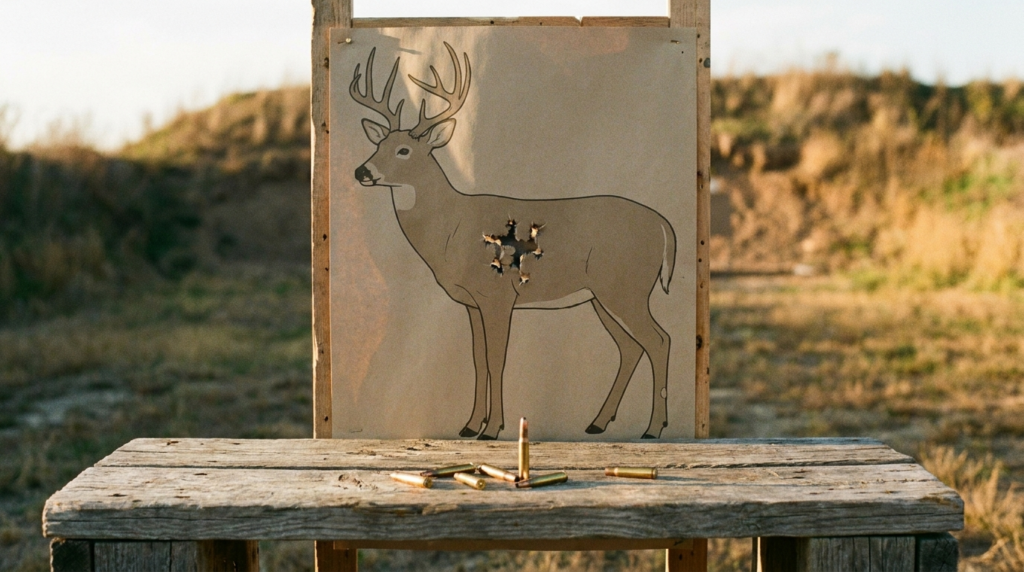
With the iron sights I held around 2.5 to 3 inches at 100 yards, which is exactly what a .30-30 carbine is for. Add a scout scope and quality ammo like Hornady LEVERevolution and groups tighten to right around 2 inches. That is plenty for any deer inside the cartridge’s honest 150-to-200-yard range. The tube magazine means you stick to flat- or round-nose bullets, or the pointed-but-soft FTX loads, which is the .30-30’s only real ballistic limit.
Handling and Recoil
This is where the 94 shines and always has. At six and a half pounds it comes to the shoulder instantly, swings on a moving target like a bird gun, and carries all day without wearing you out. Recoil from the .30-30 is mild, a soft push rather than a punch, so follow-up shots are quick. Nothing in my safe handles like this carbine, and that alone explains why it has outlived so many technically superior rifles.
Ammunition Log
- Hornady LEVERevolution 160gr FTX: 80 rounds, best accuracy and flattest trajectory
- Federal Power-Shok 150gr: 90 rounds, reliable and the classic deer load
- Winchester Super-X 170gr: 60 rounds, ran clean, thumped steel hard
- Remington Core-Lokt 150gr: 20 rounds, zero issues
Performance Testing Results
Reliability (9/10)
A 130-year-old design built to modern Miroku standards. It runs everything, in any weather, and shrugs off neglect. Lever guns don’t get much more dependable than this, and the only reason it isn’t a 10 is the manual-of-arms learning curve for lever newcomers.
Accuracy (8/10)
Honest 2-to-3-inch accuracy at 100 yards, better with a scope and premium ammo. That is all a .30-30 deer rifle needs. The tube magazine and rack-grade trigger are the only things holding it back from a higher score. This is a 150-yard rifle and it excels at that job.
Handling (9/10)
The best-handling deer rifle ever made, full stop. Light, fast, slim, and perfectly balanced. Whether you are still-hunting timber or swinging on a running buck, nothing points more naturally. This is the whole reason the Model 94 exists and it nails it.
Fit and Value (7/10)
The Miroku fit and finish is superb, genuinely better than most rifles at the price. The catch is that price: a new 94 costs more than a Ruger-made Marlin 336 that does the same job. You are paying for craftsmanship and heritage. Worth it to the right buyer, a stretch for the value shopper.
Common Problems and Solutions
- Can’t mount a scope (older top-eject guns): If you have a pre-1982 top-eject 94, use a receiver peep sight or a scout-scope forward mount. The current angle-eject Mirokus are drilled and tapped for a standard scope rail, so this is a non-issue on new guns.
- Stiff or gritty action out of the box: New Mirokus can feel tight until broken in. A few hundred cycles, a good cleaning, and a light polish of the mating surfaces slick the lever up dramatically. Don’t over-lube; a lever gun likes to run relatively dry.
- Buckhorn sights are hard to see: The traditional buckhorn rear is fast up close but fiddly for precise shots. A ghost-ring aperture, a fiber-optic front, or a low-power scout scope all modernize the sighting without spoiling the gun’s balance.
- Limited bullet choice for the tube magazine: Never load pointed spitzer bullets in a tube magazine; a recoiling pointed tip can set off the primer ahead of it. Stick to flat-nose, round-nose, or the soft polymer-tipped FTX loads made specifically for lever guns.
Who Should NOT Buy the Winchester Model 94
The Model 94 is a wonderful rifle, but it is the wrong tool for several buyers. Here’s who should look elsewhere.
- The value-first buyer: If you just want a working .30-30 and don’t care about the name, a Marlin 336 does the same job with side ejection for easier scoping, and the classic 336 now sells for about the same money.
- The long-range hunter: The .30-30 runs out of steam past 200 yards. If you hunt open country or the mountain West, a bolt-action like the Ruger American or a Remington 700 in a flatter cartridge is the right call.
- The high-capacity or tactical shooter: Seven rounds of tube-fed .30-30 is a hunting magazine, not a defensive one. If you want capacity and rails, this is not your rifle.
- The made-in-USA purist: Current Model 94s are built by Miroku in Japan. If domestic manufacture is a dealbreaker, a Henry or a US-made Marlin is the patriotic pick.
The Verdict
The Winchester Model 94 is still the most iconic deer rifle in America, and the current Miroku guns are the finest ever built. It handles better than any modern rifle, the .30-30 still drops deer exactly like it has for 130 years, and angle-eject finally lets you scope it. As a hunting tool and as a piece of history, it delivers.
The catch is the sticker. A new Model 94 now costs more than a Ruger-built Marlin 336 that shoots the same cartridge to the same effect. You are paying a premium for craftsmanship, heritage, and that unbeatable Winchester feel. For the traditionalist and the collector, it is money well spent. For the shooter who just wants a .30-30 that works, the value math points elsewhere.
Buy the Carbine if you want the classic, feed it flat-nose or FTX ammo, add a receiver sight or scout scope if the buckhorns bother you, and you’ll own a rifle you can hand down to your grandkids. Some guns are tools; the Model 94 is both a tool and a legacy.
Final Score: 8.5/10 – The rifle that defined American deer hunting, built better than ever and priced like the heirloom it is.
Best For: Timber and brush whitetail hunters, traditionalists, and collectors who want a working piece of history. See the full field in our best lever-action rifles guide.
FAQ: Winchester Model 94
Is the Winchester Model 94 a good deer rifle?
Yes, it is arguably the definitive American deer rifle. Inside 150 yards in timber and brush, its light weight, fast handling and proven .30-30 cartridge make it as effective as anything on the market. It has filled freezers for well over a century and still does.
How much does a new Winchester Model 94 cost?
A current Model 94 Carbine runs about $1,130 to $1,200 street, with an MSRP around $1,459. Dressier Sporter and Takedown models climb toward $1,800 to $2,200. These are premium prices because the guns are now built by Miroku in Japan.
Where are Winchester Model 94s made now?
Current-production Model 94s are built under license by Miroku in Japan for Winchester Repeating Arms. Miroku also builds Browning's finest rifles and shotguns, and the fit and finish on these 94s is excellent, better than most rifles at the price.
Can you put a scope on a Winchester Model 94?
On current angle-eject guns, yes. They eject brass to the side and are drilled and tapped for a scope rail over the receiver. Older pre-1982 top-eject 94s eject straight up, so they need a receiver peep sight or a forward scout-scope mount instead.
Model 94 or Marlin 336, which is better?
They do the same job. The Marlin 336 now sells for about the same money and has a slightly stronger side-eject receiver. The Winchester counters with lighter handling, prettier lines and heritage. Buy the Marlin for side ejection and easy scoping, the Winchester for feel and history.
What caliber is the Winchester Model 94?
The classic and by far most common chambering is .30-30 Winchester, the cartridge the rifle was built around in 1895. Some current models are also offered in .38-55 Winchester and, in the Takedown, .450 Marlin.
How many rounds does a Model 94 hold?
The standard .30-30 Carbine holds 7 rounds in its tubular magazine plus one in the chamber, for 7+1. Barrel length and caliber change the count slightly, but seven is the number for the classic carbine.
Why can't you use pointed bullets in a Model 94?
Because the cartridges sit nose-to-primer in the tube magazine, a pointed spitzer bullet can set off the primer of the round ahead of it under recoil. Stick to flat-nose, round-nose, or the soft polymer-tipped FTX bullets designed specifically for lever guns.
4,021+ Gun & Ammo Deals
Updated daily from 200+ top retailers. Filter by category, caliber, action type, and price.
Related Guides