

Last updated September 6th 2026 · By Nick Hall
Some of the links below are affiliate links, meaning at no additional cost to you, we may earn a commission if you click through and make a purchase.
Table of Contents
How we tested: Every pick here is ranked against our testing methodology. Minimum round counts, accuracy and reliability protocols, the failures that disqualify a gun.
The Short Answer
Buy the 9mm. It costs less to shoot, holds twice the rounds, recoils less in a gun of the same size, and every defensive load worth carrying is made for it. The .38 Special is not a bad cartridge and it never was. It is a cartridge that makes sense when you have already decided you want a revolver, and that is a different decision than picking a caliber.
If you are choosing your first carry gun and you have no strong feelings either way, this is not close. Get the 9mm. Read on for the cases where the .38 still earns its place, because there are a few and they are more interesting than the ballistics chart.
What the Ballistics Tables Leave Out
Here is the thing nobody puts in the comparison table. Published velocity comes from a test barrel, and Hornady lists a 4 inch test barrel for its Critical Defense line. Out of that barrel, the .38 Special 110 grain FTX runs 1,010 fps and the 9mm 115 grain FTX runs 1,135 fps. Same maker, same bullet design, same test barrel. A gap, but not a dramatic one.
Now look at what people actually carry. The .38 Special that ends up in a pocket is almost always a 2 inch snub. The 9mm that ends up on a belt is a micro-compact with 3 to 3.5 inches of barrel. So the real comparison is not 4 inch against 4 inch. It is a cartridge losing two inches of barrel against one losing half an inch, and the .38 gives up more of its advertised performance in the process.
That is why .38 Special loads marketed for short barrels exist at all. Speer builds a Gold Dot Short Barrel specifically because the standard load was never designed around a 2 inch tube. If you are comparing these two cartridges from a chart, you are comparing guns nobody carries.
The knock-on effect is on the bullet. Modern defensive bullets are engineered to open up inside a velocity window, and if you drop below that window the hollow point behaves like a round nose. It punches through without expanding. So the barrel length question is not really about a hundred feet per second on a chart, it is about whether the ammunition you paid a premium for does the one thing you bought it to do.
Nine millimeter has the easier job here. It starts faster, loses less to a shorter barrel, and the loads have been developed against a far bigger body of testing because that is what police departments buy. None of that makes the .38 useless. It does mean ammunition selection matters more with the .38, and casual choices punish you harder.
.38 Special vs 9mm: The Numbers
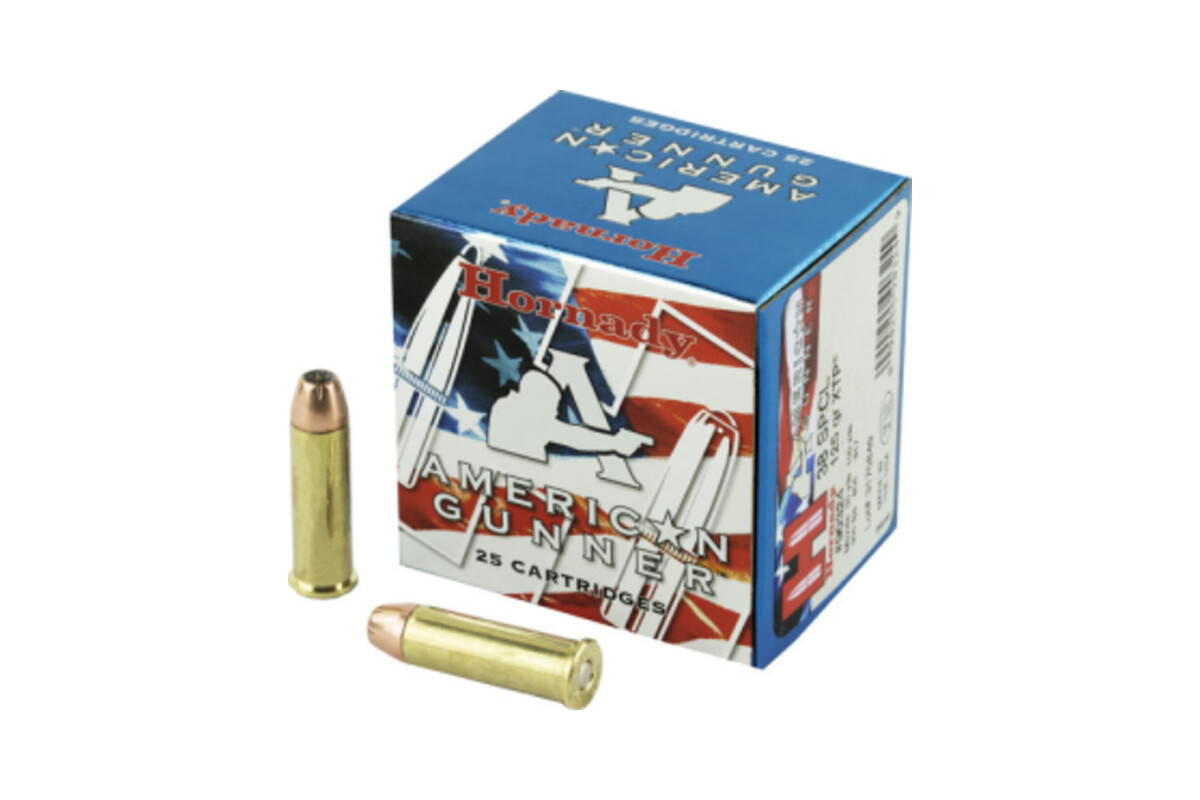
| .38 Special | 9mm Luger | |
|---|---|---|
| Introduced | 1898 | 1902 |
| Case | Rimmed | Rimless |
| Built for | Revolvers | Semi-autos |
| Critical Defense velocity (4in test barrel) | 1,010 fps, 110gr FTX | 1,135 fps, 115gr FTX |
| Typical carry gun barrel | 2in snub | 3 to 3.5in micro-compact |
| Typical carry capacity | 5 rounds | 10 to 15 rounds |
| Reload | Speedloader or moon clip | Spare magazine |
| Cheapest box on our cards today | $14.99 | $9.99 |
Velocity figures come from Hornady’s own published data for the Critical Defense line. Prices are the cheapest listing our live cards were showing when this was written, and they move daily.
Recoil: The Lighter Round Kicks Harder
This surprises people. On paper the .38 Special is the gentler cartridge, and in a steel 4 inch service revolver it absolutely is. In the gun most people buy it in, it is not. A 2 inch airweight revolver can weigh under a pound, and pushing a +P load out of a gun that light is genuinely unpleasant. I have handed snubs to new shooters and watched them decide within five rounds that they do not want to practice.
A polymer 9mm of similar carry size weighs more, has a slide that soaks up part of the impulse, and spreads recoil over a longer push instead of a sharp snap. The cartridge with more energy on paper is the one that is easier to shoot well. That is the opposite of what the numbers suggest and it matters more than any ballistics figure on this page.
Capacity Is the Real Gap
Five rounds against twelve or fifteen is not a marginal difference, it is the whole argument. And it is not just the count. Reloading a revolver under stress is a learned skill that degrades fast without practice, while swapping a magazine is close to a gross motor movement. If you are going to train once a year, the gun that holds more and reloads simpler is the better choice for you specifically.
Speedloaders help and they are worth carrying, but they are bulky, they need a clear path into all five chambers at once, and they are unforgiving if the gun is not held right. Speed strips pack flatter and are slower still. A spare magazine drops in a pocket, goes in one way, and takes the gun from empty to full in a single movement. Anyone who tells you the difference is small has not tried both on a timer.
There is a fair counterargument, which is that most defensive encounters end in very few rounds, and by that measure five is enough more often than not. I think that is true and I still would not choose it. The reason is simple: nobody has ever finished one of these and wished they had brought less ammunition.
This Is Really Revolver vs Semi-Auto
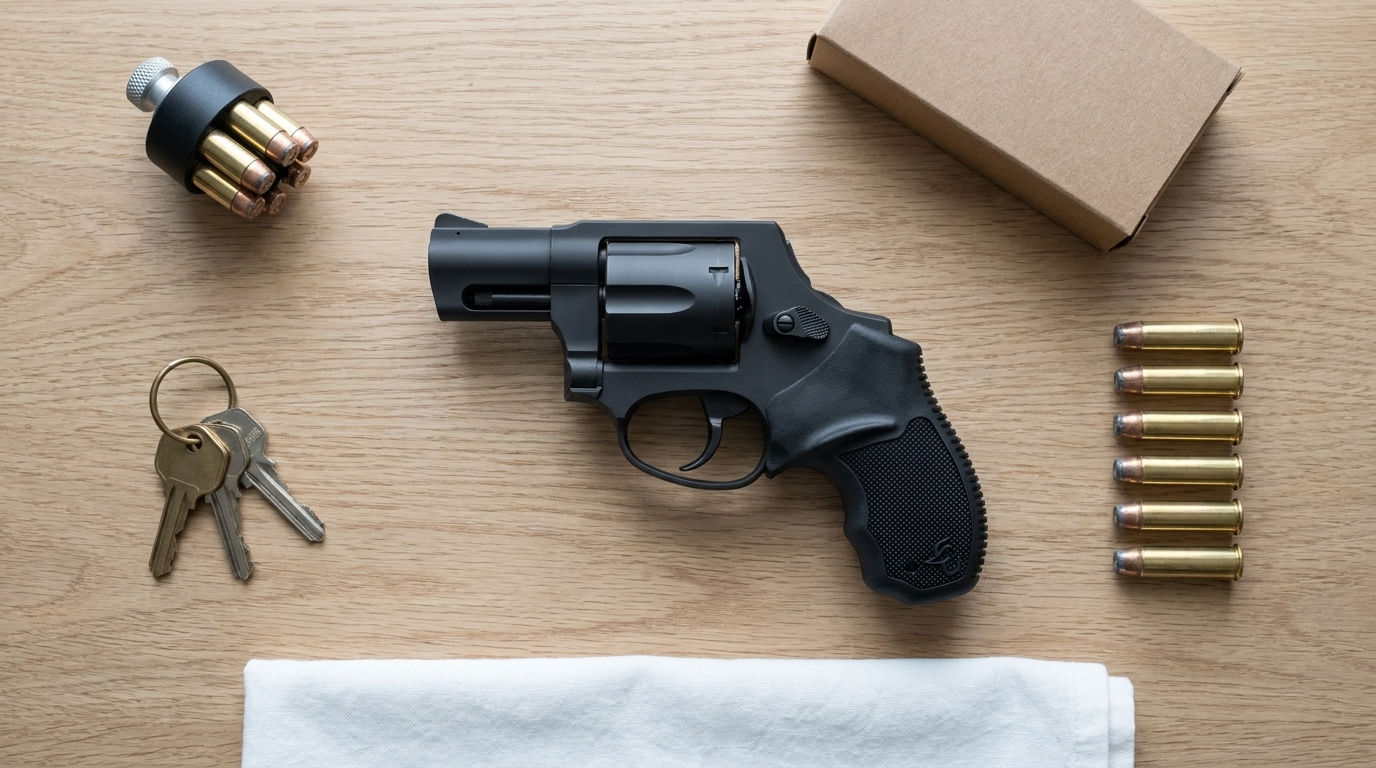
Nobody buys a .38 Special and then goes looking for a gun. They buy a revolver, and the revolver happens to be chambered in .38 Special. That is the honest framing, and once you see it the comparison gets simpler. You are not choosing between two cartridges, you are choosing between two mechanisms, and the cartridge comes along for the ride.
Which means the real questions are the mechanical ones. Do you want something with no manual of arms beyond pulling the trigger? Do you have hand strength problems that make racking a slide difficult? Are you going to carry it in a coat pocket where a semi-auto might get pushed out of battery? Those are all legitimate reasons to end up with a .38, and none of them are about ballistics. We go deeper on that decision in our revolver vs semi-auto guide.
+P: What It Buys and What It Costs
+P is a higher pressure loading, and in .38 Special it is the difference between a cartridge designed in 1898 and one that performs acceptably today. Almost every serious .38 defensive load is +P. The cost is recoil in a gun that was already snappy, and accelerated wear on older or lighter frames. Check your revolver is rated for it before you feed it a steady diet, because plenty of vintage guns are not.
Worth noting that 9mm does not need an equivalent. Standard pressure 9mm defensive ammunition is already doing what .38 Special +P is straining to do. That is the practical shape of the gap between them.
Cost Per Round
9mm is the cheapest centerfire handgun cartridge in America and it is not particularly close. It is loaded by everyone, in enormous volume, for a military and police market that guarantees demand. .38 Special is a smaller production run for a shrinking market, and the price reflects that.
The practical effect is on your training. If range ammo costs a third less, you shoot more, and the person who shoots more is the better shooter regardless of what is in the chamber. Over a couple of thousand rounds that price difference buys a meaningful amount of practice.
Availability is the other half of it. In every shortage of the last fifteen years, 9mm emptied off the shelves first and came back first, because the production capacity behind it is enormous. .38 Special tends to linger a little longer at the start of a panic and then take much longer to return, because nobody is building a new line for it. If you like keeping a few hundred rounds on hand, that pattern is worth knowing.
Which Guns Chamber Each
.38 Special means a revolver, in practice. The Smith and Wesson J-frames, the Ruger LCR and LCRx, the Taurus 856, and the Charter Arms Undercover cover most of what people actually carry. There have been .38 Special semi-autos over the years but they are curiosities, not options.
9mm gives you the entire modern handgun market. Micro-compacts, compacts, full size duty guns, competition guns, carbines. If you want a specific feature, someone builds a 9mm with it. Our concealed carry handgun guide covers the current picks, and the 9mm vs .45 ACP comparison handles the other side of the 9mm debate.
One overlap worth knowing about. A .357 Magnum revolver will safely fire .38 Special, so buying the magnum gets you both: heavy loads when you want them, and cheap soft .38 for practice. If you have decided on a revolver, that flexibility is worth the small extra cost over a .38-only gun, and it is covered properly in our .357 Magnum vs .38 Special comparison. It does not work the other way around. Never put a .357 round in a .38-only cylinder, which is why the magnum case was made longer in the first place.
Where .38 Special Still Wins
Pocket carry, honestly. A snub revolver in a pocket holster prints less than most micro-compacts and it does not care about being pressed against your leg all day. There is no slide to push out of battery, and if you ever have to fire it from inside a coat pocket, a revolver will keep working where a semi-auto jams on the first shot.
It also wins on simplicity for someone who genuinely will not train. No safety, no slide, no magazine, no failure drills to learn. Point and pull. For an occasional shooter who wants a gun in a nightstand and no homework, that is a real argument, and I would rather someone carry a revolver they understand than a 9mm they are frightened of.
Concealed Carry: Snub vs Micro-Compact
Ten years ago the snub won this on size alone. It does not any more. A modern 9mm micro-compact carries ten or more rounds in a package that hides about as well as a J-frame, and it does it while being easier to shoot. The cylinder is the snub’s problem: it is the widest part of the gun and it sits right where your body is trying to hide it.
Where the snub still has an edge is the pocket, and in how forgiving it is about holsters and positions. A revolver does not need a rigid trigger guard cover in the same way. That is a narrower advantage than it used to be, but it is not nothing.
If You Are a New Shooter
Buy the 9mm, and buy one heavy enough to be pleasant. The advice that new shooters should start with a revolver because it is simple has it backwards. Simple to operate is not the same as easy to shoot well, and a lightweight snub is one of the hardest handguns in common circulation to shoot accurately. Long heavy trigger, tiny sights, sharp recoil, five rounds before you stop to fiddle with a speedloader.
A compact 9mm with decent sights will have you hitting a target at seven yards in an afternoon. That builds the confidence that makes someone keep going, and cheap ammunition means they can afford to.
There is one more practical difference that decides it for a lot of people, and it has nothing to do with the cartridge at all. A semi-auto lets you check the chamber, top the magazine off, and confirm the gun’s condition at a glance. A loaded revolver looks identical to an unloaded one from the back, and you have to open the cylinder to know. That is a small thing until it is the thing you are doing in the dark at three in the morning.
Trigger is the other one. A double action revolver trigger is long and heavy by design, and it stays that way for every shot. Most carry 9mms give you a shorter, lighter press that resets quickly. Learning to shoot a double action revolver well is a genuine skill, and it is a skill you have to keep paying for in range time. If you are honest with yourself about how much practice you will actually do, that should weigh on the decision.
My Recommendation
For almost everyone reading this, 9mm. More rounds, less recoil in the guns you would actually carry, a third off your range ammo, and a market full of choices. The .38 Special is not obsolete, it is specialized, and the specialization is the gun rather than the cartridge.
Buy the .38 if you want a revolver and you know why you want one. Pocket carry, a gun for someone who will not train, arthritis that makes a slide hard work, or you simply like revolvers, which is reason enough. Just do not talk yourself into one believing the cartridge is doing something for you that the 9mm cannot.
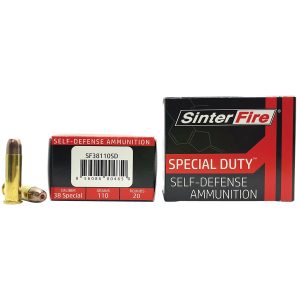
.38 Special Ammo Prices

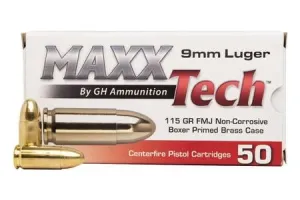
9mm Ammo Prices
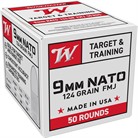
Velocity figures cited above come from Hornady’s published data for .38 Special 110gr FTX Critical Defense and 9mm Luger 115gr FTX Critical Defense, both measured in a 4 inch test barrel.
Related reading: .357 Magnum vs .38 Special if you are looking at a revolver that shoots both, .357 Magnum vs 9mm, and revolver vs semi-auto for concealed carry for the decision underneath this one.
Frequently Asked Questions
Is .38 Special or 9mm better for self defense?
For most people, 9mm. It carries roughly twice the rounds in a gun of the same size, recoils less in the guns people actually carry, and costs about a third less to practice with. The .38 Special is a sound defensive cartridge, but it makes most sense once you have already decided you want a revolver.
Is a .38 bigger than a 9mm?
Very slightly in bullet diameter. A .38 Special bullet measures .357 inches and a 9mm measures .355 inches, so the difference is two thousandths of an inch and means nothing in practice. The .38 Special case is longer, which is why the two are not interchangeable.
Can you shoot 9mm in a .38 Special revolver?
No, not unless the revolver is specifically built for it using moon clips. The 9mm is a rimless case designed to headspace in a semi-auto, and a .38 Special cylinder is cut for a longer rimmed case. Some revolvers ship with a spare 9mm cylinder, and those are the exception rather than the rule.
How fast is .38 Special compared to 9mm?
Using the same maker and bullet design, Hornady lists its .38 Special 110 grain FTX Critical Defense at 1,010 fps and the 9mm 115 grain FTX at 1,135 fps, both from a 4 inch test barrel. The gap widens in the real world, because most carry .38s have 2 inch barrels while most carry 9mms have 3 inches or more.
Why does a light .38 kick more than a 9mm?
Because the gun matters more than the cartridge. A 2 inch airweight revolver can weigh under a pound and delivers recoil as a sharp snap straight into your hand. A polymer 9mm of similar carry size weighs more and its slide absorbs part of the impulse, spreading the recoil into a longer push.
Is .38 Special +P worth it?
For defensive use, yes, and almost every serious .38 defensive load is +P. The cost is extra recoil in a gun that is already snappy and more wear on the frame. Confirm your revolver is rated for +P before shooting it regularly, because many older and very light guns are not.
Is .38 Special more expensive than 9mm?
Yes, consistently. 9mm is loaded in enormous volume for military, police and civilian markets, and that scale keeps it the cheapest centerfire handgun cartridge in America. The cheapest .38 Special box on our live cards was $14.99 against $9.99 for 9mm when this guide was written.
Should a beginner start with a .38 revolver or a 9mm?
A 9mm, and one heavy enough to be comfortable. The idea that revolvers are the beginner choice confuses simple to operate with easy to shoot well. A lightweight snub has a long heavy trigger, small sights and sharp recoil, which is a hard combination for a new shooter. Cheaper ammunition also means more practice.
4,021+ Gun & Ammo Deals
Updated daily from 200+ top retailers. Filter by category, caliber, action type, and price.
Related Guides