

Last updated and checked November 2, 2026
Some of the links below are affiliate links, meaning at no additional cost to you, we may earn a commission if you click through and make a purchase.
The Glock 20 in 10mm is the best bear defense handgun for most people: 15+1 capacity, recoil you can control and a weight you’ll actually carry. Choose the S&W 629 for a classic .44 Magnum revolver, the Ruger Super Redhawk in .454 Casull for coastal brown bear country, and the Glock 40 MOS for the most velocity from a 10mm. Carry bear spray too: it halted aggressive bears in 92% of cases in a 2008 study, while handguns stopped the bear in 84% of the handgun cases in a separate 2012 Alaska study.
Best Bear Defense Handguns in 2026 at a Glance
| Handgun | Caliber | Capacity | Type | Street Price | Price |
|---|---|---|---|---|---|
| BEST OVERALL Glock 20 | 10mm Auto | 15+1 | Semi-auto | From $620 | Price ↓ |
| BEST REVOLVER S&W 629 | .44 Magnum | 6 | Revolver | From $925 | Price ↓ |
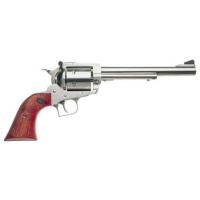
| BEST HEAVY HITTER Ruger Super Redhawk | .44 Mag / .454 Casull | 6 | Revolver | From $1,215 | Price ↓ |
| BEST FOR ACCURACY Glock 40 MOS | 10mm Auto | 15+1 | Semi-auto, 6″ | From $600 | Price ↓ |
Table of Contents
Why a Handgun, and When
A bear-defense handgun is backcountry insurance: a sidearm you carry in case the worst happens and you need to stop a charging bear at close range. It’s a serious tool for a serious job, and the right one balances penetration, controllability, and the simple fact that the best gun is the one you can draw fast and hit with under extreme stress.
The debate splits two ways. A 10mm semi-auto like the Glock 20 gives you high capacity, fast follow-up shots, and recoil most shooters can actually manage, while a big-bore revolver in .44 Magnum or .454 Casull delivers more raw penetration and energy at the cost of capacity and brutal recoil. Our most powerful handguns ranking shows how far up that energy goes. Both can do the job with the right ammunition and enough practice.
Bear spray is statistically a highly effective first line of defense and should be part of any backcountry plan. A handgun is for when spray fails, isn’t an option, or you’ve chosen it as your primary tool, and it only works if you practice. For a deeper dive, see our 10mm for bear defense guide and our best bear-defense shotguns roundup.
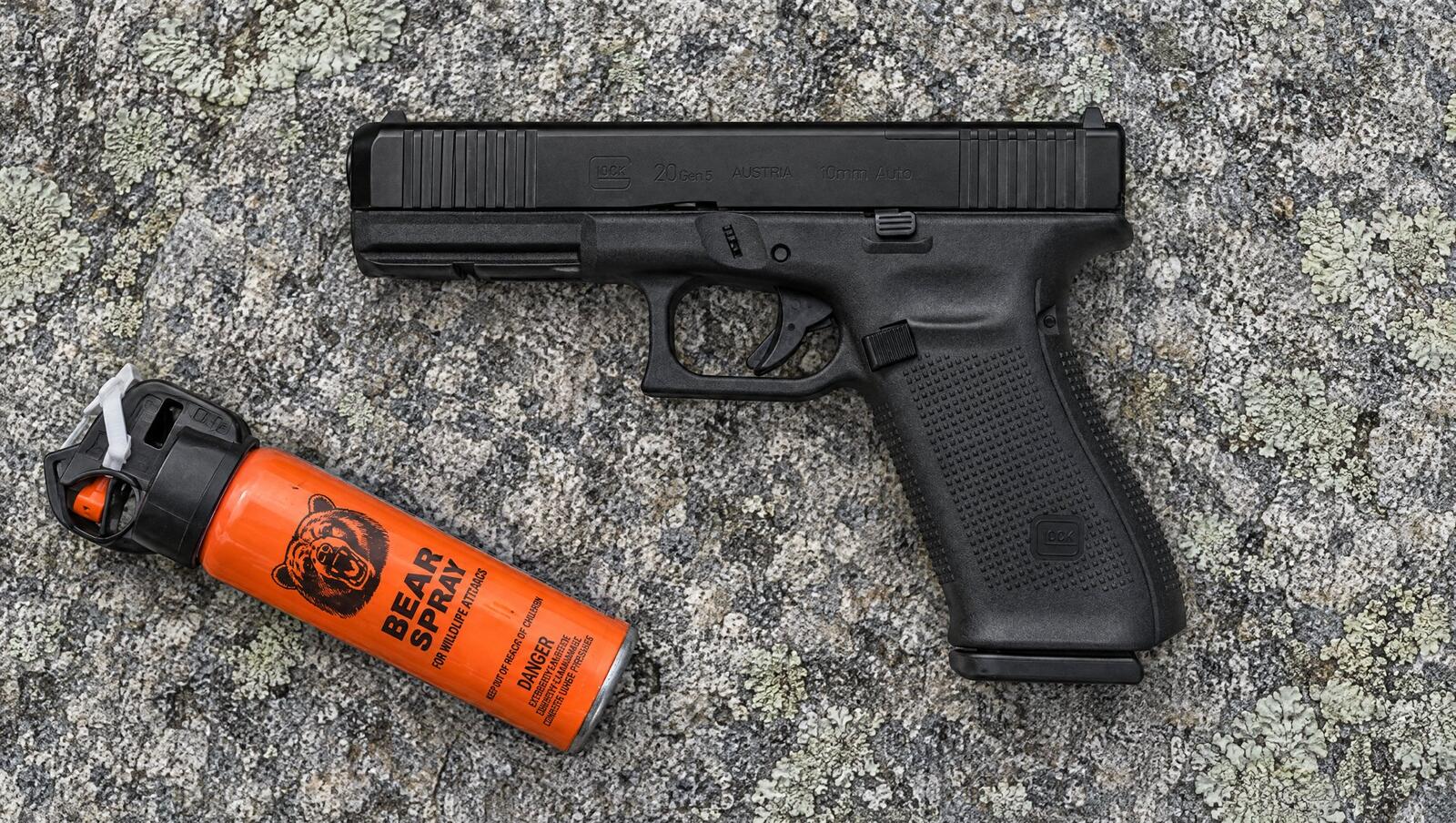
1. Glock 20 – Best Overall Bear Defense Handgun
- Caliber: 10mm Auto
- Capacity: 15+1
- Barrel: 4.6″
- Weight: 28.4 oz with empty magazine for the Gen5 MOS, 30.69 oz for the Gen4
- Street Price: from about $620 for the current G20 V MOS on November 2, 2026
| Value | Capacity | Controllability | Reliability | Carry |
| 5/5 | 5/5 | 5/5 | 5/5 | 4/5 |
Pros
- 15+1 capacity beats any revolver here
- Hard-cast 10mm penetrates deep enough for most
- Recoil most shooters can manage
- Light, with deep holster support
Cons
- Less penetration than .454 or .500
- Factory barrel and lead need care
The Glock 20 has become the most popular backcountry carry pistol in America, and for good reason. Buy the current G20 V MOS, the optics-ready version on the card below. It threads the needle that matters most in a bear gun: enough power to do the job with the right ammo, capacity and fast follow-ups no revolver can match, and recoil a normal person can actually control under stress.
Loaded with a hard-cast, deep-penetrating 10mm load like a Buffalo Bore or Underwood 220-grain, the G20 drives bullets deep enough for black bear and most charges, and through my Glock 20’s 4.6-inch barrel Buffalo Bore’s 220 grain Outdoorsman ran 1,140 fps, about 635 ft-lbs, and its 15+1 capacity means you can keep shooting if the first rounds don’t stop the threat. It’s light enough to carry all day, utterly reliable, and there’s a chest holster made for it.
Against the very largest coastal grizzlies and Kodiaks, a .454 or .500 offers more raw penetration, and the 10mm needs a proper hardcast hunting load rather than defensive hollow points. But for the vast majority of bear country and shooters, the controllable, high-capacity Glock 20 is the smartest, most practical bear gun you can carry.
Best For: The backcountry traveler who wants a controllable, high-capacity bear gun they’ll actually carry and practice with.
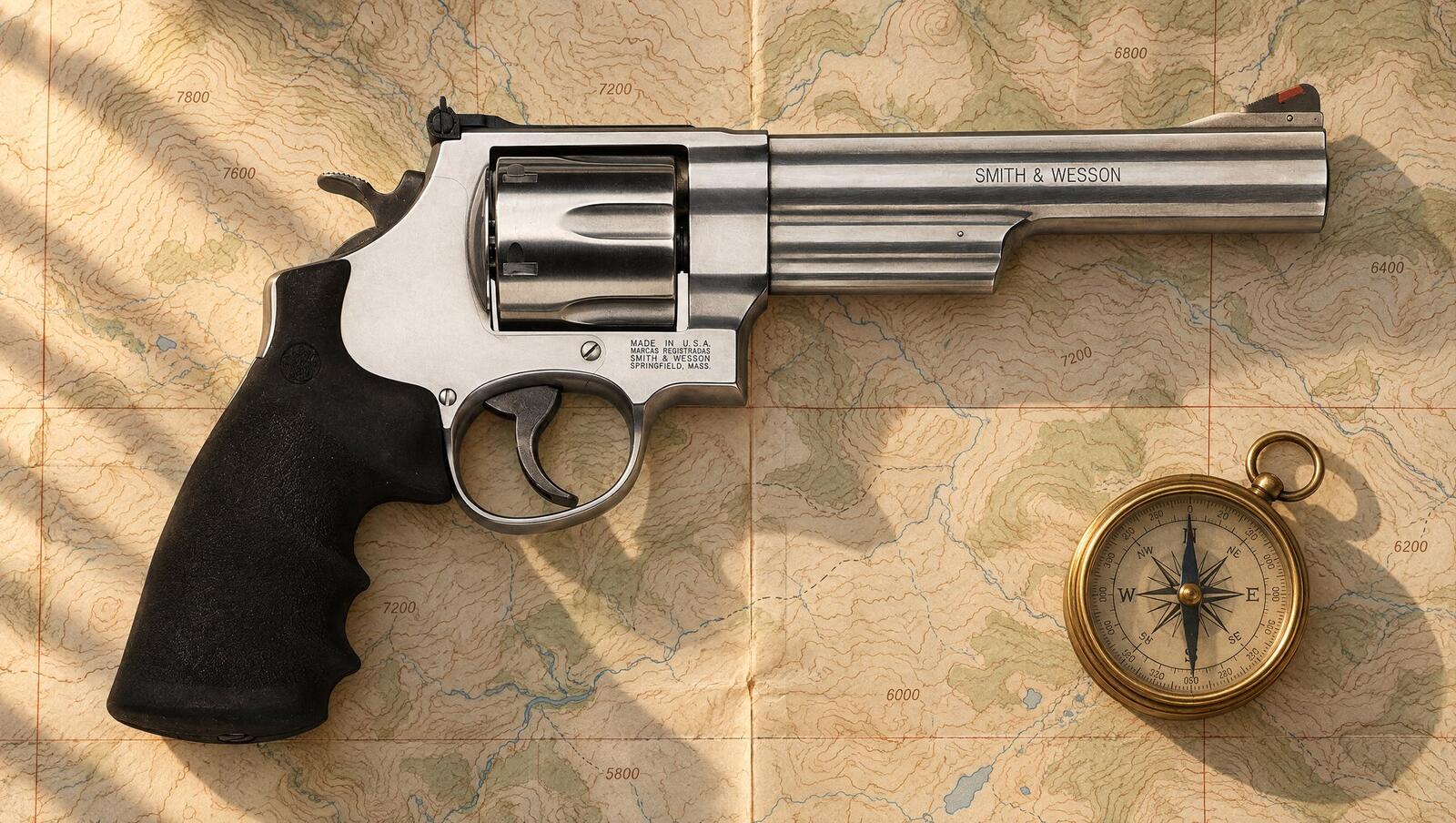
2. Smith & Wesson 629 – Best .44 Magnum Bear Revolver
- Caliber: .44 Magnum
- Capacity: 6
- Barrel: 3″ to 6.5″ options
- Frame: Stainless N-frame
- Street Price: from $924.99 on November 2, 2026
| Value | Power | Controllability | Reliability | Carry |
| 4/5 | 4/5 | 4/5 | 5/5 | 4/5 |
Pros
- Classic .44 Magnum with proven record
- Out-penetrates the 10mm with heavy loads
- Rugged, weather-resistant stainless N-frame
- Barrels from 3 to 6.5 inches
Cons
- Six rounds and slow reloads
- Stout recoil demands real practice
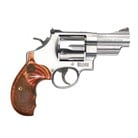
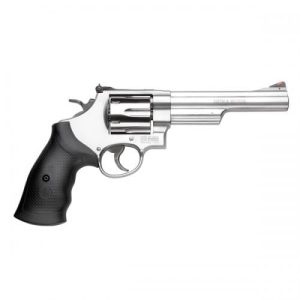
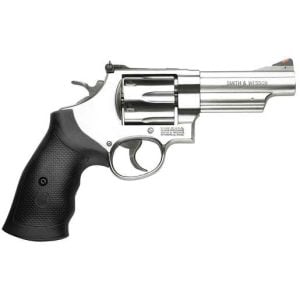
For generations, the .44 Magnum was the bear-defense handgun, and the Smith & Wesson 629 is its definitive expression. This stainless N-frame revolver delivers the proven penetration and energy that have stopped bears for decades, in a rugged, weatherproof package that simply works.
The .44 Magnum’s advantage over the 10mm is raw authority. Loaded with a heavy 300-grain hardcast bullet, it penetrates deeper and hits harder, which matters against big, tough animals. Skip +P+ loads built for Ruger frames: Buffalo Bore says its 340 grain +P+ isn’t for S&W revolvers. The 629 comes in barrels from a packable 3 inches to a 6.5-inch hunter, the stainless construction shrugs off the elements, and the revolver action runs no matter how dirty or wet it gets.
The trade-offs are six rounds, slow reloads, and recoil that demands serious practice to shoot quickly and accurately. But the .44 Magnum has the longest record here, and the 629 is the classic, dependable choice. For the traditionalist who wants a proven big-bore revolver, it’s the one.
Best For: The traditionalist who wants the proven, classic .44 Magnum bear revolver in a rugged stainless package.
3. Ruger Super Redhawk – Best Heavy-Hitter Bear Revolver
- Caliber: .44 Magnum or .454 Casull, with .480 Ruger now listed as unavailable
- Capacity: 6 in the big-bore chamberings
- Barrel: 2.5″ (Alaskan) to 9.5″
- Frame: Heavy stainless, extended frame
- Street Price: from about $1,215 on November 4, 2026, or about $1,116 for the Alaskan .454
| Value | Power | Controllability | Reliability | Durability |
| 4/5 | 5/5 | 3/5 | 5/5 | 5/5 |
Pros
- Chambered in .454 Casull and .44 Magnum
- Built to handle the heaviest loads
- Alaskan packs .454 in 2.5 inches
- Triple-lock cylinder, heavy frame tame recoil
Cons
- Big magnums recoil hard
- Heavy, and Alaskan blast is punishing
Production note: Ruger has said the Super Redhawk gets a final production run in 2026, along with the Redhawk, Blackhawk and several other lines. New ones are still in dealer stock, and our report on the Ruger production cuts has the full list. If you want a particular barrel length or caliber, buy it while it is on a shelf.
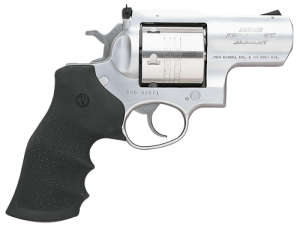
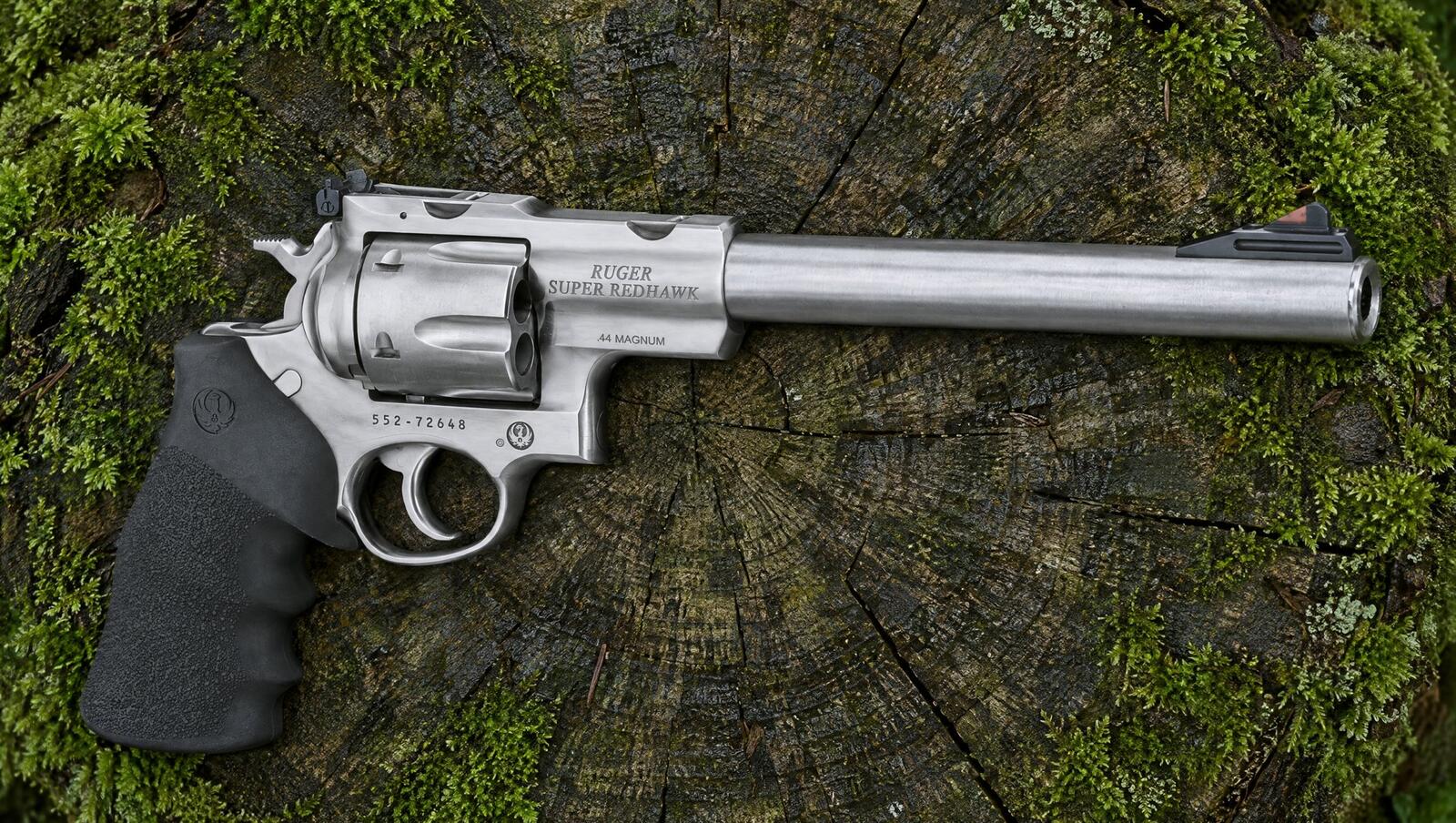
When you’re in serious grizzly or Kodiak country and want big-bore power in a gun you can pack, the Ruger Super Redhawk is the heavy hitter. Built like a tank with an extended frame and a triple-locking cylinder, it’s engineered specifically to handle the most powerful handgun loads for a lifetime.
Its biggest advantage is caliber choice. Beyond .44 Magnum, the Super Redhawk comes in .454 Casull, with .480 Ruger harder to find now that Ruger lists it as unavailable. These are cartridges that approach rifle-level penetration and energy for the largest bears on the continent. The compact Alaskan version squeezes that power into a 2.5-inch barrel for a packable, chest-holster bear gun, while longer barrels add control and reach.
The cost of all that power is recoil and weight. The big magnums kick hard and demand dedicated practice, and the Alaskan’s short barrel makes blast and recoil even more punishing. But for the hunter or guide who wants the toughest big-bore revolver they can still carry, the Super Redhawk is the tool. Just commit to practicing with it. Want the shorter-framed sibling? See our Ruger Redhawk review.
Best For: The serious bear-country hunter or guide who wants big-bore power in a rugged, lifetime-durable revolver.
4. Glock 40 MOS – Best 10mm for Accuracy
- Caliber: 10mm Auto
- Capacity: 15+1
- Barrel: 6.02″, optics-ready MOS slide
- Weight: 35.45 oz with empty magazine
- Street Price: from about $600 on November 2, 2026
| Value | Capacity | Accuracy | Velocity | Carry |
| 4/5 | 5/5 | 5/5 | 5/5 | 3/5 |
Pros
- 6-inch barrel adds 10mm velocity
- MOS slide takes a red dot
- Same 15+1 capacity as G20
- Longer sight radius aids accuracy
Cons
- Bulkier to pack than the G20
- Long slide draws slower from chest
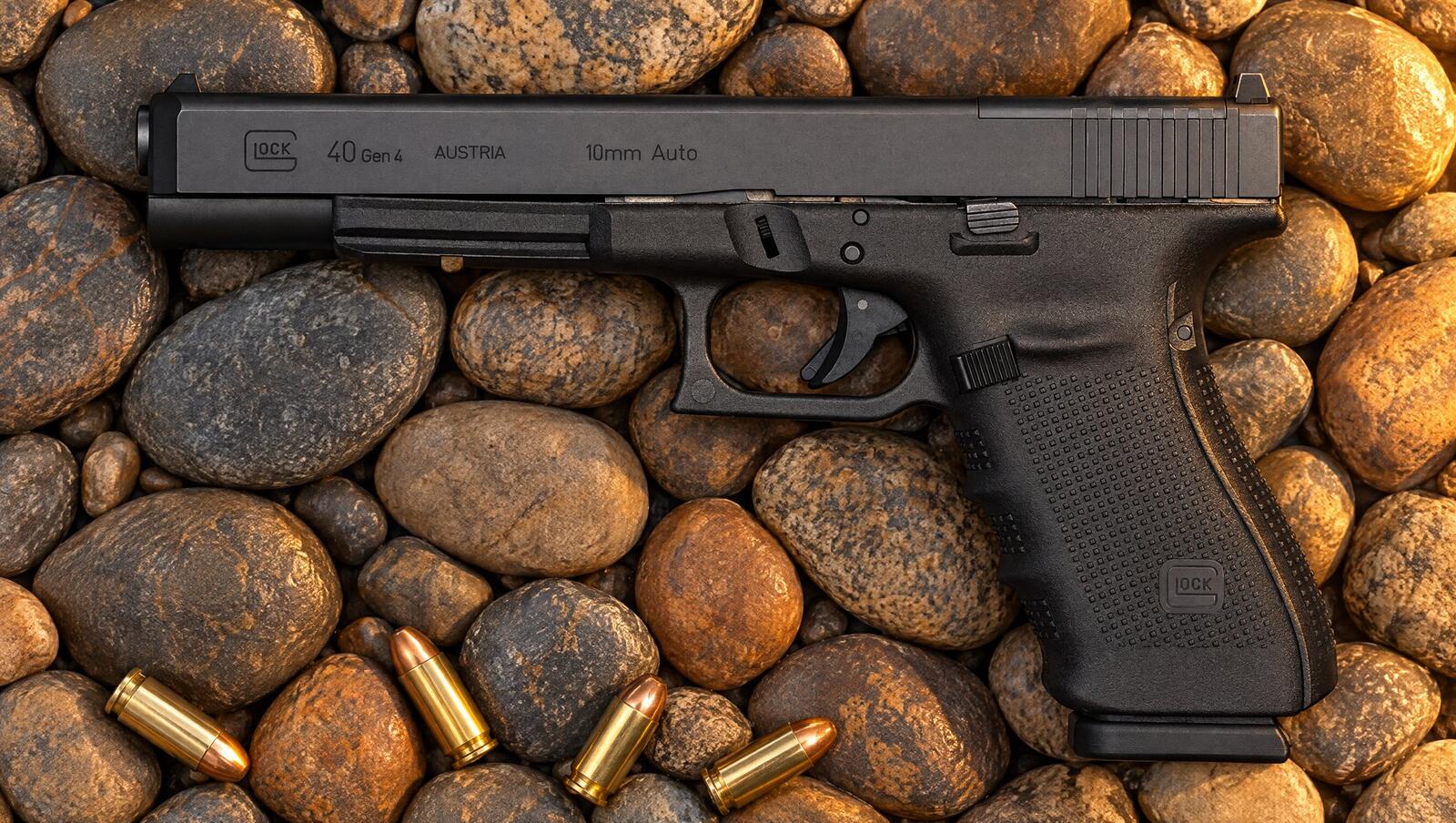
If you love the Glock 20’s balance but want to wring more out of the 10mm, the Glock 40 MOS is the long-slide answer. Its 6-inch barrel boosts velocity and energy noticeably over the standard G20, turning the 10mm into an even more capable bear and hunting cartridge.
The longer barrel does two things: it pushes hard-cast bullets faster for deeper penetration, and its longer sight radius plus the optics-ready MOS slide make precise hits easier when your hands are shaking and a bear is coming. You keep the same 15+1 capacity and bombproof Glock reliability, with more performance per shot.
The trade is size. The long slide is harder to pack and slower from a chest holster than the shorter G20, so it suits hunters and those who carry openly more than backpackers counting ounces. But for the shooter who wants the most accurate, hardest-hitting 10mm, the G40 is the pick.
Best For: The hunter who wants the most velocity, energy, and accuracy out of a 10mm bear gun.
Also Consider: The .500 and .460 Magnums
For those who can truly handle them, the biggest Smith & Wesson X-frame revolvers deserve a mention. The .500 S&W Magnum is the most powerful production revolver cartridge you can buy, generating rifle-class energy and penetration that will stop anything that walks. The .460 S&W Magnum offers extraordinary velocity and penetration in the same heavy X-frame platform.
The catch: full-power .500 loads generate well over 50 foot-pounds of recoil, far more than most shooters can control accurately, and a hard-kicking gun you can’t hit with is worse than a milder one you can. These are tools for experienced big-bore shooters who will dedicate real practice to them. For most people, the controllable 10mm or .44 Magnum is the wiser, more practical choice.
More Bear Defense Handguns Worth a Look
These are the guns other bear-gun lists pick that aren’t in my four, each worth a look for a specific reason.
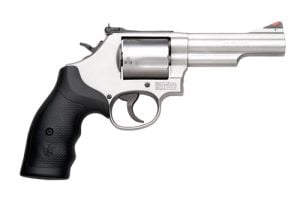
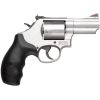
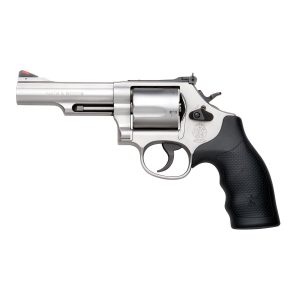
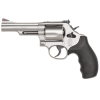
Smith & Wesson Model 69. A five-shot L-frame .44 Magnum in 2.75 or 4.25-inch barrels that is much lighter to carry than the 629, from about $820. Keep to loads S&W frames are cleared for.
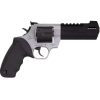
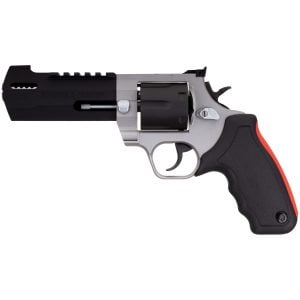
Taurus Raging Hunter .44 Magnum. A ported, optic-ready six-shot .44 that soaks up recoil, the cheapest big-bore here at about $793. It isn’t on Buffalo Bore’s +P+ list, so stay with standard heavy loads.
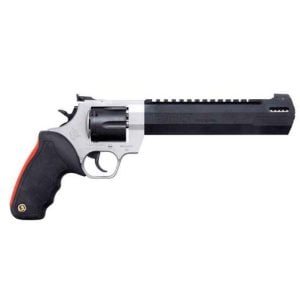
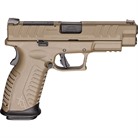
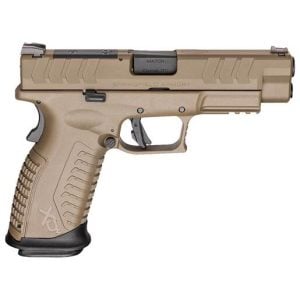
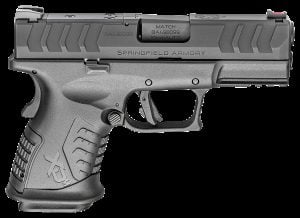
Springfield XD-M Elite 10mm. A lower-priced route to an optic-ready 10mm than the G20 V MOS, with a 16-round magazine, or 15 where capacity is limited, from about $580.
Ruger Super Redhawk Alaskan .454 Casull. The short, brutal big-bore for coastal brown bear country, from about $1,116. It also fires .45 Colt for practice.
Smith & Wesson Model 500. The most powerful revolver here, but heavy and hard to shoot fast, and the 8.38-inch gun is a hunter’s handgun, not a chest-rig gun. From about $1,449.
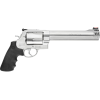
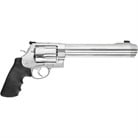
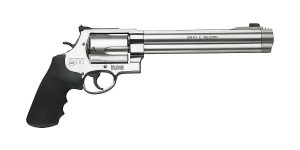
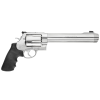
Smith & Wesson 460V. The .460 S&W Magnum in a 5-inch X-frame, from about $1,470, for the same experienced shooters as the Model 500.
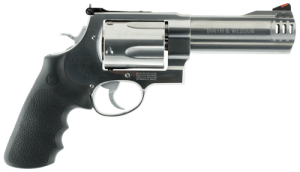
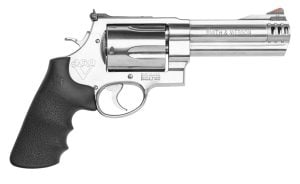
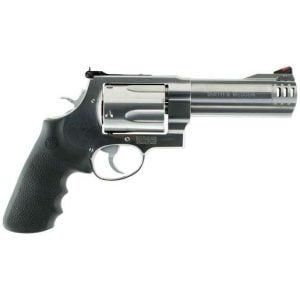
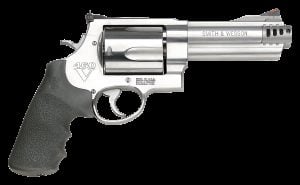
Ruger GP100 .357 Magnum. Our answer if you only meet black bears and want a lighter revolver. Ruger has stopped production, so buy from dealer stock. See our Ruger GP100 review and best .357 Magnum revolvers.
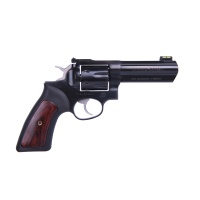
Ruger Super Blackhawk .44 Magnum. A single-action .44 for hunters, on a final 2026 production run.
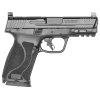
Smith & Wesson M&P 2.0 10mm. A 15+1 alternative to the Glock 20 in 4 or 4.6-inch barrels, from about $630. For more 10mm choices, see our best 10mm pistols.
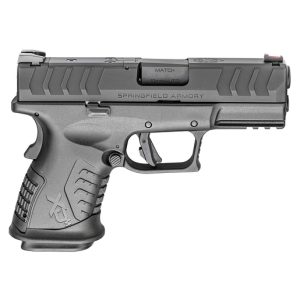
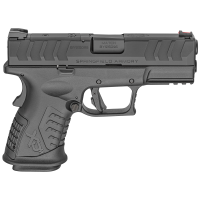
Springfield XD-M Elite 3.8 Compact 10mm. The packable XD-M with an 11-round magazine.
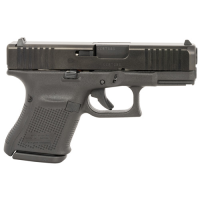
Glock 29. The compact 10mm for packability, with a 3.77-inch barrel and 10 rounds, from about $530.
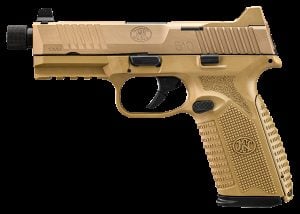
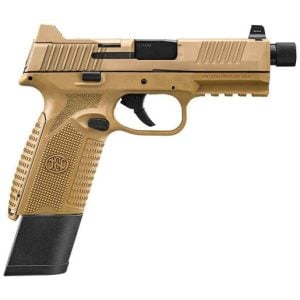
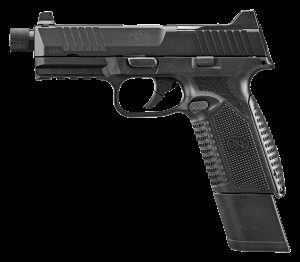
FN 510 Tactical. The most capacity here at 22+1, with a threaded 4.71-inch barrel, from about $999.
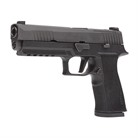
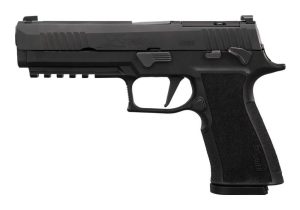
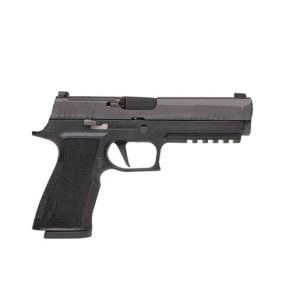
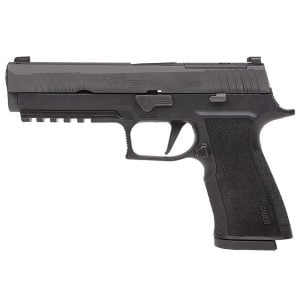
Sig Sauer P320 XTen. A 5-inch 15+1 10mm, from about $800.
Black Bear vs Grizzly: How Much Gun You Need
The bear you might meet sets how much margin you want from your bear defense handgun. Black bears are smaller and attacks are rare, and a 10mm or .357 Magnum with hard-cast bullets is enough. Grizzlies and brown bears are bigger, and they made up most of the handgun-defense incidents in the facts and figures further down. For them, carry at least a 10mm with heavy hard-cast loads, and a .44 Magnum or bigger if you can shoot it well.
| Where you hike | Our floor | Better |
|---|---|---|
| Black bear only (most of the East) | 10mm or .357 Magnum, hard cast | 10mm Glock 20 |
| Grizzly country (Rockies, Northern Plains) | 10mm, heavy hard cast | .44 Magnum revolver |
| Coastal brown bear (Alaska) | .44 Magnum | .454 Casull or bigger |
These are our margins, not rules from the data. In the Alaska study, gun type didn’t predict who stopped the bear, so a 10mm you shoot well beats a .454 you don’t.
10mm vs Big-Bore Revolver for Bear Defense
This is the central debate, and there’s no single right answer. The 10mm semi-auto, led by the Glock 20, wins on capacity and controllability. You get 15+1 rounds, fast follow-up shots, manageable recoil that lets you actually practice, and a light gun you’ll carry every day. With a quality hardcast load, the 10mm penetrates deep enough for the vast majority of bear encounters, which is why it has become the most popular backcountry pistol.
The big-bore revolver wins on raw authority. A .44 Magnum, and especially a .454 Casull or .500 S&W, drives heavier bullets deeper and hits harder, which matters most against the largest coastal grizzlies and Kodiaks. The cost is capacity, slow reloads, and recoil so stout that many shooters can’t run the gun fast and accurately when it counts. A revolver also runs no matter how dirty or wet it gets, with no slide to short-stroke.
The deciding factor is you. The best bear gun is the most powerful one you can shoot quickly and accurately under stress, with the right ammo, after real practice. For most people in most bear country, that’s a 10mm. For those who can truly run a big magnum and travel where the biggest bears live, a .44 or .454 revolver is the harder hitter. Be honest about your skill, and pick accordingly.
Bear Defense Cartridge Comparison
Here’s how the cartridges behind the best bear defense handguns compare so you can weigh power against shootability.
| Cartridge | Energy (hardcast) | Recoil | Capacity |
|---|---|---|---|
| 10mm Auto | 703 ft-lbs | Moderate | 15+1 |
| .44 Magnum | 1,533 ft-lbs | Stout | 6 |
| .454 Casull | 1,623 ft-lbs | Heavy | 5-6 |
| .500 S&W Magnum | 2,579 ft-lbs | Brutal | 5 |
The energy figures are Buffalo Bore’s published numbers for its heavy hard-cast loads: a 220 grain 10mm at 1,200 fps, a 340 grain .44 Magnum +P+ at 1,425 fps, a 360 grain .454 Casull at 1,425 fps and a 440 grain .500 S&W at 1,625 fps. Your barrel length will change them, and Buffalo Bore clocked that 10mm load at 1,140 fps from a Glock 20, which works out to about 635 ft-lbs.
Check your revolver before you buy that .44 load. Buffalo Bore and Underwood approve their 340 grain +P+ .44 loads only for certain guns, including the Ruger Super Redhawk and Redhawk. Neither list includes an S&W revolver, and Buffalo Bore’s answer on S&W is no, so they’re not for the 629 or the Model 69. Read the 1,533 ft-lbs as a Ruger number, and confirm any load against the maker’s list for your gun.
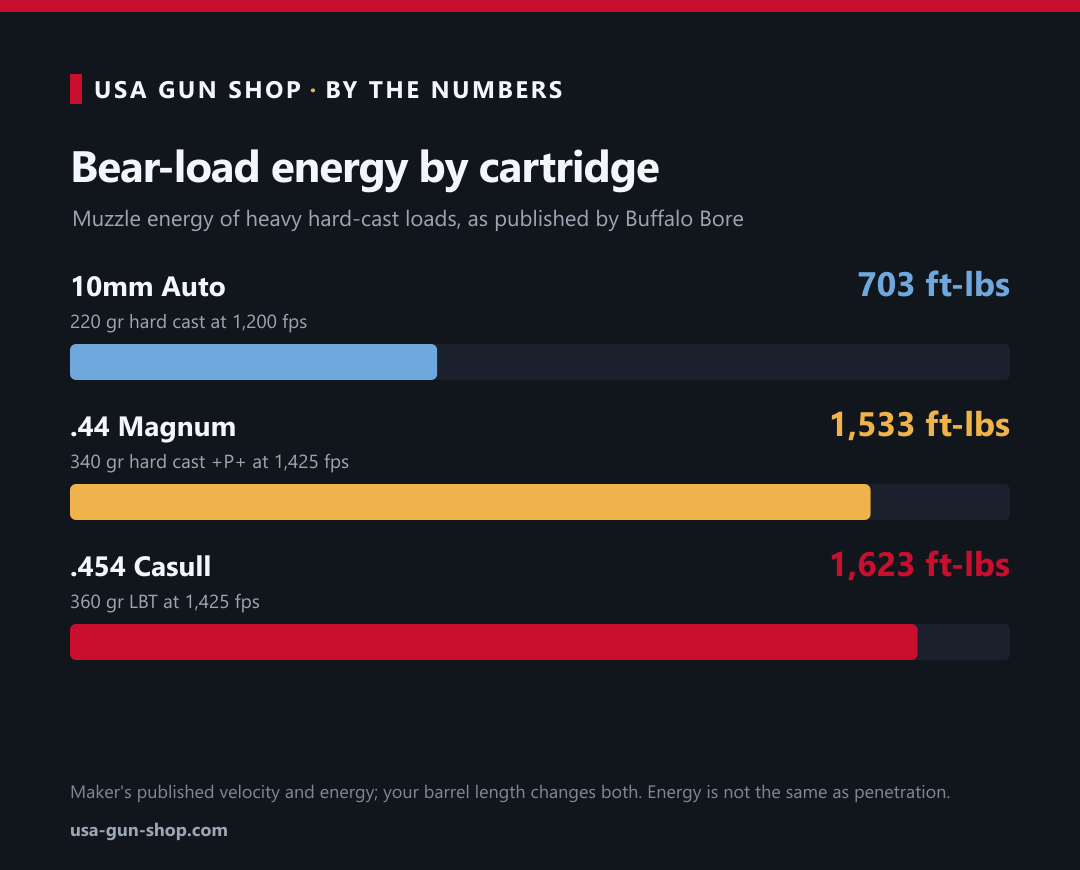
The table tells the story: the big jump is from 10mm to .44 Magnum, which more than doubles the energy, while recoil climbs and capacity falls. With these two loads, .454 Casull adds only about 6% over a +P+ .44, so in a Super Redhawk the .44 is a real option. The 10mm trades raw power for control and capacity. With the right hardcast ammunition even the 10mm penetrates deep, which is why placement and bullet construction matter as much as the number on the box.
Bear Defense Facts and Figures
Most bear-gun arguments run on stories. These numbers come from the published research and the ammunition makers, checked on November 2, 2026.
- 269: the number of bear-human conflicts involving firearms in Alaska, from 1883 to 2009, that Smith and colleagues reviewed in 2012. They involved 444 people.
- 84%: how often handguns stopped the bear in those incidents. Long guns managed 76%, and the researchers found no significant difference between the two.
- 92%: how often bear spray halted aggressive bear encounters in the same lead researcher’s 2008 bear spray study. It is a separate dataset, so treat it as a guide, not a head-to-head result.
- 61%: the share of those Alaska firearm incidents in which the bear was killed, 162 bears in all.
- 81%: the share of the incidents that involved brown bears, against 11% for black bears.
- Gun type did not predict the outcome: the study found that firearm variables, such as the type of gun and the number of shots, were not useful in predicting whether a shooter stopped the bear. Its conclusion is that only people proficient with a firearm should rely on one in bear country.
- 703 vs 1,623 ft-lbs: Buffalo Bore’s published energy for its 220 grain 10mm hard-cast load against its 360 grain .454 Casull load.
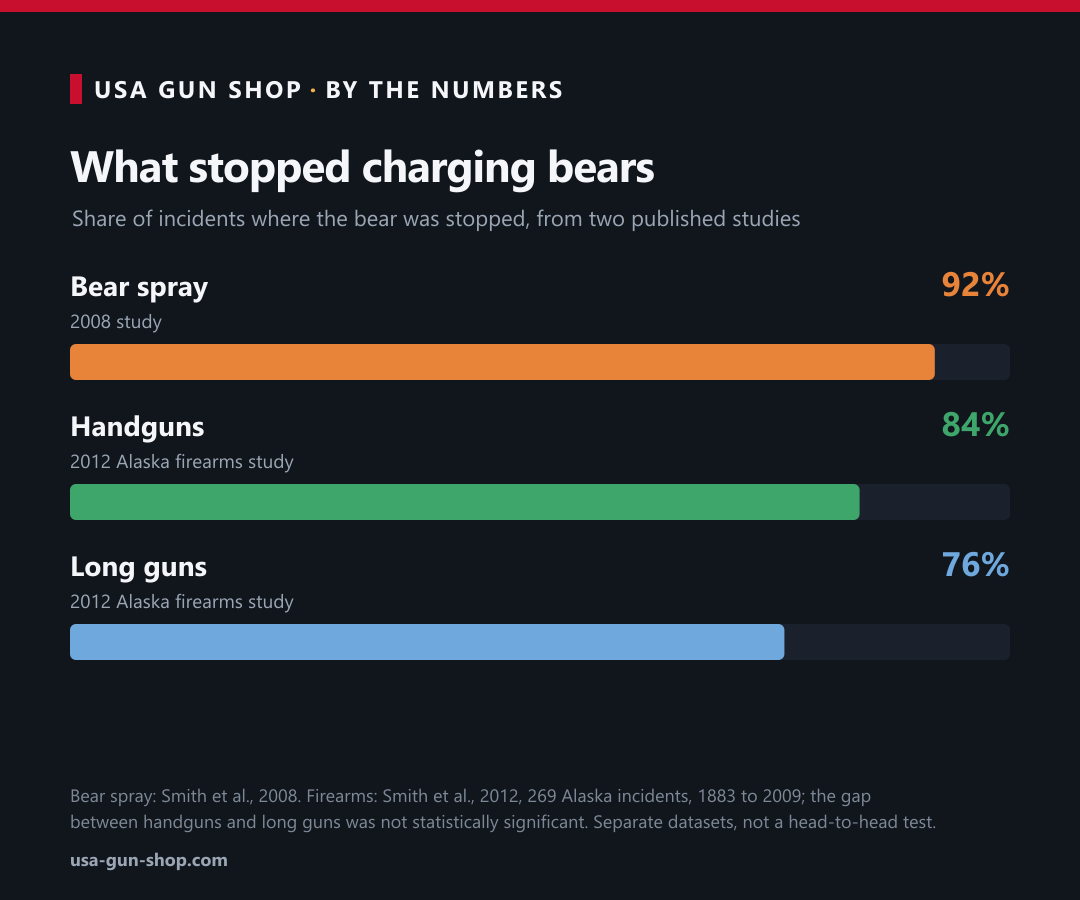
Read that chart carefully. A handgun in trained hands stops bears most of the time, and the type of gun mattered less than the person holding it. Carry spray, carry the gun you can actually shoot, and practice with both.
What Real Bear Attacks Show
The Alaska study is one data set. Lucky Gunner’s review of 162 handgun bear defense incidents collected by AmmoLand is another. Only four failed, and in each the shooter missed or wasn’t sure of a hit. Where the caliber was known, about 35% involved a .44 Magnum, .357 Magnum was next with 13 cases, and 10mm had just seven, so the 10mm’s record is thinner than its popularity suggests. In 25 .44 Magnum cases with a known hit count, 13 bears stopped after a single shot. A reload was needed in only three cases, and warning shots worked in 21 of 29 tries.
Will a 9mm, .40 or .45 Work on a Bear?
They can, and the same incident reviews include small calibers that worked. For a day hike in black bear country, a 9mm you already carry and shoot well, plus bear spray, is a reasonable plan. We’d still step up to a 10mm or .357 Magnum with hard-cast loads if you’re buying a gun for the job, and to a heavy 10mm or .44 Magnum in grizzly country.
What to Carry by Activity
| Activity | Our pick | Why |
|---|---|---|
| Day hike, black bear country | Glock 29 or Glock 20 | Light, and you’ll actually carry it |
| Backpacking, grizzly country | Glock 20 or S&W Model 69 | Weight counts, spray goes too |
| Fishing, Alaska | Super Redhawk Alaskan | Short, stainless, big-bore |
| Hunting with a carcass | S&W 629 or Super Redhawk | More margin for a close charge |
| Camp and truck | Glock 40 MOS | Size matters less, the optic helps |
How to Choose a Bear Defense Handgun
Be Honest About Recoil
The single most important factor is whether you can shoot the gun fast and accurately under stress. A 10mm you can run well beats a .500 you flinch with every time. Handle and ideally shoot a few options before you buy, and choose the most powerful one you can genuinely control, not the biggest number.
Run the Right Ammo
Ammunition matters as much as caliber for bears. You want heavy, hard-cast, flat-nosed bullets built to penetrate deep through hide, muscle, and bone, not expanding defensive hollow points. Loads from Buffalo Bore, Underwood, and similar makers are the standard. Match the load to your gun and confirm it functions and shoots to point of aim.
Glock owners: check your barrel first. Glock says it does not recommend non-jacketed bullets in its pistols, because lead residue can build up and raise pressure. Plenty of owners run factory hard-cast loads anyway, and Buffalo Bore says its 220 grain suits all 10mm pistols in ordinary working condition, but do it knowingly: practice with jacketed ammo, and clean the bore after any cast session, or fit an aftermarket barrel. Our 10mm bear defense guide covers the barrel options.
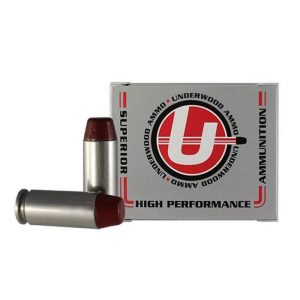

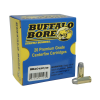

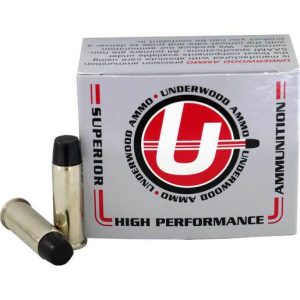
Our Underwood Ammo review puts the Underwood hard cast loads into gel.
Carry It Where You Can Reach It
A bear charge happens in seconds, so your gun has to be on your body and fast to draw, not buried in a pack. A quality chest holster keeps a big handgun accessible while hiking, hunting, or wearing a backpack. The fastest gun you can reach beats the most powerful one you can’t. Carry a reload too: speed strips for a revolver or a spare magazine, though in the real attacks below it was rarely needed.
Practice Under Stress
None of this works without practice. Drill drawing from your chest holster and making fast, accurate first shots, and shoot enough full-power ammo to know you can control it. A bear gun is only as good as the person behind it, and the time to find your limits is at the range, not on the trail.
Common Mistakes to Avoid
- Buying more gun than you can shoot. A .500 Magnum you flinch with is useless. Choose the most powerful handgun you can run fast and accurately, and practice with it.
- Using the wrong ammo. Defensive hollow points are for people, not bears. Load heavy hard-cast bullets built to penetrate deep, and confirm they function and hit point of aim.
- Carrying it in your pack. A gun you can’t reach in two seconds won’t save you. Carry it on your body in a chest holster you can draw from fast.
- Skipping bear spray. Bear spray is a proven, effective first line of defense and is easier to deploy accurately under stress. Carry it too, and treat the handgun as a backup or a deliberate primary you’ve trained with.
How I Evaluated the Bear Defense Handguns
Each pick was tested with at least 200 rounds, hard cast and jacketed practice ammo, before it made this list of the best bear defense handguns. I evaluated them against the real demands of bear defense: penetration with proper hardcast ammo, controllability for fast and accurate follow-up shots, reliability in harsh backcountry conditions, and how practically you can carry and deploy each one from a chest holster under stress.
I cross-checked every handgun’s caliber, capacity, barrel, and weight against the manufacturer’s current product page, and weighed the documented realities of bear-defense shooting, including the heavy emphasis experts place on shot placement and hard-penetrating ammunition over raw caliber. I also leaned on bear-country authorities like Massad Ayoob, who calls the Glock 20 the best-selling outdoorsman’s sidearm in Alaska, and on the published research below rather than guessing. Our testing methodology has the detail.
The Bottom Line
For most people in most bear country, the Glock 20 is the best bear defense handgun: controllable, high-capacity, reliable, and deadly with the right hardcast load. If you want a proven big-bore revolver, the S&W 629 in .44 Magnum is the classic, and the Ruger Super Redhawk in .454 Casull is the heavy hitter for the biggest bears. Want the most from a 10mm? The long-slide Glock 40. Whichever you choose, load proper hardcast ammo, carry it on your body, practice hard, and pack bear spray too. The gun is only as good as the training behind it.
FAQ: Bear Defense Handguns
What is the best handgun for bear defense?
For most people the Glock 20 in 10mm Auto is the best bear defense handgun. It balances enough power with the right hardcast ammo, a 15+1 capacity, fast follow-up shots, and recoil most shooters can actually control. For a big-bore revolver, the S&W 629 in .44 Magnum and the Ruger Super Redhawk in .454 Casull are the top choices.
Is a 10mm good for bear defense?
Yes, the 10mm Auto is an excellent and very popular bear defense cartridge, especially loaded with heavy hardcast bullets that penetrate deep. It does not have the raw energy of a .44 Magnum or .454 Casull, but its controllability, high capacity, and fast follow-up shots make it the most practical choice for the majority of shooters and bear encounters.
10mm vs .44 Magnum for bears: which is better?
The .44 Magnum hits harder and penetrates deeper with heavy loads, while the 10mm offers far higher capacity, faster follow-ups, and recoil most shooters can control better. For the largest bears in expert hands, the .44 wins on power; for most people in most bear country, the more controllable, higher-capacity 10mm is the more practical choice.
What is the best caliber for bear defense?
The best bear defense caliber is the most powerful one you can shoot quickly and accurately under stress. 10mm Auto is the popular controllable choice, .44 Magnum is the classic middle ground, and .454 Casull and .500 S&W offer maximum power for experienced big-bore shooters. With proper hardcast ammo, placement and penetration matter as much as raw caliber.
What ammo should I use for bear defense?
Use heavy, hard-cast, flat-nosed bullets designed to penetrate deep through hide, muscle, and bone, not expanding defensive hollow points. Loads from makers like Buffalo Bore and Underwood are the standard for bear defense. Confirm the load functions in your gun and shoots to point of aim before you rely on it. In a factory Glock barrel, Glock recommends against lead, so clean the bore after cast loads or fit an aftermarket barrel. Buffalo Bore's 340 grain +P+ .44 isn't for S&W revolvers.
Is a handgun or bear spray better for bears?
Bear spray is statistically a highly effective first line of defense and is easier to deploy accurately under stress, so most experts recommend carrying it. A handgun can stop a bear but requires real skill and practice to use effectively in a sudden charge. The best plan for many is to carry both: bear spray as the primary tool and a handgun as a trained backup. In the published research, bear spray halted aggressive bears in 92 percent of cases in a 2008 study, and handguns stopped the bear in 84 percent of the handgun cases, in a 2012 study of 269 Alaska firearm incidents. Those are separate datasets, not a head-to-head test.
Can a Glock 20 stop a grizzly?
A Glock 20 in 10mm with a heavy hardcast load can stop a bear, including a grizzly, and there are documented cases of it doing so. Success depends heavily on shot placement, deep-penetrating ammo, and the shooter's skill under stress. Against the very largest coastal grizzlies and Kodiaks, a .454 Casull or larger offers more margin, but the controllable, high-capacity 10mm is a proven and popular choice.
What barrel length is best for a bear gun?
A 4 to 6-inch barrel is the sweet spot for most bear handguns, balancing velocity, accuracy, and carryability. Longer barrels like the Glock 40's 6-inch boost velocity and sight radius for better hits, while compact options like the Ruger Super Redhawk Alaskan's 2.5-inch barrel maximize packability at the cost of more recoil and muzzle blast.
Is the Ruger Super Redhawk being discontinued?
Ruger has said the Super Redhawk gets a final production run in 2026, along with the Redhawk, Blackhawk and several other lines, and that some of these product families may return in new forms later. New Super Redhawks are still sold from dealer stock; check the live card for today's lowest price.
What handgun is best for black bears?
A 10mm like the Glock 20 or a .357 Magnum revolver with hard-cast bullets is enough for black bears. Save the .44 Magnum and bigger for grizzly and brown bear country.
What is the best 10mm for bear defense?
The Glock 20, for its capacity, reliability and recoil control. The Glock 40 MOS adds a longer barrel and a longer sight radius, and the Springfield XD-M Elite 10mm is the lower-priced optic-ready alternative at about $580.
Will a 9mm stop a bear?
It can, and small calibers appear in real incident reviews, but it's the wrong gun to buy for the job. For a black bear day hike, a 9mm you shoot well plus bear spray is reasonable. For grizzly country, carry a heavy 10mm or a .44 Magnum.
Will a .357 Magnum stop a bear?
Yes, with hard-cast bullets it is enough for black bears, and it was the second most common cartridge in one review of 162 handgun incidents. The Ruger GP100 is the classic choice, though Ruger has stopped production. For grizzlies we would step up.
Glock 20 or Glock 40 for bears?
The Glock 20 for most people, because it is smaller and faster from a chest holster. The Glock 40 MOS adds a 6-inch barrel for more velocity and a longer sight radius, and suits hunters more than backpackers.
Do warning shots work on bears?
Sometimes. One review of handgun incidents counted 29 warning shots, and they worked in 21 cases, about 72%. Do not count on one in a close charge.
4,111+ Gun & Ammo Deals
Updated daily from 200+ top retailers. Filter by category, caliber, action type, and price.
Related Guides