

Affiliate disclosure: This Browning 1911-380 review contains affiliate links. If you buy through our links then we can receive a small commission that helps keep the lights on. You don’t pay anything more.
- Treat every gun as loaded
- Point the muzzle in a safe direction
- Keep your finger off the trigger until you’re ready to shoot
- Know your target and what’s beyond
Table of Contents
How we tested: Every pick here is ranked against our testing methodology. Minimum round counts, accuracy and reliability protocols, the failures that disqualify a gun. Where we have not shot a specific variant ourselves, we say so in that section.
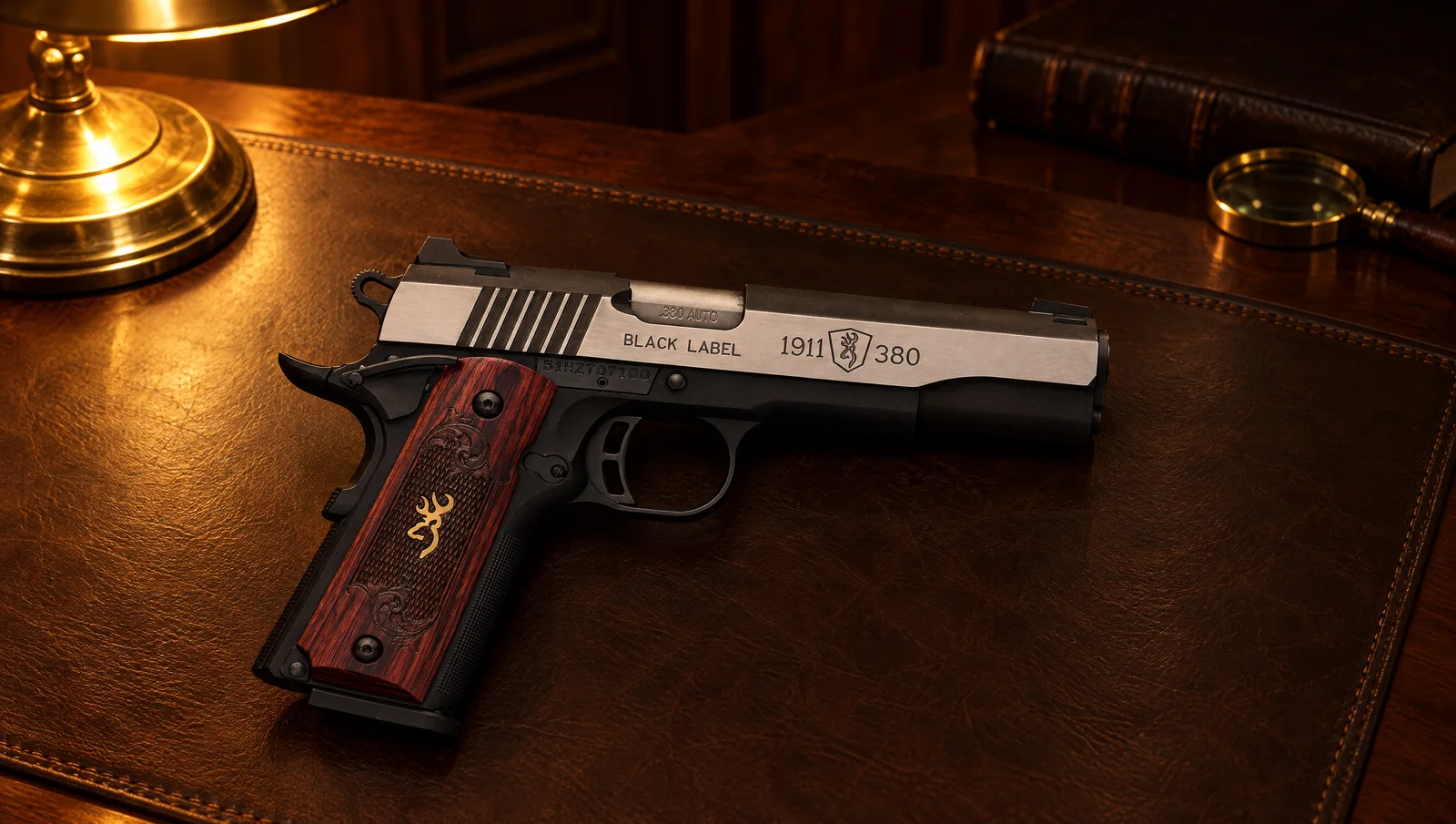
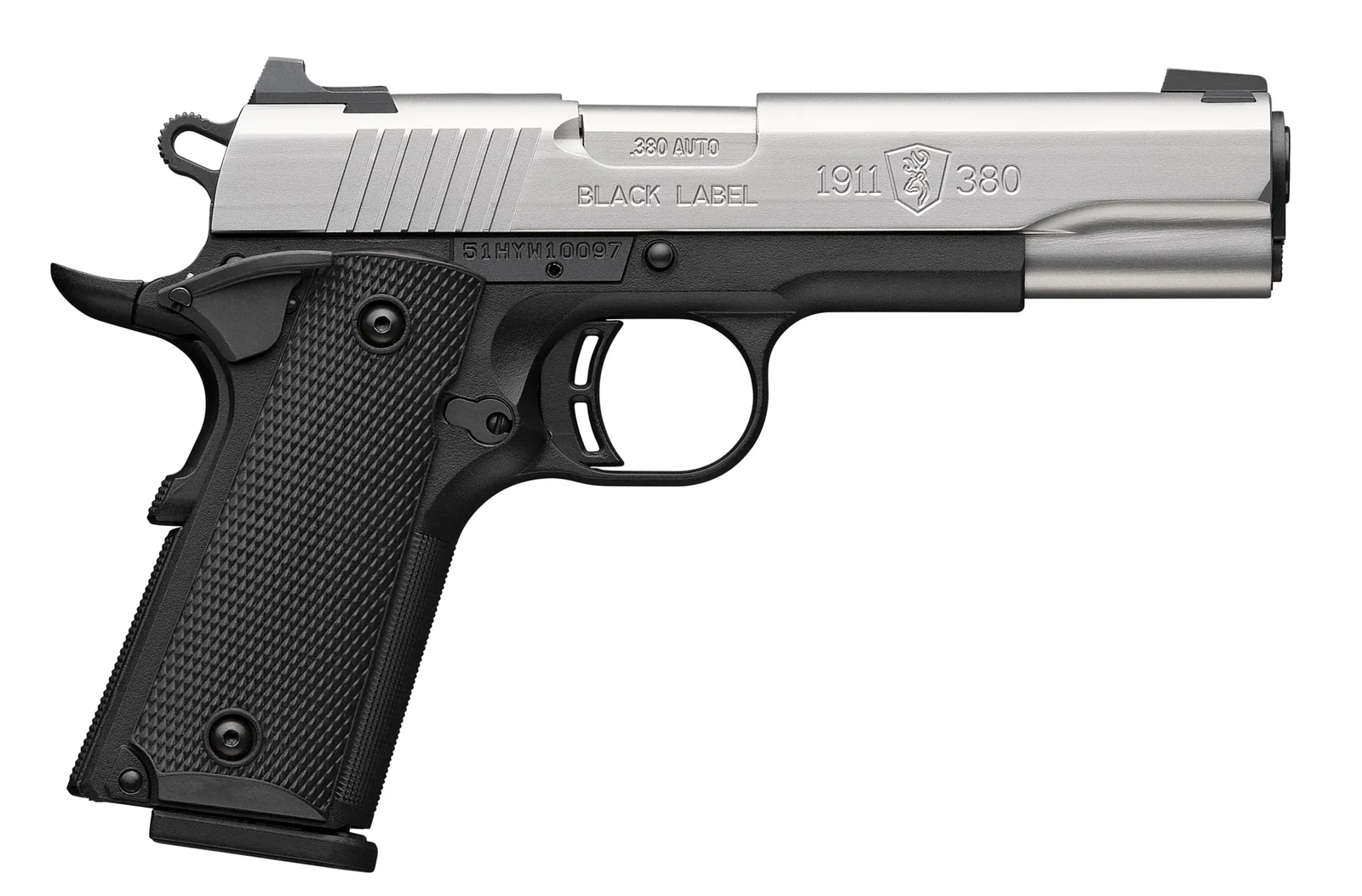
Review: Browning 1911-380 Black Label – A Locked-Breech 1911 That Weighs 18 Ounces
Our Rating: 8.0/10
- RRP: $819.99 for the Black Label Full Size (item 051904492) and Compact (051905492). The range runs to $1,309.99 for the Medallion 250 High Grade
- Street Price: $683.99 for the Black Label Full Size (Use our live pricing for the best up to date deal)
- Caliber: .380 ACP only
- Action: Tilting barrel, locked breech, single action, exposed hammer
- Scale: 85% of the original Model 1911
- Barrel Length: 4 1/4 in. (Full Size), 3 5/8 in. (Compact), target crown
- Overall Length: 7 1/2 in. (Full Size), 6 7/8 in. (Compact)
- Weight (unloaded): 18 oz (Full Size), 16 oz (Compact)
- Capacity: 8+1
- Frame Material: Composite with a machined 7075 aluminum subframe and slide rails
- Slide Material: Machined steel, blackened stainless on the Black Label
- Sights: Fixed combat sights, 5 3/8 in. sight radius (Full Size)
- Safety: Extended ambidextrous thumb safety, grip safety, magazine safety
- Grip: Checkered composite panels
Pros
- Soft recoil in an 18 ounce gun
- Real locked breech and steel slide
- Ambidextrous safety on every model
Cons
- Only eight rounds for its size
- Costs more than most .380s
- Too big for a pocket
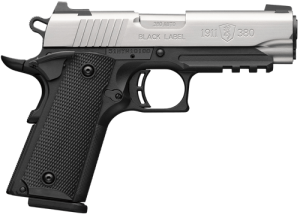
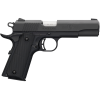
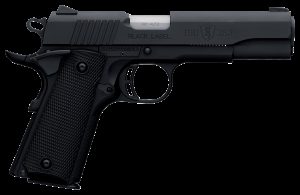
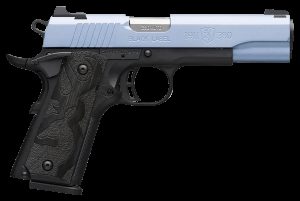
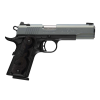
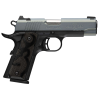
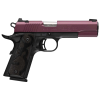
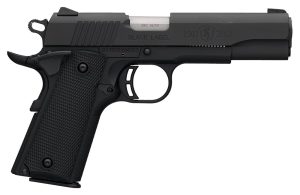
Quick Take
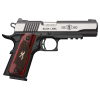
The Browning 1911-380 is what you get when you take a 1911, shrink it to 85%, and chamber it for the cartridge John Browning also designed. Browning’s family page makes that point itself: the gun combines two of his most lasting ideas, the Model 1911 and the .380 ACP. The Black Label Full Size comes out at a 4 1/4 inch barrel, 7 1/2 inches overall and 18 ounces empty.
I shot 400 rounds through a Black Label Full Size over three sessions this September. It had two stoppages, both early, both with the gun still new and tight, and none in the last 359. The recoil is the thing everyone notices first. A .380 in a steel-slide, locked-breech gun this size is soft, softer than most 9mm compacts and a lot softer than the pocket .380s it gets compared with.
What surprises people is how little it shares with its .22 twin beyond the frame. The Browning 1911-22 is a straight blowback with an aluminum slide. The 1911-380 has a tilting barrel, a locked breech and a steel slide, and it weighs 3 to 4 ounces more for it.
The short answer: if recoil keeps you from enjoying a carry gun, this is one of the softest shooting .380s you can buy, and it’s a real 1911 in every control. You pay for that in size and in capacity.
Best For: Recoil-sensitive shooters, 1911 fans who want a light carry gun, and anyone who shoots a small .380 badly because it bites. Not for pocket carry, and not for anyone who counts rounds per dollar.
Design Intent: Why a 1911 in .380
Most .380s are designed to disappear in a pocket. They’re tiny, and a tiny gun makes even a mild cartridge snappy. Browning went the other way. The 1911-380 uses the same 85% scale frame as the 1911-22, so it’s roughly the size of a compact 9mm, and it spends that size on control rather than concealment.
Browning’s owner’s manual spells out the mechanical split between the two siblings. The 1911-22 is “a recoil-operated, straight-blowback, single-action autoloading pistol.” The 1911-380 is “a recoil-operated, tilting barrel, locked-breech, single-action autoloading pistol.” That’s the full-size 1911 system, just smaller, and it’s why the .380 needs a steel slide where the .22 gets away with aluminum.
The frame is composite with a machined 7075 aluminum subframe and slide rails, so the steel slide rides on metal, not plastic. Browning’s manual gives every 1911-380 an ambidextrous thumb safety, extended on the Black Label, which the base 1911-22 A1 doesn’t have. Lefties don’t have to shop the upper trims to get one.
The 1911-380 vs the 1911-22
| Black Label Full Size | 1911-380 | 1911-22 |
| Action | Tilting barrel, locked breech | Straight blowback |
| Slide | Machined steel | Anodized aluminum |
| Barrel / overall length | 4 1/4 in. / 7 1/2 in. | 4 1/4 in. / 7 1/2 in. |
| Weight | 18 oz | 14 oz |
| Capacity | 8+1 | 10+1 |
| Browning list price | $819.99 | $739.99 |
| Dry fire warning in the manual | None for the .380 | Do not dry fire |
That last row matters if you practice at home. Browning’s manual carries a “do not dry fire” notice, and it names only the 1911-22. It says nothing against dry firing the 1911-380, so if dry practice is part of your routine, the .380 is the one of the two Browning hasn’t warned you off.
Browning 1911-380 Variants: Black Label vs Stainless vs Medallion
Browning lists 20 current 1911-380 models, all on the same composite frame, in two sizes. The price ladder, from Browning’s own product data, is where the choices get clear.
| Model | Browning list price | What you get over the base gun |
| Black Label Full Size / Compact | $819.99 | Base gun: blackened stainless slide, composite grips, combat sights |
| Stainless (4 models, rail optional) | $939.99 | Satin stainless slide, steel 3-dot sights |
| Black Label Cerakote | $949.99 | Colored Cerakote finishes |
| Black Label Medallion Pro | $979.99 | Brushed flats, rosewood grips with gold Buckmark, 3-dot sights |
| Medallion Pro with night sights | $1,119.99 | Night sights, a $140 premium |
| Medallion 250 / Maple | $1,019.99 / $1,029.99 | Commemorative or maple grips |
| Medallion Stainless Engraved | $1,139.99 | Engraved stainless slide |
| Medallion 250 High Grade | $1,309.99 | Top grade grips and finish |
A few things stand out. The Compact and the Full Size list at the same $819.99, and on the street PSA had the Compact at $700.99 against $769.99 for the Full Size when I checked, so the smaller gun can actually cost less. Night sights cost $140 at list on the Medallion Pro, and about $120 on the street. There’s no threaded barrel anywhere in the .380 line.
Browning’s spec sheets have the same kind of slips I found on the 1911-22. The Compact is 16 ounces on most sheets, but the Cerakote Compacts and the Medallion 250 Compact list the full size’s 18 ounces, and the 250 Compact lists the full size’s 5 3/8 inch sight radius. Treat those as copy errors, not a heavier gun.
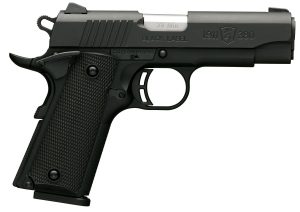
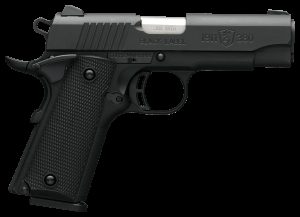
Browning 1911-380 Black Label Full Size: 4 1/4 in. barrel, 18 oz, 8+1, composite grips $683.99-$769.99
Browning 1911-380 Black Label Compact: 3 5/8 in. barrel, 6 7/8 in. overall, 16 oz, 8+1 $700.99-$759.99
Browning 1911-380 Stainless: satin stainless slide, steel 3-dot sights, rail optional $592.77-$819.99
Browning 1911-380 Black Label Medallion Pro: brushed flats, rosewood and gold Buckmark, 3-dot or night sights $829.99-$950.99
Competitor Comparison
The 1911-380 competes with two groups: the 1911-style micro .380s from SIG and Kimber, and the soft-shooting full-size .380s built for people who struggle with recoil or racking a slide.
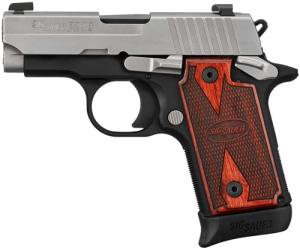
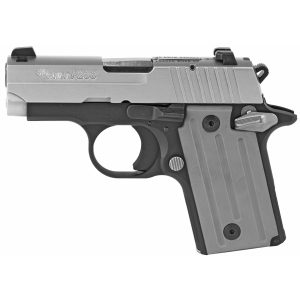
SIG Sauer P238 (from $749.99)
The P238 is the micro 1911 everyone knows. Retailers list it with a 2.7 inch barrel and a 6+1 magazine, so it’s a much smaller gun than the Browning, and it’ll ride in a pocket holster where the 1911-380 never will. The trade is recoil and sight radius. The Browning has 1.5 more inches of barrel and two more rounds, and it’s far easier to shoot well. We compared the P238 with its 9mm sibling in our SIG P238 vs P938 head to head.
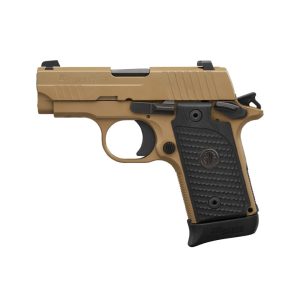
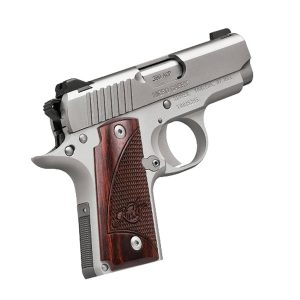
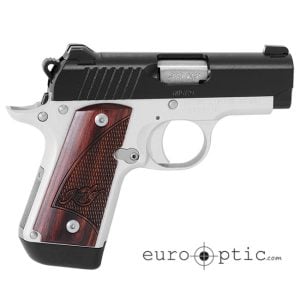
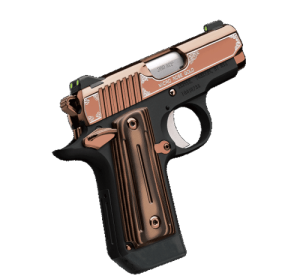
Kimber Micro 380 (from $599.99)
Kimber’s Micro 380 is the other micro 1911, listed with a 2.75 inch barrel and 7+1. At $599.99 the Stainless Rosewood model on the card is also the cheapest 1911-style .380 here with night sights. Like the P238, it wins on size and loses on shootability. If deep concealment is the goal, the Kimber or the SIG. If you want to enjoy practice, the Browning.
Ruger Security-380 (from $276.27)
Here’s the value problem for the Browning. The Ruger Security-380 is listed with a 3.42 inch barrel and comes in 10+1 and 15+1 versions, at well under half the Browning’s price. It’s a polymer-frame pistol, not a 1911, and it doesn’t have the Browning’s 1911 controls or its finish. But for a new shooter who just wants a soft, easy .380 for home and range, it’s hard to argue with.
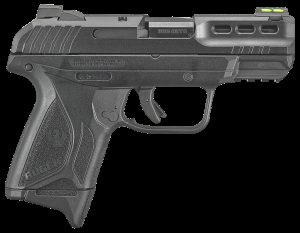
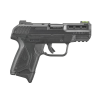
Verdict: The P238 and Kimber Micro are smaller and carry easier. The Security-380 holds nearly twice the rounds for less than half the money. The Browning is the only one that gives you a full 1911 manual of arms, a locked-breech steel slide and a 4 1/4 inch barrel at 18 ounces. For a shooter who values shootability above everything, that combination is still unique.
Testing Protocol
I tested a new Black Label Full Size, item 051904492, over three sessions in September at an outdoor range, between 68 and 82 degrees. I cleaned off the factory rust preventive before the first shot, as Browning’s manual directs, and cleaned it again at round 200.
Ammunition Log
- Federal American Eagle 95 grain FMJ: 200 rounds
- Remington UMC 95 grain FMJ: 100 rounds
- Hornady Critical Defense 90 grain FTX: 50 rounds
- Federal HST 99 grain JHP: 50 rounds
- Total: 400 rounds, 2 stoppages
Phase 1: Break-In
The first 100 rounds were Federal American Eagle. The slide was noticeably tight out of the box, and I had one failure to go fully into battery at round 23 and another at round 41. A push on the back of the slide closed it both times. By the end of that first box of 50 the slide had smoothed out, and it didn’t happen again.
Phase 2: Reliability
Rounds 101 to 400 mixed all four loads, including the two hollow points that matter for carry. There were no stoppages. Hornady Critical Defense and Federal HST both fed from the magazine and off the slide stop without a hitch, and the slide locked back on every empty magazine. Empties landed in a tidy pile about four feet to my right.
Phase 3: Accuracy
I shot five-shot groups at 15 yards from a rest. Federal HST gave the best group at 1.6 inches. Critical Defense averaged 1.8 inches, American Eagle 1.9 inches and UMC 2.2 inches. The trigger broke at an average of 4 lb 12 oz on my gauge, with a short, clean single-action pull. The combat sights are easy to pick up, and the 5 3/8 inch sight radius is long for a .380.
Tracking & Observations
At 400 rounds the barrel hood and the rails showed light, even wear marks and nothing else. The composite frame showed no wear where the slide rides, which is the point of the aluminum subframe. Carbon build-up was light, as you’d expect from .380.
What This Means for You
- Upgrade Impact: Spare magazines and a proper holster first. The gun needs nothing else.
- Reliability: Expect a short break-in, then it runs FMJ and hollow points alike.
- Ammo Preference: It shot Federal HST best, and that’s what I’d carry in it.
- Maintenance: Clean after each range day, as Browning recommends.
- Accuracy Expectation: 1.5 to 2.5 inches at 15 yards with factory sights.
Performance Testing Results
Reliability (8/10)
Two stoppages in the first 41 rounds, then 359 clean ones with FMJ and two different hollow points. That’s a gun that needed a box of ammo to settle in, not a gun with a problem. I’d still run 200 rounds of your carry load through any new pistol before trusting it, and this one is no exception.
Accuracy (8/10)
A target crown, a 4 1/4 inch barrel and a crisp single-action trigger make this one of the easier .380s to shoot tight. Groups under 2 inches at 15 yards with carry ammo are better than most micro .380s manage, and most of that is the longer sight radius.
Ergonomics & Recoil (9/10)
This is the reason to buy it. The recoil is gentle enough that follow-up shots come as fast as you can reset the trigger, and the 85% grip fills a small or medium hand without the stretch of a full-size 1911. The slide racked more easily than the compact 9mm I brought for comparison. The ambidextrous thumb safety is extended enough to sweep off easily, and the beavertail keeps the hammer off the web of your hand.
Fit, Finish, and Quality Control (9/10)
The steel slide on a metal-railed subframe feels solid, with no play at all. The blackened finish was even, and the composite grips have crisp checkering. It feels like a scaled Browning, not a budget gun, which is what the extra money buys you.
Technical Deep Dive
Locked Breech and Steel Slide
Unlike the 1911-22, the .380 locks its barrel to the slide at the moment of firing, then the barrel tilts down to unlock as the slide moves back. That’s how a full-size 1911 works, and it’s why a .380 this light can run a normal recoil spring. A blowback .380 needs a heavy slide and a stiff spring to stay closed, which is exactly what makes many small .380s hard to rack.
Safeties
Browning’s manual lists an ambidextrous thumb safety, a grip safety and a magazine safety for the 1911-380. The magazine safety means the trigger won’t drop the hammer unless a magazine is in the gun. Browning recommends storing it with the hammer in the dropped position on an empty chamber.
Takedown
Field stripping follows the 1911 routine. Press in the recoil spring plug and turn the barrel bushing 90 degrees, remove the plug, line up the disassembly notch and push out the slide stop, run the slide off, then remove the spring, guide, bushing and barrel. For cleaning, Browning calls for a .35 caliber or 9mm jag or slotted tip on the .380.
| Component | Specification | Benefit |
| Action | Tilting barrel, locked breech, single action | Softer recoil and easier racking than a blowback .380 |
| Slide | Machined steel | Durable, and the weight soaks up recoil |
| Frame | Composite, 7075 aluminum subframe and rails | Light, with metal where the slide rides |
| Barrel | 4 1/4 in., target crown (Full Size) | Better accuracy than a micro .380 |
| Safeties | Ambi thumb, grip, magazine | Full 1911 manual of arms for lefties and righties |
| Magazine | 8 rounds, single stack | Slim grip, but fewer rounds than polymer rivals |
Parts, Accessories and Upgrades
Like the .22, the 85% frame won’t take full-size 1911 holsters or magazines. Browning sells holsters and a magazine carrier cut for the 1911-22 and 1911-380 together; the prices here are Browning’s list prices.
| Upgrade Category | Recommended Component | Why It Matters | Cost Estimate |
| Holster | Browning 1911-22/1911-380 Kydex Holster | Made for the smaller frame. | $59.99 |
| Carry Holster | Browning 1911-22/1911-380 Hybrid Leather Holster | More comfortable for all-day carry. | $109.99 |
| Mag Pouch | Browning 1911-22/1911-380 Magazine Carrier | Carries a spare on your belt. | $39.99 |
| Sights | Medallion Pro with night sights | If you want night sights, buying them on the gun is simplest. | $140 over the Medallion Pro at list |
| Ammo | Federal HST 99 grain | The most accurate load in our testing. | See our .380 ammo guide |
Common Problems & Solutions
- Failure to go into battery when new: A tight new slide. Clean off the rust preventive, oil the rails and shoot a box of FMJ before judging it.
- Trigger won’t drop the hammer: The magazine safety. Insert a magazine.
- Full-size gear doesn’t fit: It’s 85% scale. Buy holsters and magazines made for the 1911-380.
- Confusing spec sheets: Some Browning Compact pages list the full size’s weight and sight radius. The Compact is 16 ounces on most of Browning’s sheets.
Who Should NOT Buy This Gun
- Pocket carriers: It’s the size of a compact 9mm. A SIG P238 or Kimber Micro 380 fits a pocket holster.
- Budget buyers: The Ruger Security-380 costs well under half as much and holds more rounds.
- Capacity-first carriers: Eight rounds is thin for a gun this size. The Ruger Security-380 comes in 15+1.
- Shooters who want the cheapest training: The Browning 1911-22 has the same frame and controls and shoots .22 LR.
Final Verdict
The Browning 1911-380 is a soft shooting, well made little 1911 that treats the .380 as a cartridge to shoot comfortably, not a cartridge to hide. It isn’t the smallest .380, the cheapest one or the one that holds the most. It is one of the most pleasant to shoot, and that matters more than any spec for someone who flinches at a pocket gun.
Buy the $819.99 Black Label unless you want the looks. Pick the Compact if the street price is lower, since you lose only 5/8 of an inch of barrel and 2 ounces. Step up to the Medallion Pro for 3-dot sights and rosewood, and to its night sight version if you’ll carry it at night. For more options, see our list of the best .380 ACP pistols and our guide to the best .380s for women.
Final Score: 8.0/10 – The softest shooting 1911 you can carry, and the best .380 for shooters who hate recoil.
Specs and prices in this review come from Browning’s 1911-380 Black Label Full Size page and related model pages, and operating details from the 1911-22 and 1911-380 owner’s manual.
FAQ: Browning 1911-380
Is the Browning 1911-380 a full size 1911?
No. Browning builds it at 85% of the size of the original Model 1911. The Black Label Full Size has a 4 1/4 inch barrel, is 7 1/2 inches long and weighs 18 ounces, about the size of a compact 9mm.
How many rounds does the Browning 1911-380 hold?
8+1. Browning's owner's manual gives the 1911-380 magazine a capacity of eight .380 ACP cartridges, on both the Full Size and the Compact.
Is the Browning 1911-380 good for concealed carry?
Yes, if you carry on the belt. At 16 ounces for the Compact and 18 for the Full Size it's light, and the recoil is soft. It's too big for a pocket; a SIG P238 or Kimber Micro 380 suits pocket carry better.
What is the difference between the Browning 1911-380 and 1911-22?
They share the 85% frame and controls, but the 1911-380 is a locked-breech pistol with a steel slide, while the 1911-22 is a straight blowback with an aluminum slide. The .380 weighs 18 ounces to the .22's 14 on the Black Label Full Size and holds 8 rounds to the .22's 10.
Does the Browning 1911-380 have a magazine safety?
Yes. The trigger won't release the hammer unless a magazine is inserted. It also has a grip safety and an ambidextrous thumb safety.
Can you dry fire a Browning 1911-380?
Browning's manual warns against dry firing the 1911-22 only. It carries no dry fire warning for the 1911-380.
5,718+ Gun & Ammo Deals
Updated daily from 200+ top retailers. Filter by category, caliber, action type, and price.
Related Guides