
Last updated October 2026 · By Nick Hall, tracks firearms-industry ownership, from Beretta’s Ruger stake to the Savage sale, for USA Gun Shop readers
Quick take: Smith & Wesson now owns Savage Arms. The deal values Savage at $160 million and closed on October 21, 2026, putting the M&P maker together with one of the biggest names in bolt-action hunting rifles.
- What changed: Smith & Wesson Brands (NASDAQ: SWBI) bought Savage from JDH Capital on October 21, 2026, paying in new S&W stock plus cash.
- Why it matters: S&W is a handgun company first, and Savage adds bolt-action rifles and shotguns, two categories S&W’s own deal deck leaves unchecked for itself.
- Affects: Savage owners, the dealers who stock both brands, and SWBI stockholders, with JDH Capital now holding 16.7% of Smith & Wesson.
- What’s next: Savage’s financial statements and pro forma figures are due in an 8-K amendment no later than 71 days after the first report’s due date.
Most firearms M&A stories are either grim (a bankrupt maker auctioned off in pieces) or quiet (a private-equity owner swapping one portfolio brand for another). This one is different. The seller took most of its money in the buyer’s stock and walked away with a board seat. We pulled the 8-K and the deal deck so you don’t have to.
Deals of the Day
Today's best discounts · Updated 3x daily
Gun Deals
See All →
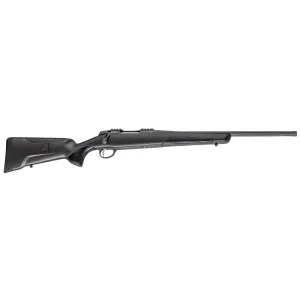
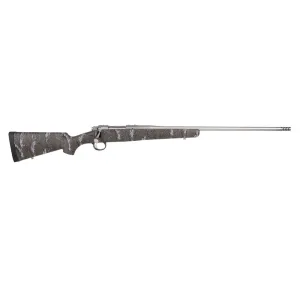
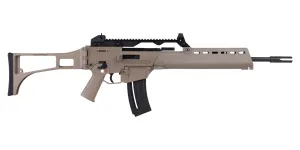
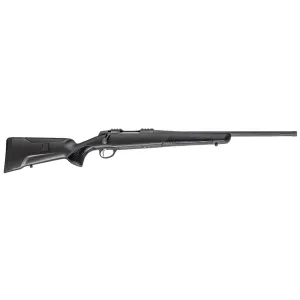
Ammo Deals
See All →



Table of Contents
What Smith & Wesson Paid for Savage Arms
Smith & Wesson’s own release says the transaction “values Savage at $160.0 million, subject to customary adjustments, and was completed on October 21, 2026.” The headline structure is roughly 9 million new SWBI shares valued at $13.62 each, plus $37.5 million in cash.
That $13.62 is not the closing price on deal day. It’s the volume-weighted average over the 45 trading days ending on the third trading day before closing, which smooths out any one-day pop or drop in the stock.
The Form 8-K filed with the SEC gives the exact numbers. S&W issued 8,993,968 shares, which was 19.99% of its stock outstanding just before the merger, and paid $42.4 million in cash. The cash ran higher than the headline $37.5 million because the payment was set against an adjusted transaction value of about $164.9 million, after estimates for Savage’s cash, debt, expenses and working capital, and there is still a post-closing true-up to be settled in cash.
S&W puts the price at about 7.9 times Savage’s adjusted EBITDA for the 12 months to September 30, 2026, counting $2.5 million of expected initial annual synergies. Over the same 12 months Savage did about $160 million in net sales. So S&W paid roughly one year of revenue.
S&W expects the deal to add about $18 million of EBITDAS on a full-year basis and to be accretive by $0.07 a share for a full year, excluding acquisition accounting. After the initial synergies land, it is aiming for about $0.10.
JDH Capital’s Seat at the Smith & Wesson Table
The seller was Savarms, L.P., a subsidiary of JDH Capital, a Houston private investment firm established in 2017. After closing, JDH owns 16.7% of Smith & Wesson, which the release says makes it the company’s largest stockholder.
S&W filled an open board seat with Michael D. Fertitta, a JDH managing director, so the board now has seven directors. He also joins the Nominations and Corporate Governance Committee.
“Smith & Wesson is a natural partner for Savage given the complementary strengths of the two companies and their shared commitment to quality, innovation and serving the firearms community,” Fertitta said in the release.
The strings are spelled out in the investor rights agreement. JDH can nominate one director until its stake drops below 10% or it gives that right up, its shares unlock in three equal pieces at 90, 240 and 360 days after closing, and while it holds 10% or more it has agreed to vote with the board’s recommendation on director elections and certain other matters.
That isn’t a private-equity flip and it isn’t a clean cash exit. It’s a third thing, closer to a seller rolling its chips into the buyer’s pot than walking away from the table.
Why Savage Arms Fills Smith & Wesson’s Biggest Gap
Smith & Wesson is a handgun company first. “Savage’s strength in hunting and bolt-action rifles is highly complementary to Smith & Wesson’s leadership position in handguns,” the release says, and CEO Mark Smith called it “a transformative step for Smith & Wesson.”
The deck S&W filed with the 8-K makes the same point with checkmarks. S&W ticks pistols, revolvers, modern sporting rifles, lever-actions and suppressors. Savage ticks lever-actions, bolt-action rifles and shotguns. The only box both companies tick is lever-actions, and the deck calls the two catalogs “99%+ Non-overlapping.”
That gap is the whole reason for the deal. Savage’s Model 110 family, the budget Axis II deer rifle and the Impulse straight-pull all sit in the bolt-action column, where the deck gives S&W no checkmark at all.
By S&W’s own trailing numbers, Savage shipped about 500,000 firearms with a workforce of 508. Put the two together and the deck counts $711 million in combined revenue, 1.6 million firearms shipped and five manufacturing facilities, with Savage headquartered in Westfield, Massachusetts and building guns in Lakefield, Ontario.
S&W also claims the combined company is the No. 1 U.S. firearms producer by unit share, and No. 2 in rifles behind someone it doesn’t name. I’d treat those rankings as the buyer’s pitch deck, because that is exactly where they come from.
What the Smith & Wesson Savage Deal Means for Owners
Here’s the part most Savage owners care about, and the honest answer is short. The release and the 8-K say nothing about warranties, customer service, model changes or the Savage name, and neither one announces a single discontinued gun.
Savage’s own website was still listing the Model 110, Axis, Impulse and Revel the day after closing, with the Revel Tactical at an MSRP of $629 to $659. Nothing announced on October 21 changes the rifle already in your safe.
If you’re shopping a Savage bolt gun this fall, buy the one that fits you, because nothing in the paperwork gives you a reason to wait. If you’re holding out for a Smith & Wesson badged hunting rifle, you’re waiting on a product nobody has announced.
But the risk list is worth a read. S&W’s own forward-looking statements flag “the ability to successfully integrate Savage’s business with Smith & Wesson” and the risk that it “will be unable to retain or hire key personnel.” Those are the two things that decide whether a 132-year-old gunmaker still feels like Savage in five years.
Consolidation Week for American Gunmakers
Savage closed one day after a very different deal wrapped up. On October 20, Beretta Holding announced the final results of its tender offer for Ruger shares at $44.80 apiece. The offer was oversubscribed, proration landed at about 39.4%, and Beretta will own approximately 25.0% of Ruger.
Put the two side by side. Beretta took a minority stake in Ruger under a May 2026 cooperation agreement, through a tender capped at 2,400,184 shares, while Smith & Wesson bought Savage outright and paid the seller mostly in its own stock, which means two big gunmakers picked opposite ways to get bigger in the same week.
One ticker. The M&P and the Model 110 now trade under it. Savage owners do not have to do a thing. Smith & Wesson has to make it pay.
Frequently Asked Questions
Who owns Savage Arms now?
Smith & Wesson Brands, Inc. (NASDAQ: SWBI) owns Savage Arms. It bought the business from an affiliate of JDH Capital, and the deal was completed on October 21, 2026.
How much did Smith & Wesson pay for Savage Arms?
Smith & Wesson says the deal values Savage at $160.0 million, subject to customary adjustments, paid as about 9 million SWBI shares valued at $13.62 each plus cash. The 8-K shows 8,993,968 shares and $42.4 million in cash at closing, set against an adjusted transaction value of about $164.9 million.
Will my Savage warranty change after the Smith & Wesson deal?
Neither the Smith & Wesson release nor its 8-K mentions warranties or customer service, and neither announces any change to them. For a warranty or repair question, contact Savage directly.
Is Savage discontinuing any rifles because of the sale?
No discontinued models were announced with the deal. Savage's website still listed the Model 110, Axis, Impulse and Revel the day after closing.
Where are Savage rifles made?
According to the deal presentation Smith & Wesson filed with the SEC, Savage is headquartered in Westfield, Massachusetts and manufactures in Lakefield, Ontario.
Who is JDH Capital?
JDH Capital is a private investment firm based in Houston, Texas, established in 2017. It sold Savage to Smith & Wesson, now owns 16.7% of Smith & Wesson's stock, and JDH managing director Michael D. Fertitta joined the Smith & Wesson board.
Is the Savage deal connected to Beretta and Ruger?
No. They are separate transactions. Beretta Holding took a minority stake of about 25% of Ruger through a tender offer whose final results came out on October 20, 2026, while Smith & Wesson bought all of Savage.
What kinds of guns does Savage make?
Savage describes itself as one of the world's largest makers of hunting, competition and target shooting centerfire and rimfire rifles and shotguns. Its best-known lines include the Model 110 and Axis bolt-action rifles.
Related Reading
- FTC Beretta-Ruger Order: Only Independent Directors
- Savage Impulse Big Game Review: 300 Rounds Through a Straight-Pull
- Savage Revel Tactical: MDT-Stocked .22 Lever From $629
- Savage A22 Review: 900 Rounds of .22 Tested
- 11 Best Smith & Wesson Pistols, Every Model Ranked
- Best Hunting Rifles
4,015+ Gun & Ammo Deals
Updated daily from 200+ top retailers. Filter by category, caliber, action type, and price.
Related Guides