

Last updated September 2026 · By Nick Hall
Affiliate disclaimer: We earn a small part of the sale price when you buy through our links. You won’t pay anything extra and your purchase helps support the site.
Quick Answer: The Stevens 555 is the best 28 gauge shotgun for most buyers, a real walnut over/under for about $707. The CVA Scout Spur gets you into the gauge for under $500, and the Beretta 686 Silver Pigeon I is the one worth keeping for thirty years.
Every price below is the cheapest listing from a trusted retailer on the day of writing, pulled live by the cards on this page. Most 28 gauge stock sits with specialist dealers rather than the big retailers, so it pays to check more than one source before you buy.
Table of Contents
How we tested: Every pick here is ranked against our testing methodology. Minimum round counts, accuracy and reliability protocols, the failures that disqualify a gun. Where we have not shot a specific variant ourselves, we say so in that section.
Why 28 Gauge Is Worth Your Attention
The 28 gauge has spent most of its life as a rich man’s gauge, and that reputation is now about fifteen years out of date. Turkish manufacturing put real walnut side-by-sides and over/unders into the seven hundred dollar band, and once that happened the gauge stopped being a curiosity.
What you get is a shell that patterns beautifully out of proportion to its size. Three quarters of an ounce of shot from a 28 breaks clays and kills birds further than the numbers suggest, and it does it with recoil a child can shoot all day.
What you give up is ammunition cost and choice. A box of 28 gauge target loads runs noticeably more than 12 gauge, and your local store will carry three options rather than thirty. Order shells by the case and that problem mostly goes away.

1. CVA Scout Spur: Best Budget 28 Gauge
Pros
- Cheapest way into 28 gauge
- Threaded for turkey chokes
- Light enough for young shooters
Cons
- One shot only
- Plain synthetic furniture
- Recoil pad is basic
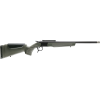
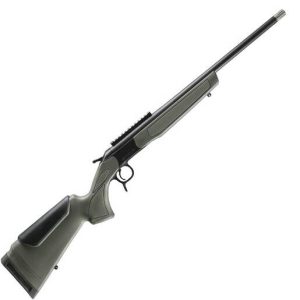
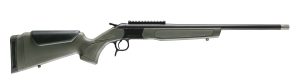
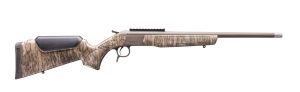
The Scout Spur is the cheapest honest way into 28 gauge, and I mean honest. It’s a single shot break action with a rail on top and a threaded muzzle, which is a strange combination until you realize it was built for turkey hunters who wanted a light gun and one good shot.
What surprises people is the weight. At a shade over five pounds it’s a gun a twelve year old can carry all morning without complaint, and 28 gauge recoil in a turkey load is far kinder than the same load from a 20 gauge.
You give up a follow up shot and you get plain furniture. Neither of those matters much if this is a second gun for the youngest person in camp.
Best For: A first shotgun, a youth turkey gun, or a truck gun you will not cry over.

2. Stevens 555: Best Value Over/Under
Pros
- Real walnut at this price
- Extractors are positive
- Balances well for its weight
Cons
- Trigger is heavy out of box
- Finish is thin on wood
- No ejectors on base model
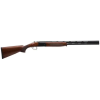
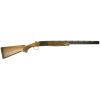
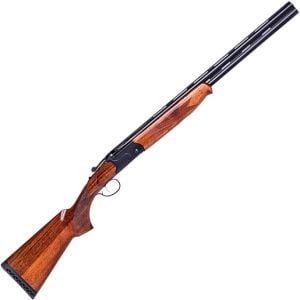
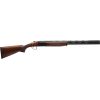
The Stevens 555 is where most people should start if they want an over/under and not a loan. Turkish walnut, an alloy receiver that keeps the weight down, and a price that leaves money for shells.
I have shot the 12 gauge version enough to know the trigger comes heavy from the factory and settles after a few hundred rounds. The 28 is the same gun scaled down, and in this gauge the light receiver actually helps because the gun stays lively between birds.
Wood finish is the giveaway at this price. It’s thin, and it marks. That is what you are trading for the walnut being real.
Best For: The shooter who wants a real over/under and has about seven hundred dollars.

3. CZ Bobwhite G2: Best Side-by-Side
Pros
- Straight English stock
- Double triggers included
- Case colored receiver
Cons
- Recoil pad is hard
- Bead sight only
- Chokes are fixed length
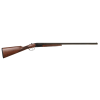
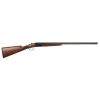

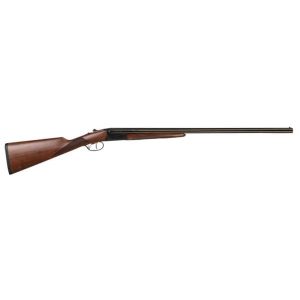
The Bobwhite G2 is a side-by-side with a straight English stock and two triggers, and that combination costs three times as much almost everywhere else. CZ builds these in Turkey and the value is not subtle.
Two triggers sound old fashioned until you shoot driven or flushed birds and pick your choke instantly rather than working a selector. For quail and woodcock in thick cover, that is the whole argument for a side-by-side.
The recoil pad is hard and the sight is a bead. On a 28 gauge neither one bothers me much.
Best For: Close cover birds, and anyone who has always wanted two triggers.

4. Mossberg Silver Reserve: Best Entry Over/Under
Pros
- Silver receiver looks dear
- Ejectors on most models
- Five chokes in box
Cons
- Heavier than the Stevens
- Wood grade varies a lot
- Safety is stiff when new
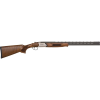
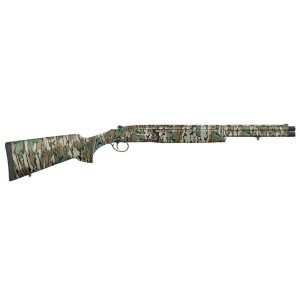
Mossberg’s Silver Reserve is the gun people buy when they want the silver receiver look without Beretta money. It comes with five chokes, most versions have ejectors, and it photographs better than it has any right to at this price.
It is a little heavier than the Stevens, which some shooters prefer on clays and fewer prefer on the third mile of a grouse walk. Wood grade varies noticeably between individual guns, so this is one worth buying in person if you can.
The safety is stiff for the first season. It loosens.
Best For: Clays shooters and anyone who wants the silver receiver look on a budget.

5. CZ Sharp-Tail: Best Upland Side-by-Side
Pros
- Best wood in its class
- Handles like a proper upland gun
- Color case hardened receiver
Cons
- Costs more than the Bobwhite
- Single trigger on some models
- Recoil pad is thin
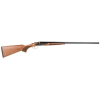
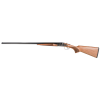
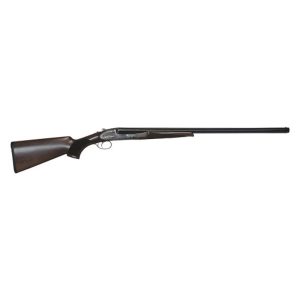
Sharp-Tail is the Bobwhite’s better dressed sibling. Same Turkish manufacturing, but a color case hardened receiver, nicer walnut, and a gun that handles like it was designed by someone who hunts.
This is the one I would carry for a full day of walked up birds. It comes to the shoulder without thinking about it, and in 28 gauge the whole package stays under six and a half pounds.
It costs meaningfully more than the Bobwhite. If the wood matters to you, that gap is the point. If it does not, buy the Bobwhite and more shells.
Best For: Walked up upland hunting, all day, where the wood matters to you.

6. Benelli Super Black Eagle 3: Best Semi-Auto
Pros
- Inertia action stays clean
- Cycles light 28 gauge loads
- Comb shims in the box
Cons
- Costs more than most here
- Stock finish scratches easily
- Overkill for casual clays
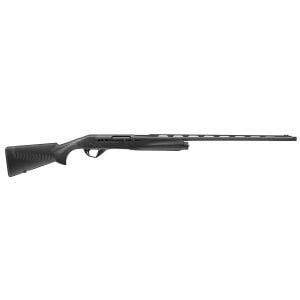
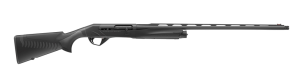
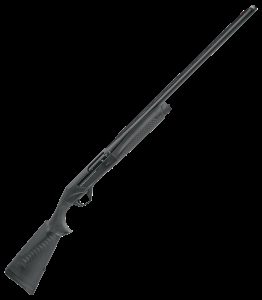
The Super Black Eagle 3 in 28 gauge is a strange and rather wonderful thing. Benelli’s inertia action is famous for staying clean, and scaled to this gauge it makes a semi-auto that weighs less than most over/unders.
Inertia guns have a reputation for being fussy with light loads. In 28 gauge that concern is real, and it is the one thing to test before you commit. Mine cycled standard field loads without complaint, but this is a gun to try before buying if you shoot the very lightest target ammunition.
Comb shims come in the box, which matters more than people expect on a gun this light.
Best For: Waterfowl and dove shooters who want a light semi-auto that stays clean.

7. Beretta 686 Silver Pigeon I: Best Premium Over/Under
Pros
- Finish is genuinely heirloom
- Balances beautifully in hand
- Holds value better than any here
Cons
- Twice the price of the Stevens
- Waiting lists at some dealers
- Chokes cost extra
The 686 Silver Pigeon is the gun the rest of this list is measured against. Beretta has been refining this action for decades and it shows in the way it opens, closes and locks up.
In 28 gauge it is close to the perfect upland gun, and it is the only shotgun here I would expect to be worth real money in thirty years. That is not a small part of the case for spending this much.
It costs four times the Stevens and the chokes are extra. Nobody needs one. Plenty of people are very glad they bought one.
Best For: The buy once cry once upland gun, and the only one here likely to appreciate.
What 28 Gauge Shells Actually Cost
This is the part nobody tells you before you buy. A 28 gauge gun costs about what the same model costs in 20 gauge, but the shells do not. Target loads run roughly half again what 12 gauge costs per box, and hunting loads more than that.
The fix is buying by the case rather than the box, and accepting that you will order online more often than you walk into a shop and find what you want. If you shoot a few hundred shells a year that is a minor irritation. If you shoot thousands, price it properly before you commit to the gauge.
Which 28 Gauge Should You Buy?
For most people the answer is the Stevens 555. It is a real walnut over/under at a price that does not require a conversation with anyone, and the 28 gauge version handles better than the 12 because the light receiver suits the gauge.
If the budget is tight, the CVA Scout Spur gets you shooting for under five hundred. If you hunt close cover birds, the CZ Bobwhite G2 and its two triggers make more sense than any over/under here. And if you are buying one gun for the rest of your life, the Beretta 686 is the only one on this list likely to be worth more later than it is today.
Frequently Asked Questions
Is a 28 gauge powerful enough for hunting?
Yes, for birds. A 28 gauge throws three quarters of an ounce of shot and patterns efficiently, which makes it genuinely effective on quail, dove, woodcock and grouse out to sensible range. It is not a waterfowl gun for big water and it is not a turkey gun unless you are using a dedicated turkey load and a tight choke.
Why is 28 gauge ammunition so expensive?
Volume. Manufacturers run far fewer 28 gauge shells than 12 or 20, so the fixed costs spread across a smaller batch. Expect to pay roughly half again what you pay for 12 gauge target loads, and to order online rather than find a wide choice in a local shop.
Is 28 gauge better than 20 gauge?
Not better, different. A 20 gauge throws more shot and ammunition is cheaper and easier to find. A 28 gauge recoils less for the same gun weight and many shooters find it points more sweetly. If cost and availability matter most, buy the 20.
What is the cheapest 28 gauge shotgun worth buying?
The CVA Scout Spur, at under $500 from a trusted retailer on the day we checked. It is a single shot break action, so you get one shot and plain furniture, but it is light, it is threaded for chokes and it is an honest way into the gauge.
Do 28 gauge shotguns have less recoil?
Considerably less, assuming similar gun weight. That is the main reason the gauge gets recommended for younger shooters and for anyone who flinches. Put a 28 gauge barrel on a heavy frame and the recoil becomes very mild indeed.
7,293+ Gun & Ammo Deals
Updated daily from 200+ top retailers. Filter by category, caliber, action type, and price.
Related Guides