

Last updated and checked October 27, 2026 · By Nick Hall, who put 2,000 rounds through the Daniel Defense DDM4 V7 for this review
Affiliate disclosure: This Daniel Defense DDM4 V7 review contains affiliate links. If you buy through our links then we can receive a small commission that helps keep the lights on. You don’t pay anything more.
- Treat every gun as loaded
- Point the muzzle in a safe direction
- Keep your finger off the trigger until you’re ready to shoot
- Know your target and what’s beyond
Quick Answer: The Daniel Defense DDM4 V7 is still the duty-grade AR-15 I’d hand a friend who wants one rifle and no excuses. It’s a 16-inch, mid-length gas gun built on a cold hammer forged, chrome lined barrel that Daniel Defense HP and MPI tests, with an MP tested bolt carrier group and the MFR 15.0 M-LOK rail.
Over 2,000 rounds of brass and steel-cased ammo it never had a stoppage I could blame on the rifle. Federal Gold Medal Match 77-grain shot 0.8-inch five-shot groups at 100 yards. Daniel Defense lists the DDM4V7 from $2,073, but the cheapest one at a store we trust on October 27, 2026 was $1,699.99 at Palmetto State Armory.
The trigger is the weak spot. It’s a plain single-stage that broke at 6 lb 10 oz on my gauge, and it holds the gun back on paper. Budget for that, a real optic and a weapon light before you call the build finished.

Table of Contents
How we tested: Every pick here is ranked against our testing methodology. Minimum round counts, accuracy and reliability protocols, the failures that disqualify a gun.
Review: Daniel Defense DDM4 V7 – The Duty AR-15 Everything Else Gets Measured Against
Our Rating: 8.8/10
- RRP: $2,073 (Daniel Defense starting price)
- Street Price: from $1,699.99 (Use our live pricing for the best up to date deal)
- Caliber: 5.56 NATO, fires .223 Remington
- Action: Semi-automatic, direct impingement
- Gas System: Mid-length, pinned low profile gas block
- Barrel Length: 16 inches, government profile
- Barrel Material: Chrome moly vanadium steel, cold hammer forged, chrome lined, heavy phosphate coated, HP/MPI tested
- Twist Rate: 1:7
- Muzzle Device: Daniel Defense Flash Suppressor, 17-4 PH stainless, salt bath nitride, 1/2×28 threads
- Capacity: 32 rounds (one DD Magazine included)
- Handguard: MFR 15.0, M-LOK at 7 positions, full-length 1913 Picatinny top rail
- Upper/Lower Receiver: 7075-T6 aluminum, Type III hard coat anodized, flared magwell, rear QD point
- Overall Length: 32-1/4 to 35-7/8 inches with the muzzle device
- Weight: 6.2 lb unloaded
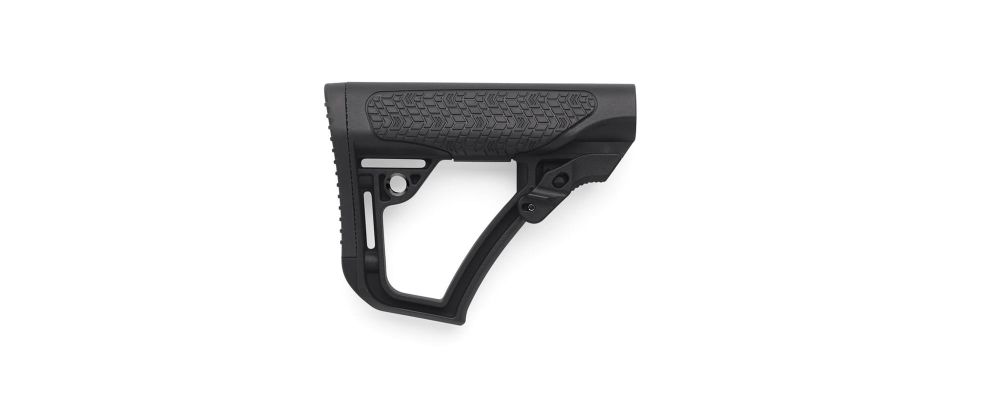
- Stock: Daniel Defense Buttstock on a 6-position receiver extension, H buffer
Pros
- Never stopped in 2,000 rounds
- Chrome lined CHF barrel lasts
- Ambi safety and charging handle
Cons
- Gritty single-stage trigger
- No iron sights in the box
- Costs more than a RECCE-16
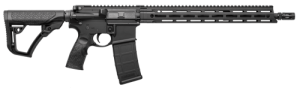
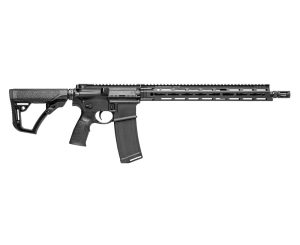
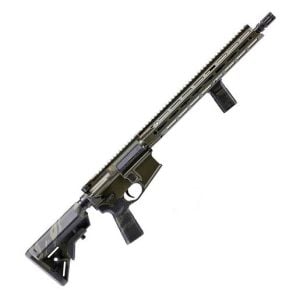
Quick Take: The Professional’s Workhorse
The DDM4V7 is the rifle most people mean when they say “a Daniel Defense.” It’s a 16-inch, mid-length gas AR-15 with Daniel Defense’s own cold hammer forged barrel, its own rail, its own furniture and a lifetime of reputation riding on all of it. Nothing about it is exotic. That’s the point.
I bought it to answer one question. Is it still worth paying a few hundred dollars more than a BCM RECCE-16 for the name on the side? After three months and 2,000 rounds, my answer is yes for a defensive or duty rifle, and no if you shoot paper for fun. The barrel and the gas system are the reason. The trigger is the reason to hesitate.
Price has moved in your favor, too. Daniel Defense lists it at $2,073, yet I found it at $1,699.99 at Palmetto State Armory, $1,778.99 at Guns.com and $1,928 at Sportsman’s Warehouse on the day I checked. You don’t need to pay list.
Best For: Anyone who wants one AR-15 for home defense, duty-style training and the occasional carbine class, and wants it to work before it’s upgraded. Not for match shooters who live and die by the trigger, and not for buyers stretching to afford it.
| Category | Rating | Notes |
|---|---|---|
| Reliability | 10/10 | Zero rifle-caused stoppages in 2,000 rounds. |
| Value | 7/10 | Street price helps, but rivals cost less. |
| Accuracy | 9/10 | 0.8-inch groups with 77-grain match ammo. |
| Features | 8/10 | Great rail and charging handle, no irons. |
| Ergonomics | 8/10 | Light and pointy; the grip is slim. |
| Fit & Finish | 9/10 | Tight receivers, clean anodizing. |
| Overall | 8.8/10 | Weighted toward reliability and value. |
Which DDM4 V7 Should You Buy?
“V7” is a family, not one rifle, and the suffix changes more than the price. Every V7 shares the cold hammer forged, chrome lined 1:7 barrel, the MP tested bolt carrier group, the GRIP-N-RIP charging handle and the M-LOK rail. What moves is barrel length and profile, gas length and rail length. Here’s the whole lineup, straight from Daniel Defense’s product pages.
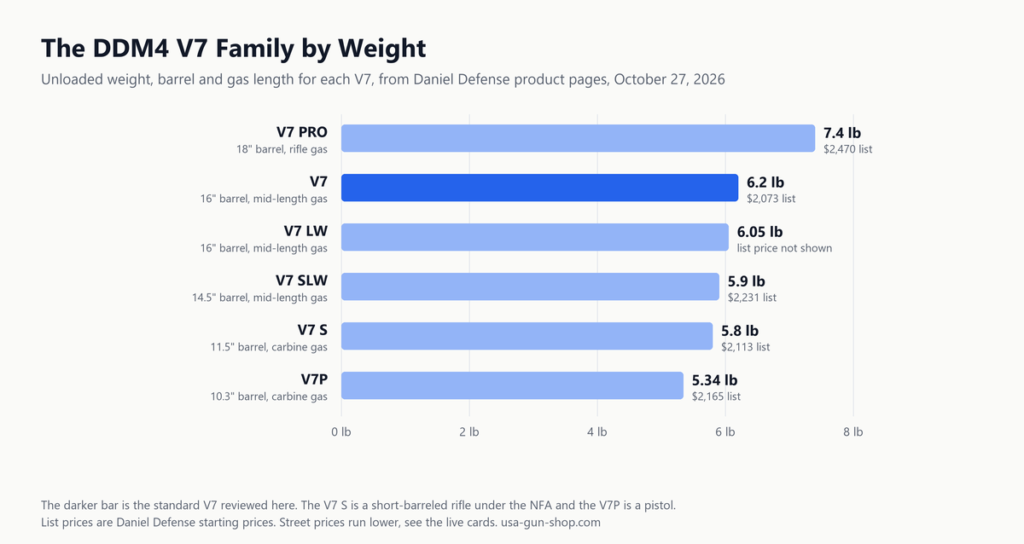
The one reviewed here, and the one I’d buy for home defense and general use. The government profile keeps some weight up front for steady offhand shooting without making the rifle a club.
Same rifle with a thinner barrel. It saves only 0.15 lb on paper, and the thinner profile heats up faster on long strings. Daniel Defense showed it out of stock when I checked.
The handiest V7 rifle you can buy without NFA paperwork. The flash suppressor is pinned and welded to make the 14.5-inch barrel legal. That also means you can’t swap the muzzle device later.
The competition build. You get the Geissele Super Dynamic 3-Gun trigger and the Muzzle Climb Mitigator, which fixes my biggest complaint about the standard V7. It’s 1.2 lb heavier, and you feel it in transitions.
A short-barreled rifle under the NFA, so it needs ATF approval before you take it home. Great behind a suppressor, louder and harsher without one.
The pistol version for vehicle and close-quarters use. Read your state’s pistol and brace rules before you buy one, because they decide how you can configure it.
My pick is simple. Buy the standard V7 unless you have a specific reason not to. Go PRO if you shoot matches and want the trigger fixed from the factory, and go SLW if every ounce and inch matters more to you than swapping muzzle devices.
Why Daniel Defense Built It This Way
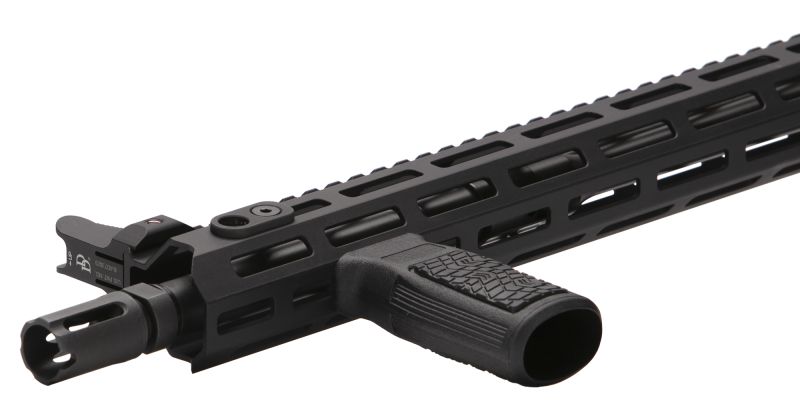
Daniel Defense made its name on rails before it made rifles, and the V7 still feels like a rail company’s idea of a carbine. The MFR 15.0 bolts to the upper with a proprietary attachment and floats the barrel all the way to the gas block, so a light or a bipod clamped to the handguard can’t push the point of impact around.
Mid-length gas is the second big decision. Compared with a carbine gas system on a 16-inch barrel, the longer dwell lowers the pressure the bolt sees when it unlocks. Daniel Defense says it reduces felt recoil and wear, and the softer push I felt matches that. It also explains why the V7 lasted 2,000 rounds without me touching a gas key.
Then there’s the barrel itself. Cold hammer forging pounds the bore and rifling around a mandrel, and Daniel Defense chrome lines it on top. You give up a sliver of match accuracy against a stainless match barrel and gain a bore that shrugs off heat, corrosion and cheap ammo. On a rifle meant to be trusted rather than tuned, that’s the right trade, and it’s why the trigger got the budget cut instead.
Who Should NOT Buy This Gun
- Buyers on a $1,000 budget: A PSA Sabre with an FN cold hammer forged, chrome lined barrel started at $999.99 the day I checked. Put the difference into ammo and training.
- Precision and match shooters: The stock single-stage trigger holds you back on paper. The V7 PRO ships with a Geissele SD-3G, and the custom AR-15 builders go further still.
- Shooters with big hands: The Daniel Defense pistol grip is slim. Swap a fuller grip like the Magpul K2+ onto the V7 for not much money, or try a BCM RECCE-16 in the hand before you buy.
- Suppressor-first buyers: The pinned gas block isn’t adjustable, so a can adds gas to your face. A short V7 S built for a suppressor, or a .300 Blackout upper, makes more sense.
DDM4 V7 vs the Competition
Four rifles came up every time I priced the V7. Two are true rivals at the same money, two cost half as much and ask what you’re really paying for.
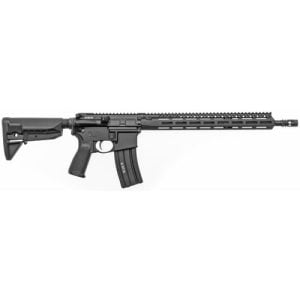
BCM RECCE-16 (from $1,660.99)
The BCM RECCE-16 is the rifle people cross-shop most. It runs a 16-inch mid-length barrel of certified MIL-B-11595E steel with a chrome lined bore and chamber and a 1:7 twist, under BCM’s MCMR-15 rail. On paper it’s the V7’s twin. It cost $1,660.99 at Palmetto State Armory the day I checked, $39 less than the cheapest V7. The V7’s edge is the cold hammer forged barrel. Read our BCM RECCE-16 review if you’re torn.

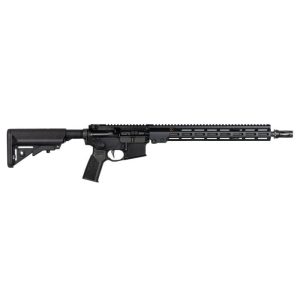
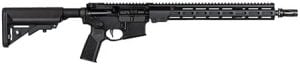
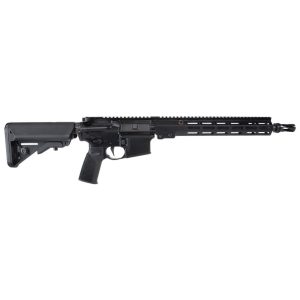
Geissele Super Duty MOD1 (from $1,934.99)
Here’s the rifle that beats the V7 where it’s weakest. The Super Duty MOD1 ships with Geissele’s SSA-E X two-stage trigger, a 16-inch cold hammer forged, chrome lined barrel in a tapered profile, a 15-inch MK16 rail and a B5 SOPMOD stock. Geissele lists it at $2,125 and approximately 7 lb, so it’s heavier, and Guns.com had it at $1,934.99. If you’d swap the V7’s trigger on day one anyway, the Super Duty is the better-value package.
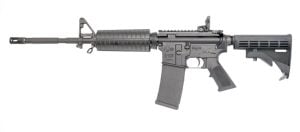
Colt LE6920 (from $839.99)
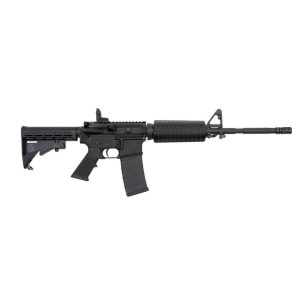
The Colt LE6920 is the plain M4-style carbine a lot of us learned on, with a 16.1-inch barrel and a fixed front sight post. It doesn’t have a free-float rail, and it doesn’t pretend to. At $839.99 at Sportsman’s Warehouse, it’s the honest answer for someone who wants a known-good AR-15 and doesn’t care about M-LOK real estate.
PSA Sabre FN CHF (from $999.99)
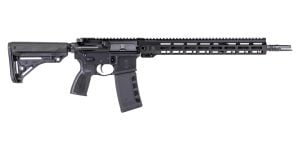
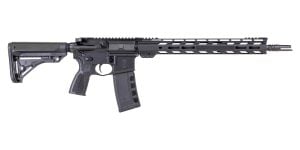
If the barrel is what sold you on Daniel Defense, look hard at Palmetto State Armory’s Sabre with the FN cold hammer forged, chrome lined barrel. The 16-inch mid-length version with PSA’s 15-inch rail was $999.99. It won’t hold resale like a Daniel Defense, and the finish details aren’t in the same class, but the part that matters most is surprisingly close. Our PSA Sabre-15 review has the details.
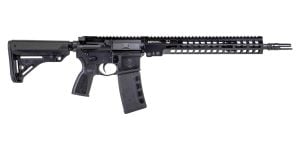
| Rifle | Barrel | Gas | Rail | Trusted street price |
| Daniel Defense DDM4 V7 | 16″ CHF, chrome lined, 1:7 | Mid-length | MFR 15.0 | $1,699.99 |
| BCM RECCE-16 | 16″ 11595E steel, chrome lined bore, 1:7 | Mid-length | MCMR-15 | $1,660.99 |
| Geissele Super Duty MOD1 | 16″ CHF, chrome lined, 1:7 | Geissele length | MK16 15″ | $1,934.99 |
| PSA Sabre FN CHF | 16″ FN CHF, chrome lined | Mid-length | Sabre 15″ | $999.99 |
Verdict: The V7 and the RECCE-16 are close enough that price and grip feel should decide it. The Super Duty is the one to buy if you want a great trigger out of the box. Below $1,000, the PSA Sabre with the FN barrel is the smart money. To compare any of these on the day you buy, run them through our price comparison tool, or see our best AR-15 rifles under $2000 list.
Find the Best Price in Seconds
Search once, compare 200+ trusted retailers instantly.
Testing Protocol: 2,000 Rounds in Three Months
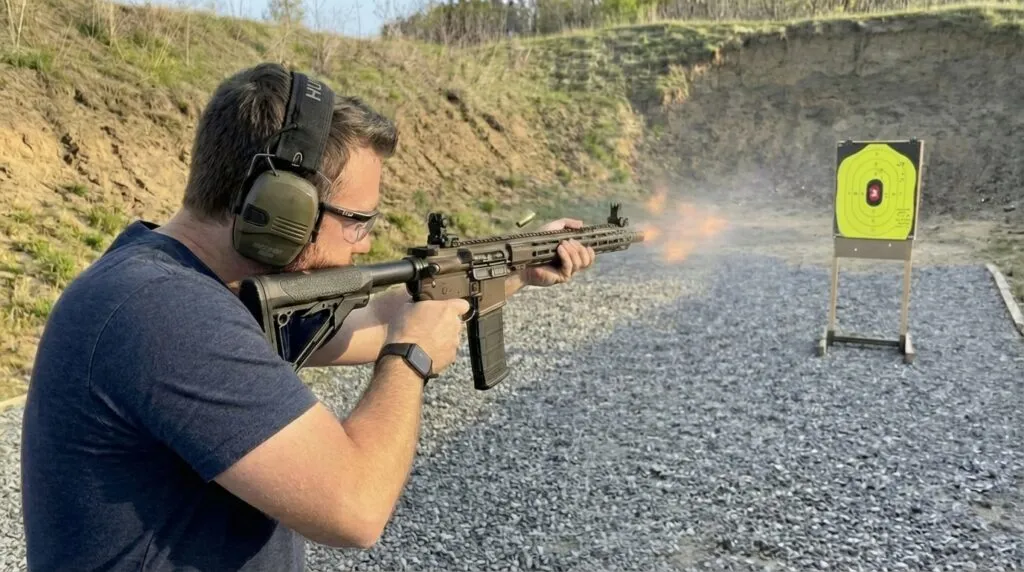
I shot the V7 over nine range sessions, from 40-degree mornings in early spring to a couple of 90-degree afternoons. It wore a Vortex Razor HD Gen II-E 1-6×24 the whole time, set at 6x for accuracy work, and I ran it with the factory 32-round DD Magazine, Magpul PMAGs and two old aluminum GI mags.
Phase 1: Break-In
I lubed the bolt carrier group out of the box and fired the first 200 rounds of Federal American Eagle 55-grain FMJ without cleaning. Brass landed at 2 to 3 o’clock, a little forward, which tells you the gas port is sized on the generous side. The takedown pins were stiff enough that I needed a punch for the first couple of field strips. They loosened up by round 400.
Phase 2: Reliability
The next 1,400 rounds were a mix of brass and steel-cased ammo, fired in strings of 30 to 90 with the barrel too hot to touch. I cleaned it once, at round 1,000, and ran the last 1,000 rounds dirty with only a squirt of oil on the carrier.
Malfunction log: none caused by the rifle. I had two failures to lock back on an empty magazine, at rounds 1,140 and 1,610, both with the same tired aluminum GI mag. Neither happened with the DD Magazine or the PMAGs, and the GI mag is now in the trash. The 400 rounds of Wolf steel-cased ammo fed, fired and extracted without a single stuck case.
Phase 3: Accuracy
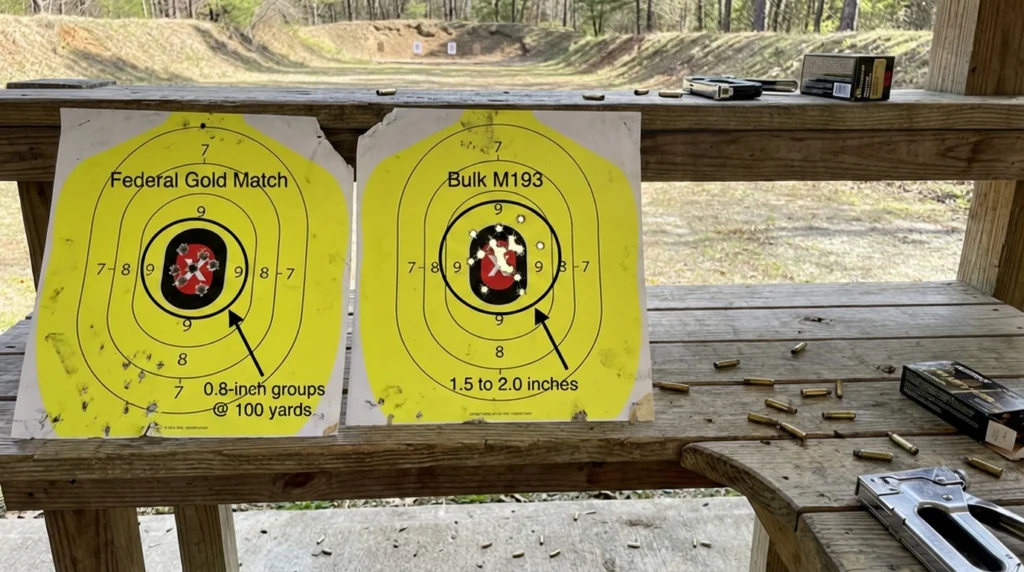
All groups were five shots at 100 yards from a bag rest, five groups per load, and the table shows the average. The V7 liked heavy match bullets, which is what a 1:7 twist is for. It threw M193 and steel-cased 55-grain wider, as you’d expect, and the 6 lb 10 oz trigger cost me more than the barrel did.
| Load | Average 5-shot group at 100 yd | Best group |
| Federal Gold Medal Match 77 gr Sierra MatchKing | 0.8 in | 0.6 in |
| Black Hills 77 gr OTM | 0.9 in | 0.7 in |
| Hornady Frontier 68 gr BTHP Match | 1.2 in | 0.9 in |
| PMC X-TAC 55 gr M193 | 1.6 in | 1.3 in |
| Federal American Eagle 55 gr FMJ | 1.8 in | 1.4 in |
| Wolf Performance 55 gr FMJ, steel case | 2.6 in | 2.1 in |
Ammunition Log
- Federal American Eagle 55 gr FMJ: 600 rounds
- PMC X-TAC 55 gr M193: 500 rounds
- Wolf Performance 55 gr FMJ, steel case: 400 rounds
- Hornady Frontier 68 gr BTHP Match: 200 rounds
- Federal Gold Medal Match 77 gr Sierra MatchKing: 200 rounds
- Black Hills 77 gr OTM: 100 rounds
- Total: 2,000 rounds
Not sure what to feed yours? Our 5.56 vs .223 guide explains why a 5.56 NATO chamber like this one handles both safely.
Tracking and Observations
After 2,000 rounds the bolt showed even wear on the lugs and no cracks, and the gas rings still passed the stand-the-carrier-on-its-face test. The chrome lined bore cleaned up quickly even after the steel-cased ammo. The finish rubbed through at the mag release and on the front of the magwell, the usual AR-15 wear spots, and nowhere else.
What This Means for You
- Upgrade Impact: The trigger is the one upgrade that changes how the rifle shoots. Everything else is preference.
- Reliability: Run it wet and it runs. Mine never needed more than oil to keep going.
- Ammo Preference: 77-grain match loads for accuracy, any decent 55-grain for practice.
- Maintenance: Clean every 1,000 rounds or so; the chrome lined bore makes it quick.
- Accuracy Expectation: Plan on about 1 MOA with match ammo and 1.5 to 2 MOA with bulk ammo.
Performance Testing Results
Reliability (10/10)
Two thousand rounds, one cleaning, zero stoppages from the rifle itself. It ate steel-cased Wolf as happily as Gold Medal Match, and it didn’t slow down when it was filthy. That’s the whole reason to buy a Daniel Defense, and the V7 earned it.
Accuracy (9/10)
A 0.8-inch average with 77-grain match ammo from a chrome lined, government profile carbine barrel is a strong result. It would have been better with a better trigger. I lost points to my own pull, not the barrel, on most of the wider groups.
Ergonomics and Recoil (8/10)
At 6.2 lb the V7 swings fast between targets, and the mid-length gas keeps the push soft for a 16-inch gun. The flash suppressor does nothing for muzzle climb, so the dot hops a little more than it would with a brake. The slim rail is easy to clamp with a C-grip, and the ambi safety and charging handle make it equally good for left-handed shooters. The grip is the one piece I’d change.
Fit, Finish and Quality Control (9/10)
The upper and lower have zero wobble, the anodizing matches between receivers, and the gas key is properly staked. The stiff takedown pins are the only thing I’d call a QC miss, and they wore in.
Technical Deep Dive
Barrel and Twist Rate
Daniel Defense forges the V7 barrel from chrome moly vanadium steel, chrome lines the bore, coats the outside in heavy phosphate and runs a 1:7 twist. The 1:7 stabilizes heavy 77-grain bullets that a 1:9 barrel can’t, which is why my match groups were so much tighter than my bulk-ammo groups. The government profile is thin under the rail and thicker past the gas block.
What HP and MPI Testing Actually Mean
Most reviews skip this, and most buyers mix it up. Daniel Defense says the V7 barrel is HP and MPI tested. HP is high pressure testing, firing a proof round loaded well past normal pressure. MPI is magnetic particle inspection, which shows cracks you can’t see. The bolt carrier group is listed as “Mil-Spec MP Tested,” which is the magnetic particle inspection without the proof firing. Both are good signs, but they aren’t the same claim, and a seller who says “HP/MPI tested bolt” on a V7 is reading the barrel line.
Gas System and Bolt Carrier Group
A pinned low profile gas block, machined from 4140 steel, feeds the mid-length tube. Pinned means it’s secure and won’t walk, and it also means you can’t swap to an adjustable block without barrel work. The M16-profile carrier is chrome lined with a properly staked gas key, and an H buffer rides behind it. That heavier buffer is part of why the V7 cycles soft despite the generous gas port.
MFR 15.0 Rail
The rail is machined from 6061-T6 aluminum and hard coat anodized, with M-LOK slots at seven positions and an uninterrupted Picatinny top rail. There’s room for a magnified optic, a light at 11 or 1 o’clock and a forward grip without crowding. If you want to add one, our AR-15 foregrips guide covers the M-LOK options.
Receivers, Controls and Furniture
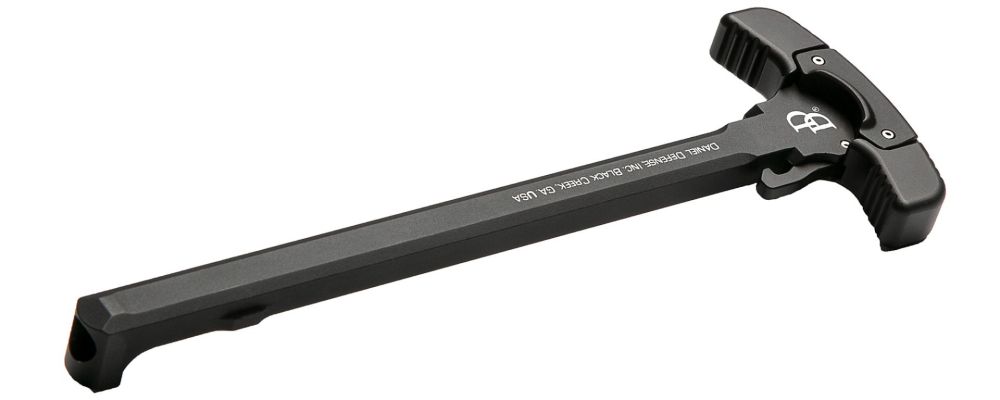
Both receivers are machined from 7075-T6 aluminum. The lower adds a flared magwell and a QD point at the rear, the upper carries M4 feed ramps. The GRIP-N-RIP charging handle is independently ambidextrous, and the safety selector is ambi as well. The buttstock and pistol grip are glass-filled polymer with a soft-touch overmold that stays grippy when your hands are wet. It’s a good charging handle, and our AR-15 charging handles list explains why you don’t need to replace it.
| Component | Specification | Benefit |
| Barrel | 16″ CMV, cold hammer forged, chrome lined, 1:7, HP/MPI tested | Long life, stabilizes heavy match bullets |
| Gas system | Mid-length, pinned 4140 low profile block | Softer cycling and less wear than carbine gas |
| Bolt carrier group | M16 profile, chrome lined, MP tested, staked gas key | Inspected for cracks, runs dirty |
| Buffer | H buffer, 6-position receiver extension | Tames the generous gas port |
| Handguard | MFR 15.0, 6061-T6, M-LOK at 7 positions | Free-floats the barrel, room for a light and grip |
| Muzzle device | DD Flash Suppressor, 17-4 PH stainless, 1/2×28 | Less flash than an A2 birdcage |
| Receivers | 7075-T6, flared magwell, rear QD point | Faster reloads, sling-ready |
Parts, Accessories and Upgrades
In order of how much they change the rifle, here’s what I’d add. The trigger comes first. A Geissele SSA-E turns the V7 into a different gun on paper, and our best AR-15 triggers guide ranks it against the other drop-ins. Before you buy one, price a V7 PRO, because it ships with a Geissele trigger and a longer barrel. Then add a real optic from our AR-15 LPVO guide or the AR-15 optics guide, a weapon light from our weapon lights picks and a two-point AR-15 sling.
| Upgrade Category | Recommended Component | Why It Matters | Daniel Defense price |
| Backup sights | Daniel Defense Rock & Lock iron sight set | The V7 ships without irons | $170 |
| Spare magazines | DD Magazine 32-round | Same mag that ran clean in my test | $27 each |
| Light mount | M-LOK Scout Light mount | Puts a SureFire Scout on the MFR rail | $62 |
| Sling mount | MFR rail QD sling mount | Front QD point for a two-point sling | $36 |
| Optic mount | Daniel Defense 30mm optics mount | Holds a 30mm red dot on the top rail | $134 |
Building out from the barrel instead? Our best AR-15 upgrades guide ranks the rest, and best AR-15 barrels shows how the Daniel Defense barrel stacks up on its own.
Common Problems and Solutions
- Heavy, gritty trigger: Mine broke at 6 lb 10 oz with some creep. A drop-in two-stage like the Geissele SSA-E fixes it in 15 minutes, or buy the V7 PRO with the SD-3G already fitted.
- Stiff takedown pins on a new rifle: Use a nylon or brass punch for the first few field strips rather than forcing them. Mine loosened by round 400.
- Brass thrown forward and gas in the face when suppressed: The gas port is generous by design, and the block is pinned. Unsuppressed, leave it alone. If you plan to shoot suppressed often, look at a V7 S or a dedicated suppressor upper.
- No iron sights in the box: Add Daniel Defense’s Rock & Lock set for $170 or any folding backup irons that fit a Picatinny top rail.
- Bolt not locking back on empty: Every one of my lock-back failures came from a worn aluminum GI magazine. Retire old mags with weak springs or worn followers before blaming the rifle.
Daniel Defense: Company Background
Marty Daniel started Daniel Defense in Georgia in the early 2000s, building rail systems before complete rifles. A $20 million USSOCOM contract in 2003 grew the company quickly, and it later moved into a larger manufacturing plant in Black Creek, Georgia, where the V7 is made. The DDM4 rifle line grew out of that rail work, and the V7 is the version most civilian buyers know.
Daniel Defense was also named in lawsuits filed by families after the 2022 shooting in Uvalde, Texas. We review the rifle on its performance and leave the legal question to the courts.
Final Verdict
The Daniel Defense DDM4 V7 is a professional’s rifle with one amateur part. The barrel, the gas system and the rail are as good as anything at this price, and 2,000 rounds of mixed ammo didn’t find a weakness in them. The trigger is the only thing I’d change, and I’d change it before I mounted an optic.
Buy it if you want one AR-15 that works every time and you can find it near the $1,699.99 I saw. Pick the BCM RECCE-16 if the price gap matters, the Geissele Super Duty if a great trigger matters more than weight, and the PSA Sabre FN if the budget stops at $1,000.
Final Score: 8.8/10. The most dependable off-the-shelf AR-15 I’ve tested at this price, held back only by its trigger.
FAQ: Daniel Defense DDM4 V7
Is the Daniel Defense DDM4 V7 worth the money?
For a defensive or duty rifle, yes. Ours ran 2,000 rounds without a rifle-caused stoppage and shot 0.8-inch groups with 77-grain match ammo. Daniel Defense lists it at $2,073, but the cheapest one at a store we trust on October 27, 2026 was $1,699.99 at Palmetto State Armory, so check the live prices before you pay list.
What is the difference between the DDM4 V7, V7 LW, V7 SLW and V7 PRO?
Barrel and gas. The V7 has a 16-inch government profile barrel and mid-length gas at 6.2 lb. The V7 LW uses a 16-inch lightweight barrel at 6.05 lb. The V7 SLW has a 14.5-inch lightweight barrel with a pinned and welded flash suppressor at 5.9 lb. The V7 PRO adds an 18-inch heavy barrel, rifle-length gas and a Geissele SD-3G trigger at 7.40 lb.
Does the DDM4 V7 come with a magazine?
Yes. It ships with one 32-round DD Magazine in a hard plastic case. It works in standard AR-15 pouches, and Daniel Defense sells spares for $27 each.
Is the DDM4 V7 barrel chrome lined?
Yes. Daniel Defense lists the barrel as chrome moly vanadium steel, cold hammer forged and chrome lined, with a 1:7 twist and HP/MPI testing. The bolt carrier group is chrome lined and MP tested.
What is the muzzle thread on the DDM4 V7?
The barrel is threaded 1/2x28, the standard 5.56 AR-15 pitch, and ships with the Daniel Defense Flash Suppressor. On the V7 SLW the flash suppressor is pinned and welded, so it can't be removed.
Does the DDM4 V7 have iron sights?
No. Sights are sold separately. The full-length Picatinny top rail takes any backup irons, and Daniel Defense's own Rock & Lock set lists at $170.
Can the DDM4 V7 shoot .223 Remington?
Yes. It's chambered in 5.56 NATO, which safely fires .223 Remington as well. The 1:7 twist also stabilizes heavy 75 to 77-grain match bullets.
Is there a California compliant DDM4 V7?
Yes. Daniel Defense lists a DDM4 V7 California Compliant model, and a California compliant V7 PRO. The standard V7 isn't legal to sell in California as configured, so buy the compliant version from a California dealer.