
Last updated and checked October 29, 2026 · By Nick Hall
- Treat every gun as loaded
- Point the muzzle in a safe direction
- Keep your finger off the trigger until you’re ready to shoot
- Know your target and what’s beyond
Hearing damage from gunfire is permanent, and it adds up one shot at a time. Eye injuries from brass, fragments and ricochets are almost entirely preventable. Good ear and eye protection costs less than a case of ammo, and it’s the gear I’d buy before any optic or trigger. Body armor is a separate decision, and the ratings changed in 2023, so it’s worth knowing what the new labels mean before you spend money.
We compare shooting protection from 200+ retailers: electronic and passive earmuffs, earplugs, electronic earbuds, shooting glasses, plate carriers, armor plates and soft armor. Filter by type, brand and price. Below the finder, I’ve laid out how loud gunfire really is, what the numbers on the box mean, and what the body armor levels cover now.
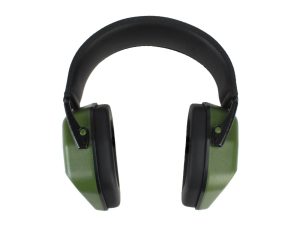
Champion Range and Target Vanquish Passive Ear Muffs 24 DB - OD Green (Loose Packed) (Limit 5)
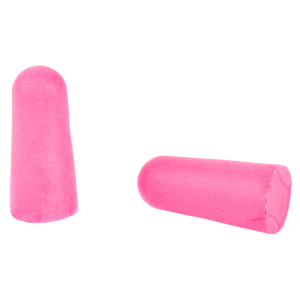
Walker's GWPPLGCANPK Foam Ear Plugs 32 dB Pink Adult 7 Pair
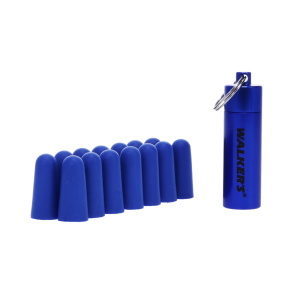
Walker's GWPPLGCANYL Foam Ear Plugs 32 dB Yellow Adult 7 Pair
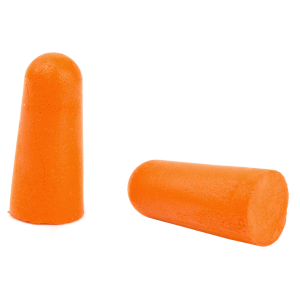
Walker's GWPPLGCANOR Foam Ear Plugs 32 dB Orange Adult 7 Pair
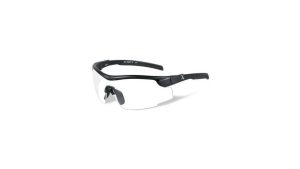
Wiley X / Remington RE 101 Platinum Grade Eye Protection Glasses (Black)
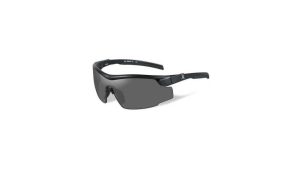
Wiley X RE 100 Platinum Grade Eye Protection Glasses (Black/Smoke)
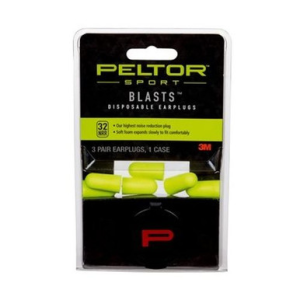
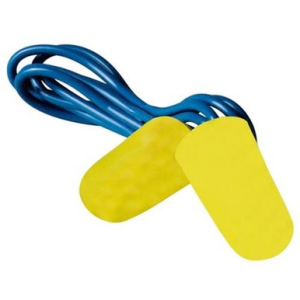
Peltor Sport Blasts Disposable Earplugs 3Pair Pack Neon Yellow 10/Case
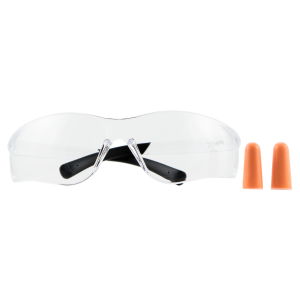
Zteck Scratch-Resistant Wraparound Shooting Glasses and Ear Plugs
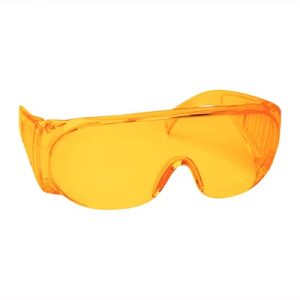
Full Coverage Sport Shooting Glasses - Full Coverage Sport Shooting Glasses Amber
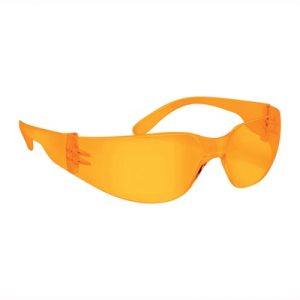
Wrap-Around Sport Shooting Glasses - Wrap Around Sport Shooting Glasses Amber
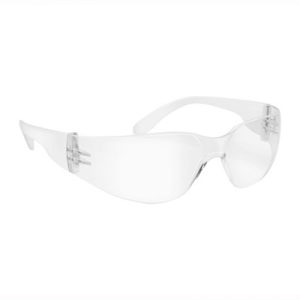
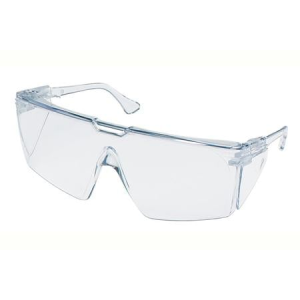
Wrap-Around Sport Shooting Glasses - Wrap Around Sport Shooting Glasses Clear
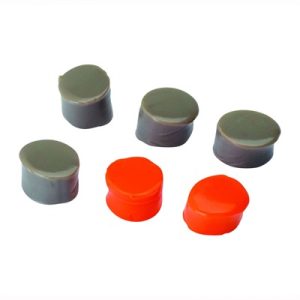
Moldable Silicone Ear Plugs - Silicone Ear Plugs Orange & Fde
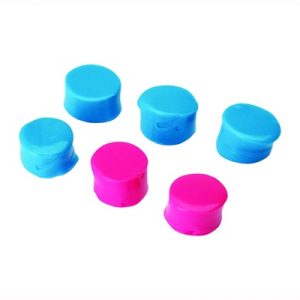
Moldable Silicone Ear Plugs - Silicone Ear Plugs Pink & Teal
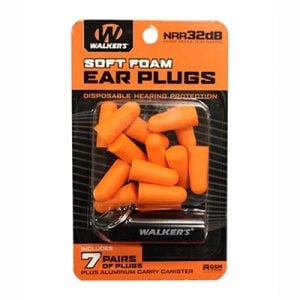
Foam Ear Plugs - Foam Ear Plugs Orange W/ Black Carry Cannister 7-Pk
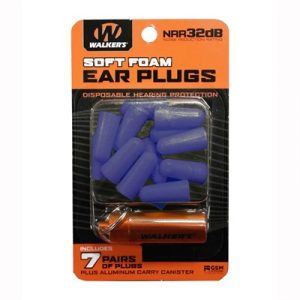
Foam Ear Plugs - Foam Ear Plugs Blue W/ Orange Carry Cannister 7-Pk
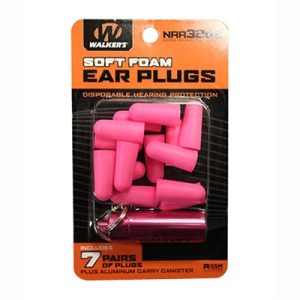
Foam Ear Plugs - Foam Ear Plugs Pink W/ Pink Carry Cannister 7-Pk
 -35%
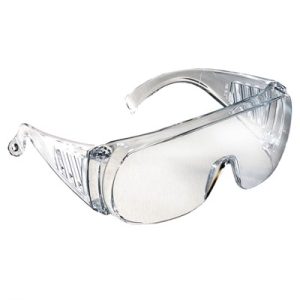
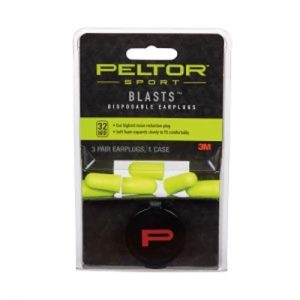
Table of Contents
How Loud Is a Gunshot?
| Source | Peak level |
|---|---|
| OSHA and NIOSH impulse noise limit | 140 dB peak |
| Small-caliber rifle (.22) | About 144 dB |
| Police handguns, rifles and shotguns at a range | 155 to 168 dB |
| .357 Magnum revolver | About 172 dB |
Every gun you’ll ever shoot is past the limit. OSHA’s technical manual says impulse noise “should not exceed 140 dB peak sound pressure level,” and NIOSH recommends that no exposure be allowed above 140 dB. NIOSH researchers measured peaks from about 144 dB for small-caliber guns up to about 172 dB for a .357 revolver, and a NIOSH study of police guns at an indoor range found 155 to 168 dB. Decibels are logarithmic, so 168 dB isn’t a little louder than 140. It’s a different world. Our best ear protection for shooting guide ranks the picks.
What the NRR on the Box Means
The Noise Reduction Rating is set under an EPA rule, 40 CFR Part 211, from a lab test to ANSI S3.19-1974. It’s a single number in decibels, and higher is better. Here’s the catch the box tells you itself: the required label says the NRR “is based on the attenuation of continuous noise and may not be an accurate indicator of the protection attainable against impulsive noise such as gunfire.”
Real-world protection is lower than the label too. OSHA subtracts 7 dB when you’re working from A-weighted levels, then “strongly recommends” a 50 percent correction for real fit. Run an NRR 22 muff through that and you’re counting on about 7.5 dB on paper. That’s why fit matters as much as the number: a foam plug pushed only halfway in is worth far less than its box says.
Double Up: Plugs Under Muffs
NIOSH tells shooters to “use double hearing protection (earplugs and earmuffs) whenever possible,” and its own testing shows why. In NIOSH’s impulse-noise tests, muffs alone cut peak levels by 26 dB and plugs alone by 24 dB, but the two together cut 44 dB. For planning, OSHA is more conservative: it takes the better protector, subtracts 7, and adds only 5 dB for the second one.
Either way, doubling up is the single cheapest upgrade in this whole category. A 200-pair box of Howard Leight MAX-1 foam plugs (NRR 33) runs $37.40 at retail, which is about 19 cents a pair. I wear plugs under electronic muffs at any indoor range or any time I’m next to a braked rifle.
Electronic Muffs vs Passive Muffs
Passive muffs block sound all the time, which makes range commands and conversation hard to hear. Electronic muffs use microphones to pass quiet sounds through and shut off when a shot goes off, so you can hear the line officer and still be protected. The Howard Leight Impact Sport (NRR 22) and Walker’s Razor Slim (NRR 23) are the two budget electronic muffs most shooters start with, and the 3M Peltor Sport Tactical 500 is a step up.
For hunting and rifle shooting, pick a slim cup profile so the muff doesn’t hit your stock when you get a cheek weld. For an indoor pistol range, a higher NRR and plugs underneath matter more than a slim cup.
Electronic Earbuds
Earbuds are the newer option, and they solve the stock-weld problem entirely. AXIL’s GS Extreme 3.0 lists at $184.60 and carries NRR 21 with foam tips or NRR 17 with silicone tips. It “automatically compresses harmful sounds above 85 dB.” One trap: some retailers list the older GS Extreme 2.0 at 29 dB, but that’s an SNR, a European rating, not an NRR, so don’t compare it against a US box. Earbuds are also easy to wear under muffs on a loud day.
Hearing Protection in the Field
Hunters skip ear protection more than anyone, because you need to hear the woods and you only fire once or twice. That one shot still peaks well past 140 dB, and the damage stacks up over a lifetime of seasons. Electronic earbuds fix the trade-off: they let you hear footsteps and calls, then clamp down when you fire. If you hunt with a braked rifle or from a blind, the noise bounces back at you, so protection matters even more there.
Bring something for new shooters and kids, too. A new shooter who flinches from muzzle blast learns to jerk the trigger, so good protection makes them a better shot as well as protecting their ears. Pack a spare pair of muffs in the range bag for whoever shows up without them.
Glasses and Muffs Together
Your shooting glasses can wreck your muffs’ seal. NIOSH found that earmuffs worn over safety-glasses temples cut peak reduction to 18 dB, against 26 dB for the same muffs without glasses. NIOSH recommends wearing the glasses over the top of the cushions, or using glasses with a strap or low-profile temples. This is one of the few places where a $15 accessory choice decides whether your $100 muffs work.
Shooting Glasses: Z87+ and Ballistic Ratings
Look for a Z87+ mark on the frame. The “+” means the lens passed ANSI Z87.1’s high-impact tests, which fire a 1/4-inch steel ball at 150 feet per second at spectacles. Military ballistic eyewear goes further: MIL-PRF-31013 required spectacles to stop a 0.15 caliber, 5.8 grain projectile at 640 to 660 feet per second, and current glasses cite its successor, MIL-PRF-32432A.
The Wiley X Saber Advanced is a good benchmark, at $58 from the maker with both ANSI Z87.1+ and MIL-PRF-32432A ratings. Clear lenses work indoors and at dusk, and amber or yellow helps on overcast days. More picks in our best shooting glasses guide.
Body Armor Levels: The New NIJ Names
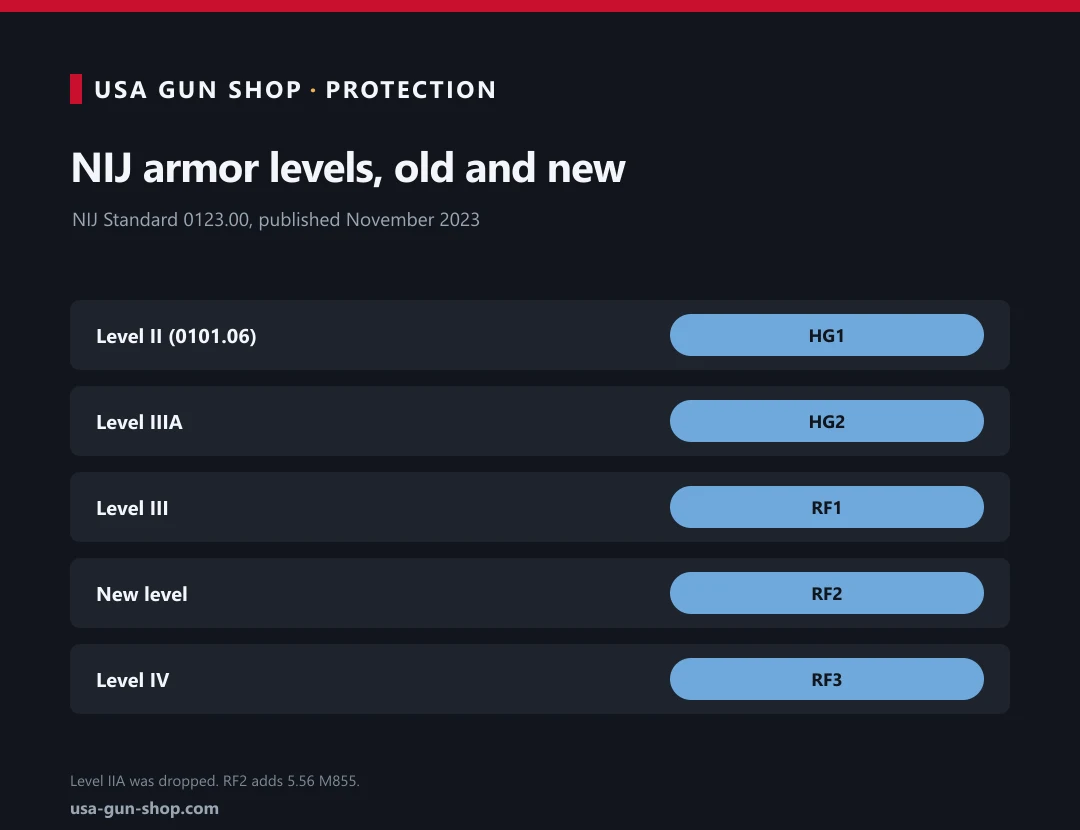
| Old NIJ 0101.06 level | New NIJ 0123.00 level | What it covers |
|---|---|---|
| Level IIA | Dropped | No replacement level |
| Level II | HG1 | 9mm and .357 Magnum |
| Level IIIA | HG2 | 9mm at higher velocity and .44 Magnum |
| Level III | RF1 | 7.62×51 M80, 7.62×39 and 5.56 M193 |
| None | RF2 | RF1 threats plus 5.56 M855 |
| Level IV | RF3 | .30-06 M2 armor-piercing |
NIJ published Standard 0101.07 in November 2023 and moved the level names into a separate document, NIJ Standard 0123.00. HG means handgun and RF means rifle. The big practical change is at the rifle end: old Level III was tested against the .308 M80 ball, while RF1 also covers the 7.62×39 and 5.56 M193 rounds most civilian rifles fire. RF2 is a new level that adds 5.56 M855, the threat “Level III+” plates were sold against. NIJ expects to keep its 0101.06 certified list through at least the end of 2029, so you’ll see both naming systems for years.
Steel, Ceramic or Soft Armor?
Soft armor is the light, flexible option and stops handgun rounds. Spartan’s Flex Fused Core panel is rated IIIA, or HG2, and lists at $110.99. Rifle threats need a hard plate. Steel plates are the budget choice and last a long time: Armored Republic’s Heritage Level III AR500 plate starts at $99 with a base coat and runs $169 to $199 with the thicker Build Up coat that catches fragments. Its A4 alloy plate is sold as “Level III++,” which the maker itself calls an unofficial term.
Ceramic and polyethylene plates are lighter for the protection, and cost more. Whatever you buy, check that the plate was tested to an NIJ level by a lab and not just rated by its seller. Our best body armor and plate carriers and body armor for home defense guides go deeper.
Plate Carriers
A carrier holds the plates and soft panels and spreads the weight. You don’t need an expensive one to start. Condor’s Sentry carrier is $63.95 from the maker, the Gunner is $87.95, and the Modular Operator Gen II is $93.95 with more room for pouches. Match the carrier to your plate size first, then think about pouches. A 10×12 plate in an 11×14 carrier shifts around and leaves you guessing where the protection sits.
Is Body Armor Legal?
Under federal law, most adults can buy and own body armor. 18 U.S.C. 931 bars it only for a person convicted of a felony that is a crime of violence. New York is the outlier: it limits purchases to police, peace officers, the military and other professions the Department of State designates. A federal judge ruled that ban unconstitutional on October 21, 2026, but stayed his own order for 14 days, so it stays enforceable at least until November 4 while New York appeals. Our New York body armor ruling coverage tracks it. Many states also add penalties for wearing armor during a crime, so check your own state law.
My Shopping Order
Buy hearing protection first, and buy two kinds: a box of foam plugs and a pair of electronic muffs. That covers every range trip. Second, Z87+ glasses with low-profile temples, so they don’t break your muff seal. Body armor is its own decision. If you want it for home defense, start with an HG2 soft panel or an RF1 plate and a basic carrier, and spend the difference on training.
Facts and Figures

- 140 dB: the impulse noise limit; every gunshot exceeds it, per NIOSH
- 44 dB: peak reduction from plugs and muffs together in NIOSH testing, against 24 to 26 dB alone
- 18 dB: muff reduction with glasses temples under the cushions
- November 2023: NIJ 0101.07 published, per NIJ
- 18 U.S.C. 931: bars body armor only for violent felons
Related Guides
- Best ear protection for shooting
- Best shooting glasses
- Best body armor and plate carriers
- Body armor for home defense
- Tactical gear
- Shooting targets
Frequently Asked Questions
How loud is a gunshot?
NIOSH measured peak levels of 155 to 168 dB from common police handguns, rifles and shotguns at a firing range. Even a small-caliber rifle hits about 144 dB, which is above the 140 dB peak limit that OSHA and NIOSH set for impulse noise.
Should I wear earplugs and earmuffs together when shooting?
Yes. NIOSH recommends double hearing protection every time a gun is fired, and in its lab tests the combination cut peak noise by 44 dB against 24 to 26 dB for plugs or muffs alone.
Does doubling up add the two NRR numbers together?
No. OSHA's method takes the higher-rated protector, subtracts 7 dB for A-weighted noise, then adds just 5 dB for the second protector, so NRR 33 plugs under NRR 22 muffs count as about 31 dB, not 55.
What does the NRR on the box mean?
The Noise Reduction Rating is a single number in decibels set under the EPA rule at 40 CFR Part 211 from a lab test to ANSI S3.19-1974. The EPA label itself warns that the NRR is based on continuous noise and is not an accurate indicator of protection against impulse noise such as gunfire.
How much protection do I really get from an NRR 22 muff?
For A-weighted noise OSHA subtracts 7 dB, which leaves 15 dB, and its 50% safety factor for real-world fit cuts that to 7.5 dB. Fit, hair, and glasses temples under the cushions all eat into the label number.
What does Z87+ on shooting glasses mean?
Z87+ means the lens passed the ANSI Z87.1 high-impact tests, including a 1/4-inch steel ball fired at 150 feet per second at spectacles. Military ballistic glasses add a tougher test: MIL-PRF-31013 requires spectacles to stop a 0.15 caliber, 5.8 grain projectile at 640 to 660 feet per second.
What replaced Level IIIA and Level III body armor ratings?
NIJ Standard 0101.07, published in November 2023, moved the level names into NIJ Standard 0123.00: Level II became HG1, IIIA became HG2, III became RF1, IV became RF3, and RF2 is a new level that adds 5.56mm M855. NIJ plans to keep its 0101.06 certified product list through at least the end of 2029.
Is it legal for a civilian to buy body armor?
Federal law lets most adults buy it and bars only people convicted of a violent felony (18 U.S.C. 931). New York limits purchases to police, peace officers, military and other professions the Department of State approves. A federal judge struck New York's ban on October 21, 2026, but it stays enforceable during a stay pending appeal.
4,367+ Gun & Ammo Deals
Updated daily from 200+ top retailers. Filter by category, caliber, action type, and price.