

Last updated October 26th 2026
Some of the links below are affiliate links, meaning at no additional cost to you, we may earn a commission if you click through and make a purchase.
By Nick Hall
Every gun has three basic parts: the action, which loads, fires and ejects each round; the barrel, which the bullet or shot travels down; and the stock or frame, which you hold. Everything else is a smaller part of one of those three. The names change from gun to gun, though, so below are labeled diagrams of a pistol, a revolver, a bolt-action rifle, an AR-15 and a pump shotgun, drawn on photos of real guns, with what each part does.
Tap any diagram to open it full size. Each section also has live prices for the gun in the diagram, from our 200+ retailers on October 26, 2026, and deals across every price range.
Table of Contents
How we tested: Every pick here is ranked against our testing methodology. Minimum round counts, accuracy and reliability protocols, the failures that disqualify a gun.
The Three Main Parts of Any Gun
| Part | What it does | Also called |
|---|---|---|
| Action | Loads a round into the chamber, fires it and ejects the empty case | Receiver group; on a pistol, the slide and frame together |
| Barrel | Guides the bullet or shot out of the gun | Tube; the inside is the bore |
| Stock or frame | What you hold and shoulder; on a handgun the frame and grip do this job | Buttstock, furniture, grip frame |
The action is the part that changes most from gun to gun, which is why guns are named by it: bolt action, pump action, semi-auto. Our types of guns guide explains each action.
Parts of a Pistol
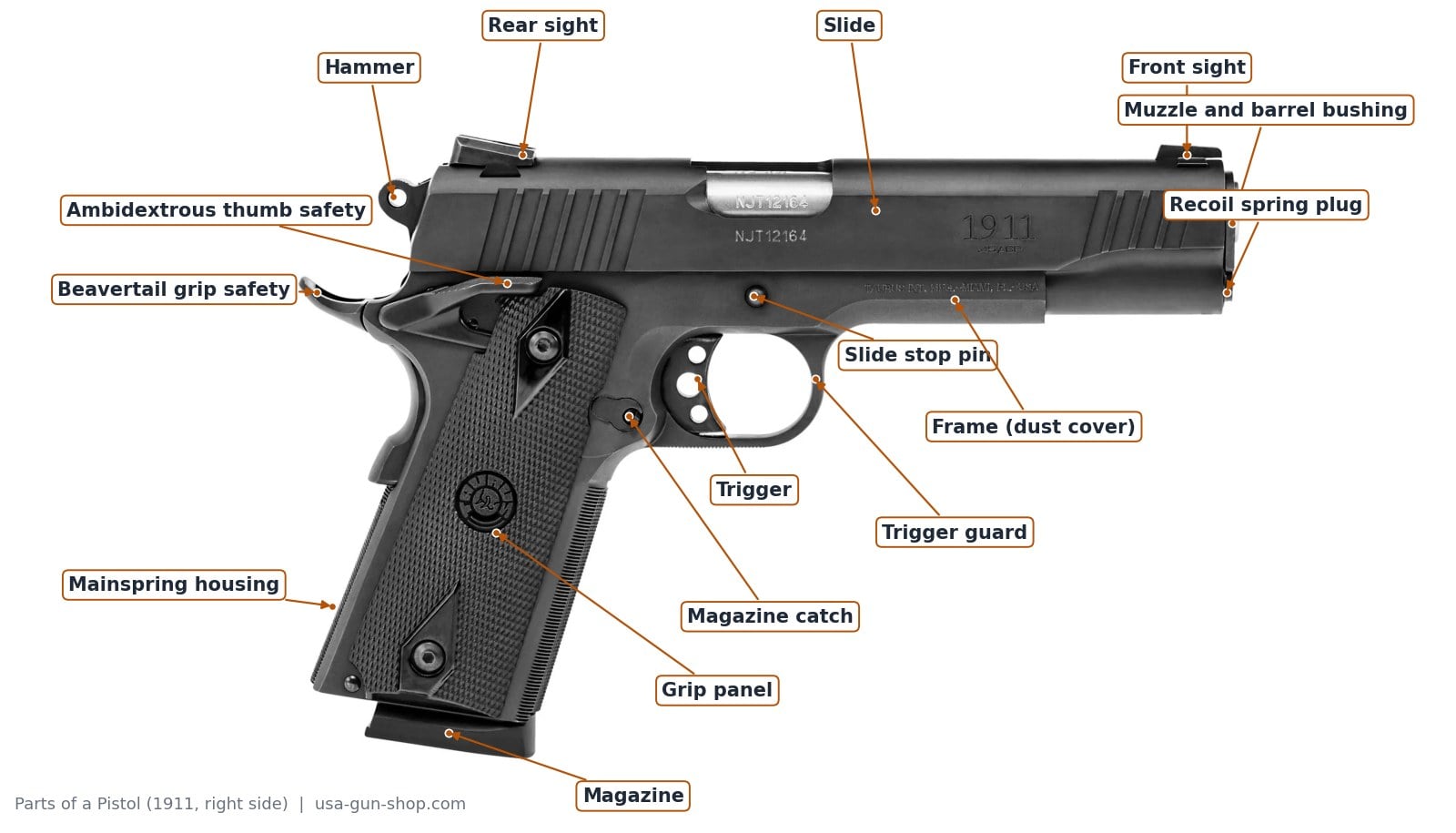
A semi-auto pistol has two big parts that slide against each other: the slide on top and the frame underneath. When you fire, the slide moves back, throws out the empty case, and runs forward to strip a new round from the magazine in the grip. Our types of handguns guide explains how striker-fired and hammer-fired pistols differ.
- Slide: The moving top half. It carries the sights and the firing mechanism, and you rack it to load the first round.
- Barrel and barrel bushing: The barrel sits inside the slide. On a 1911, the bushing at the front centers it.
- Frame: The lower half that holds the trigger, grip and magazine. The part under the barrel is the dust cover, where lights mount on railed guns.
- Front and rear sights: Line them up to aim.
- Hammer: On a hammer-fired pistol like the 1911, it strikes the firing pin. Striker-fired pistols like the Glock have no hammer.
- Thumb safety: A lever that locks the gun. This 1911 has an ambidextrous safety, so you can see the right-side lever.
- Grip safety: The beavertail on the back of a 1911 grip. The gun won’t fire unless your hand presses it in.
- Slide stop: Holds the slide open on an empty magazine. The lever is on the left side; the diagram shows the pin end on the right.
- Magazine release: The button on the left side, behind the trigger guard, that drops the magazine. The diagram shows the catch on the right side.
- Trigger and trigger guard: Pull the trigger to fire; the guard keeps things out of it.
- Mainspring housing: The back strap of a 1911 grip, which holds the spring that powers the hammer.
- Recoil spring plug: Caps the recoil spring under the barrel, which pushes the slide back forward.
A Glock-style striker pistol swaps a few of these. There’s no hammer, no grip safety and often no thumb safety. Instead you get a striker inside the slide, a small lever in the face of the trigger, and a takedown lever above the trigger guard for disassembly.
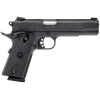
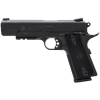
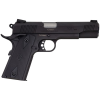
Best-priced firearms across 200+ retailers · Updated every 4 hours
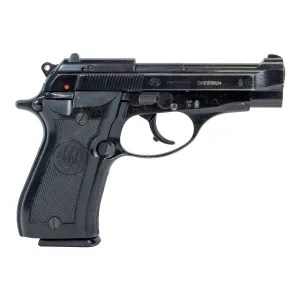
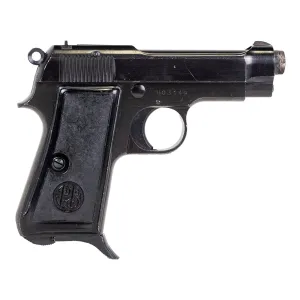
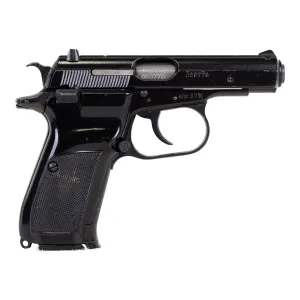
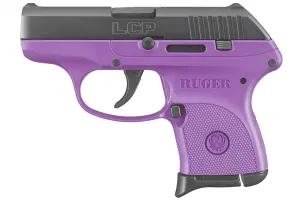
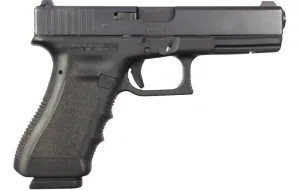

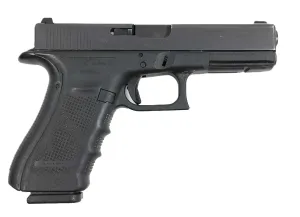
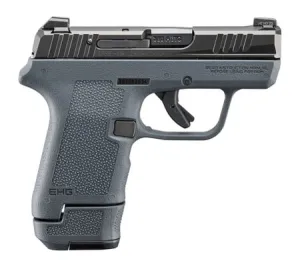
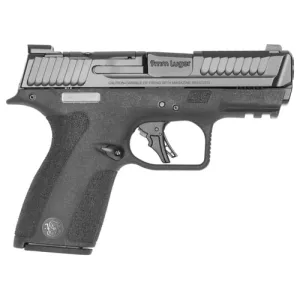
Best-priced firearms across 200+ retailers · Updated every 4 hours
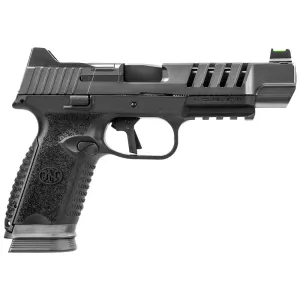

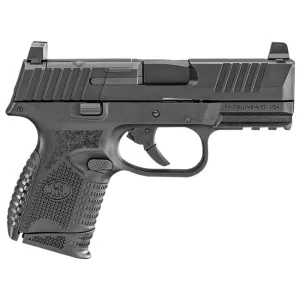

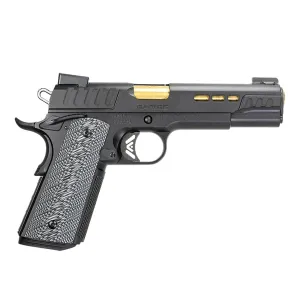
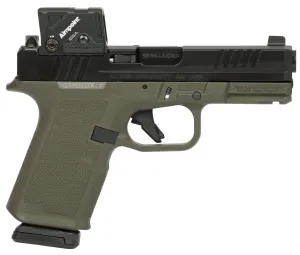
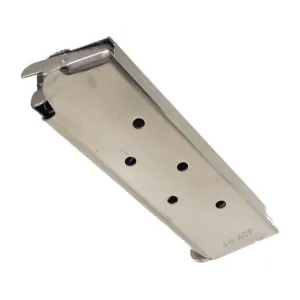
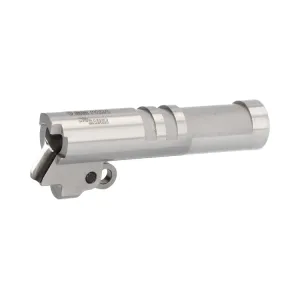
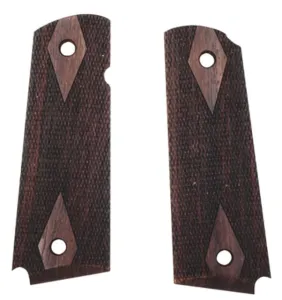
Best-scored parts across 200+ retailers · Updated every 4 hours



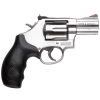
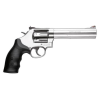
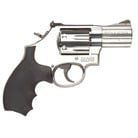
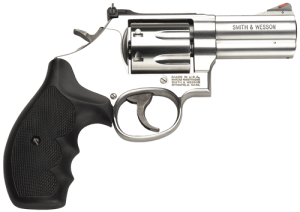
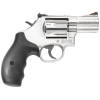
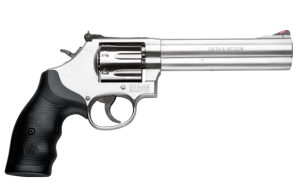
Parts of a Revolver
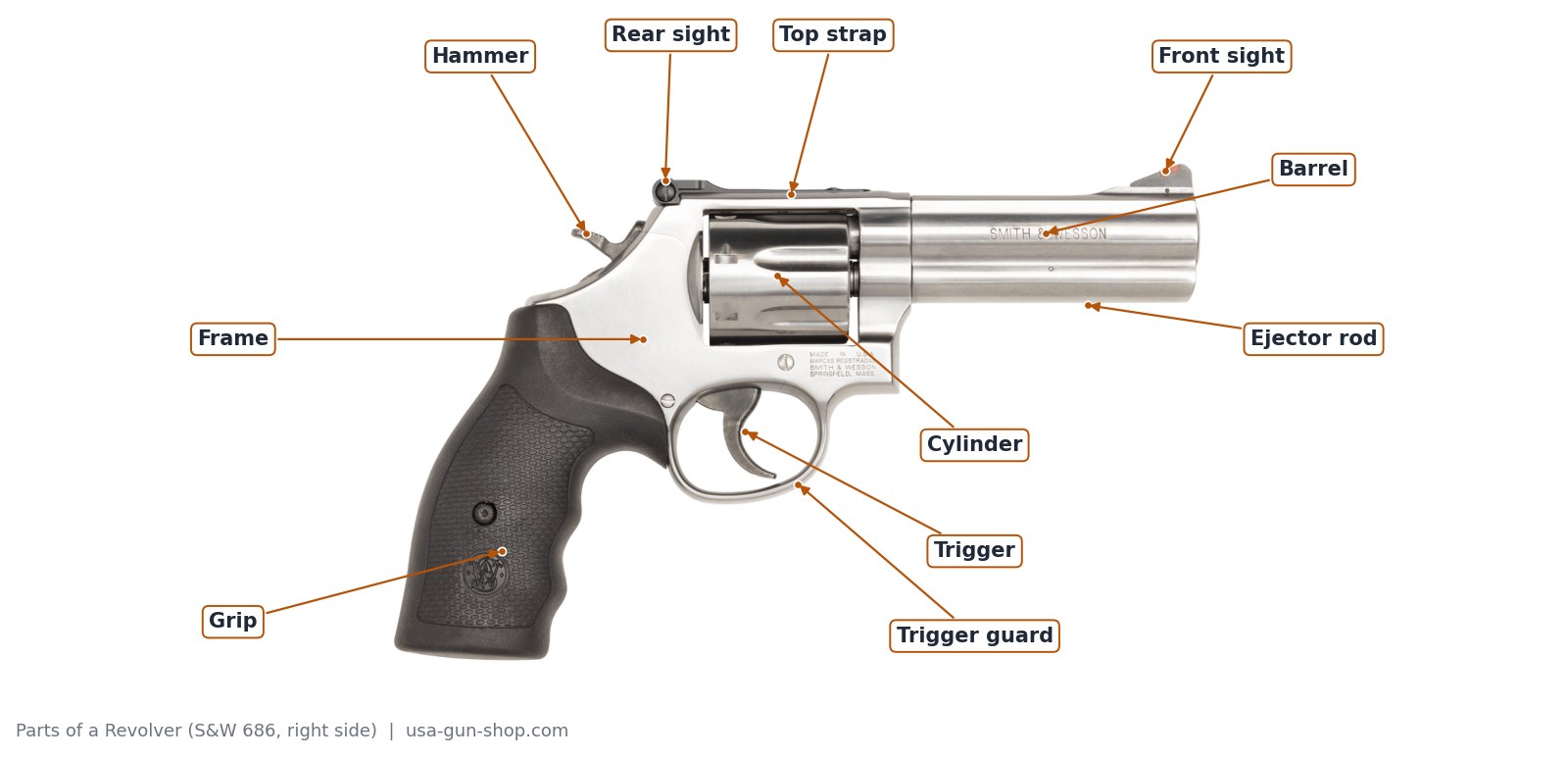
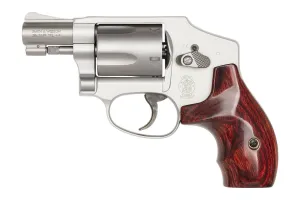
A revolver has no slide and no magazine. Its rounds sit in a cylinder that turns to line each one up with the barrel.
- Cylinder: Holds the rounds, five to eight on most revolvers. It swings out to the side for loading on a double-action revolver.
- Cylinder release: The latch that frees the cylinder to swing out. It’s on the left side of the frame, so it isn’t in this right-side photo.
- Ejector rod: Push it with the cylinder open to kick every empty case out at once. On the 686 it sits under the barrel lug.
- Hammer: Cock it by thumb for a light single-action pull, or let a long double-action trigger pull cock it for you.
- Frame and top strap: The frame holds everything together; the top strap is the bridge over the cylinder.
- Barrel, front sight and rear sight: The 686 has an adjustable rear sight and a red-insert front sight.
- Trigger, trigger guard and grip: The same jobs as on a pistol.
Our best revolvers guide covers single action vs double action and the other types of revolvers.
Best-priced firearms across 200+ retailers · Updated every 4 hours




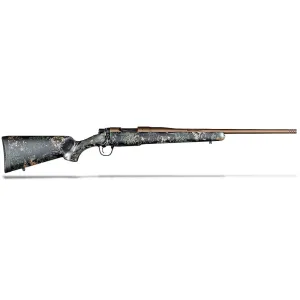
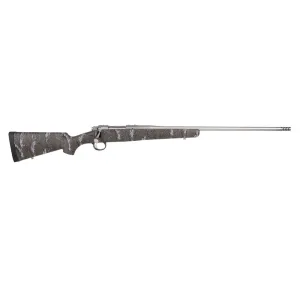
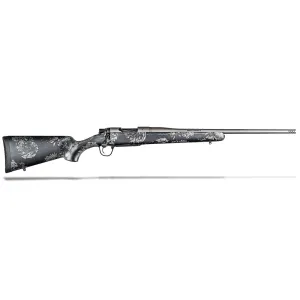
Parts of a Rifle
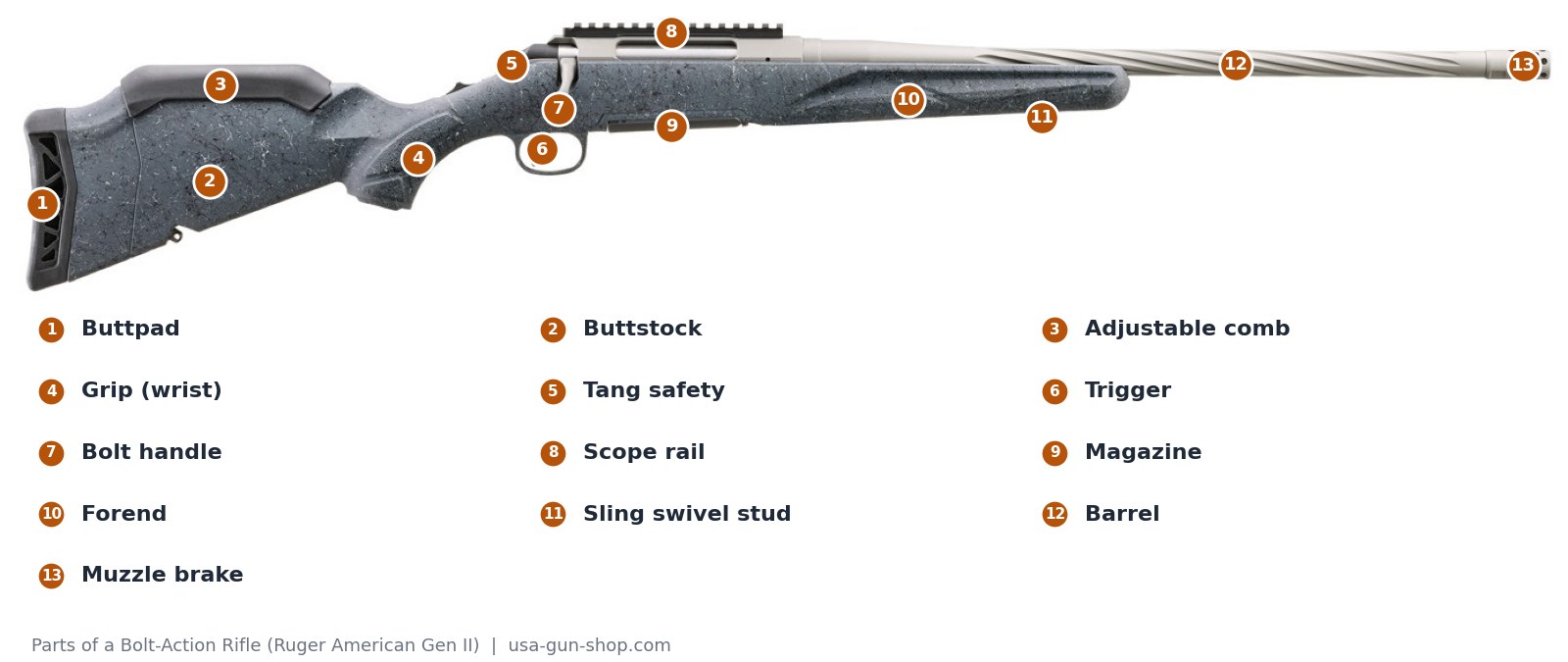
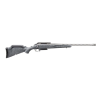
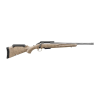
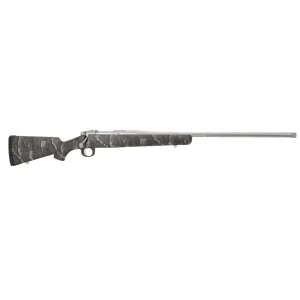
A bolt-action rifle is the simplest rifle to learn on, because every part you need to know is on the outside. Our types of rifles guide shows how it compares with lever, semi-auto and single-shot rifles.
- Buttstock, buttpad and comb: The buttpad rests on your shoulder and the comb is where your cheek sits. The Ruger American Gen II’s comb adjusts for height.
- Grip (wrist): Where your shooting hand holds the stock.
- Bolt and bolt handle: Lift and pull the handle to eject, push and turn it down to load and lock.
- Receiver and scope rail: The receiver holds the bolt and trigger; the rail on top mounts a scope.
- Safety: On this rifle it’s a tang safety, a slider on top behind the bolt that you can reach with your thumb.
- Trigger and magazine: This rifle feeds from a detachable box magazine that sits flush under the action.
- Forend: The front of the stock, where your other hand holds the rifle.
- Sling swivel studs: Attach points for a sling.
- Barrel and muzzle brake: The brake vents gas sideways to cut recoil, at the cost of more noise.
For what each cartridge does, see our rifle caliber guide.
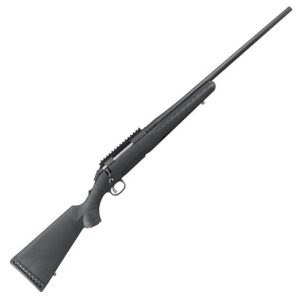
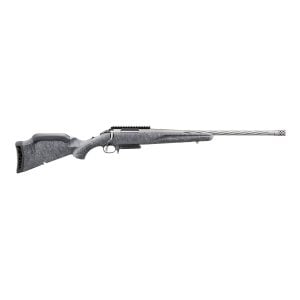
Best-priced firearms across 200+ retailers · Updated every 4 hours



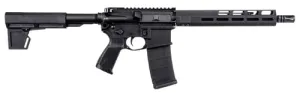
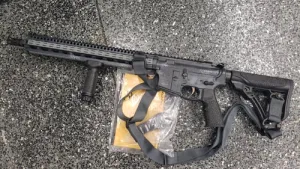
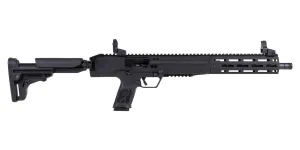
Parts of an AR-15
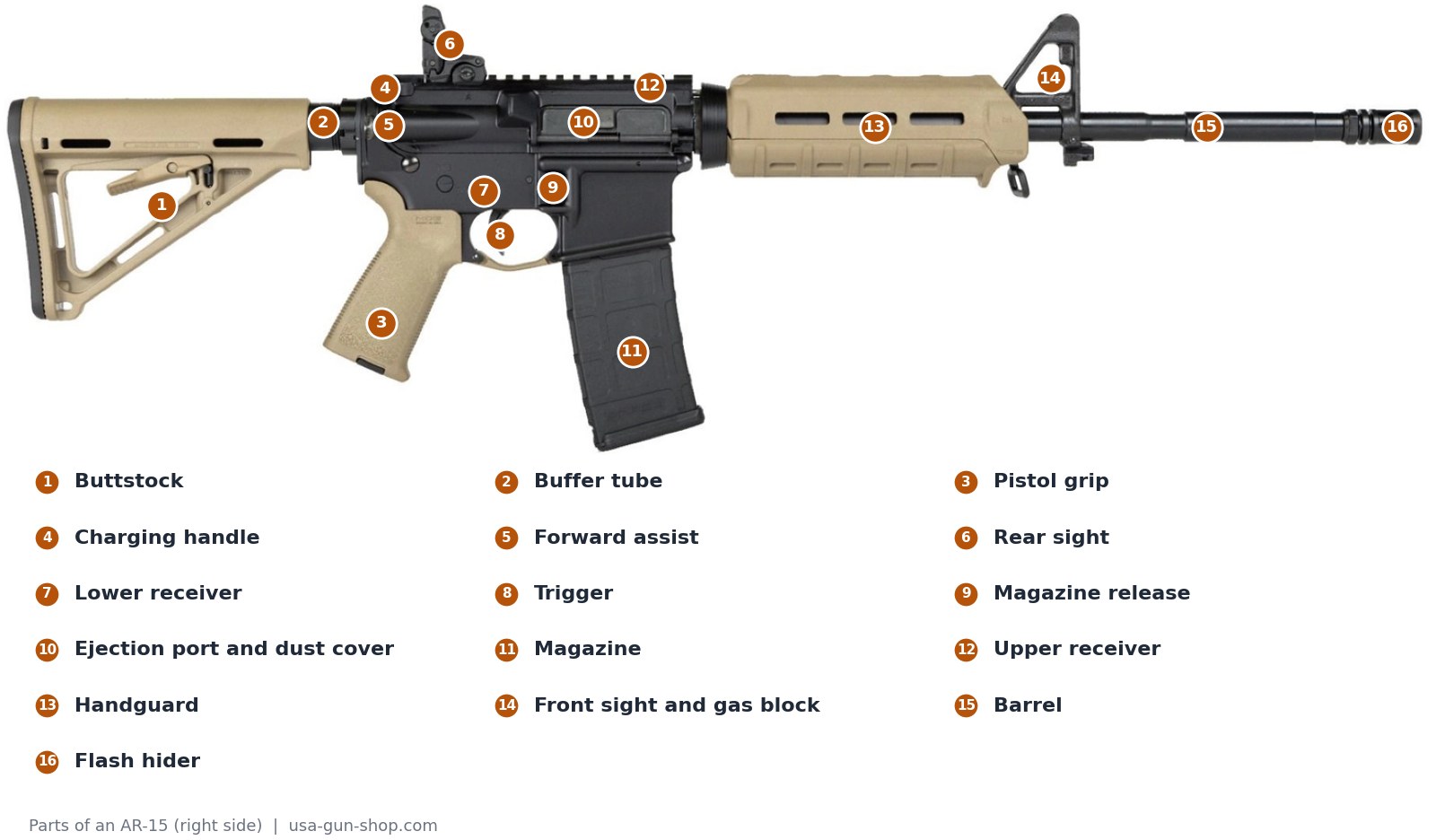
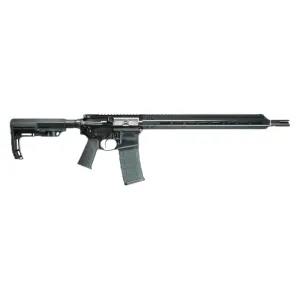
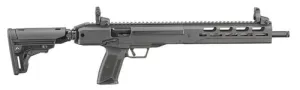
The AR-15 splits into two halves held together by two pins: the upper receiver and the lower receiver. That’s why you can swap uppers, and why AR parts names come up so often.
- Lower receiver: Holds the trigger group, magazine well, pistol grip and buffer tube. It’s the serialized part, so it’s the part the law treats as the firearm.
- Upper receiver: Holds the bolt carrier group, barrel and handguard, with a rail on top for optics.
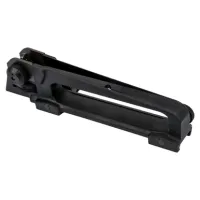
- Charging handle: The T-shaped handle at the back of the upper that you pull to load the first round.
- Forward assist: A plunger on the right side that pushes the bolt fully closed if it doesn’t go into battery.
- Ejection port and dust cover: Where empties come out; the spring-loaded cover keeps dirt out when closed.
- Buffer tube and buttstock: The tube holds the buffer and spring that soak up the bolt’s travel; the stock slides along it to adjust length.
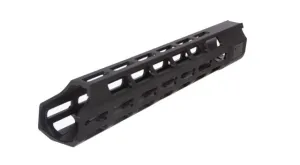
- Handguard: Protects your hand from the hot barrel and gives you somewhere to mount a light or grip.
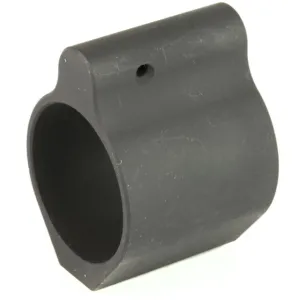
- Front sight and gas block: On this rifle the front sight base is also the gas block, which sends gas back through a tube to cycle the action.
- Barrel and flash hider: The flash hider reduces the flash you see at the muzzle.
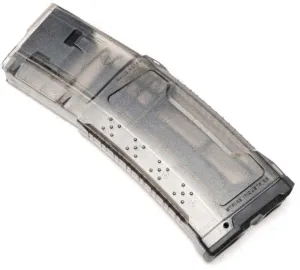
- Magazine and magazine release: The release is the button on the right side above the trigger guard.
The safety selector and bolt catch are on the left side. Our AR-15 parts list goes part by part, inside and out.



Best-priced firearms across 200+ retailers · Updated every 4 hours



Best-scored parts across 200+ retailers · Updated every 4 hours



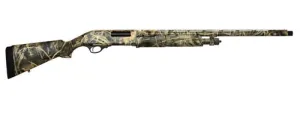
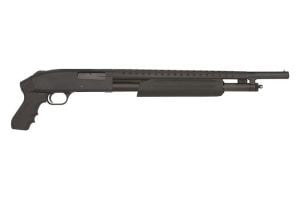
Parts of a Shotgun
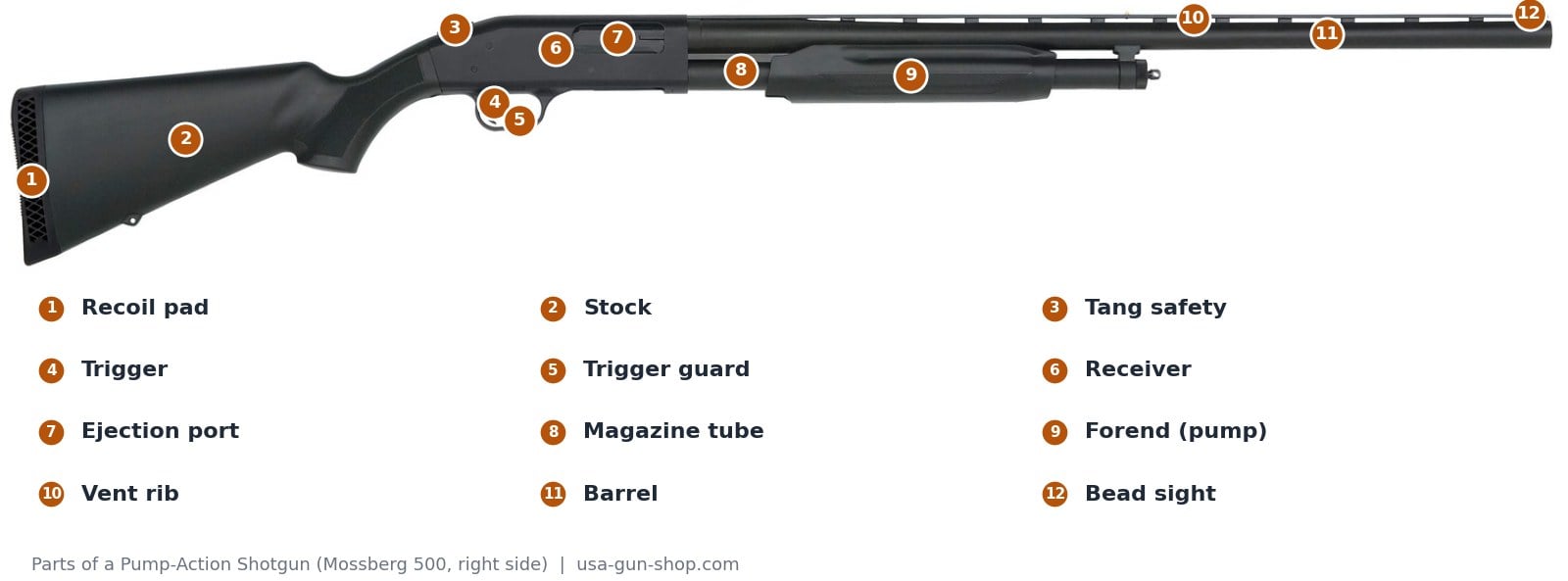
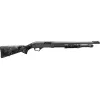
A pump shotgun has the same basic layout as a rifle, plus a sliding forend that works the action and a magazine tube under the barrel instead of a box magazine. Our types of shotguns guide shows how pump, semi-auto and break-action shotguns differ.
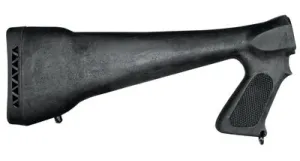
- Stock and recoil pad: The recoil pad softens the kick.
- Receiver: Houses the bolt and the parts that feed shells from the tube.
- Tang safety: The Mossberg’s safety sits on top, right where your thumb rests, and works the same for left and right handers.
- Ejection port: Where the empty hull comes out.
- Trigger and trigger guard: The action release, which lets you open the action without firing, is behind the trigger guard on the left side.
- Forend (pump): Slide it back and forward to eject and load.
- Magazine tube: Holds the shells under the barrel. For migratory bird hunting, federal rules limit you to three shells, which is why many tubes come with a plug.
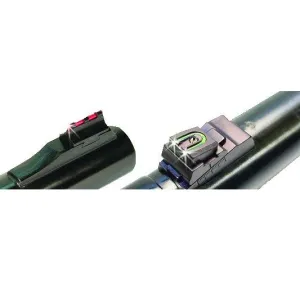
- Barrel, vent rib and bead sight: The rib gives you a flat sight plane; the bead at the muzzle is the front sight.
The end of the barrel may also take a choke, which tightens or opens the shot pattern. See our shotgun choke guide, barrel length guide and best pump-action shotguns.
Best-priced firearms across 200+ retailers · Updated every 4 hours

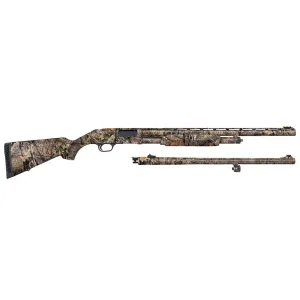
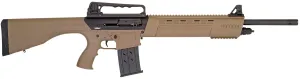
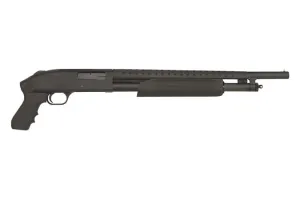
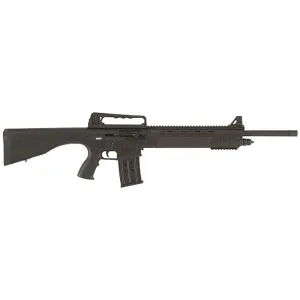
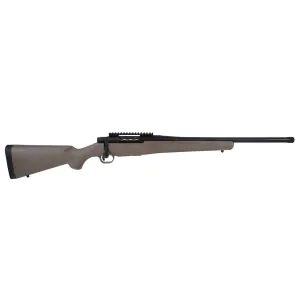
Best-priced firearms across 200+ retailers · Updated every 4 hours
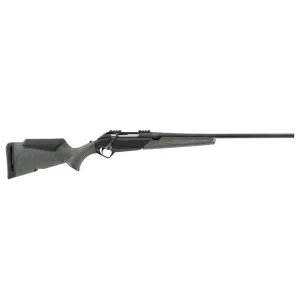
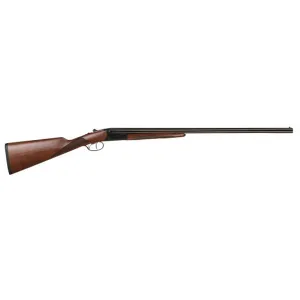

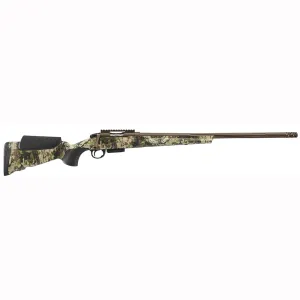

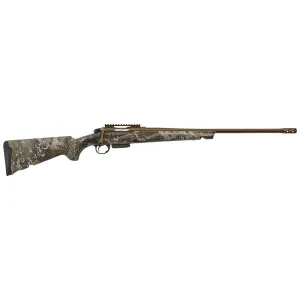

Best-scored parts across 200+ retailers · Updated every 4 hours



Parts of a Cartridge
A gun is only half of it. Every round of ammunition has four parts:
- Case: The brass, steel or aluminum shell that holds everything together.
- Primer: A small cap at the base that ignites when the firing pin hits it. On rimfire ammo like .22 LR, the priming compound is in the rim instead.
- Powder: The propellant that burns and builds pressure.
- Bullet: The projectile that leaves the barrel. In a shotgun shell, that’s a load of shot or a slug held in a wad.
Our handgun calibers chart compares the common cartridges.
Which Part Is Legally the Firearm?
Under federal law, the term “firearm” includes the frame or receiver of a gun, not just the complete gun. That’s the part with the serial number, and it’s the part you buy through a licensed dealer. On a pistol it’s the frame, on a revolver the frame, on a bolt-action rifle the receiver, and on an AR-15 the lower receiver. Barrels, slides, stocks and most other parts are not firearms on their own under federal law, though some states regulate more parts. See our gun parts page for what you can buy.
Gun Parts Glossary
| Term | What it means |
|---|---|
| Bore | The inside of the barrel |
| Chamber | The back of the barrel, where the round sits when it fires |
| Breech | The rear end of the barrel and the area around the chamber |
| Muzzle | The front end of the barrel, where the bullet exits |
| Crown | The shaped edge of the bore at the muzzle; damage here hurts accuracy |
| Rifling | Spiral grooves inside a rifle or pistol barrel that spin the bullet |
| Firing pin or striker | The part that hits the primer |
| Sear | The part that holds the hammer or striker back until you pull the trigger |
| Extractor | A hook that pulls the empty case out of the chamber |
| Ejector | Kicks the empty case out of the gun |
| Magazine | Holds rounds and feeds them into the action; not a “clip” |
| Choke | A constriction at a shotgun’s muzzle that controls the spread of shot |
Keeping these parts clean is most of keeping a gun running. Our gun cleaning and maintenance guide shows how.
Frequently Asked Questions
What are the three main parts of a gun?
The action, the barrel and the stock or frame. The action loads, fires and ejects each round, the barrel guides the bullet or shot, and the stock or frame is what you hold.
What are the parts of a pistol?
The main parts of a semi-auto pistol are the slide, barrel, frame, grip, magazine, trigger, trigger guard, sights, slide stop and magazine release. Hammer-fired pistols like the 1911 add a hammer and often a thumb safety and grip safety; striker-fired pistols use an internal striker instead.
What are the parts of a revolver?
The cylinder, cylinder release, ejector rod, hammer, frame, top strap, barrel, sights, trigger, trigger guard and grip. The cylinder holds the rounds and turns to line each one up with the barrel.
What are the parts of a rifle?
The buttstock, grip, receiver, bolt or other action, trigger, magazine, forend, barrel and muzzle. A bolt-action rifle adds a bolt handle; an AR-15 splits into an upper and lower receiver with a charging handle.
What are the parts of a shotgun?
The stock, receiver, safety, trigger, magazine tube or chambers, forend, barrel, rib and bead sight, plus an interchangeable choke on many guns. On a pump shotgun the forend slides to work the action.
Which part of a gun is the firearm legally?
Under federal law, the frame or receiver counts as a firearm on its own. It is the serialized part, such as a pistol frame or an AR-15 lower receiver. Barrels, slides and stocks are not firearms on their own under federal law, though some states regulate more parts.
What is the difference between a magazine and a clip?
A magazine holds rounds and feeds them into the action with a spring. A clip holds rounds together so they can be loaded into a magazine or cylinder. Most modern guns use magazines.
What does the slide do on a pistol?
It moves back when you fire, ejecting the empty case, then returns forward to load the next round from the magazine. It also carries the sights, and you rack it by hand to chamber the first round.
3,979+ Gun & Ammo Deals
Updated daily from 200+ top retailers. Filter by category, caliber, action type, and price.
Related Guides