
Last updated October 26th 2026
Some of the links below are affiliate links, meaning at no additional cost to you, we may earn a commission if you click through and make a purchase.
By Nick Hall
There are two main types of handguns: semi-automatic pistols and revolvers. A semi-auto feeds from a magazine in the grip and reloads itself after every shot. A revolver holds its rounds in a rotating cylinder. Around those two sit a handful of smaller types: derringers, single-shot and bolt-action pistols, and AR-style pistols.
Inside each type, two things decide how a handgun feels and what it’s good for: its size, from full-size duty guns down to pocket pistols, and its trigger system, striker-fired, single action, double action or both. This guide covers every one with a real gun you can buy, live prices from our 200+ retailers on October 26, 2026, and a size chart with real barrel lengths. For the bigger picture, start with our types of guns hub.
Table of Contents
How we tested: Every pick here is ranked against our testing methodology. Minimum round counts, accuracy and reliability protocols, the failures that disqualify a gun.
Types of Handguns at a Glance
| Type | How it holds ammo | Common capacity | Best for | Example on this page |
|---|---|---|---|---|
| Striker-fired pistol | Detachable magazine in the grip | 10 to 17 | Carry, home defense, duty | Glock 17 Gen 6 |
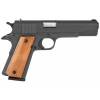
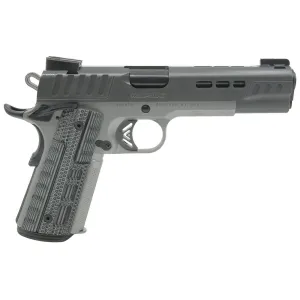
| Hammer-fired pistol | Detachable magazine in the grip | 7 to 15 | Carry, competition, range | Rock Island 1911 |
| Rimfire pistol | Detachable magazine | 10 | Learning, plinking | Ruger Mark IV |
| Double-action revolver | Swing-out cylinder | 5 to 8 | Carry, hunting, home | S&W 686 Plus |
| Single-action revolver | Fixed cylinder, loading gate | 6 | Plinking, cowboy action, hunting | Heritage Rough Rider |
| Derringer | One shot per barrel | 1 or 2 | Deep backup carry | Bond Arms |
| Single-shot or bolt pistol | Loaded by hand | 1 | Handgun hunting, long range | none in stock |
| AR pistol | Detachable rifle magazine | 30 | Home defense, range | PSA PA-15 pistol |
Handgun vs Pistol vs Revolver: The Legal Definitions
People use “pistol” and “handgun” as if they mean the same thing, and day to day they do. Federal law is more precise. Under 18 U.S.C. 921, a handgun is any firearm with a short stock designed to be held and fired with one hand. ATF’s regulations in 27 CFR 478.11 then split handguns in two:
- Pistol: a handgun whose chamber is part of the barrel or permanently lined up with it, with a grip that sits at an angle below the bore. Semi-autos, derringers and single-shot pistols are all pistols.
- Revolver: a pistol-type handgun with a rotating cylinder of chambers that brings each cartridge in line with the barrel as you cock the hammer or pull the trigger.
So every pistol is a handgun, every revolver is a handgun, but a revolver is not a pistol in ATF’s language. It matters on forms and in some state laws, so if a statute or a dealer says “pistol,” check whether it means revolvers too.
Semi-Automatic Pistols
A semi-auto pistol fires one round each time you pull the trigger. The energy of that shot drives the slide back, which throws out the empty case and strips a fresh round from the magazine on the way forward. Most 9mm and larger pistols use a short-recoil locked breech; small .22 and .380 pistols often use simple blowback. They’re the most common handguns sold in America because they hold more rounds, reload faster and run flatter than a revolver of the same size. The big split inside the type is how the gun fires the round.
Striker-Fired Pistols
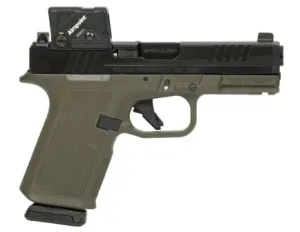
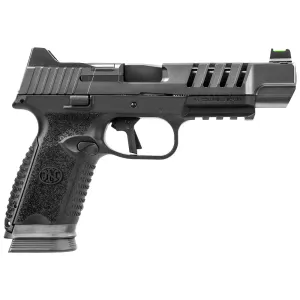
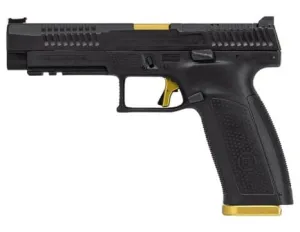
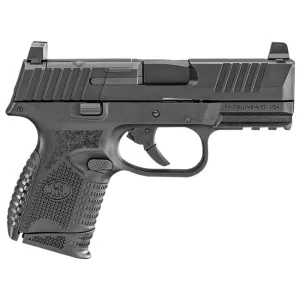
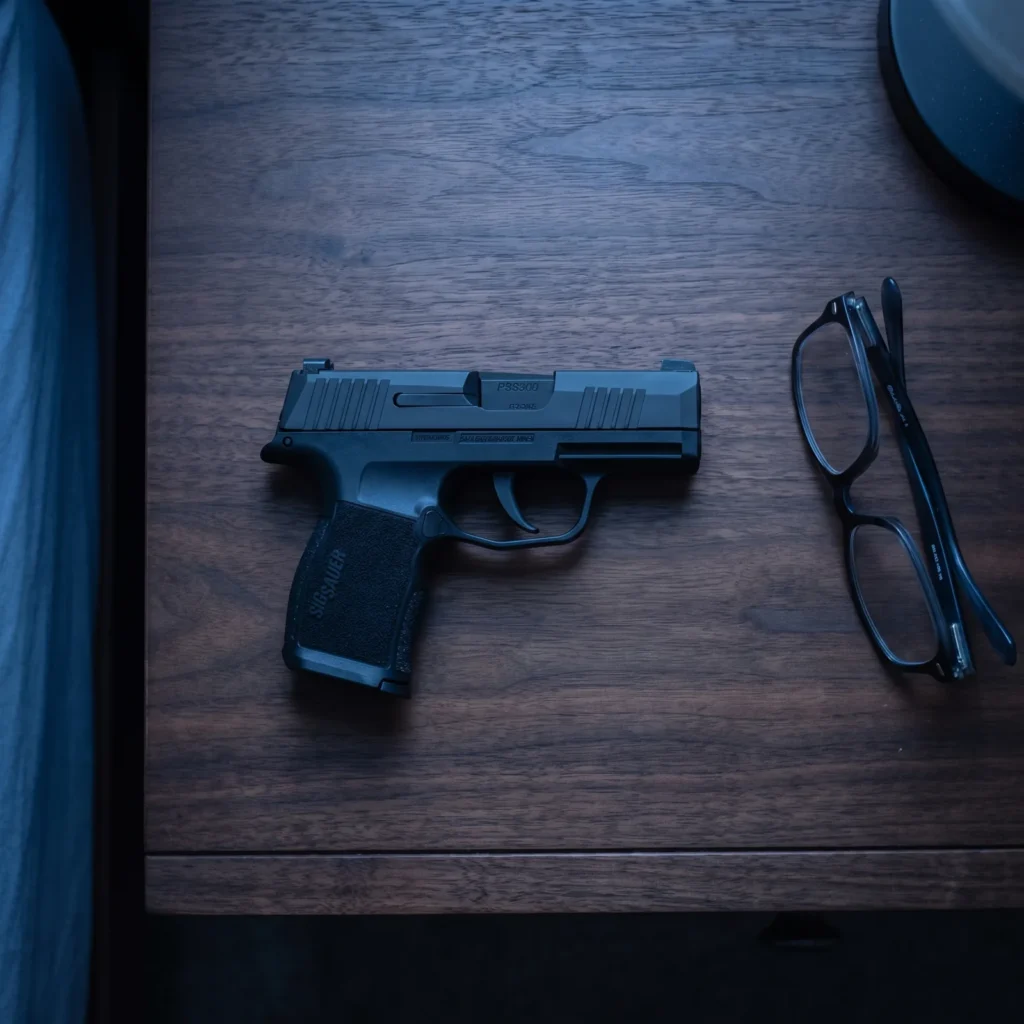
A striker-fired pistol has no external hammer. A spring-loaded firing pin, the striker, is partly cocked as the slide cycles, and the trigger finishes the job and releases it. The result is the same trigger pull on every shot and a simple manual of arms: load, holster, draw, press. The Glock 17 made the design famous, and nearly every modern carry gun, from the Sig P365 to the Springfield Hellcat, works the same way. Most rely on a trigger safety blade instead of a thumb safety. Our types of gun safeties guide shows how each one works.
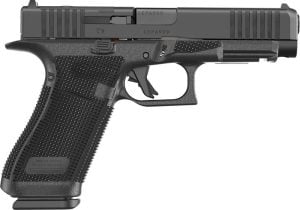
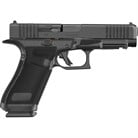
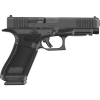
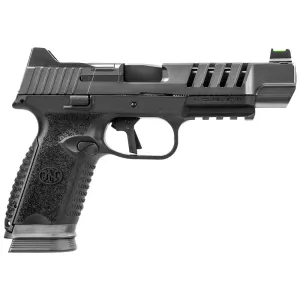
The Glock 17 Gen 6 is the full-size reference point: a 4.49 inch barrel and 17-round magazines, with a 10-round version for restricted states.

Hammer-Fired Pistols
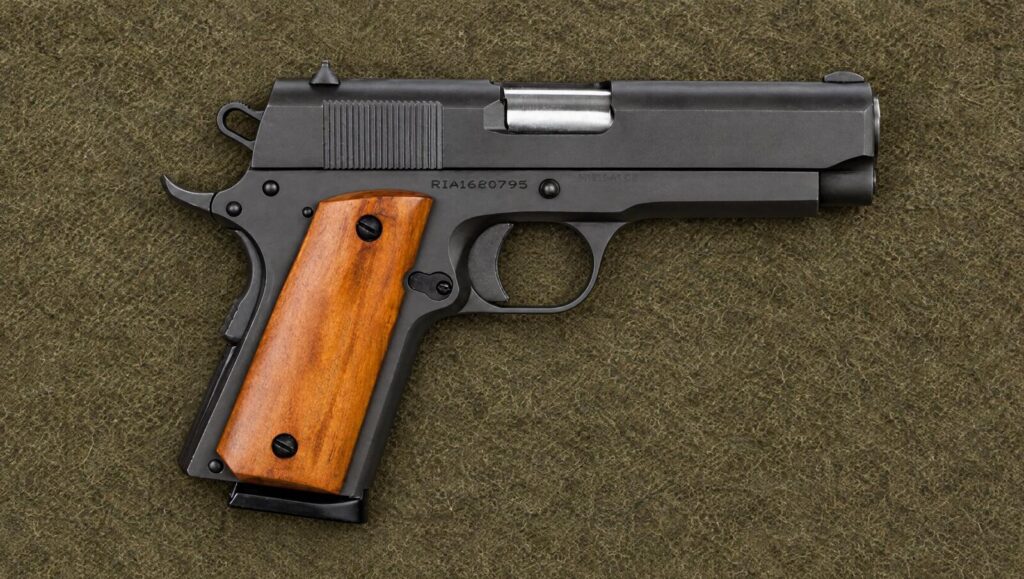
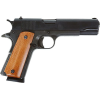
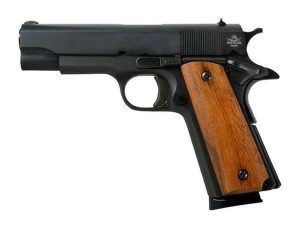
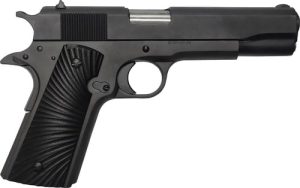
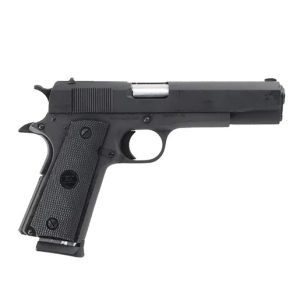
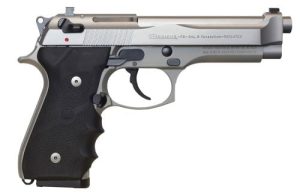
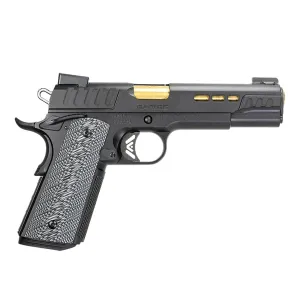
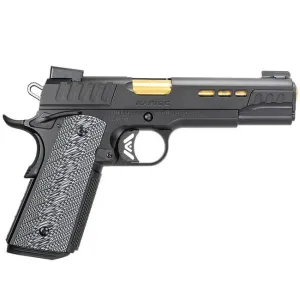
A hammer-fired pistol has a visible hammer that strikes a firing pin. They come in two trigger systems. A single-action pistol like the 1911 needs the hammer cocked before the first shot, so it’s carried cocked with a thumb safety on and has a short, light trigger. A double-action/single-action pistol like the Beretta 92FS fires the first shot with a long, heavy pull that cocks and drops the hammer, then every shot after that is single action. A decocker lowers the hammer safely when you’re done.
Hammer guns are heavier and more complicated than strikers, but the 1911’s trigger is the best in the business and plenty of shooters like being able to see the hammer’s condition. Our striker-fired vs hammer-fired guide goes deeper, and the FN Reflex shows hammer guns now come in micro-compact size too.
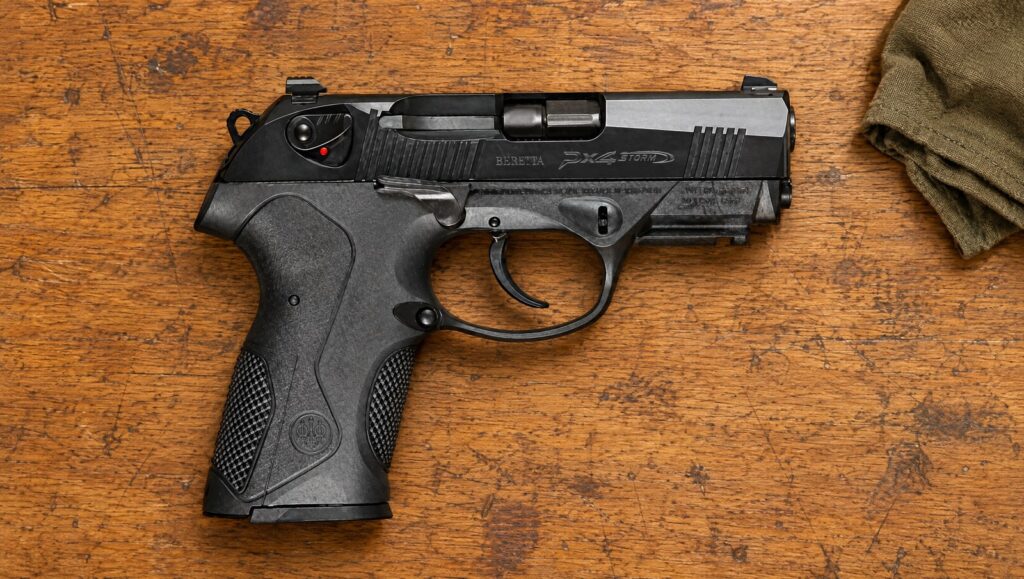
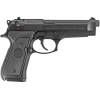
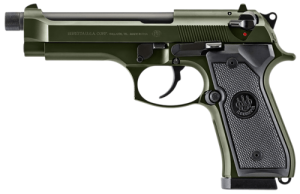
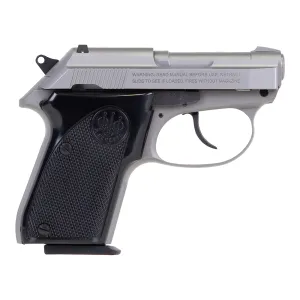
The Beretta 92FS is the classic DA/SA service pistol, with a 4.9 inch barrel and 15-round magazines, and it served as the U.S. military’s M9 for over 30 years. The PX4 Storm above runs the same DA/SA system in a polymer frame.

Rimfire Pistols
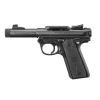
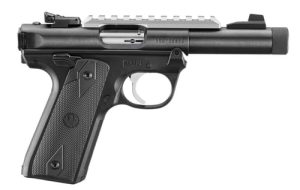
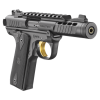
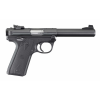
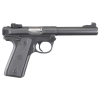
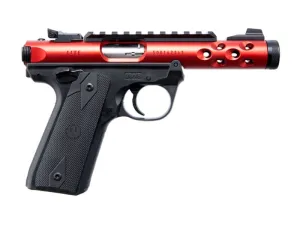
A rimfire pistol shoots .22 LR, the cheapest ammo there is, with almost no recoil. It’s the best way to learn trigger control and the fundamentals before moving up to a 9mm. The Ruger Mark IV 22/45 has a 1911-style grip angle and a one-button takedown that fixed the old Mark series’ hated reassembly.
Best-priced firearms across 200+ retailers · Updated every 4 hours
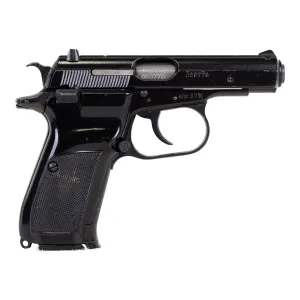
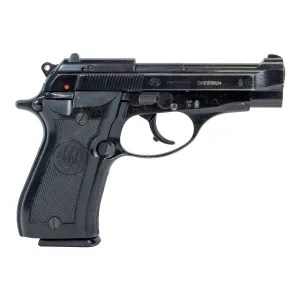
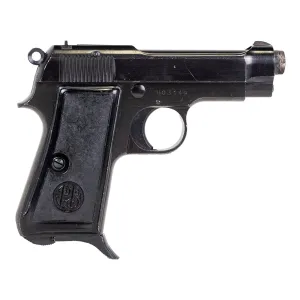
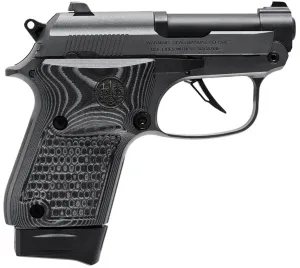

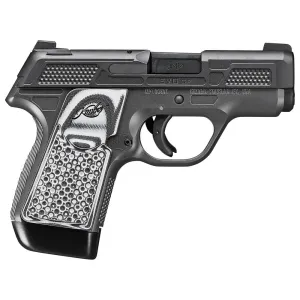
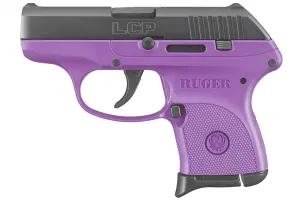


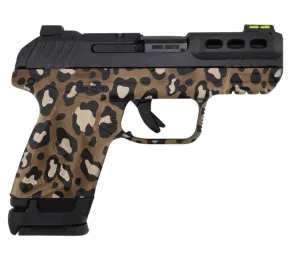
Best-priced firearms across 200+ retailers · Updated every 4 hours



Best-priced firearms across 200+ retailers · Updated every 4 hours



Handgun Sizes: Full-Size to Pocket Pistols
Size is the second way to sort pistols, and it’s the one that matters most for carry. There’s no legal standard for these names, so makers stretch them, but barrel length is a good guide. Here are real guns in each class:
| Size class | Barrel length | Example | Capacity | Best for |
|---|---|---|---|---|
| Full-size | 4.5 to 5 inches | Glock 17 Gen 6 (4.49 in), 1911 Government (5 in) | 15 to 17 in 9mm | Home defense, duty, competition |
| Compact | 3.8 to 4.25 inches | Glock 19 Gen 6 (4.02 in), 1911 Commander (4.25 in) | 15 in 9mm | Carry and home, one gun for both |
| Subcompact | 3.3 to 3.6 inches | Glock 43X (3.41 in), 1911 Officer (3.5 in) | 10 to 15 | Everyday concealed carry |
| Micro-compact | 3 to 3.2 inches | Sig P365 (3.1 in) | 10 to 12 | Deep concealment |
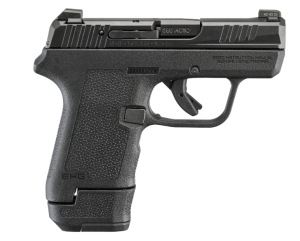
| Pocket pistol | Under 3 inches | Ruger LCP Max (2.8 in, .380) | 10 | Pocket carry, backup |
Smaller isn’t easier. A pocket pistol is harder to shoot well than a full-size gun because there’s less to hold and less weight to soak up recoil. Most people carry best with a subcompact or micro-compact and practice with something bigger. See our best concealed carry handguns and best full-size 9mm pistols.
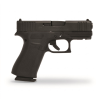
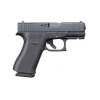
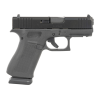
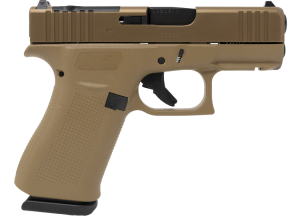
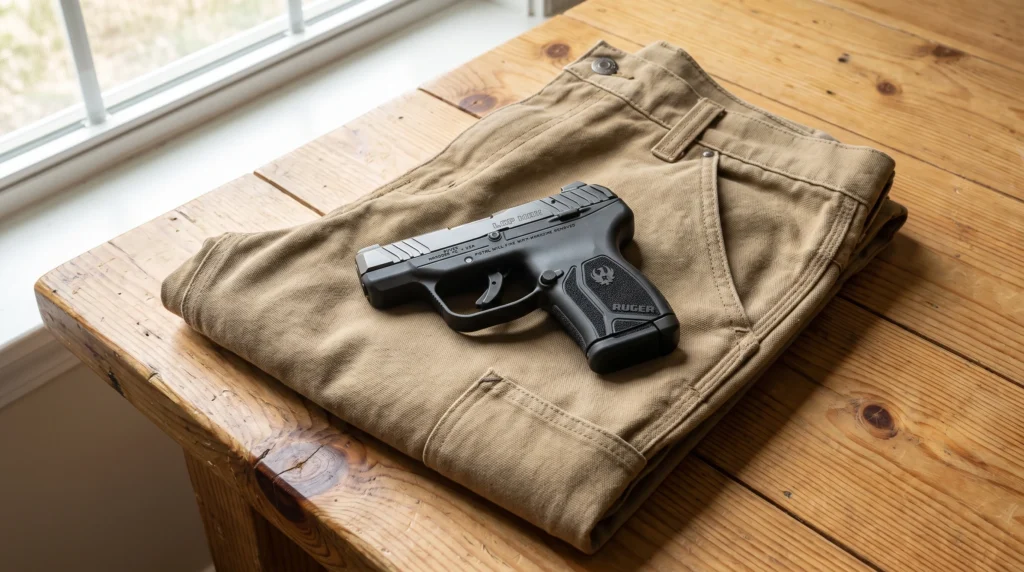
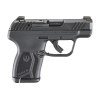
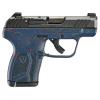
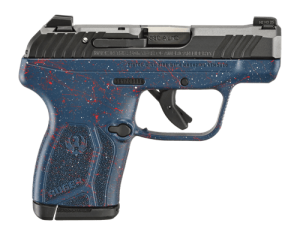
The Ruger LCP Max squeezes 10 rounds of .380 into a gun that disappears in a front pocket. Our best .380 pistols for concealed carry compares it with the rest of the class.

Revolvers
A revolver holds five to eight cartridges in a cylinder that turns to line each chamber up with the barrel. There’s no slide and no magazine, so it doesn’t care what bullet shape you feed it and it will not jam on a weak load. It’s also the only common handgun that safely handles big magnum cartridges like .357, .44 and .454 Casull in a portable package. The trade-off is fewer rounds and slower reloads. Our best revolvers guide has a full section on revolver types, including frame sizes.
Double-Action Revolvers
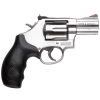
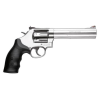
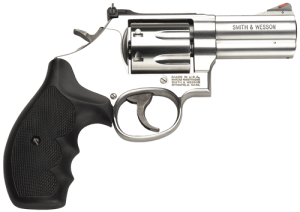
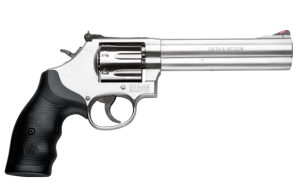
A double-action revolver can fire two ways: a long trigger pull that turns the cylinder, cocks the hammer and fires, or a light single-action pull after you thumb the hammer back. The cylinder swings out to the side for loading. The Smith & Wesson 686 Plus is the benchmark .357 Magnum, with a seven-round cylinder on a medium L-frame.
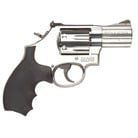
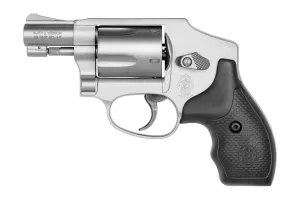
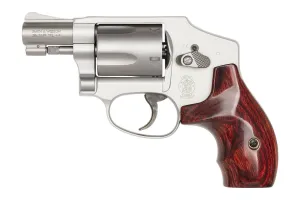
A double-action-only revolver has a shrouded or hidden hammer, so every shot is the long pull. That’s a feature on a pocket gun, because there’s no hammer spur to snag on clothing. The Ruger LCR and Smith & Wesson 642 are the best-known examples, and our best snub-nose revolvers covers the class.
Single-Action Revolvers
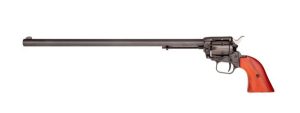
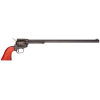
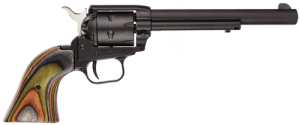
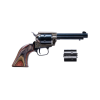
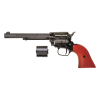
A single-action revolver needs the hammer cocked by hand before every shot, and the cylinder stays in the frame. You load through a gate on the right side one round at a time. It’s the design of the Colt Single Action Army and the Old West, and it lives on in the Ruger Single-Six, Wrangler and Blackhawk. They’re slow to reload, but simple and a lot of fun. The Heritage Rough Rider is the cheapest way in, a six-shot .22 for well under $200. See our best .22 revolvers.

Best-priced firearms across 200+ retailers · Updated every 4 hours



Best-priced firearms across 200+ retailers · Updated every 4 hours





Handgun Trigger Systems Compared
Trigger system is the single biggest difference in how two handguns of the same size feel. Here’s how each one works and where you’ll find it:
| Trigger system | How it works | First shot vs follow-ups | Found on |
|---|---|---|---|
| Striker-fired | Trigger finishes cocking and releases a spring-loaded striker | Same every shot | Glock, Sig P365, S&W M&P, Springfield Hellcat |
| Single action (SA) | Hammer is cocked by hand or by the slide; the trigger only releases it | Same, short and light | 1911, Single-Six, Colt SAA |
| Double action/single action (DA/SA) | First pull cocks and drops the hammer; the slide or your thumb cocks it after | Long and heavy first, then short and light | Beretta 92FS, Sig P226, CZ 75, most DA revolvers |
| Double action only (DAO) | Every pull cocks and drops the hammer | Same every shot, long and heavy | Ruger LCR, S&W 642, Kel-Tec P-3AT |
None is safer than the others by itself. What matters is matching the trigger to how you’ll carry and practice. A light single-action trigger needs a thumb safety and a holster that covers the trigger guard; a long DAO pull is forgiving under stress but harder to shoot accurately.
Derringers
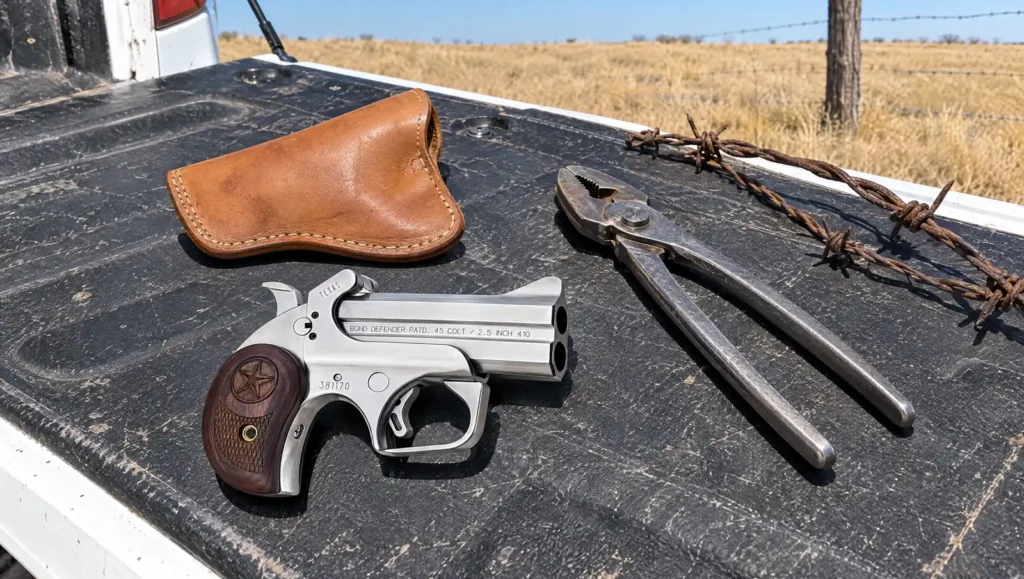
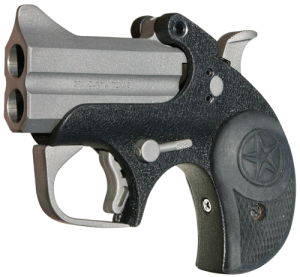
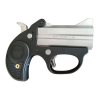
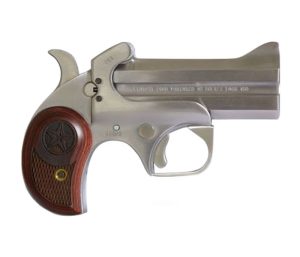
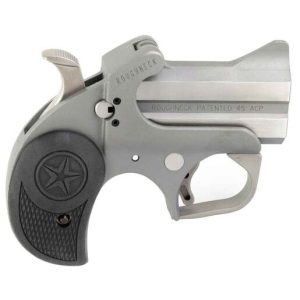
A derringer is a tiny pistol with one shot per barrel, two barrels on most modern ones. You tip the barrels open to load, close them, cock the hammer and fire. Bond Arms builds the best-known ones in stainless steel, with interchangeable barrels in calibers from 9mm to .45 Colt/.410. They’re easy to hide and hit hard, but two shots and a heavy trigger make them a backup gun, not a first handgun. Our best derringers ranks the current models.

Single-Shot, Break-Action and Bolt-Action Pistols
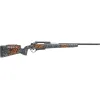
These are handguns built for accuracy at distance instead of carry. A break-action single shot like the Thompson/Center Contender hinges open to load one round and takes interchangeable barrels in rifle cartridges. Bolt-action pistols like the Remington XP-100 work like a short bolt rifle with a pistol grip. Both are made for handgun hunting and long-range handgun silhouette, and both are niche. Muzzleloading and cap-and-ball pistols also still exist for black powder shooters and reenactors.
AR Pistols and Braced Pistols
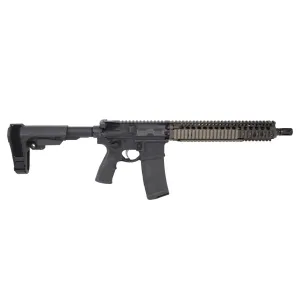
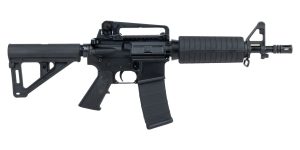
An AR pistol is an AR-15 built with a short barrel, 7 to 10.5 inches on most, and no shoulder stock, so it’s legally a pistol. Most wear a stabilizing brace at the back. In 2023 ATF issued a rule that would have treated most braced pistols as short-barreled rifles, and a federal court in Texas vacated that rule in 2024. In 2026 Congress cut the tax on short-barreled rifles to $0, and on October 9, 2026 ATF said it will no longer require registration for them. Our ATF NFA guidance story covers what changed and what’s still unsettled.
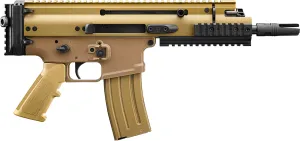
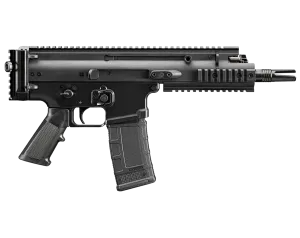
State law is a different story, and several states restrict AR pistols or braces outright, so check yours. The PSA PA-15 pistol is one of the cheapest ways into the type. See our best AR pistols for more.

A machine pistol is a pistol that fires fully automatic, like the Glock 18. Civilians can only own one registered before May 19, 1986, so for practical purposes they’re off the table.
Which Type of Handgun Should You Buy?
- Concealed carry: A striker-fired subcompact or micro-compact 9mm like the Glock 43X or Sig P365. A DAO snub revolver if you want the simplest gun possible.
- Home defense: A full-size or compact 9mm. More weight and a longer sight radius make it easier to shoot well, and you can mount a light.
- First handgun: A compact 9mm, plus a .22 like the Ruger Mark IV for cheap practice. See our best handgun for a beginner.
- Hunting and the outdoors: A .357, .44 Magnum or larger double-action revolver.
- Just for fun: A single-action .22 revolver or a 1911.
Ready to choose a model? Our handgun buyer’s guide walks through fit, caliber and budget, the handgun calibers chart compares the cartridges, the parts of a gun guide names every part, and our best handguns picks the top gun in each category.
Frequently Asked Questions
What are the main types of handguns?
The two main types are semi-automatic pistols and revolvers. Smaller categories include derringers, single-shot and bolt-action pistols, and AR-style pistols. Semi-autos are further split by trigger system, striker-fired or hammer-fired, and by size.
What is the difference between a pistol and a revolver?
A pistol's chamber is part of the barrel, and a semi-auto pistol feeds from a magazine in the grip. A revolver holds its rounds in a rotating cylinder of chambers. Under ATF regulations, a revolver is a separate category from a pistol, though both are handguns.
Is a revolver a pistol?
In everyday speech, yes. In federal regulations, no: 27 CFR 478.11 defines pistols and revolvers separately, and both fall under the broader term handgun.
What is the difference between striker-fired and hammer-fired?
A striker-fired pistol uses an internal spring-loaded firing pin and has the same trigger pull every shot. A hammer-fired pistol has a visible hammer, and its trigger is single action, double action/single action or double action only.
What does DA/SA mean?
Double action/single action. The first shot uses a long, heavy pull that cocks and drops the hammer, and every shot after that is a short, light single-action pull because the slide re-cocks the hammer. The Beretta 92FS is the best-known example.
What size handgun is best for concealed carry?
For most people, a subcompact or micro-compact 9mm with a barrel around 3 to 3.5 inches, like the Glock 43X or Sig P365. Pocket pistols hide better but are harder to shoot well.
What is the best type of handgun for a beginner?
A compact striker-fired 9mm is the easiest all-round choice, with a .22 LR pistol like the Ruger Mark IV for cheap practice. A double-action revolver is also simple to run, but its heavier trigger is harder to shoot accurately.
Is an AR pistol legal?
Federally, yes. An AR pistol has no shoulder stock, and ATF's 2023 brace rule was vacated by a federal court in 2024. Some states restrict AR pistols or braces, so check your state law before you buy.
4,129+ Gun & Ammo Deals
Updated daily from 200+ top retailers. Filter by category, caliber, action type, and price.
Related Guides