

Last updated October 26th 2026
Some of the links below are affiliate links, meaning at no additional cost to you, we may earn a commission if you click through and make a purchase.
By Nick Hall
The main types of shotguns are sorted by action, the part that loads and unloads the shell. There are three big ones: pump-action, semi-automatic and break-action, which splits into over/under, side-by-side and single-shot guns. Around them sit the rarer types: lever-action, bolt-action, bullpup and box-magazine shotguns, plus Shockwave-style guns that the law doesn’t treat as shotguns at all.
I’ve shot every type on this page, from a $230 Maverick 88 to a Citori that costs more than my first truck. Below you’ll find how each one works, what it’s good for, the federal definitions most guides skip, a side-by-side comparison of every action and live prices from our 200+ retailers on October 26, 2026. For rifles and handguns too, start with our types of guns hub.
Table of Contents
How we tested: Every pick here is ranked against our testing methodology. Minimum round counts, accuracy and reliability protocols, the failures that disqualify a gun.
Types of Shotguns at a Glance
| Type | How it loads | Shells on board | Best for | Example on this page |
|---|---|---|---|---|
| Pump-action | You slide the forend back and forward | 5 to 8 | Home defense, hunting, first shotgun | Mossberg 500 |
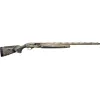
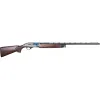
| Gas semi-auto | Gas from the barrel cycles the bolt | 3 to 8 | Waterfowl, clays, defense | Beretta A300 Ultima |
| Inertia semi-auto | Recoil energy cycles the bolt | 3 to 5 | Upland, waterfowl | Stoeger M3000 |
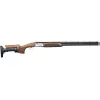
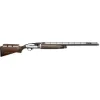
| Over/under | Hinged, barrels stacked | 2 | Trap, skeet, sporting clays, upland | CZ Drake |
| Side-by-side | Hinged, barrels side by side | 2 | Upland, cowboy action | Stoeger Coach Gun |
| Single-shot | Hinged, one barrel | 1 | Youth, small game, a truck gun | Henry Single Shot |
| Lever-action | Lever under the receiver | 5 | Small game, fun | Henry .410 lever |
| Bolt-action | Bolt like a deer rifle | 2 to 3 | Slug hunting | none in stock |
| Bullpup | Pump, action behind the grip | 12 to 15 | Home defense in tight spaces | Kel-Tec KSG |
| Box-magazine | Pump or semi with a detachable magazine | 5 to 20 | Fast reloads, competition | Mossberg 590M |
What Makes a Shotgun a Shotgun: The Legal Definition
Federal law defines a shotgun in 18 U.S.C. 921 as a weapon made to be fired from the shoulder that fires through a smooth bore either a number of ball shot or a single projectile for each pull of the trigger. Three things in that sentence matter: the shoulder stock, the smooth bore and one shot per pull. Take away the stock and it’s no longer a shotgun in the eyes of the law.
The same section sets the line for a short-barreled shotgun: any barrel under 18 inches, or any gun made from a shotgun with an overall length under 26 inches. Those are National Firearms Act items. Two other rules shape what you can buy:
- Age: under 18 U.S.C. 922, a dealer can sell a rifle or shotgun to an 18-year-old, but any other firearm needs a buyer of 21. That catches Shockwave-style guns, which are not shotguns.
- Bore size: any gun with a bore over half an inch is a destructive device unless ATF finds it suitable for sporting use. Every 12 gauge is over that line, which is why ATF Rulings 94-1 and 94-2 could reclassify the Striker-12 Streetsweeper and the USAS-12 as destructive devices in 1994.
Pump-Action Shotguns
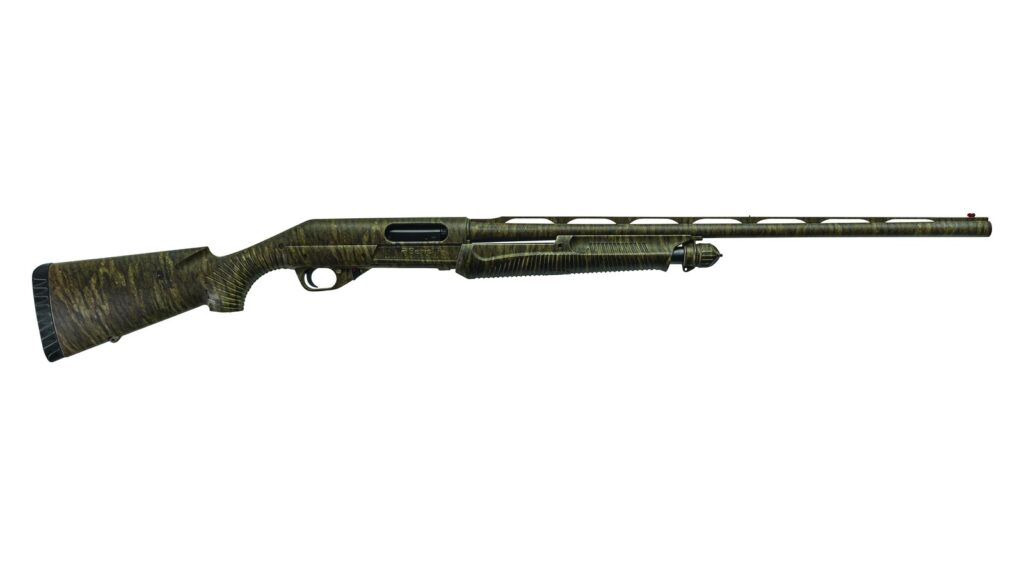
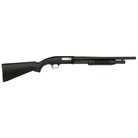
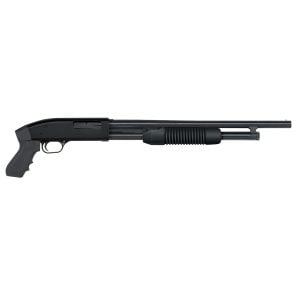
A pump shotgun holds shells in a tube under the barrel. Pull the forend back and the bolt unlocks, throws out the empty hull and lifts a fresh shell; push it forward and the shell is chambered and the gun is ready. Because you power the action, a pump does not care what you feed it. Light target loads, heavy magnum turkey loads, reduced-recoil buckshot and slugs all cycle the same.
That’s why pumps are the default first shotgun and the default home-defense shotgun. The Mossberg 500 and Remington 870 have been the two benchmarks for decades, and our Remington 870 vs Mossberg 500 head-to-head settles that argument. The one real weakness is the shooter. Under stress people short-stroke the forend and tie the gun up, so practice running it hard.
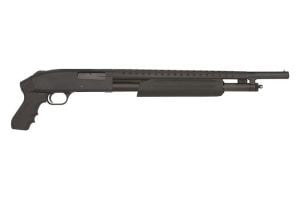
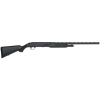
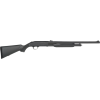
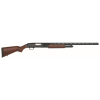
The Maverick 88 is Mossberg’s budget version of the 500. It moves the safety from the tang to a crossbolt in the trigger guard and costs about half as much. I put 500 shells through one for our Maverick 88 review without a hiccup. For more picks, see our best pump-action shotguns.

Semi-Automatic Shotguns
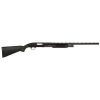
A semi-auto shotgun fires one shell per trigger pull and reloads itself, using the energy of the shot. That means faster follow-ups and, on most models, softer recoil than a pump. You give up a little reliability with very light loads and a lot of money compared with a pump, and you have to keep the gun cleaner. There are two ways to run the action, and they feel different on your shoulder. Our pump vs semi-auto shotgun guide compares the two head to head.
Gas-Operated Semi-Autos
A gas gun bleeds a little gas from ports in the barrel to push a piston that drives the bolt back. Spreading the recoil over that longer stroke is why gas guns are the softest-shooting shotguns made. The Beretta A300 Ultima, A400, 1301, Winchester SX4 and Mossberg 940 are all gas guns. The cost is carbon. A gas system gets dirty fast and wants a scrub every few hundred shells, and very light 7/8 ounce target loads can short-cycle some of them.
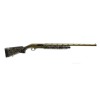
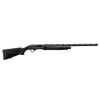
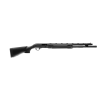
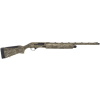
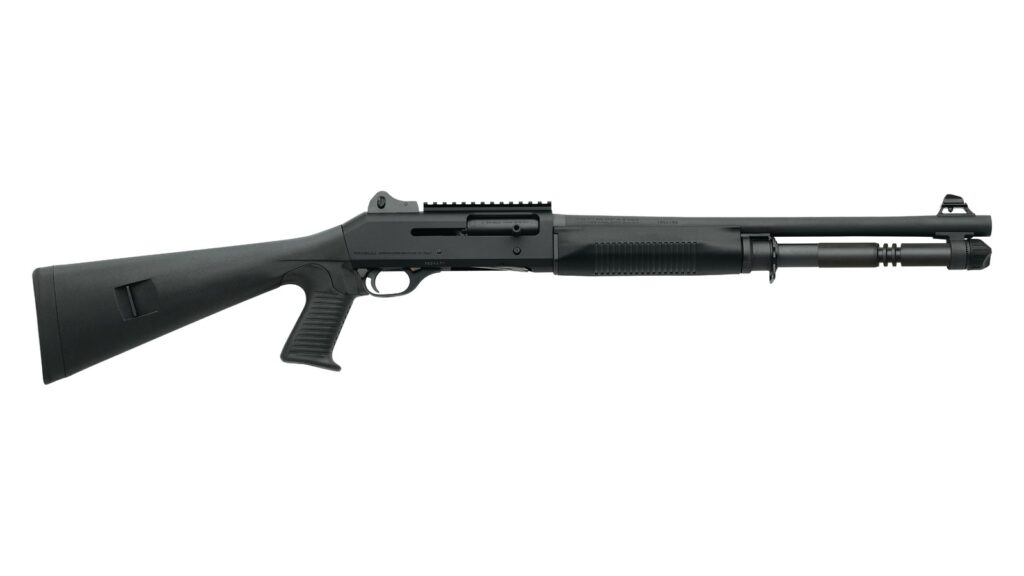
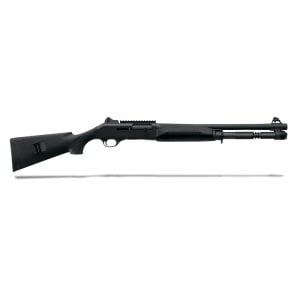
The Benelli M4 is the gas gun the U.S. Marine Corps adopted as the M1014. It runs a twin-piston system Benelli calls ARGO and will eat anything from low-recoil buckshot to 3 inch magnums. It is not cheap. Our Benelli M4 review covers whether it’s worth it, and our best semi-auto tactical shotguns ranks its rivals.



Inertia-Driven Semi-Autos
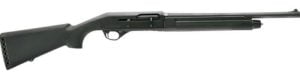
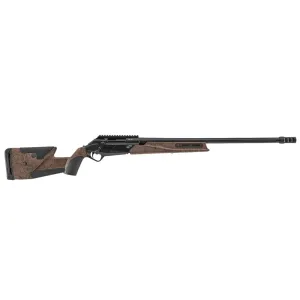
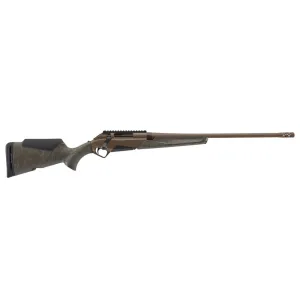
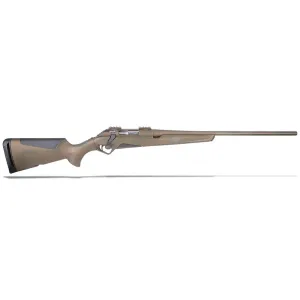
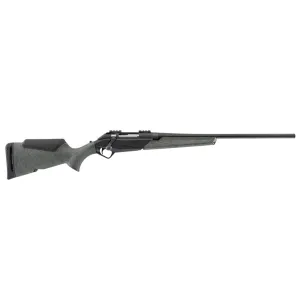
Benelli made the inertia system famous. There’s no gas piston. When the gun recoils, the heavy bolt body stays put for a split second and compresses a spring against the bolt head, and that spring then drives the action. Nothing in the barrel gets dirty, so inertia guns run clean and light, which hunters carrying a gun all day love. They also kick harder than gas guns and need a firm mount to cycle, so a loose hold from a boat or a bad angle can cause a stoppage. The Stoeger M3000 is the cheapest way into one.
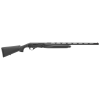
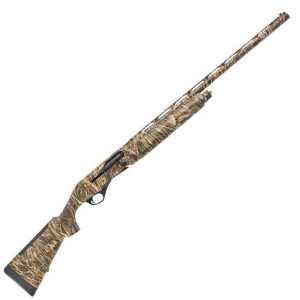
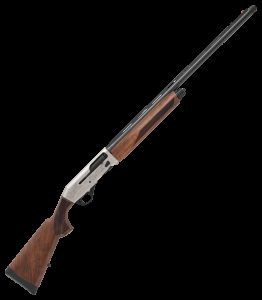
Best-priced firearms across 200+ retailers · Updated every 4 hours
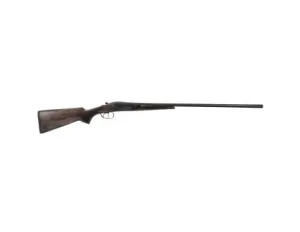

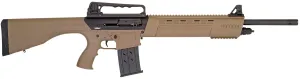

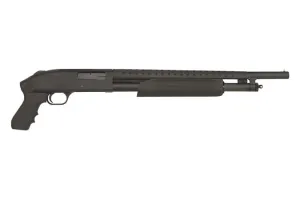
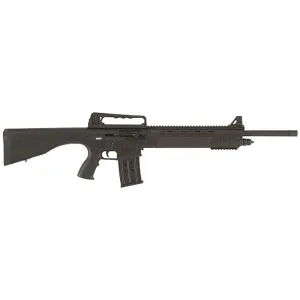
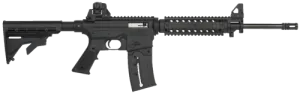
Best-priced firearms across 200+ retailers · Updated every 4 hours
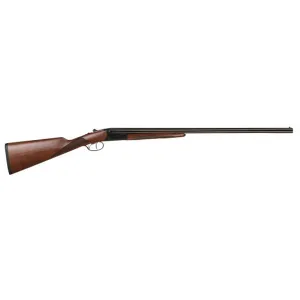

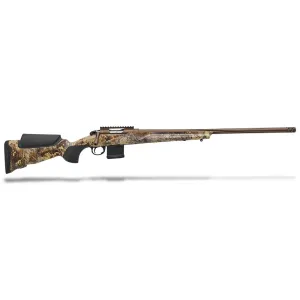
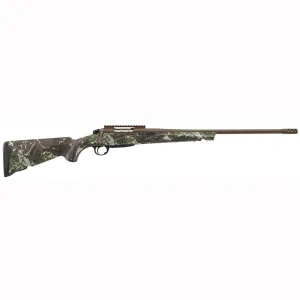
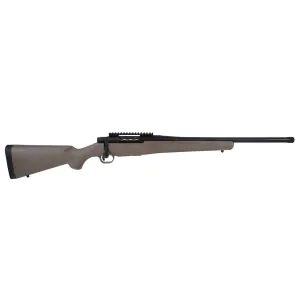
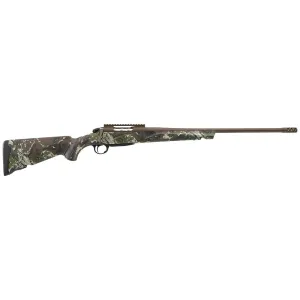
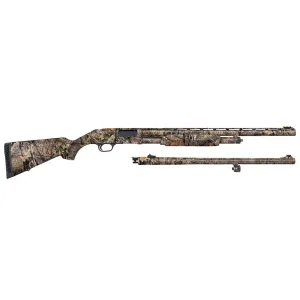
Best-priced firearms across 200+ retailers · Updated every 4 hours
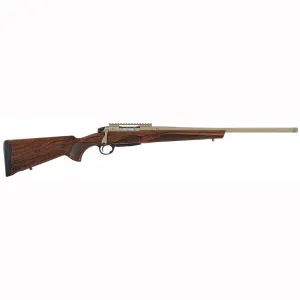
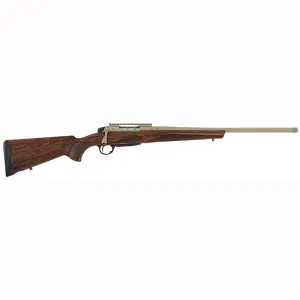
Break-Action Shotguns
A break-action shotgun is hinged in front of the trigger. Push the lever on top, the barrels tip down, you drop shells straight into the chambers and close it. No magazine, no moving bolt. That makes break-actions the safest guns to carry in a group, because anyone can see an open gun is unloaded, and the simplest guns to clean. They hold one or two shells.
Over/Under Shotguns
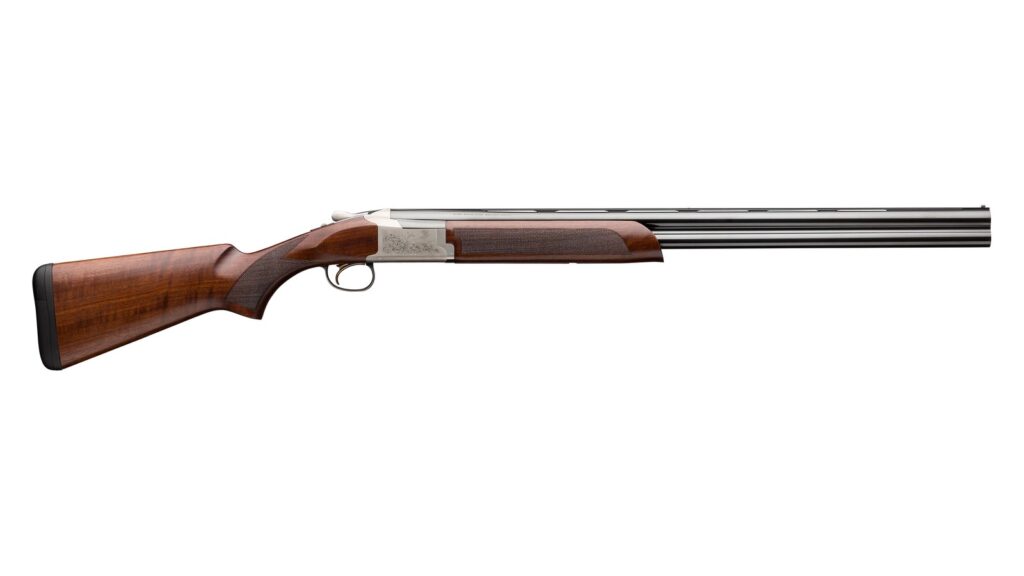
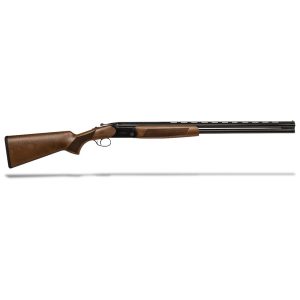
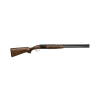
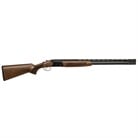
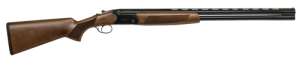
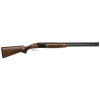
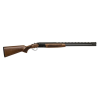
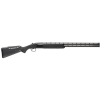
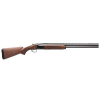
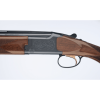
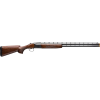
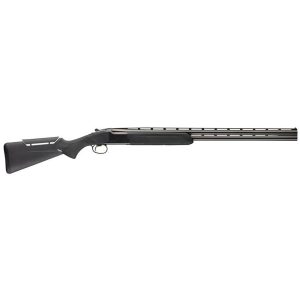
An over/under stacks its two barrels vertically, giving one narrow sighting plane down the top rib. Most use a single selective trigger that fires one barrel, then the other, and you can load each barrel with a different choke for a near and a far shot. That’s why the O/U rules trap, skeet and sporting clays. Browning’s Citori has set the standard since 1973. At the other end, the Turkish-made CZ Drake is the best cheap O/U I’ve shot. Our best over/under shotguns ranks the field.
Side-by-Side Shotguns
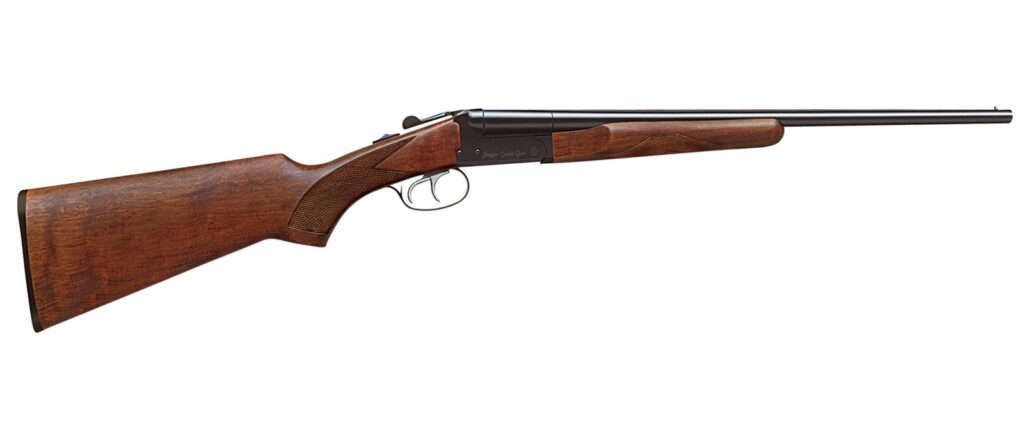
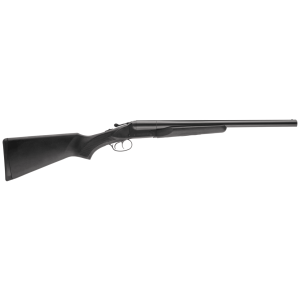
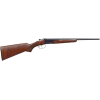
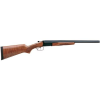
A side-by-side puts the barrels next to each other. It’s the oldest double-gun design, and the wide sighting plane feels natural on a flushing bird. Many have double triggers, one per barrel. The short 20 inch Stoeger Coach Gun is named for the shotguns stagecoach guards carried, and it’s a favorite for cowboy action shooting. I ran 700 shells through one for our Stoeger Coach Gun review. See our best side-by-side shotguns and best double barrel shotguns for more.
Single-Shot Shotguns
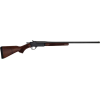
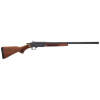
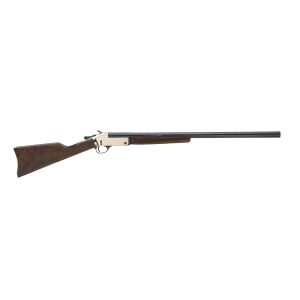
One barrel, one shell, a hinge and an exposed hammer. Single-shots are the cheapest shotguns made and the classic first gun for a kid, since a new shooter can’t fire a careless second shot. They’re also handy as a light truck or barn gun. The Henry Single Shot comes in 12, 20 and .410 with a brass or steel receiver.

Lever-Action Shotguns
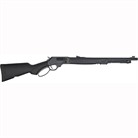
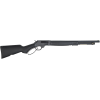
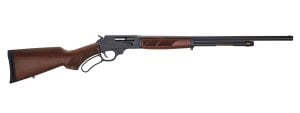
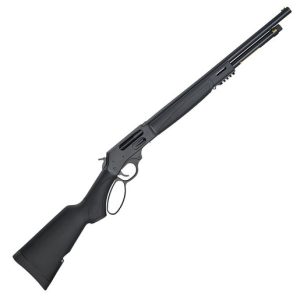
Lever shotguns are rare, but they’re old. John Browning designed the Winchester Model 1887 lever shotgun, and Chiappa still makes reproductions for cowboy action. Today Henry builds the best-known modern one in .410, with a five-shell tube and a side loading gate on the Side Gate model. It’s a squirrel and rabbit gun, and a lot of fun on the range. Our best .410 shotguns and best small game shotguns both cover it.
Bolt-Action Shotguns
A bolt-action shotgun works exactly like a bolt-action deer rifle. Savage builds the modern ones, the 12 gauge 212 and 20 gauge 220, with fully rifled barrels, scope mounts and a small detachable magazine. They’re made to shoot sabot slugs accurately at 100 yards or more in states that ban centerfire rifles for deer. Old bolt shotguns from Mossberg and Marlin turn up used for very little money, but they’re slow and there’s little reason to buy one for birds. None were in stock at our retailers when I checked.
Bullpup, Box-Magazine and Shockwave-Style Shotguns
These are the newer types, built mostly for home defense and competition.
Bullpup Shotguns
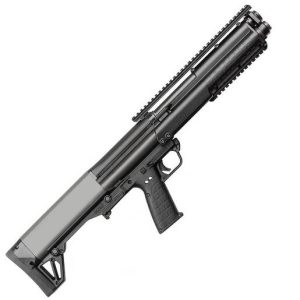
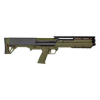
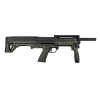
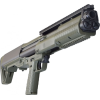
A bullpup moves the action and magazine behind the grip, so you get a full 18.5 inch barrel in a gun that’s only about 26 inches long. The Kel-Tec KSG is a pump with two seven-round tubes and a switch to pick between them, for 14 shells plus one in the chamber. It’s short enough to move through a hallway easily. The trade-off is a stiff pump stroke and a manual of arms you have to practice. Our Kel-Tec KSG review has the details.
Box-Magazine Shotguns
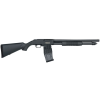
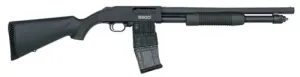
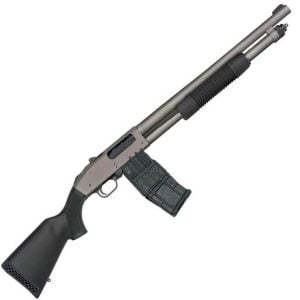
A tube magazine is slow to reload because you push shells in one at a time. A box-magazine shotgun takes a detachable magazine like an AR, so a reload is a two-second swap. The Mossberg 590M is a 590 pump built around a double-stack box magazine, and it ships with a 10-rounder. I put 600 shells through one for our Mossberg 590M review.
Shockwave-Style Firearms

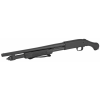
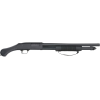
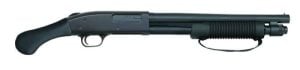
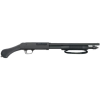
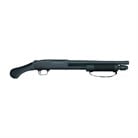
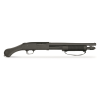
The Mossberg 590 Shockwave and Remington TAC-14 look like short-barreled shotguns, with barrels of about 14 inches. They are not. They leave the factory with a bird’s head grip instead of a shoulder stock and an overall length just over 26 inches, so under the federal definition they’re not shotguns and not short-barreled shotguns. ATF calls them plain firearms, and you buy one over the counter like any other gun, though a dealer will require you to be 21.
Don’t put a shoulder stock on one. That makes it a short-barreled shotgun, an NFA item. Several states also ban or restrict these guns outright. Read our Mossberg 590 Shockwave review before buying.
If you want a true short-barreled shotgun, the rules changed in 2026. Congress cut the $200 NFA tax to $0, and on October 9, 2026 ATF said it will no longer require approval or registration for SBRs, short-barreled shotguns, suppressors and AOWs. Machine guns and destructive devices kept the full NFA rules, and many state laws still tie legality to federal registration. Our ATF NFA guidance story walks through it.
Shotgun Actions Compared
Here’s how the main actions stack up on the things that matter when you’re choosing:
| Action | Follow-up speed | Felt recoil | Runs light loads | Price range we saw | Weak spot |
|---|---|---|---|---|---|
| Pump | Fast with practice | Full | Yes, all of them | $230 to $520 | Short-stroking under stress |
| Gas semi-auto | Fastest | Softest | Most loads, not the lightest | $900 to $2,000 | Needs regular cleaning |
| Inertia semi-auto | Fastest | Medium | Needs a firm mount | $430 to $700 | Kicks harder than gas |
| Over/under | Two shots, instant | Full, heavy gun helps | Yes | $700 to $2,100 | Two shells only, price |
| Side-by-side | Two shots, instant | Full | Yes | $400 to $520 | Two shells only |
| Single-shot | Slow | Sharp in a light gun | Yes | $520 to $630 | One shell |
| Lever | Medium | Light in .410 | Yes | $860 to $950 | .410 only |
| Bullpup pump | Fast with practice | Full | Yes | $670 to $830 | Stiff stroke, odd controls |
Those ranges are the trusted-retailer prices on the cards above on October 26, 2026. Shotguns are cheap to start with, and the card next to each gun has the live number.
Shotgun Gauges in Brief
Gauge is the other way people sort shotguns. It’s the number of lead balls the size of the bore it takes to make a pound, so a smaller number means a bigger bore. The 12 gauge is the all-rounder and the easiest to find ammo for, the 20 gauge is lighter and kicks less, and the 28 gauge, 16 gauge and 10 gauge are niche. The .410 is a caliber, not a gauge, at .410 inch. Our shotgun gauge explained guide covers them all, and shotgun chokes explained covers the tubes that shape your pattern.
Which Type of Shotgun Should You Buy?
- Home defense: A pump 12 or 20 gauge with an 18.5 inch barrel, like the Mossberg 500 or Maverick 88. A gas semi-auto like the Beretta 1301 if your budget allows.
- Waterfowl and turkey: A 3 or 3.5 inch semi-auto or pump in camo.
- Upland birds: A light over/under, side-by-side or inertia semi-auto in 20 gauge.
- Trap, skeet and sporting clays: An over/under, or a gas semi-auto if you want less recoil.
- Deer with slugs: A rifled-barrel pump, semi or bolt-action slug gun.
- A first gun for a kid: A single-shot or a youth pump in 20 gauge or .410.
Ready to choose a model? Our shotgun buying guide covers fit and budget, our shotgun barrel length guide explains how long a barrel you need, best shotguns for beginners has first-gun picks, buckshot vs slugs vs birdshot sorts out ammo, and best 12 gauge shotguns and best 20 gauge shotguns pick a winner in every action. The parts of a gun guide labels a pump shotgun part by part, and our types of handguns guide covers the pistol side.
Frequently Asked Questions
What are the main types of shotguns?
The three main types are pump-action, semi-automatic and break-action, which covers over/under, side-by-side and single-shot guns. Rarer types include lever-action, bolt-action, bullpup and box-magazine shotguns.
What is the difference between a pump and a semi-auto shotgun?
With a pump you slide the forend to eject and load each shell, so it runs any load you feed it. A semi-auto uses gas or recoil energy to reload itself, which gives faster follow-up shots and softer recoil but costs more and needs more cleaning.
Is an over/under better than a side-by-side?
For clay targets, most shooters prefer an over/under because the single sighting plane is easier to point consistently. A side-by-side is lighter and quick on flushing birds. Both hold two shells and both are break-action guns.
What is the difference between gas and inertia semi-auto shotguns?
A gas gun uses gas bled from the barrel to cycle the action, so it kicks less but gets dirty faster. An inertia gun uses the recoil itself, so it runs cleaner and lighter but kicks harder and needs a firm mount to cycle.
What is the best type of shotgun for home defense?
A pump-action 12 or 20 gauge with an 18.5 inch barrel, like the Mossberg 500 or Maverick 88, is the most reliable choice for the money. A gas semi-auto like the Benelli M4 or Beretta 1301 is faster but costs much more.
Is the Mossberg Shockwave a shotgun?
No. It ships with a bird's head grip instead of a shoulder stock and an overall length over 26 inches, so under federal law it is a firearm, not a shotgun or a short-barreled shotgun. Dealers sell it only to buyers 21 and older, and some states restrict it.
How short can a shotgun barrel be?
Under federal law a shotgun barrel must be at least 18 inches and the gun at least 26 inches overall. Anything shorter is a short-barreled shotgun under the National Firearms Act. The tax on those dropped to $0 in 2026, and state laws still apply.
What is the best type of shotgun for a beginner?
A pump-action 20 gauge is the best all-round first shotgun because it is affordable, simple and runs any ammo. A single-shot is a good first gun for a young shooter.
3,979+ Gun & Ammo Deals
Updated daily from 200+ top retailers. Filter by category, caliber, action type, and price.
Related Guides