
Affiliate disclosure: This article contains affiliate links. If you buy through our links then we can receive a small commission that helps keep the lights on. You don’t pay anything more.
Last updated June 2026 · By Nick Hall, CCW instructor tracking Extreme Risk Protection Order (ERPO) statutes across all 21 red-flag-law states + DC, the procedural variations between law-enforcement-only and family-or-household petitioner frameworks, the ex parte temporary order mechanism, the federal Bipartisan Safer Communities Act of 2022 grant program incentivizing red flag adoption, and the Bruen-era constitutional challenges still pending in 2026
Disclaimer: This is an editorial round-up of red flag laws across the United States. We do our best to make sure it’s correct, but do not rely on this as legal advice. ERPO law is procedurally complex and varies meaningfully state to state. Consult a licensed firearms or criminal-defense attorney in your state for any specific question.
- Treat every gun as loaded
- Point the muzzle in a safe direction
- Keep your finger off the trigger until you’re ready to shoot
- Know your target and what’s beyond
Best-priced firearms across 200+ retailers · Updated every 4 hours
![FN 509 COMPACT [BLK] *10-ROUND*](https://www.usa-gun-shop.com/wp-content/uploads/ugs/img-cache/db4f97c202e578c705506c0de2da3203.webp)





Best-priced ammunition across 200+ retailers · Updated every 4 hours






Table of Contents
How we tested: Every pick here is ranked against our testing methodology. Minimum round counts, accuracy and reliability protocols, the failures that disqualify a gun.
Red Flag Laws in 2026: What You Need to Know
TL;DR: As of April 2026, 21 U.S. states plus the District of Columbia have enacted red flag laws (technically called Extreme Risk Protection Order, or ERPO, statutes). The 21 states are: California, Colorado, Connecticut, Delaware, Florida, Hawaii, Illinois, Indiana, Maryland, Massachusetts, Michigan, Minnesota, Nevada, New Jersey, New Mexico, New York, Oregon, Rhode Island, Vermont, Virginia, and Washington. Connecticut’s 1999 statute was the first; the post-Parkland 2018 wave added 14 states. Michigan and Minnesota joined in 2024. The federal Bipartisan Safer Communities Act of 2022 provides grant funding to states that adopt and implement red flag laws. Procedurally, an ERPO is a civil court order obtained by petition (filed by law enforcement, family/household members, or sometimes others depending on state) that prohibits the respondent from possessing or purchasing firearms for a defined period (typically up to one year) when the petitioner shows by clear and convincing evidence that the respondent poses a significant risk of harm. Bruen-era constitutional challenges to ERPO statutes have largely failed in lower courts but several remain pending.
Red flag laws are the most controversial firearm-restriction tool currently used at scale in the United States. Proponents view ERPO as a targeted intervention that removes firearms from individuals demonstrating specific dangerous behavior without imposing broader restrictions on the lawful population. Opponents argue ERPO statutes lack adequate due process, allow ex parte deprivation of constitutional rights, and create incentives for malicious or mistaken petitions. Both sides have legitimate concerns, and the procedural details of each state’s statute determine how the law actually operates in practice.
The 21 ERPO states divide into three procedural groups. The narrowest statutes (Indiana, Florida, Connecticut’s original framework) limit petitioner standing to law enforcement only. The medium group (Maryland, Vermont, Virginia, New Mexico) extends standing to law enforcement plus household members. The broadest group (California, Colorado, Hawaii, Illinois, Michigan, Massachusetts, New Jersey, New York, Oregon, Rhode Island, Washington, Minnesota) extends standing to family members, household members, healthcare providers, school administrators, and (in some states) co-workers. The petitioner-standing scope is the single most important variable for understanding how an ERPO statute operates in practice.
I hold an out-of-state CCW and have followed ERPO litigation closely since the post-Parkland 2018 wave. The single most important practical point: every ERPO statute provides for an ex parte temporary order followed by a full hearing within a defined window (typically 14 days). The temporary order is granted on probable cause without the respondent present; the full hearing requires clear-and-convincing evidence with the respondent present and represented. The procedural protections at the full hearing are meaningful but the temporary-order phase is where the constitutional concerns are most pronounced.
This page is the master comparative index for red flag laws across the country. State-specific rules are detailed in our state gun law index; this article gives you the comparative procedural framework. For broader context on Bruen-era firearm litigation, see our Bruen decision explainer.
The 21 Red Flag Law States: Complete List
TL;DR: The 21 states with red flag laws as of April 2026, in alphabetical order, with their statute citations and effective dates: California (Welf. & Inst. Code § 8100 / Penal § 18100, 2014/expanded 2019), Colorado (HB19-1177, 2019), Connecticut (Conn. Gen. Stat. § 29-38c, 1999, the original), Delaware (10 Del. C. § 7704, 2018), Florida (Fla. Stat. § 790.401, 2018 post-Parkland), Hawaii (HRS § 134-61, 2019), Illinois (430 ILCS 67, 2019), Indiana (I.C. 35-47-14, 2005), Maryland (Md. Code Pub. Safety § 5-601, 2018), Massachusetts (G.L. c. 140 § 131R, 2018), Michigan (MCL 691.1801, 2024), Minnesota (Minn. Stat. § 624.7172, 2024), Nevada (NRS 33.500, 2019), New Jersey (N.J.S.A. 2C:58-21, 2019), New Mexico (NMSA 40-17, 2020 with SB 5 of 2025 expansion), New York (CPLR Art. 63-A, 2019), Oregon (ORS 166.527, 2018), Rhode Island (R.I.G.L. § 8-8.3, 2018), Vermont (13 V.S.A. § 4054, 2018 Act 92), Virginia (Va. Code § 19.2-152.13, 2020), Washington (RCW 7.94, 2016 Initiative 1491). The District of Columbia also has an ERPO statute (D.C. Code § 7-2510).
- California, Welf. & Inst. Code § 8100 / Penal Code § 18100 et seq. (effective 2014; expanded by AB 12 of 2019)
- Colorado, C.R.S. § 13-14.5-101 et seq. (HB19-1177, effective Jan 1, 2020)
- Connecticut, Conn. Gen. Stat. § 29-38c (effective 1999, the original)
- Delaware, 10 Del. C. § 7704 et seq. (Beau Biden Gun Violence Prevention Act, 2018)
- Florida, Fla. Stat. § 790.401 (effective March 9, 2018, post-Parkland)
- Hawaii, HRS § 134-61 et seq. (Act 150 of 2019, effective Jan 1, 2020)
- Illinois, 430 ILCS 67 (Firearms Restraining Order Act, effective Jan 1, 2019)
- Indiana, I.C. 35-47-14 (effective 2005, the second adopter after CT)
- Maryland, Md. Code Pub. Safety § 5-601 et seq. (effective Oct 1, 2018)
- Massachusetts, G.L. c. 140 § 131R (effective Aug 17, 2018)
- Michigan, MCL 691.1801 et seq. (effective Feb 13, 2024)
- Minnesota, Minn. Stat. § 624.7172 (effective Jan 1, 2024)
- Nevada, NRS 33.500 et seq. (effective Jan 1, 2020)
- New Jersey, N.J.S.A. 2C:58-21 et seq. (effective Sept 1, 2019)
- New Mexico, NMSA 40-17 (Extreme Risk Firearm Protection Order Act, effective May 20, 2020; SB 5 expansion 2025)
- New York, CPLR Article 63-A (effective Aug 24, 2019; expanded post-Buffalo 2022)
- Oregon, ORS 166.527 et seq. (effective Jan 1, 2018)
- Rhode Island, R.I.G.L. § 8-8.3 et seq. (Extreme Risk Protection Order Act, effective June 1, 2018)
- Vermont, 13 V.S.A. § 4054 (Act 92 of 2018, effective April 11, 2018)
- Virginia, Va. Code § 19.2-152.13 (Substantial Risk Order, effective July 1, 2020)
- Washington, RCW 7.94 (Initiative 1491, effective Dec 8, 2016)
The 29 states without red flag laws as of April 2026: Alabama, Alaska, Arizona, Arkansas, Georgia, Idaho, Iowa, Kansas, Kentucky, Louisiana, Maine, Mississippi, Missouri, Montana, Nebraska, New Hampshire, North Carolina, North Dakota, Ohio, Oklahoma, Pennsylvania, South Carolina, South Dakota, Tennessee, Texas, Utah, West Virginia, Wisconsin, Wyoming. Several of these states have anti-red-flag legislation explicitly prohibiting state funding or assistance for federal red flag programs (Texas SB 1518, Wyoming HB 0101 of 2022 Second Amendment Sanctuary Act).
How Red Flag Laws Actually Work
TL;DR: An ERPO is a civil court order, not a criminal proceeding. The procedural sequence in most states is: (1) Petition filed by an authorized person (varies by state) alleging the respondent poses significant risk; (2) Ex parte temporary order issued by a judge based on probable cause without the respondent present, typically lasting 14 days; (3) Full hearing within the temporary-order window with the respondent present and represented, where the petitioner must prove by clear and convincing evidence that the respondent poses significant risk; (4) Final order if granted, typically valid up to one year and renewable; (5) Surrender requirement: respondent must surrender firearms within 24-48 hours of the order; (6) Restoration: respondent may petition for restoration once per order period.
- Petition. An authorized petitioner files a sworn petition in civil court alleging the respondent poses a significant risk of personal injury to self or others. Required affidavit detail varies by state but typically includes specific incidents, threats, or behaviors.
- Ex parte temporary order. A judge reviews the petition and may issue a temporary ERPO based on probable cause. The respondent is not present and not represented at this stage. The temporary order is typically valid for 7-14 days pending the full hearing.
- Service. Law enforcement serves the temporary order and (in most states) immediately seizes any firearms in the respondent’s custody. The order also prohibits new firearm purchases via NICS.
- Full hearing. The respondent is present and represented (right to counsel varies; some states require court-appointed counsel for indigent respondents). The petitioner must prove by clear and convincing evidence that the respondent poses a significant risk. The respondent may present evidence and witnesses.
- Final order. If the petitioner meets the burden, the court issues a final ERPO valid for a defined period (typically up to one year). The respondent surrenders firearms (if not already done) and is prohibited from possessing or purchasing firearms during the order.
- Restoration. The respondent may petition for early restoration once per order period in most states. The standard for restoration varies but typically requires showing the underlying risk has materially diminished.
Petitioner Standing: Who Can File
TL;DR: The single most important procedural variable across the 21 ERPO states is who has standing to petition for an order. The narrowest statutes limit petitioner standing to law enforcement only (Indiana, Florida, Connecticut’s original framework, New Mexico originally, Vermont). The medium group adds household members or family (Maryland, Virginia, NM after SB 5 of 2025, RI). The broadest statutes extend to family, household, healthcare providers, school administrators, and (in some states) co-workers (California, Colorado, Hawaii, Illinois, Michigan, Massachusetts, New Jersey, New York, Oregon, Washington, Minnesota). Broader petitioner standing increases ERPO usage rates dramatically; CA and CO have far more orders per capita than IN or FL.
- Law enforcement only: Indiana (I.C. 35-47-14), Florida (Fla. Stat. § 790.401, mostly LEO with limited expansion), Connecticut’s 1999 framework (recently expanded). Lower utilization rates.
- Law enforcement + household members: Maryland (Pub. Safety § 5-601), Virginia (§ 19.2-152.13), Vermont (13 V.S.A. § 4054 originally LEO, expanded 2023), New Mexico after SB 5 of 2025, Rhode Island (§ 8-8.3 originally LEO, expanded 2023).
- Broad standing: California (LEO + family + household + healthcare + school), Colorado (LEO + family + household + medical), Hawaii (LEO + family + medical), Illinois (LEO + family + household), Michigan (LEO + family + household + healthcare), Massachusetts (LEO + family + medical), New Jersey (LEO + family + household + healthcare), New York (LEO + family + household + school + medical), Oregon (LEO + family + household), Washington (LEO + family + household + medical), Minnesota (LEO + family + household + healthcare).
The petitioner-standing scope drives the practical operation of the statute. In law-enforcement-only states, ERPO petitions typically arise from a 911 call or a referred mental-health crisis where police have direct contact with the respondent. In broad-standing states, family members can petition based on private observations, school administrators can petition based on student behavior, and healthcare providers can petition based on clinical assessments. The broader frameworks generate more orders but also more concerns about due process and false petitions.
Constitutional Challenges to Red Flag Laws
TL;DR: ERPO statutes have faced significant constitutional challenges, particularly post-Bruen (2022). Most challenges have failed at the trial-court level. The U.S. Court of Appeals for the Eighth Circuit upheld Minnesota’s ERPO statute in 2024. Federal district courts in California, Colorado, and Florida have upheld their respective ERPO frameworks. The most-developed Bruen-based challenges focus on (1) the ex parte temporary-order mechanism (alleged due-process violation), (2) the use of clear-and-convincing rather than beyond-reasonable-doubt evidence (alleged Second Amendment violation), and (3) the historical-tradition test under Bruen (no historical analog for civil disarmament without criminal proceedings). The Rahimi decision of 2024 (upholding the federal § 922(g)(8) domestic-violence prohibitor) significantly weakened ERPO challenges by establishing that civil firearm prohibitions can satisfy Bruen.
Major ERPO litigation through 2025-2026:
- U.S. v. Rahimi (S. Ct. 2024). Upheld 18 U.S.C. § 922(g)(8) (federal prohibition on firearm possession by persons subject to domestic-violence restraining orders) under Bruen. The decision established that civil-process firearm prohibitions can satisfy the historical-tradition test, significantly weakening ERPO-specific challenges that argue otherwise.
- Eighth Circuit (2024). Upheld Minnesota’s ERPO statute against Bruen-based challenge.
- Federal district courts. California (multiple cases, all upholding), Colorado (HB19-1177 upheld), Florida (Fla. Stat. § 790.401 upheld), Maryland (§ 5-601 upheld). The trial-court trend favors ERPO statutes.
- Pending challenges. Several state-court challenges to specific procedural details (notice requirements, restoration standards, indigent-counsel provisions) remain pending in 2026. None has resulted in a categorical strike-down of an ERPO statute.
The Federal Bipartisan Safer Communities Act
TL;DR: The federal Bipartisan Safer Communities Act of 2022 (BSCA) provides federal grant funding to states that adopt and implement red flag laws. The BSCA does NOT mandate ERPO adoption and does NOT create a federal red flag standard, it provides incentive funding for states that voluntarily adopt their own ERPO frameworks. Through 2024-2025, the BSCA grant program has funded implementation in roughly 18 states and contributed to the adoption of ERPO statutes in Michigan and Minnesota. The 2026 federal budget continues the BSCA grant program.
The BSCA was signed by President Biden in June 2022 in response to the Uvalde school shooting. Title V of the BSCA provides Byrne JAG grant funding specifically for state crisis-intervention programs, including ERPO implementation, mental-health crisis response, and drug courts. The funding is conditional on the state having or adopting an ERPO statute that meets minimum federal criteria. Several states have used BSCA funding to expand petitioner standing, fund court-appointed counsel for respondents, and improve firearm-storage logistics during ERPO orders.
The BSCA also includes provisions strengthening the federal NICS check for buyers under 21, closing the “boyfriend loophole” in the federal domestic-violence prohibitor, and providing increased mental-health funding. The ERPO grant funding is the most directly state-relevant component.
Practical Implications for Gun Owners
TL;DR: For gun owners in red-flag-law states, the practical implications are: (1) An ERPO can be filed against you by the people listed in your state’s petitioner-standing scope; if you live with someone in conflict, that person may have legal standing to file. (2) The ex parte temporary order can be issued without your knowledge or presence based on probable cause; you don’t learn about the order until law enforcement arrives to serve it and seize your firearms. (3) The full hearing is your opportunity to contest the order with counsel; respondents who appear with counsel and present evidence have substantially better outcomes than those who don’t. (4) Compliance with surrender orders is mandatory and refusal is a criminal offense in every state. (5) Restoration is available but requires affirmative action by the respondent.
- Know who has standing. Your state’s petitioner-standing scope determines who can file against you. In broad-standing states, family members, household members, and even co-workers can petition.
- Comply with service orders. When law enforcement arrives to serve an ERPO, comply with the surrender order. Refusal is a criminal offense in every ERPO state and dramatically worsens your legal position.
- Get counsel immediately. The full hearing is your opportunity to contest the order. Respondents represented by counsel have substantially better outcomes. USCCA, CCW Safe, and FPC legal-defense plans typically cover ERPO defense.
- Document the underlying dispute. If the petition is based on a private dispute (divorce, custody, neighbor conflict), document the underlying context. Courts generally consider the petitioner’s motivation when evaluating the alleged risk.
- Consider firearm storage logistics. Most states require respondents to surrender firearms to law enforcement or to a licensed FFL within 24-48 hours of the order. Pre-arrange storage if you anticipate any possibility of an ERPO.
Recent Red Flag Law Legislation (2024-2026)
TL;DR: Two states (Michigan and Minnesota) adopted red flag laws in 2024. Several states (New Mexico, Rhode Island, Vermont) expanded existing statutes during 2023-2025. The 2025-2026 sessions saw introduction of red flag bills in North Carolina, Pennsylvania, Wisconsin, and Nevada (where it already exists but with proposed changes), but none have advanced. Anti-red-flag legislation passed in Texas (SB 1518), Wyoming (HB 0101 Second Amendment Sanctuary Act), and several other states explicitly preventing state cooperation with federal ERPO programs.
- Michigan (2024). MCL 691.1801 et seq., effective Feb 13, 2024. Broad petitioner standing including family, household, healthcare providers.
- Minnesota (2024). Minn. Stat. § 624.7172, effective Jan 1, 2024. Broad petitioner standing.
- New Mexico (2025). SB 5 expanded NMSA 40-17 to add household members to the petitioner-standing scope (originally law-enforcement-only).
- Vermont (2023). Act 14 expanded 13 V.S.A. § 4054 to add family members to petitioner standing.
- Anti-red-flag legislation. Texas SB 1518 (2023, prohibits state cooperation), Wyoming HB 0101 of 2022 (Second Amendment Sanctuary Act), Florida proposed rollback (did not advance).
Our Take on Red Flag Laws
For practical everyday purposes, red flag laws are now in effect in 21 states + DC, covering roughly 50% of the U.S. adult population. The legal mechanism is procedurally complex but well-established, and the post-Rahimi (2024) constitutional landscape favors ERPO statutes surviving Bruen challenges. The procedural variations between states are significant: a CA resident faces broader petitioner standing than an IN resident, but both face similar order durations and surrender requirements once an ERPO is in place.
The strongest practical advice for gun owners in ERPO states: know your state’s petitioner-standing scope, comply with any surrender orders, get counsel immediately, and consider a self-defense legal-defense plan that covers ERPO defense. The financial and emotional cost of an ERPO defense is significant, and respondents represented by counsel have substantially better outcomes than those who appear pro se.
The hardest part of red flag laws in 2026 is the rural-enforcement gap. Some sheriff’s offices in California, New Mexico, and Colorado have publicly stated they will not enforce ERPO orders against their residents. The state’s formal position is that enforcement is mandatory; the practical reality varies by county. This creates uncertainty for both gun owners and petitioners. For our complete state-by-state breakdown, see the state gun law index.
What to Carry
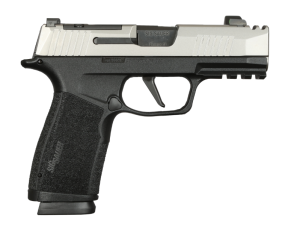
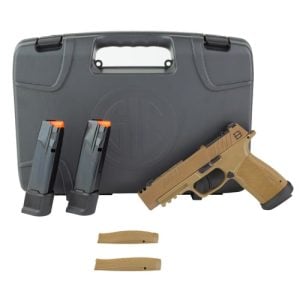
Now that you have the carry rules down, here is the gun most people reach for. The Sig Sauer P365 is the best-selling concealed-carry pistol in the country, slim enough to disappear under a t-shirt yet holding 10+1 or more.




Frequently Asked Questions: Red Flag Laws
Which states have red flag laws in 2026?
21 U.S. states plus the District of Columbia have red flag laws (Extreme Risk Protection Order, or ERPO, statutes) as of April 2026. The 21 states are: California, Colorado, Connecticut, Delaware, Florida, Hawaii, Illinois, Indiana, Maryland, Massachusetts, Michigan, Minnesota, Nevada, New Jersey, New Mexico, New York, Oregon, Rhode Island, Vermont, Virginia, and Washington. Connecticut's 1999 statute was the first; the post-Parkland 2018 wave added 14 states. Michigan and Minnesota joined in 2024. The federal Bipartisan Safer Communities Act of 2022 provides grant funding to states that adopt and implement red flag laws.
How does an ERPO actually work?
An ERPO is a civil court order. The procedural sequence is: (1) An authorized petitioner files a sworn petition alleging the respondent poses significant risk; (2) A judge may issue an ex parte temporary order based on probable cause without the respondent present, valid 7-14 days; (3) Law enforcement serves the order and seizes any firearms; (4) A full hearing is held within the temporary-order window with the respondent present and represented, where the petitioner must prove by clear and convincing evidence that the respondent poses significant risk; (5) If granted, a final order is valid up to one year and prohibits firearm possession or purchase; (6) The respondent may petition for early restoration once per order period.
Who can file a red flag petition against me?
It depends on your state's petitioner-standing scope. The narrowest statutes (Indiana, Florida, Connecticut originally, NM originally, Vermont originally) limit standing to law enforcement only. The medium group adds household members or family (Maryland, Virginia, Rhode Island, Vermont post-2023, NM post-2025 SB 5). The broadest statutes extend to family, household, healthcare providers, school administrators, and (in some states) co-workers (California, Colorado, Hawaii, Illinois, Michigan, Massachusetts, New Jersey, New York, Oregon, Washington, Minnesota). Broader petitioner standing means more orders are filed.
What is the standard of proof for a red flag order?
Most ERPO statutes require the petitioner to prove the respondent poses significant risk by clear and convincing evidence at the full hearing. This is a higher standard than preponderance of the evidence (the typical civil standard) but lower than beyond reasonable doubt (the criminal standard). The temporary ex parte order is issued on probable cause, a lower standard, but lasts only 7-14 days pending the full hearing. A few states use slightly different phrasings (Indiana uses "probable cause" for both stages; California uses "substantial likelihood").
Are red flag laws constitutional after Bruen?
Yes, based on current case law. The U.S. Supreme Court's 2024 decision in U.S. v. Rahimi upheld 18 U.S.C. § 922(g)(8) (federal prohibition on firearm possession by persons subject to domestic-violence restraining orders) under Bruen. The decision established that civil-process firearm prohibitions can satisfy the historical-tradition test. Lower-court ERPO challenges have largely failed: the Eighth Circuit upheld Minnesota's ERPO statute in 2024, and federal district courts have upheld California's, Colorado's, Florida's, and Maryland's frameworks. Several procedural challenges remain pending in 2026 but no categorical strike-down has occurred.
What happens to my firearms during a red flag order?
Most states require respondents to surrender firearms within 24-48 hours of being served with the order. Surrender is typically to law enforcement or to a licensed FFL holding firearms in storage at the respondent's expense. Some states permit surrender to a third party (typically a family member or friend not subject to the order) who agrees to maintain custody. The respondent's NICS record is flagged so they cannot purchase additional firearms during the order period. Firearms are returned at order expiration or upon successful restoration petition.
Can I contest a red flag petition?
Yes. The full hearing within the temporary-order window (typically 7-14 days) is your opportunity to contest the petition with counsel and present evidence. Respondents represented by counsel have substantially better outcomes than those who appear pro se. Some states require court-appointed counsel for indigent respondents (Maryland, Vermont) but most do not. USCCA, CCW Safe, FPC, and similar legal-defense plans typically cover ERPO defense. The respondent may also petition for restoration once per order period if the underlying risk has materially diminished.
Do red flag laws actually prevent violence?
The empirical evidence is mixed. Research studies of Connecticut's and Indiana's longstanding ERPO frameworks have shown statistically significant reductions in firearm suicide rates among order subjects. Mass-shooting prevention is harder to measure due to small sample sizes, though several mass-shooting plots have been disrupted by ERPOs. Critics note that ERPO usage is uneven (high in California and Colorado, low in Indiana and Florida) and that broad-standing statutes generate more orders, including some with weak underlying justification. The CDC and the Bureau of Justice Statistics track ERPO usage and outcomes; both report increasing utilization in 2024-2026.
For context on national ownership rates and trends, see our US gun statistics page.
Explore More States
Alabama Gun Laws (2026): Constitutional Carry, Stand Your Ground & Full Freedom, Alaska Gun Laws, Arizona Gun Laws (2026): Constitutional Carry, No Limits & Stand Your Ground, Arkansas Gun Laws (2026): Constitutional Carry, No Limits & Stand Your Ground, Bruen Decision Explained (2026): NYSRPA v. Bruen, History-and-Tradition Test & Downstream Litigation, California Gun Laws (2026): CCW, AWB, Roster & Everything You Need to Know, Castle Doctrine Explained (2026): All 50 States, Civil Immunity & Presumption of Reasonable Fear, Colorado Gun Laws (2026): 15-Round Cap, SB25-003 Semi-Auto Ban & Red Flag Law, Connecticut Gun Laws (2026): Permits, Carry Rules & Restrictions, Constitutional Carry States (2026): Complete List of 29 Permitless Carry States, Florida Gun Laws (2026): Constitutional Carry, Open Carry & Stand Your Ground, Georgia Gun Laws (2026): Constitutional Carry, No Limits & Full Freedom, Hawaii Gun Laws (2026): Registration, Permits & The Strictest State, Idaho Gun Laws (2026): Constitutional Carry, Stand Your Ground & Full Freedom, Illinois Gun Laws (2026): FOID Card, CCL, AWB & What You Need to Know, Indiana Gun Laws (2026): Constitutional Carry, Free Lifetime License & Stand Your Ground, Iowa Gun Laws (2026): Constitutional Carry, Strict Scrutiny & Full Freedom, Kansas Gun Laws (2026): Constitutional Carry, Stand Your Ground & Full Immunity, Kentucky Gun Laws (2026): Constitutional Carry, CDWL & Stand Your Ground, Louisiana Gun Laws (2026): Constitutional Carry at 18, CHP & Stand Your Ground, Louisiana Lets 18-Year-Olds Carry, Then Won’t Issue Them a Permit, Maine Gun Laws (2026): Constitutional Carry, 72-Hour Wait & Red Flag Law, Maryland Gun Laws (2026): HQL, Wear and Carry Permit, AWB & Sensitive Places, Massachusetts Gun Laws (2026): Chapter 135, LTC, FID & AWB, Michigan Gun Laws (2026): CPL, License to Purchase, Red Flag & Safe Storage, Minnesota Gun Laws (2026): Permit to Carry, Permit to Purchase & Red Flag, Mississippi Gun Laws (2026): Constitutional Carry, Enhanced Permit & Stand Your Ground, Missouri Gun Laws (2026): Constitutional Carry, Lifetime CCW & Stand Your Ground, Montana Gun Laws (2026): Constitutional Carry (HB 102), MCWP & Stand Your Ground, Nebraska Gun Laws (2026): Constitutional Carry (LB 77), CHP, HPC & Castle Doctrine, Nevada Gun Laws (2026): CCW, Universal Background Checks, Red Flag & Ghost Gun Ban, New Hampshire Gun Laws (2026): Constitutional Carry, PRL & Stand Your Ground, New Jersey Gun Laws (2026): FPIC, PPH, Chapter 131 CCP & Sensitive Places, New Mexico Gun Laws (2026): CHL, Universal Background Checks, HB 129 Status & Article 2 Section 6, New Mexico’s Waiting Period Lost in Court and Still Applies to You, New York Gun Laws (2026): CCIA, Pistol License, SAFE Act & Sensitive Locations, North Carolina Gun Laws (2026): CHP, SB 41 Repeal & Stand Your Ground, North Dakota Gun Laws (2026): Constitutional Carry, Class 1 & Class 2 CWL, Ohio Gun Laws (2026): Constitutional Carry (SB 215), CHL & Stand Your Ground, Oklahoma Gun Laws (2026): Constitutional Carry (HB 2597), SDA License & Make My Day, Oregon Gun Laws (2026): CHL, Measure 114 Status, SB 243 & Sandoval, Pennsylvania Gun Laws (2026): LTCF, PICS, Crawford & 18 Pa.C.S. § 6109, Rhode Island Gun Laws (2026): Blue Card, Dual Permits, 10-Round Cap & 2026 AWB, South Carolina Gun Laws (2026): Constitutional Carry, CWP & Stand Your Ground, South Dakota Gun Laws (2026): Constitutional Carry, Three-Tier Permits & Stand Your Ground, Stand Your Ground States (2026): Complete List of 38 SYG States, Tennessee Gun Laws (2026): Constitutional Carry, Enhanced HCP & Stand Your Ground, Texas Gun Laws (2026): Constitutional Carry, LTC, Castle Doctrine & Civil Immunity, Universal Background Check States (2026): Complete List of 22 UBC States, Utah Gun Laws (2026): Constitutional Carry, CFP, Stand Your Ground & Reciprocity, Vermont Gun Laws (2026): “Vermont Carry,” Universal Background Check & Magazine Cap, Virginia Gun Laws (2026): CHP, Universal Background Checks & Substantial Risk Order, Virginia Halts Private-Sale Background Checks Again (2026), Washington Gun Laws (2026): CPL, Universal Background Checks, Magazine Cap & 2023 AWB, West Virginia Gun Laws (2026): Constitutional Carry, CHL & Stand Your Ground, Wisconsin Gun Laws (2026): CCL, Castle Doctrine & Reciprocity, Wyoming Gun Laws (2026): Constitutional Carry, CFP, Stand Your Ground & 2A Sanctuary
3,979+ Gun & Ammo Deals
Updated daily from 200+ top retailers. Filter by category, caliber, action type, and price.