

Last updated October 27th 2026
Some of the links below are affiliate links, meaning at no additional cost to you, we may earn a commission if you click through and make a purchase.
By Nick Hall
The difference between rimfire and centerfire ammo is where the primer sits. A rimfire cartridge has its priming compound spun inside the hollow rim of the case, and the firing pin crushes the rim to set it off. A centerfire cartridge has a separate primer pressed into the middle of the case head, and the firing pin hits that.
That one design choice decides everything else. Rimfire is cheap, quiet and gentle, but it’s limited to small, low-pressure rounds like .22 LR, and you can’t reload it. Centerfire handles far higher pressure, so it covers every defense, hunting and long-range cartridge, and the brass can be reloaded. Below you’ll find a cutaway diagram, SAAMI pressure numbers, a cost-per-round table from our 200+ retailers on October 27, 2026, and which one to buy for each job.
Table of Contents
How we tested: Every pick here is ranked against our testing methodology. Minimum round counts, accuracy and reliability protocols, the failures that disqualify a gun.
Rimfire vs Centerfire at a Glance
| Rimfire | Centerfire | |
|---|---|---|
| Where the primer is | Spun inside the hollow rim | Separate primer in the center of the case head |
| Firing pin hits | The edge of the rim | The primer |
| Max pressure | 24,000 psi for .22 LR | 35,000 psi for 9mm to 62,000 psi for .308 |
| Reloadable | No | Yes, with Boxer-primed brass |
| Cost per round | About 10 to 35 cents | About 29 cents to $1.60 and up |
| Recoil and noise | Very light, quiet | Light to heavy |
| Common calibers | .22 LR, .22 WMR, .17 HMR | 9mm, .223, .308, 12 gauge and hundreds more |
| Best for | Learning, plinking, small game, pests | Defense, big game, long range, competition |
How Rimfire Ammo Works
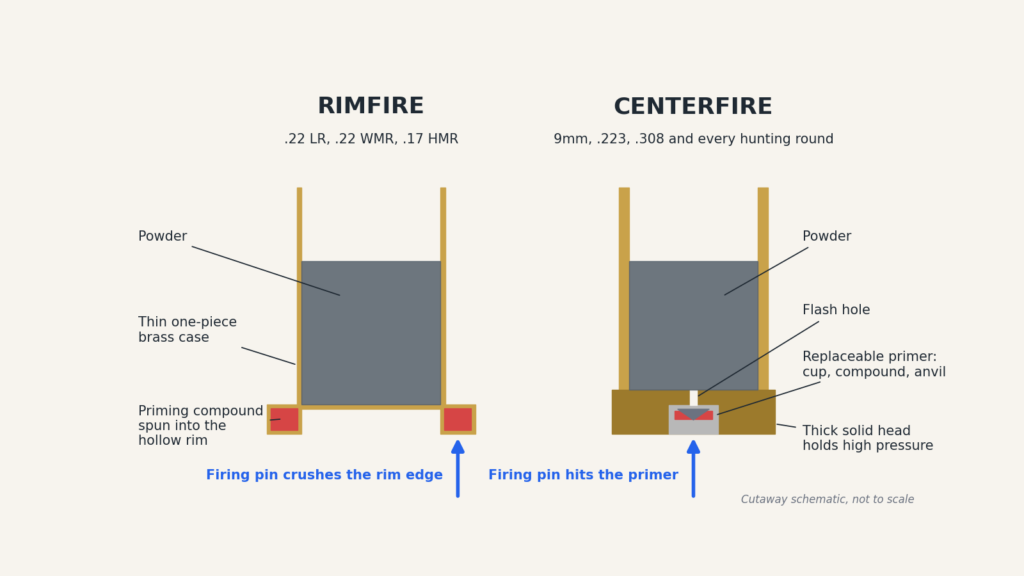
A rimfire case is a thin brass cup with a hollow, folded rim. At the factory, wet priming compound is spun into that fold, then the case is filled with powder and the bullet is seated. When you pull the trigger, the firing pin pinches the rim against the edge of the chamber, the compound detonates and lights the powder.
Because the rim has to be soft enough to crush, the whole case has to be thin. A thin case can’t hold much pressure, which is why rimfire tops out at small rounds and why no one makes a rimfire deer cartridge. The crushed rim also means the case is done after one shot.
The design is old. The .22 Short arrived in 1857 with the Smith & Wesson Model 1 revolver, and the .22 Long Rifle followed in 1887. It’s still the best-selling cartridge in America by round count.
Standard, High and Hyper Velocity .22 LR
Not all .22 LR is the same. Subsonic and standard velocity loads stay under or near the speed of sound, around 1,050 to 1,100 feet per second, so there’s no supersonic crack. They’re the most accurate and the quietest, and the match ammo serious rimfire shooters use is all standard velocity. High velocity loads like CCI Mini-Mag run about 1,200 to 1,250 feet per second and cycle almost every semi-auto. Hyper velocity loads like CCI Stinger push a lighter bullet past 1,600 feet per second for varmints.
If your semi-auto .22 jams, try high velocity ammo first. Many semi-autos are sprung for it and will not cycle the softer subsonic loads.
How Centerfire Ammo Works
A centerfire case has a thick, solid head with a pocket in the middle. A separate primer, a small metal cup holding priming compound, is pressed into that pocket. The firing pin dents the cup and crushes the compound against an anvil, and the flash goes through a flash hole into the powder.
The thick head is the whole point. It lets a centerfire case hold pressures two to three times higher than a rimfire, and that pressure is what drives a .308 bullet at 2,800 feet per second. There are two primer systems:
- Boxer: the anvil is part of the primer and the case has one central flash hole. Nearly all American ammo is Boxer primed, and it’s easy to reload: punch out the old primer, press in a new one.
- Berdan: the anvil is built into the case with two small flash holes beside it. You’ll find it on most steel-cased Russian and European surplus ammo, and it’s a pain to reload.
If you want to reload, centerfire is the only option. Our how to reload ammunition guide covers the basics.
Pressure, Power and Range
Here’s how real factory loads compare. Velocities are the maker’s listed figures for each load, energy is calculated from them, and the pressure column is the maximum average pressure from the SAAMI standards for the cartridge where I could confirm it.
| Cartridge | Type | Load | Velocity | Energy | SAAMI max pressure |
|---|---|---|---|---|---|
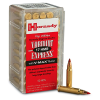
| .22 LR | Rimfire | CCI Mini-Mag 40 gr | 1,235 fps | 135 ft-lb | 24,000 psi |
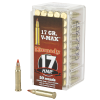
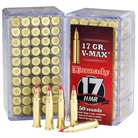
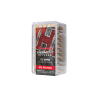
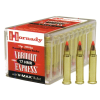
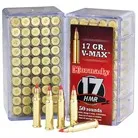
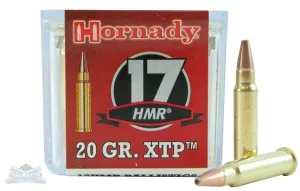
| .17 HMR | Rimfire | Hornady 17 gr V-Max | 2,550 fps | 245 ft-lb | not checked |
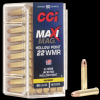
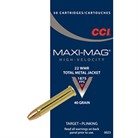
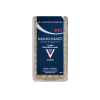
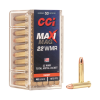
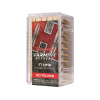
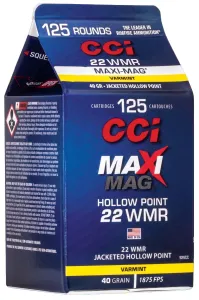
| .22 WMR | Rimfire | CCI Maxi-Mag 40 gr | 1,875 fps | 312 ft-lb | not checked |
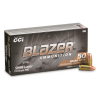
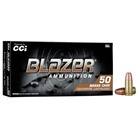
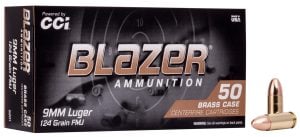
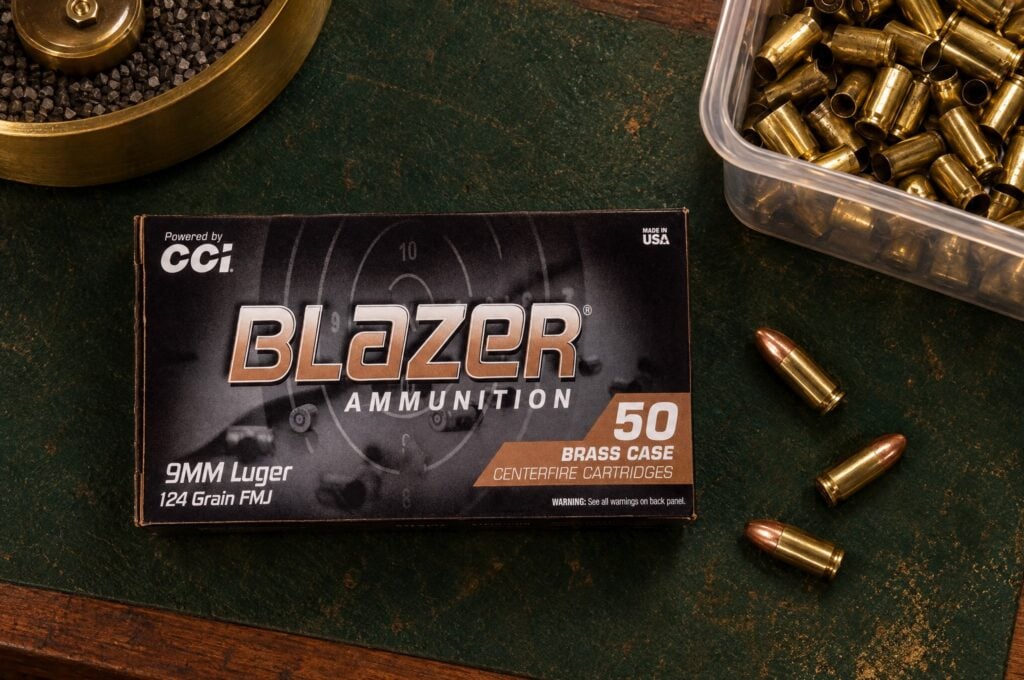
| 9mm Luger | Centerfire | Blazer Brass 115 gr FMJ | 1,145 fps | 335 ft-lb | 35,000 psi |
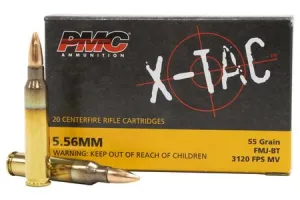
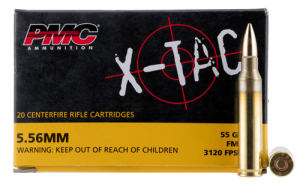
| 5.56 NATO | Centerfire | PMC X-TAC 55 gr | 3,120 fps | 1,189 ft-lb | 55,000 psi for .223 Rem |
| .308 Win | Centerfire | American Eagle 150 gr FMJ | 2,820 fps | 2,649 ft-lb | 62,000 psi |
The jump is obvious. A .308 carries about 20 times the energy of a .22 LR. The hottest rimfire, the .22 WMR, roughly matches a 9mm pistol round in energy but with a much lighter bullet, which is why it’s a great varmint round and a poor deer round. Rimfire velocities are measured 15 feet from the muzzle under SAAMI rules, so treat catalog figures as a guide.
Cost Per Round in October 2026
Cheap ammo is the best reason to own a rimfire. These are the lowest trusted-retailer prices on the cards below on October 27, 2026:
| Cartridge | Load | Box | Per round |
|---|---|---|---|
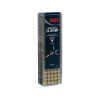
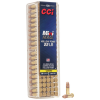
| .22 LR | CCI Mini-Mag | 100 | about $0.10 |
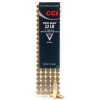
| .17 HMR | Hornady V-Max | 50 | about $0.28 |
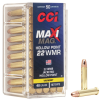
| .22 WMR | CCI Maxi-Mag | 50 | about $0.34 |
| 9mm | Blazer Brass | 50 | about $0.29 |
| 5.56 NATO | PMC X-TAC | 20 | about $0.47 |
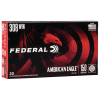
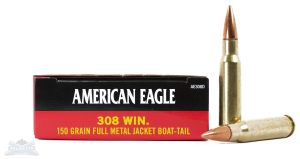
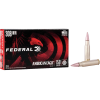
| .308 Win | Federal American Eagle | 20 | about $1.60 |
A 500-round afternoon with a .22 LR costs about $50. The same afternoon with a 5.56 AR costs about $235, and with a .308 about $800. Bulk .22 LR runs cheaper still than the premium Mini-Mag, and our best .22 LR ammo guide lists the best values.



Reliability and Misfires
Centerfire ammo is more reliable. A rimfire depends on the priming compound being spread evenly around the rim, and if a batch has a thin spot where the pin lands, you get a click instead of a bang. Most bulk .22 LR boxes will give you a dud or two per few hundred rounds. Centerfire misfires are rare enough that one is worth a closer look at your gun.
When a rimfire round clicks, keep the muzzle pointed safely and wait 30 seconds before you open the action, in case it’s a hangfire. Then eject it and move on. Premium loads like CCI Mini-Mag and the match ammo used in our NRL22 guide misfire far less than the cheapest bulk packs.
Rimfire Calibers and Guns
- .22 Short and .22 Long: older, quieter rounds that some revolvers and bolt guns still fire. Most semi-autos will not cycle them.
- .22 LR: the default. Training, plinking, squirrels and rabbits out to 75 yards.
- .22 WMR: the .22 Magnum. Longer case, about 50% faster, good on coyotes and groundhogs close in. Our 22LR vs 22WMR compares them.
- .17 HMR: a necked-down .22 Magnum case with a tiny, fast bullet. Flat to 150 yards and deadly on prairie dogs.
- .17 WSM: the fastest common rimfire, built on a different case, for varmints past 150 yards.
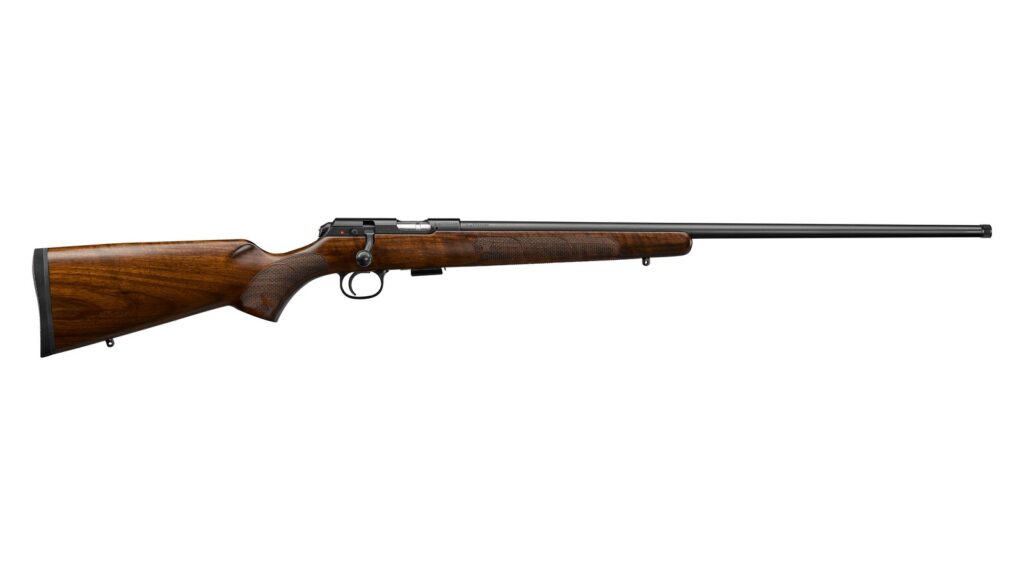
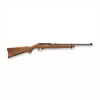
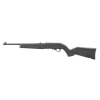
The Ruger 10/22 is the semi-auto .22 everyone should own at some point. The CZ 457 is the bolt-action I’d pick for accuracy, and our CZ 457 review shows why.

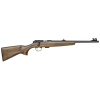
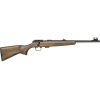
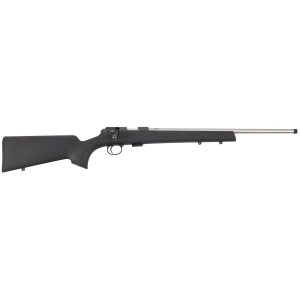
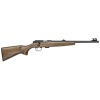
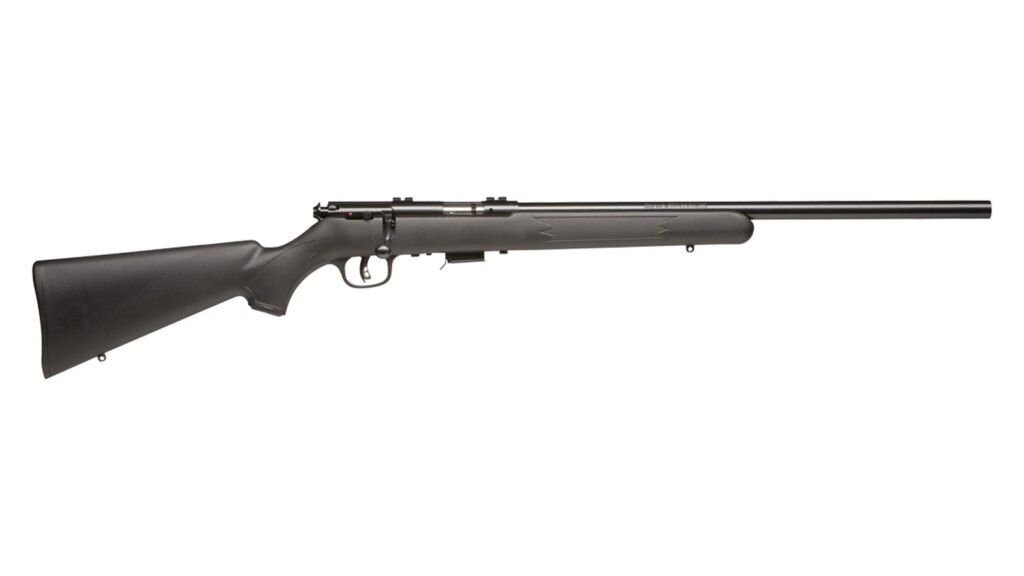
The Savage 93R17 is the cheapest accurate .17 HMR, with Savage’s AccuTrigger. Our best .17 HMR rifles and best .22 WMR rifles cover the magnum rimfires.
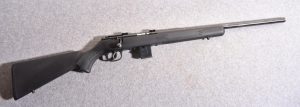
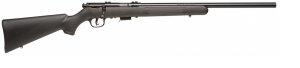
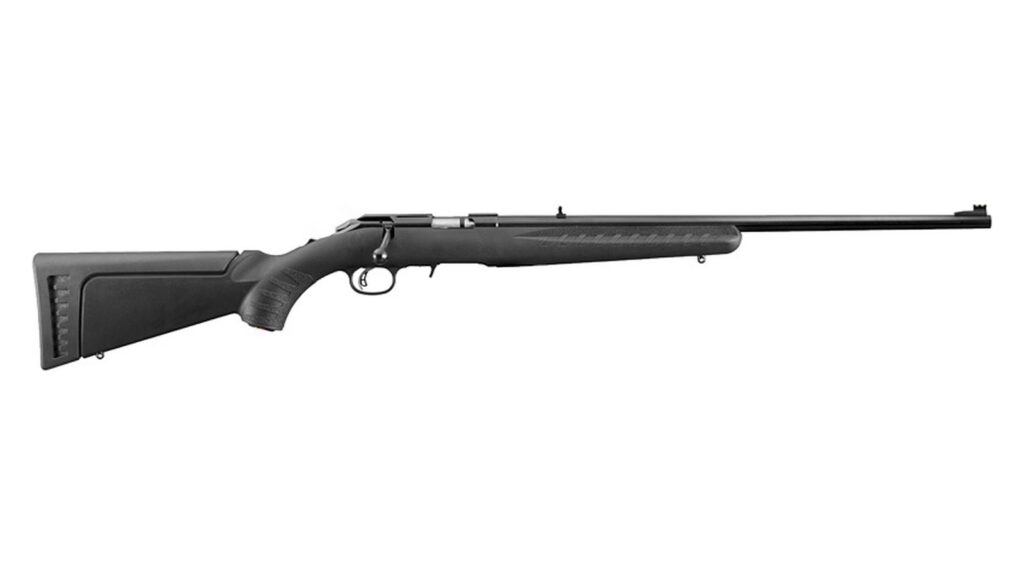
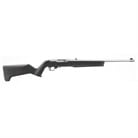
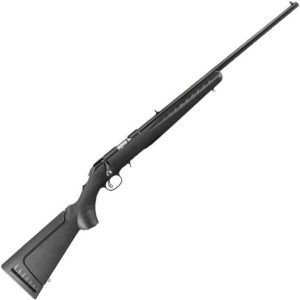
The Ruger American Rimfire is the budget bolt gun that comes in .22 LR, .22 WMR and .17 HMR. The .22 LR version feeds from the same rotary magazines as the 10/22, which makes it an easy second rimfire.
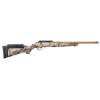
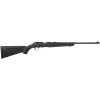
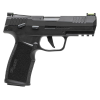
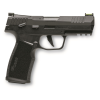
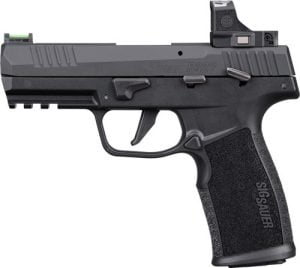
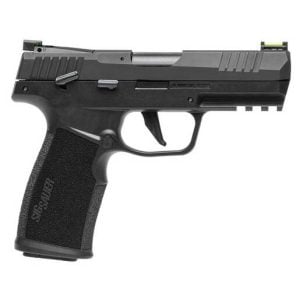
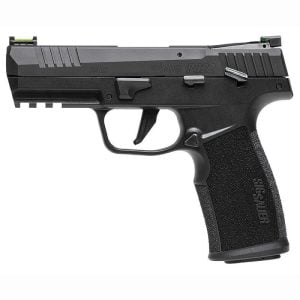
For a .22 pistol, the Sig P322 holds 20 rounds and takes a red dot out of the box. See our Sig P322 review.
On-sale 22 lr from 200+ retailers · Updated every 4 hours

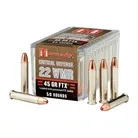
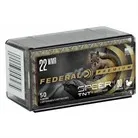
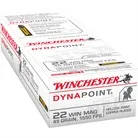
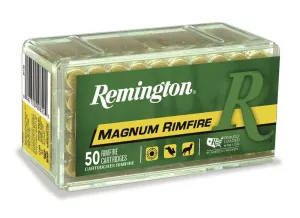
On-sale 22 wmr from 200+ retailers · Updated every 4 hours


On-sale 17 hmr from 200+ retailers · Updated every 4 hours

Centerfire Calibers
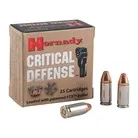
Everything bigger than a .22 Magnum is centerfire: every pistol round from .380 up, every rifle round from .223 up, and every shotgun shell, which uses its own larger primer. Our handgun calibers chart and rifle caliber guide walk through the popular ones. If you’re choosing ammo for a new gun, start with our ammo buying guide, and our types of bullets guide explains FMJ, hollow points and the rest.
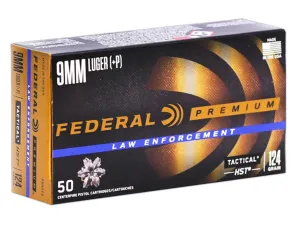
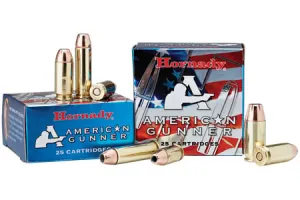
On-sale 9mm from 200+ retailers · Updated every 4 hours



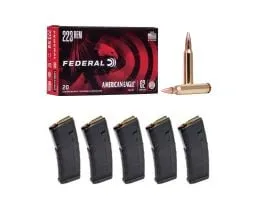
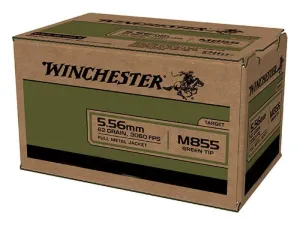
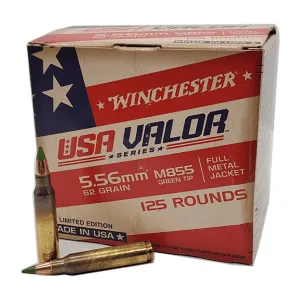
On-sale 5.56 from 200+ retailers · Updated every 4 hours



Recoil, Noise and Suppressors
A .22 LR rifle has almost no recoil, and the report is a sharp crack instead of a boom. That’s why it’s the right gun for a new shooter who’s nervous about noise. Ear protection is still a must, especially indoors. Centerfire rifles are a different world: a 5.56 AR is loud enough to hurt without ear pro, and a .308 adds real recoil on top.
Rimfire is also the easiest round to suppress. A .22 LR suppressor is small, light and cheap, and with subsonic ammo a suppressed bolt-action .22 is about as loud as an air rifle. Suppressors are NFA items, but the $200 tax dropped to $0 in 2026 and ATF stopped requiring registration on October 9, 2026. State law still decides whether you can own one, so read our ATF NFA guidance story first.
Shelf Life and Storage
Both types last for decades if you keep them cool and dry. Moisture is the enemy: it corrodes cases and can kill primers. Rimfire is a little more fragile, because the priming compound sits in a thin crimped rim with no sealed primer pocket, so old or damp .22 LR fails more often than old centerfire. Store both in sealed ammo cans with a desiccant pack, away from solvents and out of a hot garage. Our best ammo cans guide covers how to store ammo for the long haul.
Can You Dry Fire a Rimfire?
Not most of them. On many rimfires the firing pin lands on the edge of the chamber when there’s no round in it, and repeated dry firing peens that edge until rounds stop chambering or the pin chips. Check the manual. Some modern rimfires are built to allow it, and snap caps made for .22 LR protect the rest. Centerfire guns are a different story: most modern centerfire pistols and rifles are fine to dry fire, which is why dry practice is a centerfire habit.
Hunting and Rimfire
Rimfire is for small game and pests: squirrels, rabbits, groundhogs and, with a .22 WMR or .17 HMR, coyotes at close range. Most states require a centerfire cartridge for deer and other big game, and the ones that don’t still don’t make rimfire a good idea. A .22 lacks the energy for a clean kill on anything that size. Check your state regulations before any hunt, and see our best small game shotguns if you hunt rabbits in thick cover.
Which Should You Buy?
- First gun or a new shooter: rimfire. A .22 LR rifle or pistol teaches the fundamentals at a dime a shot.
- Home defense or carry: centerfire. A 9mm or larger is reliable and has the energy you need.
- Squirrels and rabbits: .22 LR. Groundhogs and prairie dogs: .17 HMR or .22 WMR.
- Deer and anything larger: centerfire only.
- Cheap practice for a centerfire gun: a .22 version of it, like a 10/22 for your AR or a P322 next to your 9mm.
For the guns themselves, see our types of rifles and types of handguns guides and the best .22 LR rifles.
Frequently Asked Questions
What is the difference between rimfire and centerfire?
A rimfire cartridge has its priming compound inside the hollow rim of the case, and the firing pin crushes the rim to fire it. A centerfire cartridge has a separate primer in the center of the case head. Centerfire handles far higher pressure and can be reloaded; rimfire is cheaper and lighter.
Is .22 LR rimfire or centerfire?
Rimfire. The .22 LR, .22 WMR, .17 HMR and .17 WSM are all rimfire. A .22 caliber centerfire round like the .223 Remington is a different cartridge entirely.
Is 9mm rimfire or centerfire?
Centerfire. Every common pistol round from .380 ACP up, every rifle round from .223 up and every shotgun shell is centerfire.
Can you reload rimfire ammo?
No. The priming compound is spun into the rim at the factory and the rim is crushed when it fires, so the case cannot be reprimed. Only centerfire brass, mainly Boxer primed, can be reloaded.
Why is rimfire ammo cheaper?
The case is thin, the bullet is small and there is no separate primer, so it takes less brass, lead and powder to make. In October 2026 a box of CCI Mini-Mag .22 LR worked out to about 10 cents a round, compared with about 29 cents for 9mm.
Is rimfire ammo less reliable?
Yes, slightly. If the priming compound is thin where the firing pin lands, a rimfire round can fail to fire. Most bulk .22 LR gives a dud or two every few hundred rounds, while centerfire misfires are rare.
Can you dry fire a rimfire gun?
Most of them should not be dry fired, because the firing pin can strike the edge of the chamber and damage it. Check the manual, and use .22 LR snap caps if you practice dry.
Can you hunt deer with a rimfire?
Most states require a centerfire cartridge for deer, and a .22 does not carry enough energy for a clean kill. Rimfire is for small game and pests. Check your state regulations before you hunt.
3,979+ Gun & Ammo Deals
Updated daily from 200+ top retailers. Filter by category, caliber, action type, and price.
Related Guides