

Last updated October 27th 2026
Some of the links below are affiliate links, meaning at no additional cost to you, we may earn a commission if you click through and make a purchase.
By Nick Hall
A gun safety is a mechanical device that blocks a gun from firing. They come in two families. Manual safeties are the ones you work with your hand: thumb safeties, cross-bolt and tang safeties on long guns, and the slide-mounted safety and decocker. Automatic or passive safeties work on their own: grip safeties, trigger safeties, firing pin blocks and drop safeties, transfer bars and hammer blocks on revolvers, and magazine disconnects.
Most modern guns have several at once, and a few have no lever you can see at all. Below I’ll walk through how each type works, which guns use it, the California rules that made some of them mandatory, and a real gun for each type with live prices from our 200+ retailers on October 27, 2026. One thing first: no safety replaces the basic rules of gun safety. A safety is a mechanical part, and mechanical parts can fail.
Table of Contents
How we tested: Every pick here is ranked against our testing methodology. Minimum round counts, accuracy and reliability protocols, the failures that disqualify a gun.
Types of Gun Safeties at a Glance
| Safety | You work it or automatic | What it does | Found on | Example on this page |
|---|---|---|---|---|
| Thumb safety | You | Lever locks the trigger or sear | 1911s, some striker pistols | S&W Shield Plus TS |
| Slide safety and decocker | You | Drops the hammer safely, blocks the firing pin | Beretta 92, Sig P226 | Beretta 92FS |
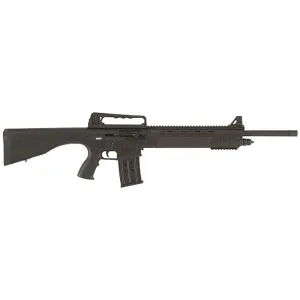
| Cross-bolt safety | You | Button pushed through the trigger guard | Remington 870, many shotguns | Remington 870 |
| Tang safety | You | Thumb slide on top of the grip | Mossberg 500, Ruger American | Mossberg 500 |
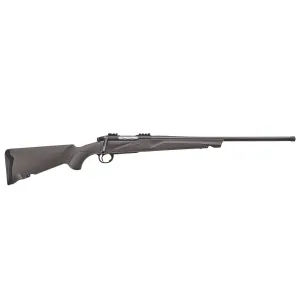
| Three-position safety | You | Fire, safe with bolt free, safe with bolt locked | Winchester Model 70 | Winchester Model 70 |
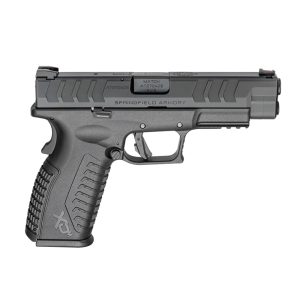
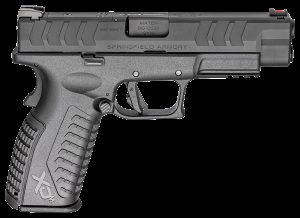
| Grip safety | Automatic | Blocks the trigger until you grip the gun | 1911s, Springfield XD | Springfield XD-M Elite |
| Trigger safety | Automatic | Blade in the trigger must be pressed first | Glock and most striker pistols | Glock 19 |
| Firing pin block and drop safety | Automatic | Holds the firing pin until the trigger is pulled | Nearly every modern handgun | Glock 19 |
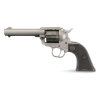
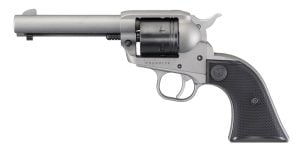
| Transfer bar | Automatic | Hammer can only reach the pin with the trigger held back | Ruger single actions | Ruger Wrangler |
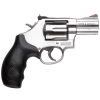
| Hammer block | Automatic | Bar keeps the hammer off the pin until you pull the trigger | Smith & Wesson revolvers | S&W 686 |
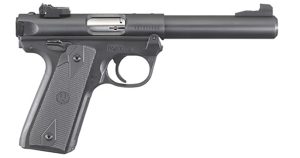
| Magazine disconnect | Automatic | Will not fire with the magazine out | Ruger Mark IV, California models | Ruger Mark IV 22/45 |
Manual Safeties
A manual safety is anything you have to switch on and off yourself. It adds one more step between you and a shot, which is the point, and it’s also the catch: you have to train until taking it off on the draw is automatic, and you have to remember to put it back on. Our manual safety on a carry gun guide covers that debate in full.
Thumb Safety
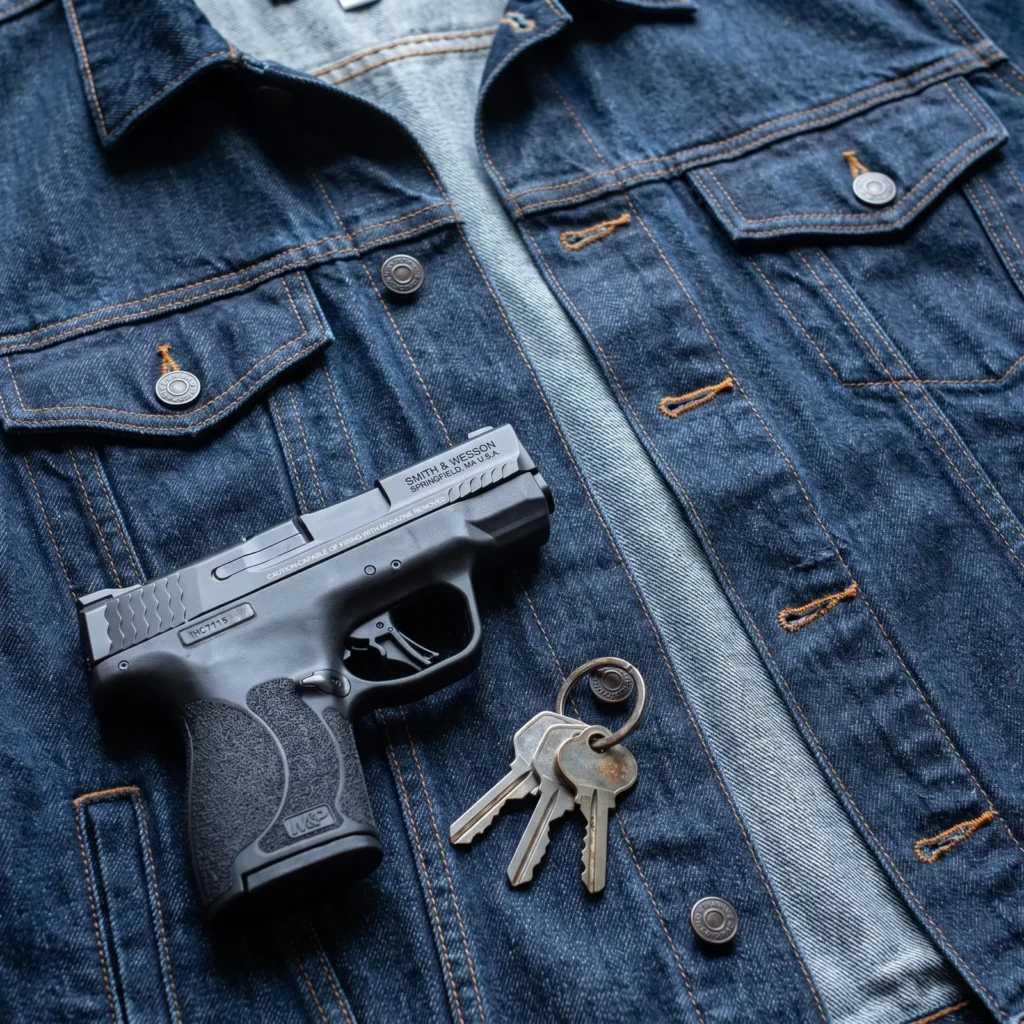
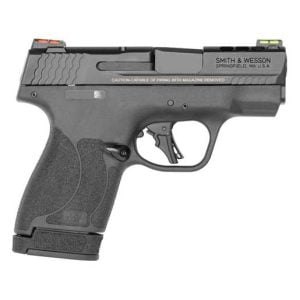
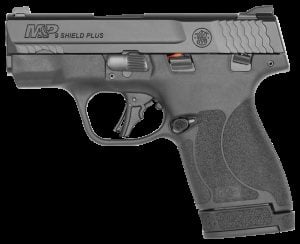
The thumb safety is a lever on the frame that you sweep down with your firing hand thumb to fire and push up to make safe. On a 1911 it locks the sear and slide, and it’s meant to be carried cocked with the safety on, which is called condition one. Your thumb rides on top of the lever while you shoot, so it cannot pop back on by itself.
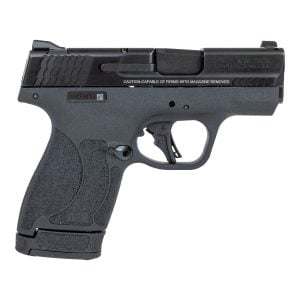
Many striker-fired pistols come in a thumb safety version too. Smith & Wesson sells the M&P Shield Plus with or without one, and Sig sells the P365 the same way. If you want a safety on a modern carry gun, buy the version that has one from the factory.
Slide-Mounted Safety and Decocker
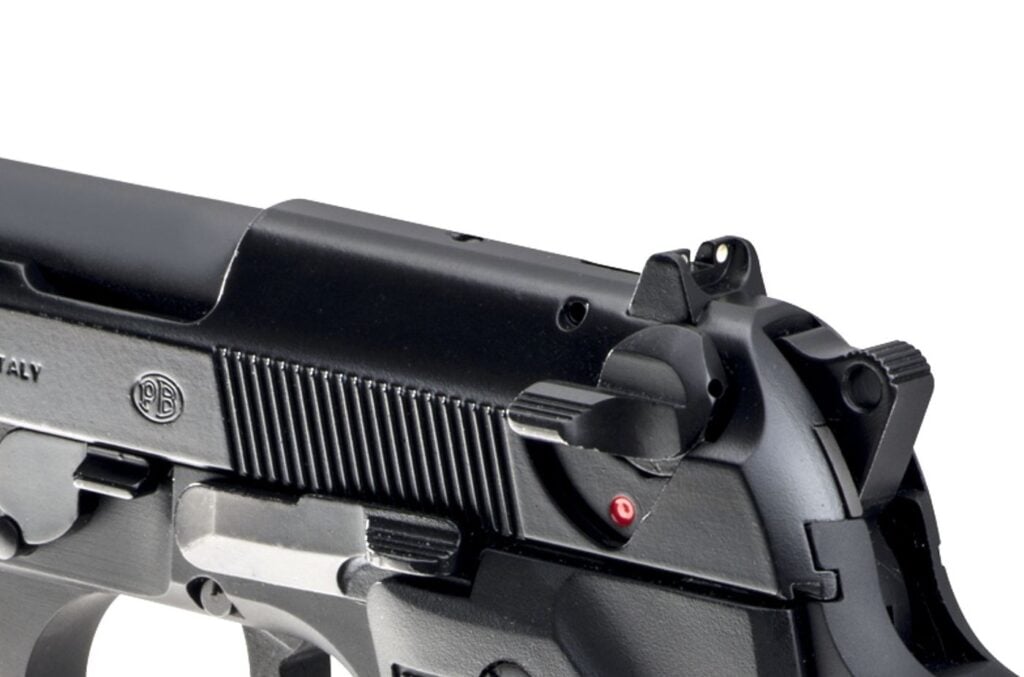
A double action and single action pistol fires its first shot with a long, heavy pull that cocks the hammer, then every shot after that from a short, light pull. That leaves the hammer cocked after you shoot. A decocker lets it down safely, without your thumb on the hammer, so the next shot is back to the long first pull.
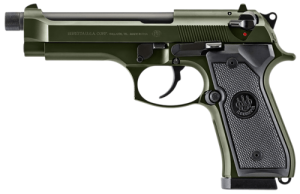
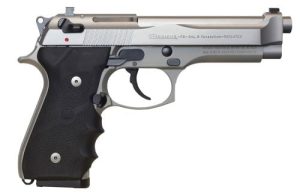
On the Beretta 92FS the lever on the slide does both jobs. Flip it down and it drops the hammer and blocks the firing pin, and it stays on safe until you flip it back up. Sig Sauer’s P226 has a decocker only, with no safe position, so it’s always ready to fire from the long first pull. Beretta also sells G-model conversion parts that turn the 92FS lever into a decocker that springs back up.

Cross-Bolt Safety
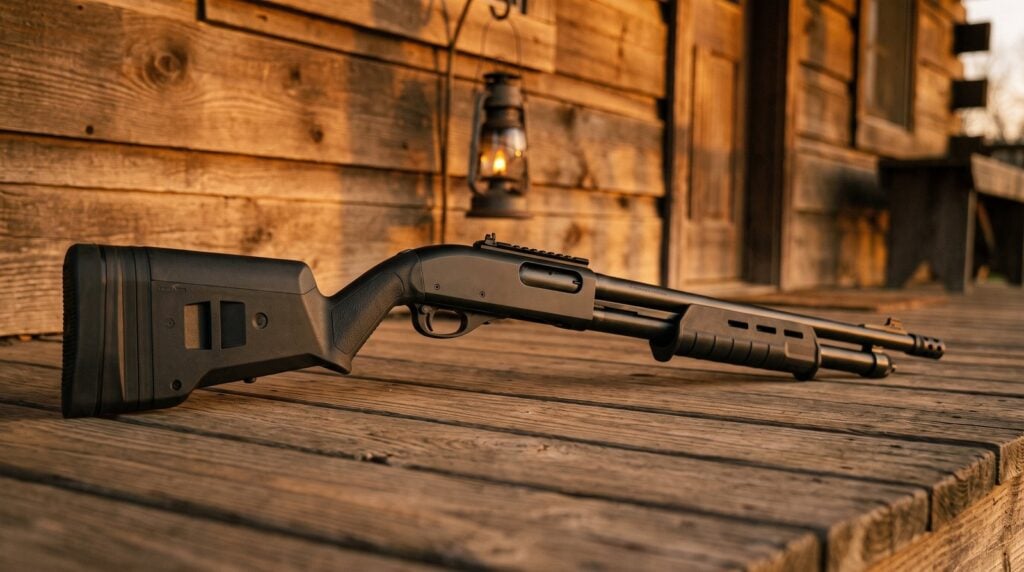
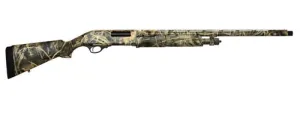
A cross-bolt safety is a button that runs side to side through the trigger guard. Push it one way and it blocks the trigger, push it the other way and a red ring shows that it’s ready to fire. The Remington 870 puts it just behind the trigger, and so do most semi-auto shotguns and many lever guns. It’s simple and strong, but it’s set up for a right-handed shooter on most guns, and lefties can buy a reversed one.



Tang Safety
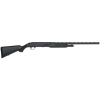
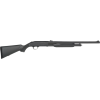
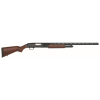
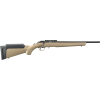
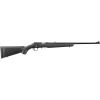
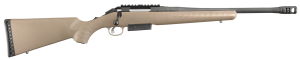
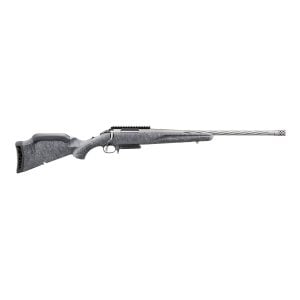
A tang safety is a slide on top of the stock, right behind the receiver, where your thumb rests when you hold the gun. Push it forward to fire and pull it back for safe. It works the same for right and left-handed shooters, and you can see at a glance which way it’s set. The Mossberg 500 has used one for decades, and the Ruger American Rifle has one too.
Two and Three-Position Rifle Safeties

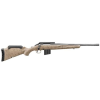
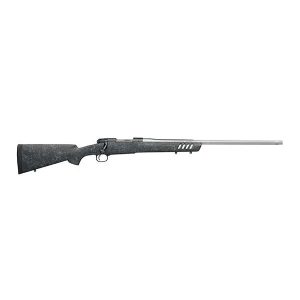
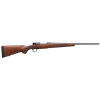
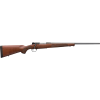
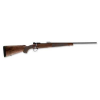
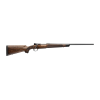
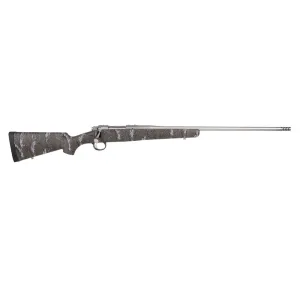
Most bolt action rifles have a two-position safety: fire and safe. Some lock the bolt closed on safe and some don’t, and that matters, because a bolt that can’t open means you have to take the gun off safe to unload it. A three-position safety solves that. On the Winchester Model 70, forward is fire, the middle position locks the firing pin but lets you work the bolt to unload, and all the way back locks both the bolt and the firing pin.
The middle setting is the reason hunters love it. You can unload the rifle at the truck without ever taking it off safe. The Mauser 98 wing safety was the original, and the Model 70 copied the idea.
Best-priced firearms across 200+ retailers · Updated every 4 hours


Best-priced firearms across 200+ retailers · Updated every 4 hours


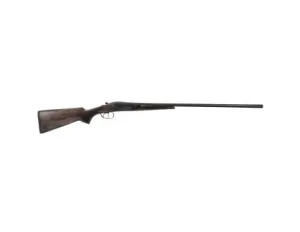
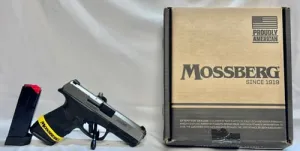
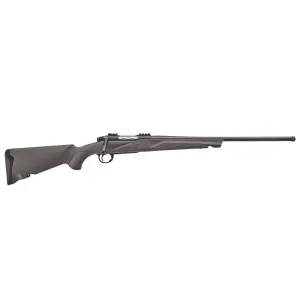
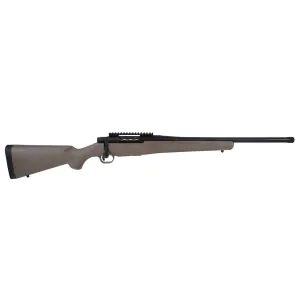

Grip Safeties

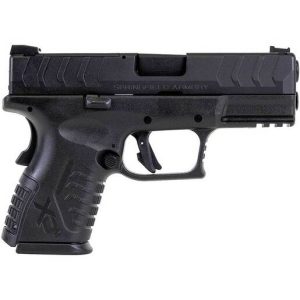
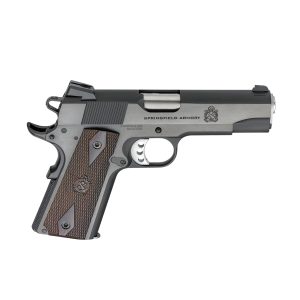
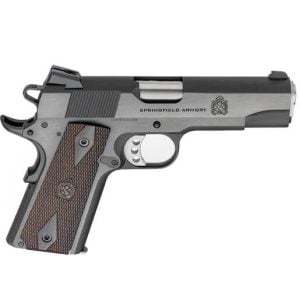
A grip safety is a lever on the back of the grip that blocks the trigger until your hand pushes it in. Hold the gun in a firing grip and it’s off, set it down or let go and it’s back on. The 1911 has one, along with its thumb safety, and Springfield’s XD line put one on a striker-fired pistol.
The weak point is a high, loose or one-handed grip. If your palm doesn’t fully press it, the gun will not fire. That’s why most 1911s now come with a beavertail grip safety with a raised bump at the bottom that’s easier to press. If you shoot a 1911 and get dead triggers, check your grip before you blame the gun.

Trigger Safeties
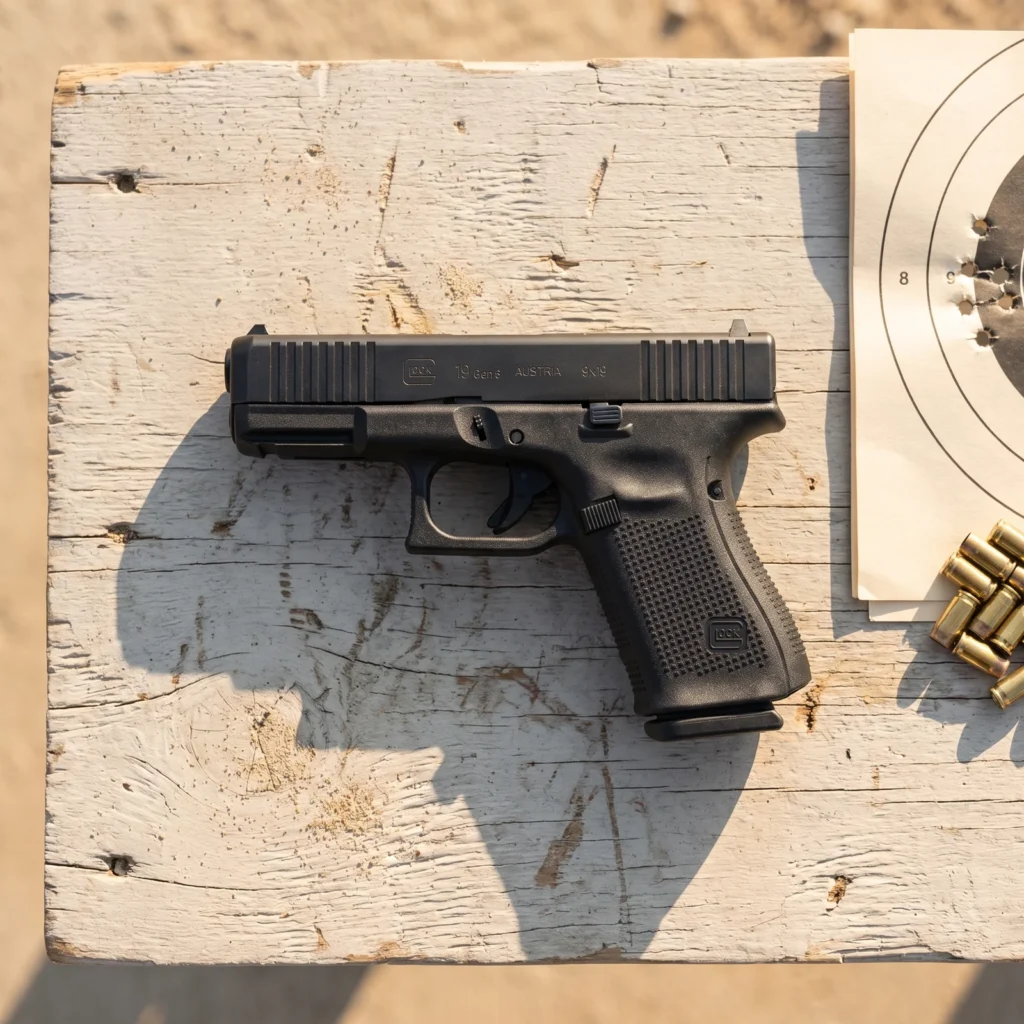
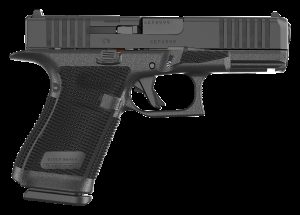
A trigger safety is a small blade in the middle of the trigger face. The trigger cannot move back until the blade is pressed in, which happens when your finger is squarely on the trigger. A snag on the side of the trigger, from a jacket drawstring or the edge of a holster, won’t press the blade. Glock made it famous, and today nearly every striker-fired pistol has some version of it.
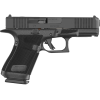
Glock calls the whole setup the Safe Action System, and it’s three automatic safeties, not one: the trigger safety, a firing pin safety that blocks the firing pin until the trigger moves, and a drop safety where the trigger bar holds the back of the firing pin. Glock says all three disengage in order as you pull the trigger and come back on when you let go. So a Glock does have safeties. It just does not have one you switch on.
What a trigger safety won’t do is stop a finger. Anything that presses the trigger the way a finger does, like a holster with a bent edge or a stick in the brush, can still fire the gun. That’s why a good holster that covers the trigger guard is not optional with a striker-fired gun. See our types of holsters.
Firing Pin Blocks and Drop Safeties
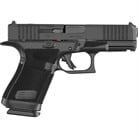
A firing pin block is a small plunger that sits in a notch in the firing pin and locks it in place. Only a full trigger pull lifts it out of the way. Without one, a hard drop onto the muzzle can let an inertia firing pin fly forward far enough to fire a round. With one, the pin cannot reach the primer unless the trigger is pulled.
On the 1911 this is the difference between a Series 70 and a Series 80 gun. Colt’s Series 80 design added a firing pin block worked by the trigger, and Series 70 pistols do not have one. Some shooters prefer the Series 70 trigger feel, and some 1911 makers use a lighter firing pin and a heavier spring as an alternative way to stop drop fires. Ask which system a 1911 uses before you buy one.
California turned drop safety into law. Under its Unsafe Handgun Act, a handgun that does not meet the drop safety requirement can’t be added to the state roster. The drop test drops three samples of each gun from 1 meter and 1 centimeter, about 39.4 inches, onto concrete in six different orientations, and a gun passes only if the primer never fires.
Revolver Safeties: Transfer Bars and Hammer Blocks
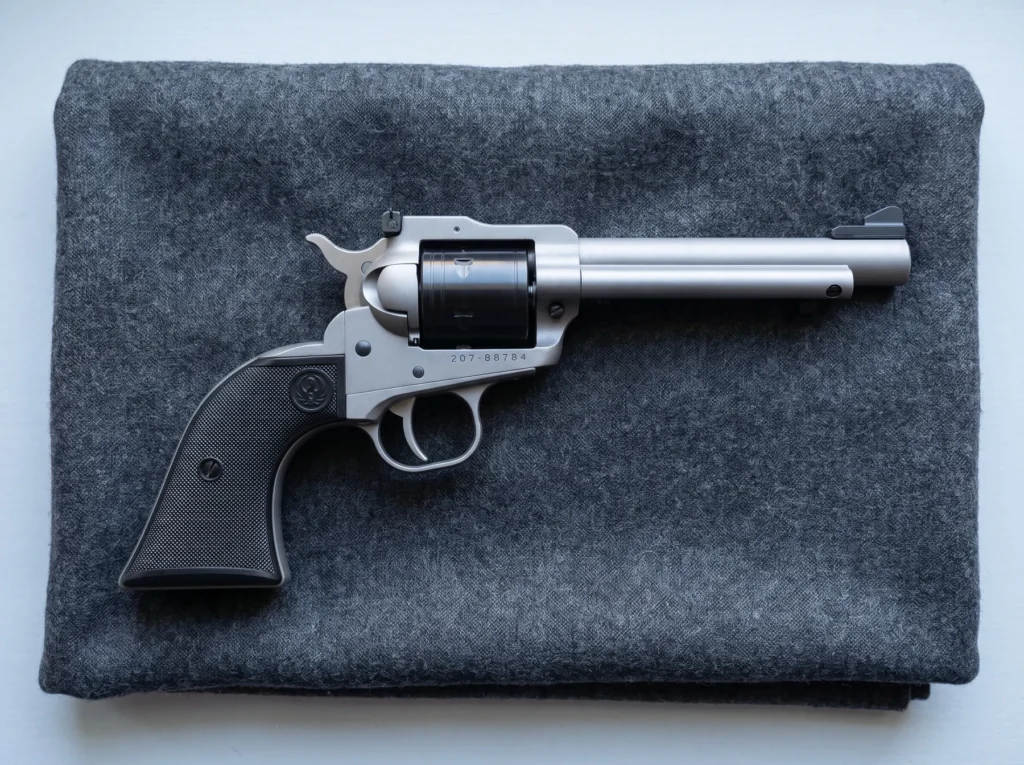
Old single action revolvers like the Colt Single Action Army have the firing pin on the hammer. If the hammer is down on a loaded chamber, a blow to the hammer can fire it, so cowboys carried five rounds with the hammer resting on an empty chamber. A transfer bar fixes that. The hammer sits on the frame, not the firing pin, and a bar only rises between the two when you hold the trigger back. Let go of the trigger and the bar drops away.
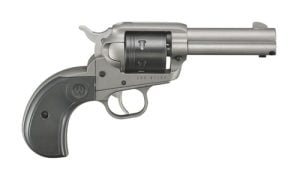
Ruger put the transfer bar into its New Model single actions in 1973, and it’s why a Ruger Wrangler or Blackhawk is safe to carry with all six loaded. Older three-screw Rugers don’t have one, and Ruger has offered a free transfer bar conversion for them. Call Ruger to check it’s still available before you send a gun in. Our cowboy action guns guide covers the originals and their modern copies.
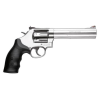
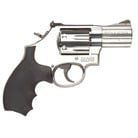
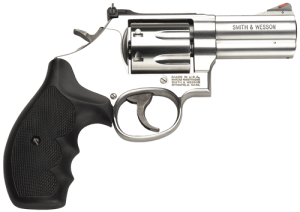
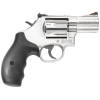
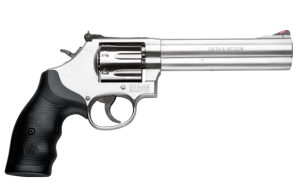
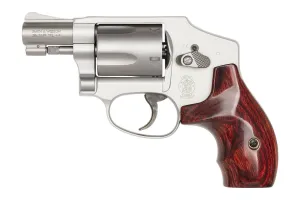
Double action revolvers like the Smith & Wesson 686 use a hammer block instead. A steel bar sits between the hammer and the frame and only moves out of the way when you pull the trigger. Drop the gun on its hammer and the block takes the hit. A revolver’s long, heavy trigger pull is the other half of its safety, which is why double action revolvers do not have a manual safety at all.
Best-priced firearms across 200+ retailers · Updated every 4 hours





Magazine Disconnect Safeties
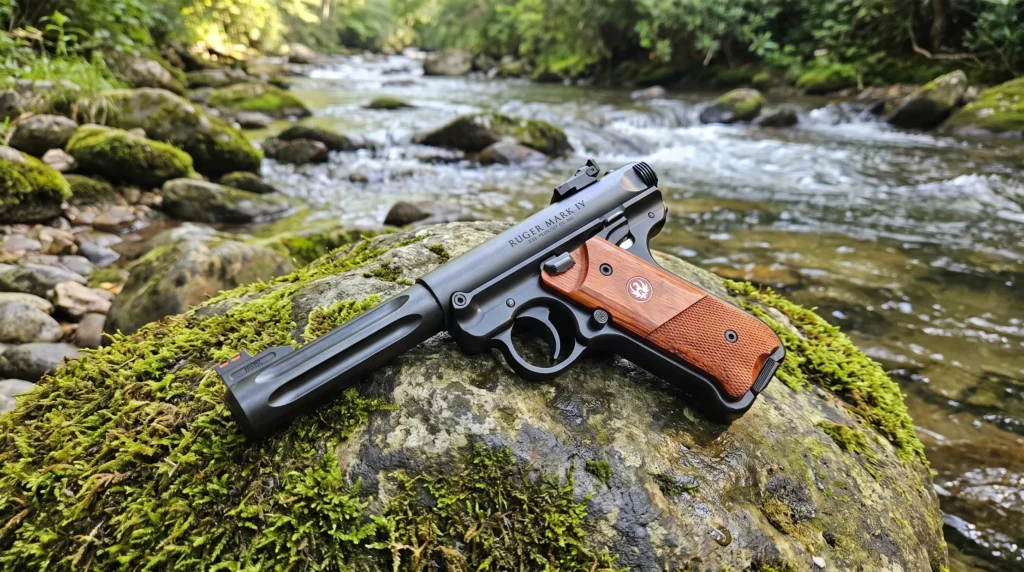
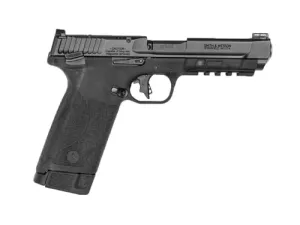
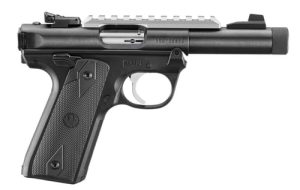
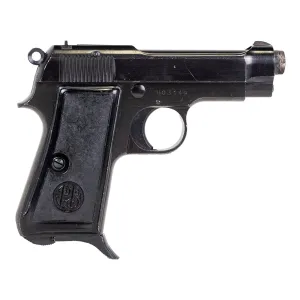
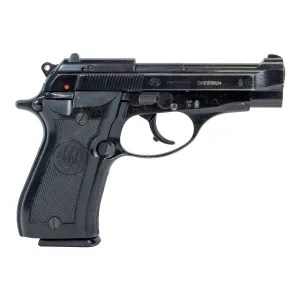
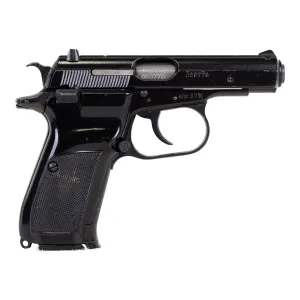
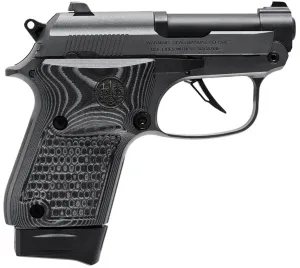
A magazine disconnect stops the gun from firing when the magazine is out, even with a round in the chamber. The idea is to protect someone who drops the magazine and thinks the gun is empty. The Ruger Mark IV has one, and Ruger says it prevents the gun from firing with a magazine removed.
Shooters argue about it. Fans like the extra protection for new shooters. Critics point out that a defensive gun with the magazine knocked loose in a fight becomes a single round you cannot fire. California settled it for its market: under the same law, new semi-auto pistols added to the roster since July 1, 2022 must have a magazine disconnect and a chamber load indicator. Those two rules have been challenged in federal court in Boland v. Bonta, so check the current state of the law if you buy in California.
Best-priced firearms across 200+ retailers · Updated every 4 hours
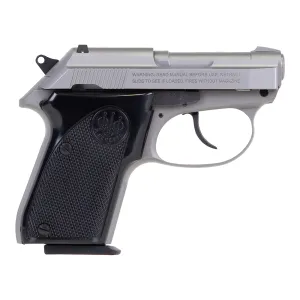

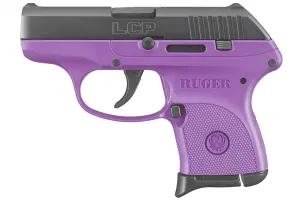
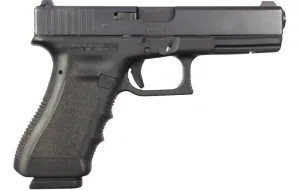
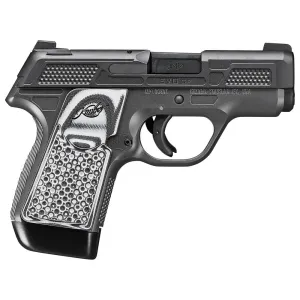
Best-priced firearms across 200+ retailers · Updated every 4 hours
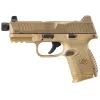
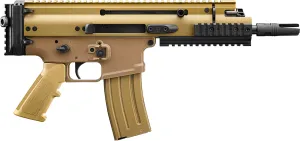
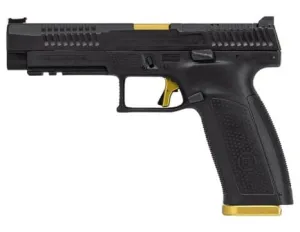
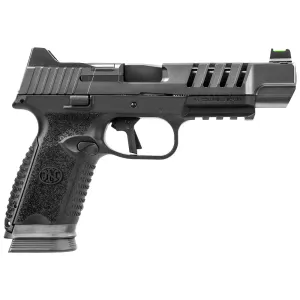

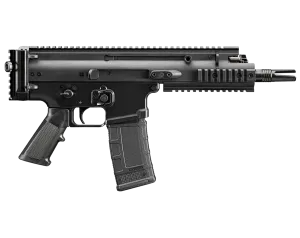
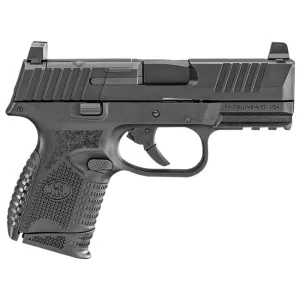
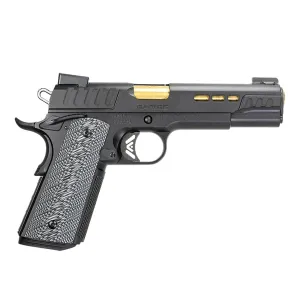
Loaded Chamber Indicators and Half-Cock Notches
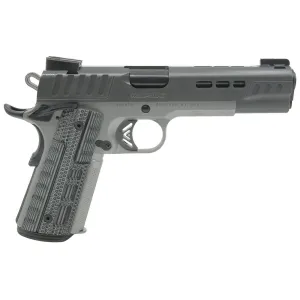
A loaded chamber indicator is a tab or a cutout on the slide that shows or lets you feel brass when there’s a round in the chamber. It’s not a safety, because it doesn’t block anything, and it never replaces a press check or a visual check of the chamber. On a Glock the extractor sticks out a little when a round is chambered, and the Springfield XD has a pin on top of the slide that rises.
A half-cock notch on an old exposed hammer gun, like a lever action, a muzzleloader or an older 1911, catches the hammer partway back. It was the original safety, and the reason for the phrase going off half-cocked: a worn notch can slip. Treat it as a way to let a hammer down, not as a safety you carry on.
Do Striker-Fired Pistols Have a Safety?
Yes. Most striker-fired pistols have no lever you can switch, but all of them have automatic safeties inside: a trigger safety, a firing pin block and a drop safety on a Glock, plus a grip safety on the Springfield XD. Many models also come in a thumb safety version. What they do not have is a heavy first trigger pull, so the holster and your trigger finger do the job a manual safety would.
Manual Safety or No Manual Safety?
- Pick a manual safety if you appendix carry and want one more layer when you reholster, if a child or a new shooter will handle the gun, or if you shoot a 1911 already and the thumb sweep is muscle memory.
- Skip it if you won’t train the draw until the sweep is automatic, because a safety you forget to take off is a gun that won’t fire when you need it.
- Either way, carry in a holster that fully covers the trigger guard.
Whatever you choose, a mechanical safety is a backup, not a plan. The rules are the plan: treat every gun as loaded, keep your finger off the trigger until you’re on target, and never point the muzzle at anything you won’t destroy. For the guns themselves, see our types of handguns, types of rifles, types of shotguns and parts of a gun.
Frequently Asked Questions
What are the different types of gun safeties?
Manual safeties include the thumb safety, the slide-mounted safety and decocker, the cross-bolt safety, the tang safety and two or three-position rifle safeties. Automatic safeties include the grip safety, the trigger safety, the firing pin block or drop safety, the transfer bar and hammer block on revolvers, and the magazine disconnect.
Do Glocks have a safety?
Yes, but not one you switch on and off. Glock pistols have three automatic safeties: a trigger safety, a firing pin safety and a drop safety. All three disengage as you pull the trigger and re-engage when you release it.
What is a grip safety?
A grip safety is a lever on the back of the grip that blocks the trigger until your hand presses it in. The 1911 and the Springfield XD series have one. A loose or high grip that does not fully press it will stop the gun from firing.
What is a transfer bar safety?
A transfer bar sits between the hammer and the firing pin of a revolver and only rises into place when the trigger is held back. With the trigger released, a blow to the hammer cannot reach the firing pin, so the revolver is safe to carry with every chamber loaded.
What is a magazine disconnect safety?
It stops a pistol from firing when the magazine is removed, even with a round in the chamber. The Ruger Mark IV has one, and California has required one on new semi-auto pistols added to its roster since July 1, 2022.
What is a three-position safety?
It is a bolt action rifle safety with three settings. On the Winchester Model 70, forward is fire, the middle locks the firing pin but lets you work the bolt to unload, and the rear locks both the bolt and the firing pin.
What is the difference between a safety and a decocker?
A safety blocks the gun from firing until you switch it off. A decocker safely lowers a cocked hammer without firing, so the next shot uses the long double action pull. Some levers, like the one on the Beretta 92FS, do both.
Can a gun fire with the safety on?
It can if the safety is worn, broken or not fully engaged, which is why a safety never replaces the basic rules. Keep the muzzle pointed in a safe direction and your finger off the trigger whether the safety is on or not.
4,129+ Gun & Ammo Deals
Updated daily from 200+ top retailers. Filter by category, caliber, action type, and price.
Related Guides