
Last updated October 27th 2026
Some of the links below are affiliate links, meaning at no additional cost to you, we may earn a commission if you click through and make a purchase.
By Nick Hall
The main types of holsters are sorted by where you wear them: inside the waistband or IWB, appendix or AIWB, outside the waistband or OWB, pocket, ankle, shoulder, belly band, chest and drop-leg. Then they’re sorted again by what they’re made of, Kydex, leather, hybrid or nylon, and by how hard they hold the gun, from a simple friction fit to a Level III duty holster.
I’ve carried in nearly every one of these over the years. Below you’ll find what each type is good and bad at, a comparison table, where each one sits on your body, how retention levels work, and a real holster for each type with live prices from our 200+ retailers on October 27, 2026. Each section links to our full roundup for that type.
Table of Contents
How we tested: Every pick here is ranked against our testing methodology. Minimum round counts, accuracy and reliability protocols, the failures that disqualify a gun.
Types of Holsters at a Glance
| Type | Where it rides | Concealment | Draw speed | Best for | Example on this page |
|---|---|---|---|---|---|
| IWB | Inside the pants, 3 to 5 o’clock | Very good | Good | Everyday carry | CrossBreed SuperTuck |
| Appendix (AIWB) | Inside the pants, 12 to 1 o’clock | Excellent | Fastest concealed | Everyday carry, smaller frames | Concealment Express |
| OWB belt | Outside the pants on the belt | Needs a cover garment | Fast | Range, open carry, bigger guns | Galco Combat Master |
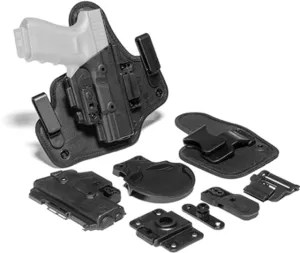
| OWB paddle | Outside the pants, paddle inside | Needs a cover garment | Fast | On and off quickly | Alien Gear ShapeShift |
| Duty | Belt, with retention locks | None | Fast with training | Police, security | Safariland 7360 |
| Drop-leg | Thigh, hung from the belt | None | Fast | Armor and plate carriers | Safariland 6354DO |
| Front pants pocket | Excellent | Slow | Pocket pistols, backup | DeSantis Nemesis | |
| Ankle | Inside of the ankle | Excellent | Slowest | Backup gun | Galco Ankle Glove |
| Shoulder | Under the arm | Good under a jacket | Medium | Driving, big revolvers | Galco Classic Lite |
| Belly band | Elastic band at the waist | Very good | Slow | Workouts, no belt | CrossBreed Belly Band |
| Chest | Center of the chest | Poor | Fast | Hunting, hiking, pack straps | Galco Kodiak Hunter |
Waistband Holsters
Inside the Waistband
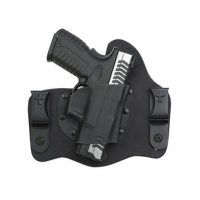
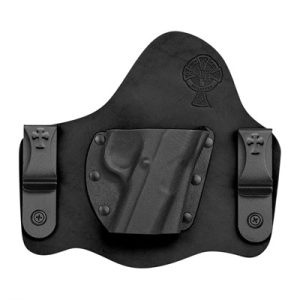
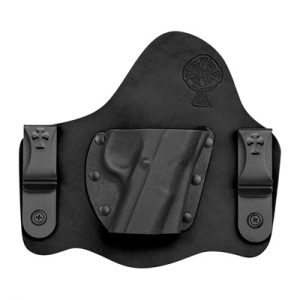
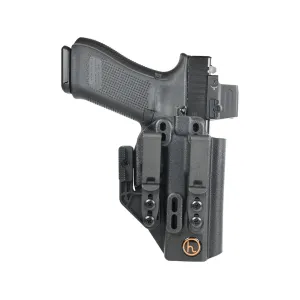
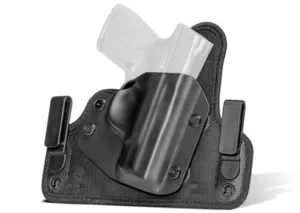
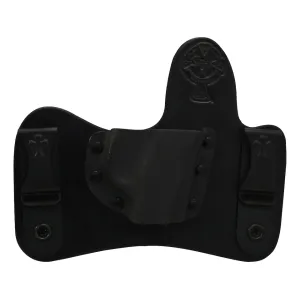
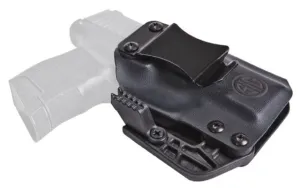
An IWB holster tucks inside your pants and clips or loops to your belt, so only the grip shows above the waistband and a T-shirt covers it. It’s the most popular concealed carry holster in America, and at the strong-side hip, 3 to 5 o’clock for a right-handed shooter, it hides a full-size gun better than you’d expect. A hybrid IWB like the CrossBreed SuperTuck puts a Kydex shell on a wide leather or neoprene backer that spreads the weight. The trade-off is that you need pants about one size bigger. Our IWB vs OWB holster guide compares the two in detail.
Appendix Carry
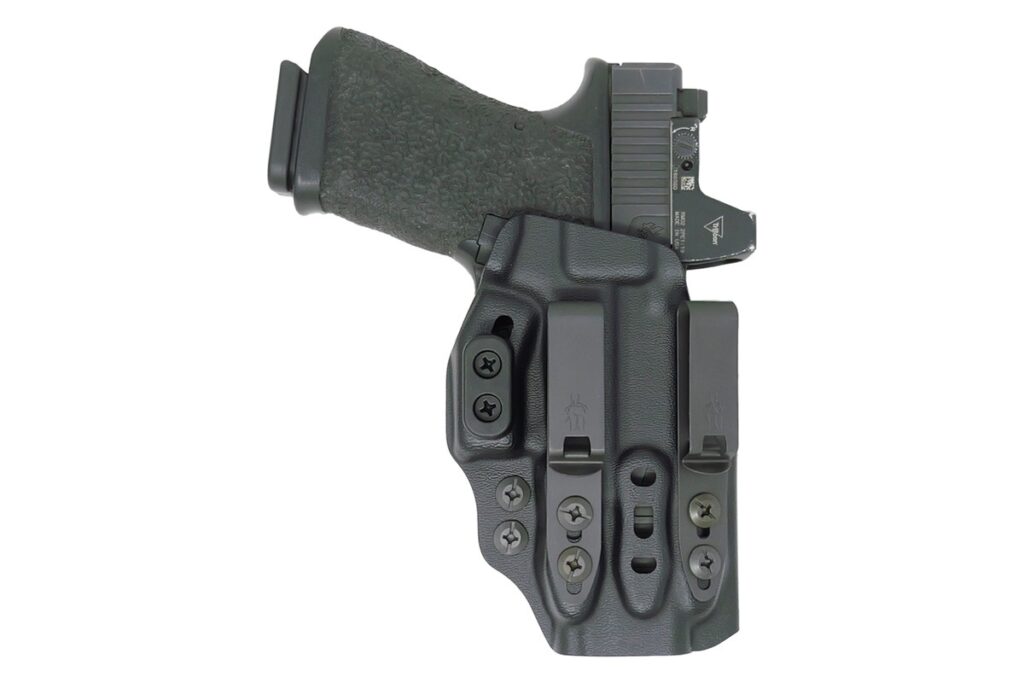
Appendix carry, or AIWB, is IWB moved to the front, just right of the belt buckle at 12 to 1 o’clock. It’s the fastest concealed draw because your hand is already near it, it’s easy to protect in a crowd, and a claw or wedge on the holster tucks the grip in against your body so it doesn’t print. It’s less comfortable when you sit with a big gun, and the muzzle points at your femoral artery, so a rigid holster that covers the trigger guard and slow, careful reholstering are non-negotiable. See our best concealed carry holsters and Concealment Express review.
Outside the Waistband
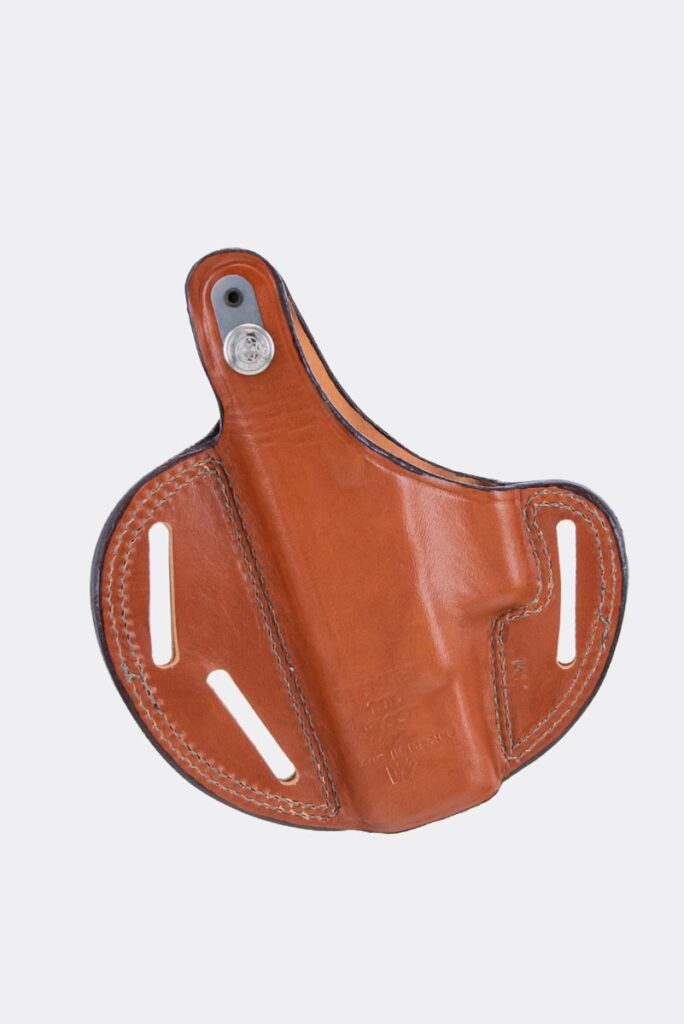
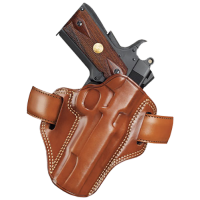
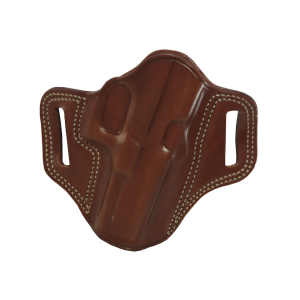
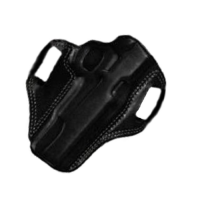
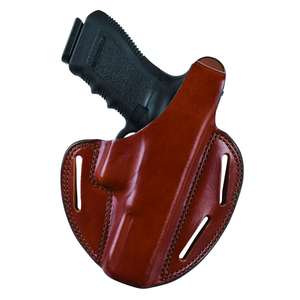
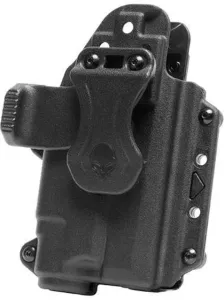
An OWB holster rides on the outside of your belt. It’s the most comfortable way to carry a full-size gun and the fastest draw, which is why it’s the standard for the range, competition and open carry. To conceal one you need an untucked shirt or jacket that covers it, and a pancake design like the Galco Combat Master or Bianchi Model 7 pulls the gun tight to your side with slots on both sides of the pistol. Our best OWB holsters covers the ones that hide best.
Paddle Holsters
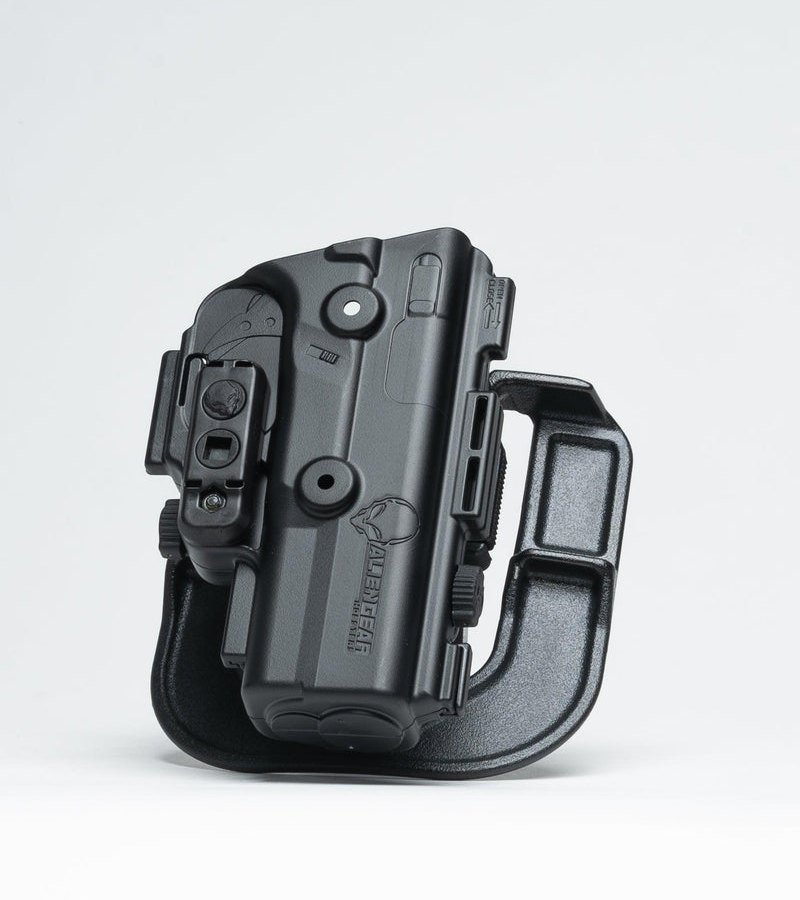
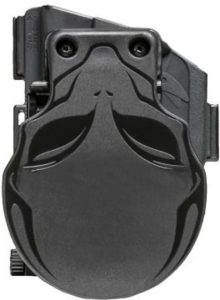
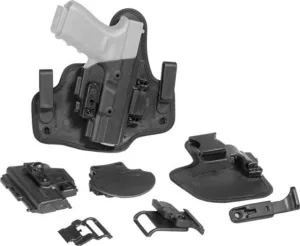
A paddle holster is an OWB holster with a curved plate that slides inside your waistband instead of belt loops. You can put it on and take it off without undoing your belt, which is handy if you have to disarm to enter a building. It also wobbles more than a belt-loop holster and can come out with the gun in a hard draw, so it’s a range and convenience holster more than an everyday carry one.
Holster Deals Under $50
Best-scored accessories across 200+ retailers · Updated every 4 hours




Holster Deals $50 to $100
Best-scored accessories across 200+ retailers · Updated every 4 hours



Holster Deals $100 and Up
Best-scored accessories across 200+ retailers · Updated every 4 hours


Duty and Retention Holsters
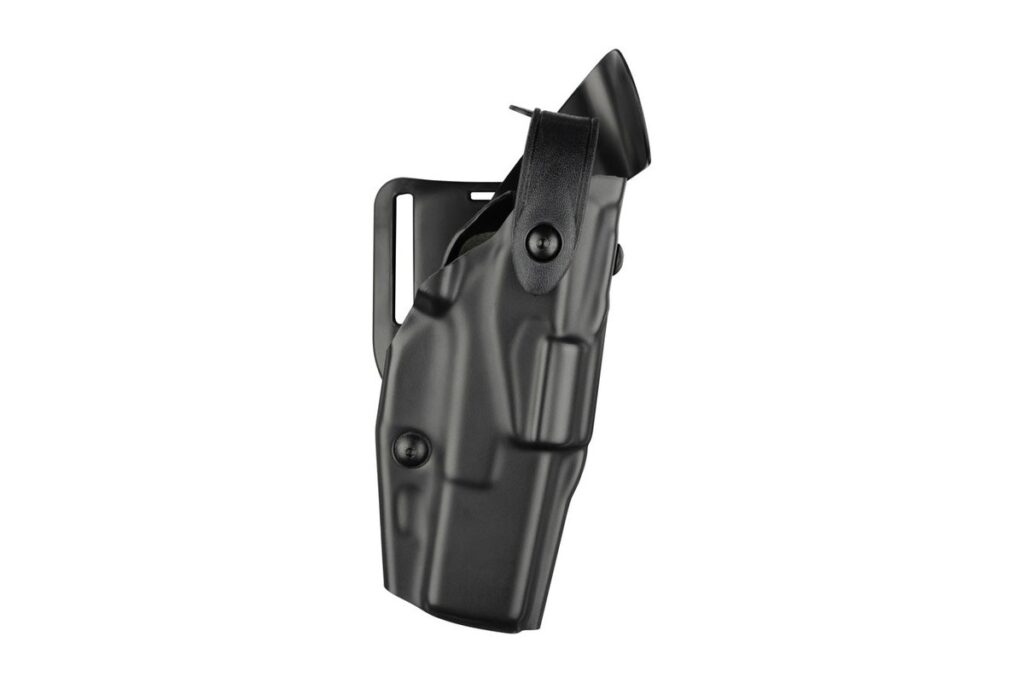
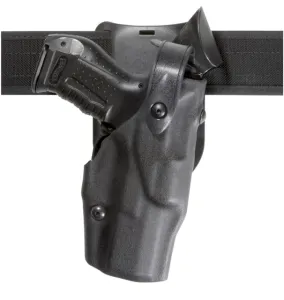
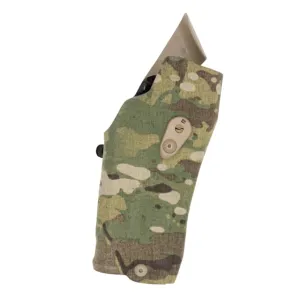
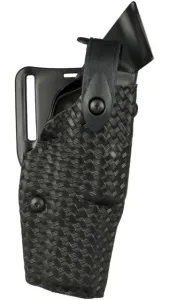
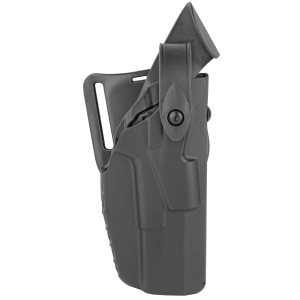
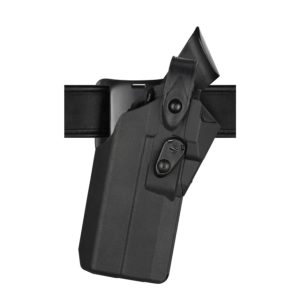
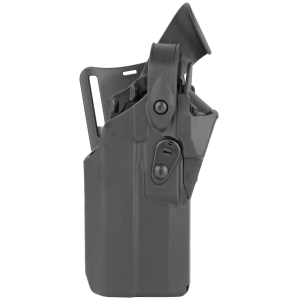
A duty holster is built for a uniformed officer who carries openly and might have to fight to keep the gun. It adds retention devices, locks that must be released before the gun comes out.
Most people assume the level is the number of locks, but under Safariland’s own rating system it’s the number of separate hand movements needed to free the gun, and the friction fit of the holster does not count. One motion is Level I, two is Level II, three is Level III. Safariland’s ALS lock alone is Level I, its SLS hood alone is Level II, and the two together, as on the 6360 and 7360, are Level III. Other makers rate their own way, so a Level II from one brand isn’t always a Level II from another.
More retention means more training. Under stress, a shooter who hasn’t practiced the release will yank on a locked gun. For concealed carry, the passive retention of a well-fitted Kydex holster is enough for most people. Our Blackhawk vs Safariland comparison covers the two biggest duty brands.
Drop-Leg Holsters
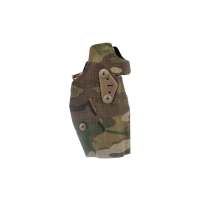
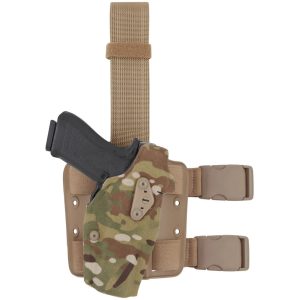
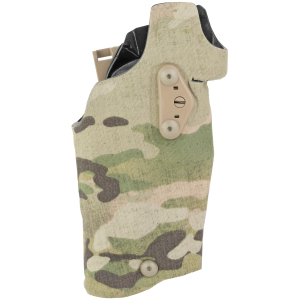
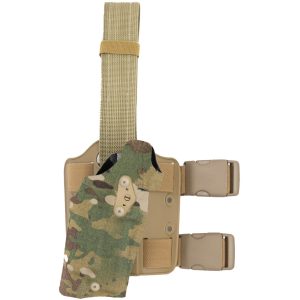
A drop-leg, or thigh, holster hangs from the belt on a strap and rides on the outside of the thigh. It moves the gun below body armor, a plate carrier or a heavy jacket, which is why you see it on SWAT and military shooters. On a civilian without armor it’s slow to run in and shifts as you move, and a mid-ride belt holster is better. Our thigh holsters for women is a different, concealed design worn under a skirt.
Deep Concealment Holsters
Pocket Holsters
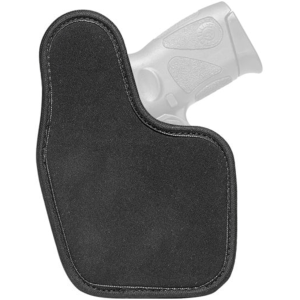
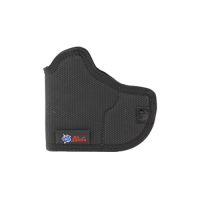
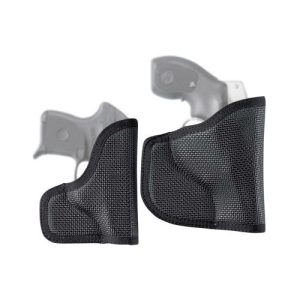
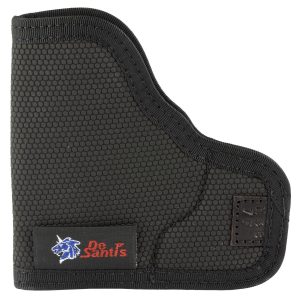
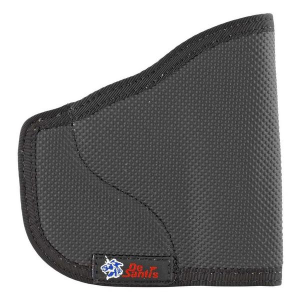
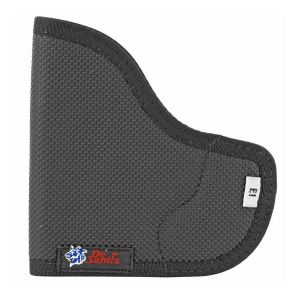
A pocket holster keeps a small gun upright in your front pants pocket, covers the trigger guard and breaks up the outline so it looks like a wallet. A sticky or tacky outer layer holds the holster in the pocket as you draw. It only works with pocket pistols and small revolvers like the Ruger LCP Max or a J-frame, and the draw is slower than from the belt. Never carry a gun loose in a pocket. See our best pocket holsters.

Ankle Holsters
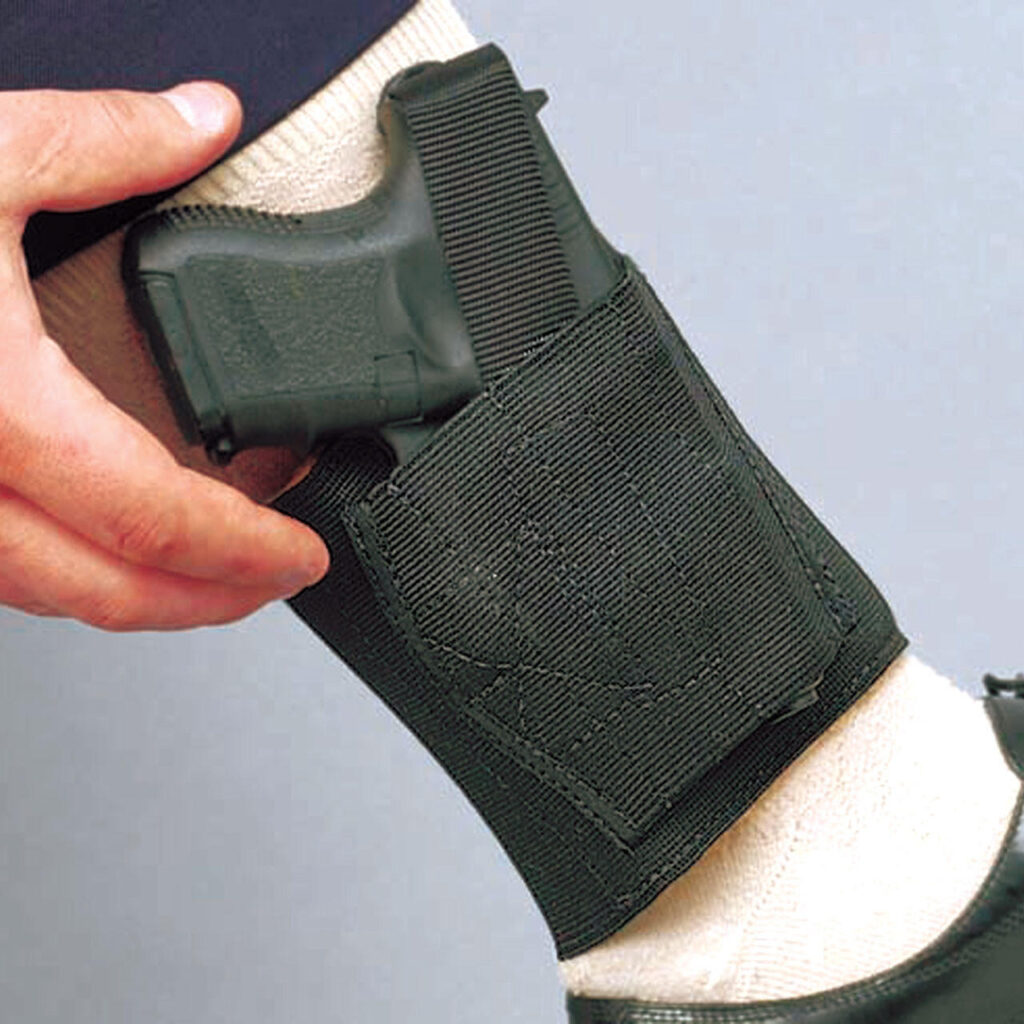
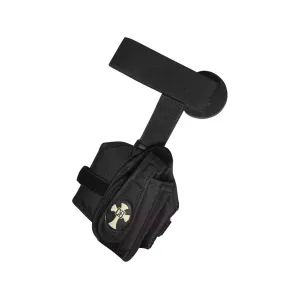
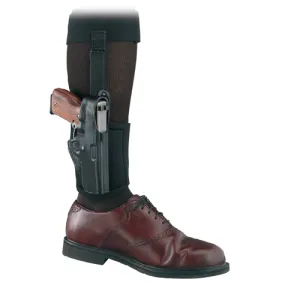
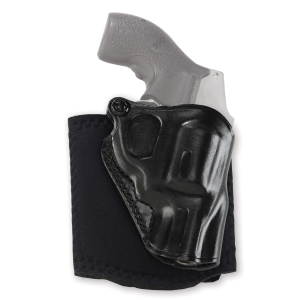
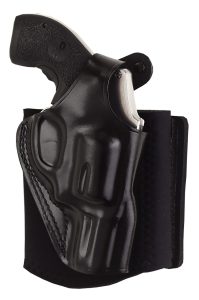
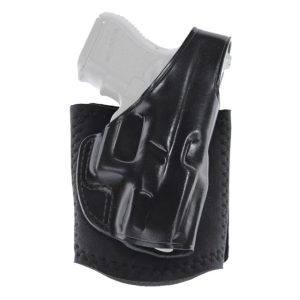
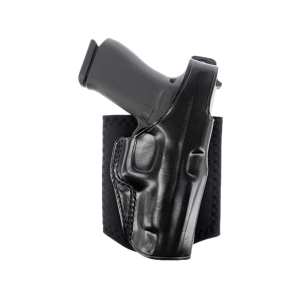
An ankle holster straps a small gun to the inside of your weak-side ankle with a padded wrap and a calf strap to stop it sliding. It’s nearly invisible under boot-cut pants and it’s the classic spot for a backup gun. It’s also the slowest draw on this list, you have to drop to a knee or lift your leg, and a heavy gun gets tiring by noon. Our best ankle holsters covers the good ones.
Belly Bands and Other Off-Belt Holsters
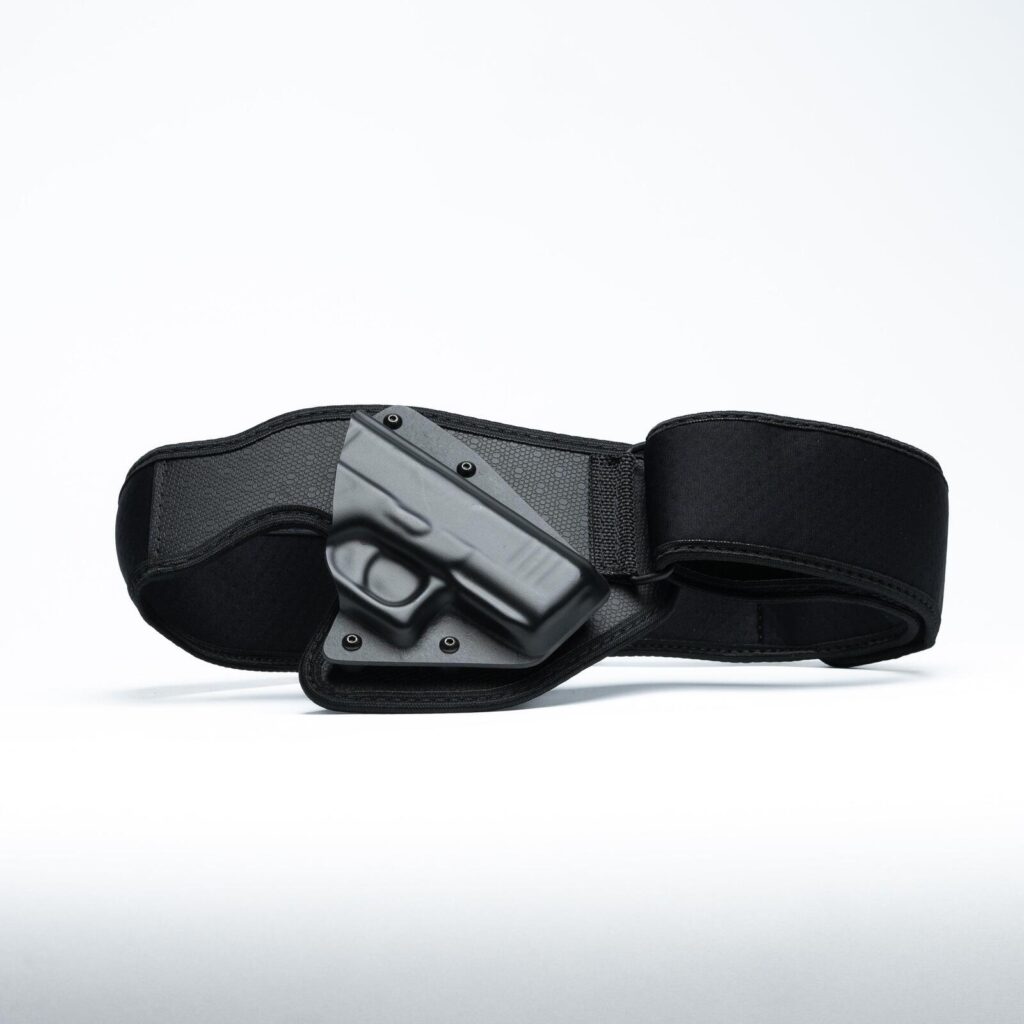
A belly band is a wide elastic wrap with a holster pocket, worn around the waist under a shirt or over gym shorts. It’s the answer when you have no belt: workout clothes, scrubs, a dress. Retention and draw speed are both lower than a belt holster, so pick one with a rigid Kydex shell over the trigger guard. Women’s carry adds bra holsters and thigh holsters, and our best belly band holsters tests the bands.
Shoulder and Chest Holsters
Shoulder Holsters
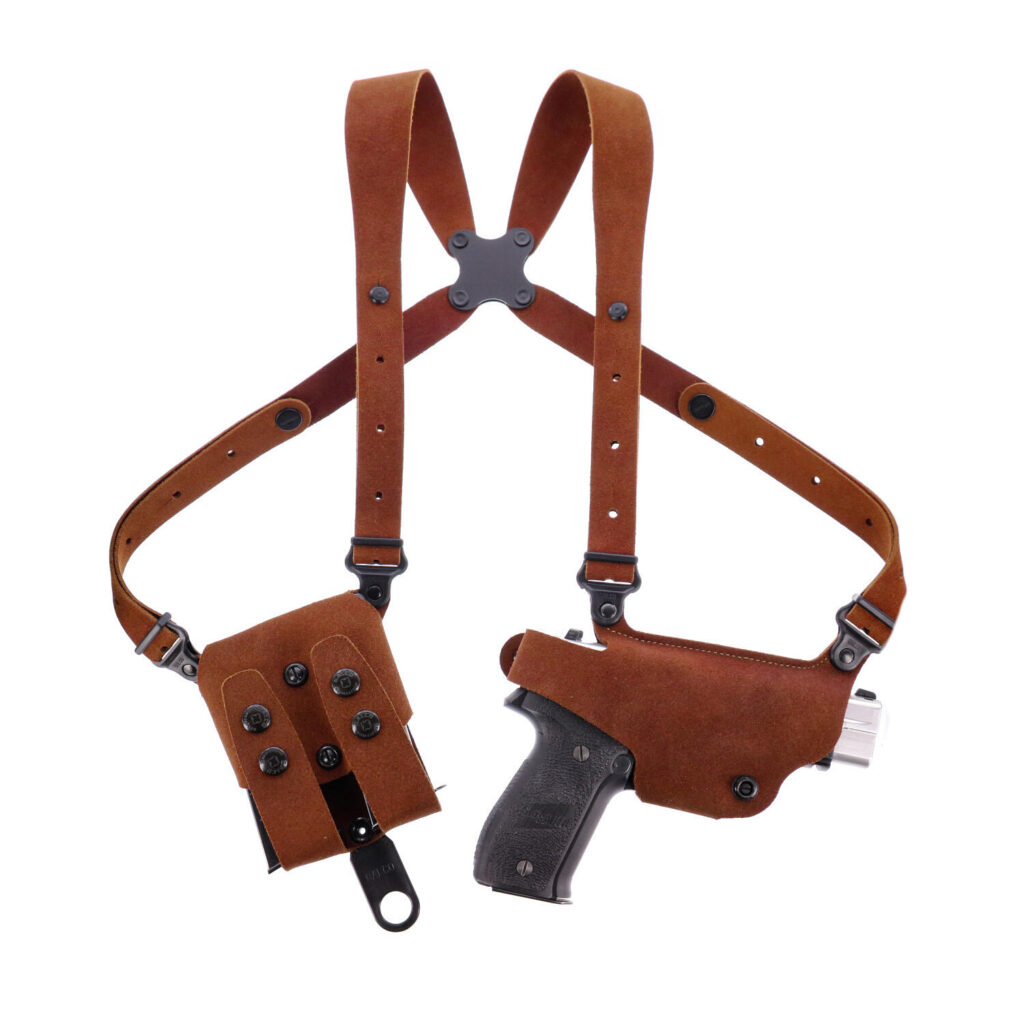
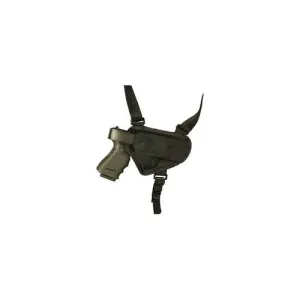
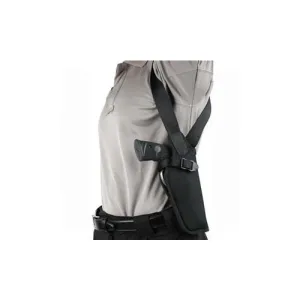
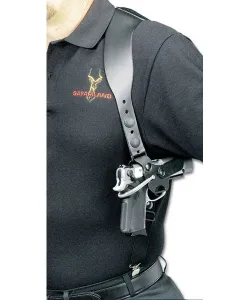
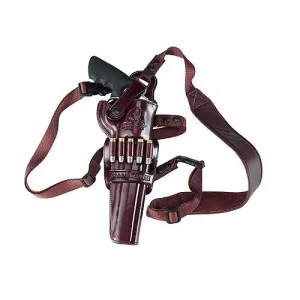
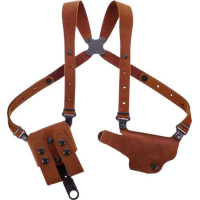
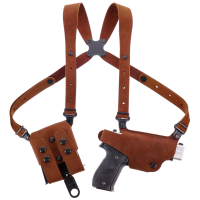
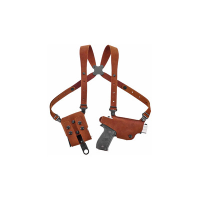
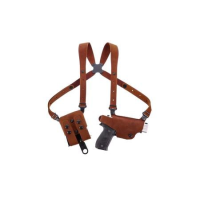
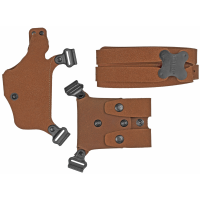
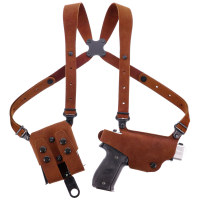
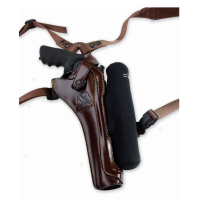
A shoulder holster hangs the gun under your support-side arm, balanced by spare magazines under the other, all held by a harness across your back. It’s comfortable for a heavy gun, easy to reach seated in a car, and it looks the part. It also needs a jacket at all times, and the cross draw sweeps everyone beside you with the muzzle, which is why many ranges ban it. See our best shoulder holsters.
Chest Holsters
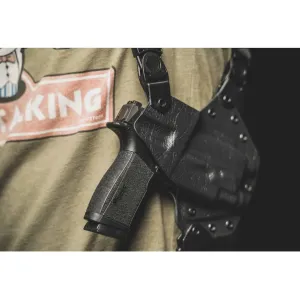
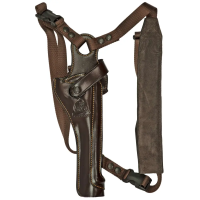
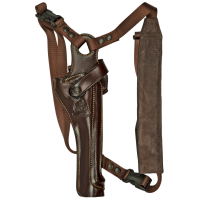
A chest holster rides the gun high on your sternum. It stays clear of a backpack hip belt, waders and a climbing harness, so it’s the favorite of hunters, hikers and anglers carrying a big revolver in bear country. It does not conceal at all. Our best chest holsters covers seven rigs.
Off-Body and Vehicle Carry
Off-body carry means the gun rides in something you carry instead of on you: a concealed carry purse, a backpack with a holster panel, or a fanny pack. It’s the most comfortable option and sometimes the only one with certain clothes. The catch is that a bag can be set down, forgotten or snatched, and a thief who grabs it gets the gun. If you carry off-body, use a dedicated compartment with a real holster inside, and keep the bag on your body.
In a car, a holster mounted under the steering column or beside the center console is easier to reach than one on your hip under a seatbelt, but the gun has to come off and go back on every time you leave the car. State laws on loaded guns in vehicles vary a lot. Our carrying concealed in your car guide covers mounts and the legal traps.
What Every Holster Needs
- Full trigger guard coverage: nothing should be able to reach the trigger while the gun is holstered. This is the one rule that never bends.
- Retention you can trust: turn the holstered gun upside down and shake it. It should stay put, then come out cleanly with a firm pull.
- A fit for your exact gun: a holster molded for your model, and for your light or red dot if you run one.
- A stiff gun belt: a regular dress belt lets a loaded holster sag and flop. A reinforced gun belt is the cheapest upgrade in carry.
- A mouth that stays open: so you can reholster one-handed without pushing a finger or clothing in with the gun.
Holster Materials: Kydex, Leather, Hybrid and Nylon
| Material | Pros | Cons |
|---|---|---|
| Kydex | Rigid, keeps its shape for one-handed reholstering, clicks into place, waterproof | Hard edges, can wear a gun’s finish |
| Leather | Comfortable, quiet, molds to you, classic look | Can soften and collapse, needs break-in, absorbs sweat |
| Hybrid | Kydex shell for retention, wide backer for comfort | Bulkier, the backer wears out |
| Nylon | Cheap, light, one size fits many guns | Little retention, collapses, poor for carry |
For everyday carry, I’d pick Kydex or hybrid. A holster made for your exact gun model always beats a universal fit. Our Kydex vs leather holsters goes deeper.
Carry Positions on the Clock
Holster makers describe where a gun sits as a clock face, looking down at your own waist with 12 o’clock at your belt buckle. For a right-handed shooter:
- 12 to 1 o’clock: appendix. Fastest concealed draw.
- 3 to 4 o’clock: strong-side hip. The classic spot for IWB and OWB.
- 4 to 5 o’clock: behind the hip. Hides better under a short shirt, slower to reach.
- 6 o’clock: small of the back. Hard to draw and painful if you fall on it, so most trainers advise against it.
- 9 to 10 o’clock: cross draw. Easy to reach seated, but the draw sweeps the muzzle across people next to you.
Left-handed shooters mirror the numbers. For how to pick a position, ride height and cant, our how to choose a concealed carry holster guide walks through it step by step.
Which Type of Holster Should You Buy?
- Everyday concealed carry: a Kydex or hybrid IWB at 3 to 4 o’clock, or an appendix holster with a claw.
- Range days and open carry: an OWB belt holster.
- Pocket pistol or backup gun: a pocket holster, or an ankle holster for a second gun.
- Workouts and no-belt days: a belly band.
- Hunting and hiking: a chest holster.
- Duty or uniformed security: a Level II or III retention holster, with training on the release.
Whatever you choose, buy a stiff gun belt with it and a holster molded for your exact gun. Picks by gun: best Glock holsters, best Glock 19 holsters, best Glock 43X holsters and best 1911 holsters. For the rest of the carry picture, see our concealed carry guide.
Frequently Asked Questions
What are the main types of holsters?
Holsters are sorted by where you wear them: inside the waistband, appendix, outside the waistband, paddle, duty, drop-leg, pocket, ankle, shoulder, belly band and chest. They are also sorted by material, Kydex, leather, hybrid or nylon, and by retention level.
What is the most popular type of holster for concealed carry?
The inside the waistband holster, worn at the strong-side hip or in the appendix position. It hides a compact or full-size pistol under a T-shirt and keeps the draw fast.
What is the difference between IWB and OWB?
An IWB holster sits inside your pants, so only the grip shows and a shirt covers it. An OWB holster rides outside on the belt, which is more comfortable and faster to draw from but needs a cover garment to conceal.
What does Level III retention mean?
Under Safariland's rating system, it means three separate hand movements are needed to release the gun from the holster. Level I takes one and Level II two, and passive friction does not count as a level. Safariland's ALS lock plus SLS hood, used on the 6360 and 7360, is Level III. Other brands rate differently.
Is appendix carry safe?
Yes, with the right holster and habits. Use a rigid holster that fully covers the trigger guard, keep your finger off the trigger and reholster slowly, looking at the holster. The muzzle points toward your thigh and groin, so there is no room for a careless reholster.
Is Kydex or leather better for a holster?
Kydex is better for most concealed carriers because it keeps its shape, clicks the gun in place and allows one-handed reholstering. Leather is more comfortable and quieter but can soften over time. A hybrid combines a Kydex shell with a leather or neoprene backer.
Can you carry a gun in your pocket without a holster?
You should not. Loose in a pocket, the trigger is exposed to keys and other objects and the gun can turn sideways. A pocket holster covers the trigger guard and keeps the gun upright for a consistent draw.
What type of holster is best for hunting?
A chest holster, because it stays clear of a backpack hip belt and waders and keeps the gun in reach. A shoulder holster also works for heavy revolvers.
3,979+ Gun & Ammo Deals
Updated daily from 200+ top retailers. Filter by category, caliber, action type, and price.
Related Guides