

Last updated October 2026 · By Nick Hall, who has read the warranty card in the STOP envelope more than once
Some of the links below are affiliate links, meaning at no additional cost to you, we may earn a commission if you click through and make a purchase.
Quick Answer: Almost every big gun safe brand sells a “lifetime warranty”, and they are not the same promise. Liberty has the best one on paper: it covers fire and break-ins for life, it transfers free to the next owner, and Liberty pays to deliver and install the replacement and haul the old safe away. Fort Knox is the only brand here that covers the lock for life and names flood damage, but only for the original buyer, and you pay the freight. Browning, Cannon and Sturdy make you go to your homeowner’s insurance first.
No gun safe warranty pays for the guns inside. That part is your insurance policy’s job.
Table of Contents
How we tested: Every pick here is ranked against our testing methodology. Minimum round counts, accuracy and reliability protocols, the failures that disqualify a gun.
Gun Safe Warranty Comparison Table
Every row below comes from the maker’s own warranty page, owner’s manual or claim form, read in October 2026. I didn’t use retailer listings or review sites, because dealer copy rounds every warranty up to “lifetime” and leaves out the conditions. If a maker’s page doesn’t say something, the table says “not stated” rather than guessing.
| Brand | Fire and break-in | Who is covered | Insurance first? | Freight and opening | Lock |
|---|---|---|---|---|---|
| Liberty | Lifetime, repair or replace | Transfers to a new owner | No | Liberty pays delivery, in-home install and removal of the old safe | 5 years parts and labor on UL-listed SecuRam and S&G locks |
| Fort Knox | Lifetime; break-in means a free replacement, fire, flood or accident means repair or replace | Original purchaser only | No | You ship it to the factory prepaid; it comes back freight collect | Lifetime, same as the safe |
| Browning (ProSteel) | Lifetime of the original buyer, safes built after January 1, 2006 | Original buyer; $25 notarized transfer | Yes, the insurer must decline first | ProSteel pays freight both ways and the locksmith; curbside delivery | 5 years |
| Cannon | Limited lifetime, burglary attacks and fires | Not transferable | Yes, file with your insurer, then send proof of denial | Cannon pays return freight; you empty, palletize and curb it; locksmith capped at $300 | 5 years: parts and labor in year 1, parts only in years 2 to 5 |
| Stack-On (fire-resistant safes) | Theft or fire, repair or replace | Original owner only | Not stated | Stack-On pays freight both ways; removal and install labor not covered | 5 years |
| Rhino Metals | Limited lifetime, break-in and fire | Original purchaser | Not stated; police or fire report required | Rhino pays to open it and ship it to the factory; you palletize and curb it at your expense | 5 years parts and labor |
| Winchester (Granite Security) | Limited lifetime; free replacement if the safe is “ruined” by fire or a burglary attack | Not stated | A copy of your homeowner’s claim is required | Opening or repair capped at $300 | 5 years on UL-listed locks, 2 years on non-UL |
| American Security (AMSEC) | Lifetime on gun safes 55 inches and taller: burglary, attempted burglary, house fire | Original owner | No; police report within 30 days | Not stated | Not stated on the warranty page |
| Sturdy | Lifetime; burglary, and fire on fire-lined safes only | Original owner; not transferable | Yes, a denial letter | Free freight and locksmith for fire or a defect; burglary freight only with the paid Extra Warranty | Lifetime on mechanical parts including the S&G 6730 dial; electronics 2 years |
Sources: Liberty, Fort Knox, Browning’s owner’s manual and lock warranty page, Cannon, Stack-On, Rhino Metals, Winchester Safes, American Security and Sturdy.
“Lifetime” Covers the Box, Not the Lock
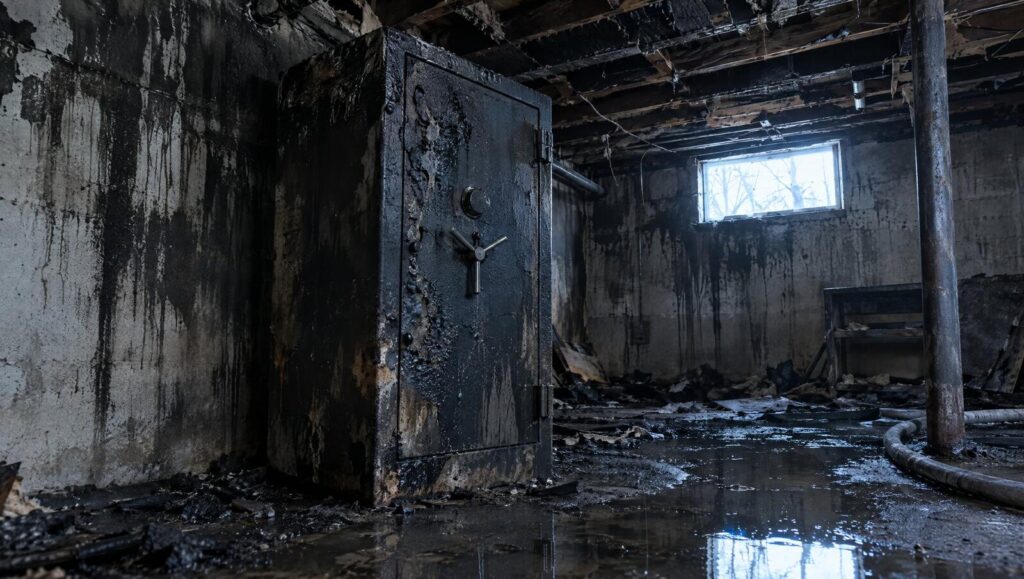
Here’s the first thing the ads skip. On most of these safes, the lifetime part covers the steel body against fire and break-ins. The lock, the part that fails in normal use, has its own much shorter clock.
Liberty says it straight in its own terms: the lifetime warranty covers the door mechanism, “the handle, locking bolts, and internal workings of the door. It does not include the lock.” The lock gets five years. Browning, Rhino, Stack-On and Winchester’s UL-listed locks also stop at five. Cannon is the thinnest of the lot: parts and labor for the first year, then parts only for years two through five, with you paying “shipping, handling, and labor costs.”
Two brands break that pattern. Fort Knox writes that “Locks are subject to this same warranty” as the safe, which means a lock covered for the lifetime of the original purchaser. Sturdy covers its mechanical parts for the original owner’s lifetime and names the S&G 6730 spin dial specifically, though its electronics only get two years.
And no lock warranty anywhere covers the failure you’re most likely to have. Cannon and Rhino both exclude “lost or forgotten combinations, lost keys, weak or dead batteries, or improper opening procedures,” in nearly the same words. Change the battery every year, which Cannon’s warranty actually makes a condition, and write the combination down somewhere that isn’t inside the safe. If you’re still choosing a lock, our electronic vs mechanical safe lock guide covers which one fails less.
Extended Lock Warranties, Priced
Three brands sell you more years on the lock. These are the prices on their own pages:
- Liberty: an extra 10 years for $99, or lifetime for $159.
- Browning: five more years, for 10 in total, at $99, or lifetime for $149. Your safe has to have been bought within the last year and built within the previous two.
- Winchester: 10 years for $75, or a lifetime extension for $175, on UL-listed locks. Non-UL locks, which Winchester says cover its Tractor Supply and Academy models, can add two years for $75.
Is it worth it? On an electronic lock, I’d buy the 10-year option. A keypad is a circuit board in a garage that sees summer heat and winter cold, and a lockout call costs more than $99 once you count the locksmith’s drill and the repair. On a mechanical dial, I’d skip it, because a good dial outlives the safe’s paint. Champion is worth a mention here: it says lock warranties “must be purchased at time of safe registration,” so decide before you mail the card, not after.
The Insurance-First Clause
This is the clause that changes what a “lifetime warranty” is worth, and the comparison articles I read skip it.
Cannon’s terms say that for burglary or fire claims, “customers must first file with their property insurance provider. If the claim is denied, the customer may then file proof of denial.” Browning’s manual says ProSteel pays “provided the purchaser’s homeowners insurance does not cover the claim,” and its claim form asks for paperwork from your insurer “stating that the safe is not covered.” Sturdy wants “a letter from your home owners insurance company denying payment/coverage of the safe.” Winchester stops a step short of that but still requires “a copy of the homeowner’s insurance claim” with every fire or burglary claim.
Here’s what that means in practice. Your safe is personal property, and most homeowner’s policies cover it in a fire or a break-in. So with these four brands, the insurer pays first, minus your deductible, and the claim goes on your record. The safe maker only steps in if your insurer says no. The warranty is a backstop, not the first payer.
Liberty, Fort Knox, Rhino, Stack-On and AMSEC don’t put that condition on their pages. With them, you can go straight to the maker for the safe and save your insurance claim for what was inside it. That is a real difference after a house fire, when you’ll be filing for a lot more than a safe. Our guide to gun safes and homeowners insurance covers how the policy side works, including the firearm sub-limit most people don’t know they have.
If you have no insurance at all, Browning’s claim form asks for a notarized letter saying so. Plan for that ahead of time.
Who Pays to Move a 600-Pound Safe?
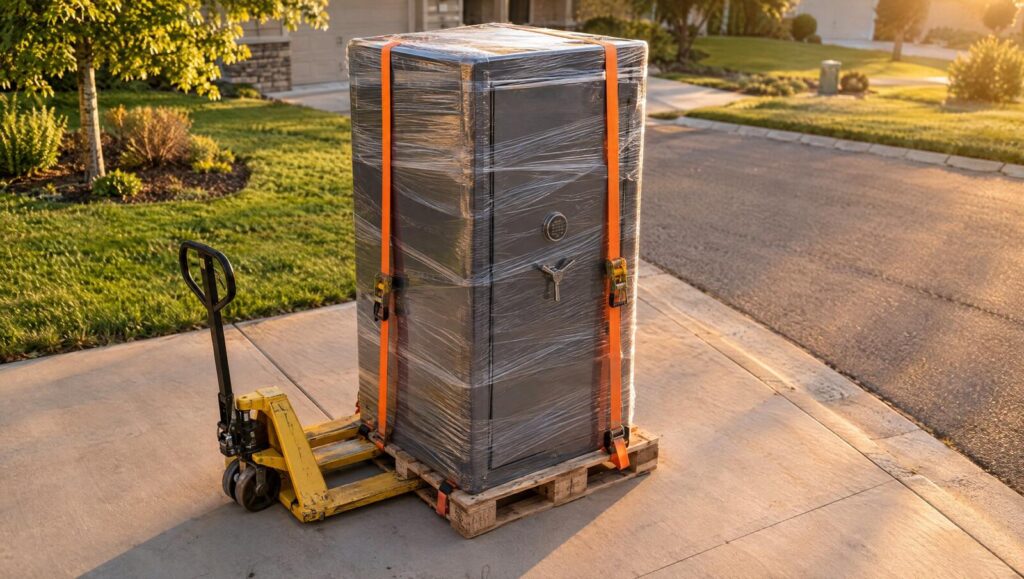
A replacement safe is only free if you don’t have to pay to move two of them. Freight is where the warranties split the most, and where “free replacement” can still cost you hundreds.
Liberty does the most. After a fire or attempted break-in, Liberty says it covers shipping, installation, opening the safe if it’s locked out, and “Removal of your old safe.” It also offers “the option to upgrade to a better model.” In-home delivery is included on safes built after January 1, 2006.
Browning and Stack-On pay freight both ways. ProSteel covers “the shipping costs both to and from the factory and any locksmith costs necessary to open the safe” for safes in the continental US, but the replacement comes back curbside. Stack-On pays the freight to the factory and back, or for a replacement, but its guarantee “does not cover labor costs for removal or installation of the safe and its contents.”
Cannon and Rhino pay the truck, not the move. Both put the work of getting the safe out of your house on you. Cannon says the safe must be “emptied, packaged, palletized, and available for curb-side pickup.” Rhino says you “must package and palletize the safe and make the safe available for a curbside pickup at their expense,” and the warranty “does not cover any costs for removal or installation.”
Fort Knox puts it all on you. The damaged safe goes back “by prepaid freight,” and the new one is “sent to the customer freight collect.” That’s the one weak spot in an otherwise excellent warranty, and on a Fort Knox, which runs heavy, it matters.
How much is that move worth? Getting a big safe down from a bedroom or up from a basement is a two-person, dolly-and-straps job, and safe movers charge accordingly. Our gun safe installation cost page has real dealer price lists, and how to move a gun safe covers doing it yourself. Count it twice: once to get the dead safe to the curb, once to get the new one in.
Does the Warranty Transfer When You Sell the Safe?
This decides what a used safe is worth, and most buyers never ask.
Liberty is the clear winner. Its page says the safe body warranty is “transferable,” so it still covers the safe “if you sell your safe” or “hand it down to your grandkids someday.” The shorter lock, shelving and accessory periods don’t restart for the new owner, but the fire and break-in cover carries over.
Browning will transfer, but it isn’t free. Its Transfer of Ownership form asks for a $25 fee, a bill of sale, and notary stamps from both the seller and the buyer.
Everyone else ties the warranty to the first buyer. Fort Knox warrants “to the original purchaser only.” Cannon says “This warranty is not transferable.” Stack-On “extends to the initial consumer only.” Rhino covers “the original Purchaser,” AMSEC says “you must be the original owner,” and Sturdy says its warranties are “non transferable.” Winchester’s page doesn’t say either way, so ask before you buy one used.
So if you’re shopping used, a Liberty with its serial number registered is worth more to you than the same-size Cannon at the same price. And if you’re selling, a transferable warranty is something to put in the listing.
What No Gun Safe Warranty Covers: Your Guns
Not one of these warranties pays for what’s inside the safe. Cannon says the warranty “does not cover any loss or damage to contents in and or around the safe, under any circumstances.” Rhino says “Personal property in the safe is not covered.” Browning’s manual says the offer “specifically excludes the contents of the safe.” Stack-On, Winchester and Sturdy say the same thing in their own words. Fort Knox caps its whole liability at “the original cost of the product.”
This is why the insurance-first clause matters so much. A $1,500 safe is the cheap part of a fire claim. The rifles, the optics and the paperwork in the safe are the expensive part, and they’re always an insurance question. Check your policy’s firearm limit before you need it. A lot of standard policies cap theft of firearms at a low figure unless you add a rider or schedule the guns.
Flood, Water and the Climate Clause
Fire gets all the marketing. Water is where people actually get turned down.
Fort Knox is the only brand in the table whose page names flood: it will “repair or replace, at our option, any safe due to incidental damage as a result of accident, flood, or fire.” Liberty’s terms cover fire and attempted break-ins and say nothing about flood, so if your basement floods, don’t count on a Liberty claim.
Others shut the door on water. Winchester excludes “water damage of any kind,” with one exception: it will honor the warranty if the fire department’s water damaged a safe that was near the fire and actually damaged. Sturdy voids the warranty for “flood damage, earthquake damage, tornado damage, hurricane damage,” though it says it may still fix the safe if you pay all shipping and locksmith charges. Browning’s offer excludes “acts of God, terrorism and war.”
Then there’s the climate clause, which catches more people than floods do. Cannon and Rhino both make the warranty conditional on the safe sitting in a climate-controlled area, and Winchester’s terms say the same. Rhino even adds that the safe “must not be located in an enclosed swimming pool area,” and Winchester says much the same. A safe in an unheated garage or a damp basement may be outside its warranty before anything goes wrong. If that’s where yours lives, read our gun safe humidity control guide and run a dehumidifier, because rust from condensation is excluded too.
When Is a Safe “Ruined”? The Fire Claim Test
Winchester is the only maker that publishes its test, and it’s worth knowing because it shows how a fire claim gets judged. A Winchester safe counts as ruined if the keypad or dial is “melted/inoperable,” if “Any welded seams are compromised,” or if “The fire seal has expanded,” which Winchester says happens at 212 degrees Fahrenheit. And one line every owner should read: “a smoke odor inside the safe does not qualify as ‘ruined.'”
That fire seal detail is useful for any brand. The intumescent seal around the door swells when it gets hot, so if yours has puffed up and the door sticks after a fire, the safe has been through real heat and the seal won’t seal again. Photograph it before anyone opens the door. Our page on gun safe fire ratings explains what the time-and-temperature rating on the door label means.
Size and Product-Line Fine Print
The same brand can sell you a lifetime warranty and a one-year warranty, depending on which box you buy.
- AMSEC gives its lifetime warranty on “all our gun safes” that stand 55 inches and taller. A shorter AMSEC isn’t on that promise.
- Stack-On has three warranties. Fire-resistant steel safes get the lifetime theft and fire cover. Its non-fire Steel Safes get three years against defects. Security Plus steel cabinets and pistol boxes get one year.
- Liberty leaves handgun vaults out of its no-out-of-pocket promise, and its shelving gets two years parts only, its lights and dehumidifiers one year.
- Fort Knox covers lights and sensors for one year, and its pistol boxes have their own warranty, with the lock on the lock maker’s one-year terms.
- Winchester gives non-UL locks, which it says cover its Tractor Supply and Academy models, two years instead of five.
- Browning’s fire and break-in offer covers ProSteel safes “produced after January 1, 2006,” and its defect warranty in the owner’s manual runs five years, not lifetime.
The lesson: ask for the warranty for the exact model you’re buying, not the brand’s headline. Sturdy says the same on its own page, and it’s right.
Registration and Claim Deadlines
A warranty you didn’t register can be a warranty you don’t have. These are the clocks:
- Cannon: register within 30 days, and “Your safe must be registered to activate any claims under warranty.” Every claim must be filed “within six months of the issue,” with a police or fire report, photos or video, proof of purchase and “a written notarized testimonial.”
- Winchester: “All safes must be registered within one year from the date of purchase, otherwise all warranties are void.” Burglary claims need the police report with its narrative.
- Sturdy: tell them “within 30 days of the incident.”
- AMSEC: file the police report within 30 days of the burglary or fire, and register to activate the warranty.
- Rhino: proof of purchase, a written statement, photos and a police or fire report.
- Liberty: complete the warranty registration, online with your serial number or by mail. The card is in the STOP envelope taped to the foam on top of the safe.
Here’s my routine on a new safe, and it takes ten minutes. Register it the day it arrives. Photograph the serial plate, the receipt and the inside of the door, and keep those photos in your email or cloud storage, not in the safe. Cannon’s own terms say to keep “proof of purchase and serial number in a secure location outside the safe,” and that’s good advice for every brand, because after a fire you can’t get the receipt out of a safe that won’t open.
My Ranking: Best Gun Safe Warranty to Worst
I ranked these on what happens on the worst day: a fire or a break-in, with you dealing with insurance and a ruined room. Transfer rights and freight count for a lot. The headline word “lifetime” counts for nothing, since nearly all of them say it.
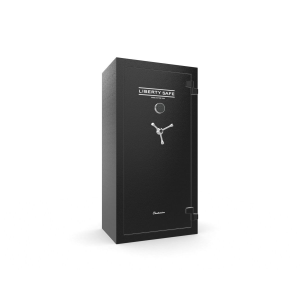
1. Liberty. No insurance-first condition, it transfers, and Liberty does the hauling at both ends. The lock is only five years unless you buy more, which is the one weakness. If the warranty is a big part of why you’re buying, this is the brand. Our best Liberty gun safes page picks the models.
Liberty's entry line, same lifetime warranty


2. Fort Knox. The best coverage of the bunch: a lifetime lock, flood and accident named in writing, and a free replacement after a break-in. It drops to second because it’s original-buyer-only and the freight both ways is yours.
3. Rhino Metals. Lifetime break-in and fire cover, five years of parts and labor on the lock, and Rhino pays to open the safe and ship it. You do the palletizing.
4. Stack-On fire-resistant safes. Freight paid both ways for theft or fire is better than most. Original owner only, and buy the fire-resistant line, because the plain steel safes only get three years.
5. American Security. A clean promise covering burglary, attempted burglary and fire, with no insurance step. It only applies to safes 55 inches and taller, and only for the original owner.
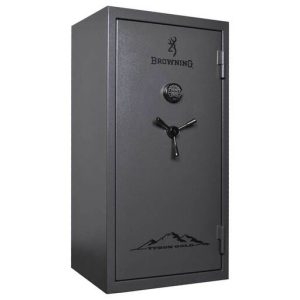
6. Browning. The logistics are excellent, with freight both ways and the locksmith paid. But your insurer has to say no first, and a transfer costs $25 and two notary visits. Our Liberty vs Browning comparison weighs that against Browning’s longer fire ratings.
Check the warranty card in the box for your model
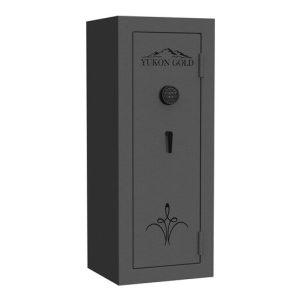
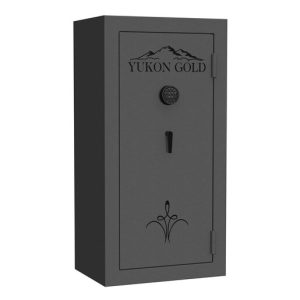
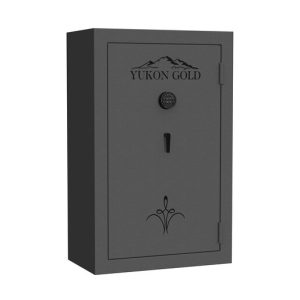
7. Winchester. Lifetime fire and burglary cover with a published “ruined” test, which I like. The $300 cap on opening a damaged safe is low, water damage is excluded, and miss the one-year registration window and the whole warranty is void.
8. Sturdy. A lifetime dial and an honest, readable page. But you need an insurance denial letter for fire or burglary, a 30-day notice window, and a long list of natural disasters that void it.
9. Cannon. Insurance first, a notarized statement, a six-month claim window, a $300 locksmith cap, year-one-only lock labor and no transfer. It’s the most conditions for the least help.
None of this ranks the safes themselves. A great warranty on thin steel still loses your guns. For the safes, start with our best gun safe brands ranking, which weighs steel, fire ratings and value alongside the warranty.
Six Questions to Ask Before You Buy
- Do I have to claim on my insurance first? If yes, the warranty is a backstop.
- Who pays to move the old safe out and the new one in? “Curbside” means you.
- How long is the lock covered, and is labor included?
- Does it transfer if I sell the safe?
- Is this exact model on the lifetime warranty? Size and product line matter.
- What’s the registration deadline? Do it the day the safe arrives.
If the dealer can’t answer, the maker’s warranty card can. Ask to read it before you pay. And if you want a safe you can open without a code at all, our look at how reliable biometric gun safes are covers the recalls the warranty pages never mention.
How I Checked These Warranties
Every warranty term on this page comes from the maker’s own website, owner’s manual or claim form, read in October 2026, and the quotes are copied word for word. I left out brands whose terms I couldn’t read on the maker’s own site. Warranties change, and the card in your safe’s box is the one that binds, so read it. No safe maker paid for or reviewed this page.
FAQ: Gun Safe Warranties
Which gun safe brand has the best warranty?
On paper, Liberty. Its lifetime warranty covers fire and attempted break-ins, transfers to a new owner, has no insurance-first condition, and Liberty pays to deliver and install the replacement and remove the old safe. Fort Knox covers more, including the lock for life and flood damage, but only for the original buyer, and you pay the freight both ways.
Do gun safe warranties cover the guns inside?
No. Every warranty we checked excludes the contents. Cannon, Rhino, Stack-On, Winchester, Sturdy and Browning all say so in writing, and Fort Knox caps its liability at the original cost of the safe. Your guns are a homeowner's insurance question, and many policies limit firearm theft unless you add a rider.
Is a gun safe lifetime warranty transferable?
Only on two of the nine brands we checked. Liberty's lifetime warranty transfers to a new owner for free. Browning will transfer for a $25 fee with notarized paperwork from the seller and buyer. Fort Knox, Cannon, Stack-On, Rhino, AMSEC and Sturdy cover the original buyer only.
Do I have to file with my insurance before a gun safe warranty claim?
With some brands, yes. Cannon, Browning and Sturdy require you to claim on your homeowner's insurance first and show that it was denied before they pay for a fire or burglary claim. Winchester asks for a copy of your homeowner's claim. Liberty, Fort Knox, Rhino, Stack-On and AMSEC don't state that condition.
How long is the lock covered on a gun safe?
Five years on most brands, including Liberty, Browning, Rhino, Stack-On and Winchester's UL-listed locks. Cannon covers parts and labor only in year one, then parts only to year five. Fort Knox covers the lock for the original buyer's lifetime. No lock warranty covers dead batteries or a forgotten combination.
Does a gun safe warranty cover flood damage?
Fort Knox is the only brand we checked that names flood in its warranty. Winchester excludes water damage except water from firefighting near a fire, Sturdy voids its warranty for flood, and Browning excludes acts of God. Liberty's terms cover fire and break-ins and say nothing about flood.
Who pays shipping on a gun safe warranty replacement?
It depends on the brand. Liberty pays delivery, installation and removal of the old safe. Browning and Stack-On pay freight both ways. Cannon and Rhino pay the freight but make you empty, palletize and set the safe out at the curb. Fort Knox makes you pay freight both ways.
4,798+ Gun & Ammo Deals
Updated daily from 200+ top retailers. Filter by category, caliber, action type, and price.
Related Guides