

Lyudmila Pavlichenko started her war with a borrowed rifle. In July 1941 a wounded comrade handed her his Mosin-Nagant, and the Red Army sniper went on to be credited with 309 kills at Odessa and Sevastopol, the most of any woman in history. Her main rifle was the bolt-action Mosin-Nagant 1891/30 with a PE telescopic sight of about 4 power. She also shot the Tokarev SVT-40 semi-automatic, and her most famous combat photo, taken at Sevastopol in April 1942, shows her aiming one fitted with a PU scope. On her 1942 tour of North America the US government gave her a Colt pistol, and Canadians in Toronto gave her a scoped Winchester Model 70.
Here’s every gun in the “Lady Death” story, what the record shows and what historians still argue about, and what the same guns cost today.
Table of Contents
Lyudmila Pavlichenko’s Guns at a Glance
| Gun | Caliber | Connection |
|---|---|---|
| Mosin-Nagant 1891/30 with PE scope | 7.62x54R | Her main sniper rifle at Odessa and Sevastopol |
| Tokarev SVT-40 with PU scope | 7.62x54R | The semi-automatic in her famous April 1942 photo |
| Colt semi-automatic pistol | Not recorded | A gift from the US government on her 1942 tour |
| Winchester Model 70 with Weaver scope | Not recorded | A gift in Toronto, Canada, in 1942 |
| Presentation Mosin 1891/30 sniper rifle | 7.62x54R | Given to her on July 8, 1943, by young workers at a machine-building plant |
Who Was Lyudmila Pavlichenko?
She was born Lyudmila Belova on July 12, 1916, in Bila Tserkva, near Kyiv, in what’s now Ukraine. The family moved to Kyiv when she was 14, and she described herself as a fiercely competitive tomboy. She joined an OSOAVIAKhIM shooting club, the Soviet civil defense society that ran shooting clubs, and earned the Voroshilov Sharpshooter badge. In 1932 she married Alexei Pavlichenko and had a son, Rostislav, but the marriage didn’t last. She worked as a grinder at the Kiev Arsenal factory, went to night school, and in 1937 enrolled at Kiev University to study history, running sprints and pole vaulting on the track team. She also completed a six-month Red Army sniping course.
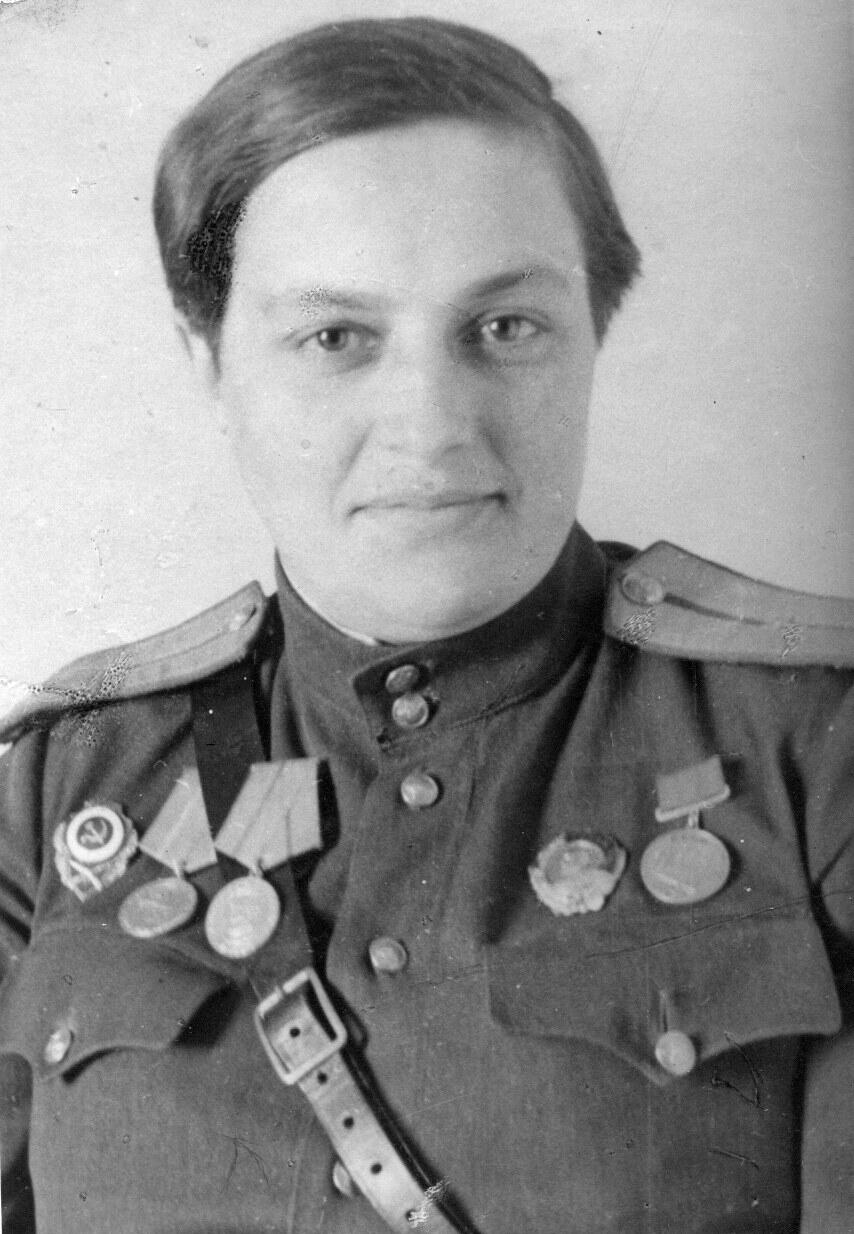
In June 1941, when Germany invaded the Soviet Union, she was a fourth-year history student. She volunteered at the recruiting office in Odessa and asked for the infantry. The registrar tried to make her a nurse. She refused, showed him her shooting certificates, and was taken on as a sniper in the 25th Rifle Division. She was one of about 2,000 women snipers in the Red Army. About 500 of them survived the war.
The Mosin-Nagant: Her Main Rifle
There weren’t enough rifles to go around in the summer of 1941. Pavlichenko’s first weapon was a single hand grenade, and her first job was digging trenches. In the second half of July a comrade was badly wounded by shrapnel and handed her his Mosin-Nagant. On August 8, 1941, near Biliaivka, she made her first kills as a sniper: two German officers at 400 meters.
The Mosin-Nagant was the standard Russian and Soviet infantry rifle from the 1890s through World War II, a long, tough bolt-action firing the 7.62x54R rimmed cartridge. The sniper version of the 1891/30 used rifles picked for accuracy, with a turned-down bolt handle to clear the scope. Smithsonian magazine describes her first rifle as “a Mosin-Nagant 7.62 mm rifle with a PE 4x telescope.” The PE was the Soviets’ first standard sniper scope, and from 1942 the smaller PU scope replaced it on the Mosin.
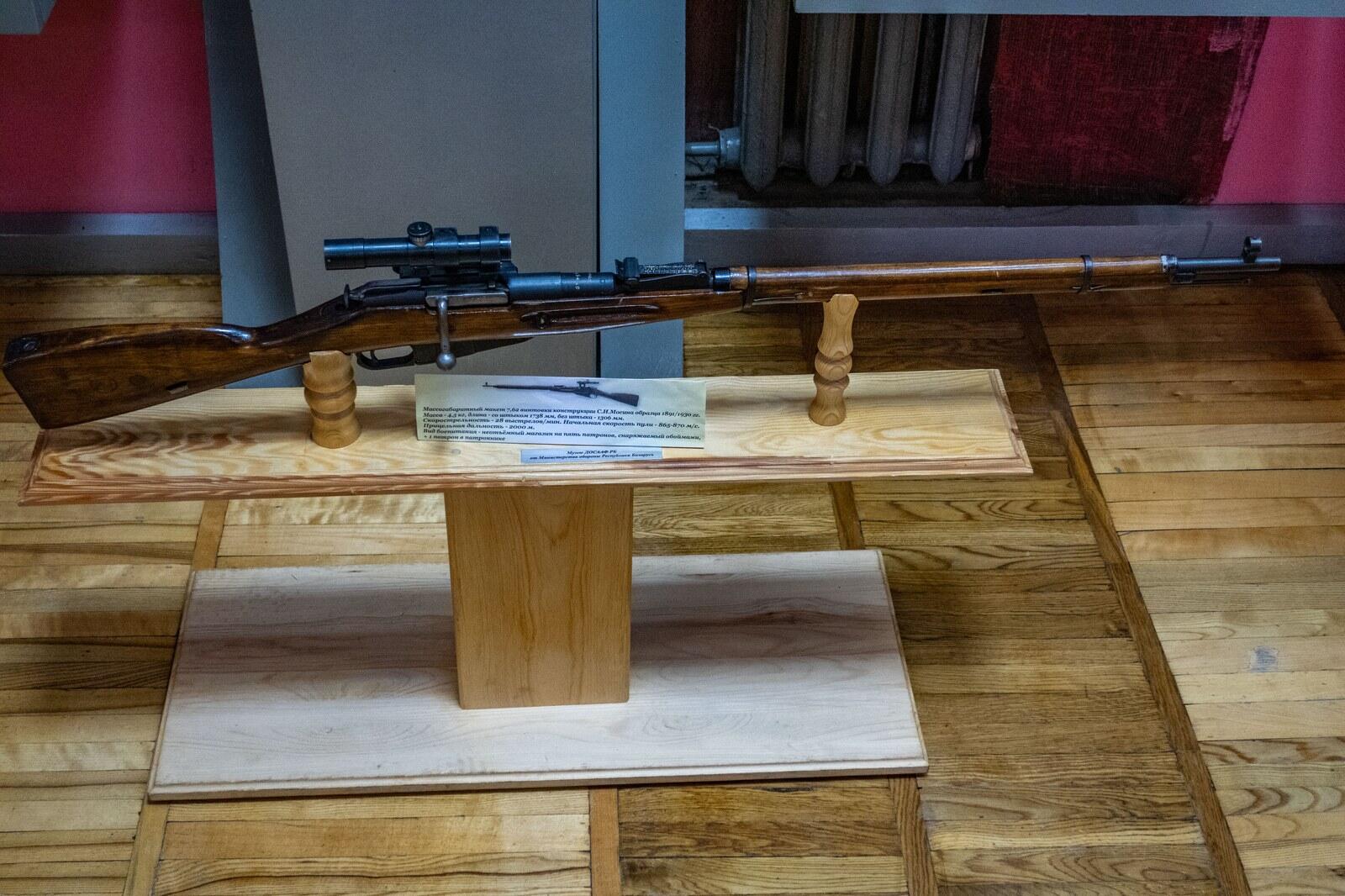
Mosins were imported into the US in huge numbers after the Cold War and were once the cheapest military rifle you could buy. They aren’t cheap anymore. Real Soviet sniper rifles are expensive collector pieces, and plenty of “sniper” Mosins on the market are later reproductions built on standard rifles. A standard M91/30 is still one of the most affordable ways to own a real World War II rifle. Our where to buy a Mosin-Nagant guide walks through the models and real prices, and our military surplus hub covers the rest of the field:
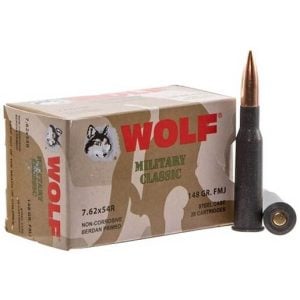
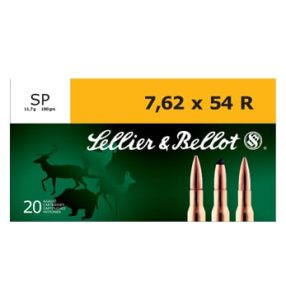
Both of her combat rifles fired 7.62x54R, and it’s still in production for Mosin shooters today:
The SVT-40 in the Famous Photo
The best-known photo of Pavlichenko in combat, the one at the top of this page, was taken in a trench at Sevastopol in April 1942 by the Soviet war photographer Israel Ozersky. The rifle she’s aiming isn’t a Mosin. It’s a Tokarev SVT-40, a semi-automatic that fed ten rounds of the same 7.62x54R from a detachable magazine, with a PU scope on the tall side mount made for it. The 3.5-power PU was originally designed for the SVT-40 before it was adapted to the Mosin.
How much she used the SVT-40 in combat is less clear than the photo suggests. Some accounts say she made her first kills with one. The Smithsonian and Wikipedia say her first sniper rifle was a Mosin. Soviet snipers used both. The Soviets built about 1.6 million SVT-40s, and after the invasion production shifted back to the simpler Mosin.
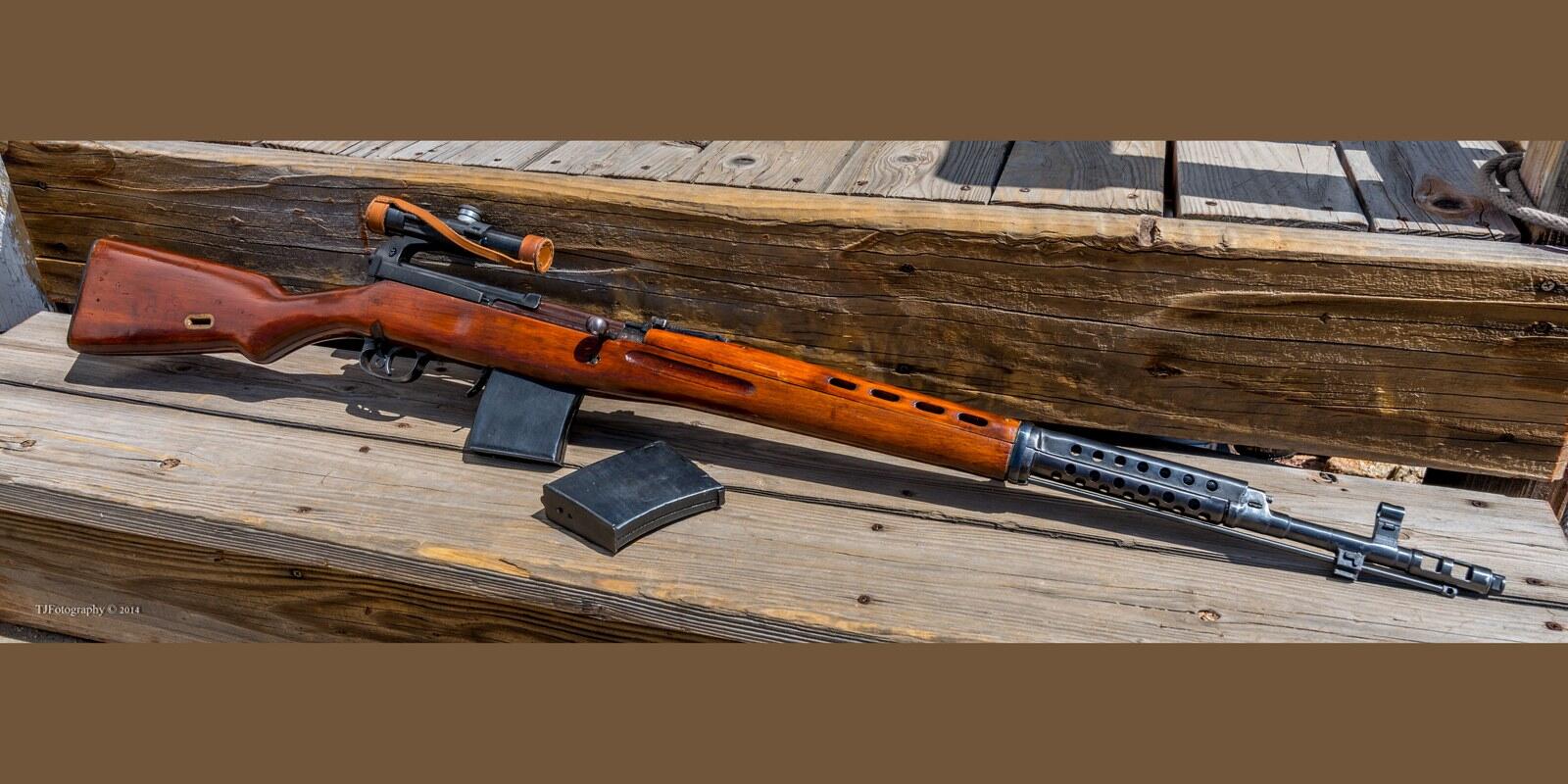
SVT-40s are much rarer in the US than Mosins, and good ones sell for thousands of dollars. They come up from time to time at collector dealers:

Odessa, Sevastopol and 309 Kills
Pavlichenko fought for about two and a half months during the siege of Odessa and was credited with 187 kills there. She was promoted to senior sergeant. She married a fellow sniper, Alexei Kitsenko, and within weeks he was mortally wounded by a mortar shell. When Odessa fell on October 15, 1941, her unit was taken off by sea to Sevastopol in Crimea, where the Red Army held out for eight more months.
At Sevastopol she hunted German and Romanian snipers and trained new ones. In May 1942, by then a lieutenant, she was cited by the Southern Army’s war council for killing 257 of the enemy. Her final credited total was 309, including 36 enemy snipers. She was wounded four times. In June 1942 mortar shrapnel hit her in the face, and the high command ordered her taken out of the besieged city by submarine.
Is 309 accurate?
The 309 comes from Soviet records, which counted kills that a witness confirmed. Some researchers, including Russian historian Oleg Kaminsky, have questioned parts of her record, pointing to contradictions in her own accounts and timelines. Big numbers also made good propaganda in 1942, when the Soviets badly needed heroes. It’s fair to treat the exact figure with some caution. Nobody seriously disputes that she was one of the most effective snipers of the war. For how she compares with Finland’s Simo Häyhä and the other great names, see the most famous military snipers in the world.
The Colt From America and the Winchester From Canada
After a month in hospital, Pavlichenko was taken off combat duty and sent abroad. In 1942 Moscow wanted Britain and America to open a second front in Europe, and a famous woman sniper was a good ambassador. In Washington she became the first Soviet citizen received at the White House by the president. Eleanor Roosevelt invited her to tour the country, and the two became friends. Eleanor visited her in Moscow in 1957.
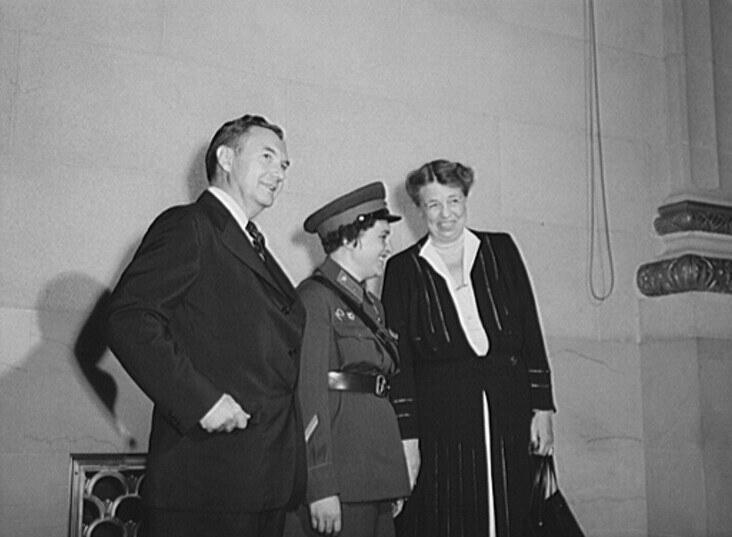
The American press called her the “Girl Sniper” and asked about her makeup and the length of her skirt. She wasn’t impressed. In Chicago she told a crowd: “Gentlemen, I am 25 years old and I have killed 309 fascist invaders by now. Don’t you think, gentlemen, that you have been hiding behind my back for too long?” According to the Smithsonian, admirers everywhere gave her gifts, “mostly rifles and pistols.”
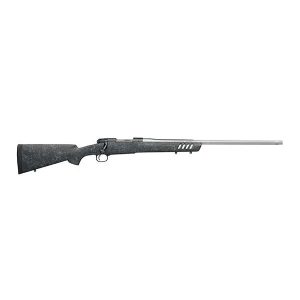
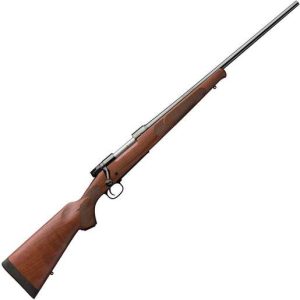
Two of those gifts are on record. The United States government presented her with a Colt semi-automatic pistol, though the sources we checked don’t give the model. In Toronto she was given a Winchester Model 70 rifle with a Weaver scope. One of them is now in the Central Armed Forces Museum in Moscow, but the sources disagree on which: English-language accounts say the Winchester, and Russian ones say the Colt.
Colt’s most famous semi-auto, then and now, is the 1911 Government Model, which we review in our Colt 1911 Government review:


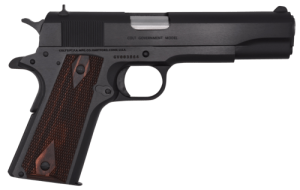
The Winchester Model 70 is still made, and it’s the same model Marine sniper Carlos Hathcock carried in Vietnam. We test it in our Winchester Model 70 review, and our best rifle scopes guide covers what to mount on it:
Hero of the Soviet Union and Later Life
Pavlichenko never went back to the front. She trained snipers until the war ended. On July 8, 1943, young workers from a machine-building plant presented her with a Mosin 1891/30 sniper rifle, now held by the Central Armed Forces Museum in Moscow. On October 25, 1943, she was made a Hero of the Soviet Union, and she received the Order of Lenin twice. After the war she finished her history degree at Kiev University, worked as a research assistant at Soviet Navy headquarters from 1945 to 1953, and was active in the Soviet veterans’ committee.
She died of a stroke on October 10, 1974, at 58, and she’s buried at Novodevichy Cemetery in Moscow, next to her son. Her memoir was published in English in 2018 as Lady Death. Woody Guthrie wrote a song about her, “Miss Pavlichenko,” after her 1942 tour, and the 2015 film Battle for Sevastopol, a joint Ukrainian and Russian production, tells her story. For other women who made their name with a gun, see our legendary women of the gun, and if you’re shopping for yourself, start with our best guns for women guide.
Can You Buy Pavlichenko’s Guns Today?
Yes, and more easily than most famous soldiers’ guns. A standard Mosin-Nagant M91/30 is the cheapest real World War II rifle you can still find, 7.62x54R ammo is on the shelves, and the Winchester Model 70 and Colt 1911 are both in current production. The prices above update live from more than 200 retailers. An original SVT-40 or a genuine Soviet sniper Mosin with a PE or PU scope is the hard part: they’re rare, expensive, and often faked, so buy those from a dealer who’ll stand behind the provenance. Our Tokarev pistol guide covers the handgun from the same designer, and our best sniper rifles and best military sniper rifles guides cover the modern field. For more sniper stories, read Chris Kyle’s guns and the longest sniper kills in history.
Frequently Asked Questions
What rifle did Lyudmila Pavlichenko use?
Her main sniper rifle was the Soviet Mosin-Nagant 1891/30 bolt-action in 7.62x54R. Smithsonian magazine describes her first as a Mosin-Nagant with a PE 4x telescope. She also used the Tokarev SVT-40 semi-automatic, and her most famous combat photo, taken at Sevastopol in April 1942, shows her aiming an SVT-40 with a PU scope.
How many kills did Lyudmila Pavlichenko have?
She is credited with 309 confirmed kills, including 36 enemy snipers: 187 at Odessa and the rest at Sevastopol. Some researchers, including Russian historian Oleg Kaminsky, have questioned parts of her record, and wartime Soviet kill counts had propaganda value, so the exact figure is debated.
Why was Pavlichenko called Lady Death?
The nickname was given to her after she was wounded and taken off combat duty in 1942, when she became a public spokeswoman for the Red Army. Her memoir was published in English in 2018 under the title Lady Death.
What guns was Pavlichenko given in America?
On her 1942 tour the US government presented her with a Colt semi-automatic pistol, and in Toronto, Canada, she was given a Winchester Model 70 rifle with a Weaver scope. One of the two is displayed at the Central Armed Forces Museum in Moscow; English and Russian sources disagree on which.
Can you buy a Mosin-Nagant like Pavlichenko's?
Yes. Standard Mosin-Nagant M91/30 rifles are still sold as military surplus, and 7.62x54R ammunition is in production. Genuine Soviet sniper Mosins with PE or PU scopes are rare and often reproduced, so buy those from a dealer who will stand behind the provenance.
When did Lyudmila Pavlichenko die?
She died of a stroke on October 10, 1974, at age 58, and is buried at Novodevichy Cemetery in Moscow next to her son, Rostislav.
5,743+ Gun & Ammo Deals
Updated daily from 200+ top retailers. Filter by category, caliber, action type, and price.
Related Guides