

Everybody remembers one gun from Dirty Harry, and fair enough. The Smith & Wesson Model 29 is probably the most famous handgun in film history, and the 1971 release did more to sell revolvers than any advertising campaign ever has. But the armory around it is more deliberate than it gets credit for, and there’s one thing about the villain’s guns that the film never says out loud.
Every single weapon the Scorpio Killer uses is a World War Two Axis infantry weapon. A Japanese rifle, a German pistol, a German submachine gun. Harry carries the most American handgun ever made. Nobody mentions it, no character remarks on it, and it’s doing an enormous amount of work. Here are the guns of Dirty Harry, who really carries what, and what you’d buy today.
Table of Contents
Harry’s Smith & Wesson Model 29
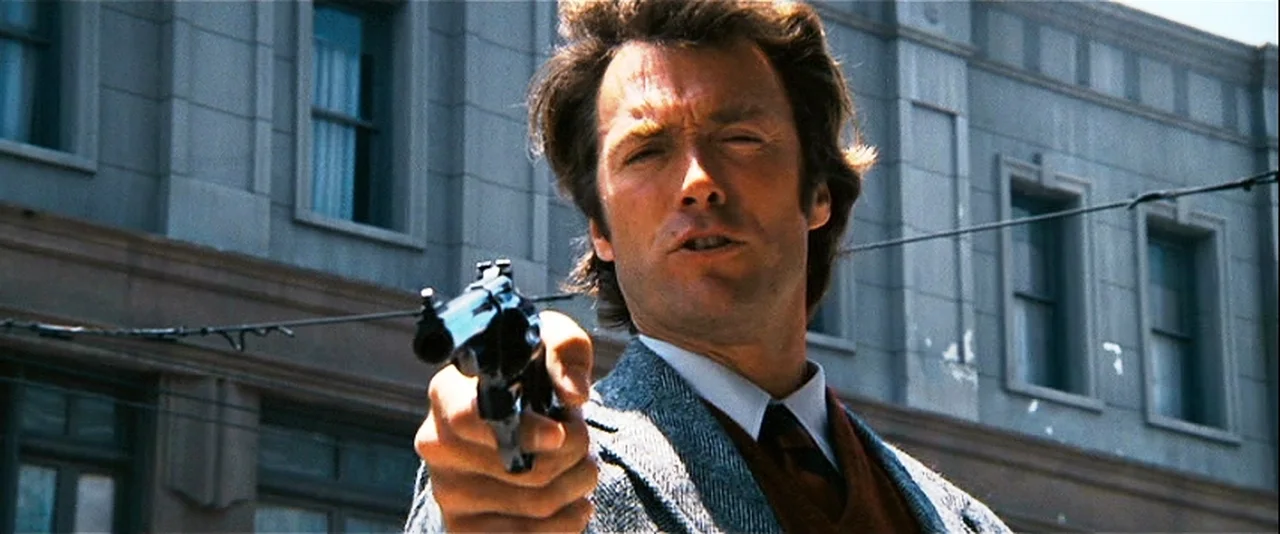
The Smith & Wesson Model 29 in .44 Magnum is the whole film in one object. Six shots, N-frame, blued steel, and a barrel long enough to make the “do I feel lucky” speech land without a word of dialogue about the gun itself.
Here’s the part most people get wrong. There’s no single barrel length in this film. The script called for a 4-inch Model 29, but by 1971 the gun was out of production and nobody could supply one. Eastwood went to Bob Sauer at Smith & Wesson, and Fred Miller at the plant eventually built a couple out of spare parts. The only barrels they could get were the 6.5-inch and the 8⅜-inch, and both appear on screen. Even the blanks were a problem: standard 5-in-1 blanks wouldn’t fit the chambers, so they had custom ones made.
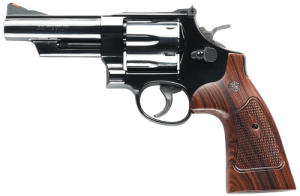
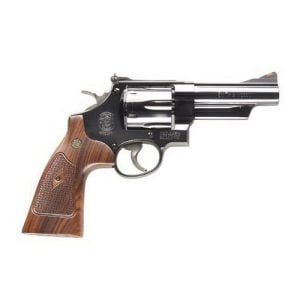
Eastwood took one to a range and put live rounds through it before shooting, which shows. Watch how he holds it. There’s no flinch in the performance, and the gun sits where a heavy revolver actually sits in the hand. We put the modern version through its paces in our Smith & Wesson Model 29 review.
The goof hiding in the most famous scene
Watch the shot where Harry proves he really did fire all six. In one angle he thumbs the hammer back, single action. Cut to the reverse angle and he’s pulling straight through in double action with the hammer already down. Two takes, two different ways of running the same revolver, spliced together in the scene everybody can quote. Nobody notices, because by then you are not looking at the gun.
Was it really the most powerful handgun in the world?
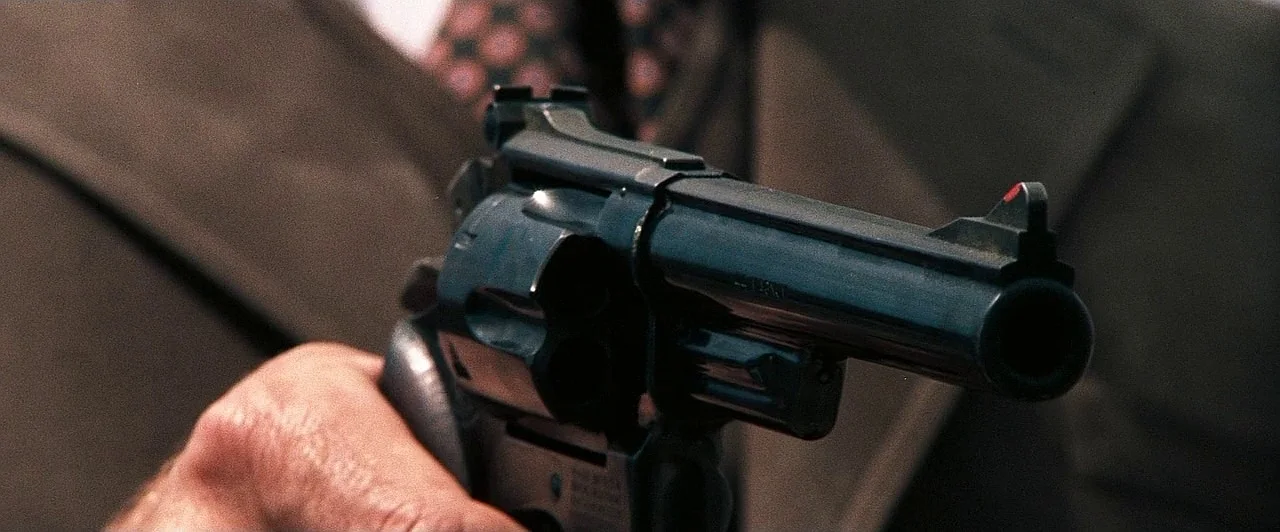
This is the internet’s favorite gotcha and the answer is more interesting than either side usually admits.
Strictly on paper, no. The .454 Casull already existed in 1971 and it beats .44 Magnum comfortably. But a cartridge is not a handgun, and there was no commercially available revolver chambered for it. Freedom Arms didn’t put one on the market until the early eighties, more than a decade later. So in 1971, if you walked into a shop and asked for the most powerful handgun you could actually buy, you would walk out with a Model 29.
Harry’s line was correct. It just stopped being correct about ten years after he said it.
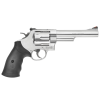
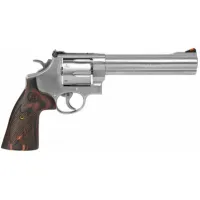
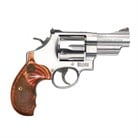
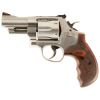
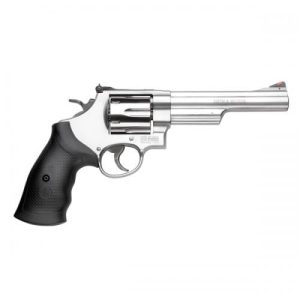
If you want the gun rather than the collector piece, the stainless 629 is the same revolver in a finish that survives a holster. Our best .44 Magnum revolvers roundup covers the field, and the .44 Magnum ammo guide covers what to feed it. If you are weighing it against the sensible option, we ran .44 Magnum vs .357 Magnum head to head.
The rifle that is not Scorpio’s
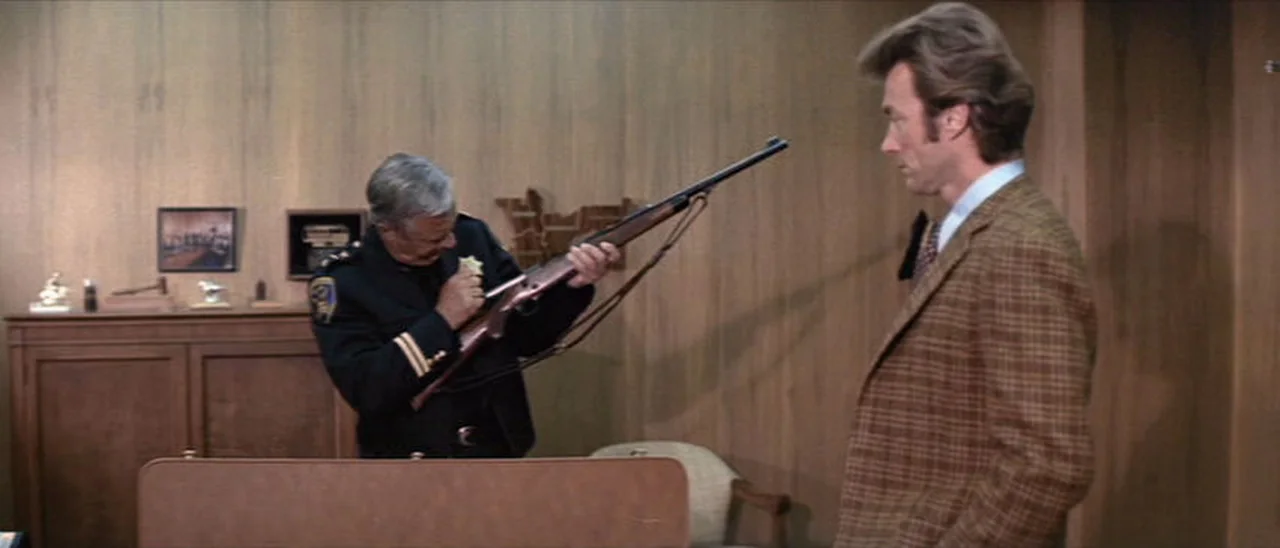
You’ll see the Winchester Model 70 in this film described as the Scorpio Killer’s sniper rifle all over the internet. It is not. It’s Harry’s, and the scene above is the Chief handing it to him before the rooftop stakeout at the church.
What makes it worth talking about is the chambering: .458 Winchester Magnum. That’s a dangerous-game cartridge built for stopping elephant and buffalo at close range, and the Chief says as much. As a counter-sniper rifle it’s an absurd choice. A 500-grain bullet at around 2,100 feet per second drops like a thrown brick past a couple of hundred yards, so holdover at rooftop distance is guesswork, and the recoil is genuinely punishing. Which is, of course, exactly why Harry has it.
There’s a nice goof buried in the scene too. The .458 is a fat cartridge, so the Model 70 holds three in the magazine and one in the chamber. That’s four. Harry fires six without reloading.
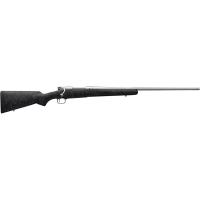
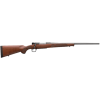
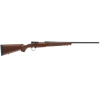
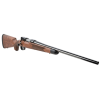
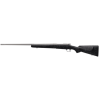
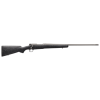
The Model 70 earned “The Rifleman’s Rifle” honestly and it is still in the catalog, though .458 is a special-order proposition these days. We have a full Winchester Model 70 review if the platform interests you more than the cartridge.
What Scorpio actually shoots
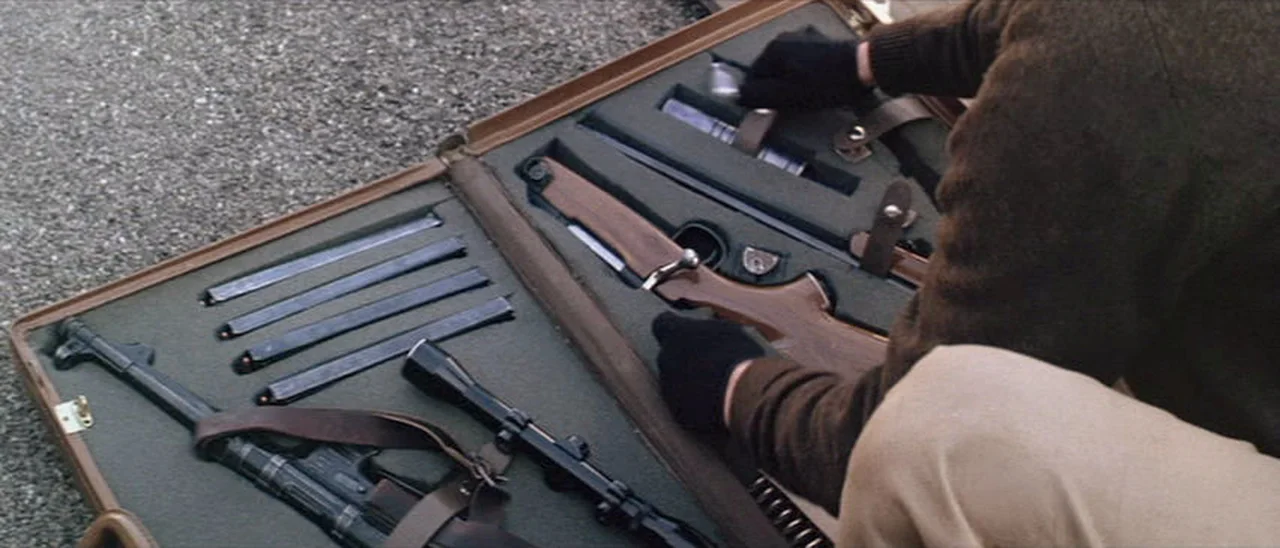
Open the case and there it is: a takedown rifle in pieces, a suppressor tube, a folding-stock submachine gun, and four spare magazines. Everything Scorpio owns came off a battlefield, and it all belonged to the other side.
The rifle is a 7.7mm Arisaka Type 2 Paratrooper takedown, sporterized into a hunting stock and rechambered for .30-06, with a Hiram Maxim pattern suppressor on the front. The takedown design is the point. It splits at the receiver, which is why it fits in a briefcase and why he can assemble it on a rooftop in under a minute. Small Arms Review ran its own breakdown of Scorpio’s kit if you want the long version.
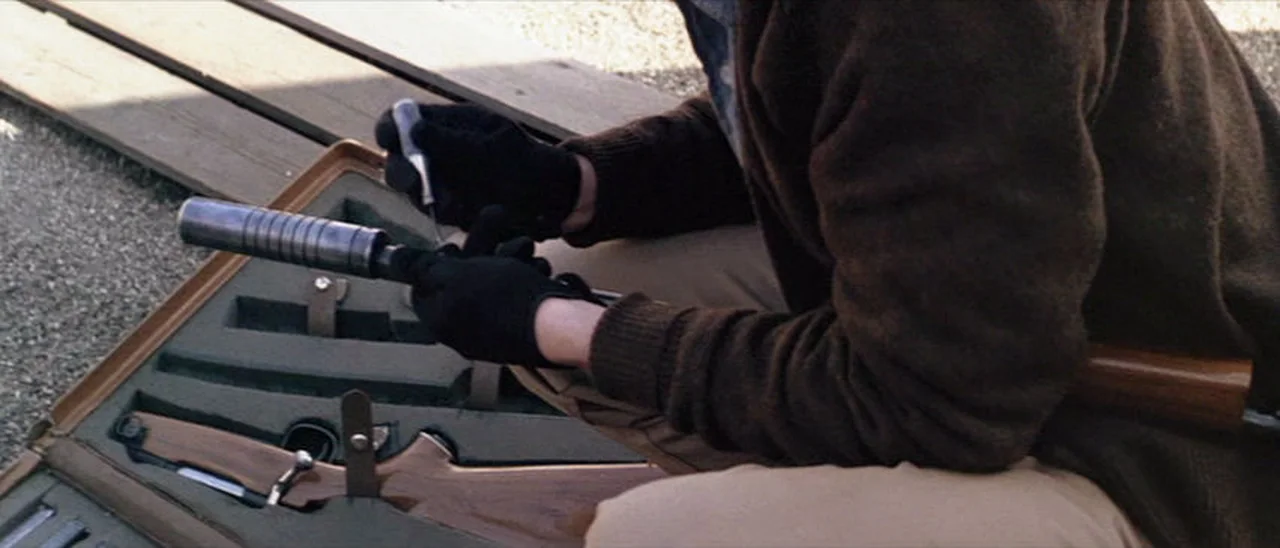
Now the part that hurts. In 1971, a sporterized Arisaka was a junk gun. Surplus Japanese rifles came back from the Pacific by the crate, had no collector value whatsoever, and people cut them up for cheap deer rifles without a second thought. Fifty years on, the Type 2 Paratrooper is one of the rarest and most valuable Japanese service rifles in existence, and an original in decent condition is worth thousands. The one in this film was butchered into near-worthlessness by a prop department doing something completely normal for the time.
Harry finds a .30-06 case on the roof, which is its own detail. A bolt-action shooter has to work the bolt to eject, and a careful one pockets the brass. Scorpio leaves it. He’s taunting them.
Suppressors are legal to own in most of the US with a tax stamp, and nothing like as exotic as the film makes them look. Our how suppressors work explainer covers the actual physics.
The stolen Walther P38
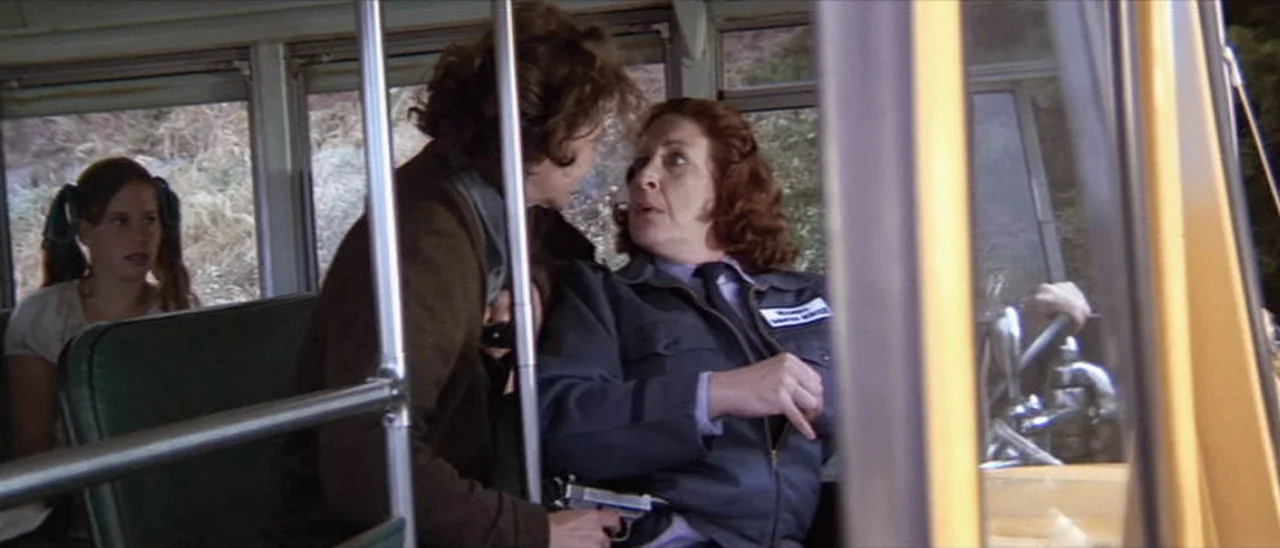
Scorpio doesn’t buy the Walther P38. He takes it off a liquor store owner who’s busy bragging about the robberies he’s stopped with it, having first pointed it at his customer with his finger on the trigger. Scorpio hits him with a bottle and keeps the gun through to the end of the film, including the school bus hijacking.
The P38 deserves its reputation. It was the first successful double-action-first-shot service automatic, with a locked-breech falling block and an exposed loaded-chamber indicator, and that basic layout went on to shape the Beretta 92 and most of what NATO carried for the next forty years.
One continuity oddity, since we’re counting: the hammer is down in almost every shot, including mid-gunfight. Either Scorpio is decocking between shots, which nobody does, or the prop was simply reset between takes.
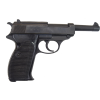
These are collector guns now rather than shooters, and wartime examples turn up regularly. The actual screen-used pistol still exists, identified by machining marks and bluing flaws that are visible in the film itself.
The MP 40, held sideways
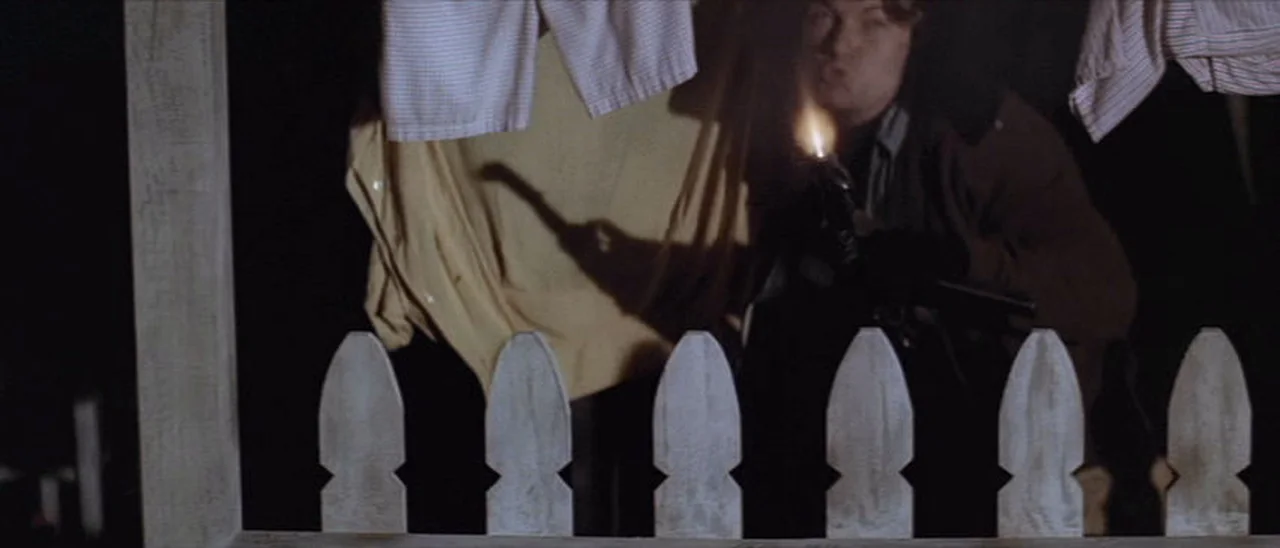
The third Axis gun is an MP 40, which Scorpio uses on the rooftops and again at the base of the Mount Davidson cross. He fires it canted over on its side, twenty years before a certain other film made that a cliché.
The reload is the giveaway for anyone who’s handled one. He racks the bolt back and forth like a closed-bolt gun. The MP 40 fires from an open bolt, so once it’s cocked it stays cocked, and working it twice does nothing except eject a live round. Small thing. Very visible if you know.
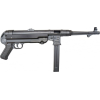
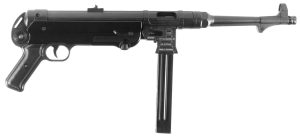
A transferable original is a $20,000-plus machine gun with federal paperwork attached. GSG builds a semi-automatic MP 40 in 9mm that looks the part for a fraction of that, which is the only realistic route in.
The Winchester Model 12 in the bank robbery
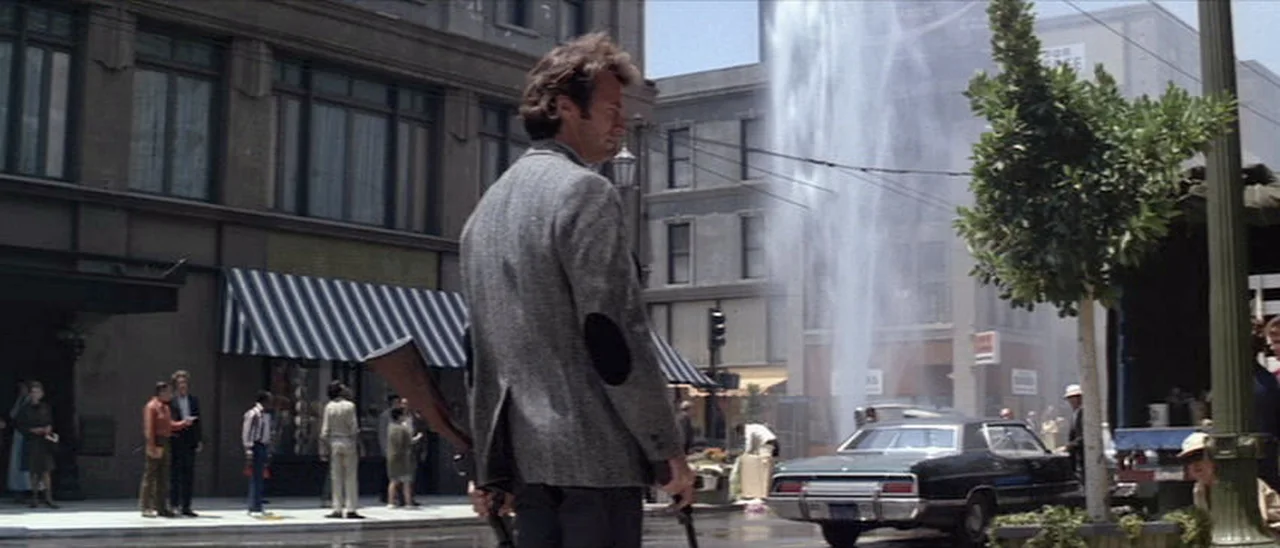
The bank robber who gets the famous speech is carrying a short-barreled Winchester Model 12. He puts birdshot into Harry’s leg with it before it ends up out of reach on the pavement, and Harry picks it up on his way out. He’s played by Albert Popwell, who went on to play four completely different characters across the Dirty Harry films.
The Model 12 is the hammerless pump that set the pattern everything else copied, and it stayed in production for over half a century. Watch the wound, though. Harry checks his leg, there’s red on his pants, and there isn’t a single hole in the fabric.
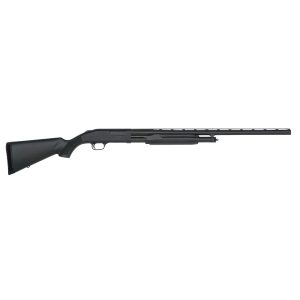
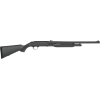
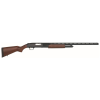
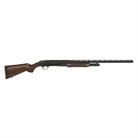
Winchester stopped building the Model 12 in the sixties and clean ones are collector money now. The Mossberg 500 and Remington 870 are its direct descendants and cost a fraction as much.
Chico’s Colt, and what the uniforms carry
Inspector Chico Gonzalez carries a Colt Detective Special, the six-shot .38 snub that was the standard plainclothes revolver of the period. Both times he fires it the scene is almost pitch black, which is a shame, because it’s the quiet counterargument to Harry’s cannon: a small gun that disappears under a jacket and does the job.
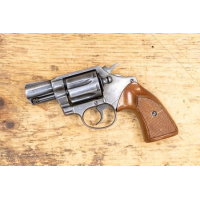
Colt discontinued it, so anything you find is used. Modern equivalents live in our best snub-nose revolvers guide.
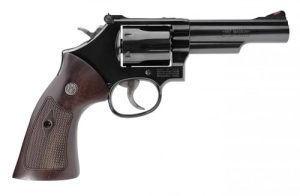
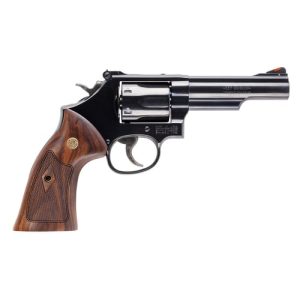
The uniformed officers on the rooftops carry revolvers you can’t quite identify on screen. SFPD used Colt Pythons and Colt Troopers in this era, and Pythons show up clearly in Magnum Force, so that’s the safe bet. One of the opening-scene robbers also fires an unidentified snub with what looks like an adjustable rear sight, most likely a Smith & Wesson Model 19.
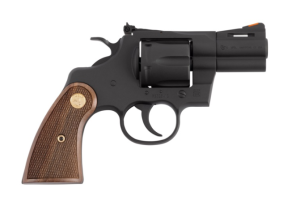
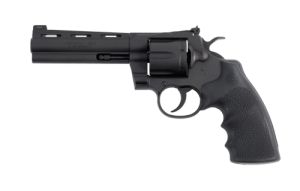
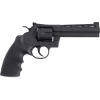
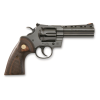
Colt brought the Python back and it is genuinely good. We took one apart in our Colt Python review, and there is more context in police duty pistols around the world.
Where Harry’s revolver ended up
The Model 29 was John Milius’s idea. He worked on the screenplay, he knew guns, and he picked the revolver that turned Callahan into a silhouette you can recognize from across a room. Eastwood and Warner Bros. later gave him one of the guns that actually shot the film.
It is still around. That revolver carried through Dirty Harry and Magnum Force, and Milius has it on loan to the NRA National Firearms Museum, sitting in the Hollywood Guns gallery with a label on it. Most famous movie guns get quietly sold, rebuilt into something else, or lost. This one you can go and look at.
Every weapon in Dirty Harry
Ten weapons in total, and we checked every one of them against IMFDB’s screen-by-screen breakdown before writing a word of this.
| Weapon | Who carries it | Note |
|---|---|---|
| Smith & Wesson Model 29 | Harry Callahan | Both 6.5in and 8⅜in barrels used on screen |
| Winchester Model 70 (.458 Win Mag) | Harry Callahan | Harry’s rifle, not the killer’s; fires 6 from a 3-round magazine |
| Arisaka Type 2 Paratrooper takedown | Scorpio | Sporterized, rechambered .30-06, Maxim-pattern suppressor |
| Walther P38 | Scorpio | Stolen from the liquor store owner |
| MP 40 | Scorpio | Fired canted; reloaded as if closed-bolt |
| Winchester Model 12 | Bank robber | The “do I feel lucky” shotgun |
| Colt Detective Special | Chico Gonzalez | Both firing scenes are near-black |
| Colt Python / Colt Trooper | SFPD uniforms | Holstered, unconfirmed; Pythons confirmed in Magnum Force |
| Unknown snub-nose | Opening-scene robber | Likely a Smith & Wesson Model 19 |
| Arisaka Type 38 | Set dressing | Hangs on a wall behind Chico; a WWII bring-back |
Why the gun choices work
Go back to the Axis thing, because it’s the whole design.
Scorpio’s arsenal is entirely captured enemy hardware, most of it brought home by American servicemen and then sold cheap. He is armed with the leftovers of a war the country had already won, turned back on the city. Harry answers with a .44 Magnum revolver and a Winchester, which is about as American as a props department can get.
The film never draws attention to it. There is no line about it. But it’s doing the same job the guns do in any good crime film, which is telling you who these people are before they open their mouths. That is why the Model 29 stuck. Not because it was the biggest, though it was, but because it was the right gun in the right hand.
Frequently asked questions
What gun does Dirty Harry carry?
A Smith & Wesson Model 29 in .44 Magnum. The script called for a 4-inch barrel, but the model was out of production in 1971 and only 6.5-inch and 8⅜-inch barrels could be sourced. Both appear in the film.
What rifle does the Scorpio Killer use?
A sporterized 7.7mm Arisaka Type 2 Paratrooper takedown rifle, rechambered for .30-06 and fitted with a Maxim-pattern suppressor. It’s often misidentified as the Winchester Model 70, but that rifle belongs to Harry.
Was the .44 Magnum really the most powerful handgun in the world?
In practical terms in 1971, yes. The .454 Casull cartridge was more powerful but no revolver chambered for it was commercially available until the early 1980s, so the Model 29 was the most powerful handgun you could actually buy when the film came out.
Why does Harry use a .458 Winchester Magnum?
Because it’s absurd, and that’s the joke. The .458 is a dangerous-game cartridge for elephant and buffalo. Its looping trajectory and heavy recoil make it a poor counter-sniper choice, which fits a character whose answer to everything is more gun.
Can you buy the guns from Dirty Harry?
Most of them. Smith & Wesson still builds the Model 29 and the stainless 629, the Winchester Model 70 and Colt Python are both in production, and GSG makes a semi-automatic MP 40. The Walther P38, Winchester Model 12 and Colt Detective Special are used-market or collector guns.
What shotgun is in the “do I feel lucky” scene?
A Winchester Model 12, carried by the bank robber. He wounds Callahan’s leg with birdshot before losing it, and Callahan collects it after delivering the speech.
The Model 29 is the reason half the revolver market exists, and Smith still builds the 629 version of it. We track the big magnums on our handgun deals page, and the Mossberg 500 from the same film sits on shotgun deals.
Keep exploring
More screen guns identified: Heat, Tombstone, Django Unchained and Bullet Train.
4,015+ Gun & Ammo Deals
Updated daily from 200+ top retailers. Filter by category, caliber, action type, and price.
Related Guides