

Last updated September 2026
Some of the links below are affiliate links, meaning at no additional cost to you, we may earn a commission if you click through and make a purchase.
- Treat every gun as loaded
- Point the muzzle in a safe direction
- Keep your finger off the trigger until you’re ready to shoot
- Know your target and what’s beyond
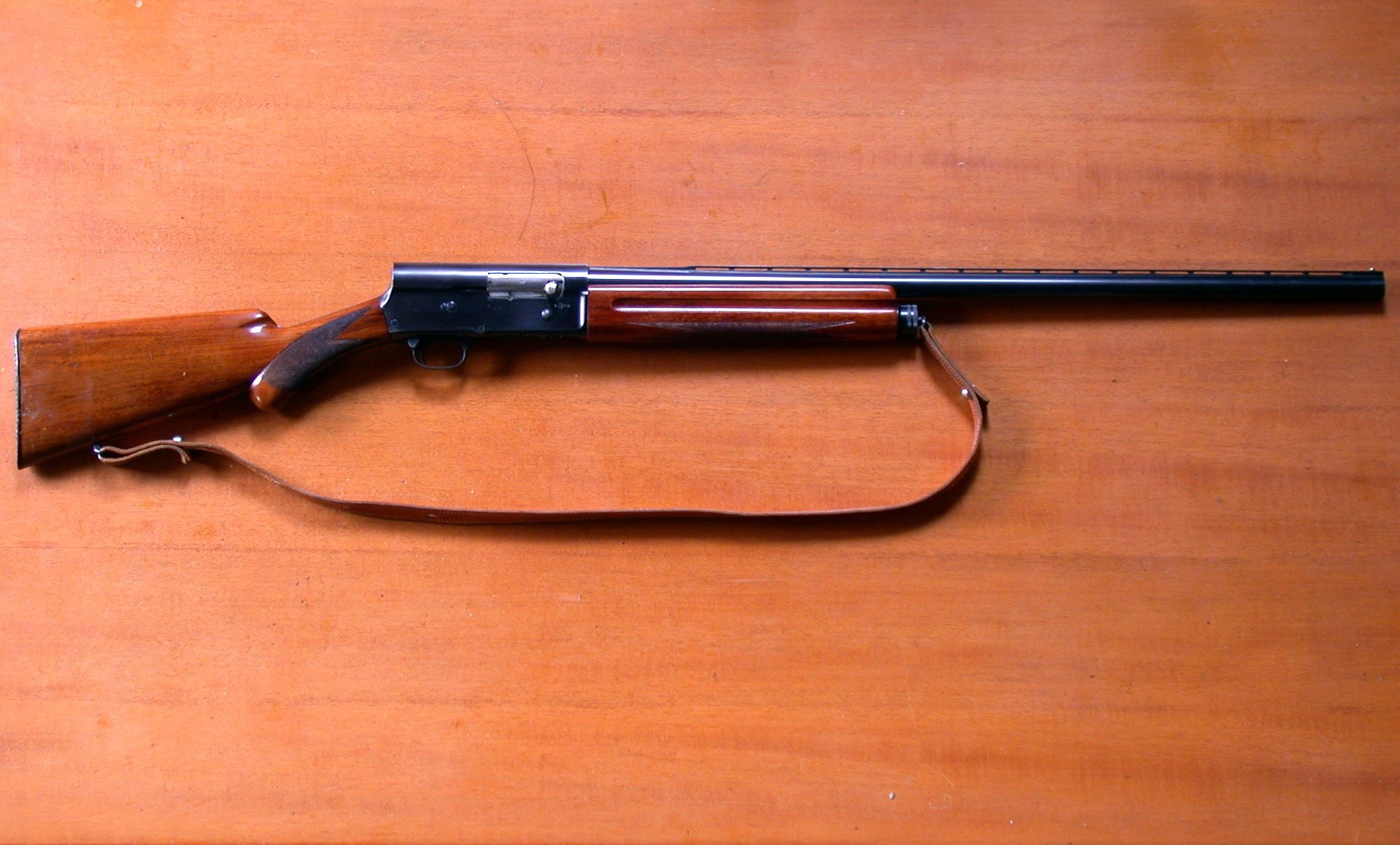
The Browning Auto-5 is the shotgun that made the semi-automatic respectable. John Moses Browning patented it in 1900, FN in Belgium started building it in 1902, and it stayed in production for almost a century. About 2.7 million were made, and it’s still one of the most common old shotguns in American gun racks, duck blinds and estate sales. You’ll know it by the square “humpback” receiver.
It’s also a gun with rules. An Auto-5 runs on friction rings you have to set for your loads, many older barrels have chambers shorter than today’s shells, and Browning says no steel shot in most of them. Get those wrong and it kicks, jams or bulges a barrel. This guide covers all of that, plus 379 completed sales sorted by era, model and condition, and a morning on the clay range with a 1953 Belgian Light Twelve.
One thing first: this page is about the original long-recoil Auto-5, made from 1903 to 1998. Browning’s current A5, launched in 2012, borrows the humpback look but is a completely different inertia-driven gun. For that one, see our Browning A5 review.
Quick take
A clean Belgian Auto-5 is one of the best-value classic shotguns you can buy and still hunt with. Set the friction rings for your loads, read the barrel before you buy shells, and keep steel shot out of anything without Invector chokes.
- Typical price (2024 to 2026 sales): about $1,150 median across 379 sales; about $935 for a Light Twelve, $1,390 for a Sweet Sixteen and $1,616 for a Light 20
- Gauges: 12, 16 and 20; 3 in. Magnums from 1958 (12) and 1967 (20)
- Made: FN Belgium 1903 to the late 1970s, Remington for Browning 1940 to 1947, Miroku in Japan 1976 to 1998
- Steel shot: only through an Invector choke-tube barrel, and never with Full or Extra Full tubes
How we tested: Every pick here is ranked against our testing methodology. Minimum round counts, accuracy and reliability protocols, the failures that disqualify a gun.
Browning Auto-5 Pros and Cons
Pros
- John Browning’s own design, built for decades
- Soft shooting when the rings are right
- Belgian Light Twelves often sell under $1,000
- Nearly bombproof long-recoil action
- Magazine cutoff lets you swap loads
- Japanese Invector guns handle steel shot
Cons
- No steel in Belgian or fixed-choke barrels
- Many old 16s have short chambers
- Rings must match your loads
- Heavy compared with modern semi-autos
- Forearms crack if set up wrong
Browning Auto-5 at a Glance
| Spec | Browning Auto-5 |
|---|---|
| Action | Long recoil: barrel and bolt recoil together, braked by friction rings on the magazine tube |
| Gauges | 12 (from 1903), 16 (from 1909), 20 (Light 20 from 1958); 3 in. Magnum 12 (1958) and Magnum 20 (1967) |
| Chambers | 2-3/4 in. on most guns; 2-9/16 in. on most pre-WWII 16s and European-market 12s; 3 in. on Magnums |
| Capacity | 4+1 (hence “Auto-5”); Magnum holds three 3 in. shells in the magazine |
| Barrels | 20 to 32 in.; fixed chokes on Belgian guns, Invector tubes on later Japanese guns |
| Weight | Light 20 about 6 lb 4 oz; Light Twelve about 7-1/4 to 8 lb; standard and Magnum 12s about 9 lb |
| Controls | Magazine cutoff on the left of the receiver; crossbolt safety from 1951 |
| Made | FN (Belgium) 1903 to late 1970s; Remington (American Browning) 1940 to 1947; Miroku (Japan) 1976 to 1998 |
| Legal | Curio or relic once 50 years old; never an antique |
Table of Contents
What an Auto-5 Is Actually Like to Shoot: Myth vs. Truth
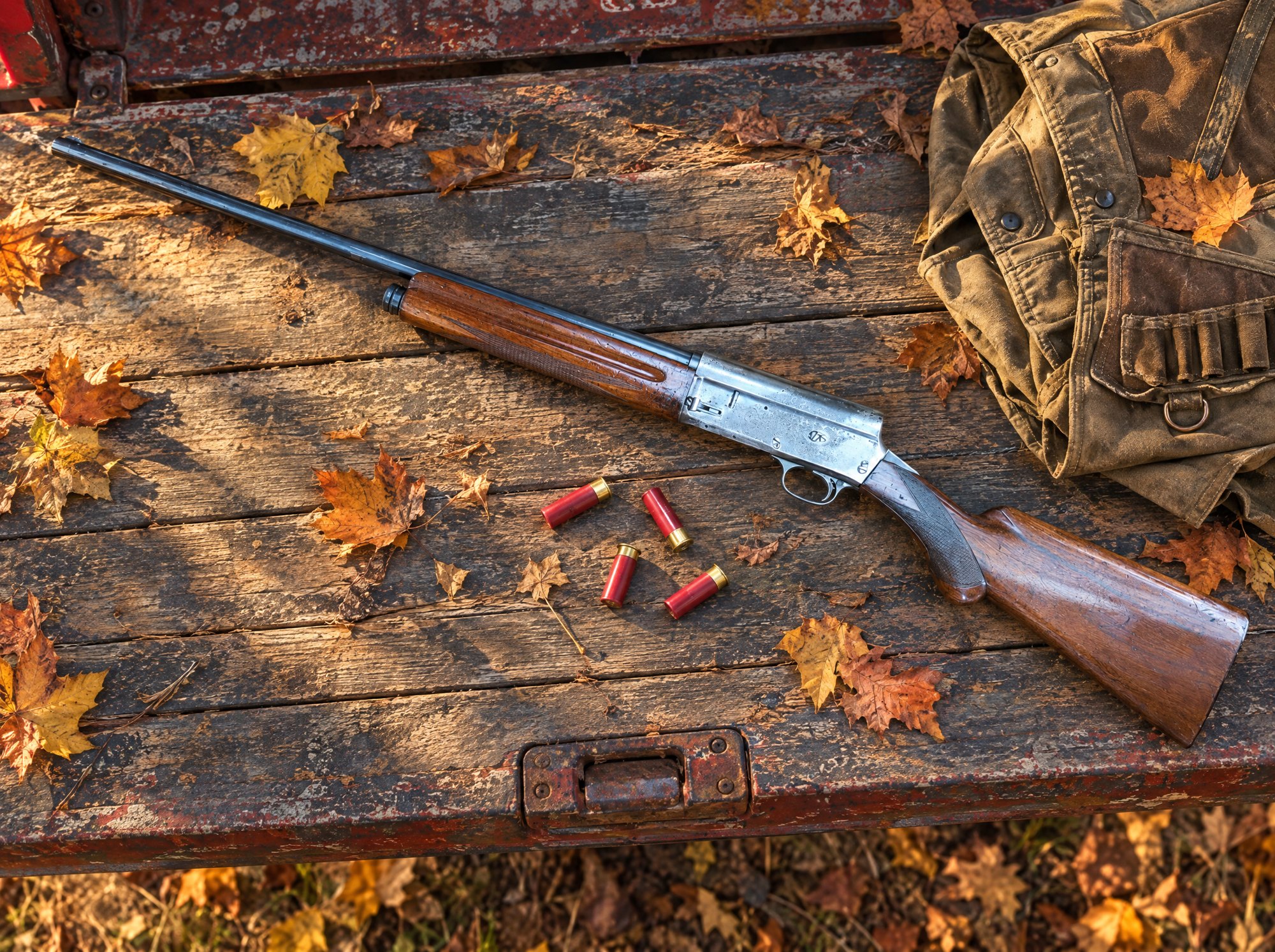
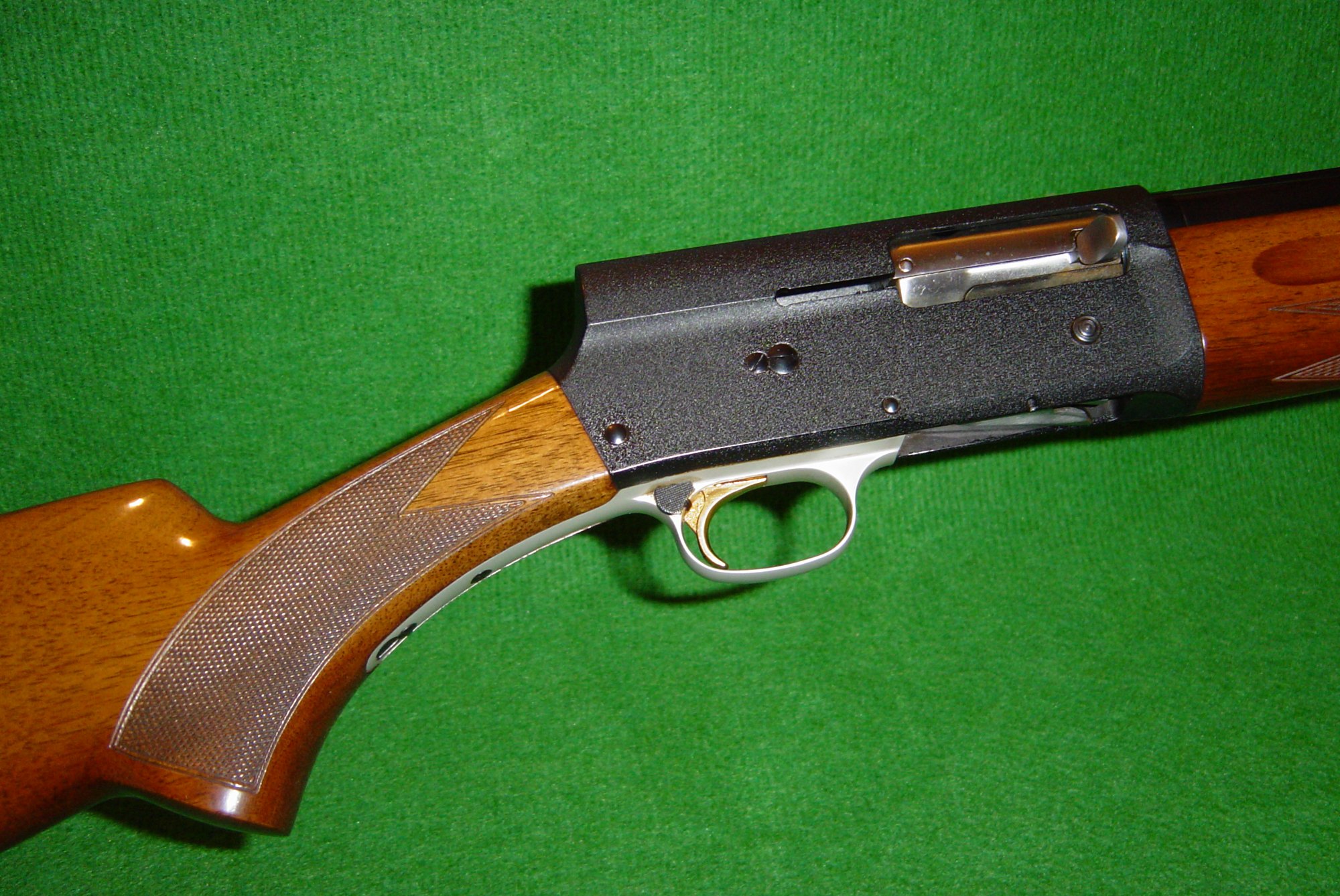
Our test gun is a 1953 Belgian Light Twelve, serial in the 430,000s, with a 28-inch vent-rib barrel choked Modified, its original stock and forearm, and honest wear on the receiver edges. The barrel reads 2-3/4 in., which we checked before buying a single shell. We cleaned the magazine tube, gave it a light film of oil, and confirmed the friction ring and bronze friction piece were both there and set the right way round.
Over two sessions we fired 250 shells: Winchester AA 1 oz target loads, Remington Gun Club 1-1/8 oz, Federal Top Gun 1-1/8 oz and a box of Remington Heavy Dove 1-1/8 oz. All 2-3/4 in., all lead. On the heavy setting, the Federal and Remington 1-1/8 oz loads ran perfectly. The light 1 oz AA loads short-stroked twice in the first box, leaving the empty in the gun, so we moved the ring to the light setting as Browning’s manual says, and the gun ran the rest of the day without a hitch.
The feel is the thing nobody expects. Long recoil means the whole barrel travels back with the bolt, so each shot comes with a distinct double shuffle, a push and then a clack as the barrel runs home. Set right, it’s soft, softer than a pump with the same loads. Our trigger broke at 4 lb 11 oz. We broke 21 of 25 on the skeet field with the AA loads and 19 of 25 with the Gun Club loads, and patterning at 40 yards with Federal 1-1/8 oz #8, the Modified barrel put an average of 61% of its pellets in a 30-inch circle, right where Modified should be.
Two things took getting used to. The Light Twelve is only light next to a standard Auto-5: ours weighed 7 lb 13 oz, and it swings like a gun that heavy. And the magazine cutoff on the left of the receiver, which lets you lock shells in the magazine and swap the chambered one, is brilliant once you remember it’s there.
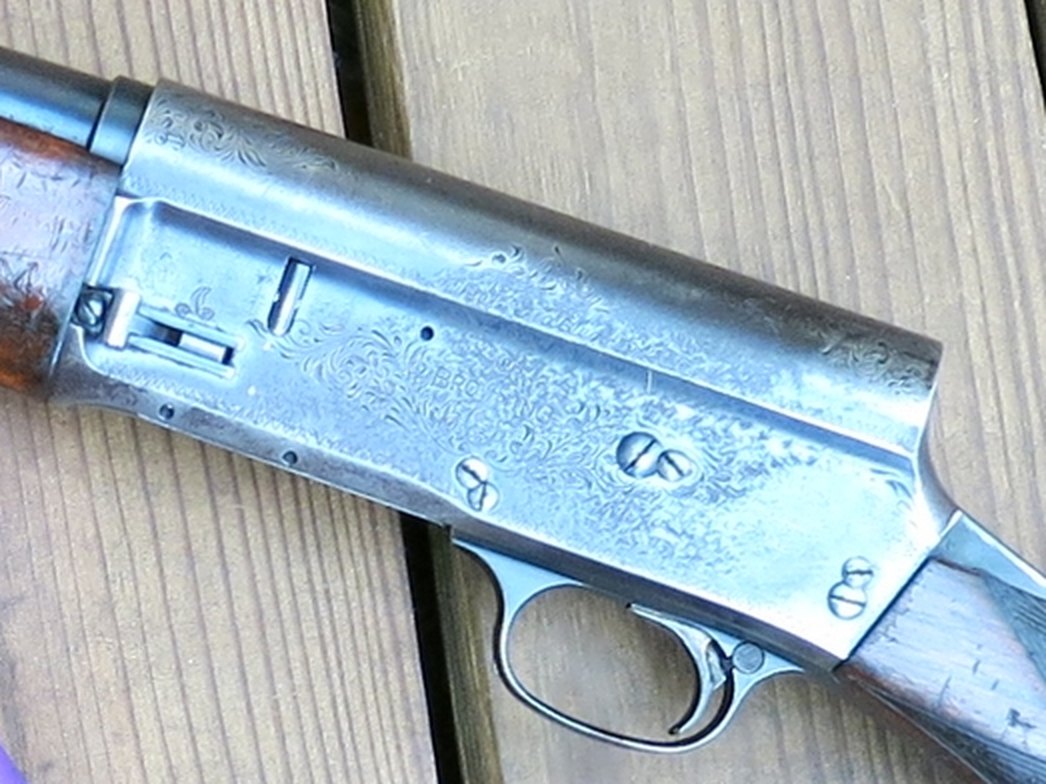
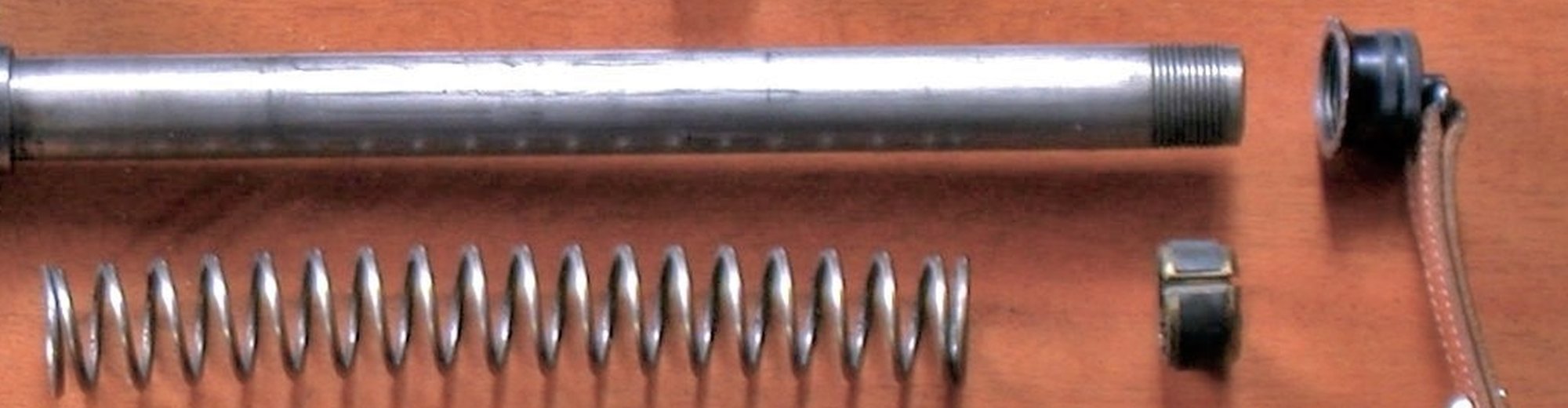
| The myth | What we found | Evidence |
|---|---|---|
| “It kicks like a mule.” | Only when it’s set up wrong. With the rings matched to the load and fresh springs, it’s soft. | Seven sources, including our range day, call it soft when set up right; the hard-kicking reports trace to wrong ring settings |
| “Any 2-3/4 in. shell is fine.” | Not in most pre-WWII 16s or European-market 12s, which have 2-9/16 in. chambers. Read the barrel first. | Belgian proofs mark 16-65 for 2-9/16 in. and -70 for 2-3/4 in.; Browning’s manual says use shells of correct length |
| “Japanese Auto-5s are steel-shot safe.” | Only with an Invector choke-tube barrel. A fixed-choke Japanese barrel is not approved for steel. | Browning’s steel shot FAQ, which contradicts several magazine articles |
| “Never oil the magazine tube.” | Wrong. A light film of oil on the tube keeps it cycling, especially in cold weather. Keep it off the wood. | Four sources against one; a dry or gummy tube is the first cause of ejection trouble Browning lists |
| “The Remington Model 11 is the same gun.” | Same Browning design, different parts, no magazine cutoff and less than half the value. | American Rifleman: made on the Auto-5 patents but “not considered Auto-5s” |
| “A cracked forearm ruins it.” | Common and fixable, but it costs collector value and is often a sign the rings were set wrong. | Four sources; replacement forearms exist |
Who the Auto-5 Is For (and Who Won’t Enjoy It)
Buy an Auto-5 if you are
- An upland or dove hunter who likes classic guns. A Light Twelve or Light 20 with lead loads is a joy in the field.
- A shooter who wants a vintage gun to use, not just own. The long-recoil action is famously durable.
- A collector on a sensible budget. Sweet Sixteens and Light 20s are the stars, and a Belgian Light Twelve is the classic entry point.
- A waterfowler with a Japanese Invector gun. With the right tubes, it will shoot steel.
- A C&R license holder. Every Belgian and American Browning gun, and Japanese guns made in 1976 or earlier, qualify.
Skip the Auto-5 if you are
- Shooting mostly steel duck loads in an old gun. Buy a modern gun from our best duck hunting shotguns list, or the new Browning A5.
- Wanting one gun for light target loads and heavy 3 in. magnums. A Magnum won’t reliably cycle light loads, and a Light Twelve can’t take 3 in. shells. A modern gas or inertia gun does both.
- Allergic to tinkering. If you won’t reset friction rings when you change loads, an Auto-5 will frustrate you.
- Counting ounces. A standard 12 weighs about 9 lb.
What a Browning Auto-5 Costs in 2026
These are sale prices, not asking prices. We tracked 379 completed sales of vintage Auto-5s from January 2024 to September 2026, mostly GunBroker sales plus Morphy Auctions lots, which include the buyer’s premium. The modern A5, the Remington Model 11 and the Savage 720 are kept out, and so are engraved and commemorative guns. Most sellers don’t state a condition grade, so treat the numbers as a market guide, not a price list.
| Model | Median sale | Range seen | Sales tracked |
|---|---|---|---|
| Light Twelve | $935 | $246 to $1,914 | 81 |
| Magnum 12 | $1,100 | $405 to $2,399 | 123 |
| Sweet Sixteen | $1,390 | $615 to $2,726 | 54 |
| Light 20 | $1,616 | $584 to $2,825 | 70 |
| Magnum 20 | $1,812 | $1,275 to $2,459 | 14 |
| All vintage Auto-5s | $1,151 | $246 to $2,825 | 379 |
| Where it was made | Median sale | Sales tracked |
|---|---|---|
| Belgium, prewar (to 1940) | $705 | 9 |
| Belgium, postwar (1946 to 1976) | $1,188 | 178 |
| Japan (1976 to 1998) | $1,325 | 55 |
| All Belgian | $1,088 | 258 |
The gauge matters more than anything else: 20 gauge guns sold for a median $1,709 and 16s for $1,288, against $1,000 for 12s. And here’s the surprise. Japanese guns sold for more than Belgian ones, a $1,325 median against $1,088, and the gap held for Light Twelves ($1,249 against $932) and Magnum 12s ($1,312 against $995). Hunters pay for the Invector chokes and the steel-shot approval. The few prewar Belgian guns that sold were cheap, a $705 median, and a short-chambered 16 is part of the reason.
Asking prices run well above what these guns sell for. On the day we checked, dealer asking prices for vintage Auto-5s had a $1,750 median, about 52% over the $1,151 median sale. That’s your room to negotiate. For a wider view, TrueGunValue’s 1,066 used Auto-5 sales average $1,013.61, down $30.24 over 12 months, and its used Light Twelve average is $892.19.
These are the vintage Auto-5s our dealers have listed right now. Most are single used guns, so they come and go.
Guns.com lists more Auto-5s than any other dealer we track, with close-up photos of each gun. See every Browning Auto-5 on Guns.com
Compare other guns in the USA Gun Shop price checker, and see our guide to buying used shotguns and our guide to buying vintage guns online.
Which Auto-5 to Buy: Eras and Models
Two things decide what an Auto-5 is worth: where it was made and which model it is. The era tells you about the finish, the parts and the steel-shot rules. The model tells you the weight, the gauge and the chamber.
| Era | Years | How to spot it | Who wants it |
|---|---|---|---|
| Prewar Belgian (FN) | 1903 to 1940 | Made in Belgium, serials up to about 228,000, safety in or ahead of the trigger guard | Collectors, though they sold cheaply in our data; check the chamber |
| American Browning | 1940 to 1947 | Made by Remington for Browning, marked Browning, with the magazine cutoff | Collectors and hunters |
| Postwar Belgian (FN) | 1946 to late 1970s | Made in Belgium, crossbolt safety from 1951, letter-coded serials from 1954 | The sweet spot for most buyers |
| Japanese (Miroku) | 1976 to 1998 | Made in Japan, model and year codes in the serial, Invector chokes on later guns | Hunters, especially waterfowlers |

Prewar Belgian Guns (1903 to 1940)
The first Auto-5s came from FN’s plant in Herstal, Belgium, in 1903, and the first 10,000 were marked for the Browning Automatic Arms Co. of Ogden, Utah. Because FN had ceded the U.S. rights to Remington, most prewar Browning-marked guns reached America only from 1923. Early guns have the safety inside the trigger guard, moved ahead of it in 1909. These are collector guns, and many 16s from this era have 2-9/16 in. chambers.
American Brownings (1940 to 1947)
When Germany occupied Belgium in May 1940, FN’s exports stopped, and Remington built Auto-5s for Browning. They’re essentially Remington’s Model 11 with the Browning magazine cutoff added, marked Browning, and collectors call them American Brownings. Browning lists them by name as guns that must not shoot steel.
Postwar Belgian Guns (1946 to the late 1970s)
FN restarted production in 1946, and this is the era most people picture: deep blue, checkered walnut and the “Light Twelve” or “Sweet Sixteen” roll-mark on the receiver from 1948-49. The crossbolt safety arrived in 1951. The Light 20 and the 3 in. Magnum 12 came in 1958, and the Magnum 20 in 1967. FN made its two millionth Auto-5 in 1970, and Browning sold 2,500 Two Millionth Commemorative Light Twelves from 1971 to 1974.
Japanese Guns (1976 to 1998)
Browning moved production to Miroku in Japan in the latter part of 1976. Japanese guns have a nitride-coated magazine tube and, from the early 1980s, Invector choke tubes, which is what makes them the Auto-5s to hunt ducks with. The 16 gauge was dropped in the move and came back as the Japanese Sweet Sixteen in 1987. Regular production ended in 1998, and 1,000 Final Tribute guns closed out the line in 1999.
The Models: Light Twelve, Sweet Sixteen, Light 20 and Magnum
| Model | Introduced | Chamber | Notes |
|---|---|---|---|
| Standard 12 | 1903 | 2-3/4 in. (U.S. guns) | About 9 lb; the original |
| 16 gauge | 1909 | 2-9/16 in. on most prewar guns | Standard-weight 16, not a Sweet Sixteen |
| Sweet Sixteen | 1936-37 | 2-9/16 in. prewar, 2-3/4 in. later | Lightweight 16; collectors’ favorite |
| Light Twelve | 1946-48 | 2-3/4 in. | About 7-1/4 to 8 lb; the most common |
| Light 20 | 1958 | 2-3/4 in. | About 6 lb 4 oz; values climbing |
| Magnum 12 | 1958 | 3 in. | Heavier; won’t cycle light loads reliably |
| Magnum 20 | 1967 | 3 in. | For heavy 20 gauge loads |
A few trap, skeet and “Buck Special” slug guns turn up too, as do engraved grades and commemoratives, which are priced as collector pieces. Magnum and Light barrels don’t interchange, because they feed and eject differently, so check any spare barrel against the receiver it’s sold with.

Remington Model 11 and Savage 720: The Budget Auto-5s
In 1904, facing U.S. tariffs, FN let Remington build the Browning design for the American market. Remington introduced it in 1905 as the Remington Autoloading Shotgun, named it the Model 11 in 1911, and built about 850,000 until 1947, when the 11-48 replaced it. The U.S. bought about 60,000 in World War II for aerial gunnery training and riot duty. Savage built its Model 720 on the Browning design from 1930.
They shoot and handle like an Auto-5, but they’re not Auto-5s. The Model 11 has no magazine cutoff, its parts don’t interchange with a Browning, and it sells for less than half the price of a Browning. For a hunter who wants the long-recoil experience for less, that’s the appeal. In our sales data, Remington Model 11s sold for a median $497 across 58 sales, against $1,151 for an Auto-5, and Savage 720-series guns for $365.
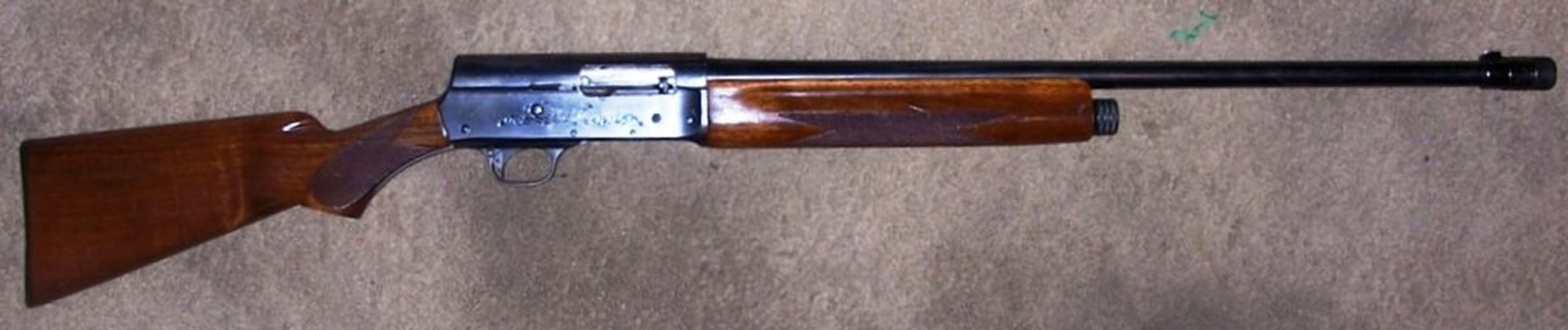
Auto-5 Condition Guide
Collectors grade an Auto-5 on original blue, original wood and an unaltered barrel. Hunters should add the forearm, the magazine tube and the friction rings to that list.
| Grade | What you see | What it does to price |
|---|---|---|
| 90%+ original | Deep blue with crisp engraving and roll-marks, original wood with sharp checkering, unaltered barrel | Worth more to a collector, though in our data the premium was small: a $984 median across 21 graded sales |
| 70% to 89% original | Worn blue on the receiver edges and bottom, handling marks on the wood, forearm sound | The hunter’s sweet spot |
| Refinished, altered or damaged | Reblued receiver, refinished or cracked wood, add-on choke or cut barrel | A $962 median across 24 sales; much less on a collector-grade model |
Our graded sales are thin, because most sellers don’t state a grade, so the model and gauge tell you more about price than condition does. That said, the auction houses mark down cut barrels, add-on chokes and cracked forearms hard, and a collector will pay real money for an untouched Light 20 or Sweet Sixteen.
The two things that cut an Auto-5’s value most are a cracked forearm and an altered barrel. Add-on adjustable chokes such as a Poly Choke or a Cutts compensator, or a barrel cut down behind the rib, can take roughly half off a collector gun’s value. A glued forearm crack is common on hunting guns and isn’t a disaster on a shooter, but look for a matching gap between the wood and the receiver.
How to Date an Auto-5 by Serial Number
Browning publishes its own dating chart, and it’s the one to use. Prewar guns from 1903 to 1939 run from 1 to about 228,000, and Browning itself calls prewar dating “strictly a guess.” American Brownings from 1940 to 1946 have the serial on the side of the receiver. From 1946 the numbers run in sequence by year, then letters join in:
| Years | Serial format | Example |
|---|---|---|
| 1946 to 1953 | Numbers only, from about 229,000 to 438,000 | 1953 guns run up to about 438,000 |
| 1954 to 1957 | Letter codes for weight: H and L (1954-55), G for light weight from 1956, M and G from 1957 | L = light weight, 1954-55 |
| 1958 to 1968 | Year digit plus letter | 8M1000 = 1958 standard weight |
| 1969 to 1976 | Two-digit year plus letter | 69G1000 = 1969 Light Twelve |
| 1976 to 1997 | Model code, two-letter year code, serial | 01001RT151 = 1976 Magnum 12 |
For Japanese guns, the three-digit model code tells you the model: 151 is a Magnum 12, 161 a Magnum 20, 211 a Light Twelve, 221 a Sweet Sixteen and 231 a Light 20. The year letters count backward: Z=1, Y=2, X=3, W=4, V=5, T=6, R=7, P=8, N=9 and M=0, so “RT” is 76 and “PV” is 85. Final Tribute guns are serialized 2000FT.
Refinishes, Replaced Parts and Wrong Barrels
- Refinished guns sold as original. Look for soft engraving, rounded edges on the receiver and a finish that’s too perfect for the wear on the wood.
- Altered barrels. Poly Chokes, Cutts compensators and barrels cut behind the rib halve a collector gun’s value. Measure the barrel and check the choke marking.
- Wrong barrel for the receiver. Magnum and Light barrels don’t interchange, and a Japanese barrel on a Belgian receiver changes both value and steel-shot rules.
- A standard 16 sold as a Sweet Sixteen. Sweet Sixteens are the lightweight model from 1936-37, and the receiver legend only came in 1948-49, so an early one has to be identified by its weight and features. Get an expert opinion before paying the premium.
- A Remington Model 11 sold as a Browning. No magazine cutoff and Remington markings mean a Model 11, worth less than half as much.
- A modern A5 mixed up with a vintage Auto-5. Online listings mix them constantly. The modern gun has no friction rings and a far newer serial.
Auto-5 Pre-Purchase Inspection Checklist
Here’s the check we run on every Auto-5 before we pay, with the gun unloaded and pointed in a safe direction:
- Open the action and confirm the chamber and magazine are empty.
- Read the barrel for the gauge and chamber length. On a Belgian barrel, “16-65” means a 2-9/16 in. chamber and “-70” means 2-3/4 in.
- Note whether the barrel has fixed chokes or Invector tubes. Only an Invector barrel may shoot steel.
- Remove the forearm and check that the friction ring and bronze friction piece are there and set for the loads you plan to shoot.
- Look at the magazine tube for rust, pitting or old gummy grease.
- Check the forearm for cracks, especially at the rear, and for gaps against the receiver.
- Look at the receiver for signs of pounding and at the wood-to-metal joints for rust.
- Check the magazine cutoff and safety both work.
- Look down the bore with a light, and check the barrel for rings or bulges near the muzzle, a sign someone fired steel through it.
- Measure the barrel and look for add-on chokes or a cut barrel.
- Match the serial to Browning’s chart and make sure the era, the markings and the model agree.
- Ask for a return privilege in writing if you can’t handle the gun first.
Shooting and Caring for an Old Auto-5
Browning’s rule on steel shot is clear: no steel of any kind through a Belgian-made or American-made Auto-5, or through any Auto-5 barrel without Invector choke tubes. That covers fixed-choke Japanese barrels too. Only Standard Invector or Invector-Plus barrels take factory steel loads, and never with a Full or Extra Full tube. A Japanese Invector barrel fits a Belgian receiver, and Browning says steel is fine with that barrel installed. For waterfowl in an older barrel, use a non-toxic shot rated for older guns, such as bismuth. See Browning’s steel shot FAQ for the full list.
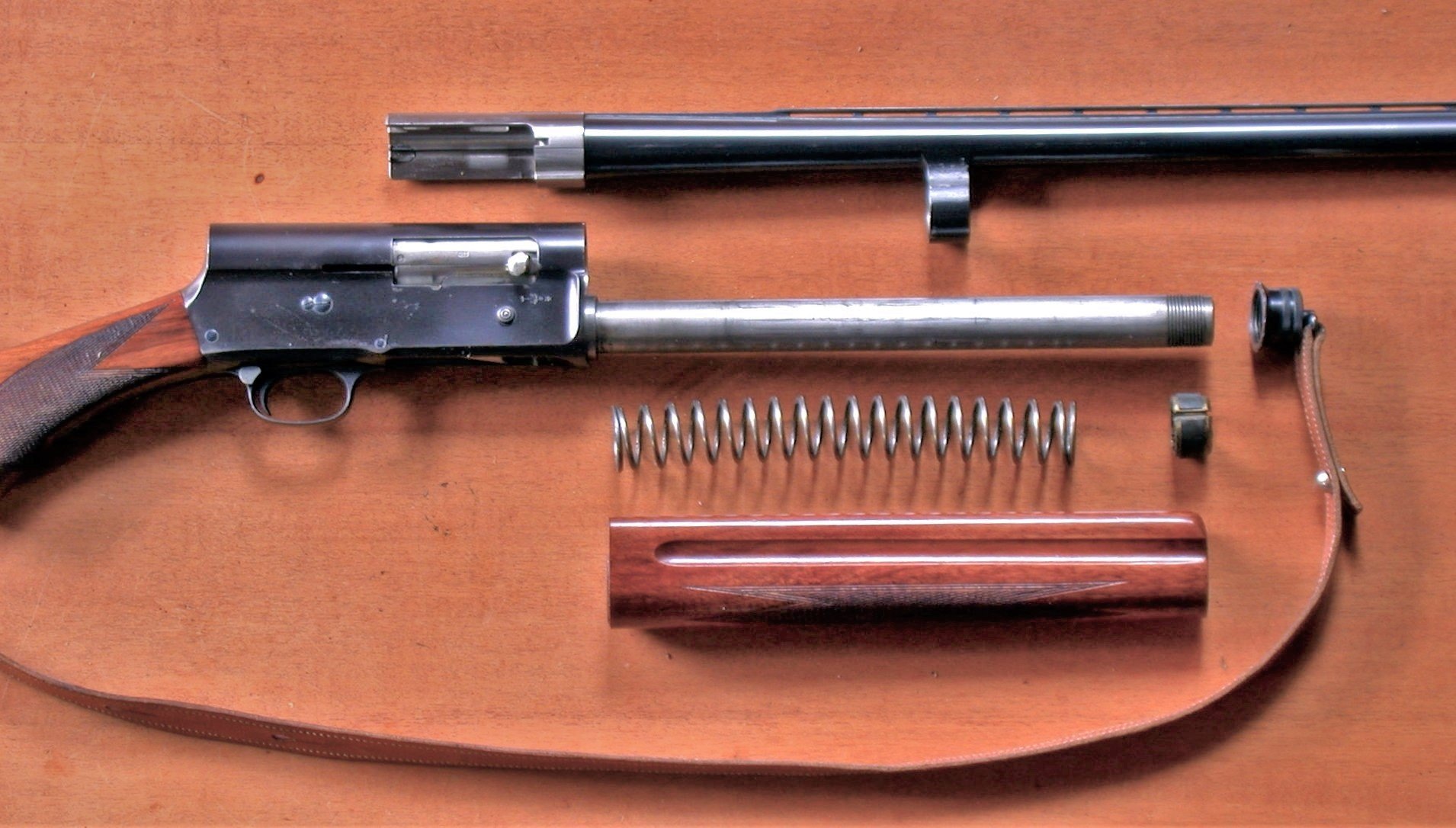
Then match the shells to the chamber and the rings to the shells. On a 2-3/4 in. gun, the heavy setting is the friction ring bevel-up on top of the recoil spring, then the bronze friction piece. For light loads, the ring moves to the back of the magazine tube. Browning’s advice is to use the heavy setting as long as the gun cycles, and switch to light only if it won’t eject. Magnums use three rings and two brakes for 3 in. loads, and drop the top brake and two rings for 2-3/4 in. loads. Never fire it without the bronze friction piece.
| Use | Avoid |
|---|---|
| 2-3/4 in. lead target and field loads in a 2-3/4 in. gun | Steel shot in any Belgian, American Browning or fixed-choke barrel |
| 2-1/2 in. (65 mm) shells in a 2-9/16 in. 16 gauge, or a professional chamber lengthening | 2-3/4 in. shells in a 2-9/16 in. chamber |
| Bismuth for waterfowl in older barrels | 3 in. shells in anything but a Magnum |
| A light film of oil on the magazine tube | Oil soaking into the forearm wood |
| Friction rings set for the load you’re shooting | Firing without the bronze friction piece |
For care, strip the forearm and barrel after every trip, wipe the magazine tube and leave it lightly oiled, and keep oil out of the wood. Don’t overtighten the magazine cap, which is one cause of cracked forearms. Recoil springs do wear, and fresh ones often make an old gun feel softer.
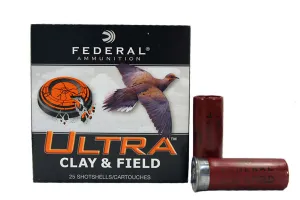
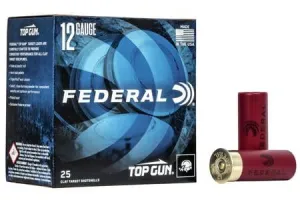
These 2-3/4 in. lead target and field loads are on sale at our dealers right now. We filter out steel, 3 in. and 3-1/2 in. magnums, buckshot and slugs.
Vintage-Safe 12 Gauge Deals for an Auto-5
On-sale 12 gauge vintage from 200+ retailers · Updated every 4 hours



Hunting with an Auto-5? Our dove hunting and pheasant hunting shotgun guides cover the loads and chokes that suit a classic gun, and our best 16 gauge shotguns covers the Sweet Sixteen’s modern rivals.
A Short History of the Browning Auto-5
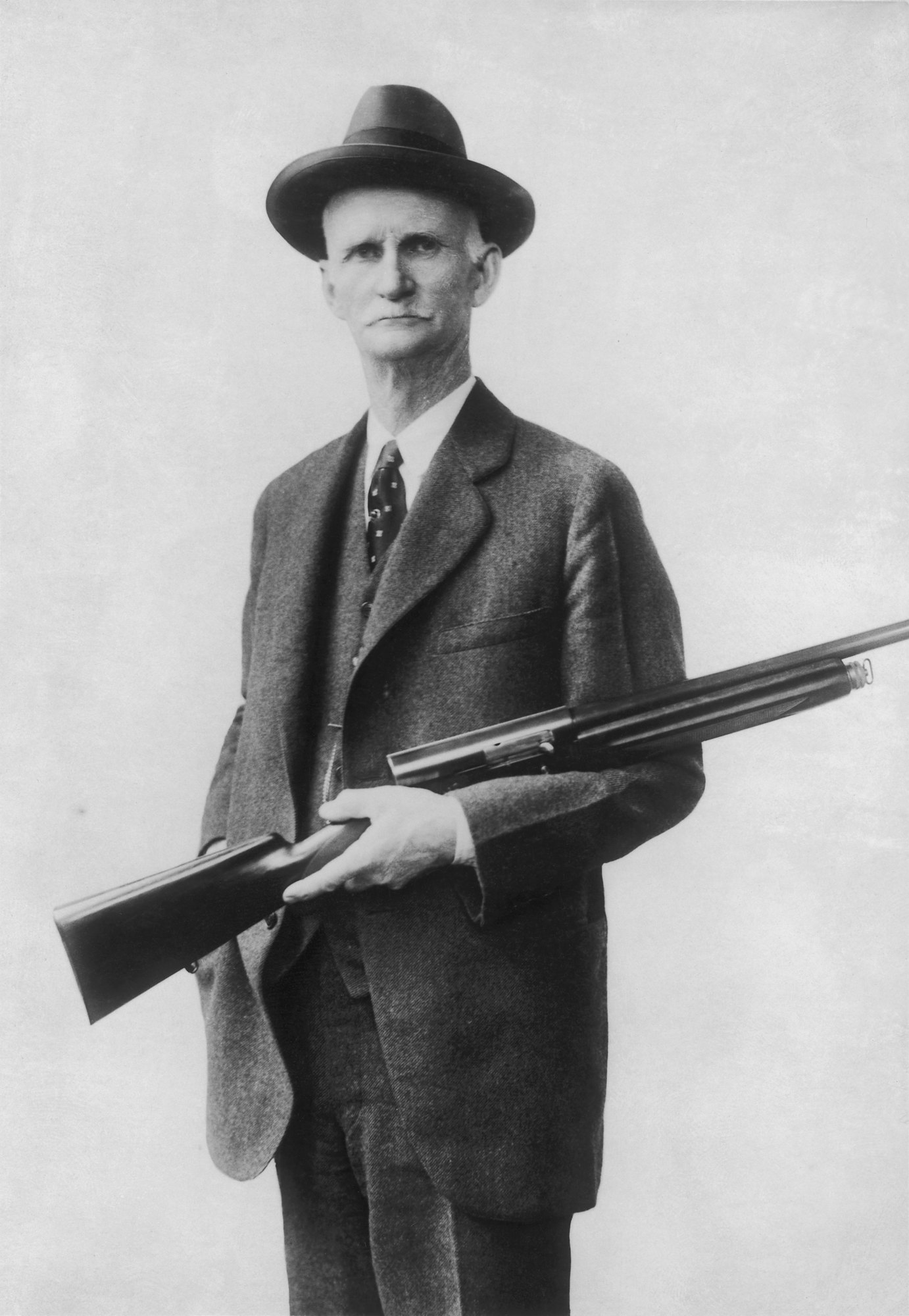
John Moses Browning built his first recoil-operated shotgun prototypes in 1898 and patented the design on October 9, 1900, US Patent 659,507. He’d sold Winchester dozens of designs outright, but this time he wanted a royalty, and Winchester’s T.G. Bennett refused. Browning broke with Winchester in January 1902 and took the gun to Remington, but company president Marcellus Hartley died on January 8, 1902, the day Browning was to show it to him.
So Browning went to FN in Belgium, which signed for the world rights on March 24, 1902. The first guns reached Browning in 1903. It was the first successful semi-automatic shotgun, and Browning called it his best achievement. Remington made its own version for the U.S. market from 1905, and after 1923 Browning-branded guns came from FN again.
War twice moved production. From 1940 to 1947 Remington built American Brownings, and FN resumed in 1946. The Auto-5 moved to Miroku in Japan in 1976 and stayed in the line until 1998, by which time about 2.7 million had been made. Counting the Remington Model 11 and Savage 720, well over 3 million guns were built on John Browning’s design.
Why the Auto-5 Is Still So Popular
It works, it lasts, and it’s the shotgun a lot of hunters inherited from a parent or grandparent. It’s also a piece of John Browning’s legacy, and our John Moses Browning profile puts it alongside the 1911, the BAR and the Hi-Power.
And it has an outlaw streak. Clyde Barrow’s everyday gun was a 16-gauge Belgian Auto-5, made about 1931 and cut down by the gang into a “whippet” about 30 inches long. It was found in his lap after the ambush in Louisiana on May 23, 1934. On August 22, 2026, Rock Island Auction sold it for $1 million, a world record for a shotgun at auction. Our Bonnie and Clyde guns page has the full story.
Auto-5 Legal Status: C&R and the NFA
No Auto-5 is an antique firearm, since every one was made after 1898. A gun qualifies as a curio or relic once it’s at least 50 years old, which in 2026 covers every Belgian and American Browning Auto-5 and Japanese guns made in 1976 or earlier. More join every year. ATF’s list has no Auto-5 entry of its own, but it does cover shotguns properly marked as made for a military organization before 1946 and still in original military configuration, which includes U.S.-marked World War II Model 11s and Savage 720s.
Cut-down “whippet” guns like Clyde Barrow’s are a different matter. A shotgun with a barrel under 18 inches, or under 26 inches overall, is regulated under the National Firearms Act, and ATF’s special treatment of Barrow’s gun doesn’t carry over to any other. Our guide to the National Firearms Act explains the rules. State law may be stricter, so check yours before you buy.
Where to Buy a Browning Auto-5
- Guns.com. The deepest used selection we track, with detailed photos. Browse Auto-5s on Guns.com.
- Dealers. Police trade-ins and estate guns turn up at dealers like Sportsman’s Outdoor Superstore. Our price card above shows what’s listed today.
- Auction houses. Morphy, Rock Island and others describe the finish, chokes and any alterations, but add a buyer’s premium of roughly 20 to 25%.
- GunBroker, gun shows and estate sales. The best bargains live here, as long as you can check the chamber, rings and barrel yourself.
Wherever you buy, ask the same questions before you pay:
- What does the barrel say about gauge and chamber length?
- Fixed choke or Invector tubes? Which tubes come with it?
- Are the friction ring and bronze friction piece present?
- Is the forearm cracked or repaired?
- Belgian, American Browning or Japanese, and does the serial agree?
- Is the finish original, and has the barrel been altered?
- Can I return it if it isn’t as described?
Auto-5 vs. Its Rivals
| Shotgun | Action | Years | Why you’d pick it |
|---|---|---|---|
| Browning Auto-5 | Long recoil | 1903 to 1998 | The original, the collector value and the Browning name |
| Remington Model 11 | Long recoil | 1905 to 1947 | The same design for less than half the money |
| Browning A5 (modern) | Kinematic inertia | 2012 to today | Humpback looks, steel-shot ready, lighter, warranty |
| Winchester Model 12 | Pump | 1912 to 1964 | The other great classic American hunting shotgun |
Auto-5 vs. the Modern Browning A5
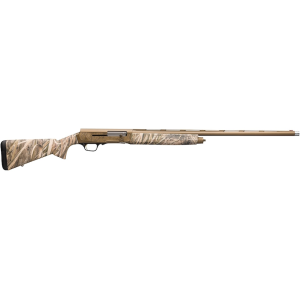
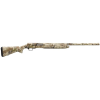
Browning revived the A5 name in 2012 on a completely different gun. The new A5 uses Browning’s Kinematic Drive, an inertia system: the barrel doesn’t travel, there are no friction rings, and it handles steel and 3-1/2 in. shells in the right models. Browning itself says the humpback shape is the only thing the two share. Our Browning A5 review covers the new gun. Buy the modern A5 to hunt ducks hard; buy the Auto-5 for the history and a softer ride with lead.


Auto-5 vs. the Remington Model 11
It’s the same John Browning design, built by Remington for the U.S. market. The Model 11 has no magazine cutoff and its parts don’t interchange, but it shoots the same way. If you want the long-recoil experience to hunt with and don’t care about the Browning name, a clean Model 11 is the value buy.
Final Verdict
The Browning Auto-5 is still one of the best classic shotguns you can buy and actually use. Buy a postwar Belgian Light Twelve or Light 20 to hunt upland birds with lead, a Japanese Invector gun if you need steel, and a Sweet Sixteen if you want the collector’s favorite. Read the barrel, set the rings, and keep steel out of anything without Invector tubes.
Nearly a century in production, 2.7 million made and a million-dollar outlaw gun. John Browning called it his best work, and it’s hard to argue.
FAQ
How much is a Browning Auto-5 worth?
In 379 completed sales from January 2024 to September 2026, the median vintage Auto-5 sold for about $1,151. By model, Light Twelves had a median of about $935, Magnum 12s $1,100, Sweet Sixteens $1,390, Light 20s $1,616 and Magnum 20s $1,812. Japanese guns sold for a median $1,325 and Belgian guns $1,088.
Can I shoot steel shot in a Browning Auto-5?
Only through a barrel with Browning Invector or Invector-Plus choke tubes, and never with a Full or Extra Full tube. Browning says no steel shot of any kind in a Belgian-made or American-made Auto-5, or in any fixed-choke barrel, including fixed-choke Japanese barrels. A Japanese Invector barrel on a Belgian receiver can shoot steel.
Can I shoot 2-3/4 in. shells in an old 16 gauge Auto-5?
Only if the barrel is marked for them. Most 16 gauge Auto-5s made before World War II have 2-9/16 in. chambers, marked "16-65" on Belgian barrels. Use 2-1/2 in. (65 mm) shells in those, or have a gunsmith lengthen the chamber.
How do I set the friction rings on an Auto-5?
On a 2-3/4 in. gun, the heavy-load setting is the friction ring bevel-up on top of the recoil spring, then the bronze friction piece. For light loads, move the ring to the rear of the magazine tube. Browning says to use the heavy setting as long as the gun cycles. Never shoot without the bronze friction piece.
When was my Browning Auto-5 made?
Use Browning's dating chart. Prewar guns run from 1 to about 228,000. Postwar numbers climb by year to about 438,000 in 1953, then letter codes appear. Japanese guns from 1976 carry a model code and a two-letter year code, where Z=1, Y=2, X=3 and so on, so RT means 1976.
Is a Belgian or Japanese Auto-5 better?
Belgian guns have the history and the collector following. Japanese guns have a nitride-coated magazine tube and, on later guns, Invector chokes that can shoot steel, which makes them the better waterfowl guns. In our sales data Japanese guns actually sold for more, a $1,325 median against $1,088 for Belgian guns. Both are well made.
Is the Browning A5 the same as the Auto-5?
No. The modern A5, sold since 2012, uses Browning's Kinematic inertia system with no friction rings and a stationary barrel. It borrows the humpback look, but Browning itself says that is the only thing it shares with John Browning's original.
What is the difference between the Auto-5 and the Remington Model 11?
The Model 11 is Remington's version of the same John Browning design, made from 1905 to 1947. It has no magazine cutoff, its parts do not interchange with a Browning, and it sells for less than half the price of a comparable Auto-5.
5,305+ Gun & Ammo Deals
Updated daily from 200+ top retailers. Filter by category, caliber, action type, and price.