

Last updated September 2026
Some of the links below are affiliate links, meaning at no additional cost to you, we may earn a commission if you click through and make a purchase.
- Treat every gun as loaded
- Point the muzzle in a safe direction
- Keep your finger off the trigger until you’re ready to shoot
- Know your target and what’s beyond
The Colt Woodsman is the .22 pistol that everyone else copied. John Moses Browning designed it, Colt launched it in 1915, and for the next 62 years it was the gun American hunters, trappers and target shooters reached for when they wanted a rimfire that pointed like a real pistol. Ernest Hemingway owned at least three. Colt made more than 690,000 before it stopped in 1977, and the good ones still shoot like they did when they left Hartford.
It’s also a gun with three different frames, six model names, magazines that don’t swap between series, and an ammunition rule that catches out a lot of new owners. This guide sorts all of it out, with 419 completed sales broken down by series and model, the one check that tells you whether an early gun can take high-velocity ammo, and a range day with a second series Target Model.
Quick take
A postwar Woodsman is one of the best .22 pistols ever made and still a sensible buy for a shooter. Prewar guns and Match Targets are the collector pieces. Before you feed an early gun high-velocity ammo, look at the back of the grip.
- Typical price (2024 to 2026 sales): about $641 median across 419 sales; about $420 to $500 for a Challenger, Huntsman or Targetsman, $700 to $955 for a Woodsman-named Sport or Target, and $1,080 for a Match Target
- Caliber: .22 Long Rifle, 10-round magazine
- Made: 1915 to 1977 (First Series to 1947, Second Series 1947 to 1955, Third Series 1955 to 1977). Colt doesn’t make it today
- Legal: ATF lists every Woodsman made before 1978 as a curio or relic
How we tested: Every pick here is ranked against our testing methodology. Minimum round counts, accuracy and reliability protocols, the failures that disqualify a gun.
Colt Woodsman Pros and Cons
Pros
- John Browning design, Colt hand-fitted quality
- Points naturally, with a crisp trigger
- Accurate enough for bullseye matches
- Every factory Woodsman is C&R listed
- Shooter-grade postwar guns stay affordable
- Plenty of variants to collect
Cons
- Early guns need standard-velocity ammo
- Magazines don’t swap between series
- Takedown and reassembly are fiddly
- Colt no longer makes or services it
- Match Targets and prewar guns cost more
Colt Woodsman at a Glance
| Spec | Colt Woodsman |
|---|---|
| Action | Straight blowback, fixed barrel, internal hammer, half-length slide |
| Caliber | .22 Long Rifle only (Shorts fire but won’t cycle the action) |
| Capacity | 10-round single-stack magazine |
| Barrels | Sport 4-1/2 in.; prewar Target and Match Target 6-5/8 in.; postwar Target and Match Target 6 in. (Match Target also 4-1/2 in.) |
| Weight | About 30 oz for a Sport; postwar Match Target 36-1/2 oz (4-1/2 in.) to 41 oz (6 in.) |
| Series | First 1915 to 1947, Second 1947 to 1955, Third 1955 to 1977 |
| Designer | John Moses Browning; US Patent 1,276,716 (1918) |
| Made | 1915 to 1977 by Colt, Hartford, Connecticut; more than 690,000 |
| Legal | Curio or relic (ATF lists every Woodsman made before 1978); never an antique |
Table of Contents
What a Colt Woodsman Is Actually Like to Shoot: Myth vs. Truth
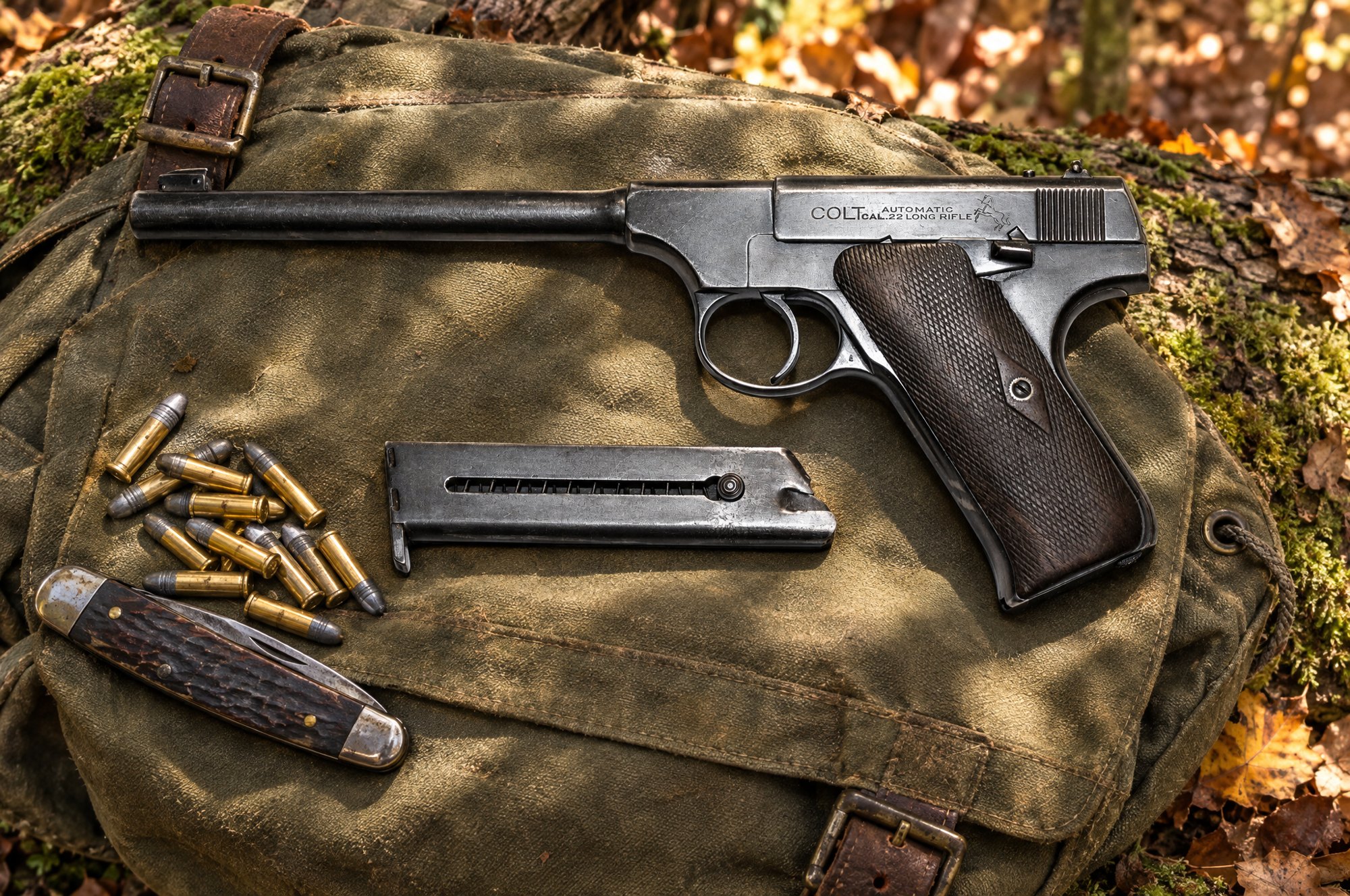
Our range gun is a 1952 Second Series Target Model with a 6-inch barrel, an S-suffix serial, adjustable sights, original grips and about 85% of its blue. Being postwar, it was built for high-velocity ammo. We cleaned the chamber and breech face, checked the recoil spring was captured correctly after takedown, and brought three original Colt magazines. Over two sessions we fired 400 rounds: CCI Standard Velocity 40 grain, Federal AutoMatch 40 grain and CCI Mini-Mag 40 grain high velocity.
The first thing you notice is the grip. The Woodsman’s rake points your hand at the target almost without thinking, and the long sight radius makes every shot feel easy. The single-action trigger broke at 3 lb 12 oz on our Lyman gauge, with a short, clean take-up and almost no overtravel. Recoil is a flutter. The second series slide locks back on the last round and the push-button magazine release sits right behind the trigger guard, which makes it the easiest Woodsman to run fast.
Accuracy is the reason people still pay for these. Rested at 25 yards, CCI Standard Velocity averaged 1.4-inch five-shot groups, Federal AutoMatch 1.9 inches and Mini-Mags 1.7 inches. Offhand at 15 yards, we could keep a magazine inside a playing card without trying hard. The standard-velocity loads shot to the sights; the Mini-Mags printed about an inch higher.
We had four stoppages in 400 rounds, all with the CCI Standard Velocity: the slide short-stroked and left the empty in the gun. Postwar Woodsmans were sprung for high-velocity ammo, and some won’t cycle standard-velocity loads reliably, so if yours doesn’t, that’s the reason. With AutoMatch and Mini-Mags it ran clean. The only other lesson was reassembly. The recoil spring jumped out of its seat once during takedown, and the pistol won’t go back together until you capture it properly again. It’s the most common problem owners call collectors about, and it’s a knack, not a fault.
| The myth | What we found | Evidence |
|---|---|---|
| “No early Woodsman can shoot high-velocity ammo.” | Only guns with the checkered mainspring housing, made before early 1933. Horizontal grooves on the back of the grip mean it’s built for high velocity. | Colt phased in a heat-treated housing and stiffer recoil spring in 1932-33 |
| “Serial 83,790 is the cutoff.” | It’s a rough guide, not a rule. The change was phased in across about serials 81,000 to 86,000. Check the back strap, not the number. | Collector research; guns weren’t assembled in serial order |
| “Woodsman magazines all interchange.” | No. Prewar magazines don’t fit postwar guns and vice versa, and only early third series magazines fit second series guns. | Collector references; wrong magazines cause feeding trouble |
| “Shoot target ammo in any Woodsman and you can’t go wrong.” | It’s safe in any Woodsman, but postwar guns were sprung for high velocity and some won’t cycle standard-velocity loads. | Our postwar Target short-stroked four times with CCI Standard Velocity; Gun Tests saw a postwar Targetsman refuse to cycle it |
| “The Challenger is a third series gun.” | No. It’s a second series economy model made 1950 to 1955. The Huntsman replaced it in the third series. | American Rifleman 2011 gets this wrong; the collector references agree |
| “Colt still makes one.” | Not since 1977. A few hundred were assembled from parts into the late 1980s, and that was the end. | Collector research |
Who the Woodsman Is For (and Who Won’t Enjoy It)
Buy a Woodsman if you are
- A shooter who wants a classic .22 to actually use. A postwar Target or Sport is accurate, reliable and a joy to shoot.
- A collector. Three series, six models, prewar Match Targets and WWII U.S. Property guns give you a lifetime of hunting.
- A C&R license holder. ATF lists every Woodsman made before 1978, so they ship straight to you.
- A trapper, hunter or hiker. This was the gun built for exactly that, and it’s still good at it.
- A Hemingway fan. He carried one, and wrote that he recommended it.
Skip the Woodsman if you are
- Wanting a cheap .22 to shoot thousands of rounds. A Ruger Mark IV or Browning Buck Mark is cheaper, easier to strip and fully supported.
- Planning to feed it bulk hyper-velocity ammo in a prewar gun. Check the back strap first, or buy a postwar gun.
- Hoping for factory service. Colt doesn’t service it; you’ll need a gunsmith who knows Colt .22s.
- Wanting a first series Match Target on a shooter budget. Those are collector guns and priced that way.
What a Colt Woodsman Costs in 2026
These are sale prices, not asking prices. We tracked 419 completed sales of Woodsman-family pistols from January 2024 to September 2026: 79 Morphy Auctions lots, which include the buyer’s premium, and 340 GunBroker sales. Engraved guns, commemoratives and U.S. Property guns with provenance are left out. Most GunBroker sellers don’t state a grade, so read the condition figures as a guide, not a price list.
| Model | Median sale | Range seen | Sales tracked |
|---|---|---|---|
| Challenger | $420 | $175 to $775 | 54 |
| Huntsman | $480 | $199 to $1,275 | 88 |
| Targetsman | $500 | $208 to $861 | 25 |
| Pre-Woodsman (1915 to 1927) | $554 | $332 to $1,715 | 17 |
| Sport | $700 | $331 to $4,275 | 73 |
| Target | $720 | $358 to $1,730 | 33 |
| Match Target | $1,080 | $530 to $3,995 | 99 |
| All Woodsman-family pistols | $641 | $175 to $4,275 | 419 |
| Series (Woodsman-named guns) | Median sale | Sales tracked |
|---|---|---|
| First Series (1915 to 1947) | $724 | 66 |
| Second Series (1947 to 1955) | $805 | 68 |
| Third Series (1955 to 1977) | $955 | 64 |
Two things stand out. First, the model matters far more than the series: fixed-sight Challengers and Huntsmans are the cheap way in, at $420 to $480, and Match Targets cost more than double that. Second, the old guns aren’t automatically the expensive ones. Woodsman-named third series guns sold for more than first series guns in our data, and the gap held among 90%+ guns ($850 against $759), so don’t assume older means pricier. Guns sold with the box or papers brought a median $850 against $580 without.
Asking prices run well above what these guns sell for. On the day we checked, dealer asking prices had a $1,100 median, about 72% over the $641 median sale. For a wider view, TrueGunValue’s 624 used Woodsman sales average $904.90, up $117.37 over 12 months, and its Match Target average is $1,388.41.
What Your Money Buys
- Under $500: a fixed-sight Challenger or Huntsman, or a shooter-grade Sport or Target. These are the best-value Woodsmans to shoot: Challengers and Huntsmans sold for medians of $420 and $480 in our data.
- $600 to $900: a clean Sport, Target or Targetsman, or a Pre-Woodsman with honest wear. A 90%+ Sport sold for a median $810.
- $1,000 to $1,500: a good Match Target. 90%+ Match Targets sold for a median $1,386.
- Above that: prewar Match Targets with original elephant-ear grips, boxed guns, lettered U.S. Property guns and engraved guns, where the provenance sets the price.
These are the Woodsmans our dealers have listed right now. Most are single used guns in every condition from parts gun to near new, so they come and go, and it pays to read each listing before comparing it with the sale prices above.
Guns.com lists more Woodsmans than any other dealer we track, with close-up photos of each gun. See every Colt Woodsman on Guns.com
Compare other guns in the USA Gun Shop price checker, and see our guide to buying vintage guns online.
Which Woodsman to Buy: Series and Models
Collectors split the Woodsman into three series, by frame. The series tells you the magazine, the controls and the ammo rules. The model tells you the barrel and sights.
| Series | Years | How to spot it | Serial |
|---|---|---|---|
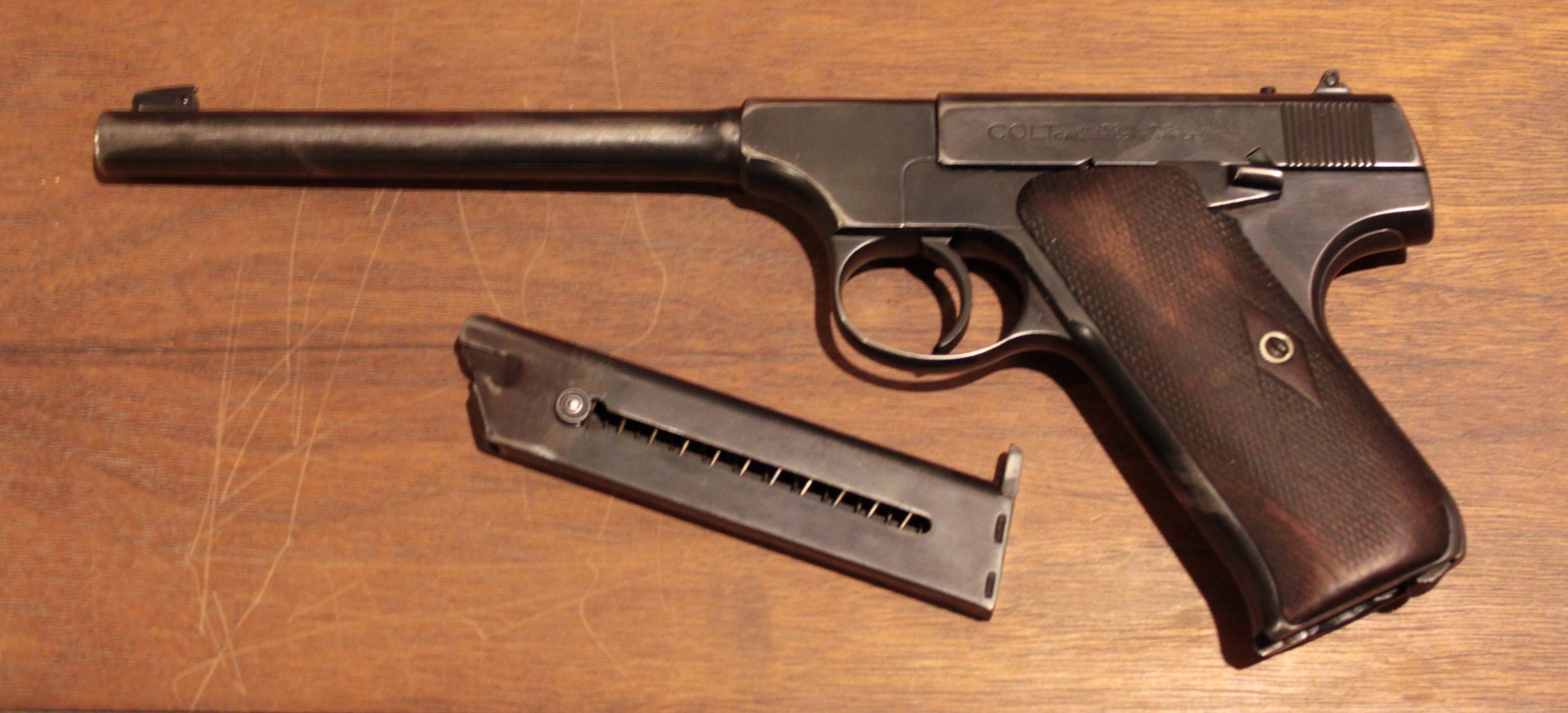
| First Series | 1915 to 1947 | Magazine release at the heel of the grip; no slide hold-open; patent dates on the barrel | Numbers only, or MT prefix on Match Targets |
| Second Series | 1947 to 1955 | Push-button magazine release behind the trigger guard; slide hold-open; magazine safety; lanyard ring | -S suffix (Challenger -C) |
| Third Series | 1955 to 1977 | Magazine release back at the heel; black plastic grips, walnut from 1960 | S suffix (economy models C) |
First Series (1915 to 1947)
The originals. Colt launched the gun in 1915 as the Colt Automatic Pistol, caliber .22 Target Model, which collectors now call the Pre-Woodsman, and renamed it the Woodsman in 1927, with the name on the frame from about serial 54,000. The Sport Model with its 4-1/2 inch barrel arrived in 1933, and the Match Target in 1938. Civilian sales stopped during World War II. First series guns are the most collected, and the early ones are the ones with the ammo rule.
Second Series (1947 to 1955)
Colt came back after the war with a longer, heavier frame and modern controls: a push-button magazine release behind the trigger guard, like a 1911, a slide that locks open on the last shot, a magazine safety and a fully adjustable rear sight. For many shooters it’s the best-handling Woodsman. The Challenger, a fixed-sight economy model, joined in 1950.
Third Series (1955 to 1977)
The third series moved the magazine catch back to the heel of the grip and ran until 1977. It’s the most common series, and its fixed-sight models are the cheapest way into a Woodsman. The Huntsman, about 100,000 of them, replaced the Challenger as the fixed-sight model, and the Targetsman added an adjustable rear sight from the late 1950s. Colt stopped regular production in 1977, because the hand-fitted Woodsman had become too expensive to build.
The Models
| Model | Years | Barrel | Notes |
|---|---|---|---|
| Target | 1915 to 1977 | 6-5/8 in. prewar, 6 in. postwar | The original; Pre-Woodsman to 1927 |
| Sport | 1933 to 1977 | 4-1/2 in. | The field gun Hemingway and hunters carried |
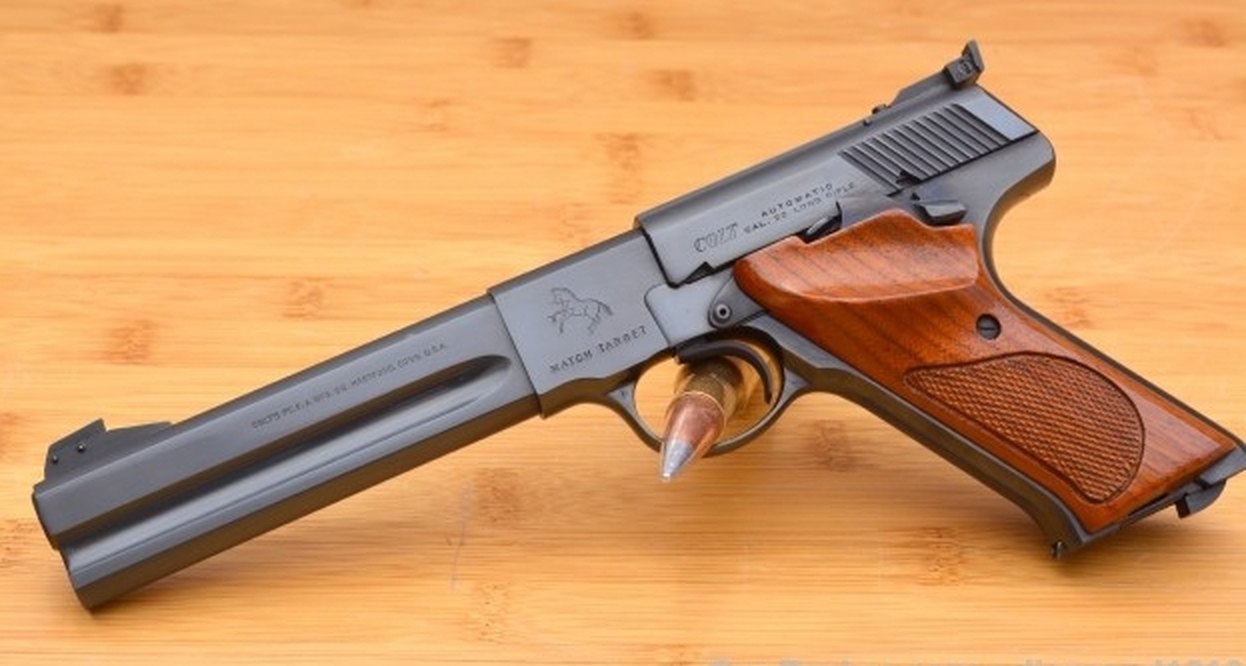
| Match Target | 1938 to 1977 | 6-5/8 in. heavy flat-sided prewar; 4-1/2 or 6 in. postwar | “Bullseye” roll mark; prewar guns have wraparound “elephant ear” walnut grips |
| Challenger | 1950 to 1955 | 4-1/2 or 6 in. | Second series economy model, fixed sights, magazine catch at the heel |
| Huntsman | 1955 to 1977 | 4-1/2 or 6 in. | Third series, fixed sights, about 100,000 made |
| Targetsman | Late 1950s to 1977 | 6 in. | Huntsman with an adjustable rear sight |
WWII U.S. Property Match Targets
When America entered World War II, Colt stopped civilian sales but kept building first series Match Targets for the government through 1944, about 4,000 in all, mostly for pistol training. They’re marked “U.S. PROPERTY” on the frame, with an inspector’s G.H.D. stamp and the Ordnance crossed-cannons mark, and they wear extended checkered plastic grips instead of the elephant ears. Many went to surplus after the war. A lettered one is a serious collector piece, so buy it with a Colt archive letter.
Our dealers had these variants listed when we checked. Each is a single used gun, so they sell fast:
Colt Woodsman Condition Guide
Collectors grade a Woodsman on original blue, original grips, matching magazine and, for early guns, an original barrel. Shooters should add the bore, the recoil spring and the magazines.
| Grade | What you see | What it does to price |
|---|---|---|
| 90%+ original | Deep Colt blue, crisp roll marks, original grips, a bright bore and original magazine | $830 median across all models; a 90%+ Match Target brought $1,386 |
| 70% to 89% original | Holster wear on the muzzle and frame edges, some thinning on the slide, sharp markings | The shooter-collector sweet spot |
| Refinished, damaged or under 70% | Soft lettering, too-bright blue, pitting, replaced grips or barrel | A $554 median across all models |
Holster wear shows first on the muzzle, the front of the frame and the slide edges. Colt’s blue was deep and even; a gun with soft edges on the lettering or a too-bright finish has probably been reblued. On a prewar gun, look at the barrel: it should carry the patent dates, and a prewar barrel without them has probably been replaced.
The High-Velocity Ammo Rule, and How to Check Yours
This is the single most important thing to know before you shoot an early Woodsman. The first guns were built for standard-velocity .22 Long Rifle, the only kind there was. When high-velocity .22 ammo arrived, Colt changed the gun: in 1932 and 1933 it phased in a heat-treated mainspring housing and a stiffer recoil spring. Guns made before early 1933 should stay on standard-velocity ammo.
You’ll read that serial 83,790 is the cutoff. It isn’t a hard line, because the change was phased in across roughly serials 81,000 to 86,000, and Colt didn’t assemble guns in serial order. The reliable check is the mainspring housing, the back strap where the web of your hand sits:
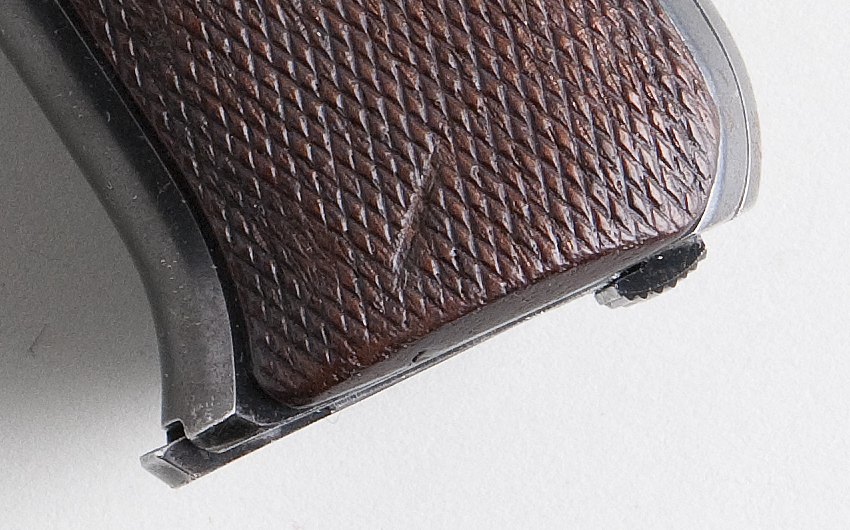
- Checkered back strap: standard-velocity ammo only.
- Horizontal parallel grooves: built for high velocity.
- Every Match Target (1938 on) and every postwar gun: built for high velocity.
If you have an early checkered-housing gun, shoot standard-velocity or target ammo in it. A gunsmith can fit an original high-speed housing and recoil spring, but those parts are scarce now, and on a collector gun the original parts are worth more than the convenience.
Serial Numbers, Markings and Colt Letters
Colt’s online serial lookup gives an approximate year, and Colt itself says not to rely on it for valuation. Use the whole serial, letters and all: 1001, MT1001, 1001-S, 1001-C and 001001S are five different guns, made in 1916, 1938, 1948, 1950 and 1969. A number alone or an MT prefix means first series. An S suffix with a magazine release behind the trigger guard means second series. An S suffix with the release at the heel, or a Huntsman or Targetsman marking, means third series.
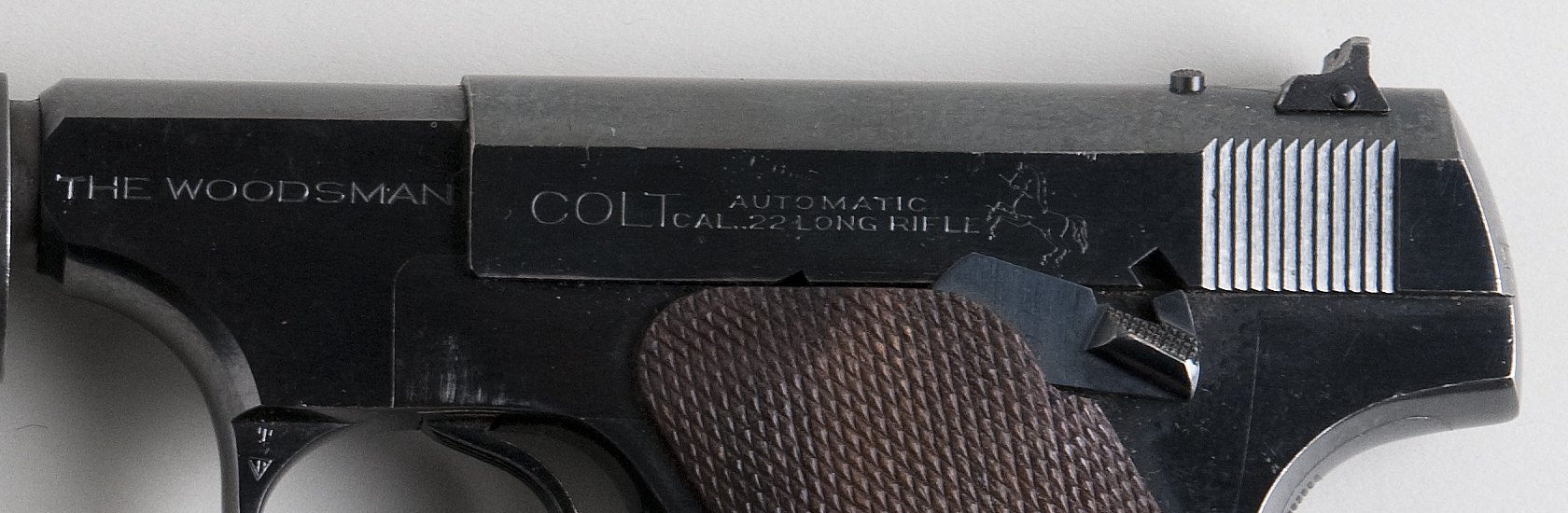
For documentation, order a Colt archive letter from Colt Archive Properties. It confirms the original caliber, barrel, finish, grips, ship date and where the gun was shipped, but not who owned it. Expect it to take several months. On a U.S. Property Match Target or a claimed special-order gun, a letter adds real money.
Refinishes, Replaced Parts and Wrong Magazines
- Refinished guns sold as original. Soft lettering, rounded edges and a finish brighter than the wear on the grips all point to a reblue.
- Replaced barrels. A prewar gun without patent dates on the barrel has probably been re-barreled. Postwar barrels carry no patent dates.
- Wrong or aftermarket magazines. Magazines don’t swap between series, and aftermarket ones are often poor. Originals carry Colt markings.
- Replacement grips. Prewar Match Target elephant-ear grips break, and reproductions exist. Price a gun with reproduction grips accordingly.
- Fake U.S. Property markings. Military markings add money, so they get added. Buy the letter, not the stamp.
- A Colt Ace or another .22 sold as a Woodsman. The Ace is a .22 on the 1911 frame, a different gun.
Colt Woodsman Pre-Purchase Inspection Checklist
Here’s the check we run on every Woodsman before we pay, with the gun unloaded and pointed in a safe direction:
- Remove the magazine, lock or hold the slide back and confirm the chamber is empty.
- Identify the series from the magazine release location and the serial.
- On a first series gun, look at the back strap: checkered or grooved? That decides your ammo.
- Check that the magazine is original and correct for the series, and ask how many come with the gun.
- Look down the bore with a light. Rimfire bores can be pitted from old corrosive ammo.
- Check the breech face and chamber for dirt, wax buildup or pitting.
- Work the slide and check the extractor grabs and throws a case, if you can test with a snap cap or empty.
- On a second series gun, check the slide locks open on an empty magazine and the magazine safety works.
- Check the sights, especially adjustable rear sights, for missing screws and damage.
- Look for refinish tells and, on a prewar gun, the patent dates on the barrel.
- Check the grips for cracks, especially prewar Match Target elephant ears.
- Ask for a return privilege in writing if you can’t handle the gun first.
Shooting and Caring for a Collector Woodsman
| Use | Avoid |
|---|---|
| Standard-velocity 40 grain .22 LR in a checkered-housing prewar gun | High-velocity or hyper-velocity ammo in a checkered-housing gun |
| High-velocity 40 grain in postwar guns and grooved-housing prewar guns, which are sprung for it | Greased or waxed bulk ammo that gums up the chamber |
| Original Colt magazines loaded one round at a time | .22 Shorts, which fire but won’t cycle the action |
| A clean chamber and breech face | Poor aftermarket magazines |
How to Take a First Series Woodsman Apart
Colt’s own instruction sheet for the first series gun lays out the takedown, and it’s worth following exactly, because this is where most owners get stuck:
- Press the magazine catch at the heel of the grip, remove the magazine and check the chamber is empty.
- Hold the pistol in your left hand and pull the slide all the way back with your right thumb and middle finger.
- With your index finger, push down the assembly lock plunger on top of the slide, and keep pressing it while you let the slide run forward to the closed position.
- With the slide closed, pull the trigger and release the plunger.
- Press the mainspring housing where it’s knurled, upward and inward at the same time. It releases, and the magazine catch and sear spring, which are pinned together, come out with it.
- Draw the slide back off the frame.
To reassemble, slide the top back on and push it closed, refit the magazine catch and sear spring with the catch’s lug in its slot and the sear spring under the hammer strut, pull the trigger so the hammer is fully forward, then hook the top of the housing under the frame and press the bottom until it snaps in. Colt’s note on the sheet is the one to remember: if the recoil spring jumps off the assembly lock, press it back into its forward position and hold it there by pressing down the assembly lock plunger. Postwar guns strip differently, so find the manual for your series before you start.
Magazines: What Fits What
Magazines are the Woodsman’s most common headache, so it’s worth knowing the rules before you buy spares. Prewar magazines won’t work in postwar guns, and postwar magazines won’t work in prewar guns. Second series magazines work in third series guns, but only early third series magazines, the ones with a cut on the right side, work in second series guns. The cut can be added to later magazines. Prewar magazines were two-tone until about 1939-40 and solid blue after, and both are correct. Only Match Target magazines are marked MATCH TARGET on the bottom.
Aftermarket Woodsman magazines exist, but they’re often poor and frequently malfunction. Original Colt magazines carry Colt markings, and on a collector gun a correct original magazine is part of the value. If a seller includes three or four originals, that’s worth money.
Grips by Era
Grips help date a gun and spot swaps. All second series Woodsmans and all Challengers left the factory with plastic grips, a swirled orange, black and brown material that looks like wood grain and that Colt called Coltwood. Third series guns started with black plastic, and at about serial 189200-S, in 1960, Colt switched to real walnut, offering thumbrest walnut stocks at no extra cost. Prewar Match Targets often wear replacement stocks, because the original elephant-ear grips broke or went missing, and a set of originals adds real money.
Clean the chamber and breech face after every session, because .22 lube and wax build up there and cause extraction trouble. When you strip the gun, keep a finger on the recoil spring so it stays captured, and don’t force the slide back on if it binds. The parts that wear on postwar guns are the firing pin, the extractor and the slide-stop spring. A gunsmith who knows Colt .22s can source them.
This standard-velocity ammo is listed at our dealers right now. It’s the right ammo for a checkered-housing prewar gun and safe in every Woodsman, though some postwar guns need high velocity to cycle reliably:
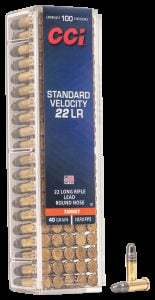
For postwar and grooved-housing guns, these .22 LR deals are on sale today:
.22 LR Deals for a Postwar Woodsman
On-sale 22 lr classic pistol from 200+ retailers · Updated every 4 hours

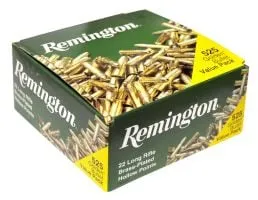
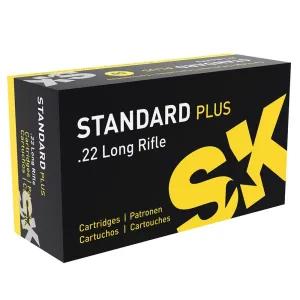
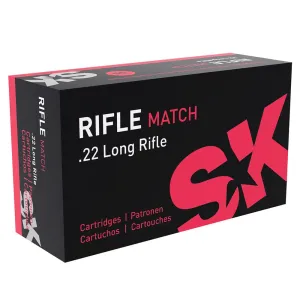
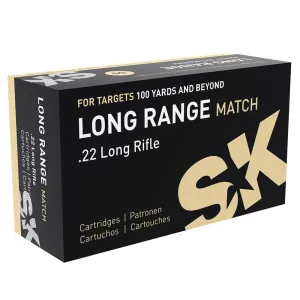

Our best .22 LR ammo guide covers match and standard-velocity loads in more depth.
A Short History of the Colt Woodsman
John Moses Browning designed the pistol, and Colt engineers George Tansley and F.C. Chadwick refined it before launch. Browning’s patent, US 1,276,716, was filed in 1917 and granted on August 27, 1918, describing “an automatic pistol specially adapted for accurate target practice.” Colt introduced the gun in 1915 as the .22 Target Model, and in 1927 gave it the name that stuck: the Woodsman.
Through the 1930s Colt added the Sport Model and the heavy-barreled Match Target, and in 1932-33 re-engineered the gun for the new high-velocity ammo. During World War II the civilian gun disappeared, but about 4,000 U.S. Property Match Targets went to the government. After the war came the second series, the Challenger, then the third series, the Huntsman and the Targetsman.
By the 1970s the Woodsman’s hand fitting made it expensive to build. Colt ended regular production in 1977 after more than 690,000 guns, and a few hundred more were assembled from leftover parts into the late 1980s.
Why the Woodsman Is Still So Popular
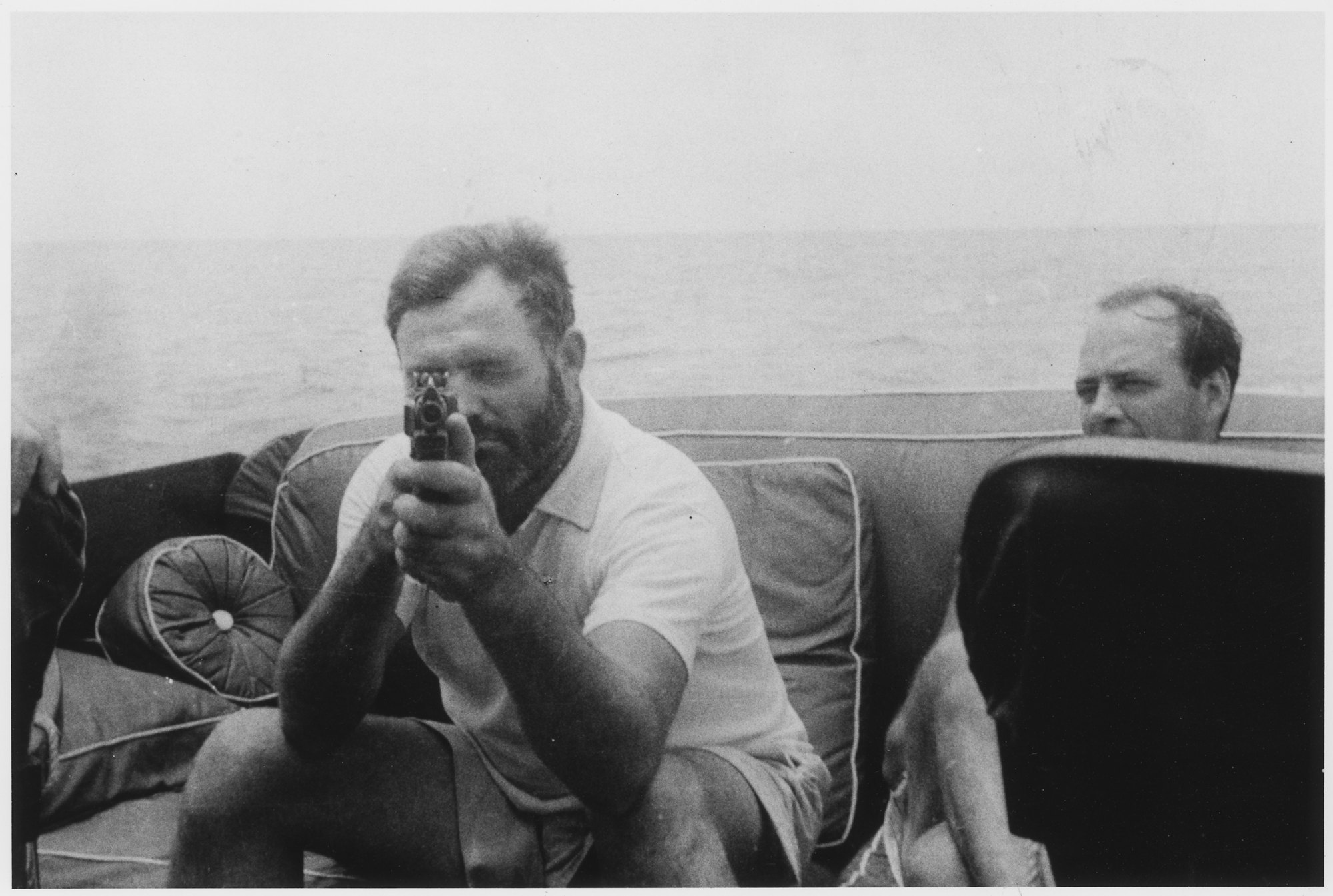
Ernest Hemingway is part of it. He owned at least three Woodsmans, a 1919 Target and two second series Match Targets he bought at Abercrombie & Fitch in 1953, and in 1938 he wrote in Ken magazine that he recommended “a .22 caliber Colt automatic pistol, Woodsman model.” ATF’s own curio and relic list names one of his Match Targets by serial number. The professional hunter Harry Selby carried a third series Sport in Botswana for about 40 years.
The rest is simple. It’s a John Browning design, it points beautifully, it’s accurate, and a clean one is still affordable. It turns up in Raymond Chandler’s fiction and, more recently, in Jesse Pinkman’s hands in El Camino. And every Ruger Mark IV and Browning Buck Mark owes it something.
Woodsman Legal Status: C&R and Antiques
ATF’s Curios or Relics List names the gun directly: “Colt, Woodsman, cal. .22, semiautomatic pistols, all models, all series, all S/Ns, (to include Match Target, Challenger, Huntsmen, and Targetsman), made prior to 1978.” So every factory Woodsman is a curio or relic, and a C&R license holder can have one shipped straight to them. U.S. Property Match Targets are also covered by ATF’s entry for military-marked pistols made before 1946.
No Woodsman is an antique firearm, because that requires manufacture in or before 1898. ATF also lists prewar Woodsmans with original N&S Corporation leather holster stocks as removed from the NFA; any other shoulder stock on a Woodsman could make it a short-barreled rifle, so don’t add one. State rules on handgun rosters and transfers vary, so check yours before you buy.
Where to Buy a Colt Woodsman
- Guns.com. The deepest used selection we track, with detailed photos. Browse Woodsmans on Guns.com.
- Auction houses. Morphy, Rock Island and others describe the series, finish and magazines in detail, but add a buyer’s premium of roughly 20 to 25%.
- GunBroker and gun shows. The widest choice and the best bargains on shooter-grade guns, if you can check the back strap, bore and magazines.
- Colt collector shows. The best place to find a lettered Match Target or U.S. Property gun, and to learn what original looks like.
Wherever you buy, ask the same questions before you pay:
- Which series and model is it, and what’s the full serial?
- Is the back strap checkered or grooved?
- How many magazines come with it, and are they original Colt?
- Is the finish original, and are the grips original?
- Is there a Colt letter or the original box?
- Can I return it if it isn’t as described?
Colt Woodsman vs. Its Rivals
| Pistol | Years | Why you’d pick it |
|---|---|---|
| Colt Woodsman | 1915 to 1977 | The original: Browning design, Colt fit and finish, collector value |
| Ruger Mark IV | 2016 to today | Cheap, accurate, one-button takedown, fully supported |
| Browning Buck Mark | 1985 to today | Great trigger and sights, many versions, still made |
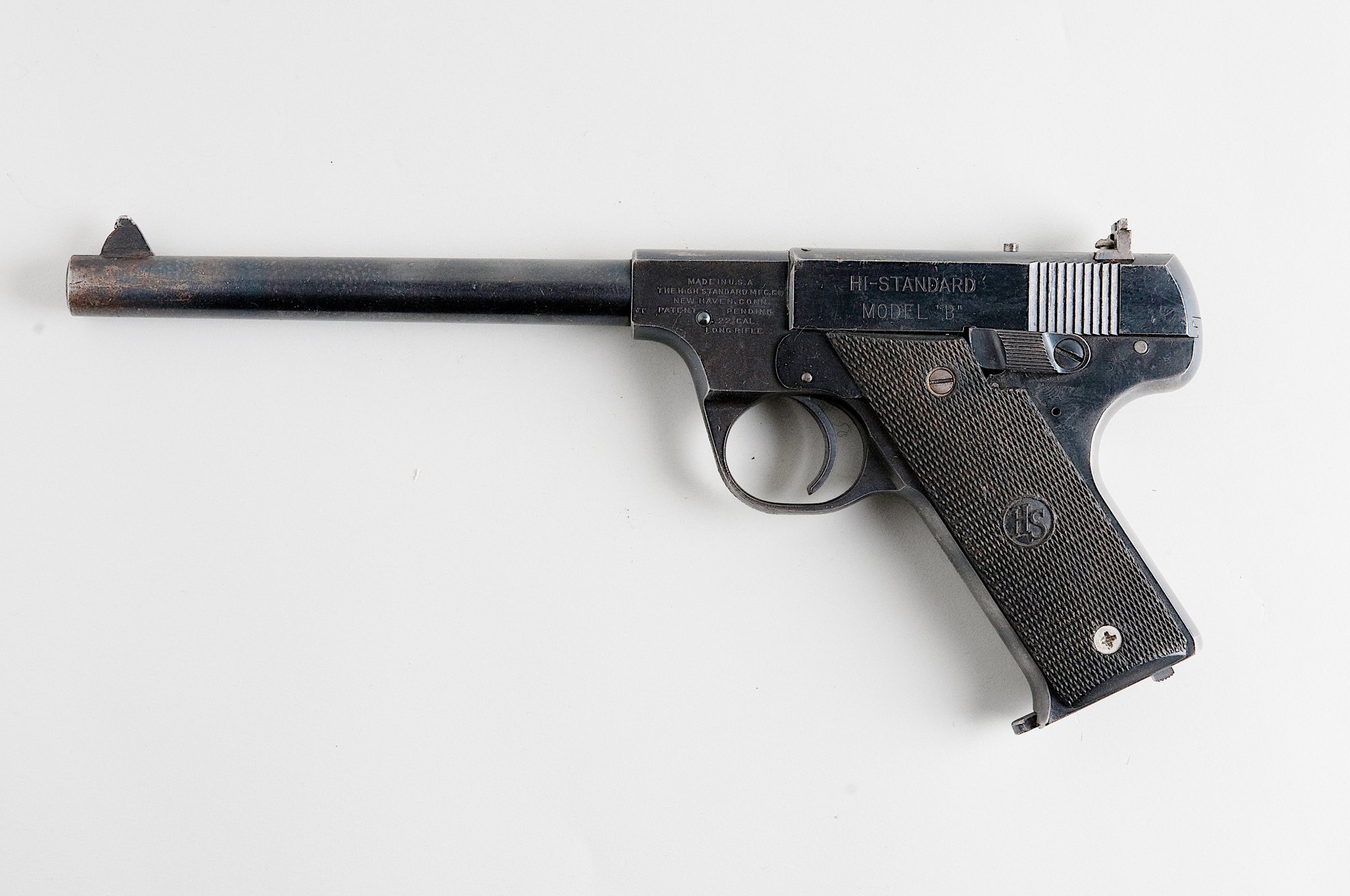
| High Standard | 1932 to 1984 | The other great vintage American .22 target pistol |
Woodsman vs. the Ruger Mark IV
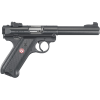
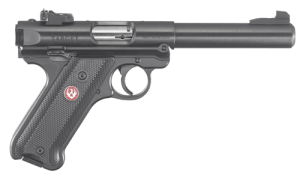
Ruger’s .22 pistol line began with the Standard of 1949, and today’s Ruger Mark IV is the shooter’s choice: cheaper, easy to strip with one button, and backed by a company that still makes parts. A Mark IV Target is as accurate as most Woodsmans. What you give up is the Colt fit, the Browning pedigree and a gun that gains value instead of losing it.
Woodsman vs. the Browning Buck Mark
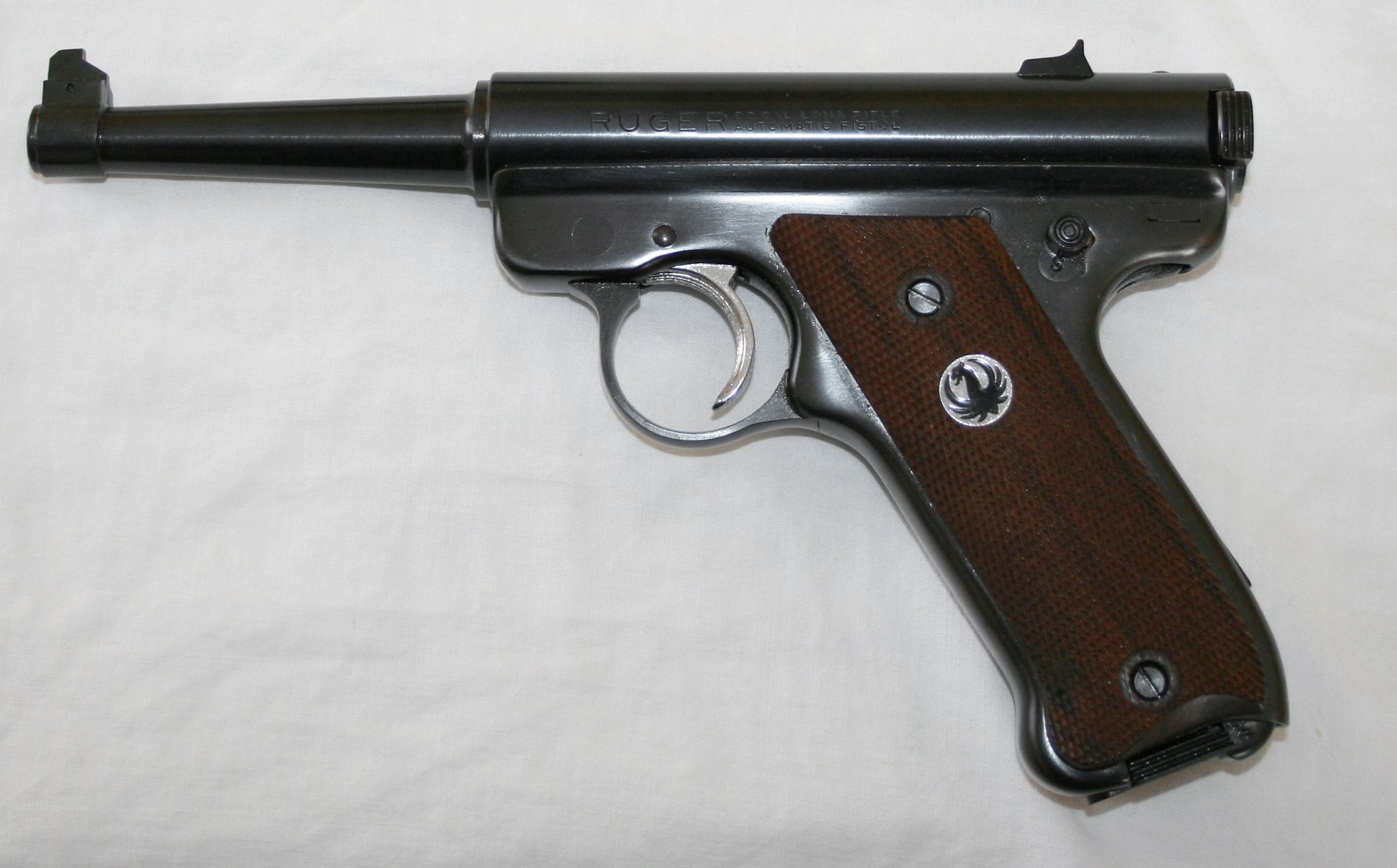
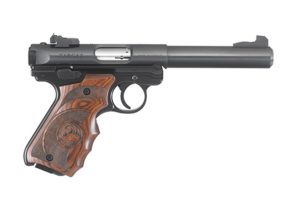
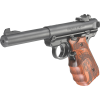
The Browning Buck Mark is the modern .22 pistol closest in spirit to the Woodsman: a good trigger, great sights and a lot of versions. It’s the better pick if you want a new gun with a warranty. The Woodsman is the pick if you want the pistol John Browning actually designed.
Final Verdict
The Colt Woodsman is still one of the finest .22 pistols ever made. Buy a postwar Target or Sport to shoot, a prewar gun or Match Target to collect, and check the back strap before feeding an early gun anything but standard-velocity ammo. Bring the right magazines, learn the takedown, and it’ll shoot as well as it did for Hemingway.
Nearly 700,000 made, 62 years in production and a design that every .22 pistol since has borrowed from.
FAQ
How much is a Colt Woodsman worth?
In 419 completed sales from January 2024 to September 2026, the median Colt Woodsman-family pistol sold for about $641. By model, Challengers had a median of about $420, Huntsmans $480, Targetsmans $500, Sports $700, Targets $720 and Match Targets $1,080. Guns with 90% or more original finish sold for a median $830, and guns sold with the box or papers brought noticeably more.
Can I shoot high-velocity ammo in my Colt Woodsman?
Every postwar Woodsman and every Match Target can. For a first series gun, look at the back strap: horizontal grooves mean it was built for high velocity, and a checkered back strap means standard-velocity ammo only. Colt made the change in 1932-33, roughly between serials 81,000 and 86,000.
How do I tell which series my Woodsman is?
A first series gun has the magazine release at the heel of the grip and a serial of numbers only, or an MT prefix on Match Targets. A second series gun has a push-button release behind the trigger guard and an S suffix. A third series gun has the release back at the heel and an S suffix, or is marked Huntsman or Targetsman.
Do Woodsman magazines interchange between series?
No. Prewar magazines do not fit postwar guns and postwar magazines do not fit prewar guns. Second series magazines work in third series guns, but only early third series magazines work in second series guns.
When was the Colt Woodsman made?
Colt made it from 1915 to 1977: the first series from 1915 to 1947, the second series from 1947 to 1955 and the third series from 1955 to 1977. It was called the Colt .22 Target Model until 1927, when it became the Woodsman.
Is the Colt Woodsman a curio and relic?
Yes. ATF's Curios or Relics List names every Colt Woodsman made before 1978, all models and series, including the Match Target, Challenger, Huntsman and Targetsman. No Woodsman is an antique.
Did Ernest Hemingway own a Colt Woodsman?
Yes. He owned at least three, including a 1919 first series Target and two second series Match Targets, and ATF's curio and relic list names one of his Match Targets by serial number. In 1938 he recommended the Woodsman in Ken magazine.
Is Colt making the Woodsman again?
No. Colt ended regular production in 1977, and a few hundred more were assembled from leftover parts into the late 1980s. For a new .22 pistol in the same spirit, look at the Ruger Mark IV or the Browning Buck Mark.
5,378+ Gun & Ammo Deals
Updated daily from 200+ top retailers. Filter by category, caliber, action type, and price.