

Last updated October 2026 · By Nick Hall, who has kitted out safes in a garage, a basement and a spare bedroom
Some of the links below are affiliate links, meaning at no additional cost to you, we may earn a commission if you click through and make a purchase.
- Treat every gun as loaded
- Point the muzzle in a safe direction
- Keep your finger off the trigger until you’re ready to shoot
- Know your target and what’s beyond
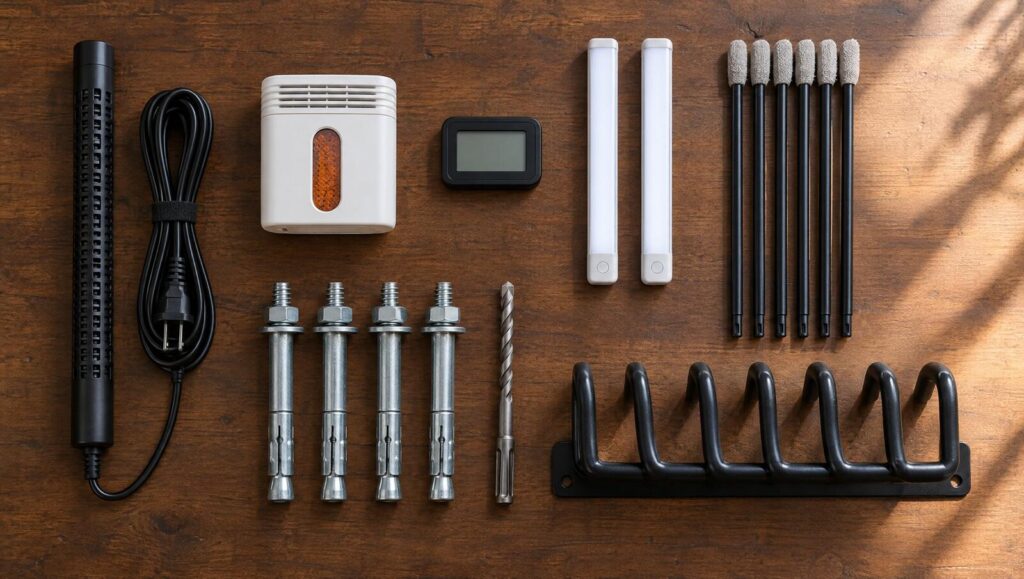
Quick Answer: The best gun safe accessories, in the order I’d buy them, are a bolt-down kit, a hygrometer, a dehumidifier, a motion-sensor light, and then organizers: a door panel, a pistol rack and rifle rods. The first four cost about $90 to $110 together and they fix the three things that actually ruin guns in a safe: theft, rust and fumbling in the dark. Organizers come after, because they make the safe nicer to use, not safer.
Most accessory lists online are shopping lists in no particular order. This one is ranked by what goes wrong if you skip it, and every pick has a live price card pulled from our retailer feeds.
Table of Contents
How we tested: Every pick here is ranked against our testing methodology. Minimum round counts, accuracy and reliability protocols, the failures that disqualify a gun.
Best Gun Safe Accessories in 2026 at a Glance
| Buy order | Accessory | Our pick | What it fixes | Needs power? |
|---|---|---|---|---|
| 1 | Bolt-down kit | Liberty Concrete Floor Anchoring Kit | The safe walking out the door | No |
| 2 | Hygrometer | Hornady Digital Hygrometer | Guessing at humidity | 2 AAA |
| 3 | Electric dehumidifier | GoldenRod GunSaver | Rust, if you have an outlet | Yes, always on |
| 3 | Rechargeable dehumidifier | Hornady Rechargeable | Rust, if you don’t | Only to recharge |
| 4 | Safe light | Liberty Brightview 2 Pack | Fumbling in the dark | 3 AA per light |
| 5 | Door panel organizer | Liberty Accessory Door Panel | Wasted door space | No |
| 6 | Pistol rack | Hornady 8 Gun Pistol Rack | Handguns stacked on a shelf | No |
| 7 | Rifle rods | Gun Storage Solutions Rifle Rods | Scoped rifles that won’t fit the rack | No |
| 8 | Outlet kit | Liberty Electrical Outlet Kit | No way to run power inside | Feeds everything else |
Buy Them in This Order, and Here’s Why
A new safe is an expensive steel box with a door. It doesn’t protect anything until it’s fixed in place, kept dry and easy enough to use that you actually lock it every time. So I rank accessories by the damage you take if you skip them.
Theft comes first. A safe standing loose on the floor can be tipped onto its back, pried at leisure, or dollied out to a truck. Most safes ship with pre-drilled anchor holes for exactly this reason, and a bolt-down kit costs less than a box of range ammo. It’s the cheapest accessory on this page and the only one that stops a thief.
Rust comes second. A sealed box on a concrete slab holds damp air against your steel all year. You can’t see humidity, so the hygrometer goes in before the dehumidifier. Otherwise you’re buying a cure for a number you’ve never measured.
Usability comes third. A light and some organization sound like luxuries, but a safe you can’t see into gets left unlocked “just for a minute”. That’s how guns end up in reach of people who shouldn’t touch them.
1. Liberty Concrete Floor Anchoring Kit: Best First Accessory
- Contents: 4 concrete anchor bolts and a masonry drill bit
- Fits: The pre-drilled floor holes in Liberty safes, and most other brands with standard holes
- Floor type: Concrete (Liberty sells a separate wood floor kit)
- Power: None
Pros
- Cheapest accessory on this page
- Stops tip-over and carry-off theft
- Uses holes already in safe
Cons
- Concrete only, wood needs another kit
- Drilling slab needs a hammer drill
- Harder to move safe later
Four anchors plus drill bit, live pricing
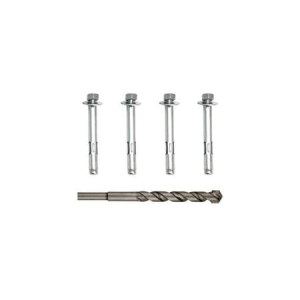
Four bolts and a drill bit doesn’t look like much for a “best of” list. It’s still the accessory I’d buy before anything else. A 600-pound safe feels immovable until two people with a pry bar tip it onto its back, where the door can be worked on with no time pressure at all. Anchored to a slab, it stays upright and stays put.
The kit uses the holes already drilled in the safe floor, so the job is mostly positioning. Put the safe where it will live, mark the holes, move it, drill, set the anchors and torque them down. You need a hammer drill for concrete. A standard drill will just polish the bit. Our step-by-step guide to bolting down a gun safe covers edge distance, slab thickness and what to do if you hit rebar.
One honest warning: an anchored safe is a pain to move. If you might relocate it within a year, still bolt it, then read our guide to moving a gun safe when the day comes.
Best For: Every safe on a concrete floor. If yours sits on a wood subfloor, get Liberty’s wood floor kit instead and hit the joists.
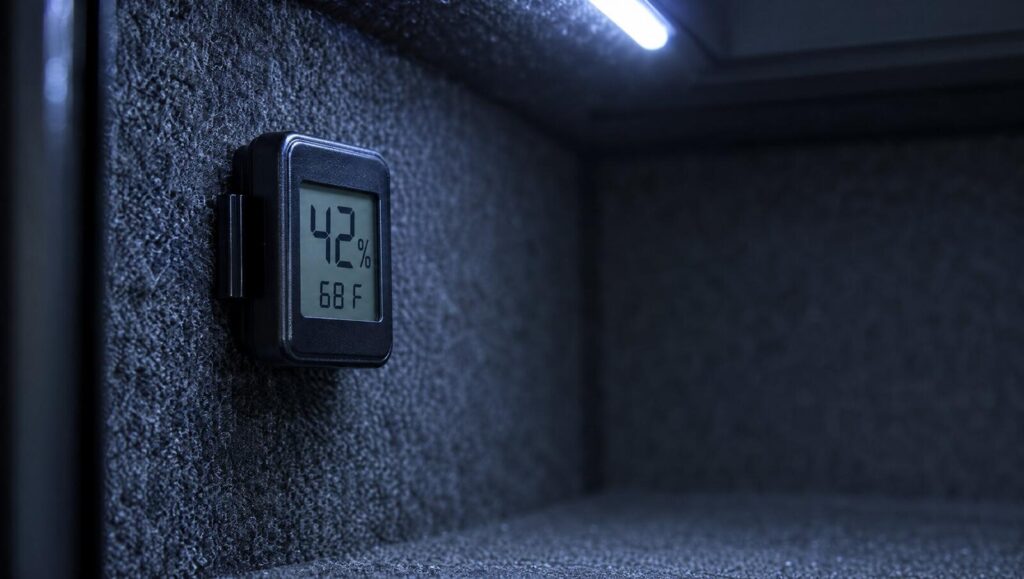
2. Hornady Digital Hygrometer: Best for Knowing Your Humidity
- Reads: Current, high and low temperature and humidity
- Display: Touchscreen, Fahrenheit or Celsius
- Mounting: Quick-connect bracket on the door or wall, or a fold-out stand
- Power: 2 AAA batteries (not included)
- Size: 5 1/8 x 3 1/4 x 1 inches
Pros
- High and low memory catches spikes
- Mounts anywhere in the safe
- Costs about twenty dollars
Cons
- Batteries not included
- Must open safe to read
- Wireless version costs more
Hornady 95909, live pricing
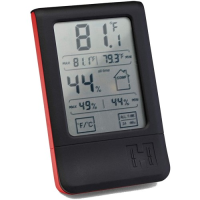
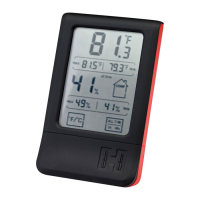
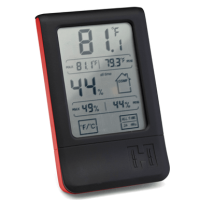
A hygrometer is the least exciting thing you’ll put in your safe and the one that tells you whether everything else is working. Without one, you find out about humidity when you find rust. With one, you see the number creep up in July and act before it costs you a bluing job.
The feature that earns this Hornady its spot is the high and low memory. A single reading when you open the door tells you about that moment. The high reading tells you about the muggy afternoon three days ago when the safe sat at 62 percent while you were at work. That’s the number that matters.
Mount it at mid-height, away from the dehumidifier. A hygrometer right next to a warm rod reads drier than the far corner of the safe, and the far corner is where the rust starts. If you’d rather read the number without opening the door, Hornady also makes a wireless model.
Best For: Everyone, before you buy a dehumidifier. Our gun safe humidity control guide explains how to read the numbers and what to do when they climb.
3. GoldenRod GunSaver: Best Dehumidifier If You Have Power
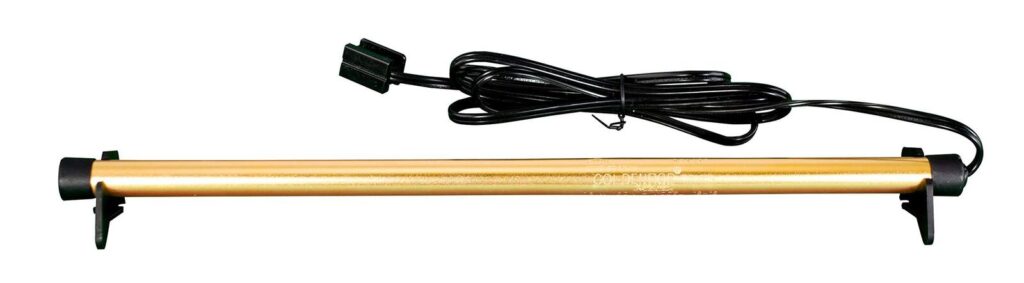
- Type: Electric warming rod
- Lengths: 12, 18, 24 and 36 inch
- Power: Plugged in permanently
- Maintenance: None
- Made by: Lockdown
Pros
- Nothing to recharge, ever
- Pennies a year to run
- Lengths for any size safe
Cons
- Needs a cord into the safe
- Does nothing during a power cut
- Warms the interior slightly
12 and 18 inch GoldenRods, live pricing
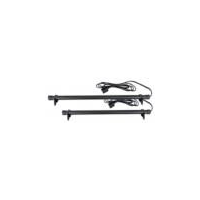
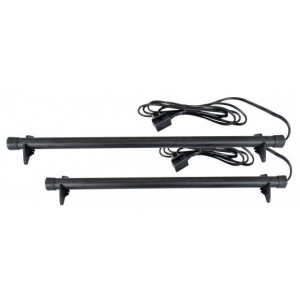
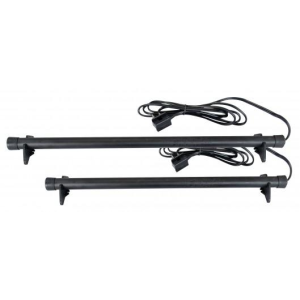
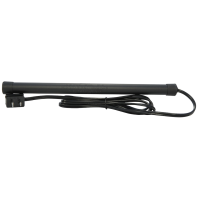
The GoldenRod doesn’t soak up water. It warms the air inside the safe a few degrees, which keeps the steel above the dew point so moisture never condenses on it. It’s a dumb, simple heater, and that’s exactly why it has been the default safe dehumidifier for decades.
Mount it low and horizontal, because warm air rises and carries the effect up through the safe. Pick the longest rod that fits across the floor. If you’re between two lengths, go longer. An oversized rod costs a little more to run, while an undersized one leaves cold corners where condensation forms. The card above mixes 12 and 18 inch rods, so check the length on the listing before you click buy.
The catch is power. Many modern safes have a factory port or an outlet kit. Plenty of older and budget safes have neither, and drilling through a fire liner to run a cord is a job you should think hard about. If that’s you, skip to the next pick.
Best For: Any safe with a power port, especially in a garage or basement. We compare eight options in our best gun safe dehumidifiers roundup.
4. Hornady Rechargeable Gun Safe Dehumidifier: Best With No Outlet
- Type: Rechargeable silica desiccant
- Rated coverage: Up to 333 cubic feet
- Recharge: Plug into a 110V wall outlet, outside the safe
- Indicator: Color-change crystals in a window
- Size: 1.5 x 4 x 6 inches
Pros
- No cord into the safe
- Window shows when it’s full
- Covers most full-size safes
Cons
- Must remember to recharge it
- Out of the safe while recharging
- One unit struggles in humid garages
Hornady 95900, live pricing
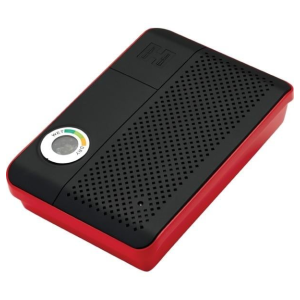
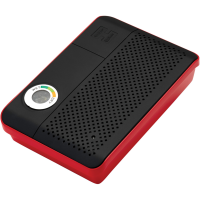
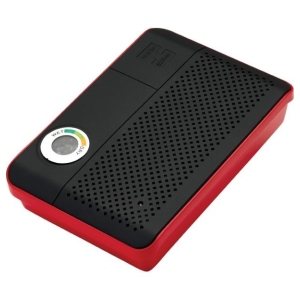
If you can’t run a cord into the safe, this is the fix. The unit is full of silica crystals that pull moisture out of the air. When they’ve soaked up all they can, the color in the window changes. You take it out, plug it into a wall outlet to dry it out, and put it back. There’s no cord inside the safe and nothing to drill.
Hornady rates it for up to 333 cubic feet, which covers most full-size safes on paper. In practice, a desiccant unit fills up faster in a humid garage in August than in a heated bedroom closet in January. That’s why the hygrometer comes first: it tells you whether one unit is keeping up or you need a second.
The weakness is the human one. Rechargeables only work if somebody recharges them. I put a monthly reminder in my phone the day I installed mine. If you won’t do that, pay for the outlet kit at #9 and run a rod instead.
Best For: Safes with no power port, apartments, and anyone who doesn’t want a cord running out of the door seal.
5. Liberty Brightview Safe Light: Best Light for Any Safe
- Pack: 2 wireless LED wands
- Activation: Motion sensor
- Color: 5000K daylight white
- Power: 3 AA batteries per light, run time of 70+ hours
- Size: 7.81 inches long
Pros
- No wiring, fits any safe
- Switches on when the door opens
- Daylight white shows true colors
Cons
- Needs some light to trigger
- Batteries need changing eventually
- Two wands light only one area
Wireless motion-sensor wands, live pricing
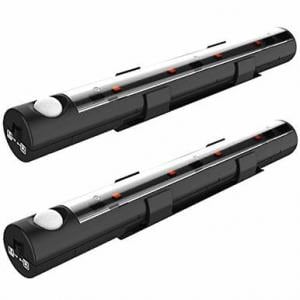
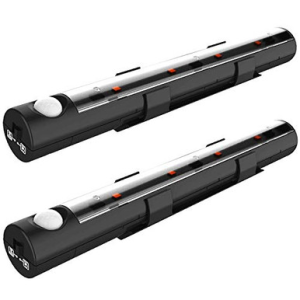
Every safe interior is a dark cave lined in gray carpet, and the overhead light in a basement or closet lands on the back of your head, not on the shelf. A light changes how you use the safe. You stop pulling out three handguns to find the fourth.
The Brightview wins here because it needs nothing from the safe. No port, no outlet, no wiring. The two wands stick inside the door frame and switch on by motion when you open the door. Liberty puts the battery life at more than 70 hours of on time, which is a long while when each opening lasts a minute or two.
One quirk worth knowing before you buy: the sensor reads changes in light, so it needs a little ambient light in the room to fire. In a pitch-black closet at 3 a.m. it may not trigger. If that’s your setup, a wired kit like Liberty’s Clearview wands is the better choice, though it needs power.
Best For: Any safe without a power port, and anyone who wants light today without waiting on an outlet kit.
6. Liberty Accessory Door Panel: Best Organizer for the Space You Waste
- Sizes: Matched to safe size, from 10 1/4 x 49 inches (size 12) to 30 x 61 inches (size 50)
- Holds: Pistols in holster pockets, magazines, documents, knives and small gear
- Fit: Built for Liberty doors, older models may need modification
- Power: None
Pros
- Uses dead space on the door
- Frees shelves for long guns
- Sized for each safe model
Cons
- Measure your door before ordering
- Priciest organizer on this list
- Older safes may need modification
Sized by safe model, live pricing
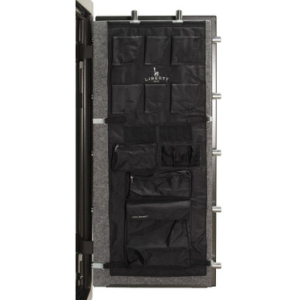
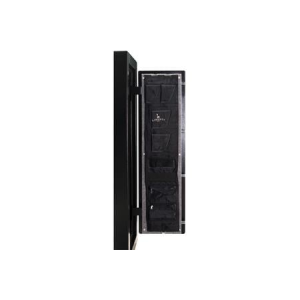
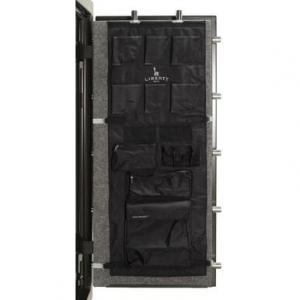
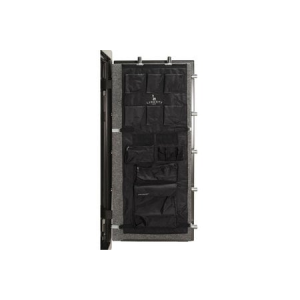
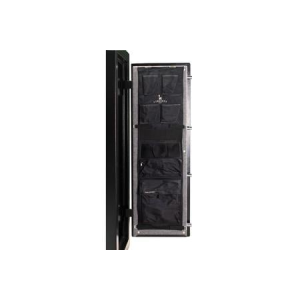
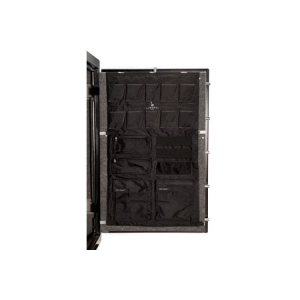
The inside of the door is the biggest unused surface in most safes. A door panel turns it into storage for handguns, magazines, passports and a couple of knives, which frees the shelves for long guns and ammo. On a mid-size safe it can free up most of a shelf.
Sizing is where people go wrong. Liberty makes the panel in sizes keyed to its safe sizes: 12, 17-18, 20-25, 30-40, 48 and 50. The card above shows several sizes side by side, and the price spread is mostly size, not seller. Measure the inside width of your door from edge to edge before you order. If you own another brand, match that measurement to the panel width, not the gun count on the safe’s sticker.
Don’t overload it with heavy handguns at the far edge of the door. The hinges handle the weight, but a door that carries ten pounds of steel on its outer edge swings harder and is easier to bang into a wall.
Best For: Mid-size and large safes where the shelves are already full. If you’ve got a small safe, start with a pistol rack instead.
7. Hornady 8 Gun Pistol Rack: Best Handgun Organizer
- Holds: 8 handguns, barrel down
- Material: Steel with a PVC coating that won’t mar finishes
- Length: About 18 inches
- Mounting: Sits freestanding on a shelf
Pros
- Eight handguns in one shelf strip
- Coating protects slides and finishes
- Cheapest organizer on this page
Cons
- Large-frame revolvers fit poorly
- Needs a shelf about 18 inches wide
- No spot for magazines
Hornady 95840, live pricing
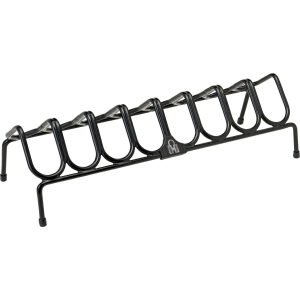
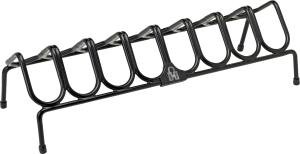
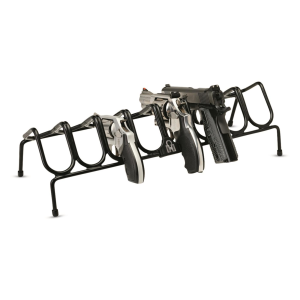
Handguns piled on a shelf scratch each other, hide each other, and somehow always leave the one you want at the bottom. A pistol rack stands them up in a row, muzzle down, so you can see every gun and lift one out without touching the others.
Hornady’s eight-gun rack is a coated steel frame with nothing to install. It sits on a shelf and you slide the pistols over the uprights. It handles the polymer striker guns and 1911s that fill most safes. Big-bore revolvers with long barrels are a looser fit, so if your collection leans that way, look at a foam rack instead.
Measure the shelf first. The rack runs about 18 inches long, and some compact safes are narrower than that inside. The feed also lists Hornady’s 2, 4 and 6 gun racks, which I’ve filtered out of the card above so the price you see is for the eight-gun rack.
Best For: Anyone with four or more handguns in a long gun safe. For a dedicated handgun safe, see our best gun safes for pistols.
8. Gun Storage Solutions Rifle Rods: Best for Scoped Rifles
- Rod length: 16 inches, fits .22 caliber and larger
- How it works: Rod sits in the barrel, its hook top grips a loop-fabric liner on the shelf above
- Kits: 6 packs, plus 5, 10, 20 and 40 rod kits with shelf liner
- Small bores: A separate 14 inch .17 caliber add-on pack
Pros
- Fits scoped rifles the rack can’t
- Adds rifles to the same footprint
- Add rods as the collection grows
Cons
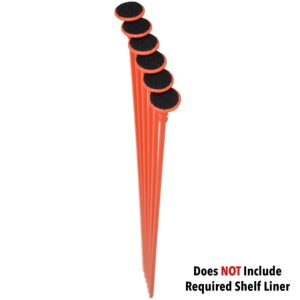
- Shelf liner needed, not in 6-packs
- Rod bows if seated too shallow
- Rack removal takes some work
.22 caliber and up, live pricing
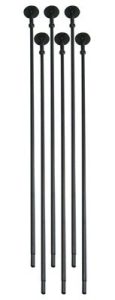
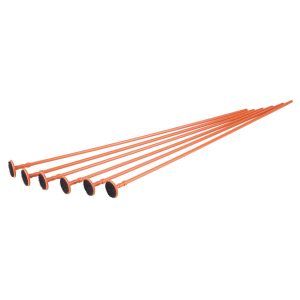
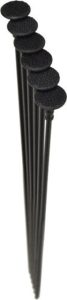
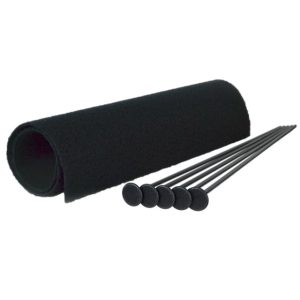
Factory long gun racks are cut for bare rifles from decades ago. Put a scope, a bipod or a suppressor-height mount on a rifle and it no longer nests in the notches beside its neighbors. That’s how a “24 gun” safe ends up holding nine.
Rifle rods fix it by dropping the notched rack completely. Each rod slides down the bore, and its fabric top grips a loop liner stapled to the underside of the shelf above. The rod only steadies the rifle upright. The weight still sits on the floor of the safe, so nothing stresses the barrel.
The maker’s own rule is that the rod has to reach halfway down the barrel, or it bows. On short carbines that means raising the rifle on something like an ammo can. The starter kits include the shelf liner. The bare 6-packs don’t, so buy a kit first and add 6-packs later.
Best For: Anyone with scoped hunting rifles or optic-topped ARs. If you own a .17 HMR, add the .17 caliber pack, since the standard rods won’t fit that bore.
9. Liberty Electrical Outlet Kit: Best Upgrade for Powered Accessories
- Inside the safe: Three 110V outlets, a USB port and a CAT-5 Ethernet port
- Cord: Removable 6 foot cord with a 90 degree plug
- Fits: Liberty safes built after April 2007, and some other brands
- Install: Older safes may need a 2 3/4 inch hole cut in the fireboard
Pros
- Powers rod, lights and chargers
- No cord pinched in the door
- USB charges a phone or light
Cons
- Safe must come off the wall
- Older safes need a hole cut
- Costs more than most picks here
Three outlets plus USB, live pricing
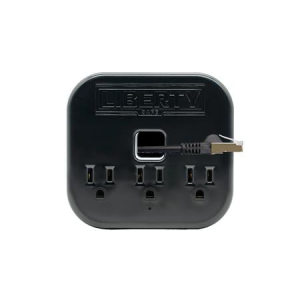
The outlet kit is last on this list because it doesn’t do anything by itself. It’s what lets everything else run without a cord pinched in the door seal: a GoldenRod, a wired light kit and a phone charger, all from one plug in the back of the safe.
Liberty built it as a retrofit for its own safes made after April 2007, and it fits some other brands that use the same cutout. Install means pulling the safe away from the wall, so do it before you bolt the safe down, not after. If your safe is already anchored, that’s a good reason to buy this at the same time as the bolt-down kit.
Best For: Owners of Liberty and compatible safes who want a rod and lights without trailing cords. See our best Liberty gun safes if you’re still choosing the safe itself.
What a Fully Kitted Safe Costs
Nobody else seems willing to add this up, so here it is. These are the price ranges our retailer feeds showed for each pick in October 2026. The cards above update live, so check them for today’s numbers.
| Accessory | Essentials kit | Complete kit |
|---|---|---|
| Concrete anchoring kit | $10 to $14 | $10 to $14 |
| Hornady digital hygrometer | $20 to $23 | $20 to $23 |
| Hornady rechargeable dehumidifier | $20 to $29 | Swapped for a rod |
| GoldenRod 12 or 18 inch | $14 to $30 | |
| Liberty Brightview 2 pack | About $40 | About $40 |
| Liberty door panel | $65 to $120 | |
| Hornady 8 gun pistol rack | $13 to $20 | |
| Rifle rods, 6 pack | $14 to $20 | |
| Liberty outlet kit | About $54 | |
| Total | About $90 to $110 | About $230 to $320 |
Put that next to the safe. A decent full-size safe runs $1,000 or more, so the essentials kit adds about a tenth of that and covers theft, rust and visibility. The complete kit is worth it once your collection outgrows the factory rack, not before.
The Humidity Number to Aim For
Keep the inside of the safe between 40 and 50 percent relative humidity. Liberty Safe and the NRA both put the ceiling at 50 percent, and that’s the line where rust starts to speed up. Above 60 percent you’re gambling with blued steel. Below about 30 percent, wooden stocks can dry out and crack, which is the winter problem in a heated house.
Here’s how I use the hygrometer to choose the rest of the kit:
- High reading stays under 50 percent: one rechargeable unit is enough. Check it monthly.
- High reading creeps to 50 to 60 percent in summer: add a rod, or a second rechargeable unit.
- High reading goes over 60 percent: run a rod and a desiccant together, and look at where the safe sits. A slab in an unheated garage is the worst spot in most houses. Our guide on where to put a gun safe covers better ones.
- Low reading drops under 30 percent in winter: unplug the rod for the season if you store wood-stocked guns.
Gun Safe Accessories That Waste Your Money
Not every accessory earns its spot. These are the ones I’d skip or think twice about.
- Loose silica packets in a big safe. The little packets from shoe boxes hold a few grams of desiccant. A full-size safe needs hundreds of grams. They do nothing useful, and you’ll never know when they’re spent.
- Drilling your own cord hole. A hole through the fire liner is a path for heat in a fire. If the safe has no port, use a rechargeable dehumidifier and a battery light rather than cutting the liner yourself.
- Running a cord through the door seal. It pinches the cord, wears the insulation and stops the door sealing, which defeats part of the fire rating you paid for. Check our gun safe fire ratings guide to see what that seal is doing.
- A dehumidifier with no hygrometer. You’re treating a problem you haven’t measured. It might be working. It might be full. You have no way to tell.
- Organizers before anchors. A pretty door panel in a safe that two people can tip over is the wrong priority.
How I Picked These
Each pick had to fix a specific problem, work in most safes rather than one brand’s, and be in stock at several of our retailers so the price card shows real competition. Specs come from the makers’ own product pages: Lockdown for the GoldenRod, Hornady for the hygrometer, rechargeable unit and pistol rack, Liberty for the anchoring kit, light, door panel and outlet kit, and Gun Storage Solutions for the rods. Where retailer listings disagreed with the maker, I went with the maker. Nothing on this page is sponsored.
Still choosing the safe itself? Start with our best gun safe brands rankings or the gun safe buyer’s guide, then come back here.
FAQ: Gun Safe Accessories
What accessories should I put in my gun safe first?
Bolt the safe down first, then add a hygrometer, a dehumidifier and a light. That order covers theft, rust and visibility for about $90 to $110. Organizers like a door panel, a pistol rack and rifle rods come after, once the safe is anchored and dry.
Do I need a dehumidifier in my gun safe?
Most safes need one, and a safe on a concrete floor or in a garage almost always does. Put a hygrometer in first. If the high reading goes above 50 percent relative humidity, add an electric rod if you have power, or a rechargeable desiccant unit if you don't.
What humidity should a gun safe be?
Keep it between 40 and 50 percent relative humidity. Rust speeds up above 50 percent, and above 60 percent blued steel is at real risk. Below about 30 percent, wooden stocks can dry out and crack, so a heated house in winter can be too dry.
How do I get power into my gun safe?
Use the factory power port if the safe has one, or fit an outlet kit like Liberty's, which puts three 110V outlets and a USB port inside the safe. Don't run a cord through the door seal, and don't drill your own hole through the fire liner. If there's no port, use a rechargeable dehumidifier and battery lights.
Should I bolt down my gun safe?
Yes. An unanchored safe can be tipped onto its back and pried open, or moved out on a dolly. Most safes have pre-drilled floor holes, and a concrete anchoring kit costs about $10 to $14. It's the cheapest accessory you'll buy and the only one that stops a thief.
How do I fit more rifles in my gun safe?
Replace the factory notched rack with rifle rods. Each rod sits in the barrel and grips a fabric liner on the shelf above, so scoped rifles stand upright without bumping their neighbors. Add a door panel organizer for handguns and magazines to free up shelf space too.
4,021+ Gun & Ammo Deals
Updated daily from 200+ top retailers. Filter by category, caliber, action type, and price.
Related Guides