Last updated November 2026 · By Nick Hall
Some of the links below are affiliate links, meaning at no additional cost to you, we may earn a commission if you click through and make a purchase.
- Treat every gun as loaded
- Point the muzzle in a safe direction
- Keep your finger off the trigger until you’re ready to shoot
- Know your target and what’s beyond
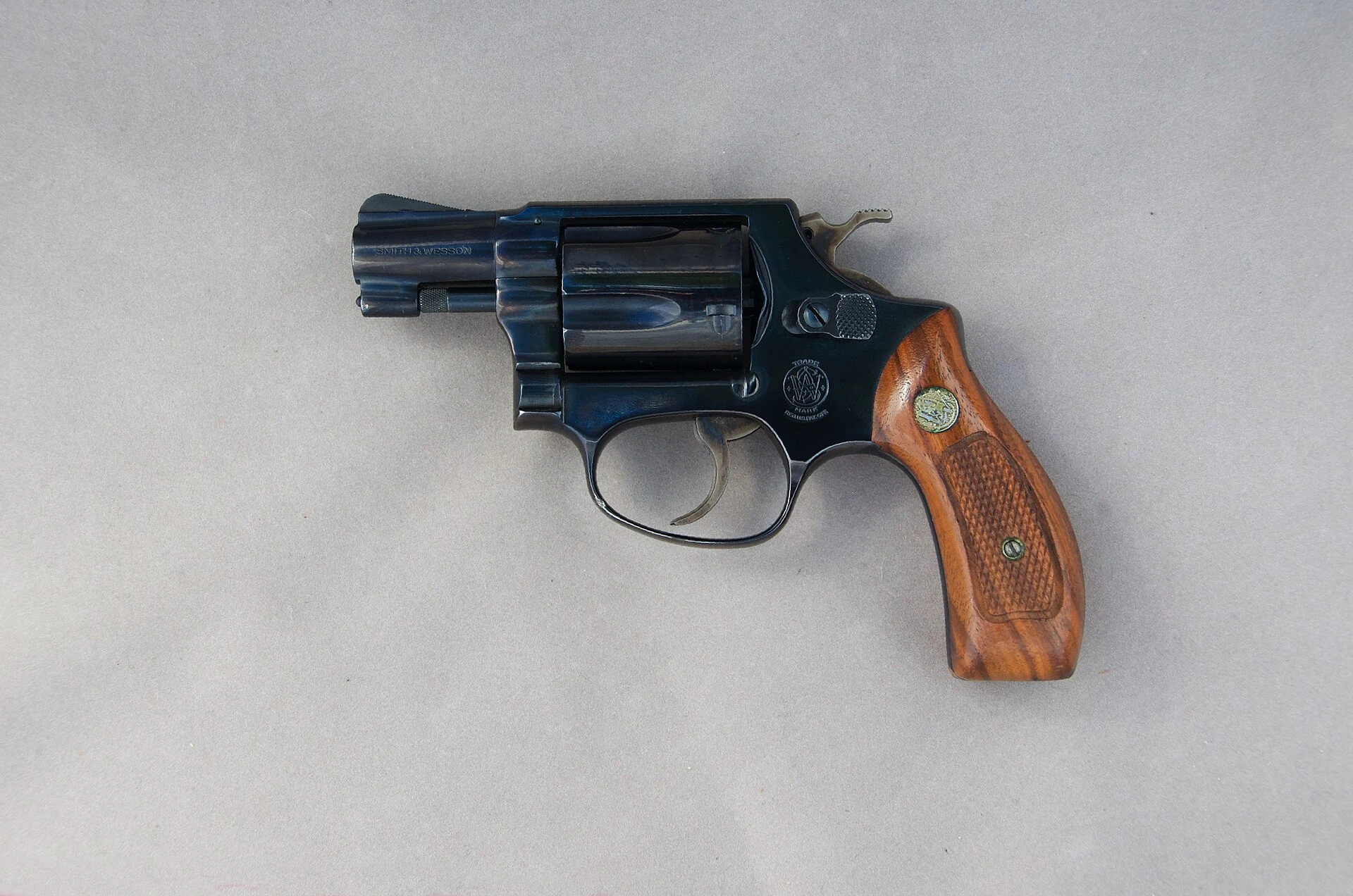
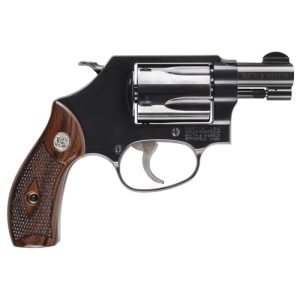
The Smith & Wesson Model 36 is the snub-nose revolver that defined the type. S&W finished the first one on October 24, 1950, and showed it that month at the International Association of Chiefs of Police conference in Colorado Springs, where the chiefs themselves picked the name: the “.38 Chiefs Special.” It was built on a new small J-frame, held five rounds of .38 Special and weighed under 20 ounces. For half a century it was the standard detective’s gun and police backup revolver, and in 1957 it became the Model 36.
S&W dropped the original from its catalog in 1999, brought it back as a Classic with an internal lock in 2008, and in January 2025 launched a no-lock Model 36 Classic rated for +P. Today a good vintage Chiefs Special costs about the same as a used modern J-frame. This guide covers what each version is worth, using 742 completed sales, how the dash numbers work, how to date one, whether it can take +P, and how it shoots.
Quick take
A vintage Model 36 is a classic, carryable all-steel .38 snub for about $480, and it is often a better buy than a new Airweight. Buy a pinned, pre-1982 gun or a nickel gun to collect, shoot standard-pressure .38 Special in anything made before 1996, and buy the 2025 no-lock Classic if you want a new steel J-frame that’s rated for +P.
- Typical used price (Dec 2025 to Nov 2026 sales): about $480 for a vintage Model 36, $598 for a pre-1957 Chiefs Special, $580 for a nickel gun and about $1,115 for a boxed pre-1957 gun
- Caliber: .38 Special, 5 rounds
- Made: 1950 to 1999; Classic with internal lock from 2008; no-lock Classic from 2025 ($849 list)
- Legal: guns made more than 50 years ago, roughly through late 1976, count as curios or relics
How we tested: Every pick here is ranked against our testing methodology. Minimum round counts, accuracy and reliability protocols, the failures that disqualify a gun.
Smith & Wesson Model 36 Pros and Cons
Pros
- The original Chiefs Special snub
- All-steel, so softer than an Airweight
- Vintage guns sell for about $480
- Superb vintage single-action trigger
- 2025 Classic is +P rated, no lock
- Easy to carry and conceal
Cons
- Only five rounds
- Pre-1996 guns aren’t rated for +P
- Heavy double-action pull on most guns
- Dash numbers don’t date a gun
- Small fixed sights
- Heavier than an Airweight
Smith & Wesson Model 36 at a Glance
| Spec | Vintage Model 36 (1950 to 1999) | Model 36 Classic (2025 no-lock) |
|---|---|---|
| Frame | Carbon-steel J-frame | Carbon-steel J-frame |
| Caliber | .38 Special; +P rated only from the 36-9 of 1996 | .38 Special, +P rated |
| Capacity | 5 rounds | 5 rounds |
| Barrels | 1 7/8 or 2 in. standard; 3 in. and 3 in. heavy | 1.88 in. |
| Butt | Round butt; square butt available from 1952 | Round butt |
| Weight | About 19 to 20 oz. | 19.64 oz. |
| Sights | Fixed ramp front, frame-notch rear | Fixed blade front, frame-notch rear |
| Finish | Blued or nickel | Blued |
| Lock | None | None (the 2008 to 2024 Classic had a key lock) |
| Price | About $480 used | $849 list |
Table of Contents
What It’s Actually Like to Shoot a Model 36: Myth vs. Truth
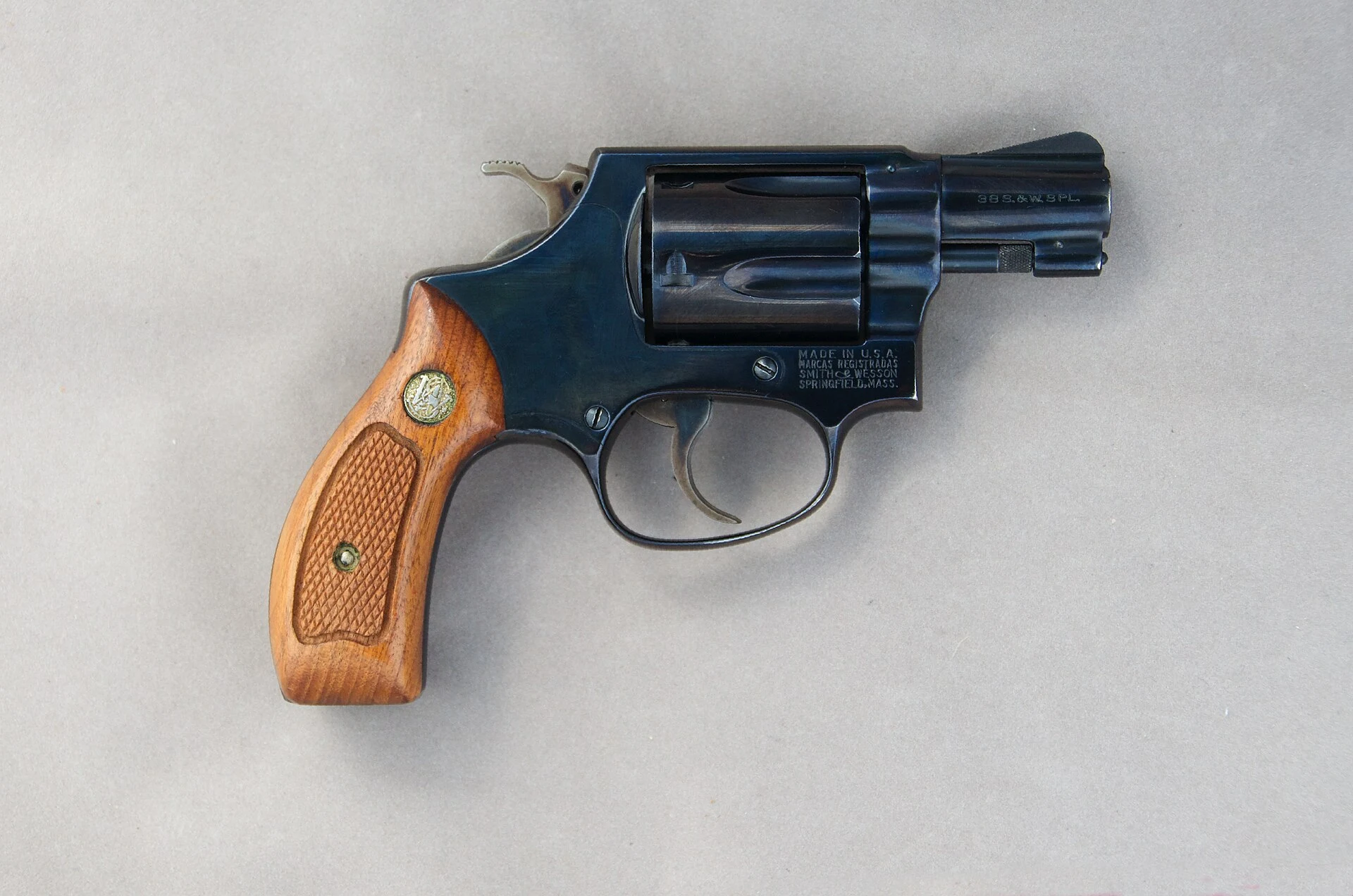
We shot a vintage no-dash Model 36 with a 2-inch barrel, a 3-inch 36-1, and a new 2025 no-lock Model 36 Classic, with standard-pressure .38 Special, wadcutters and, in the Classic only, +P. We kept the vintage guns on standard-pressure ammo.
Like every snub, the Model 36 is a short-range gun, and that’s where we shot it. At 7 yards, five-shot groups averaged about 1.6 inches; at 10 yards about 2.5 inches, and our best Classic group was 1.5 inches; at 15 yards they opened to about 4 to 5 inches with the small fixed sights. Heavier 148- to 158-grain bullets hit near the point of aim, while light 90- to 132-grain loads hit as much as 3 inches low.
The vintage single-action pull is the treat, breaking at about 2.7 lb, while the Classic’s broke closer to 3.9 lb. Double action is heavy on both, about 11.75 lb, though the Classic was smooth with no stacking. From the short barrels, standard .38 Special ran about 750 to 835 fps, +P about 860 fps and wadcutters about 675 fps. The new Classic bound twice in double action in its first 15 rounds, then ran clean after some dry-fire break-in. The all-steel frame makes the 36 noticeably softer to shoot than an alloy Airweight with the same ammo, especially over a couple of boxes.
| The myth | What we found | Evidence |
|---|---|---|
| “You can shoot +P in any Model 36.” | S&W first rated the Model 36 for +P with the 36-9 of 1996. Older guns should shoot standard pressure; +P adds wear, and +P+ is never approved. | S&W manual; Shooting Illustrated |
| “A Model 36 is no softer than an Airweight.” | Same-load velocity is close, but the extra 4 to 5 oz of steel make a long session easier. | Our range session; Gun Tests |
| “Pinned and recessed guns are worth much more.” | Pinned guns sell for about $60 more. No Model 36 ever had a recessed cylinder; S&W recessed only magnums and rimfires. | Our sales data; American Rifleman |
| “A dash number tells you the year.” | Dash numbers ran side by side, so a 36-1 can be newer than a no-dash 36. Use the serial or a factory letter. | Standard Catalog of S&W |
| “The new Classic is a poor copy.” | It had a smooth double action and good accuracy, with a heavier single action and minor finish blemishes. | Our range session |
Who the Model 36 Is For (and Who Won’t Enjoy It)
- The classic-snub fan: it’s the original Chiefs Special, and vintage guns are affordable history.
- The concealed carrier who wants steel: an all-steel J-frame is easier to shoot well than an Airweight.
- The collector: pre-1957 Chiefs Specials, nickel guns, boxed guns and the 36-6 target model are the prizes.
- The new-gun buyer: the 2025 no-lock Classic gives you the look with a +P rating and no key lock.
- Anyone who wants more than five rounds: a Colt Cobra or Detective Special holds six.
- Pocket carriers chasing the lightest gun: an Airweight 442 or 642 saves several ounces.
- Shooters who want +P in a vintage gun: buy a 36-9 or the new Classic instead.
- Anyone who wants target accuracy: the small fixed sights are made for close range.
What a Model 36 Costs in 2026
These are completed-sale prices, not asking prices. We tracked 742 used Model 36 sales: GunBroker sales from December 2025 to November 2026 plus older Connecticut and Rock Island results. Models 37, 38, 60, 442, 642 and LadySmiths are counted separately or left out. We only give a median where we found at least three sales.
Prices by era and dash number
| Type | Median sale | Middle half of sales | Sales tracked |
|---|---|---|---|
| All vintage Model 36s (1950 to 1999) | $480 | $399 to $600 | 704 |
| Pre-Model 36 Chiefs Special (1950 to 1957) | $598 | $448 to $910 | 55 |
| Pre-Model 36 with box | $1,115 | $1,000 to $1,395 | 13 |
| Model 36, no dash | $480 | $399 to $600 | 174 |
| 36-1 (3 in. heavy barrel) | $502 | $398 to $645 | 96 |
| 36-2 to 36-9 (1988 to 1999) | $447 | $395 to $515 | 29 |
| 36-6 Chiefs Special Target | $998 | n/a | 10 |
| 36-10 Classic with internal lock | $422 | n/a | 24 |
| No-lock Classic, used | $524 | n/a | 6 |
Prices by finish, features and extras
| Type | Median sale | Sales tracked |
|---|---|---|
| Nickel | $580 | 81 |
| Blued | $519 | 125 |
| Nickel 36-1 | $655 | 23 |
| Blued 36-1 | $461 | 73 |
| Pinned (before about 1982) | $514 | 283 |
| Not pinned (after about 1982) | $453 | 41 |
| With box or papers | $599 | 123 |
| No box mentioned | $455 | 581 |
| 3 in. barrel | $492 | 158 |
| 2 in. barrel | $484 | 404 |
| LadySmith (listed separately) | $520 | 28 |
Finish and a box move the price more than anything else. Nickel adds about $60 on average and nearly $200 on a 36-1, and a box or papers adds about $145. A pinned barrel adds only about $60. The 2- and 3-inch guns sell for the same money, and police markings don’t add value. The collector tier is the pre-1957 Chiefs Special with its box, at over $1,100, and the rare 36-6 target model at about $1,000. Lock-era Classics sell for less than vintage guns because many buyers avoid the key lock.
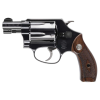
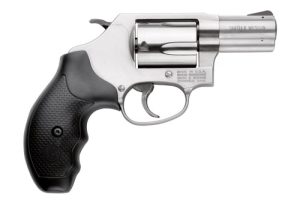
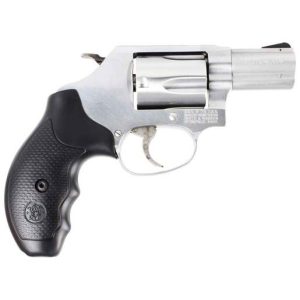
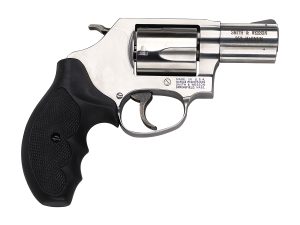
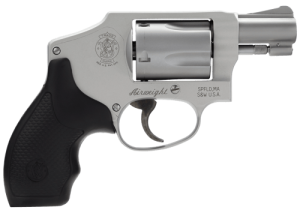
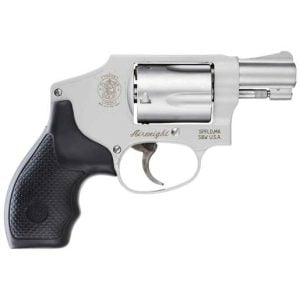
New, S&W lists the 2025 no-lock Model 36 Classic at $849, and street prices run lower; the card below shows today’s best. You can also browse new and used Model 36s on Guns.com.
Model 36 Dash Numbers Explained
S&W used dash numbers to mark engineering changes, but unlike most models, the Model 36’s dash numbers ran side by side. The 3-inch heavy-barrel 36-1 was made alongside the plain 36, so a dash number tells you the configuration, not the year. The model and dash number are stamped inside the yoke cut, visible when you swing the cylinder open.
| Stamp | Year | What changed |
|---|---|---|
| None (Chiefs Special) | 1950 to 1957 | Pre-model-number guns; five-screw frame to 1953, four-screw after; flat cylinder latch |
| 36 | 1957 | Model stamp begins at serial 125,000; hammer and mainspring change in 1962; contoured latch 1966 |
| 36-1 | 1967 | 3 in. heavy barrel, made alongside the plain 36 |
| 36-2 and 36-3 | 1988 | New yoke retention; 36-2 standard barrel, 36-3 heavy barrel |
| 36-4 and 36-5 | 1989 | LadySmith, 2 in. and 3 in. heavy barrel |
| 36-6 | 1989 | Special-production target model, 3 in. full lug, adjustable sights |
| 36-7 and 36-8 | 1990 | Wider front sight and rear notch |
| 36-9 | 1996 | Longer J-Magnum frame and cylinder, rated for +P, MIM hammer and trigger |
| 36-10 | About 2008 | Classic reissue with internal key lock |
S&W dropped the barrel pin around 1982 without a dash change, so check the barrel for a pin above the frame to tell an early gun from a later one. No original-run Model 36 has the internal key lock, which S&W introduced in late 2001.
Which Model 36 to Buy: The Variants
The Pre-1957 Chiefs Special
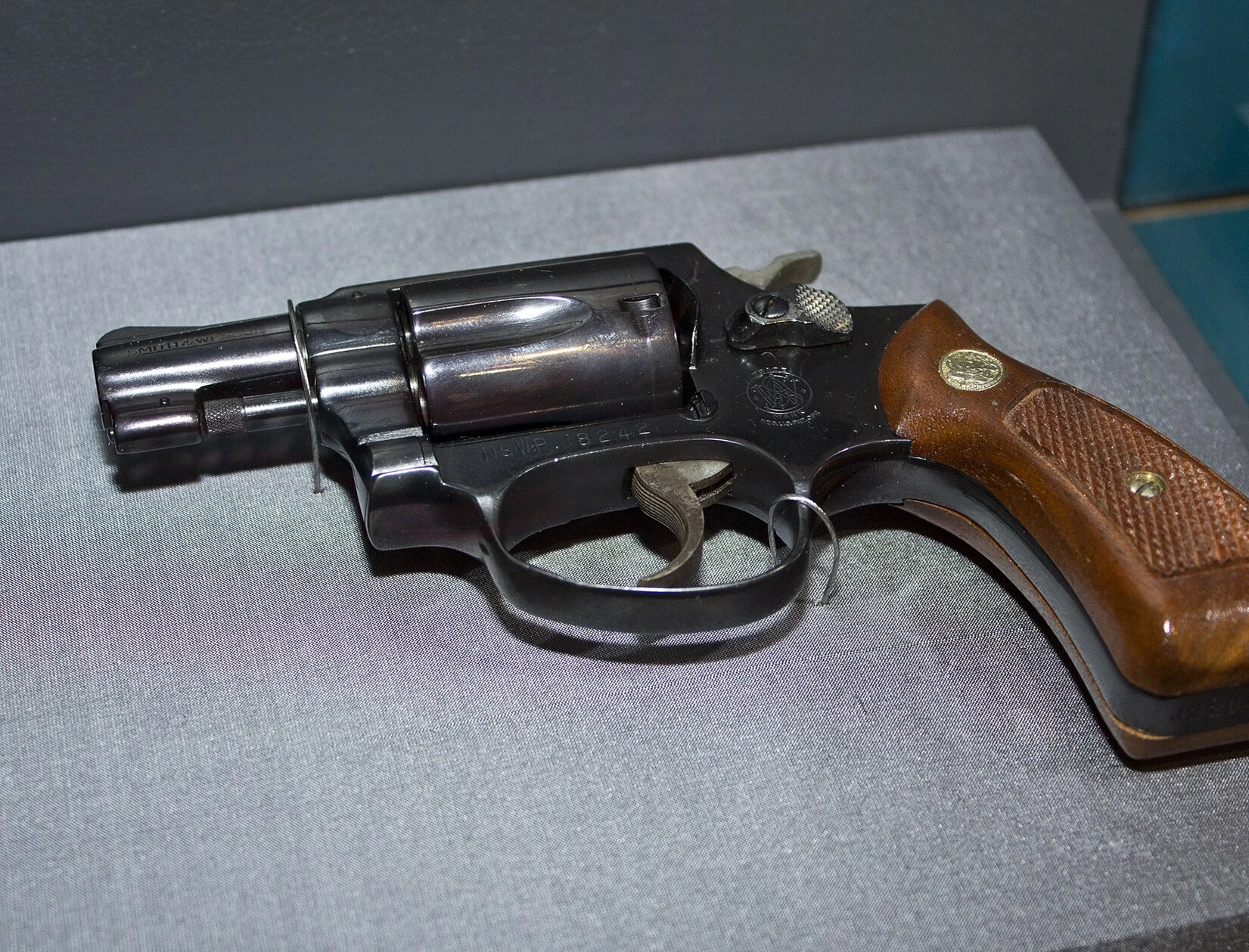
Guns made before 1957 carry no model number and are the collector Chiefs Specials. Early guns had five screws in the frame until 1953, then four. They sell for about $598 on average, and over $1,100 with the original box. Square-butt guns were offered from 1952, at serial 21,342, though most Chiefs Specials have round butts.
The Model 36 and 36-1 (1957 to 1988)
These are the classic Model 36s most buyers find. The plain 36 has the 1 7/8- or 2-inch barrel; the 36-1 of 1967 has a 3-inch heavy barrel. Pinned guns from before about 1982 bring a small premium, and nickel guns bring more. They are excellent carry and collector guns, but they predate S&W’s +P rating.
The Late Guns and the 36-6 Target (1988 to 1999)
The 36-2 through 36-9 are the late production guns. The 36-6 target model, with a full-lug 3-inch barrel and adjustable sights, is rare and sells for about $998. The 36-9 of 1996 moved to the longer J-Magnum frame and is the first Model 36 S&W rated for +P. These late guns sell for slightly less than early ones, at about $447.
The Classics: 2008 Lock and 2025 No-Lock
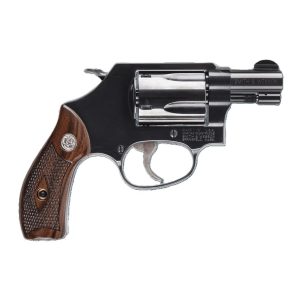
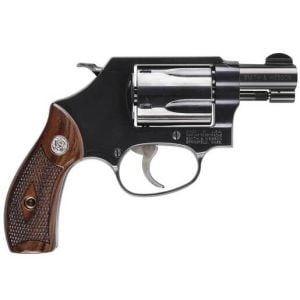
S&W brought the Model 36 back in its Classics line around 2008 as the 36-10, with the internal key lock that many buyers dislike; those guns now sell used for about $422. In January 2025 S&W launched a no-lock Model 36 Classic, SKU 14076, at $849, with a 1.88-inch blued barrel, wood grips and a +P rating. As Shooting Illustrated noted, it’s rated for +P “unlike the early Model 36 revolvers.” A Lipsey’s-exclusive Performance Center Model 36 Field Ethos, double action only, followed in 2026.
Can a Model 36 Shoot +P?
It depends on when it was made. S&W first rated the Model 36 for .38 Special +P with the 36-9 in 1996, and the 2025 Classic is +P rated. For older guns, S&W’s manual says +P “may affect the wear characteristics” and calls for more frequent service, and it says +P+ must never be used. You’ll find forum posts claiming S&W approves +P in every steel J-frame with a model number, but we found no S&W document that says so.
Our advice: shoot standard-pressure .38 Special in any Model 36 made before 1996, and keep a few +P rounds for carry only if you accept the extra wear. A 148-grain wadcutter or a standard-pressure hollow point made for short barrels is a sensible carry load for a vintage gun. Our best .38 Special revolvers guide covers snub ammo in more detail.
Serial Numbers and How to Date a Model 36
The serial is stamped on the butt; numbers inside the yoke cut are the model stamp and assembly numbers. The Model 36 has its own J-frame serial range, and these approximate anchors come from the Standard Catalog of Smith & Wesson:
| Serial | Approximate year |
|---|---|
| 1 | 1950 |
| 21,342 | 1952 (square butt introduced) |
| 28,916 | 1953 |
| 55,050 to 75,000 | 1955 |
| 117,770 to 125,000 | 1957 (model stamp begins at 125,000) |
| 295,000 | 1962 |
| 786,544 | 1969 (end of numeric serials) |
| J prefix | From 1969 |
| Three letters and four digits | From the early 1980s |
Ranges overlap and S&W didn’t ship in serial order, so these are approximate. For a definitive answer, order a factory letter through the Smith & Wesson Historical Foundation for $100; it shows the ship date, configuration and the distributor the gun went to. Our Smith & Wesson serial number guide covers the process.
Which Model 36 Should You Buy?
If you want a Model 36 to carry, start with a sound vintage gun from the 1960s to the 1980s. A plain blued 2-inch Model 36 or 3-inch 36-1 at about $480 to $500 is the sweet spot: it is all steel, it is plentiful, and it shoots as well as any J-frame. Pick one with tight lockup and a clean bore, carry standard-pressure ammo, and you have a gun that will last another lifetime.
If you want to collect, spend a little more for the details that hold value. A nickel gun, a pinned pre-1982 gun or a gun with its box and papers each adds real money at resale, and a pre-1957 Chiefs Special with its box is the top of the regular market. The 36-6 target model is the rare one to watch for, at about $1,000.
If you want a new gun, the 2025 no-lock Model 36 Classic is the one to buy. It is rated for +P, it has no key lock, and it looks like the original. Skip the 2008 to 2024 lock-era Classic unless the price is low, since buyers discount the lock and it sells for less than a vintage gun. If you want the lightest possible carry gun, an alloy Airweight 442 or 642 is a better tool, but it kicks harder.
Known Issues and Quirks
- Heavy double-action pull: about 11.75 lb on the guns we tested. A good revolver smith can smooth it, and many vintage guns have already been worked on.
- Break-in on new Classics: our new Classic bound twice in double action in its first 15 rounds, then ran clean. Dry-fire it with snap caps before you carry it.
- Cylinder gap and loose chambers: one new Classic measured a 0.009-inch gap and one slightly loose chamber. Check the gap on any gun, new or used.
- Finish blemishes: minor finish marks on new Classics are common enough that you should inspect a gun before you take it home.
- Light-bullet point of impact: 90- to 132-grain loads can hit as much as 3 inches low at short range. Test your carry load.
- Vintage wear: older guns can show end shake and timing wear after years of carry. Use the checklist below.
None of these is unusual for a small revolver. The Model 36 has a long reputation for reliability, and a well-kept example, vintage or new, is a gun you can trust.
Carrying a Model 36 Today
The Model 36 was built to be carried, and it still carries as well as almost anything. In a strong-side belt holster or an inside-the-waistband holster it disappears under a shirt, and many owners carry it in an ankle holster as a backup, just as detectives did for decades. A pocket holster works for slim pockets, though the steel frame is heavier than an Airweight and you’ll feel it at the end of the day.
Reloads are the weak point of any five-shot snub. Speed strips carry flat and let you load two rounds at a time; speedloaders are faster but bulkier. Practice both, and practice drawing and firing at 3 to 7 yards, which is where a snub is most likely to be used. For grips, a slightly larger wood or rubber set that fills the space behind the trigger guard makes a big difference in control without adding much size.
Model 36 Condition Guide
Most used Model 36s are sold with a description, not a grade, so learn to read the gun yourself. The NRA’s condition standards are the common language, and our gun values guide explains them in full.
| Condition | What you see on a Model 36 | Effect on price |
|---|---|---|
| New in box | Unfired, box and papers | Top of the range; over $1,100 for a pre-1957 gun |
| Excellent | Over 95% finish, faint turn line, tight lockup | Upper end of the range |
| Very good | Holster wear at the muzzle and cylinder, sharp edges | Near the median |
| Good | Visible wear, freckling, a heavier turn line | 15 to 25% below the median |
| Fair | Worn finish, pitting, replaced grips, loose lockup | Shooter price |
Snubs live in pockets and holsters, so expect holster wear on the muzzle, the front of the cylinder and the grip frame. Nickel guns can flake, so check for peeling. Original diamond-center wood grips, used until about 1968, add a little value; many guns now wear aftermarket grips, so ask whether the originals come with the gun.
Pre-Purchase Inspection Checklist
- Swing out the cylinder and read the model and dash number inside the yoke cut.
- Read the serial on the butt and check it against the chart above.
- With the gun unloaded, cock the hammer slowly on each chamber and confirm the cylinder locks before the hammer is fully back.
- Pull the trigger slowly in double action on each chamber and check that the cylinder carries up and locks.
- Check cylinder play with the hammer down and the trigger held back.
- Push the cylinder forward and back to check end shake.
- Measure the cylinder gap; about .004 to .006 inch is ideal.
- Look at the forcing cone and the top strap for erosion or cracks.
- Look down the bore for pitting or a ring.
- Check for a barrel pin, which marks a gun made before about 1982.
- Check nickel guns for flaking and blued guns for refinish signs.
- Ask whether the original grips and box are included.
Shooting and Caring for a Model 36
A Model 36 rewards practice with mild ammo. Standard-pressure 148-grain wadcutters are pleasant to shoot, accurate and hit close to the sights, and they make a decent carry load in a vintage gun. Practice double action at 3 to 7 yards, where a snub earns its keep, and stage the trigger slowly until the pull feels familiar. Clean the forcing cone and the front of the cylinder after each session, and keep the crane and ejector lightly oiled. On nickel guns, avoid harsh solvents that can lift the plating.
If you carry a vintage gun, a small holster that covers the trigger guard is a must, and a good grip makes a big difference. Many owners fit slightly larger wood or rubber grips that fill the gap behind the trigger guard, which tames recoil without adding much size. Keep the originals with the gun.
The J-Frame Family: How the Model 36 Fits In
The Model 36 is the root of a whole family of small Smith & Wesson revolvers, and knowing the relatives helps you read listings and compare prices. They share the J-frame and the five-shot cylinder but differ in material and hammer style.
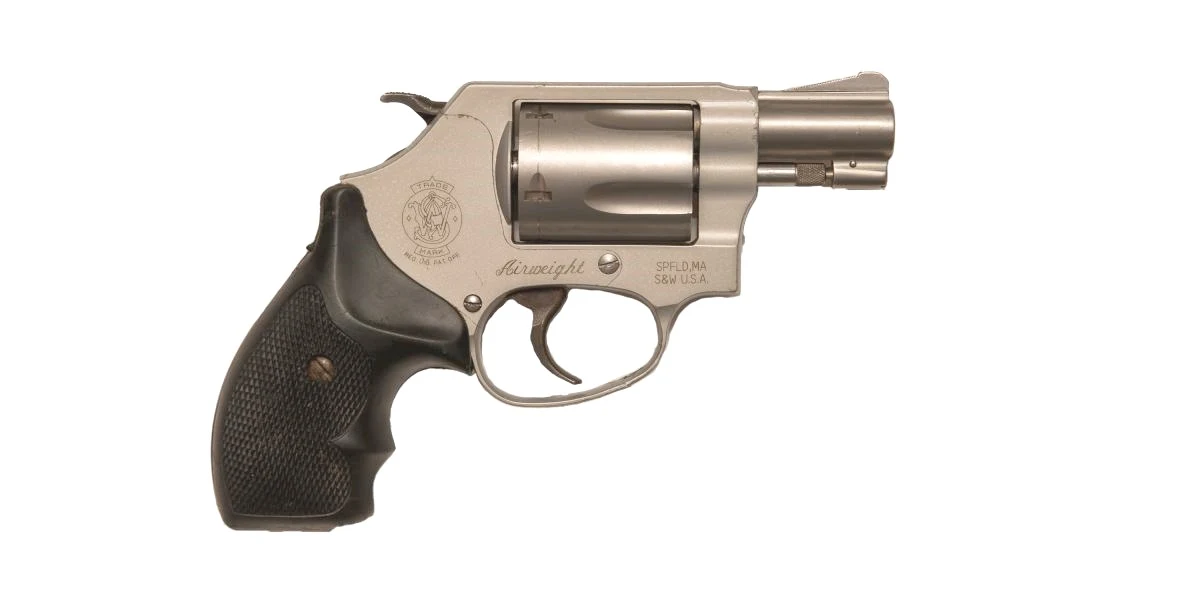
- Model 37 Airweight: the Chiefs Special with an aluminum-alloy frame, from the early 1950s. Lighter to carry, sharper to shoot.
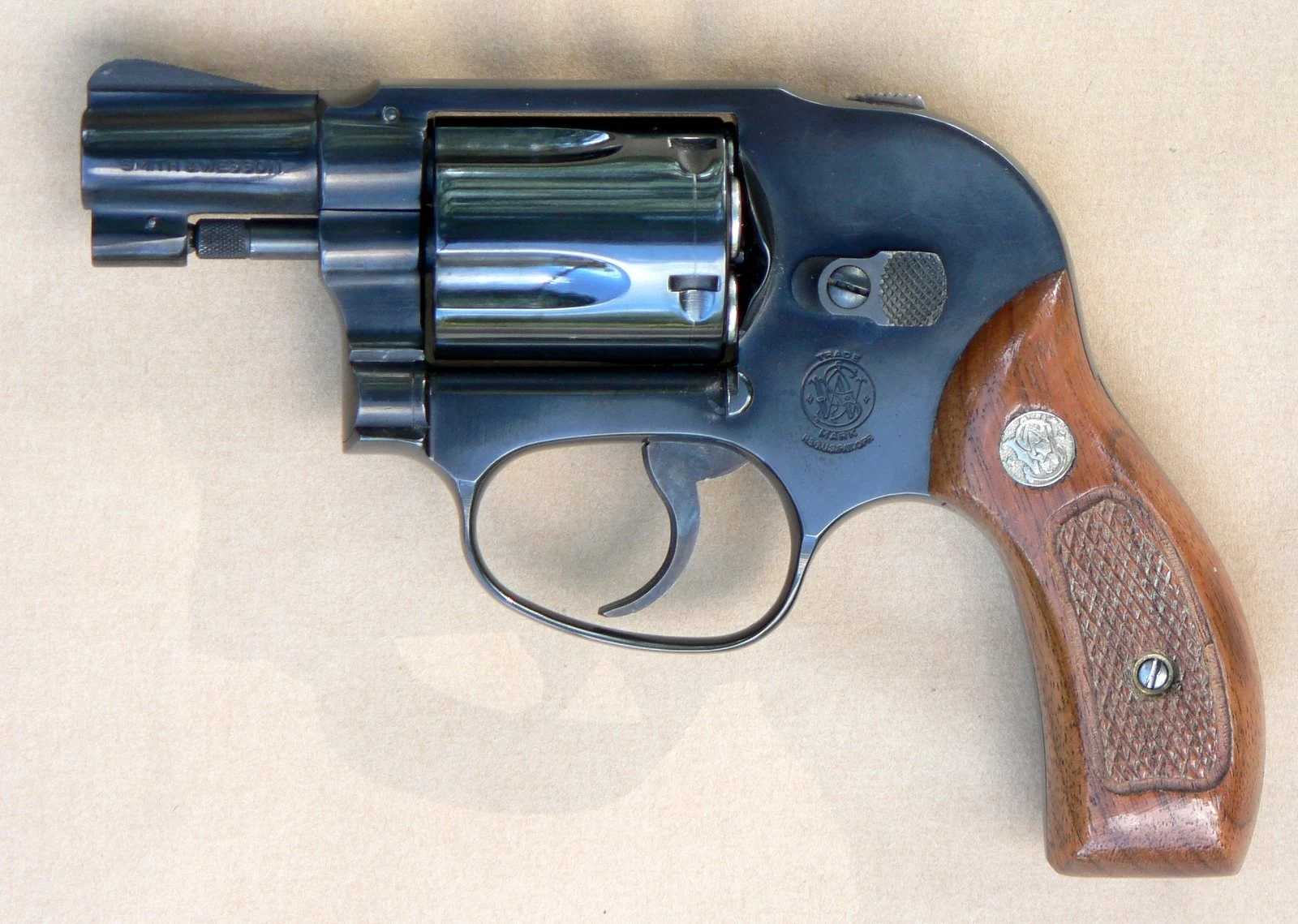
- Bodyguard (Models 38 and 49): a shroud covers the hammer so it won’t snag, while the tip of the spur still lets you cock it.
- Centennial (Models 40 and 42): a fully enclosed hammer for double action only. The modern 442 and 642 Airweights carry on this design.
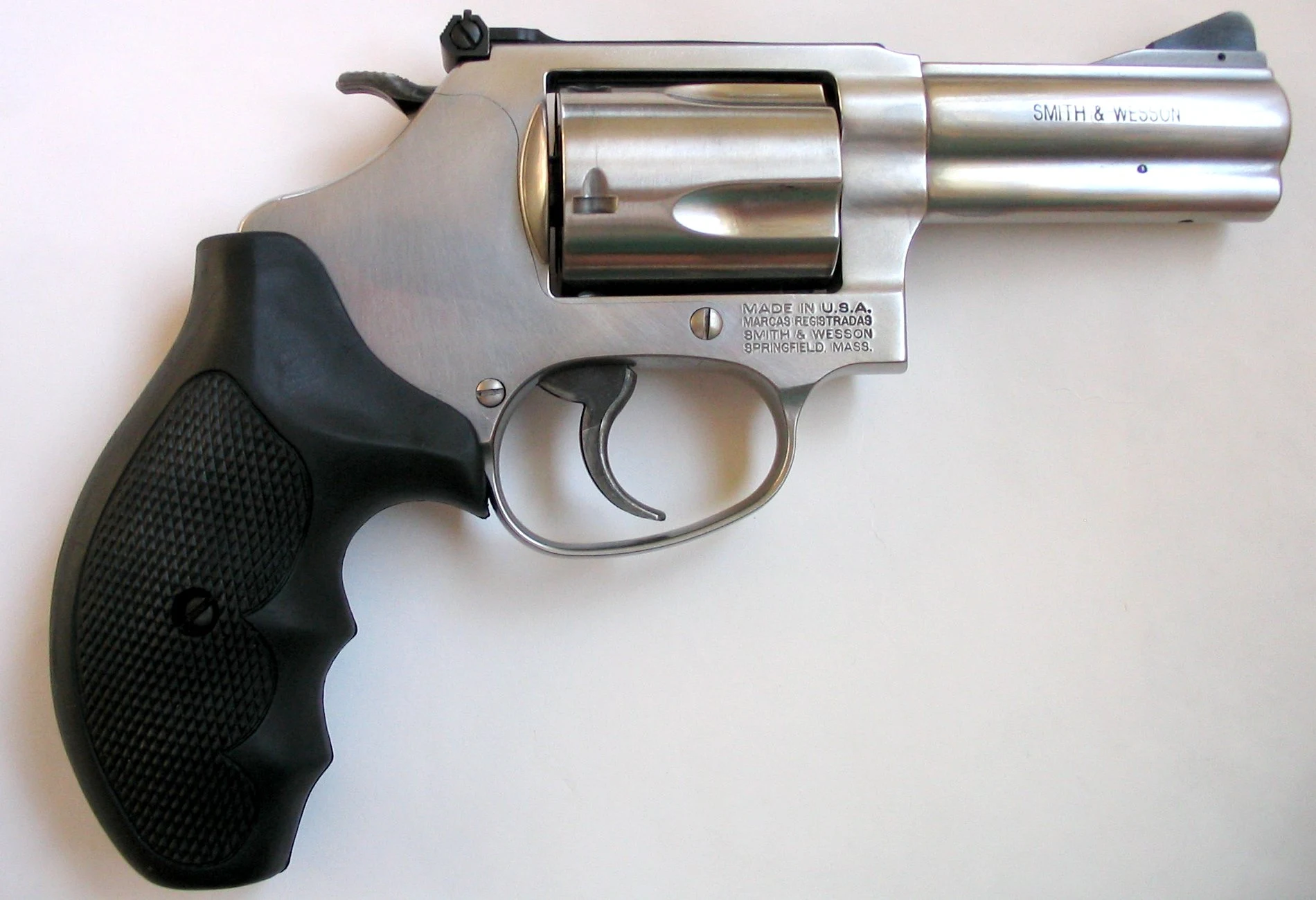
- Model 60: the stainless-steel Model 36, introduced in 1965, and the first stainless revolver from a major maker.
- LadySmith: special-finish versions, including the 36-4 and 36-5 of 1989; they sell for about $520 used.
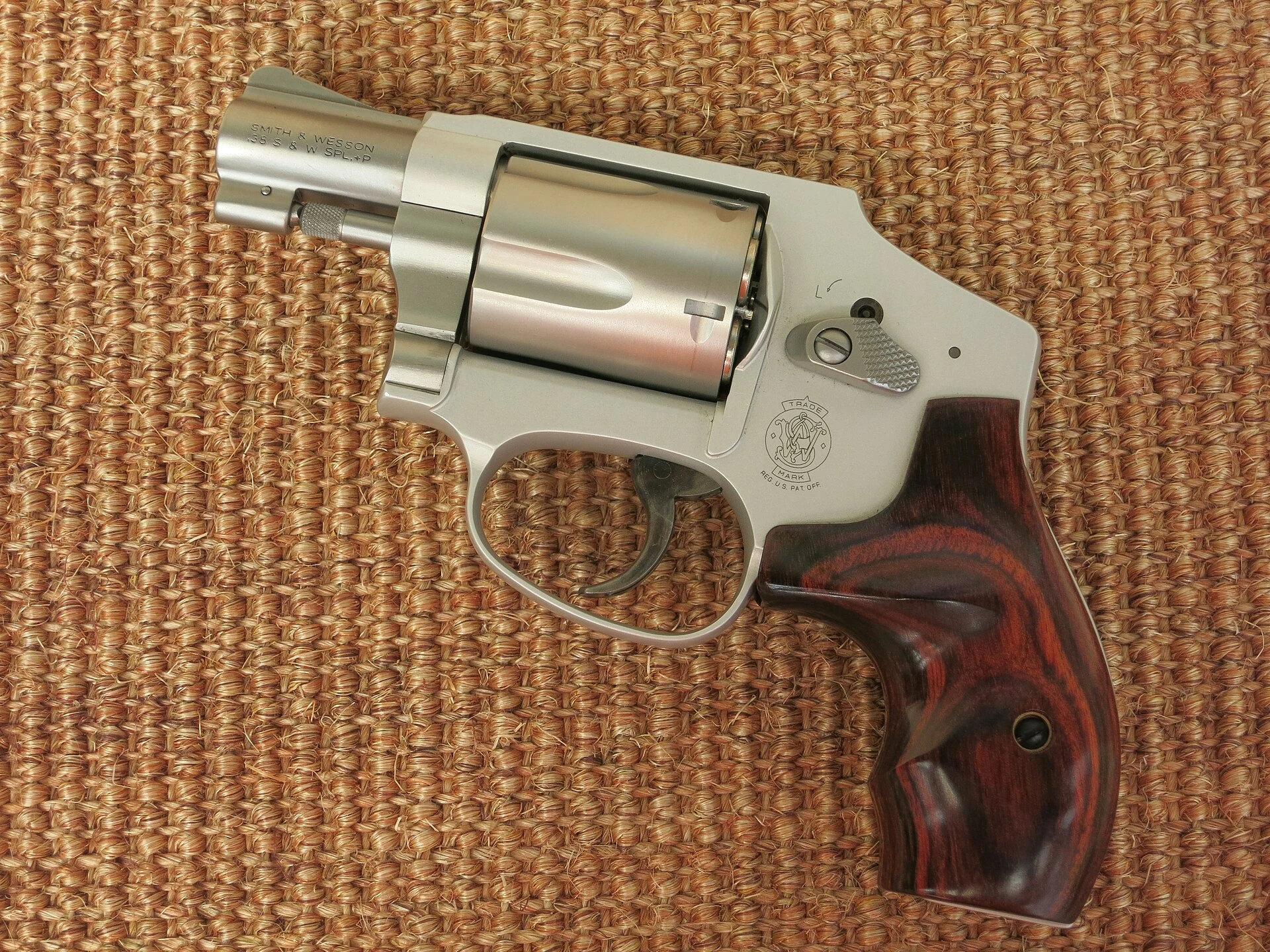
If you’re choosing among them, think about how you’ll carry. The exposed hammer on the Model 36 lets you shoot single action for a precise shot, but it can snag in a pocket. A Bodyguard or Centennial draws more cleanly from a pocket, and an alloy frame saves several ounces at the cost of more recoil. For a range gun or a belt gun, the all-steel Model 36 or 60 is the most pleasant to shoot.
Model 36 History
Smith & Wesson wanted a small .38 Special to win back the detective and plainclothes market. It enlarged its small I-frame, added a coil mainspring and a longer cylinder, and created the J-frame. The first gun was finished on October 24, 1950, and shown at the IACP conference that month, where the chiefs voted to call it the .38 Chiefs Special. It quickly became the standard detective and off-duty gun, and S&W gave it the model number 36 in 1957.
The J-frame family grew around it: the alloy Model 37 Airweight in the early 1950s, the Bodyguard with its shrouded hammer, the hammerless Centennial and, in 1965, the stainless Model 60. The Model 36 itself stayed in the catalog until 1999. S&W revived it as a Classic around 2008, then in 2025 relaunched it without the internal lock, alongside new Model 10 and Model 19 Classics. Our Model 19 guide and Model 10 guide cover those siblings.
Why the Model 36 Is Still So Popular
The Model 36 is small enough to carry every day, simple enough to trust, and handsome in a way few modern guns are. It set the template for every five-shot snub that followed, and for 75 years it has been the gun people picture when they hear “snub-nose .38.” Vintage guns are affordable, they shoot well, and they carry a piece of police history, while the new no-lock Classic proves the design still sells.
Part of the appeal is how little the Model 36 has changed. A Chiefs Special from 1955 and a Classic from 2025 share the same basic frame, the same five-shot cylinder and the same simple controls, so the skills you learn on one carry over to the other. That continuity, plus the steady supply of vintage guns on the used market, means a Model 36 is easy to buy, easy to service and easy to sell when you want something else. Few guns of its age can say the same, and that’s why so many shooters keep one in the safe even after they’ve moved on to newer carry guns.
Legal: Curio and Relic Status
Under federal law, a firearm made more than 50 years ago counts as a curio or relic. As of late 2026, that covers Model 36s and Chiefs Specials made through about late 1976, and more guns qualify every year. A collector with a curio and relic license can have one shipped directly. State laws still apply, including roster rules for new handgun sales. Our curio and relic guide and used guns guide explain the rules.
Where to Buy a Model 36
The new no-lock Classic is at most big retailers. For vintage guns, GunBroker, Guns.com, local dealers and police trade-in sellers have the most listings, and auction houses like Rock Island add a buyer’s premium on top of the hammer price. A plain blued 2-inch gun listed well over $600 should be nickel, boxed, pinned and exceptional, or a rare variant.
- Ask for a photo of the yoke cut showing the model and dash number.
- Ask for the serial number to date the gun.
- Ask whether the original grips and box come with it.
- Ask about timing, lockup and cylinder gap, or buy with an inspection period.
Model 36 vs. Other Snubs
| Gun | Frame | Weight | Capacity | Price |
|---|---|---|---|---|
| S&W Model 36 (vintage) | Steel J-frame | About 19 to 20 oz. | 5 | About $480 used |
| S&W Model 36 Classic (2025) | Steel J-frame, +P | 19.64 oz. | 5 | $849 list |
| S&W Model 60 | Stainless J-frame | Similar | 5 | Similar new |
| S&W 442 and 642 Airweight | Alloy J-frame, enclosed hammer | About 15 oz. | 5 | Lower new |
| Colt Cobra | Alloy (original) or stainless (new) | 15 to 25 oz. | 6 | About $480 to $625 used |
| Colt Detective Special | Steel D frame | About 21 oz. | 6 | Higher |
For more snub choices, see our best snub-nose revolvers, best concealed carry revolvers and classic revolvers guides.
Final Verdict
The Model 36 is the original small-frame snub, and a vintage one is still one of the best buys in revolvers. At about $480 you get an all-steel, five-shot .38 that carries easily and shoots softer than an Airweight. Pay more for nickel, a box or a pre-1957 Chiefs Special if you collect, keep vintage guns on standard-pressure ammo, and buy the $849 no-lock Classic if you want a new gun rated for +P.
Smith & Wesson Model 36 FAQ
How much is a Smith & Wesson Model 36 worth?
In completed sales from December 2025 to November 2026, a vintage Model 36 sold for a median of about $480. Pre-1957 Chiefs Specials sold for about $598, or about $1,115 with the box, nickel guns for about $580 and the rare 36-6 target model for about $998.
Can a Model 36 shoot +P ammo?
S&W first rated the Model 36 for +P with the 36-9 of 1996, and the 2025 Classic is +P rated. For older guns, S&W says +P can increase wear, and +P+ must never be used, so stick to standard-pressure .38 Special in guns made before 1996.
What do the Model 36 dash numbers mean?
They mark engineering changes. The 36-1 of 1967 has a 3-inch heavy barrel, the 36-2 and 36-3 of 1988 have new yoke retention, and the 36-9 of 1996 is the first rated for +P. Dash numbers ran side by side, so they don't date a gun.
How do I date a Model 36?
Check the serial on the butt. Serial 1 dates to 1950, the model stamp begins at 125,000 in 1957, and numeric serials ended at 786,544 in 1969. For an exact ship date, order a factory letter from the Smith & Wesson Historical Foundation for $100.
What is the difference between a Chiefs Special and a Model 36?
They are the same revolver. It was called the .38 Chiefs Special from 1950, and S&W gave it the model number 36 in 1957. Guns without a model stamp are pre-Model 36 Chiefs Specials and sell for more.
Is the new Model 36 Classic any good?
The 2025 no-lock Model 36 Classic lists at $849, is rated for +P and has no internal lock. In our testing its double action was smooth and accurate, with a heavier single action than vintage guns and a short break-in.
What is the difference between the Model 36 and Model 60?
They're the same J-frame design. The Model 36 is carbon steel, blued or nickel, while the Model 60, introduced in 1965, is stainless steel. Shooting behavior is essentially the same.
Does a pinned barrel make a Model 36 more valuable?
A little. Pinned guns made before about 1982 sold for about $514 against $453 for later guns. No Model 36 has a recessed cylinder; S&W recessed only magnums and rimfires.
2,735+ Gun & Ammo Deals
Updated daily from 200+ top retailers. Filter by category, caliber, action type, and price.