

Last updated September 2026
Some of the links below are affiliate links, meaning at no additional cost to you, we may earn a commission if you click through and make a purchase.
- Treat every gun as loaded
- Point the muzzle in a safe direction
- Keep your finger off the trigger until you’re ready to shoot
- Know your target and what’s beyond
The Colt Detective Special is the revolver that made the snub-nose a category. It landed in 1927, rode in plainclothes holsters for the next sixty years, and it still does the one thing no Smith & Wesson J-frame can: it puts six rounds in a gun you can hide. It’s also a 31 to 99 year old Colt with a V-spring action that Colt itself no longer services, and that changes how you should buy one.
This guide is for buyers. We tracked 74 completed Detective Special sales from January 2024 to September 2026, sorted them by issue and condition, and pulled Colt’s own guidance on +P ammo, which contradicts what half the internet repeats. Then we took a second-issue gun to the range with a chronograph and a trigger gauge.
Quick take
A clean second- or third-issue Detective Special is one of the best buys in collectible revolvers: a real piece of police history that still carries and shoots well. Buy one that’s in time, feed it standard-pressure ammo, and don’t expect Colt to fix it.
- Typical price (2024 to 2026 sales): about $725 median; roughly $385 for a refinished or rough shooter, $840 at 90%+ finish, $1,395 like new in the box
- Caliber: .38 Special (some 2nd issues in .32 or .38 Colt New Police), 6 rounds
- Made: 1927 to 1986, then again from 1993 to 1995. Colt doesn’t make it today
- +P: Colt says “+P is not suggested for models made prior to 1980”
How we tested: Every pick here is ranked against our testing methodology. Minimum round counts, accuracy and reliability protocols, the failures that disqualify a gun.
Colt Detective Special Pros and Cons
Pros
- Six rounds where a J-frame holds five
- Shoots like a bigger revolver
- Honest shooters still sell under $800
- Older issues qualify as curios and relics
- Classic blue steel and walnut
Cons
- Colt no longer services it
- Colt advises no +P before 1980
- Timing wears under heavy shooting
- Heavier than an aluminum snub
- Short ejector rod can leave empties
Colt Detective Special at a Glance
| Spec | Colt Detective Special |
|---|---|
| Action | Double action / single action revolver, swing-out cylinder |
| Frame | Colt D-frame (steel), sized between an S&W J-frame and K-frame |
| Caliber | .38 Special; some 2nd issues in .32 Colt New Police or .38 Colt New Police |
| Capacity | 6 rounds |
| Barrel | 2 in standard; 3 in on some 2nd and 3rd issues |
| Weight | About 21 to 22 oz, empty (2 in) |
| Overall length | 6.75 in (2 in barrel) |
| Made | 1927 to 1986; 1993 to 1995 |
| Legal | Not an antique. Guns made 50+ years ago qualify as curios and relics |
Table of Contents
What a Detective Special Is Actually Like to Shoot: Myth vs. Truth
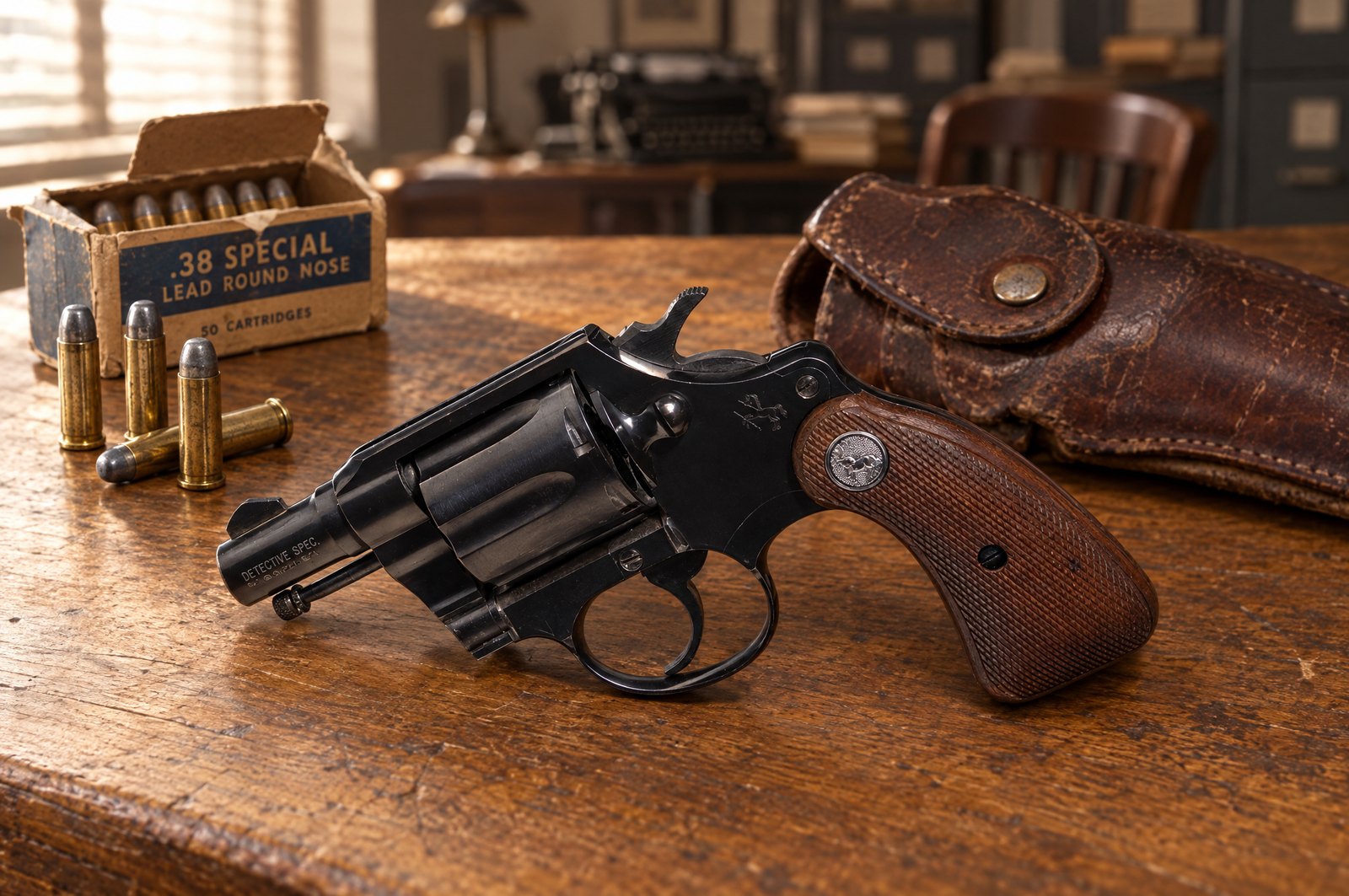
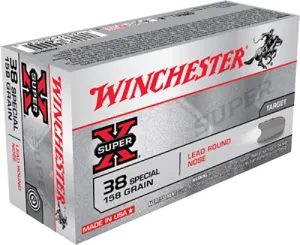
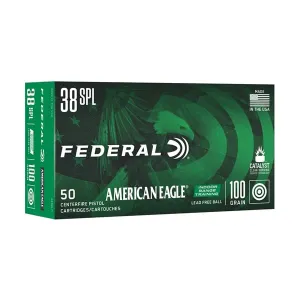
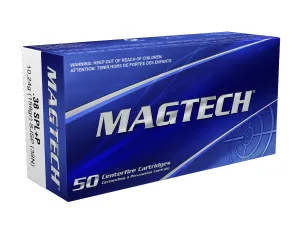
Our range gun is a 1968 second-issue Detective Special: blue, 2-inch, wraparound walnut grips, about 85% finish and an action that checked tight before we loaded it. We paid $700, right on the second-issue median. Over two sessions we fired 250 rounds: Winchester 158 grain lead round nose, Federal American Eagle 130 grain FMJ and Magtech 158 grain lead, plus a box of 148 grain wadcutters. All standard pressure.
The first surprise is how much gun it feels like. The Colt grip fills your hand better than a J-frame’s, and the extra couple of ounces soak up a lot of the snap. The second is the trigger. Double action averaged 10 lb 12 oz on our Lyman gauge, heavier at the start and then easing off, a two-stage feel you can learn to stage or learn to ignore. Single action broke at 4 lb 10 oz, clean. If your trigger finger grew up on Smith & Wesson revolvers, the Colt feels different for the first cylinder or two. Then it just feels like a good revolver.
Through our chronograph, the 2-inch barrel pushed Winchester 158 grain lead to an average of 718 fps, the 130 grain ball to 781 fps and the wadcutters to 652 fps. Double action at 7 yards, our five-shot groups averaged 1.9 inches. Rested in single action at 15 yards, the 158 grain loads averaged 2.3 inches and hit right at point of aim. The 130 grain ball printed about 2 inches low at 15 yards, which fits the sights being regulated for 158 grain bullets.
There were no malfunctions. The one thing that nagged us is built in: the ejector rod is short on a 2-inch gun, so a couple of empties hung under the extractor star and needed a finger to clear. That’s a snub-nose trait, not a fault in our gun.
| The myth | What we found | Evidence |
|---|---|---|
| “Colt D-frames are fragile and go out of time.” | Half true. The action locks up tight, but the hand that turns and locks the cylinder wears and can’t grow back. Buy one that’s in time and shoot it moderately. | Our gun passed a full timing check before and after 250 rounds. In the owner threads we read, five reported timing problems after heavy use and five reported bank-vault lockup after 1,000+ rounds |
| “+P will blow up an older Detective Special.” | No. The risk from +P is accelerated wear and frame stretch, not a burst gun. That’s still a good reason to skip it on a collector revolver. | Six sources, including a former Colt armorer, say the problem is wear; none describe a rupture |
| “Every third issue is rated for +P.” | Not by Colt’s current word. Colt says +P is not suggested for models made before 1980, which covers 1973 to 1979 third issues too. | Colt FAQ, 2026; several owners were told the same by Colt customer service |
| “It’s way bigger than a J-frame.” | True in a pocket, not on a belt. The cylinder is a touch fatter and the gun weighs about 21 to 22 oz, but it hides nearly as well in a waistband holster. | Five owners in our sample say it carries close to a J-frame |
| “Only a Colt specialist can fix one.” | Mostly true for factory service, which Colt no longer offers. Reproduction hands and cylinder bolts exist, and a revolver smith who knows Colts can keep one running. | Colt FAQ: no service on legacy models older than 10 years |
| “The sixth round doesn’t matter.” | It matters to plenty of people who carried one. Six is 20% more than five, and it’s the reason the Detective Special stayed popular with police for decades. | Eight owner and writer sources call it the model’s defining edge |
Who the Detective Special Is For (and Who Won’t Enjoy It)
Buy a Detective Special if you are
- A revolver collector on a sane budget. A clean, honest Colt from the golden era of police revolvers for well under $1,000.
- A snub-nose carrier who wants six shots. It still works as a carry gun with standard-pressure defense loads and a good holster.
- Someone who shoots J-frames poorly. The bigger grip and extra weight make it easier to shoot well than most five-shot snubs.
- A C&R license holder. Every first and second issue, and third issues made about 50 years ago or more, qualify.
- A history buff. This is the gun of the FBI agent, the NYPD detective and a lot of film noir.
Skip the Detective Special if you are
- Planning to shoot +P every week. Buy a new +P-rated .38 revolver and keep the Colt for standard loads.
- Looking for the lightest pocket gun. An aluminum or polymer snub from our best snub-nose revolvers list weighs far less.
- Counting on factory support. Colt won’t service it. If you want a warranty, buy the new Colt Cobra.
- Wanting a bargain collectible to flip. Used values have barely moved in a year, up about $20 on TrueGunValue’s 543 used sales.
- Buying sight unseen from blurry photos. A Detective Special that’s out of time is a repair job, not a bargain.
What a Colt Detective Special Costs in 2026
These are sale prices, not asking prices. We tracked 74 completed sales from January 2024 to September 2026: 15 Morphy Auctions lots, which include the buyer’s premium, and 59 GunBroker sales. Engraved, presentation and famous-provenance guns are left out so they don’t skew the numbers. The graded condition cells are thin, so read them as a guide, not a price list.
| Issue | Years | Median sale | Range | Sales tracked |
|---|---|---|---|---|
| 1st issue | 1927 to 1946 | $1,030 | $660 to $1,150 | 3 |
| 2nd issue | 1947 to 1972 | $715 | $310 to $1,970 | 24 |
| 3rd issue | 1973 to 1986 | $725 | $455 to $3,075 | 20 |
| 4th issue | 1993 to 1995 | $1,525 | $1,300 to $1,825 (all like new in box) | 3 |
| All issues | $725 | $300 to $3,075 | 74 |
| Condition | Median sale | Sales tracked |
|---|---|---|
| Refinished, altered or rough shooter | $385 | 4 |
| 90%+ original finish | $840 | 13 |
| Like new with the original box | $1,395 | 9 |
The box is the single biggest price driver we found: across all grades, guns sold with their original box brought a median $1,080 against $700 without one, about 54% more. Nickel against blue came out roughly even once you compare guns in the same condition, so don’t pay a big premium for nickel alone.
Asking prices run well above what these guns actually sell for. On the day we checked, dealer and private asking prices had a $1,050 median, about 45% over the $725 median sale. That’s your room to negotiate. For a wider view, TrueGunValue’s 543 used sales average $755.52, and its 12-month used average is $673.36.
These are the Detective Specials our dealers have listed right now. Most are single used guns, so they come and go.
Guns.com lists more Detective Specials than any other dealer we track, with detailed photos of each gun. See every Detective Special on Guns.com
Compare other guns in the USA Gun Shop price checker, and see our guide to buying vintage guns online for auction houses and collector dealers.
Which Detective Special to Buy: The Four Issues
Collectors split the Detective Special into four issues. The serial number won’t tell you which one you have, because Detective Specials were numbered in the same range as the Police Positive Special. The features will.
| Issue | Years | How to spot it |
|---|---|---|
| 1st | 1927 to 1946 | Square butt until about 1933, then round butt; short ejector rod; half-moon front sight; checkered hammer spur and cylinder latch; wood grips |
| 2nd | 1947 to 1972 | Longer ejector rod; ramp front sight; grooved hammer and trigger; Coltwood plastic grips early on, wraparound walnut grips from 1966; optional 3 in barrel |
| 3rd | 1973 to 1986 | Shrouded ejector rod under the barrel; long ramp front sight; oversize walnut grips; smooth trigger |
| 4th | 1993 to 1995 | Shrouded ejector rod; black rubber wraparound grips with a gold medallion; 2 in only |
First Issue (1927 to 1946)
The original. Early guns have a square butt like the Police Positive Special they grew from, and the round butt became standard around 1933. The U.S. Army bought about 5,000 during World War II, and nearly 3,000 went to the OSS. First issues are the scarcest and the most collected, and the few that sold in our window brought a $1,030 median.
Second Issue (1947 to 1972)
The classic most people picture, and the sweet spot for buyers. It picked up a longer ejector rod and a ramp front sight, and from 1966 the wraparound walnut grips that fill your hand much better than the early two-piece stocks. A few were chambered in .32 or .38 Colt New Police, so check the barrel before you buy .38 Special ammo. The 3-inch barrel is scarce and sells for more.
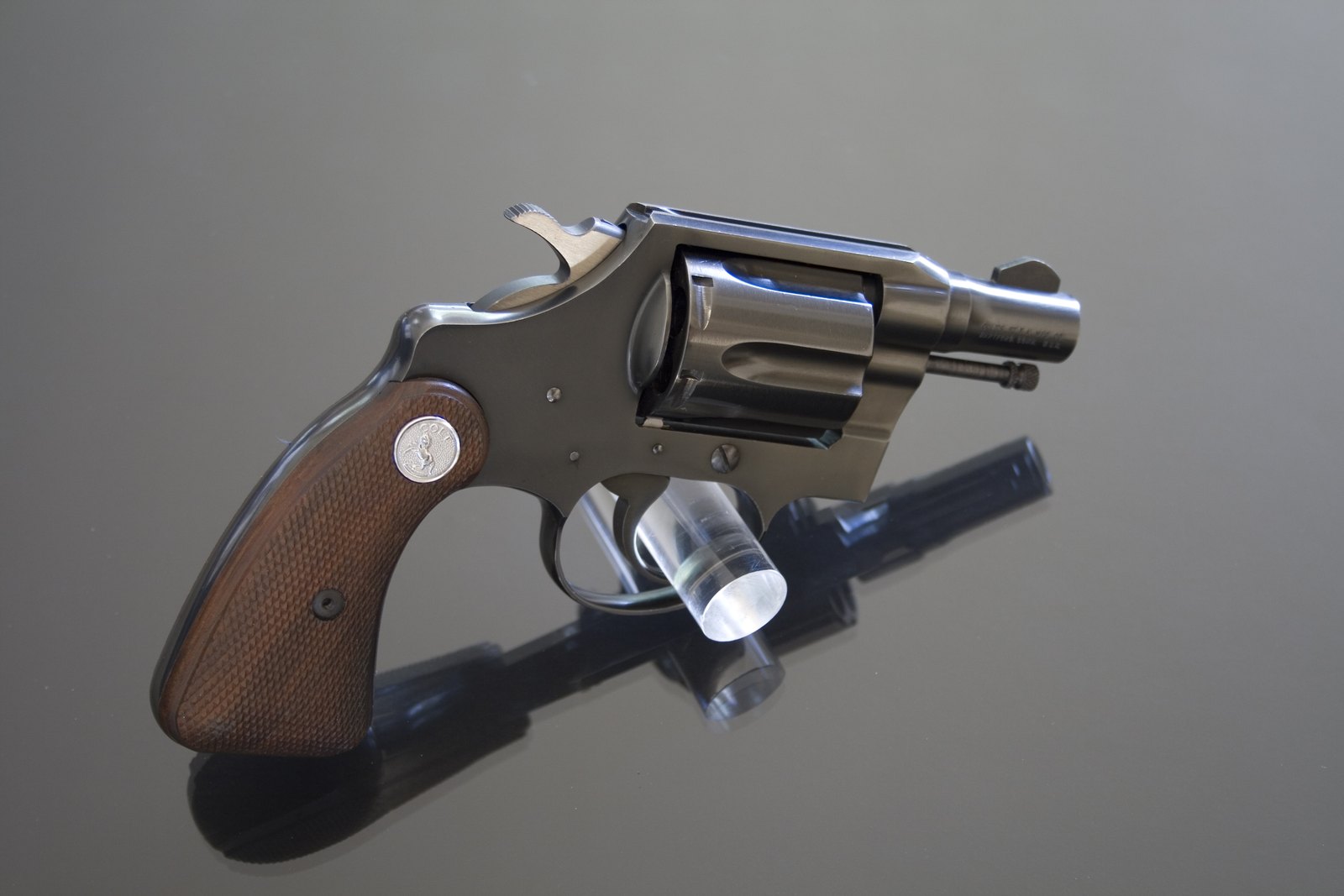
Third Issue (1973 to 1986)
The shrouded ejector rod gives the third issue its chunkier, more modern look and protects the rod. It also brought a long ramp front sight and bigger walnut stocks. Third issues are the most available shooters, with a $725 median sale. Remember Colt’s line: guns made before 1980 still aren’t recommended for +P.
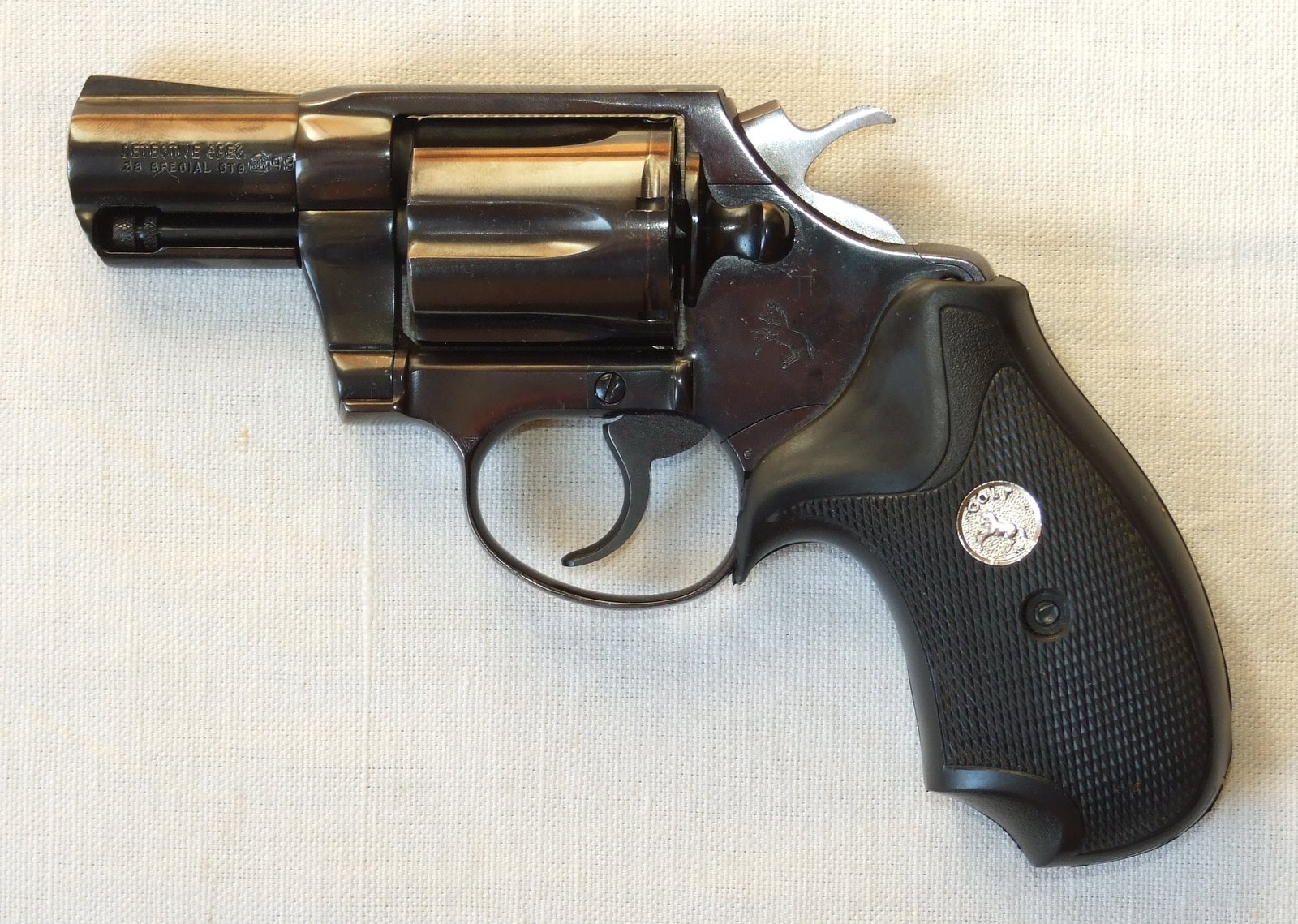
Fourth Issue (1993 to 1995)
After Colt’s 1992 bankruptcy, the Detective Special came back for a short run with rubber wraparound grips and a 2-inch barrel only. Most that come up for sale are like new in the box, which is why their median sale was $1,525. The stainless SF-VI and DS-II that followed are different revolvers, so don’t pay Detective Special money for one listed as a “Detective Special II.”
The Cousins: Cobra, Agent, Diamondback and Fitz Specials
The Cobra of 1950 is a Detective Special with an aluminum-alloy frame, about 15 to 16 ounces, and the Agent from 1955 is a short-grip alloy version. Neither should see much +P. The Diamondback of 1966 is a D-frame with a vent rib and adjustable sights. The Fitz Special is a cut-down Police Positive with a chopped trigger guard and bobbed hammer, and real ones are rare, so treat any “Fitz” as a fake until it’s proven otherwise. There was never a .22 Detective Special: the .22 D-frame snub was the Banker’s Special.
Detective Special Condition Guide
Colt revolvers are graded on the percentage of original finish left, but on a Detective Special the action matters just as much. A 95% gun that’s out of time is worth less to a shooter than an 80% gun that locks up tight.
| Grade | What you see | What it does to price |
|---|---|---|
| Like new with box | Full original blue or nickel, crisp grips, no turn line, original box and papers | Top of the market: $1,395 median in our data |
| 90%+ original | Light holster wear at the muzzle and cylinder edges, faint turn line, sharp markings | About $840 median |
| 70% to 89% original | Worn edges, thinning blue on the cylinder and grip frame, maybe light freckling | The best value for a shooter, priced between the $385 and $840 medians |
| Refinished or rough | Buffed-soft markings, uneven or too-bright blue, pitting, replaced grips | Shooter money, about $385 median |
Nickel guns need their own look. Original Colt nickel has a soft, bright glow and crisp edges around the roll marks. Flaking or peeling at the muzzle, cylinder face and grip frame is common on carried guns, and it counts against condition the same way lost blue does. A nickel gun that’s too bright, with softened markings or plating inside places the factory never reached, has probably been replated, and replating costs as much value as a reblue.
A turn line, the ring the cylinder bolt scratches around the cylinder, tells you the gun has been used. On a collector gun, a faint one is fine. A deep one, or drag marks cutting ahead of the cylinder notches, is a timing warning.
How to Date and Identify a Detective Special
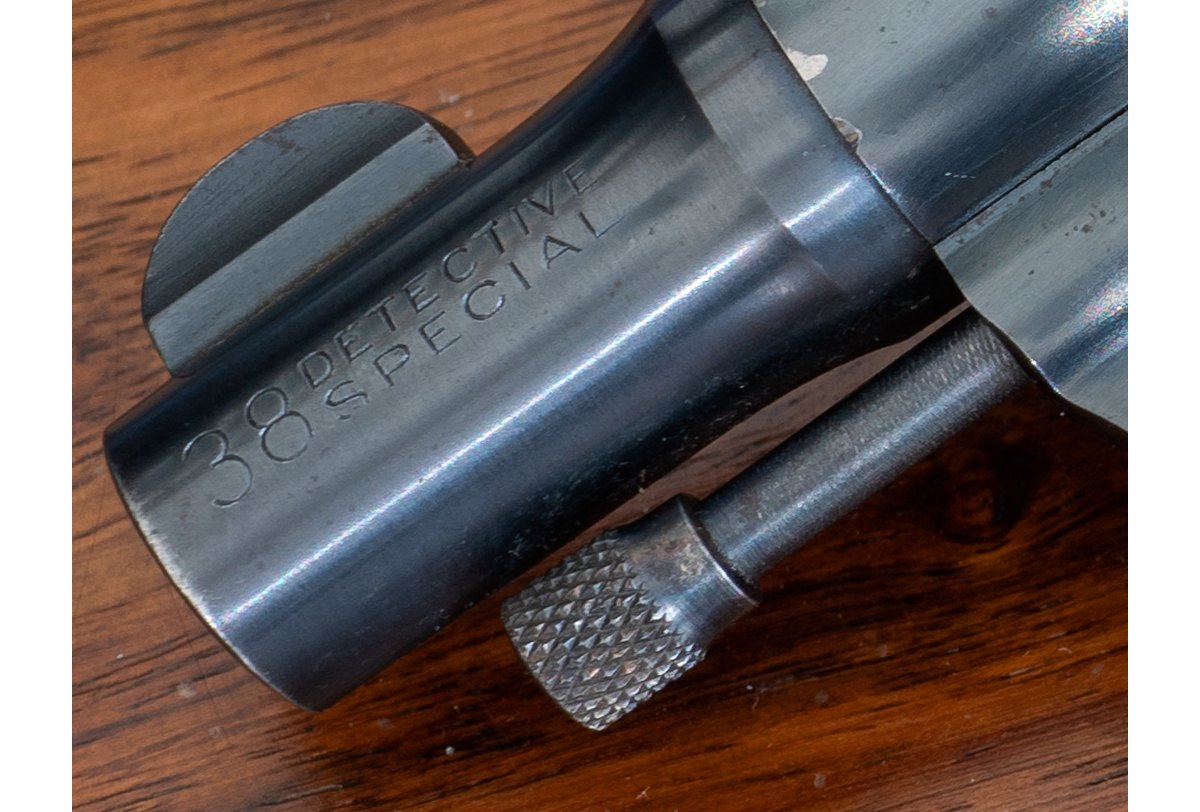
The serial number is on the frame, and you’ll see it with the cylinder swung out. Colt’s free online serial lookup gives an approximate year, and Colt says itself that the lookup isn’t comprehensive. For the full story of a gun, including how it shipped and to whom, order an archive letter from Colt Archive Properties. That letter adds real value to a collector gun, especially one with a claimed police or agency history.
Because Detective Specials share a serial range with the Police Positive Special, use the features in the table above to name the issue, then confirm the year with the lookup. Check that the grips fit the era, too: Coltwood grips on a 1970s gun, or rubber wraparounds on a 1950s gun, mean somebody has been swapping parts.
Fakes, Refinishes and Parts Guns
- Refinished blue or nickel. Look for roll marks and the Colt pony stamp with softened edges, buffed-round corners, and a finish that’s too perfect for the grip wear.
- Fake Fitz Specials. Anyone can cut a trigger guard and bob a hammer. Without a Colt letter, it’s a modified revolver, priced as one.
- Wrong-era grips. Swapped grips are common and easy to spot once you know the table above.
- A Cobra sold as a Detective Special. The Cobra’s alloy frame is lighter. If the weight feels wrong, check the frame.
- A DS-II or SF-VI listed as a Detective Special. Different gun, different value. Any stainless one is not a Detective Special.
- Added “police” markings. Department stamps add money, so they get added. Buy the letter, not the story.
Detective Special Inspection Checklist: How to Check the Timing
A Colt that’s in time is a joy. One that isn’t is a gunsmith bill. Here’s the check we run on every used Colt revolver, with the gun unloaded and pointed in a safe direction:
- Open the cylinder and confirm all six chambers are empty.
- Close it and slowly cock the hammer while resting a thumb lightly on the cylinder. The cylinder bolt should snap into each notch before the hammer reaches full cock. Check all six chambers.
- With the hammer cocked, try to turn the cylinder. It should be locked tight.
- Lower the hammer, then pull the trigger slowly through double action on each chamber. The cylinder should lock before the hammer falls.
- Hold the trigger all the way back after the hammer falls. On a Colt in good time, the cylinder has almost no rotational play. That tight lockup is the Colt signature.
- Push the cylinder forward and back. Heavy end shake means wear.
- Look at the turn line. Drag marks cutting ahead of the notches point to timing trouble.
- Check the barrel-cylinder gap and the underside of the top strap for flame cutting.
- Look down the bore and into each chamber with a light.
- Make sure the ejector rod is screwed in tight and the crane closes cleanly.
- Look at fired primers if the seller has any: firing pin strikes should be centered.
- Ask about the grips, the box and any letter, and get a return privilege in writing if you can’t handle the gun first.
Shooting, Ammo and Care
Colt’s current guidance is the one to follow: “+P is not suggested for models made prior to 1980.” The company’s old D-frame manual did allow limited +P in steel-frame guns, with a factory inspection every 2,000 to 3,000 rounds and never any +P+. Colt no longer does those inspections, so on any pre-1980 gun we stick to standard pressure, and on a collector gun we’d do the same regardless of the year.
| Use | Avoid |
|---|---|
| 158 grain lead round nose, the load the sights are regulated for | +P and +P+ loads in any pre-1980 gun |
| 148 grain wadcutters for practice and low-recoil carry | Heavy “outdoorsman” loads from boutique makers |
| 130 grain FMJ for cheap practice (it prints a little low) | Snapping the hammer on an empty chamber for hours; use snap caps |
| Standard-pressure defense loads for carry | Flicking the cylinder shut; close it by hand |
For care, keep the action clean and lightly oiled, and let a revolver smith who knows Colts handle anything inside it. Colt says it can’t service legacy models older than 10 years, so there’s no factory to send it back to. Reproduction hands and cylinder bolts do exist, which makes the fix possible, but it’s hand-fitting work.
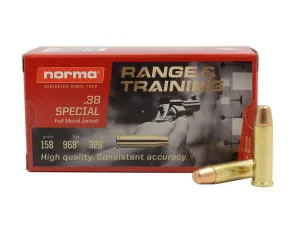
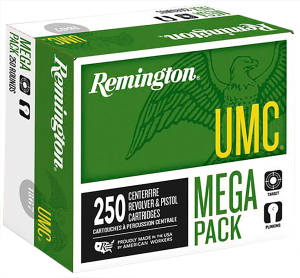
These standard-pressure .38 Special loads are on sale at our dealers right now. We filter out anything marked +P and defense hollow points.
.38 Special Ammo Deals for a Classic Colt
On-sale 38 special standard from 200+ retailers · Updated every 4 hours





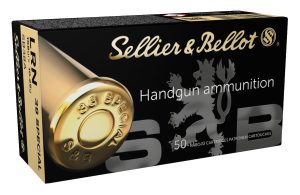
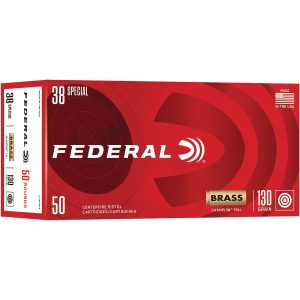
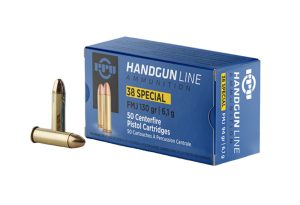
Our best .38 Special ammo guide covers defense loads in more depth, and our .357 Magnum vs .38 Special breakdown explains why you should never put magnums in a Detective Special.
Carrying a Detective Special Today
Plenty of people still carry one, and it works. The trick is setting it up for the job. Start with the holster. A six-shot Colt cylinder is a little fatter than a J-frame’s, so a holster molded for a Smith Model 36 can be too tight or hold the gun at the wrong angle. Buy one cut for a Detective Special or Cobra, or try the gun in the holster before you pay.
Reloads are the same story. Five-round J-frame speedloaders and strips won’t work, so look for six-round loaders made for Colt D-frames, or carry a speed strip loaded with six. For carry ammo, pick a standard-pressure defense load or a 148 grain wadcutter. Both hit to the sights well enough at the distances a snub-nose is for, and neither asks the old action to eat +P.
Grips make a bigger difference on this gun than on most. The early two-piece stocks leave a gap behind the trigger guard that lets the gun roll in your hand, which is why so many old Detective Specials wear a grip adapter like the Tyler T-Grip in the photo at the top of this page. The 1966 and later wraparound walnut grips fix most of that, and aftermarket rubber grips fix the rest, at the cost of some concealment and some originality. Keep the original stocks in a drawer if you swap them.
Buying a Police Trade-In Detective Special
Police trade-ins are the cheapest way into a Detective Special, and our dealers had a 1977 trade-in listed at $500 when we checked. They’re also the ones most likely to have been carried a lot and shot a little. Expect holster wear on the muzzle, cylinder and grip, and sometimes a department number or marking on the frame or butt.
Honest wear doesn’t hurt a shooter, and it’s why these guns are priced where they are. What matters is the action. Plenty of trade-ins spent years being dry-fired in qualification drills or snapped in and out of holsters, so run the full timing check above before you commit. A department marking can add a little collector interest, but only if it’s original, and only a Colt letter or department record proves that.
A Short History of the Colt Detective Special
In 1926 a large police department, said to be Detroit, ordered Police Positive Special revolvers with 2-inch barrels. Colt made the idea a catalog model in 1927 and called it the Detective Special. It’s widely credited as the first factory snub-nose with a modern swing-out cylinder.
It became the plainclothes gun. The FBI issued them, often with a factory hammer shroud. During World War II the Army bought about 5,000, and nearly 3,000 went to the OSS. Colt added the aluminum-framed Cobra in 1950, and after the war the frame picked up its letter name, the D-frame.
The second issue arrived in 1947 and the third, with its shrouded ejector rod, in 1973. By the mid-1980s the Detective Special was expensive to build and Smith & Wesson’s J-frames were winning on price, and Colt dropped it in 1986. After Colt’s 1992 bankruptcy it returned for a short fourth run from 1993 to 1995, then gave way to the stainless SF-VI and DS-II.
Colt never brought the name back. In 2017 it released a new stainless six-shot .38 called the Cobra, built on a different action, and that gun is the closest thing to a new Detective Special you can buy today.
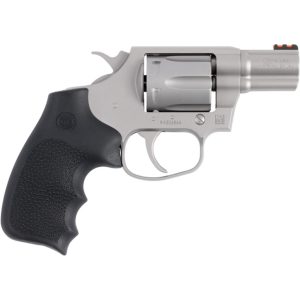
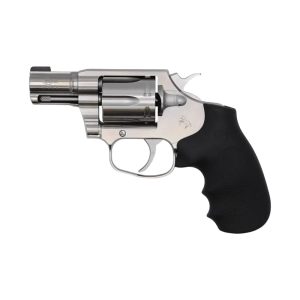
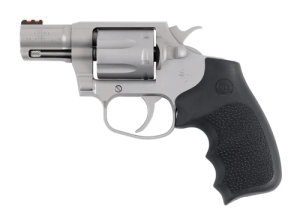
Why the Detective Special Is Still So Popular
It’s the six rounds, mostly. Cops noticed. When the NYPD let officers choose a 2-inch off-duty or backup revolver, about 30% picked the Colt. It’s also the look: slim blue steel, a short barrel and a walnut grip in a shape every detective movie of the 1940s and 1950s taught us to recognize.
And it’s the value. A clean second issue costs about what a new mid-range carry revolver does, and it’s a real Colt from the company’s best years. That’s a hard combination to find in 2026.
Detective Special Legal Status: C&R and Antiques
Under federal law an antique firearm has to be made in or before 1898, so no Detective Special is an antique. A gun qualifies as a curio or relic once it was made at least 50 years ago. That’s a rolling date: as of September 2026 every first and second issue qualifies, and third issues made about September 1976 or earlier do too, with more joining every year.
For a C&R license holder that means those guns can ship straight to your door. Everyone else buys through an FFL dealer. State rules on handgun rosters and private transfers vary, so check yours before you buy.
Where to Buy a Colt Detective Special
- Guns.com. The deepest used selection we track, with close-up photos of each gun. Browse Detective Specials on Guns.com.
- Other dealers. Police trade-ins turn up at dealers like Sportsman’s Outdoor Superstore, and our price card above shows what’s listed today.
- Auction houses. Morphy, Rock Island and others offer written condition reports, but add a buyer’s premium of roughly 20 to 25%.
- GunBroker and gun shows. Great selection and real bargains, if you can check timing or get a return privilege.
Whoever you buy from, ask the same questions before you pay:
- Does the cylinder lock up tight in single and double action on all six chambers?
- Is the finish original, or has it been reblued or replated?
- Are the grips original to the gun and the era?
- Does it come with the box, papers or a Colt archive letter?
- What caliber is marked on the barrel? Some second issues are .32 or .38 Colt New Police.
- Can I return it if it isn’t as described?
Detective Special vs. Its Rivals
| Revolver | Capacity | Frame | Why you’d pick it |
|---|---|---|---|
| Colt Detective Special | 6 | Steel D-frame | Six shots, better grip, classic Colt |
| S&W Model 36 Chiefs Special | 5 | Steel J-frame | Smaller, still in production, easy to service |
| Colt Cobra (2017 to today) | 6 | Stainless steel | New, +P rated, factory warranty |
| Colt Cobra (1950 to 1981) | 6 | Aluminum alloy D-frame | Much lighter to carry, but keep it off +P |
Detective Special vs. the New Colt Cobra
If you want a Detective Special you can buy new, the 2017 Colt Cobra is as close as it gets. It’s a six-shot .38 Special with a 2-inch barrel and a shrouded ejector rod, but everything underneath is different. The frame is stainless steel, it’s rated for +P, and it weighs about 1.55 pounds, roughly 25 ounces, a few more than a steel Detective Special. Overall length is 7.25 inches.
It also comes with a factory warranty and a company that will fix it, which no vintage Colt has. What you give up is the history, the blued steel and walnut, and the classic Colt double-action feel. New Cobras were listed from about $720 at our trusted dealers when we checked. Our advice: if you want one revolver to carry hard and shoot +P, buy the new Cobra. If you want a Colt with a story that you’ll carry and shoot sensibly, buy the Detective Special.
Detective Special vs. the Smith & Wesson Model 36
This was the great argument of the police snub-nose era. The Model 36 Chiefs Special is a five-shot J-frame, a little smaller and a few ounces lighter, and it disappears in a pocket more easily. The Detective Special gives you the sixth round, a bigger grip and a longer, heavier feel that most people shoot better.
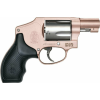
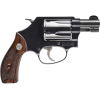
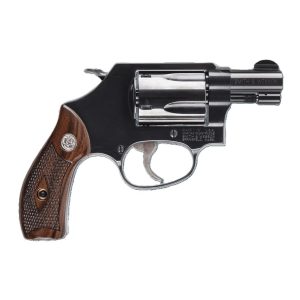
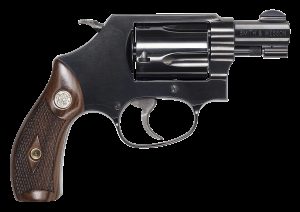
Service is where the Smith pulls ahead today. Smith & Wesson still makes the Model 36 in its classic form and still supports it, so parts and factory repairs are easy. A new Model 36 Classic runs about $799 at our dealers, roughly what a clean second-issue Detective Special costs used. Pick the Colt for capacity and history. Pick the Smith if pocket carry and easy service matter more.
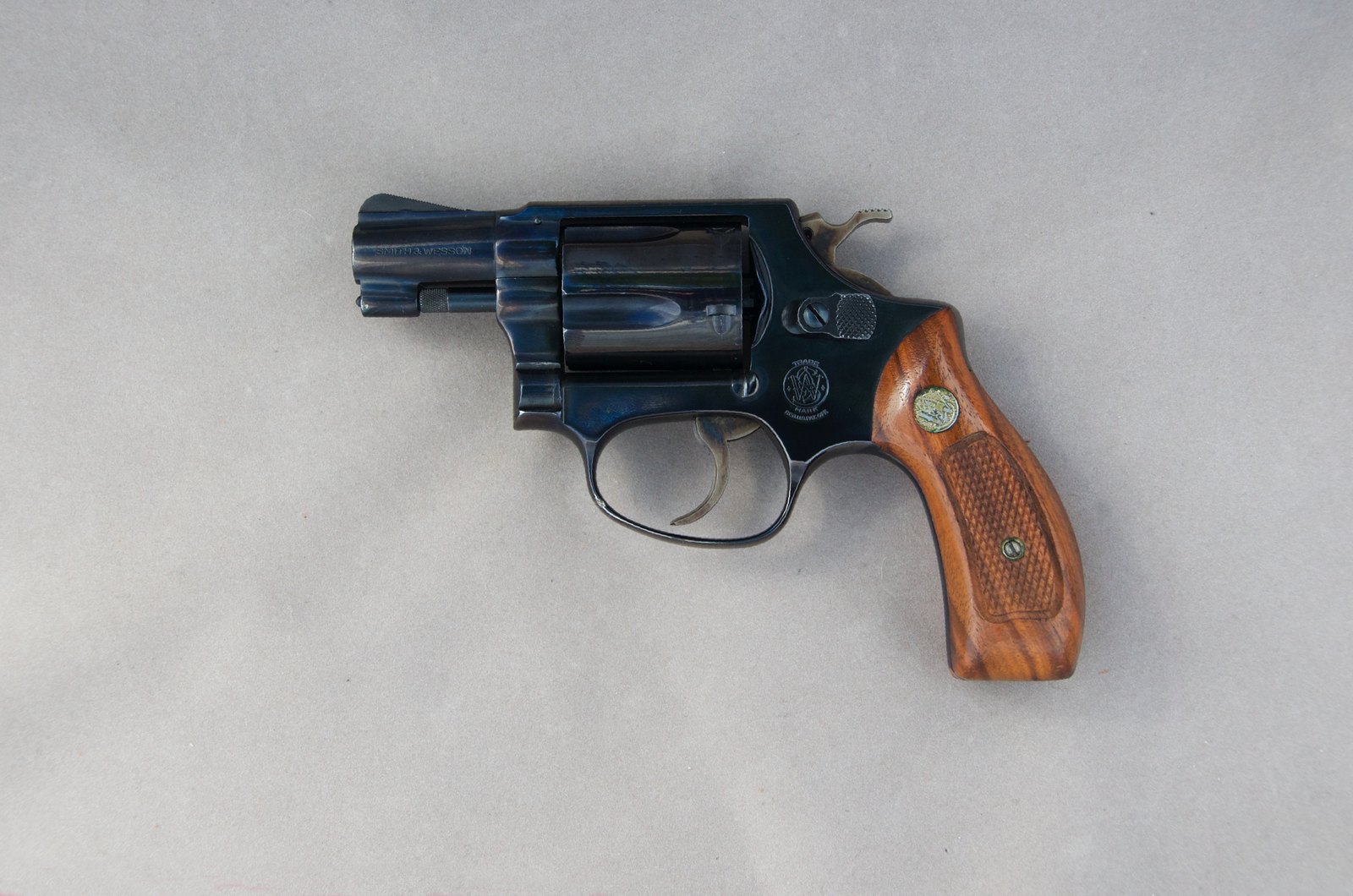
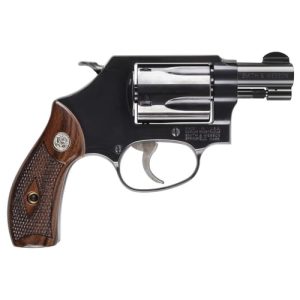
If you want the Smith side of the argument, the Model 36 is still made in its classic form:
For more options, see our best .38 Special revolvers and best snub-nose revolvers, and our Colt Python review if you’re chasing Colt’s big-frame classic next.
Final Verdict
The Colt Detective Special is one of the few collectibles that still earns its place in a holster. Buy a second or third issue that locks up tight, pay around the $725 median for a clean one, and feed it standard-pressure .38 Special. Skip the ones that are out of time, refinished or sold with a story instead of a letter.
Six shots, a good grip and a Colt pony on the side. Nearly a hundred years later, that’s still a very good snub.
FAQ
Is the Colt Detective Special still made?
No. Colt made the Detective Special from 1927 to 1986 and again from 1993 to 1995, and it is not in the 2026 lineup. The closest new gun is the stainless six-shot Colt Cobra introduced in 2017, which is rated for +P and built on a different action.
How much is a Colt Detective Special worth?
In 74 completed sales from January 2024 to September 2026, the median was about $725. Refinished or rough shooters sold for about $385, guns with 90% or more original finish for about $840, and like-new guns with the original box for about $1,395. The box alone added about 54% at the median.
Can you shoot +P ammo in a Colt Detective Special?
Colt says +P is not suggested for models made prior to 1980. Its older D-frame manual allowed limited +P in steel-frame guns with a factory inspection every 2,000 to 3,000 rounds, but Colt no longer services these revolvers. We shoot standard-pressure .38 Special in any pre-1980 gun and in any collector gun.
Is the Colt Detective Special a good gun?
Yes. It is accurate, easy to shoot well for a snub-nose, and it holds six rounds where a J-frame holds five. Buy one that is in time, because the Colt action wears with heavy use and Colt will not repair it.
Which is better, the Colt Detective Special or the S&W Chiefs Special?
The Detective Special holds six rounds and has a bigger grip that most people shoot better. The Smith and Wesson Model 36 Chiefs Special holds five, is a little smaller and lighter, and is still made and serviced by Smith and Wesson. Pick the Colt for capacity and history, the Smith for pocket carry and easy service.
When was the Colt Detective Special made?
The first issue ran from 1927 to 1946, the second issue from 1947 to 1972, the third issue with its shrouded ejector rod from 1973 to 1986, and the fourth issue from 1993 to 1995.
How do I find out what year my Detective Special was made?
Use the serial number on the frame, visible with the cylinder open, in Colt's online serial lookup for an approximate year. For the full shipping history, order a Colt archive letter. Because Detective Specials share a serial range with the Police Positive Special, use the ejector rod, front sight and grips to confirm the issue.
Is a Colt Detective Special a curio and relic?
Many are. A firearm qualifies once it was made at least 50 years ago, so as of September 2026 every first and second issue qualifies, plus third issues made about September 1976 or earlier. No Detective Special is a federal antique, because that requires manufacture in 1898 or earlier.
4,590+ Gun & Ammo Deals
Updated daily from 200+ top retailers. Filter by category, caliber, action type, and price.
Related Guides