
Last updated November 2026 · By Nick Hall
Some of the links below are affiliate links, meaning at no additional cost to you, we may earn a commission if you click through and make a purchase.
- Treat every gun as loaded
- Point the muzzle in a safe direction
- Keep your finger off the trigger until you’re ready to shoot
- Know your target and what’s beyond
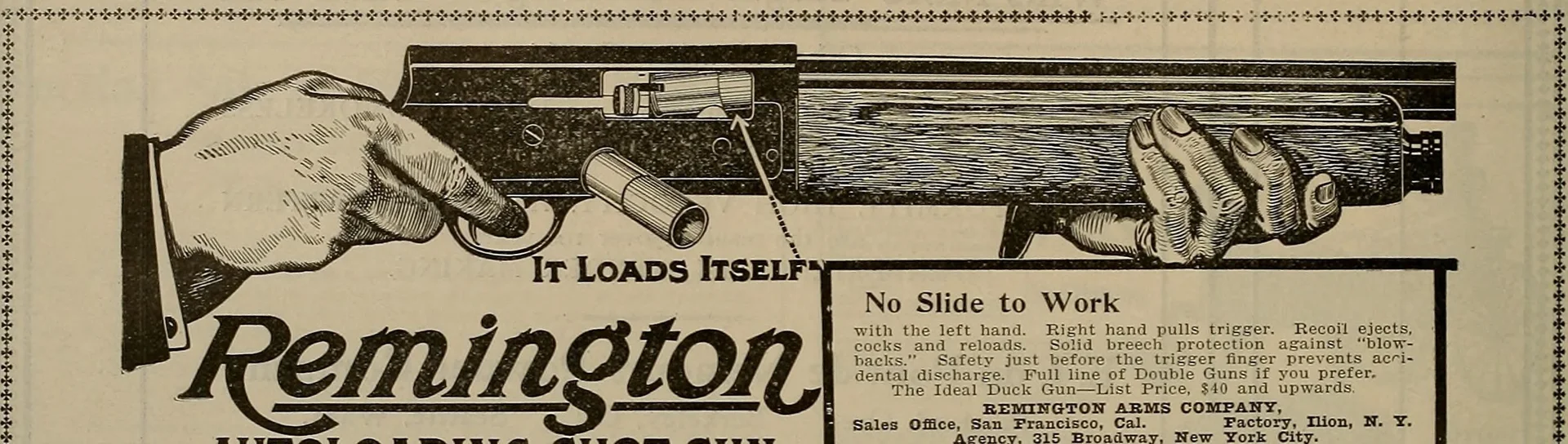
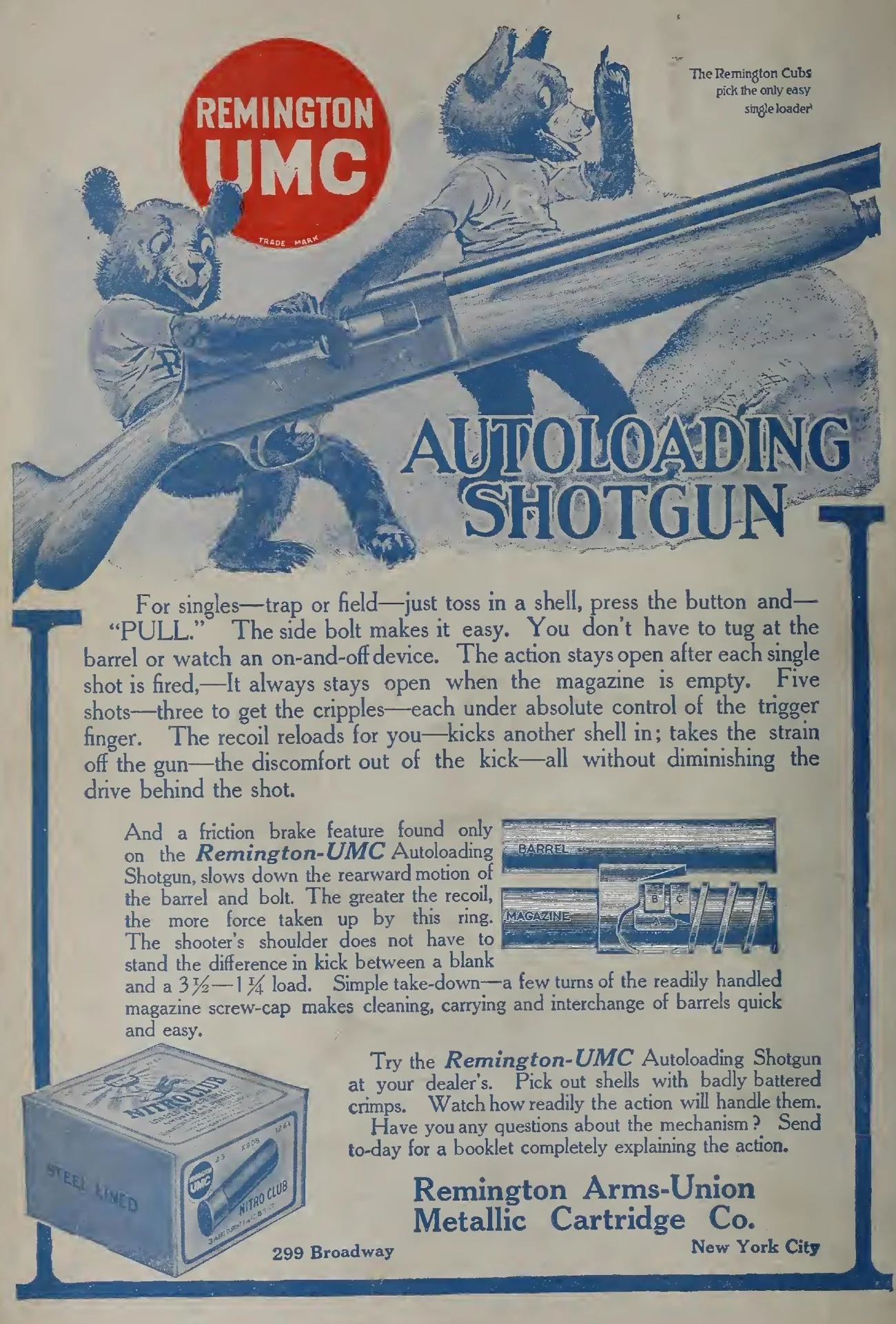
The Remington Model 11 was America’s first autoloading shotgun: John Browning’s Auto-5 design, built under licence at Remington’s plant in Ilion, New York. It went on sale in 1905 as the Remington Autoloading Shotgun, took the Model 11 name in 1911 and stayed in production until 1947, by which point Remington had made about 850,000 of them. It went to war as a riot gun and an aerial gunnery trainer, and Bonnie Parker died with a sawed-off 20 gauge Model 11 at her feet.
Today it’s one of the best bargains in vintage shotguns. A shootable Model 11 costs about half what a vintage Browning Auto-5 brings, for the same long-recoil humpback design. This guide covers what each version is worth, priced from 371 completed sales over the past year, how to date one from its barrel code, how it differs from the Auto-5, the Sportsman and the military guns, how to set the friction rings, what ammo is safe and what to check before you buy.
Quick take
A Model 11 is a cheap, durable way to own a Browning-designed humpback. Most sell for $450 to $600, and they still make fine field and clays guns with lead 2 3/4-inch loads, as long as the friction rings are set correctly and the forend isn’t cracked. Pay more only for 16 and 20 gauge guns, higher grades, vent ribs and genuine U.S.-marked WWII guns.
- Typical price (completed sales): about $485 for a 5-shot Model 11, $515 for a Sportsman, $790 for a U.S.-marked gun
- Made: 1905 to 1947 (named Model 11 from 1911), about 850,000
- Gauges: 12, then 16 and 20 from the early 1930s
- Legal: every Model 11 is a curio and relic
Remington Model 11 Pros and Cons
Pros
- Browning’s Auto-5 design for half the price
- Built like a tank at Ilion, New York
- 16 and 20 gauge guns handle beautifully
- Long recoil soaks up heavy field loads
- Easy to date from the barrel code
- Every gun is a curio and relic
Cons
- Friction rings must be set for your loads
- Forends crack when the rings are wrong
- No steel shot and no 3-inch shells
- No magazine cutoff, unlike the Auto-5
- Heavy at about 7.7 lb in 12 gauge
Remington Model 11 at a Glance
| Spec | Remington Model 11 |
|---|---|
| Made | 1905 to 1947 (some references say 1948), Ilion, N.Y. |
| Name | Remington Autoloading Shotgun until 1911, then Model 11 |
| Design | John M. Browning (Auto-5), made under licence |
| Action | Long recoil, humpback receiver |
| Gauges | 12; 20 and 16 from the early 1930s |
| Capacity | 4+1 (Sportsman 2+1) |
| Barrels | 20 in. riot; 26, 28, 30 and 32 in. sporting; plain, solid rib or vent rib |
| Weight | About 7.7 lb (12 ga) |
| Grades | 11A Standard, 11R Riot, 11P Police, 11B Special, 11C Trap, 11D Tournament, 11E Expert, 11F Premier |
| Total made | About 850,000, including about 65,000 Auto-5s built for Browning |
| Successor | Model 11-48 (1949) |
Table of Contents
What It’s Like to Shoot a Model 11
A Model 11 shoots like what it is: a long-recoil gun. When you fire, the barrel and bolt travel back together the full length of the shell, then the barrel returns, the bolt follows and a fresh shell feeds. You feel it as a long, rolling push with a distinct double shuffle, rather than the sharp jab of a fixed-breech gun. With field loads, recoil is softer than the gun’s age suggests, because the friction rings and spring soak up a lot of the energy.
The humpback gives the same long, flat sight plane that made the Auto-5 famous, and a 28-inch 12 gauge swings smoothly on passing birds. At about 7.7 lb it is heavier than modern semi-autos, which helps on clays and in a duck blind and hurts on a long upland walk. The 16 and 20 gauge guns are a different story: lighter and quicker, and they’re the Model 11s we’d pick for birds.
The one thing that decides whether a Model 11 runs is the friction-ring setup. Set for heavy loads, a gun can short-cycle light target loads. Set for light loads, it will run heavy loads but batter itself and crack the forend. Get the rings right for your shells, and these guns are known for running for decades. We cover the setup step by step below.
Who the Model 11 Is For
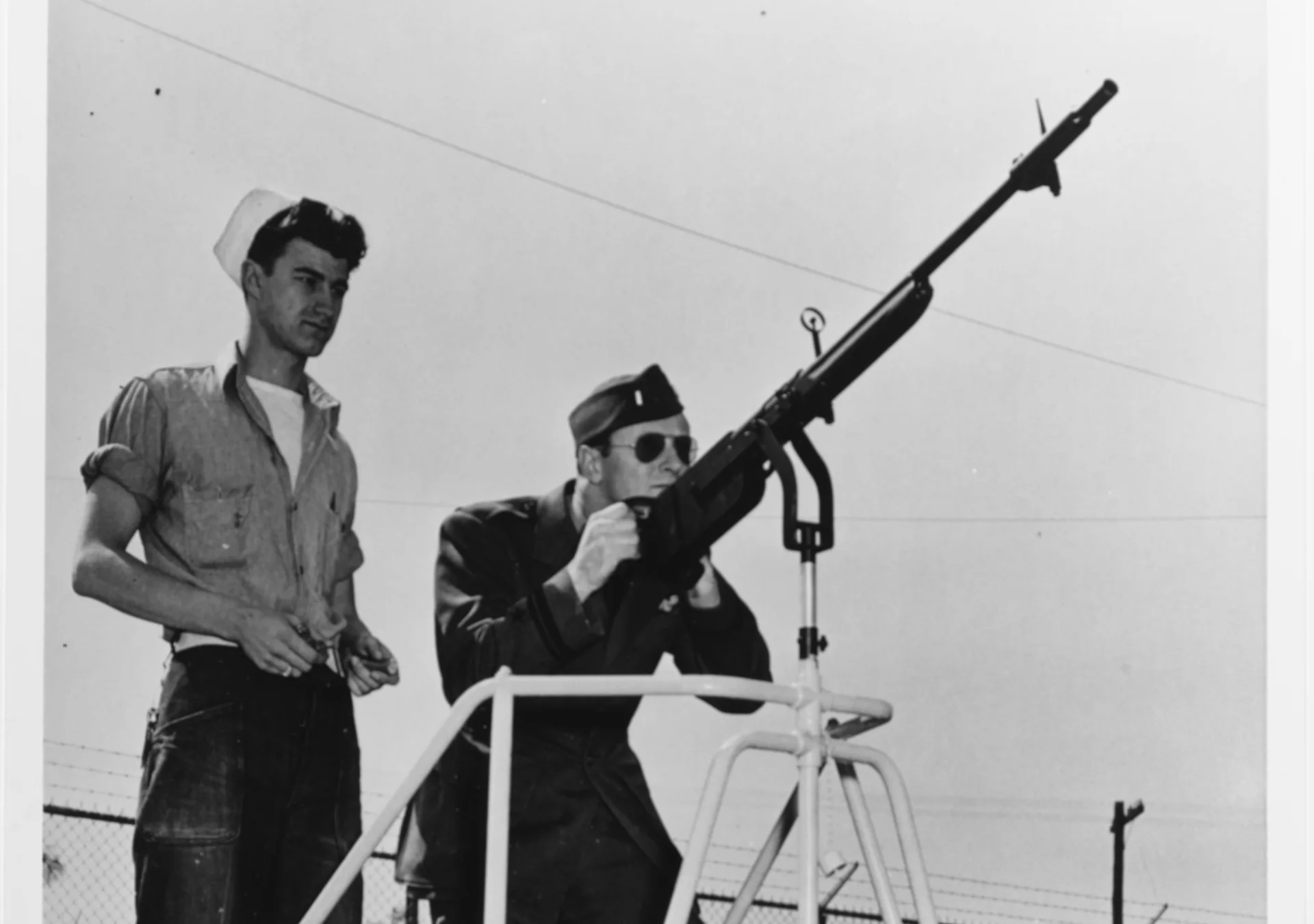
It is a great buy if you want a vintage humpback to shoot rather than to look at, if you hunt upland birds or doves with lead, or if you want a piece of American shotgun history for about the price of a new pump gun. It’s also a natural for collectors of WWII arms, since genuine U.S.-marked riot guns and trainers are still out there.
It is not the gun for waterfowl in places that require steel shot, for anyone who wants to shoot 3-inch magnums or for someone who doesn’t want to think about friction rings. For those buyers, a modern inertia gun like the current Browning A5 keeps the humpback look and drops the fuss.
What a Remington Model 11 Costs in 2026
We priced the Model 11 from completed sales over the past year: 371 Model 11 and Sportsman sales mirrored from GunBroker, plus Rock Island auction results. Asking prices aren’t included. Here’s what each version brought:
| Version | Median sold price | Sales |
|---|---|---|
| Model 11, 5-shot, all gauges | $485 | 284 |
| Model 11, 12 gauge | $454 | 182 |
| Model 11, 16 gauge | $520 | 46 |
| Model 11, 20 gauge | $575 | 39 |
| Model 11 Sportsman (3-shot) | $515 | 87 |
| Solid rib | $442 | 17 |
| Vent rib | $703 | 8 |
| With Cutts compensator | $525 | 11 |
| With Poly-Choke or adjustable choke | $415 | 19 |
| Seller describes as excellent | $690 | 20 |
| U.S.-marked or military | $790 | 37 |
| Sold as riot or trench gun | $900 | 17 |
| 11D Tournament grade | $950 | 6 |
A few patterns stand out. The small gauges bring more than the 12, because there are fewer of them and they carry better. Adjustable chokes cut value, and a vent rib adds a lot. Genuine military guns bring a big premium, and the best WWII riot guns at Rock Island hammered for a median of about $2,500 before the buyer’s premium; a factory-engraved 11F Premier sold there for $9,000. Treat the medians from fewer than 10 sales as rough guides.
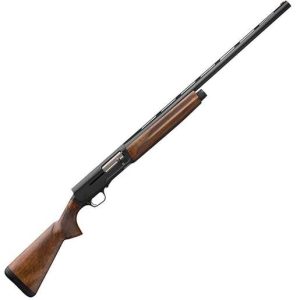
For context, a vintage Browning Auto-5 sold for a median of about $1,000 over the same year, and about $1,840 in 20 gauge. That’s the Model 11’s whole appeal: the same design at about half the price. Browse used Model 11s at Guns.com, and if you’d rather buy the humpback new, the current A5 is below.
Is a Remington Model 11 a Good Gun?
Yes. It’s a sound Browning design built with the care Remington put into its guns before World War II: machined steel, walnut stocks and a finish that holds up. Plenty of 80 and 100-year-old Model 11s still hunt every season. Its weak points are known and fixable: friction rings that need to match the load, forends that crack when they don’t, and springs that tire with age.
What it isn’t is a modern gun. It has no magazine cutoff, it can’t take steel shot or 3-inch shells, and parts come from the used market rather than the factory. If you accept that, it’s one of the best values in vintage shotguns.
Remington Model 11 vs Browning Auto-5
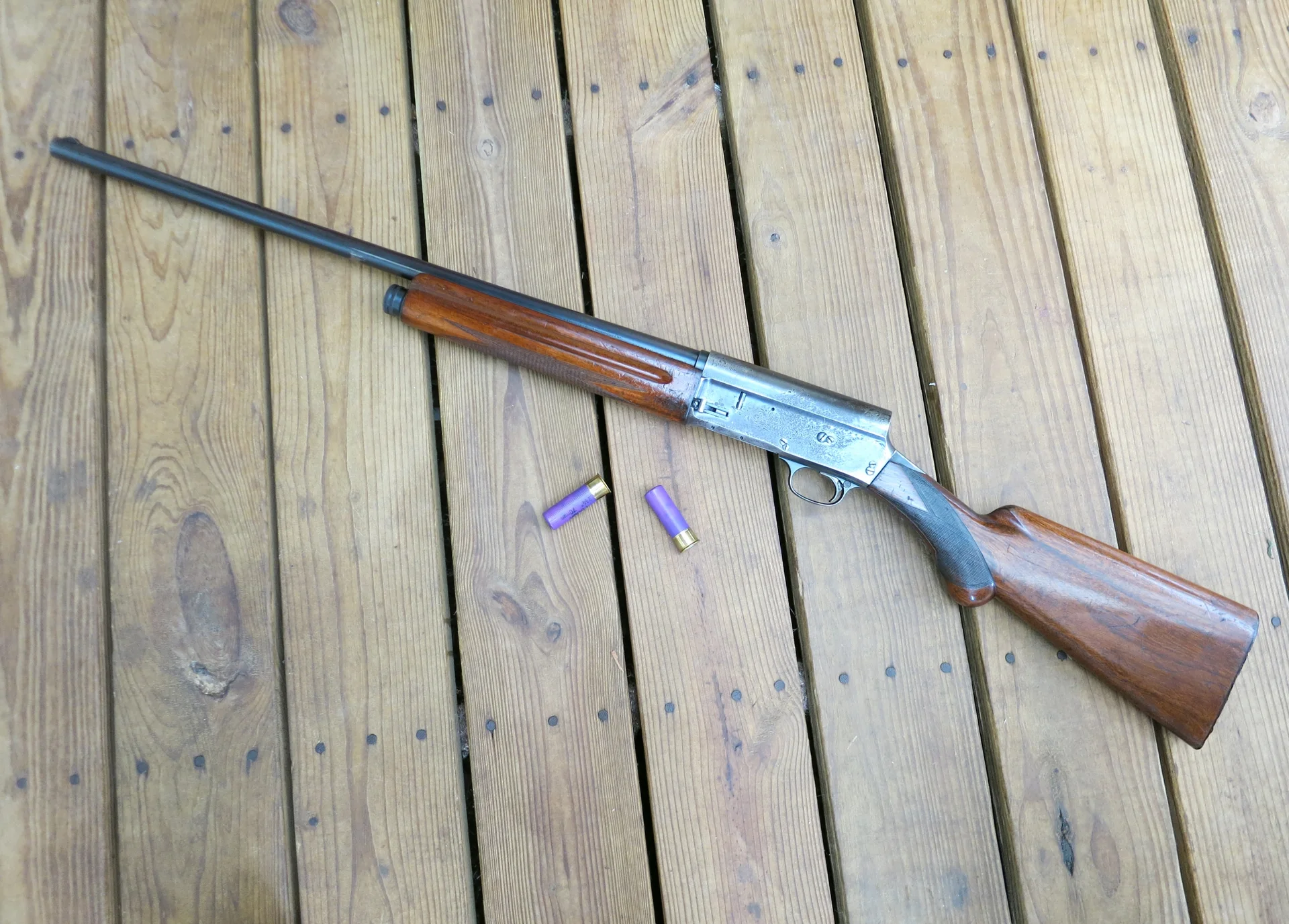
They’re the same long-recoil, 4+1 humpback design, and that’s why people ask whether a Model 11 is a Browning Auto-5. Functionally, yes; legally and in the details, no. Browning’s patent came in 1900. Winchester turned the design down, and Remington’s president, Marcellus Hartley, died on January 8, 1902, the very day he was due to see it. FN built the gun in Belgium from 1903, and in 1904, facing high tariffs, FN gave Remington the rights to make and sell it in the United States.
| Remington Model 11 | Browning Auto-5 (Belgian) | |
|---|---|---|
| Made | Ilion, N.Y., 1905 to 1947 | FN, Belgium, 1903 on; Miroku, Japan, from 1976 |
| Magazine cutoff | No | Yes |
| Safety | Early: slide inside the trigger guard, ahead of the trigger. Later: crossbolt behind the trigger | Varies by era; see our Auto-5 guide |
| Friction rings | Steel ring plus bronze friction piece | Same principle |
| Capacity | 4+1; Sportsman 2+1 | 4+1 |
| Used median (our sales data) | $485 | About $1,000 |
The missing magazine cutoff is the main practical difference. On an Auto-5 you can lock the magazine and single-load a different shell into the chamber; on a Model 11 you cannot. Some parts interchange between the two and many do not, so never assume an Auto-5 part fits. One twist: from 1940 to 1947, Remington built about 65,000 Auto-5s for Browning, the so-called American Browning, and those do have the cutoff.
Which Model 11 to Buy: Grades and Gauges
Most Model 11s you’ll see are the plain 11A Standard grade, and that is the one to buy as a shooter. Remington also offered the 11B Special, 11C Trap, 11D Tournament, 11E Expert and 11F Premier, each with better wood, checkering and engraving, plus the 11R Riot and 11P Police guns. Higher grades are scarce: only 11D Tournament guns showed up in our year of sales data, at about $950.
Gauge: the 12 gauge came first and was the only gauge for more than 25 years. The 20 and 16 gauge guns arrived in the early 1930s, so every small-gauge Model 11 is a later gun with the crossbolt safety. They’re lighter and handier and bring a premium, at $575 for a 20 and $520 for a 16. If you want a Model 11 to carry after birds, buy a 20.
Barrels: 26, 28, 30 and 32-inch sporting barrels were offered, plain, with a solid rib or with a vent rib, plus the 20-inch riot barrel. A vent rib adds the most value. A Poly-Choke or other adjustable choke cuts value, though it can make a gun more useful in the field.
The Sportsman: The 3-Shot Model 11
The Sportsman was Remington’s answer to hunting laws that capped shotguns at three shells. It holds 2+1, has a slightly different forend and forend cap, and has “Sportsman” stamped on the bolt, which is the quickest way to spot one. It arrived around 1931, and Remington later carried the idea on as the Sportsman 48. A standard Model 11 can also be cut to three shots with Remington’s hardwood magazine plug, so a 3-shot gun isn’t automatically a Sportsman.
Sportsmen sold for a median of about $515 in our data, a little over the 5-shot gun. Many were also bought by the military in World War II, so don’t be surprised to find a Sportsman with U.S. markings.
Riot Guns, Trench Guns and Aerial Gunnery Trainers
Here’s where a lot of sellers get it wrong: there was no Model 11 trench gun in World War I service. Remington built short and long trench-gun prototypes in the fall of 1918, and they were shelved at the Armistice, partly because a recoiling barrel made a bayonet mount hard to engineer. The trench guns that went to France were the Winchester Model 1897 and the Remington Model 10.
World War II was different. The U.S. bought about 60,000 Model 11s and Sportsmen from 1940 to 1944, and they did two jobs. Riot guns, with 20-inch cylinder-bore barrels, guarded bases, prisoners and supply lines. Long-barreled guns trained aerial gunners on skeet ranges, teaching them to lead a moving target, and about 5,000 of those wore Cutts compensators. Some were fitted to turret or truck mounts to mimic aircraft guns.
A semi-auto shotgun in a training role was a smart choice: it let a student fire quickly at crossing targets without working a pump, which was closer to what he’d do in the air. The Navy in particular preferred autoloaders for that work.
How to Spot a Real U.S. Military Model 11
- Metal markings: “U.S.” and the ordnance flaming bomb on the left of the receiver and on top of the barrel.
- Finish: later wartime guns have plain receivers marked “MILITARY FINISH”; earlier ones still carry the civilian game-scene roll stamp.
- Stock cartouche: crossed cannons plus “FJA” (Col. Frank J. Atwood) or the earlier “RLB” (Col. Roy L. Bowlin).
- Riot barrels: 20 inches and marked “CYL” or “CYLINDER BORE”. Factory trainer barrels with a Cutts carry no choke mark.
- Navy guns: an anchor on the trigger guard. Mount guns have four threaded holes in the receiver.
The big trap is a cut-down trainer sold as a riot gun, since riot guns bring more. A riot barrel should be factory length and marked, not cut and re-crowned. Mismatched military barrels are sometimes factory, so a mismatch alone does not condemn a gun, but on anything priced as a riot gun, get an expert opinion. In our data, U.S.-marked guns sold for about $790 and named riot guns for about $900.
How to Date a Remington Model 11
From about 1920 or 1921 on, Remington stamped a two or three-letter date code on the left side of the barrel, just ahead of the receiver. The first letter is the month, from the word BLACKPOWDERX: B is January, L is February and so on, through X for December. The remaining letter or letters are the year.
| Year | Code | Year | Code | Year | Code | Year | Code |
|---|---|---|---|---|---|---|---|
| 1920 | L | 1927 | V | 1934 | C | 1941 | K |
| 1921 | M | 1928 | W | 1935 | D | 1942 | L |
| 1922 | N | 1929 | X | 1936 | E | 1943 | MM |
| 1923 | P | 1930 | Y | 1937 | F | 1944 | NN |
| 1924 | R | 1931 | Z | 1938 | G | 1945 | PP |
| 1925 | S | 1932 | A | 1939 | H | 1946 | RR |
| 1926 | T | 1933 | B | 1940 | J | 1947 | SS |
| Month letter | B | L | A | C | K | P | O | W | D | E | R | X |
|---|---|---|---|---|---|---|---|---|---|---|---|---|
| Month | Jan | Feb | Mar | Apr | May | Jun | Jul | Aug | Sep | Oct | Nov | Dec |
So “AMM” is March 1943 and “CG” is April 1938. Four traps to watch: guns made before about 1920 have no code at all; 1920 and 1942 share the letter L, so use the safety type and markings to tell them apart; barrels get swapped, so the code dates the barrel, not necessarily the gun; and auction listings sometimes misread codes, so check them against the chart.
Serial numbers help with older guns. Remington’s own records put 12 gauge guns at about 10,000 to 510,750, 20 gauge guns at about 1,000,000 to 1,075,000 and 16 gauge guns at about 1,500,000 to 1,557,000. There’s no published year-by-year serial chart, so anyone offering an exact year from the serial alone is guessing. The serial is on the left of the receiver and under the barrel beneath the forend. For more on reading old Remington numbers, see our Remington serial number lookup.
Questions to Ask Before You Buy
Good questions save you from most bad Model 11 purchases. Ask the seller when the gun was last fired and with what loads, which friction-ring setting it’s in, and whether the forend has ever been repaired. Ask for the barrel date code and a photo of the left side of the receiver showing the serial number. If it is sold as a military gun, ask for close photos of every marking and the stock cartouche. If the seller can’t or won’t answer, price the gun as a project.
It also pays to handle a few before you buy one. Model 11s vary a lot in stock dimensions and barrel length, and a gun that fits you will shoot far better than a prettier one that doesn’t. Mount it with your eyes closed, then open them: you should be looking straight down the rib, over the hump, without moving your head.
Markings Decoder
Early guns may not say Model 11 anywhere; they’re marked as the Remington autoloading shotgun, with Browning’s patent dates. Later guns carry “Remington Arms” roll marks, and late-1930s guns often have a game scene on each side of the receiver. The Sportsman has its name on the bolt. Military guns add the U.S. markings and cartouches above. Grade marks on higher-grade guns identify the 11B through 11F, and a gun with factory engraving should match its grade.
Condition Guide
| Condition | What it looks like | Price effect |
|---|---|---|
| Excellent | Most bluing, crisp wood, no cracks, original barrel | About $690 in our data |
| Good shooter | Honest wear, bluing thinning, sound forend | Around the $450 to $500 median |
| Fair | Heavy wear, small repairs, adjustable choke | About $400 or less |
| Project | Cracked forend or stock, missing rings, pitted bore | Parts value |
Originality matters more than shine. A refinished gun loses collector value, and a cut barrel is worth far less than a full-length one. On military guns, a refinish or replaced stock can halve the price.
Common Problems and How to Fix Them
- Cracked forend: the classic Model 11 injury. It comes from shooting heavy loads with the rings set for light loads. Replace or repair the forend and set the rings correctly.
- Short cycling: the gun will not eject or feed with light loads. Move the rings to the light-load setting, or shoot heavier shells.
- Worn friction rings or a missing bronze piece: never fire the gun without the bronze friction piece in place. Worn rings are easy to replace from the used parts market.
- Tired recoil spring: a 100-year-old spring can cause weak cycling. Replacement springs are available.
- Gummed-up action: old grease and dirt slow the barrel’s return. Clean it and use a light oil.
Pre-Purchase Inspection Checklist
- Check the forend closely for cracks, especially at the front and around the cap.
- Make sure the friction ring, bronze piece and spring are all there on the magazine tube.
- Read the barrel date code and confirm the barrel serial matches the receiver.
- Look at the bore for pitting, and have the chamber length measured.
- Check for an adjustable choke or a cut barrel, both of which lower value.
- On a military gun, check every marking, the barrel length and the cartouche.
- Cycle the action by hand and test the safety.
Friction Rings Explained: Setting Up for Light and Heavy Loads
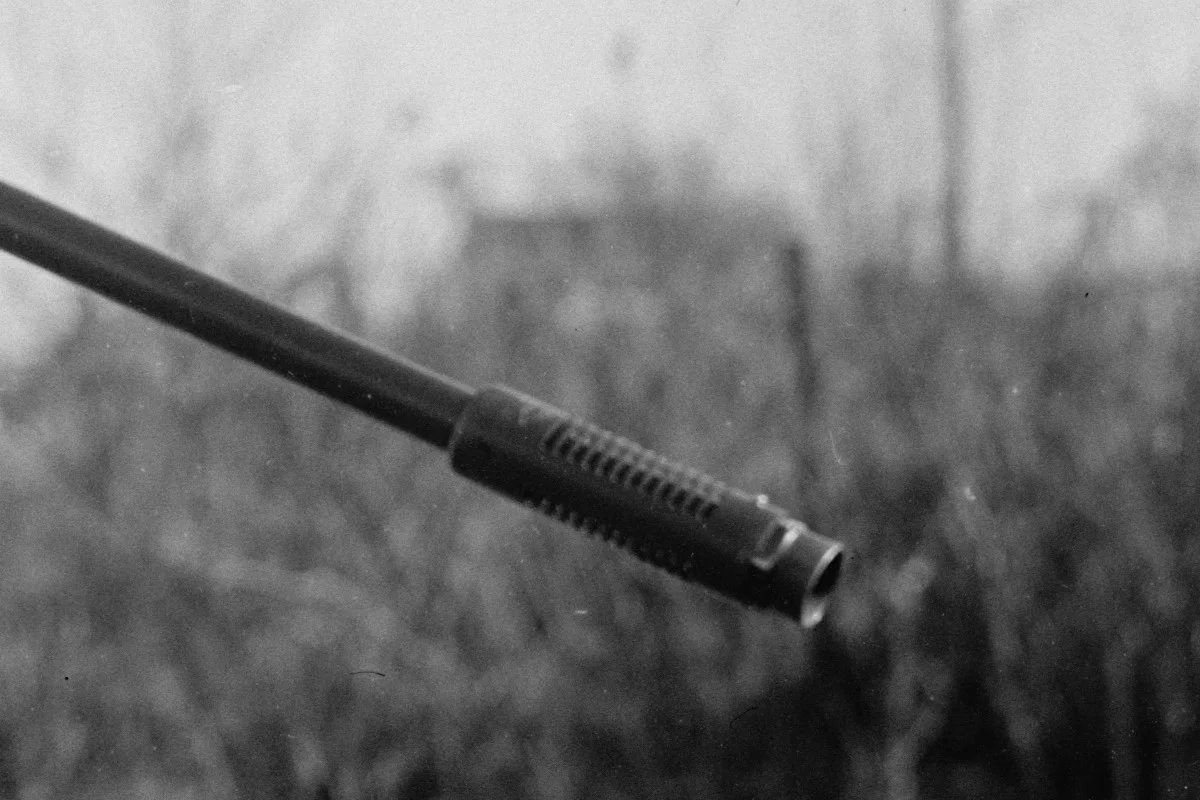
The friction rings control how hard the barrel recoils. Remington’s own manual gives three setups, all on the magazine tube under the forend:
| Setting | Order on the magazine tube (from the receiver) | Use for |
|---|---|---|
| Heavy loads | Recoil spring, then the friction ring with its bevel toward the spring, then the bronze friction piece | Any loads other than light ones |
| Light loads | Friction ring with its bevel toward the muzzle, then the spring, then the bronze piece | Light target and field loads |
| Cutts compensator | Bronze piece, then the spring, then the ring with its bevel forward | Guns fitted with a Cutts |
Remington’s rule was simple: use the heavy setting whenever you’re shooting anything but light loads, because the wrong setting causes excessive recoil, broken forends and extra wear. If the gun won’t eject with the shells you are using, move to the next lighter setting. Start heavy, and only go lighter when you have to.
What Ammo Is Safe in a Model 11
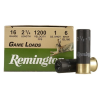
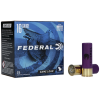
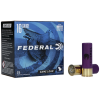
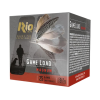
Shoot lead shot in 2 3/4-inch shells or shorter, and nothing else. Every Model 11 chamber we found measured was 2 3/4 inches, but some old 16 gauge guns may have shorter chambers, so have a gunsmith measure yours before you shoot modern shells. Never fire 3-inch shells, and never shoot steel shot: Browning bans it in the Remington-made Auto-5, which is the same mechanism, and the old barrels and chokes weren’t built for it.
Standard lead field and target loads are ideal; just match the friction rings to them. Bismuth or other soft non-toxic shot is the option if you must hunt waterfowl. Old ammo was often corrosive, so clean any gun that may have shot it, and clean after every session anyway.




Caring for a 100-Year-Old Recoil Gun
Keep it clean and lightly oiled, not wet. Old, thick grease is the enemy of a long-recoil gun, because the barrel has to slide back and forth freely on the magazine tube. Wipe the magazine tube and rings with a light oil, keep the bore clean and store the gun dry. Check the forend for hairline cracks now and then, and replace a tired recoil spring before it causes trouble. Parts come from the used market and specialist suppliers, so buy a spare ring set while you can.
History: From Browning’s Patent to the Model 11-48
- 1900: John Browning is granted his autoloading shotgun patent.
- 1902: Winchester has turned the design down; Remington’s Marcellus Hartley dies on the day of his meeting with Browning.
- 1903: FN begins production in Belgium.
- 1904: facing tariffs, FN cedes the U.S. rights to Remington.
- 1905: Remington introduces the Remington Autoloading Shotgun, the first autoloading shotgun made in the U.S.
- 1911: the gun is renamed the Model 11.
- 1918: trench-gun prototypes are built and shelved at the Armistice.
- 1923: Browning’s contract with Remington expires. By then Remington had sold almost 270,000 autoloaders, against FN’s 87,000 or so.
- Early 1930s: 20 and 16 gauge guns and the 3-shot Sportsman arrive.
- 1940 to 1947: Remington builds about 65,000 American Browning Auto-5s for Browning, and about 60,000 Model 11s go to the U.S. military from 1940 to 1944.
- 1947: production ends at about 850,000.
- 1949: the streamlined Model 11-48 takes over.
The Model 11 and the 1930s Outlaws
Bonnie Parker’s own gun was a sawed-off 20 gauge Remington Model 11, found on the floorboards near her feet in the death car on May 23, 1934. The Barrow gang took Model 11s in National Guard armory raids, and some members of Frank Hamer’s posse carried them too. The famous Joplin snapshot of Bonnie pointing a shotgun at Clyde shows Clyde’s 16 gauge Browning Auto-5, not her Model 11, according to recent provenance research. That Auto-5 sold for a record $1 million in 2026; the full story is in our Bonnie and Clyde guns piece.
Other gangsters used them as well: at least one secondary source says the FBI seized two Model 11s from the Dillinger gang, one riot-length and one cut down. Sawed-off “whippet” guns are often sold today as gangster guns, but a shotgun with a barrel under 18 inches is an NFA item, and an unregistered one is illegal to own.
Model 11-48, Savage 720 and the Other Auto-5 Cousins
The Model 11-48 replaced the Model 11 in 1949. It is still a long-recoil gun, but with a rounded receiver and cheaper stamped internal parts, and it was made until 1969. It sells for about the same as a Model 11, at about $442 in our data, but it is not a humpback and it isn’t the same gun, so watch for listings that blur the two.
The Savage Model 720 was built on the Browning design from 1930 to 1949, and about 14,500 went to the military in World War II. Used ones sold for about $450 in our data. And of course there’s the Browning Auto-5 itself, made in Belgium and Japan, which brings about twice what a Model 11 does. Our Auto-5 buyer’s guide covers it in depth.
Legal: C&R Status and Sawed-Off Guns
Every Model 11 is more than 50 years old, so every one qualifies as a curio or relic under federal law, and a collector with a C&R license can have one shipped directly. ATF’s list also covers military shotguns made before 1946 in their original configuration. None are antiques, since all were made after 1898, so normal transfer rules apply otherwise.
A Model 11 with a barrel shorter than 18 inches, or an overall length under 26 inches, is a short-barreled shotgun under the National Firearms Act. Don’t buy a cut-down gun unless it’s properly registered, and don’t cut one down yourself. State laws vary, so check yours before buying across state lines.
Where to Buy a Model 11
Model 11s are everywhere: local gun shops, gun shows, estate sales, GunBroker and Guns.com. Auction houses like Rock Island handle the better military and high-grade guns; add the buyer’s premium to the hammer price. Ask the seller for the barrel date code, clear photos of the forend and both sides of the receiver, and whether the friction rings are all there. For more vintage shotgun buying, see our used shotguns guide and the Winchester Model 12 and Model 1897 guides.
Final Verdict
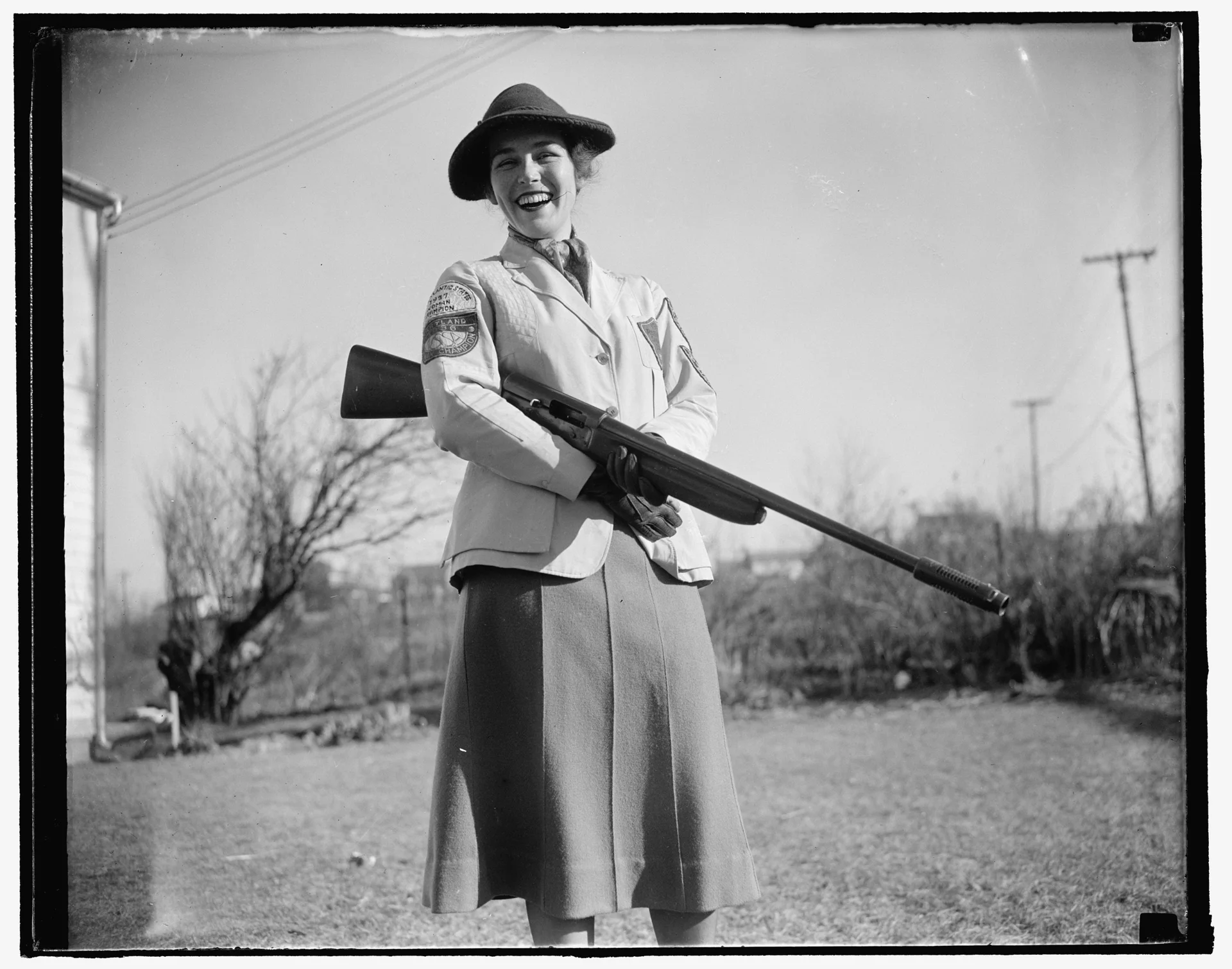
The Remington Model 11 is the easiest way to own and shoot John Browning’s humpback. It’s tough, it handles well, and it costs half what an Auto-5 does. Buy a sound 12 gauge for about $450 to $500, or pay a little more for a 16 or 20 gauge, set the friction rings for your loads, keep it on lead 2 3/4-inch shells and it’ll keep hunting for another generation. Collectors will find plenty to chase in the higher grades and genuine WWII guns, but check markings carefully before paying riot-gun money.
Remington Model 11 FAQ
Is a Remington Model 11 the same as a Browning Auto-5?
It's the same John Browning long-recoil design, built under licence by Remington in Ilion, New York, from 1905 to 1947. The main differences are that the Model 11 has no magazine cutoff and has its own safety and markings, and it sells for about half the price of a vintage Auto-5.
Is a Remington Model 11 a good gun?
Yes. It is a durable, well-made Browning design that still hunts and shoots clays well with lead 2 3/4-inch loads, provided the friction rings are set correctly and the forend is sound. It can't take steel shot or 3-inch shells.
When did Remington make the Model 11?
Remington introduced it in 1905 as the Remington Autoloading Shotgun, renamed it the Model 11 in 1911 and made it until 1947. About 850,000 were built. The Model 11-48 replaced it in 1949.
How do I tell how old my Remington Model 11 is?
Read the date code on the left side of the barrel ahead of the receiver. The first letter is the month from BLACKPOWDERX and the rest is the year, for example MM for 1943. Guns made before about 1920 have no code and are dated by serial number range.
What are the date codes for Remington serial numbers?
Remington's codes are on the barrel, not in the serial. The month key is BLACKPOWDERX (B for January through X for December), and year letters run from L for 1920 to SS for 1947. Note that 1920 and 1942 both use L.
What is the value of a Remington Model 11 Sportsman?
Sportsman guns sold for a median of about $515 in our year of completed sales data, slightly more than a 5-shot Model 11 at about $485. Excellent-condition guns and small gauges bring more.
What variations of the Remington Model 11 were available?
Grades 11A Standard, 11B Special, 11C Trap, 11D Tournament, 11E Expert and 11F Premier, plus the 11R Riot and 11P Police guns and the 3-shot Sportsman, in 12, 16 and 20 gauge, with plain, solid rib or vent rib barrels.
What is a riot shotgun?
A short-barreled shotgun for guard and police work. The Model 11 riot gun has a 20-inch cylinder-bore barrel, and about 60,000 Model 11s, riot guns and gunnery trainers among them, went to the U.S. military in World War II.
2,735+ Gun & Ammo Deals
Updated daily from 200+ top retailers. Filter by category, caliber, action type, and price.