
Last updated September 2026 · By Nick Hall, club-level competitor across USPSA, Steel Challenge and PRS
The fastest way into competition shooting is a local Steel Challenge or USPSA pistol match, where you can run the gun you already own and learn the ropes for the price of an entry fee and a box of ammo. From there the sport branches into practical pistol games like USPSA and IDPA, action rifle disciplines like 3-Gun and PRS, and the shotgun games of trap, skeet and sporting clays. You do not need a race gun to start. You need a safe, reliable firearm, a holster or case, a few magazines, and the nerve to walk up to the line.
Competition shooting turned my range time from aimless plinking into the most addictive hobby I have. There’s nothing like a shot timer to expose every weakness in your shooting, and nothing like a Sunday match to fix them. This guide maps the whole landscape: the major disciplines, what gear each one needs, what it costs, and exactly how to show up to your first match without making the rookie mistakes I made.
Table of Contents
How we tested: Every pick here is ranked against our testing methodology. Minimum round counts, accuracy and reliability protocols, the failures that disqualify a gun.
The Main Types of Competition Shooting
Shooting sports split into a few big families. Practical pistol rewards speed and accuracy on the move. Action and precision rifle test you from close-quarters speed to first-round hits past a thousand yards. The shotgun games are all about reading a flying target. And multigun ties pistol, rifle, and shotgun into one breathless run. You can specialize in one or, like most of us, dabble across several. The table below is the quick map; the sections that follow dig into each one and point you at the right gear.
| Discipline | What it tests | Main gun | Round count | Beginner friendly |
|---|---|---|---|---|
| Steel Challenge | Pure speed on steel | Pistol, PCC or 22 | Low | Excellent |
| USPSA | Speed plus accuracy, freestyle | Optic-ready pistol or PCC | High | Good |
| IDPA | Defensive, concealment-based | Carry-style pistol | Medium | Good |
| 3-Gun / Multigun | Pistol, rifle and shotgun in one run | AR-15, pistol, shotgun | High | Moderate |
| PRS / NRL | Long-range positional precision | 6mm or 6.5mm bolt rifle | Low | Moderate |
| NRL22 | Precision fundamentals, cheap | 22 LR bolt rifle | Low | Excellent |
| Trap / Skeet / Sporting Clays | Reading flying targets | Shotgun | Medium | Excellent |
| Cowboy Action (SASS) | Old-West speed and showmanship | Lever rifle, revolvers, shotgun | Medium | Good |
Practical Pistol: USPSA, IDPA and Steel Challenge
Practical pistol is the busiest corner of the sport and the easiest place to start. USPSA (United States Practical Shooting Association) is the fast, freestyle game: large stages, high round counts, and a hit-factor score that rewards both speed and accuracy. IDPA (International Defensive Pistol Association) runs concealment-based, scenario-style stages with lower round counts and a defensive flavor. Steel Challenge is the pure speed game, five steel plates per stage, draw and shoot as fast as you can, and it’s hands down the friendliest first match for a newcomer. USPSA is the American arm of IPSC, the international practical shooting sport, and it scores on hit factor, your points divided by your time, while power factor sorts loads into major and minor.
Each game is split into divisions so you compete against similar equipment. USPSA fields Carry Optics, Limited, Production, Open, Single Stack and PCC, among others, while IDPA groups guns into Stock Service Pistol, Carry Optics, and similar buckets. The point is simple: a bone-stock Glock shooter is scored against other stock guns, not against a 5,000 dollar Open race gun with a compensator and a dot. That’s why you should never feel out-gunned at your first match; you’ll land in the division that matches what you brought.
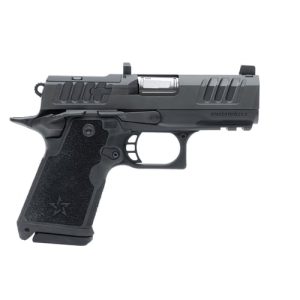
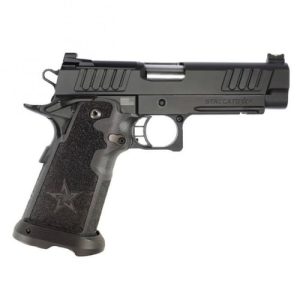
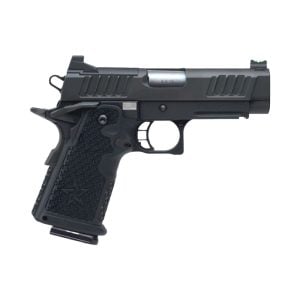
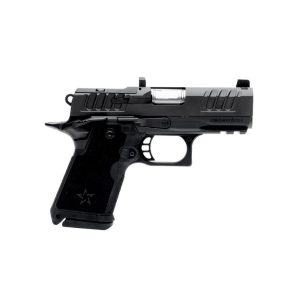
You can shoot any of these with a stock pistol, but the top shooters run optics-ready guns and tuned 2011s, and my roundup of the best competition pistols ranks them by division. If you want to see where the rabbit hole leads, read my Staccato 2011 review and the roundup of the best custom 1911 handguns, and for the optics that dominate Carry Optics division, my picks for the best competition red dots and best pistol red dot sights. Bianchi Cup and other action-pistol games occupy the precision end of the handgun world if you want a slower, accuracy-first challenge.
Rifle and Precision: PRS, NRL and Service Rifle
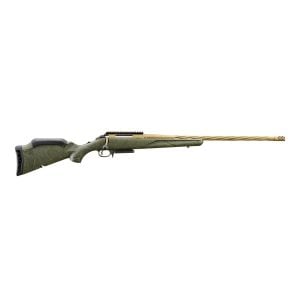
Rifle competition runs from blazing-fast carbine stages to ice-cold long-range precision. The Precision Rifle Series (PRS) and the National Rifle League (NRL) are the marquee long-range games, where you engage steel from improvised positions out to a mile, usually in 6mm or 6.5mm cartridges. NRL22 is the rimfire little brother, shot on a 22 at short range for a fraction of the cost, and it’s one of the best-value ways to learn precision fundamentals. Service Rifle, High Power, Benchrest and F-Class round out the traditional accuracy disciplines.
A PRS match day is a slow burn rather than a sprint. You move between stages built on barricades, tank traps, rooftops and props, and on each one you’ve a short par time to get hits from awkward positions on targets you often can’t range with the naked eye. Wind reading and a stable position matter far more than how fast you can run. It’s the thinking shooter’s game, and it humbles people in the best way.
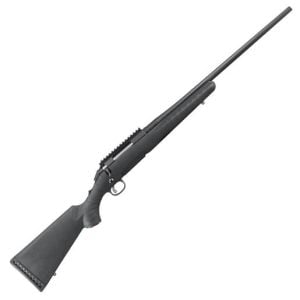
A purpose-built precision rig is the heart of this game. I rank them all in my best PRS rifles roundup and broke down the value king in my Ruger Precision Rifle review, and there are more options in the best 6.5 Creedmoor semi-auto rifles roundup. None of it works without glass, so see my best PRS scopes picks and the best rifle scopes roundup.
Shotgun Sports: Trap, Skeet and Sporting Clays
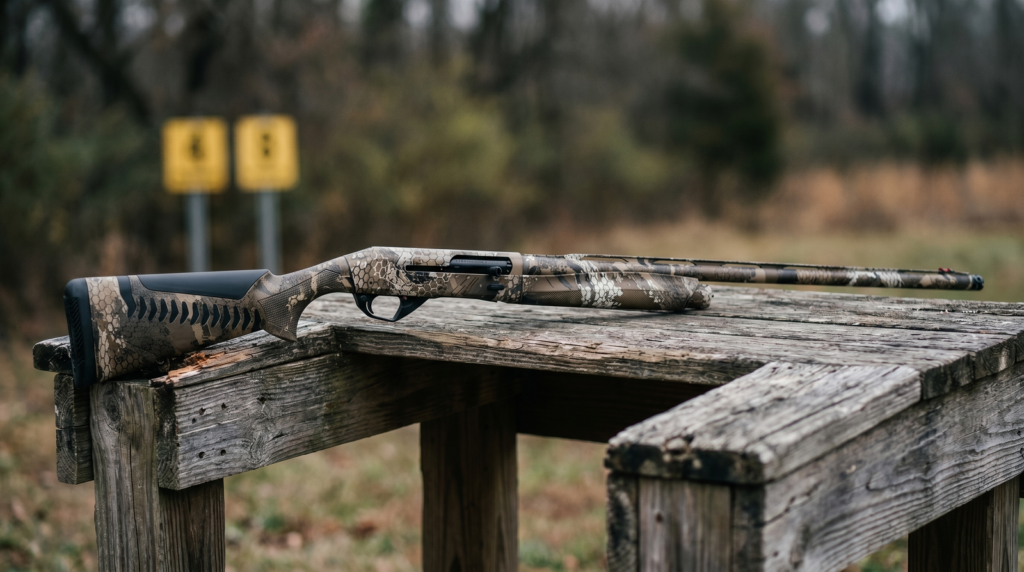
The shotgun games are the most social and arguably the most fun to watch. Trap launches targets away from you from a single house, skeet crosses them in front of you from two houses at fixed angles, and sporting clays is the wild card, a walking course that mimics flushing birds and bounding rabbits with endlessly varied presentations. They reward smooth gun mount and a good read more than raw speed, which makes them welcoming to all ages.
A reliable, well-fitted semi-auto or over-under is all you need to start breaking clays. For specific picks across the clay disciplines, see the roundup of the best shotguns for skeet and trap shooting.
Multigun and 3-Gun: All Three at Once
3-Gun, also called multigun, is the decathlon of the shooting world. A single stage might have you engaging close pistol targets, transitioning to a rifle for distance, then a 3-Gun shotgun for an array of clays or steel, all against the clock. It’s athletic, gear-heavy, and a blast to shoot. Worth a clear note: this is the competition sport, which is a completely different thing from a home-defense “three-gun kit” of a pistol, shotgun and rifle for the house. The sport is about running all three fast on a stage.
Most 3-Gun shooters build around a lightweight, optic-equipped AR-15, so the best 3-Gun rifles roundup covers the rifle leg, with more in the best AR-15 rifles guide. Pistol-caliber carbine (PCC) divisions have also exploded in popularity for their soft recoil and fast splits.
Pistol Caliber Carbine: The Fast-Growing PCC Game
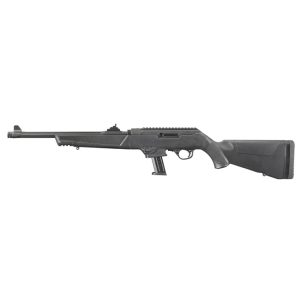
The PCC (Pistol Caliber Carbine) division has become one of the most popular on-ramps in the sport. A 9mm carbine has almost no recoil, runs cheap ammo, and lets a newer shooter post fast, accurate runs while they build skill. USPSA, Steel Challenge and many local matches all field a PCC division. A worthwhile flag: this is the competition use of a PCC, distinct from a home-defense carbine, even though many guns serve both roles.
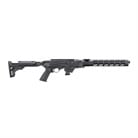
The takedown-friendly Ruger PC Carbine is a perennial value pick, covered in my Ruger PC Carbine review, and there are faster, more competition-focused options in my best competition PCCs roundup and the best 9mm carbine rifles guide.
Cowboy Action Shooting: The Most Fun You Can Have in a Holster
Cowboy Action Shooting, run by SASS (the Single Action Shooting Society), is the sport with the biggest grin attached. Competitors adopt an Old-West alias, dress the part, and run period-correct lever rifles, single-action revolvers, and side-by-side or pump shotguns through scenario stages drawn from frontier life and Western films. Scoring blends speed with a penalty for misses, but the costumes, the camaraderie, and the theater are half the draw. It’s welcoming, family-friendly, and a brilliant entry into the shooting sports for people who find the tactical games a little too serious.
Which Competition Shooting Sport Is Right for You?
If you’re not sure where to begin, match the sport to what you own and what you enjoy. Already carry a handgun? Steel Challenge or USPSA will sharpen that skill fast. Love precision and patience over speed? PRS or, on a budget, NRL22 is your lane. Own a shotgun and like a social Saturday? Trap, skeet and sporting clays are the most relaxed on-ramp in the sport. Want it all and don’t mind hauling gear? 3-Gun is the adrenaline pick. And if you would rather wear a duster and a six-shooter than a shot-timer beep, Cowboy Action is calling.
Honestly, you cannot pick wrong. The best discipline is whichever one runs at the club nearest you, because the one you actually attend twice a month will do more for your shooting than the perfect sport two hours away that you never drive to.
How to Get Started in Competition Shooting
Getting into your first match is simpler than it looks, and every club I’ve shot at goes out of its way to welcome new shooters. Here’s the path I give every friend who asks.
- Find a local club. Use the USPSA, IDPA or Scholastic clay-target club finders, or search Practiscore for matches near you. Steel Challenge and local “outlaw” matches are the gentlest first step.
- Email the match director. Tell them you’re brand new. They will pair you with a squad that looks after you and walks you through the commands.
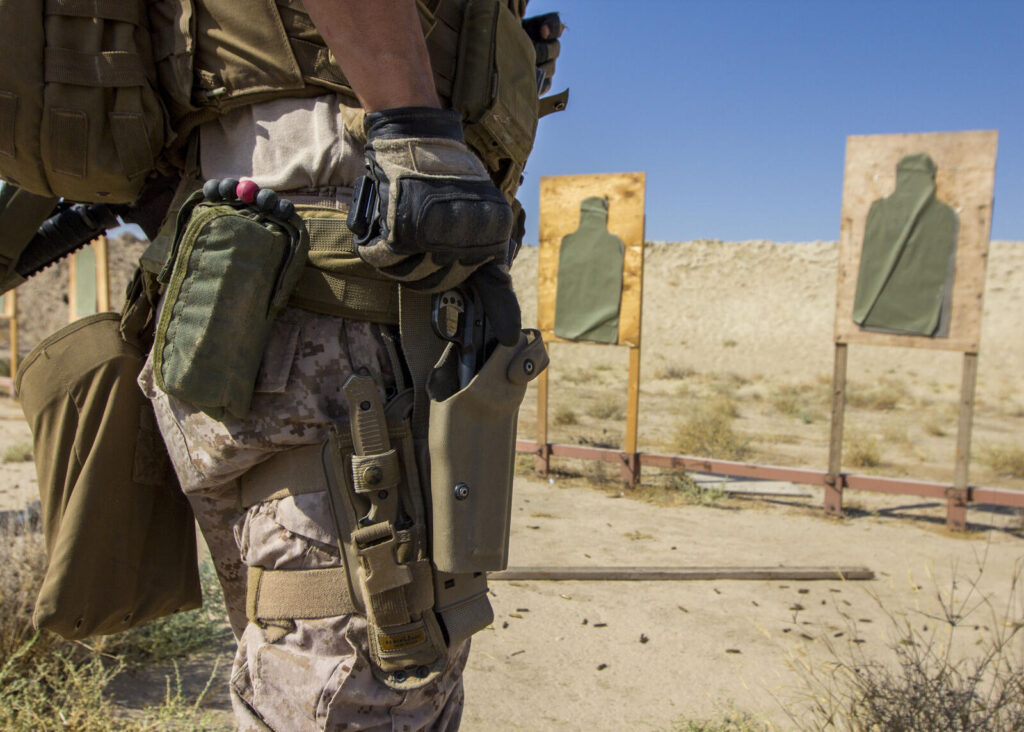
- Bring the basics. A safe, reliable firearm, a sturdy holster or case, three or more magazines, plenty of ammo, eye and ear protection, and a hat.
- Shoot slow and safe. Nobody cares about your time on day one. Muzzle awareness and trigger discipline are all that matter. The speed comes later.
- Get classified. Once you’re hooked, shoot a classifier so you compete against shooters at your own level, not the local hotshot.
What Gear Do You Need?
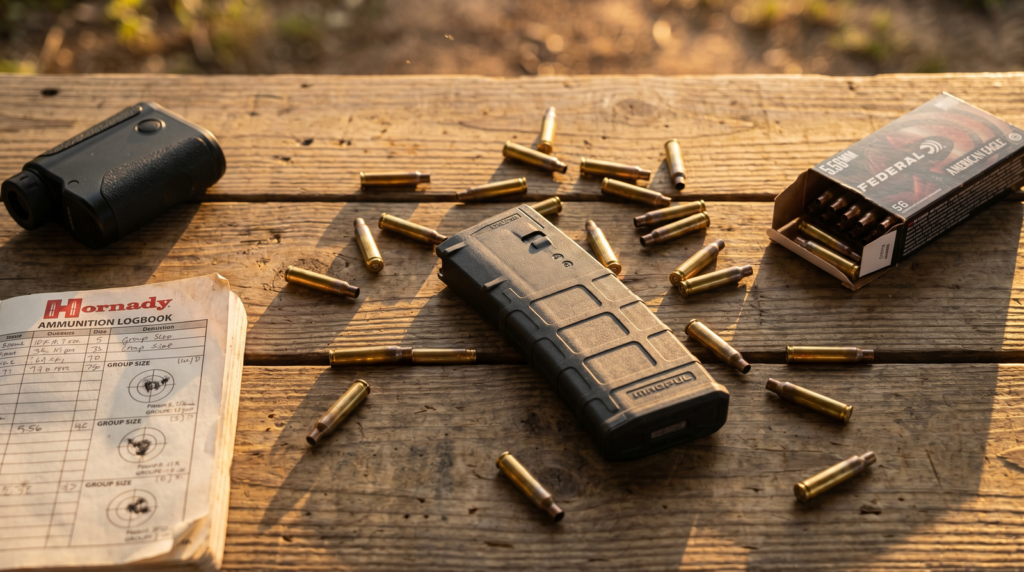
Start with what you own and add gear as you learn what your division actually requires. A typical first kit’s a reliable handgun, a good belt and holster, magazine pouches, and three to five magazines. Rifle and PCC games add an optic and a sling. The shotgun sports need little more than a vest with shell loops and good ear protection. Buy the gun and the ammo first; the fancy belt rigs and big-stick magazines can wait until you know your division.
How Much Does Competition Shooting Cost?
It’s cheaper to start than most people fear. Match entry fees usually run 20 to 40 dollars for a club match, and annual membership in a governing body like USPSA or IDPA adds a modest yearly fee that unlocks classification and major matches. Your biggest ongoing cost is ammo, so see my best competition ammo guide, so a low-recoil 9mm pistol or a rimfire NRL22 rifle keeps the budget friendly while you build skill.
You can absolutely start with a sub-1,000 dollar setup and a case of ammo; see my best budget competition pistols for picks. A reliable handgun, a holster, four magazines and eye and ear protection will get you through a season of Steel Challenge or USPSA without buying anything else. The race guns, custom rifles, and high-end glass are upgrades you earn into once you know the sport is for you, and plenty of A-class shooters still run guns that cost less than a nice optic.
Range Safety and Match Etiquette
Every action sport runs on a cold range: guns stay unloaded and holstered or cased until a range officer directs you to load on the line. Keep the muzzle pointed safely at all times, finger off the trigger until you’re on target, and never sweep yourself or anyone else. Tape targets, reset steel, and help your squad. Do that and you’ll be welcomed back at any club in the country.
The Bottom Line
If you only do one thing after reading this, sign up for a local Steel Challenge or USPSA match and shoot it with the gun in your safe. Competition will make you a dramatically better, safer shooter faster than any amount of solo range time, and the people are the best part. Pick a discipline that fits your gear and your nearest club, show up humble, and let the shot timer do the teaching. My beginner guide to competitive shooting covers the gear and first-match basics.
Weighing a race 2011 against a budget Glock? See my 2011 vs Glock for USPSA comparison.
Frequently Asked Questions
What is the easiest competition shooting sport to start with?
Steel Challenge is the friendliest entry point. Each stage is just five steel plates, you draw and shoot for speed, and you can run almost any handgun or 22. Local USPSA and club "outlaw" matches are also very welcoming to new shooters. Pick whichever your nearest club runs most often and tell the match director you're brand new.
How much does it cost to start competition shooting?
Less than most people expect. Club match entry fees typically run 20 to 40 dollars, and your main ongoing cost is ammo. You can start with a sub-1,000 dollar gun you may already own, a holster or case, a few magazines, and a case of ammo. Race guns and custom rifles are upgrades you grow into, not requirements to begin.
Do I need a special gun to compete?
No. The best advice for any new competitor is to start with the reliable firearm you already own. Almost every discipline has a division for stock guns, so a basic handgun, AR-15, or shotgun gets you on the line. Once you know your sport and division, you can decide whether a purpose-built competition gun is worth the upgrade.
What is the difference between USPSA and IDPA?
USPSA is the fast, freestyle game with large stages, high round counts, and a hit-factor score that blends speed and accuracy. IDPA is concealment-based and scenario-driven, with lower round counts and a defensive emphasis. USPSA rewards raw speed and gun handling; IDPA rewards practical, cover-based shooting. Many people shoot both.
Is competition shooting safe?
Yes, action shooting sports have an excellent safety record because they run on strict cold-range rules. Guns stay unloaded until a range officer directs you to load on the line, muzzle and trigger discipline are enforced on every stage, and any unsafe handling is an immediate match disqualification. That structure makes a well-run match one of the safest places to shoot.
What is 3-Gun shooting?
3-Gun, or multigun, is a sport where a single stage has you running a pistol, rifle, and shotgun against the clock, transitioning between them as the stage demands. It's athletic and gear-intensive. Note that the sport is different from a home-defense "three-gun kit," which simply means owning a handgun, shotgun, and rifle for the house rather than competing with all three.
What is PRS or precision rifle shooting?
The Precision Rifle Series (PRS) is long-range rifle competition where you engage steel targets from improvised positions, often out past a thousand yards, usually with 6mm or 6.5mm cartridges. It tests positional shooting, wind reading, and gear setup. NRL22 is the affordable rimfire version, shot on a 22 at short range, and a great way to learn the fundamentals cheaply.
How do I find a competition shooting match near me?
Start with Practiscore, which lists most action-shooting matches in the country, and the official club finders on the USPSA, IDPA, and clay-target association websites. Email the match director ahead of time, say you're new, and they will set you up with a squad that shows you the ropes on your first day.
4,297+ Gun & Ammo Deals
Updated daily from 200+ top retailers. Filter by category, caliber, action type, and price.
Related Guides