

Last updated September 2026 · By Nick Hall, who has put serious rounds through both and watched the 2011 price war up close.
This article contains affiliate links. If you buy through them we earn a small commission at no extra cost to you.
A few years ago, if you wanted a double-stack 2011 you paid Staccato money, full stop. Then Springfield dropped the Prodigy at around thirteen hundred dollars and detonated the whole category. Suddenly the question was not whether you could afford a 2011, but whether the Staccato was worth nearly double the price of a gun that looked, on paper, a lot like it.
That question has launched a thousand forum arguments, and it is the single most cross-shopped decision in the 2011 world today.
I have run both hard, and the answer is more nuanced than the price tags suggest. The Prodigy is one of the best values in modern handguns. The Staccato is the refined, proven original. Which one belongs in your safe depends on what you actually need, so let us cut through the noise.
Table of Contents
How we tested: Every pick here is ranked against our testing methodology. Minimum round counts, accuracy and reliability protocols, the failures that disqualify a gun.
Quick Verdict
If you want a double-stack 2011 for the least money and you are comfortable with a gun that is very good rather than flawless, the Springfield Prodigy is an incredible value and gets you most of the way there for roughly half the price. If you want the refined original, better fit and trigger, proven duty use, stronger support, and the best resale, the Staccato earns its premium. For pure value, buy the Prodigy.
For a lifetime pistol you will trust with your life and never second-guess, the Staccato is worth it.
Specs Comparison
| Spec | Staccato P | Springfield Prodigy |
|---|---|---|
| Platform | Modular 2011 | Modular 2011 (1911 DS) |
| Caliber | 9mm | 9mm |
| Capacity | 17+1 or 20+1, two magazines | 17+1 or 20+1, three magazines |
| Barrel | 4.4in bull | 3.5in, 4.25in or 5in bull |
| Weight, empty | 33oz | 33oz |
| Overall length | 8.1in | 8.5in (5in barrel) |
| Height | 5.9in | 5.5in |
| Optics | DPO optic variants, at extra cost | AOS optics-ready, standard on AOS models |
| Trigger | 4 to 4.5 lb, flat | Flat, single-action |
| Fit and finish | Higher, more consistent | Very good for the price |
| Duty use | Adopted by law enforcement | Primarily civilian |
| MSRP | $2,499 | $1,530 |
| Cheapest live offer we can source | $2,537.99 | $1,335.99 |
| Warranty | Lifetime | Lifetime |
Staccato P Pros & Cons
Pros
- Refined fit and finish, excellent consistency
- Proven in real law enforcement duty
- Cleaner trigger and superb shootability
- Strong dealer and factory support network
- Best resale value in the category
Cons
- Costs $1,202 more than the Prodigy
- Hard to justify on paper alone
- Premium models climb even higher
Springfield Prodigy Pros & Cons
Pros
- Same 2011 layout for $1,202 less
- Optics-ready AOS system, three magazines included
- Genuinely good trigger and accuracy
- Forged steel slide and frame
- Backed by Springfield, lifetime warranty
Cons
- Fit and finish a step below Staccato
- Early guns drew QC chatter
- Smaller premium reputation, lower resale
- Trigger is good, not Staccato-refined
The Gun That Started the Price War
Give Springfield real credit. The Prodigy took the modular 2011 layout, high capacity, a bull barrel, an optics plate system, and reasonable fit, and delivered it at a price that made the whole category accessible. It is the reason a normal shooter can now own a double-stack 2011 without spending mortgage money, and it forced everyone to sharpen their pencils. As a value proposition, it is genuinely impressive.
Staccato is the company that made the 2011 mainstream in the first place, refining the competition platform into a duty and carry gun that agencies actually adopted. It is the established standard, and the Prodigy is very deliberately chasing it. The interesting part is how much of the gap Springfield closed, and where the remaining gap actually lives. To understand the platform both share, see our 1911 vs 2011 guide.
Fit, Finish, and Trigger
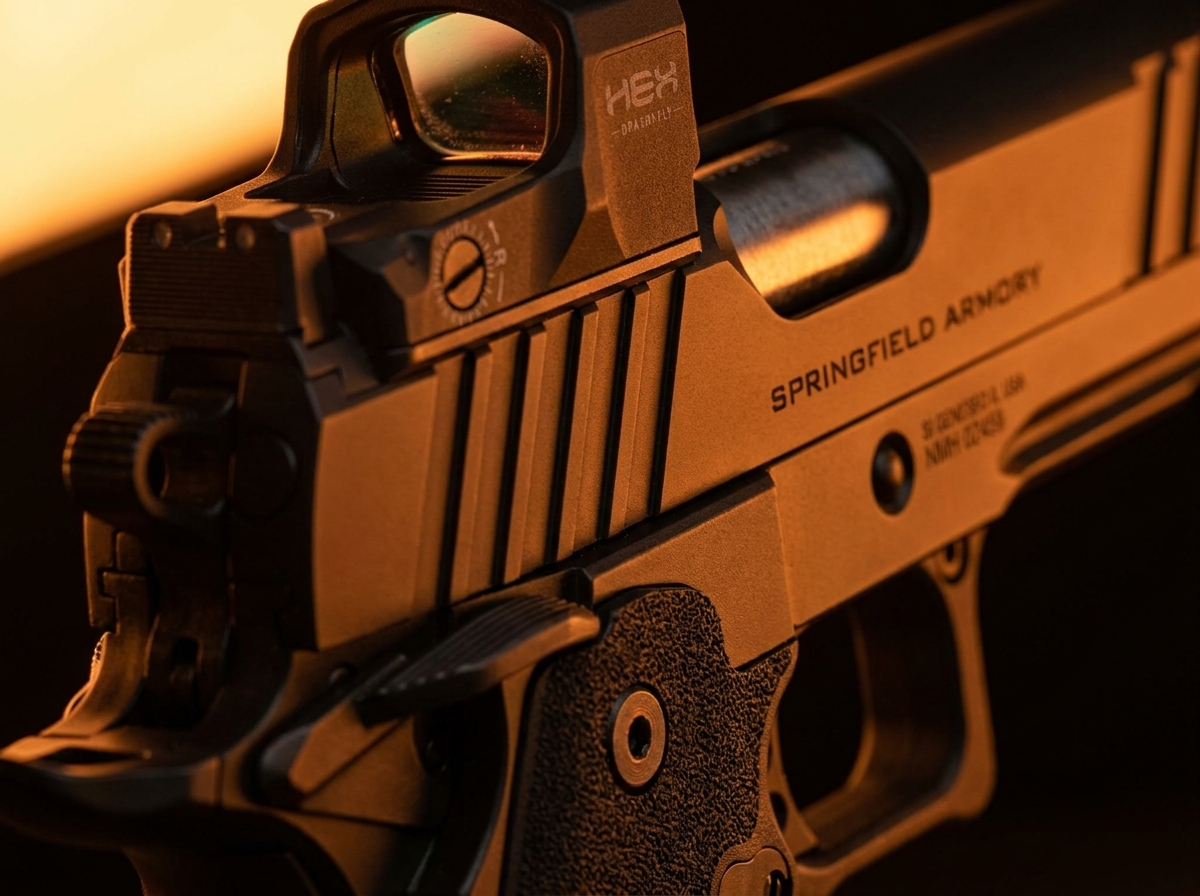
One myth to kill before we go further, because it comes up every time. People talk about the Staccato as the lighter, tidier gun. Staccato publishes 33oz for the P. Springfield publishes 33oz for the Prodigy. They weigh exactly the same.
The Prodigy is a little longer at 8.5in against 8.1in, because the base gun runs a 5in barrel against the P’s 4.4in, and it sits slightly lower at 5.5in against 5.9in. So this is not a size or weight decision. It is a fit-and-finish decision, and that is a much harder thing to justify at twelve hundred dollars.
This is where the money shows up. The Staccato is more refined, with tighter, more consistent fit and a cleaner, lighter trigger. Gun to gun it is more uniform, which matters when you are trusting a pistol with your life. The trigger in particular is a step above, and it is the first thing experienced shooters notice when they run both back to back.
The Prodigy is very good for the price, and a lot of owners are perfectly happy with its fit and trigger. But side by side the Staccato feels more finished, and the Prodigy’s trigger is good rather than great. If you have never handled a Staccato you may never miss the difference. If you have, you will feel it. That last increment of refinement is a big part of what the extra thousand dollars buys.
Reliability
Reliability is the most important factor in this whole comparison, and it is where the two have the most to prove relative to price. Staccato’s reputation is strong, backed by its duty adoption, which is meaningful evidence that the platform runs hard over high round counts. That track record is a real part of the premium.
The Prodigy’s early production saw some reliability and quality-control chatter, and while Springfield has improved the guns and many run great, the story is less uniform than Staccato’s. A short break-in and quality magazines help any 2011, and that advice is doubly worth following on a value gun. If your Prodigy is a range and competition gun, this is a manageable trade.
If it is a defensive pistol, test it thoroughly, and understand that Staccato’s proven consistency is part of what you pay for.
Capacity, Optics, and Features
On raw features the two are close, which is exactly why the comparison is so tight. Both are high-capacity 9mm 2011s with seventeen-round flush magazines and larger mags available, both ship optics-ready, and both use a bull barrel. The Prodigy even includes both a seventeen and a twenty-round magazine, which is a nice touch at the price.
The optics systems differ in the plate design, Staccato’s DPO cut versus Springfield’s AOS system, but both get a red dot mounted cleanly. On a feature checklist the Prodigy keeps pace with the Staccato, and that is the whole reason it is such a disruptive value. The gap is not in the spec sheet, it is in the execution.
Recoil and Shootability
Both are heavy, flat-shooting 2011s, and both make a shooter look good. The weight, the low bore axis, and the single-action trigger keep the muzzle down and the dot flat through fast strings. If you are coming from a polymer striker gun, either one will feel like cheating, and that soft, flat recoil is a big part of why the platform is so beloved.
The Staccato’s refined trigger and slightly lighter weight give it a small edge in fast, precise shooting, and its competition heritage shows on the clock. The Prodigy is a hair heavier and its trigger is a touch less polished, but the gap on target is smaller than the price gap suggests. For most shooters, both shoot flat enough that technique matters more than the difference between the two guns.
Optics Systems Compared
Both ship optics-ready, but the systems differ. Staccato uses its DPO direct-mount cut, which sits the dot low and clean on most models. Springfield uses its AOS plate system, which adapts the slide to a range of optic footprints with swappable plates. Both get a red dot mounted securely, and both are perfectly serviceable in the field.
The plate approach on the Prodigy offers flexibility across optic brands, while the direct-mount Staccato cut can sit slightly lower for the optics it is designed around. In practice, both let you run the dot you want, and neither system is a reason to choose one gun over the other. It is a small detail in a comparison that ultimately turns on fit, trigger, and reliability.
Competition and Range Use
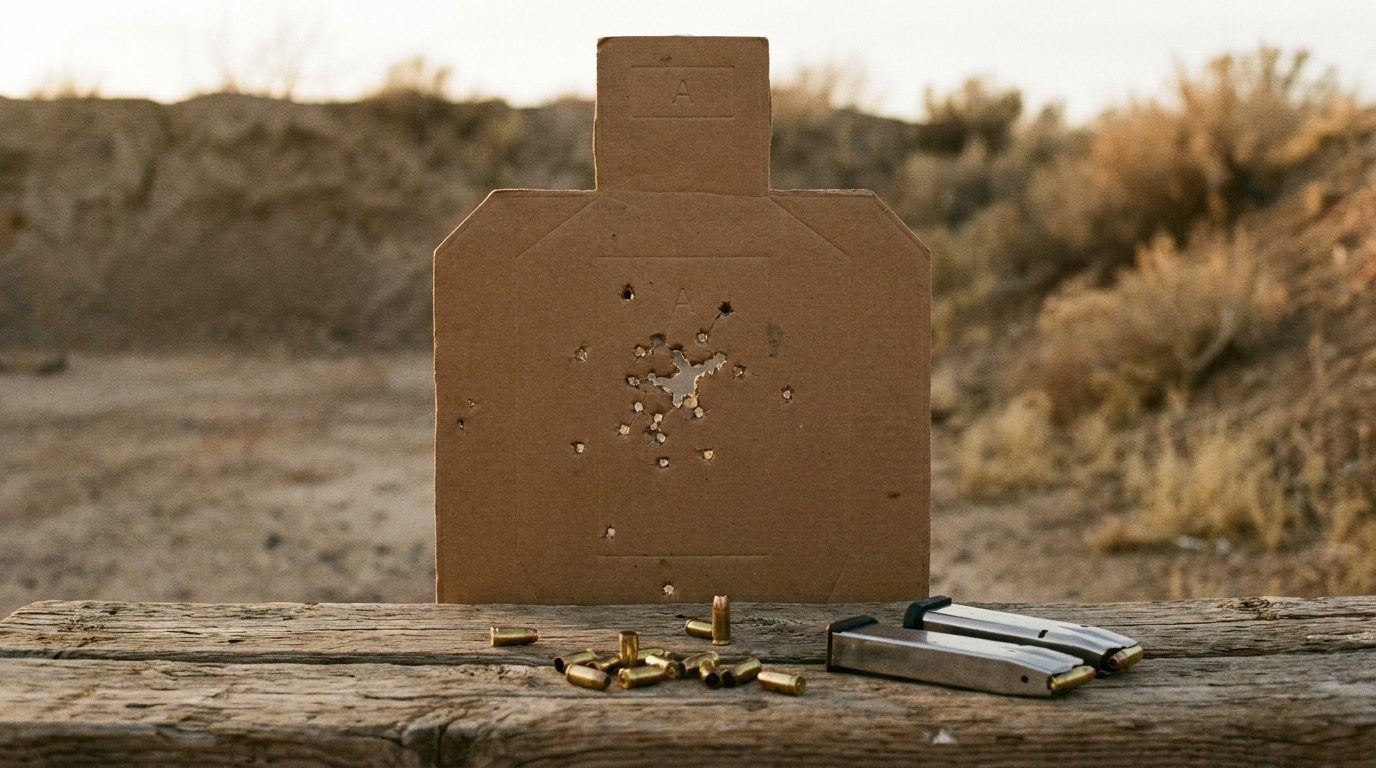
For the range and the match, the Prodigy is a spectacular value. It gives a new competitor a real double-stack 2011 with a dot and high capacity for around half the cost of entry a few years ago, which lowers the barrier to the division dramatically. Plenty of shooters run Prodigies hard in practice and local matches and love them.
The Staccato is the more refined competition tool, with a better trigger and more consistent build that reward a serious shooter chasing every point. It is also the more proven gun over very high round counts. If you are just getting into the platform, the Prodigy is the smart on-ramp. If you are campaigning a gun seriously and want the best, the Staccato is the upgrade you eventually crave.
Our 2011 vs Glock for USPSA guide covers why competitors chase this platform.
Warranty and Support
Both come with a lifetime warranty, and both companies stand behind their guns. Staccato has built a strong reputation for customer support and a solid dealer network, which matters more on a gun you may trust for defense. Its duty relationships also mean the company is used to supporting hard-use customers.
Springfield is a large, established manufacturer with wide distribution and a lifetime service commitment, so parts and support are accessible. The practical difference is that Staccato’s support experience is often described as more premium and personal, in line with its price, while Springfield offers the reliable, large-company backing you would expect. Both will take care of you, which is reassuring on a purchase this size.
Who Each One Is For
The Prodigy is for the shooter who wants into the 2011 world without spending Staccato money, who is building a range or competition gun, and who is happy to break it in and test it before trusting it. It is also perfect for the buyer who wants to experience a double-stack 2011 before committing to a premium one. As a first 2011, it is hard to argue against.
The Staccato is for the shooter who wants the refined, proven gun and will pay for the trigger, the fit, and the peace of mind, especially for a defensive or duty role. It is the pistol you buy when you have decided the platform is for you and you want the version that does everything a little better. Many owners end up with both stories: a Prodigy that got them hooked, and a Staccato that became the keeper.
What Each One Costs Right Now
Four cards, cheapest first. The headline pair are the Prodigy and the Staccato P, and the gap between them is the entire article.
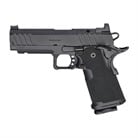
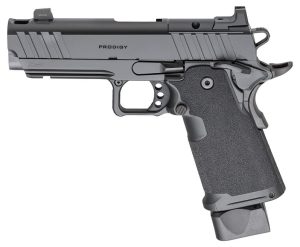
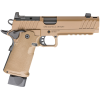
The Prodigy at $1,335.99 against a $1,530 MSRP. Forged carbon steel slide and frame, optics-ready, and Springfield ships it with three magazines, one 17-rounder and two 20s.
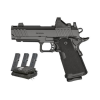
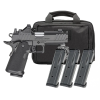
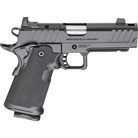
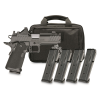
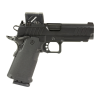
The compensated Prodigy from $1,299.99, often bundled as a Gear Pac with an optic already in the box. If you want a comp without leaving the Prodigy price bracket, this is it.
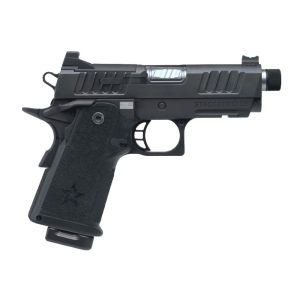
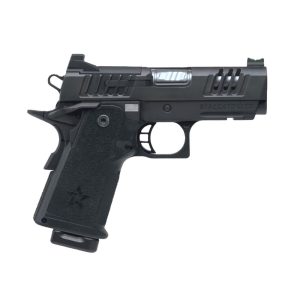
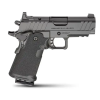
The cheapest Staccato at $2,399.99, and a genuinely different gun: 23oz on an aluminum frame and built for carry rather than the range. Worth knowing if the P is more gun than you need.
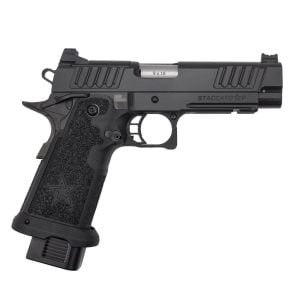
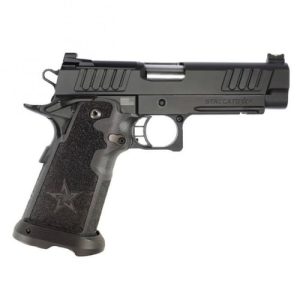
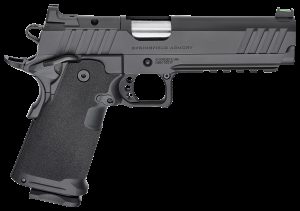
The Staccato P at $2,537.99 against a $2,499 MSRP. That is $1,202.00 more than the Prodigy, or almost exactly 1.9 times the price, which is where the “worth double” question comes from and why it is a fair one.
Price and Value: The Whole Argument
Here is the math that drives every conversation about these two. The Prodigy runs around thirteen to fifteen hundred dollars. The Staccato runs around twenty-two hundred to twenty-six hundred. That is close to a two-times price difference for guns that share a platform and a feature set. If you value dollars over the last increment of refinement, the Prodigy is one of the best buys in handgunning, period.
The Staccato earns its premium through better fit, a cleaner trigger, proven reliability, stronger support, and much better resale. For a defensive or duty gun where consistency is everything, that premium is defensible. For a range and competition gun, the Prodigy gets you eighty to ninety percent of the experience for half the price. Neither answer is wrong, and both companies deserve credit for pushing the category forward. Our Springfield Prodigy review and Staccato 2011 review go deeper on each.
Magazines and Feeding
Magazines are the lifeblood of any 2011, and both guns ship with capable ones. The Prodigy notably includes both a seventeen and a twenty-round magazine in the box, which is genuine value and a smart move at the price. Springfield’s magazines have improved over the platform’s life, and quality spares are readily available.
Staccato’s magazines are a known strong point, tuned to feed reliably and built to the standard the rest of the gun sets. If you have ever fought a picky 2011, you know how much good magazines matter, and this is one more place the Staccato premium quietly shows up. Both benefit from sticking with quality magazines and avoiding bargain-bin spares, which is true of the platform as a whole.
The Long-Term View
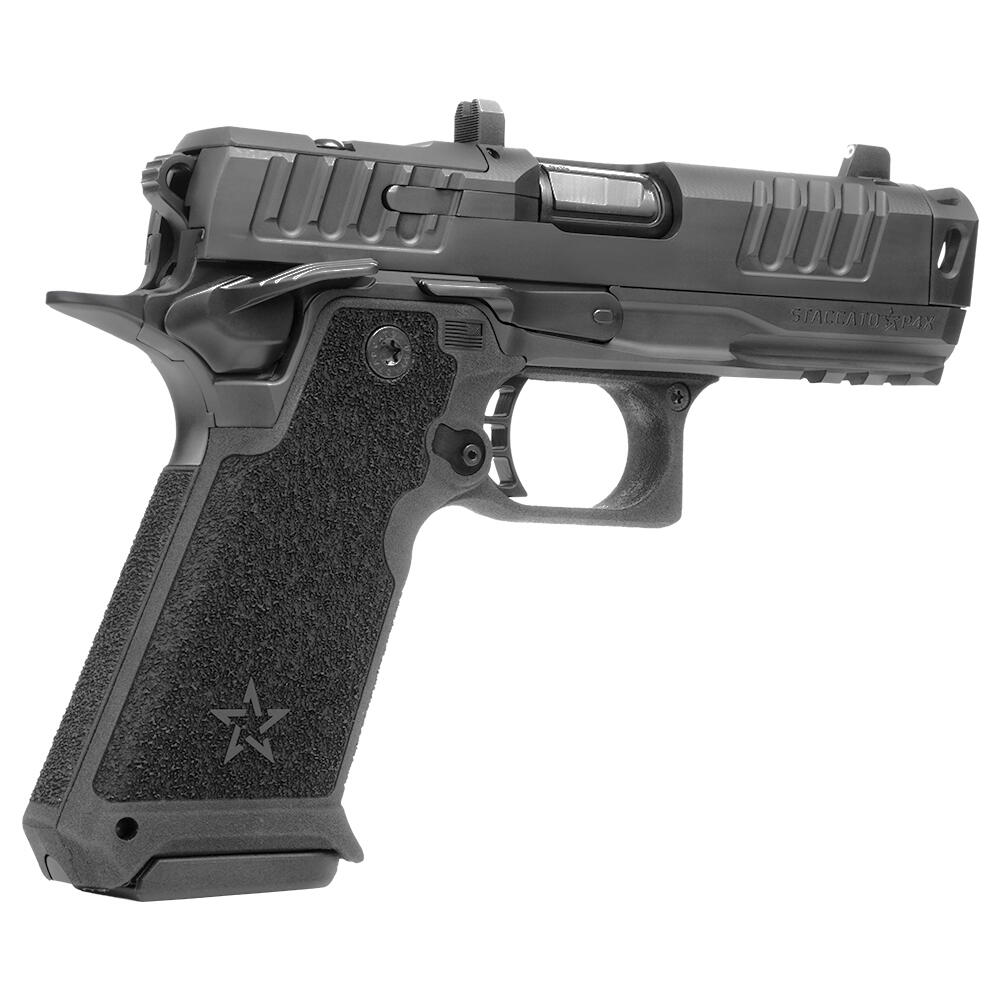
Think a few years down the road and the picture sharpens. A Prodigy that gets broken in, sorted, and shot regularly can serve happily for a long time, and its low entry price means you can put the savings into rounds down range, which is where real skill comes from. For a shooter on a budget who wants to actually train, that is a powerful argument.
A Staccato tends to hold its refinement and its value over the long haul, and its proven reliability makes it the gun you stop thinking about and simply trust. Many owners follow a natural path: the Prodigy introduces them to the platform, and a Staccato eventually becomes the keeper they trust for defense. Neither choice is a mistake, and buying the Prodigy first is a perfectly smart way to learn what you want before spending Staccato money.
Which Should You Buy?
Buy the Springfield Prodigy if you want a double-stack 2011 for the least money, you are building a range or competition gun, and you are comfortable breaking it in and testing it thoroughly. It is a spectacular value and the reason so many shooters got into the platform.
Buy the Staccato if you want the refined original, the better trigger and fit, proven duty reliability, stronger support, and the best resale, and you are willing to pay for that peace of mind. For a defensive pistol you will trust completely, it is worth the premium.
Curious how Staccato stacks up against the true custom houses instead? Our Nighthawk vs Staccato comparison looks up the ladder rather than down.
How I Compared These
This comparison draws on hands-on range time with both the Staccato P and the Springfield Prodigy, published specifications from both makers, and the well-documented reliability histories of each, including the Prodigy’s early production chatter and Staccato’s duty record. I weighted the factors that matter at this price, fit, trigger, reliability, features, and above all value. Prices move fast in this category, so check the live pricing above before you buy.
Bottom Line
The Staccato and the Springfield Prodigy are the clearest value-versus-refinement decision in the 2011 world. The Prodigy cracked the category wide open and delivers most of the experience for roughly half the money, making it a phenomenal buy for range and competition shooters. The Staccato is the polished, proven original, worth its premium for anyone who wants the best trigger, the most consistent build, and duty-grade peace of mind.
Decide whether you are optimizing for dollars or for absolute confidence, and the right gun is obvious.
Related buying guide: For more picks, see our best double-stack 1911 pistols roundup.
Related reading: the best 2011 pistols ranks the whole field, Wilson Combat vs Staccato takes the argument up a tier, and the Tisas 1911 Duty DS is what happens when you take it down one.
Is a Staccato worth double the price of a Springfield Prodigy?
The gap is real: $2,537.99 against $1,335.99, which is almost exactly 1.9 times. For a defensive gun where consistency matters, many buyers say yes, because the Staccato has better fit, a cleaner trigger, duty adoption behind it and stronger resale. For a range or competition gun the Prodigy delivers most of the experience for $1,202 less.
Do the Staccato P and Springfield Prodigy weigh the same?
Yes, and this surprises almost everyone. Staccato publishes 33oz for the P and Springfield publishes 33oz for the Prodigy. The Prodigy is slightly longer at 8.5in against 8.1in because the base gun runs a 5in barrel, and it sits a little lower at 5.5in against 5.9in. There is no weight advantage either way.
What is the difference between a Staccato and a Springfield Prodigy?
Both are high-capacity 9mm double-stack 1911s sharing the modular layout, a bull barrel and an optics cut. The Staccato is the refined original with a better trigger, tighter fit and law enforcement adoption. The Prodigy brought the same idea to roughly half the money and is what made the platform mainstream.
How much cheaper is the Prodigy?
By $1,202.00 at the floor. The cheapest Prodigy we can source is $1,335.99 against $2,537.99 for a Staccato P. On MSRP the gap narrows a little, $1,530 against $2,499, because the Staccato sells at or above list while the Prodigy sells below it.
Is the Springfield Prodigy reliable?
Early production drew reliability and quality-control chatter and Springfield has improved the guns since. Plenty run faultlessly, but the record is less uniform than Staccato's, which is a fair part of what the premium buys. Break it in, use quality magazines and test it thoroughly before trusting it for defense.
Do both come optics-ready?
Both mount a red dot cleanly but by different routes, and the Staccato route costs more. The Prodigy uses Springfield's AOS plate system, machined from billet steel with an integral rear sight, on AOS models. On the Staccato side the DPO optic guns are separate variants: a standard C2 is $2,593.99 against $2,789.99 for a C2 DPO, about $196 more.
How many magazines does each come with?
The Prodigy ships with three, one 17-round and two 20-round. Staccato ships the P with two 17-round magazines. So the cheaper gun arrives with more rounds of magazine capacity in the box, which is worth counting when you are comparing the real cost of getting shooting.
Which should I buy as my first 2011?
The Prodigy is the sensible on-ramp at $1,335.99, and it is the same architecture rather than a watered-down version of it. Plenty of owners start there and add a Staccato later once they know they want to stay on the platform. If the budget stretches and you want the finished article first time, buy the Staccato and stop thinking about it.
4,021+ Gun & Ammo Deals
Updated daily from 200+ top retailers. Filter by category, caliber, action type, and price.
Related Guides