

Last updated October 2026
Some of the links below are affiliate links, meaning at no additional cost to you, we may earn a commission if you click through and make a purchase.
- Treat every gun as loaded
- Point the muzzle in a safe direction
- Keep your finger off the trigger until you’re ready to shoot
- Know your target and what’s beyond
.32 ACP ammo is easy to find in 2026. Our dealers had more than 100 listings on October 3, from PPU, PMC, Winchester, Magtech, Sellier & Bellot, Fiocchi, Federal, Hornady, Speer and a handful of specialty makers, with 50-round boxes of PPU hollow points from $23.10.
It’s the same cartridge as the .32 Auto and the 7.65 Browning. John Browning designed it for FN’s first pocket pistol in 1899.
The trouble isn’t finding it. It’s the names. A box marked 7.65 can be a different round, .32 ACP doesn’t belong in a .32 revolver, and +P on a .32 ACP box has no standard behind it.
Below you’ll find what it costs, which loads make sense in a pocket pistol, how it stacks up against the .380, and which guns it fits. New to buying online? Start with our ammo buying guide.
Quick answer
For practice, buy 50-round boxes of PPU, PMC or Winchester full metal jacket. For carry in a small pistol, the gel tests favor full metal jacket or Hornady’s XTP, a hollow point that barely opens and so goes deep. .32 ACP, .32 Auto and 7.65 Browning are one cartridge. Keep it out of revolvers, and treat +P as the maker’s own label.
- Price on October 3, 2026: $0.37 to $0.98 a round in boxes of 50, $1.02 to $2.02 for premium loads in boxes of 20 and 25
- Also sold as: .32 Auto, 7.65 Browning, 7.65x17mm SR. SAAMI’s name is 32 Automatic
- Pressure limit: 20,500 psi by SAAMI, with no SAAMI +P
- Not the same: 7.65 Parabellum, 7.65 French Long, 7.62×25 Tokarev, .32 S&W Long, .32 H&R Magnum
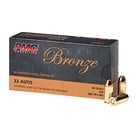
How we tested: Every pick here is ranked against our testing methodology. Minimum round counts, accuracy and reliability protocols, the failures that disqualify a gun.
.32 ACP at a Glance
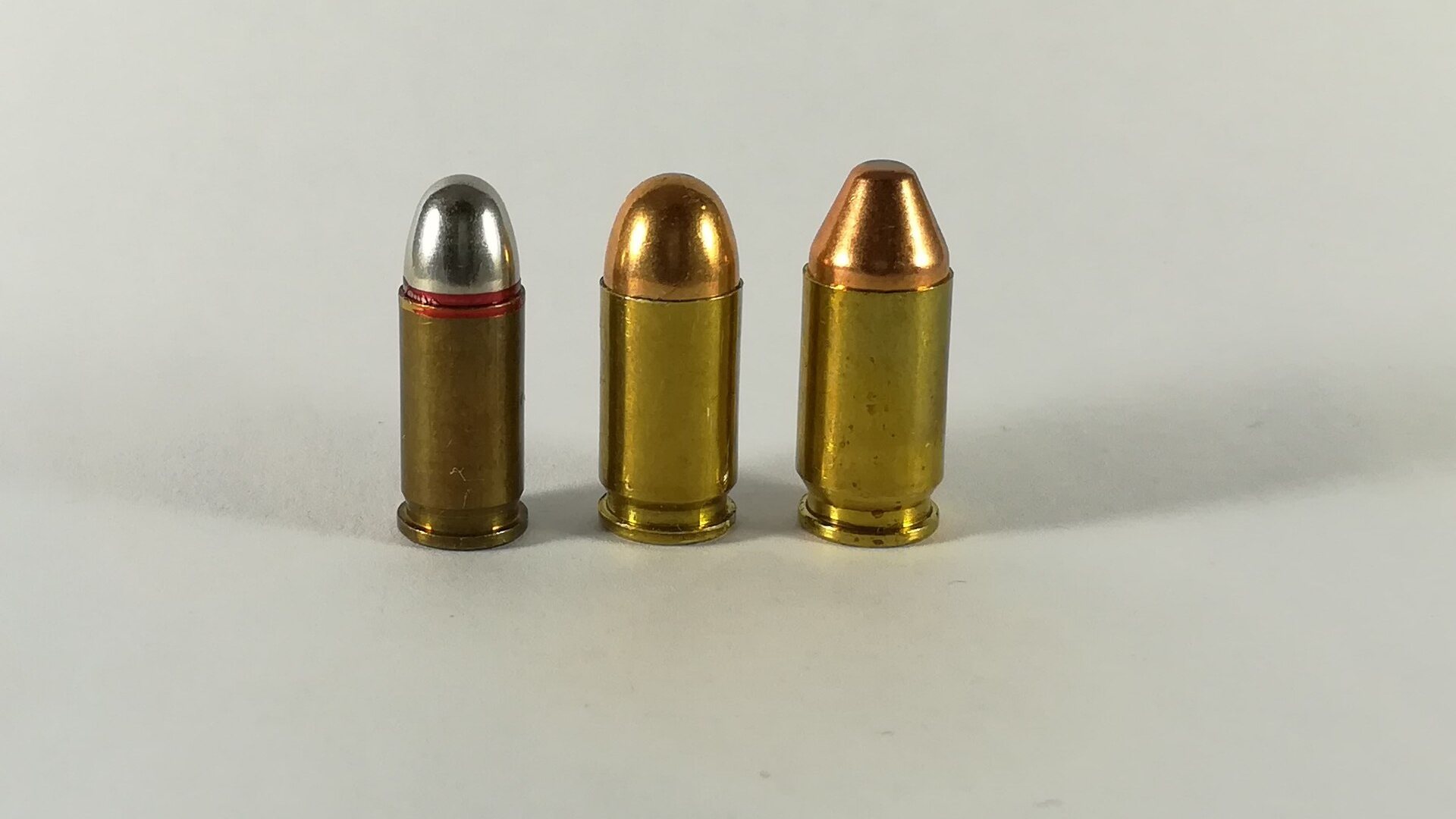
The .32 ACP is a semi-rimmed pistol cartridge that FN introduced in 1899 with John Browning’s first pocket pistol. It fires a 60 to 73-grain bullet at about 900 to 1,000 fps, and SAAMI limits it to 20,500 psi, a little under the .380 ACP.
| Spec | .32 ACP |
|---|---|
| Names | 32 Automatic and 32 Auto by SAAMI, which also lists 7.65 Browning, 32 ACP and 32 Colt Automatic. C.I.P. calls it 7,65 mm Browning |
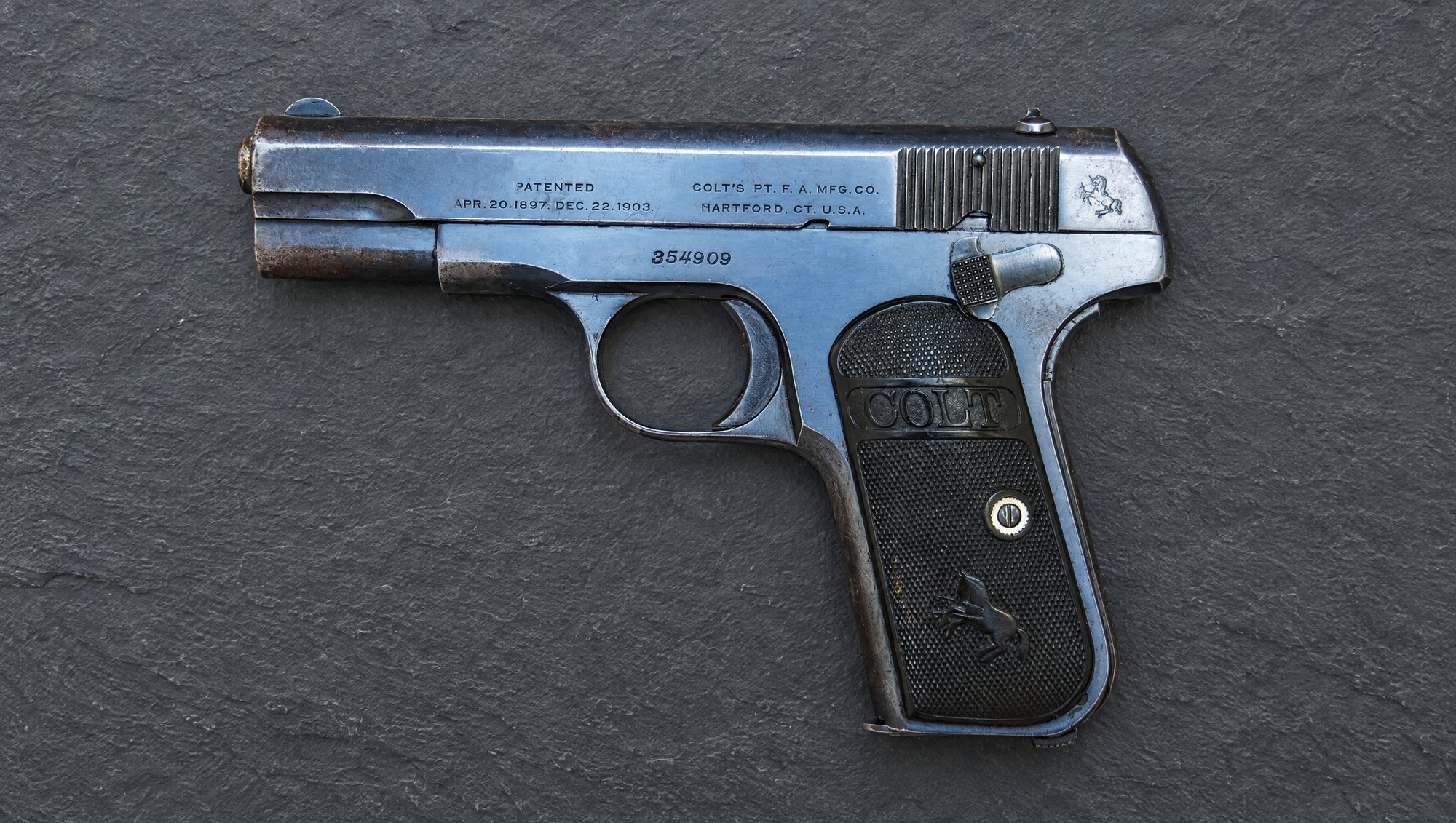
| Introduced | 1899, by FN with John Browning’s pistol. Colt brought it to the United States in 1903 |
| Bullet diameter | Up to .3125 in. by the SAAMI drawing. European makers list .309 in. |
| Case | Semi-rimmed, .680 in. long. Rim .045 in. thick |
| Overall length | .890 to .984 in. |
| Barrel | Bore .304 in., groove .311 in., 6 grooves, 1 turn in 16 in. by SAAMI |
| Headspace | On the rim, by the C.I.P. sheet |
| SAAMI pressure limit | 20,500 psi by transducer, 15,000 CUP by crusher. Two methods, never converted |
| SAAMI +P standard | None |
| C.I.P. pressure limit | 1,600 bar |
| Status | In production |
.32 ACP Ammo: The Good and the Bad
Supply is deep, practice ammo is cheap for a vintage round, and the pistols are small and light. The catch is the small bullet, and how few hollow points make it deep enough out of a short barrel.
Pros
- Practice ammo near 50 cents
- Fits tiny, light pocket pistols
- Mild recoil, easy to shoot
Cons
- Hollow points can stop short
- Many look-alike 7.65 names
- +P has no SAAMI standard
Table of Contents
.32 ACP, .32 Auto and 7.65 Browning: One Cartridge
.32 ACP, .32 Auto, 7.65 Browning and 7.65x17mm SR are four names for one cartridge. SAAMI’s standard calls it 32 Automatic and lists 7.65 Browning and 32 Colt Automatic among its other names, and Europe’s C.I.P. files it as 7,65 mm Browning. So a box of .32 Auto ammo or 7.65 Browning ammo fits a .32 ACP pistol.
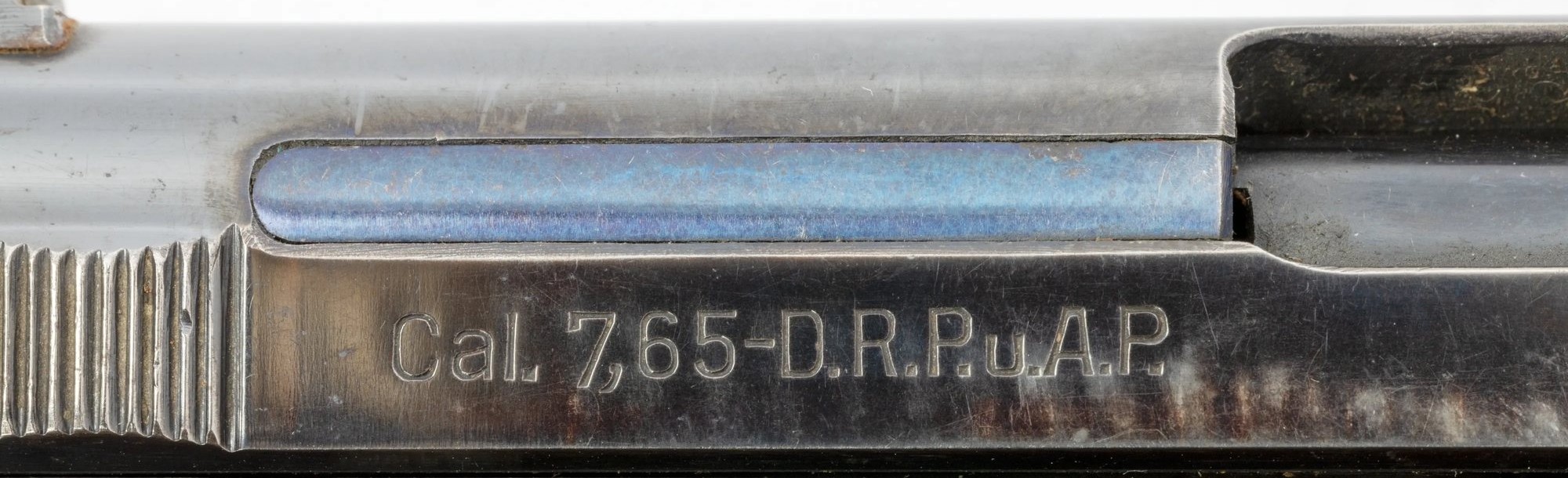
The names come from its history. FN built the round as the 7.65 mm Browning, and American Rifleman notes that it “later became known in the United States as the .32 ACP when introduced by Colt’s in 1903.” A European box or pistol may say 7,65, with a comma.
The 7.65s and .32s that are not .32 ACP
| Cartridge | What it is | In a .32 ACP pistol? |
|---|---|---|
| 7.65 Parabellum, 7.65 Luger | SAAMI’s 30 Luger, a bottleneck cartridge for the Luger pistol | No |
| 7.65 French Long, 7.65 MAS | A separate C.I.P. cartridge for French service pistols | No |
| 7.62×25 Tokarev | A bottleneck Soviet pistol round | No |
| .32 S&W, .32 S&W Long, .32 H&R Magnum | Rimmed revolver cartridges | No |
| .32 Long Colt, .32 Short Colt | Old rimmed revolver cartridges | No |
| .32 NAA | North American Arms’ own round for a separate Guardian model. NAA says its Guardian cartridges are not interchangeable | No |
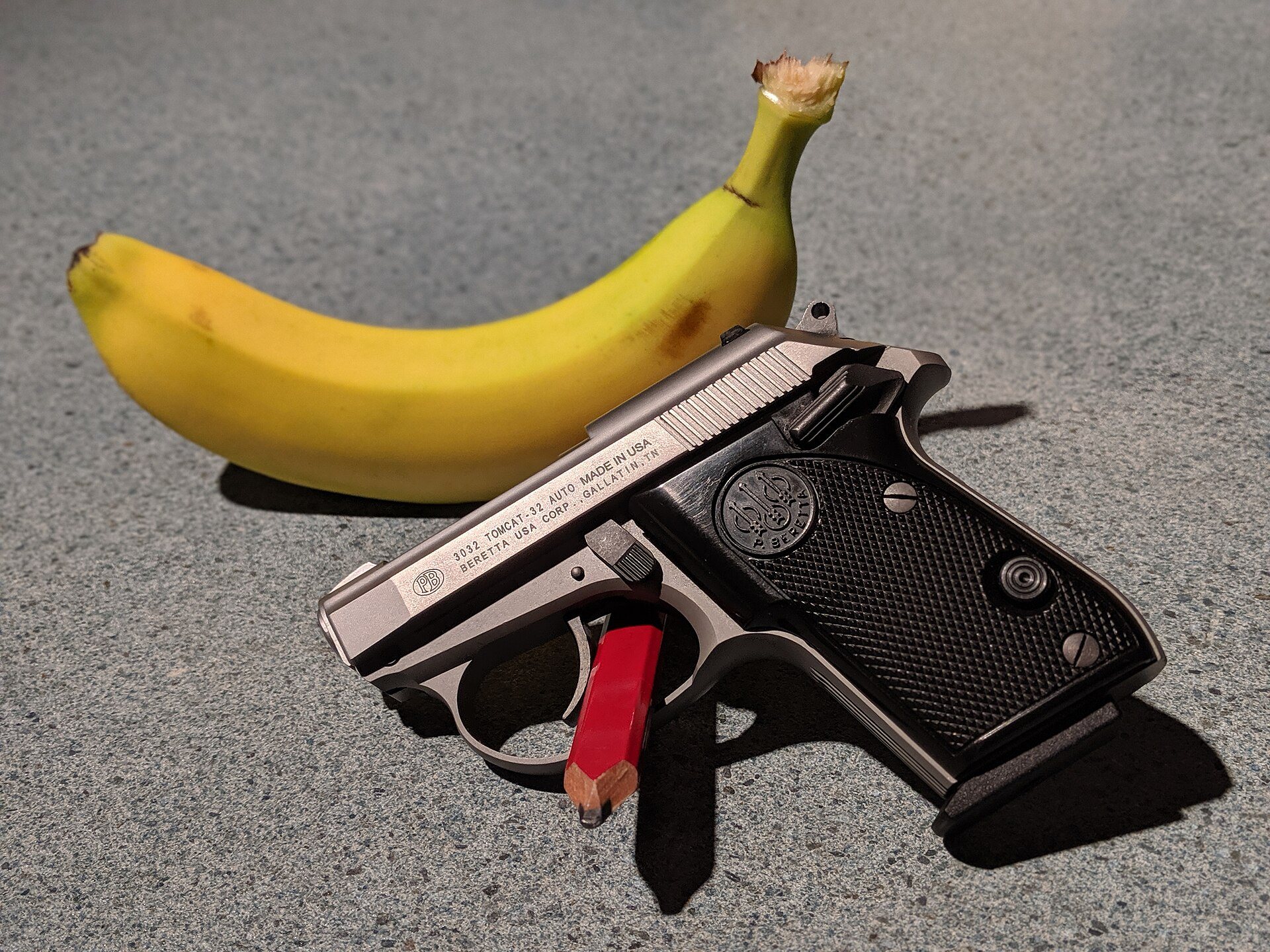
Beretta prints the warning in its Tomcat manual, listing ten look-alikes the pistol “is not designed to shoot,” from the 7.65 Roth-Sauer to the 7.65 MAS French. Kel-Tec’s P-32 manual puts it more simply: use no other ammunition.
Two of those look-alikes have their own pages: the 7.62×25 Tokarev ammo guide and the .32 H&R Magnum ammo guide.
Who Makes .32 ACP Ammo in 2026
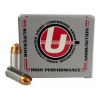
More than a dozen makers load .32 ACP in 2026, from budget full metal jacket by PPU, PMC, Magtech and Sellier & Bellot to defensive loads by Hornady, Speer, Federal, Fiocchi, Buffalo Bore and Underwood. Most standard loads run 900 to 1,000 fps with a 60 to 73-grain bullet.
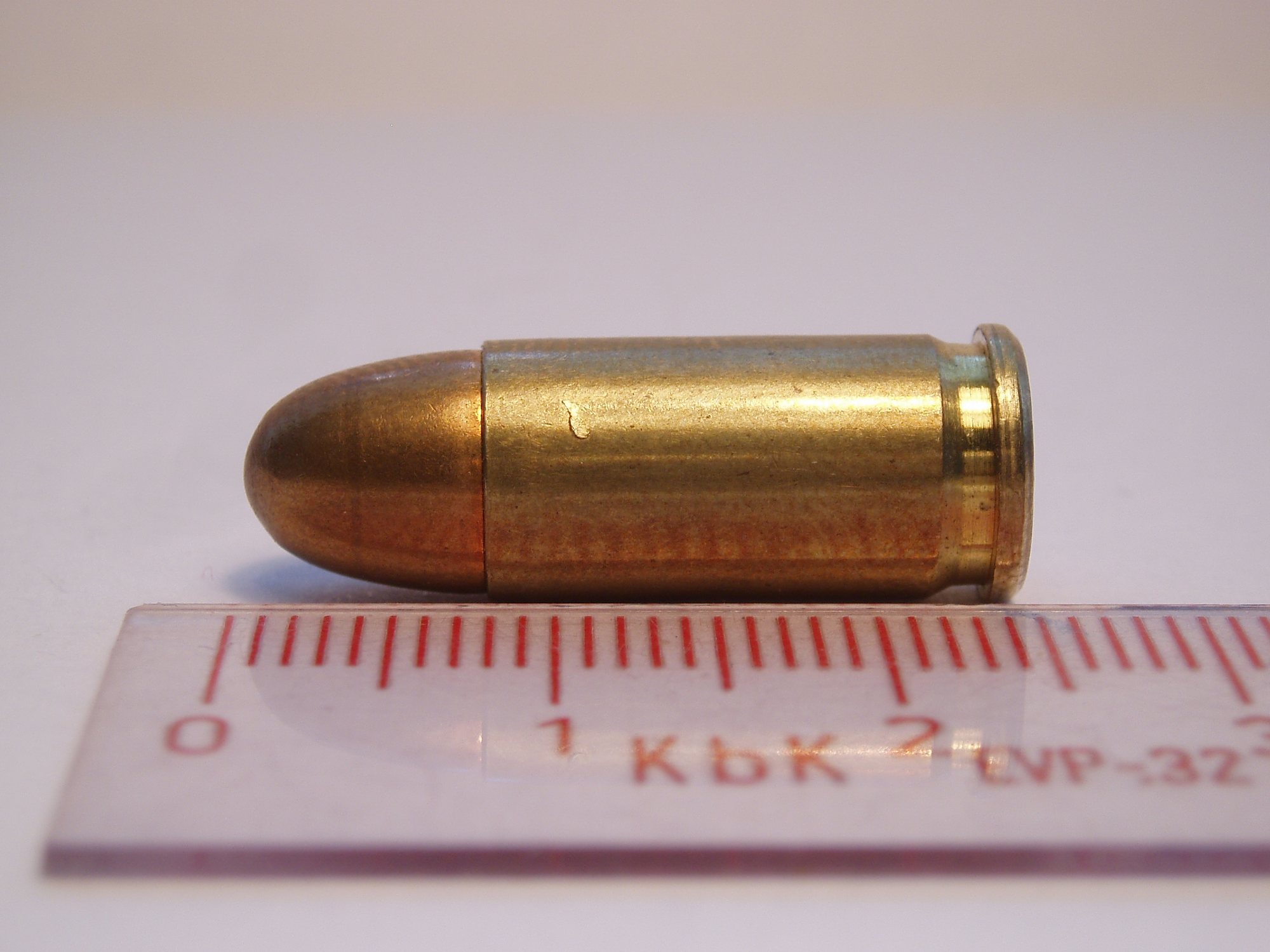
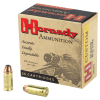
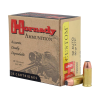
Read the barrel column before you compare. Hornady tests its Critical Defense load in a 2-inch barrel and its XTP in a 4-inch barrel, yet prints the same 1,000 fps for both.
| Maker and load | Bullet | Listed velocity | Barrel the maker states |
|---|---|---|---|
| Hornady Critical Defense 90063 | 60 gr FTX | 1,000 fps, 133 ft-lb | 2 in. |
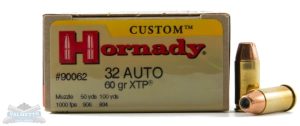
| Hornady Custom 90062 | 60 gr XTP | 1,000 fps, 133 ft-lb | 4 in. |
| Federal Hydra-Shok Deep P32HSD1 | 68 gr hollow point | 1,000 fps, 151 ft-lb | Not stated |
| Federal Hydra-Shok P32HS1 | 65 gr hollow point | 925 fps, 123 ft-lb | 4 in. |
| Federal American Eagle AE32AP | 71 gr full metal jacket | 900 fps, 128 ft-lb | 4 in. |
| Speer Gold Dot 23604GD | 60 gr hollow point | 960 fps, 123 ft-lb | 4 in. |
| Remington UMC 23704 | 71 gr full metal jacket | 905 fps, 129 ft-lb | Not stated |
| Magtech 32A | 71 gr full metal jacket | 905 fps, 129 ft-lb | 4 in. |
| Sellier & Bellot | 73 gr full metal jacket | 1,043 fps, 176 ft-lb | 4 in. |
| PPU | 71 gr full metal jacket or hollow point | 902 fps, 128 ft-lb | Not stated |
| PMC Bronze 32A | 71 gr full metal jacket | 900 fps, 126 ft-lb | Not stated |
| Fiocchi Defense Dynamics 32APHP | 60 gr hollow point | 1,100 fps | Not stated |
| Buffalo Bore 30A, sold as +P | 75 gr hard cast flat nose | 1,150 fps headline, 910 fps from a 2.5 in. Kel-Tec | 2.5 in. Kel-Tec for the lower figure |
| Buffalo Bore 30B, sold as +P | 60 gr Barnes TAC-XP | 1,150 fps headline, 943 fps from a 2 in. Seecamp | 2 in. Seecamp for the lower figure |
| Underwood Xtreme Defender | 55 gr solid copper | 950 fps, 110 ft-lb | Not stated |
| Underwood Xtreme Defender, sold as +P | 55 gr solid copper | 1,050 fps, 135 ft-lb | Not stated |
| Fort Scott TUI | 71 gr solid copper | 828 fps, 108 ft-lb | 4 in. |
Sellier & Bellot’s 73-grain load carries the most published energy among the standard boxes, 176 foot-pounds, and the maker marks it as not +P. Fiocchi lists a faster 1,100 fps for its 60-grain hollow point but prints no energy figure.
Underwood says its standard load is “new production, non-corrosive, in boxer primed, reloadable brass cases.” Military surplus is a different story, which we cover below.
What .32 ACP Ammo Costs in 2026
Prices for .32 ACP ammo ran from 37 cents a round for Fiocchi hollow points in boxes of 50 to $2.02 a round for Underwood’s solid copper at our dealers on October 3, 2026. Full metal jacket started at 44 cents for Norma, and PMC, PPU and Winchester boxes ran 47 to 64 cents.
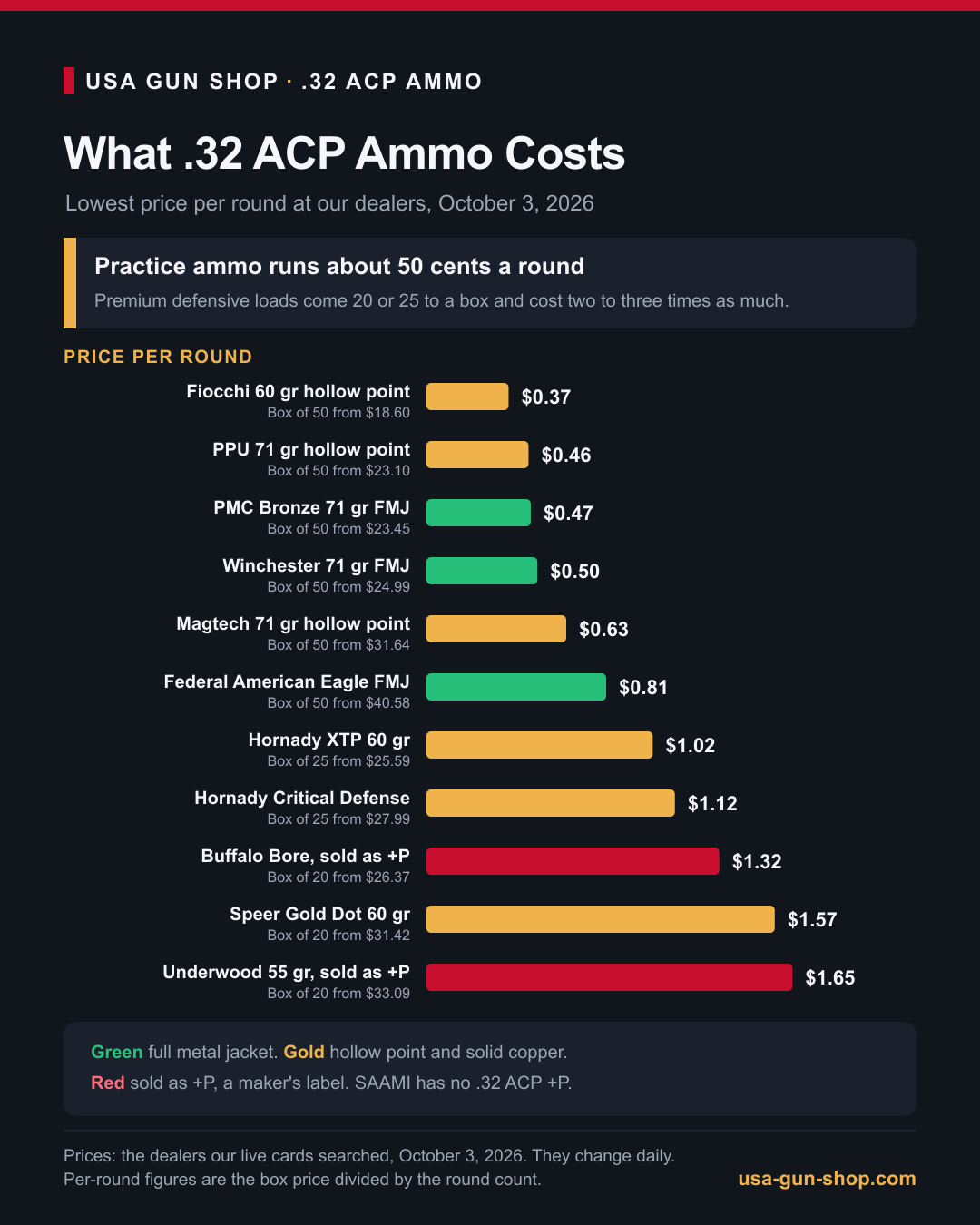
Box size and bullet type set the price. Budget full metal jacket comes 50 to a box, while Hornady packs 25 and Speer, Buffalo Bore and Underwood pack 20.
| Load | Box | Box price | Per round |
|---|---|---|---|
| Fiocchi Defense Dynamics 60 gr hollow point | 50 | $18.60 to $33.49 | $0.37 to $0.67 |
| Norma 73 gr full metal jacket | 50 | $21.99 | $0.44 |
| PPU 71 gr full metal jacket | 50 | $25.49 | $0.51 |
| PPU 71 gr hollow point | 50 | $23.10 to $30.99 | $0.46 to $0.62 |
| PMC Bronze 71 gr full metal jacket | 50 | $23.45 to $27.99 | $0.47 to $0.56 |
| PMC Bronze 60 gr hollow point | 50 | $23.99 to $27.99 | $0.48 to $0.56 |
| Winchester USA 71 gr full metal jacket | 50 | $24.99 to $31.99 | $0.50 to $0.64 |
| Sellier & Bellot 73 gr full metal jacket | 50 | $25.48 to $28.18 | $0.51 to $0.56 |
| CCI Blazer | 50 | $29.66 to $43.49 | $0.59 to $0.87 |
| Magtech 71 gr hollow point | 50 | $31.64 to $40.49 | $0.63 to $0.81 |
| Winchester Silvertip 60 gr hollow point | 50 | $32.55 to $39.99 | $0.65 to $0.80 |
| Remington UMC 71 gr | 50 | $35.64 to $48.99 | $0.71 to $0.98 |
| Federal American Eagle 71 gr | 50 | $40.58 to $47.49 | $0.81 to $0.95 |
| Hornady XTP 60 gr | 25 | $25.59 to $29.99 | $1.02 to $1.20 |
| Hornady Critical Defense 60 gr | 25 or 20 | $27.99 to $35.49 | $1.12 to $1.65 |
| Federal Hydra-Shok and Hydra-Shok Deep | 20 | $25.24 to $35.49 | $1.26 to $1.77 |
| Buffalo Bore, sold as +P | 20 | $26.37 to $31.99 | $1.32 to $1.60 |
| Speer Gold Dot 60 gr | 20 | $31.42 to $35.49 | $1.57 to $1.77 |
| Underwood 55 gr, standard and sold as +P | 20 | $33.09 to $40.49 | $1.65 to $2.02 |
Each card on this page puts a dealer we trust in the headline slot when one has stock, so the headline can sit above the cheapest row in the list. On October 3 the first card led with Brownells at $24.99, with the $23.10 PPU box further down.
A few rows in the dealer feeds can fool you. Shop by brand and you’ll see Sellier & Bellot or Underwood .380 and .45 ACP boxes mixed in with the .32s, so read the caliber line on every listing. A plain 7.65 search pulled in a Swiss Luger, which fires the 7.65 Parabellum, and blank cartridges sit in the same feeds.
The cards on this page filter those out. Our ammo price index tracks the common calibers for comparison.
.32 ACP Ballistics: Pressure, Velocity and Energy
SAAMI’s reference loads for the .32 ACP are a 60-grain bullet at 970 fps and a 71-grain bullet at 900 fps, at up to 20,500 psi. SAAMI also lists 15,000 CUP by the older crusher method, and since those are two different tests, you can’t convert one into the other.
| Cartridge | SAAMI limit, transducer | Bullet weight in SAAMI’s reference load |
|---|---|---|
| .32 S&W | 17,000 psi | Revolver round |
| .32 ACP | 20,500 psi | 60 gr at 970 fps, 71 gr at 900 fps |
| .380 ACP | 21,500 psi | Several, 65 to 100 gr |
| .32 H&R Magnum | 23,000 psi | Revolver round |
| 7.65 Parabellum, 30 Luger | 28,000 psi | Bottleneck round |
SAAMI’s reference velocities come from a 4-inch test barrel, and SAAMI prints no revolver figure for this round. Its note reads that revolvers are “not normally chambered for this cartridge.”
Europe’s C.I.P. sheet sets the 7,65 mm Browning at 1,600 bar. It’s measured its own way, so don’t convert it and set it beside SAAMI’s psi figure.
Can You Shoot .32 ACP in a .32 Revolver?
Don’t. SAAMI’s unsafe-combinations list says not to fire .32 Automatic in a .32 S&W revolver, and no SAAMI document or gun maker we read approves it in a .32 S&W Long, .32 H&R Magnum or .327 Federal revolver either.
It does chamber, which is the problem. Lucky Gunner explains that the .32 ACP’s rim is “.045 inches instead of .055 inches,” so the primer sits too far from the firing pin and the round may not fire. Its writer also notes that “The gun manufacturers have not said that .32 ACP is compatible with their guns.”
Fired cases can stick in a fouled revolver chamber too, since the cartridge was never built for one. Buy the cartridge stamped on the barrel. An old .32 S&W top-break takes .32 S&W, and our .32 H&R Magnum ammo guide sorts out which .32 revolver round fits which gun.
+P .32 ACP: What the Makers Say
SAAMI has no +P standard for the .32 ACP, so +P on a .32 ACP box is the maker’s own label. Buffalo Bore and Underwood sell loads they call +P, and neither publishes a pressure figure for them.
Shooting Illustrated puts the caution plainly: “There is no official SAAMI designation for +P pressure in the .32 ACP, so users considering this ammunition should do so only in modern firearms, and it’s best to check with ammo/gun manufacturers for their advice.”
| Gun or maker | What its own documents say about +P |
|---|---|
| Kel-Tec P32 | The manual says the P-32 will accept +P, “however not with continuous use.” It also says never to use ammunition above industry standards |
| Beretta Tomcat | The manual is silent on +P. It calls for new factory ammunition to SAAMI or CIP specifications |
| Seecamp LWS 32 | A “caliber-appropriate non +P hollow point round” |
| North American Arms Guardian | Any commercially manufactured .32 ACP ammunition. No +P statement |
| Walther PPK/S .32 | No +P statement on Walther’s page |
| Buffalo Bore 30B | Its own claim: “This load is safe for use in all 32 ACP pistols.” |
Our rule is simple. Use +P only in a modern pistol whose maker allows it, which on that list means the Kel-Tec in moderation. Keep it out of anything made before the 1990s, and ask Beretta before you feed it to a Tomcat.
The Tomcat has a second limit that matters more. Beretta packs a card with every Tomcat warning against ammunition rated over 130 foot-pounds of muzzle energy, as Recoil and Wikipedia both report. Hornady rates its XTP and Critical Defense at 133, and Sellier & Bellot’s 73-grain load at 176, so those sit over the line on paper. PMC Bronze at 126, Federal American Eagle at 128 and Magtech at 129 sit under it.
Best .32 ACP Ammo for Self-Defense
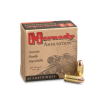
Carry Hornady XTP or a good full metal jacket. In the gel tests that exist, those two got the depth that most other .32 ACP hollow points missed, and the XTP barely opens. Lucky Gunner’s Fiocchi 73-grain full metal jacket went 16.8 inches from a 2.7-inch Kel-Tec P32, and the Hornady XTP went 12.64.
| Load | Kel-Tec P32, 2.7 in.: depth / expansion | Beretta 81, 3.8 in.: depth / expansion |
|---|---|---|
| Fiocchi 73 gr full metal jacket | 16.8 in. / none | 21.34 in. / none |
| Hornady 60 gr XTP | 12.64 in. / .31 in. | 17.22 in. / .31 in. |
| Fiocchi 60 gr XTP | 12.28 in. / .332 in. | 13.48 in. / .39 in. |
| Hornady 60 gr Critical Defense | 11.78 in. / .338 in. | 10.9 in. / .398 in. |
| Speer 60 gr Gold Dot | 10.1 in. / .31 in. | 9.8 in. / .438 in. |
| Federal 65 gr Hydra-Shok | 9.92 in. / .432 in. | 9.18 in. / .458 in. |
| Buffalo Bore 60 gr TAC-XP, sold as +P | 9.4 in. / .458 in. | 9.14 in. / .588 in. |
Lucky Gunner shot five rounds of each through four layers of heavy clothing into synthetic gel. Its summary: “All of the JHP loads tested had trouble penetrating at least some of the time.” The XTP barely expanded and went deepest of the hollow points, though Lucky Gunner notes that failing to expand didn’t guarantee depth.
Brass Fetcher‘s .32 ACP overview page comes to the same place: “To date, I have not tested factory ammunition that can expand and penetrate to 12.0” in ballistic gelatin.” Its load-by-load tests used 10 percent gel and a 2.7-inch pistol. So pick depth first.
For a pocket .32 we’d carry Hornady XTP or a good full metal jacket. A Seecamp is the exception, since Seecamp asks for a non +P hollow point, so check its ammo recommendations before you buy a box. A longer barrel doesn’t rescue Critical Defense: from the 3.8-inch Beretta 81 it stopped at 10.9 inches, while the XTP went past 17.
Load the magazine carefully, too: Kel-Tec’s manual warns that the semi-rim can lock behind the round below it. Carrying something bigger? Start with our best defensive ammo picks.
.32 ACP vs .380 ACP
The .380 ACP carries about half again the .32 ACP’s muzzle energy on the makers’ own pages. Federal lists its 71-grain .32 full metal jacket at 128 foot-pounds and its 95-grain .380 at 203. Hornady’s Critical Defense loads come in at 133 and 200.
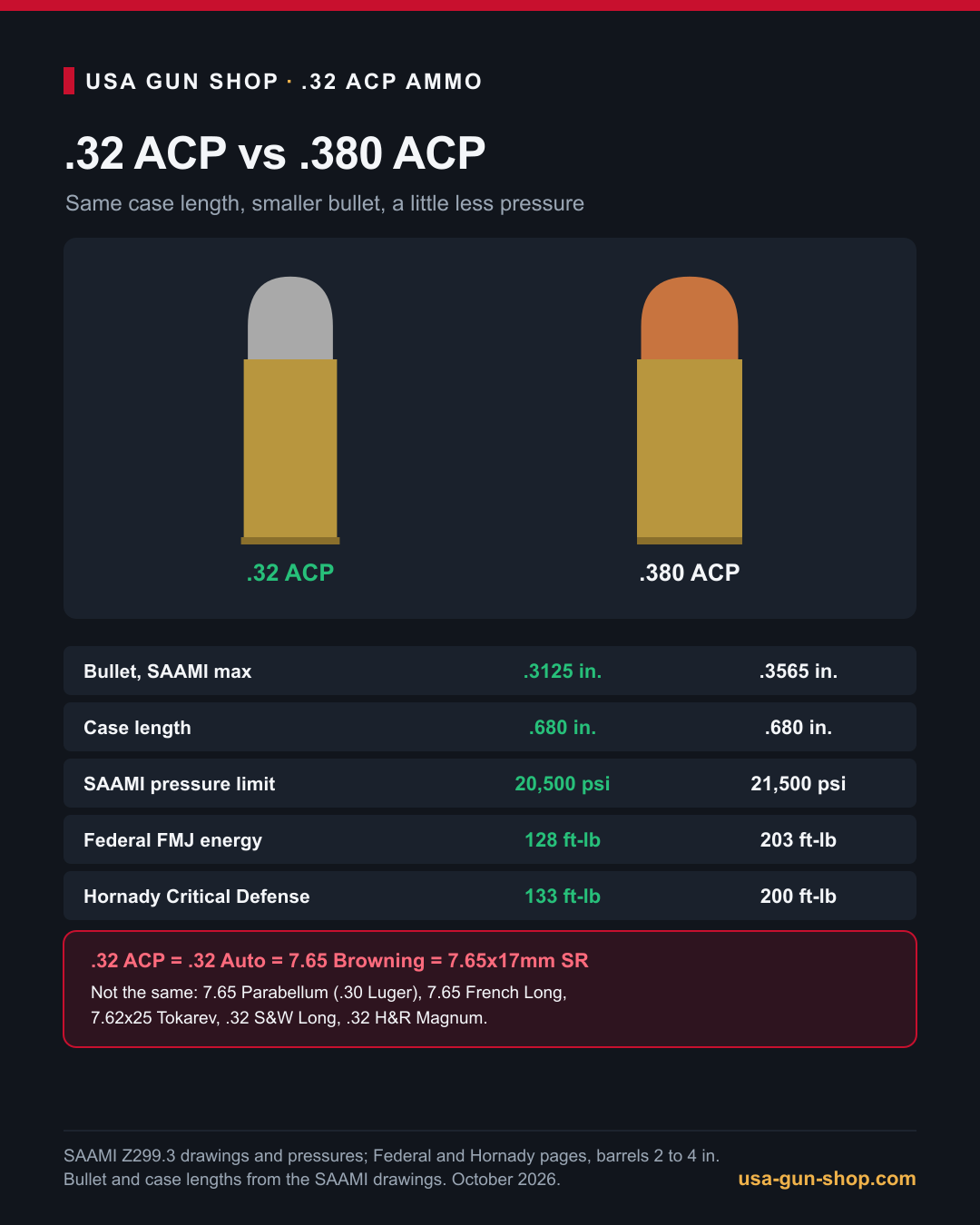
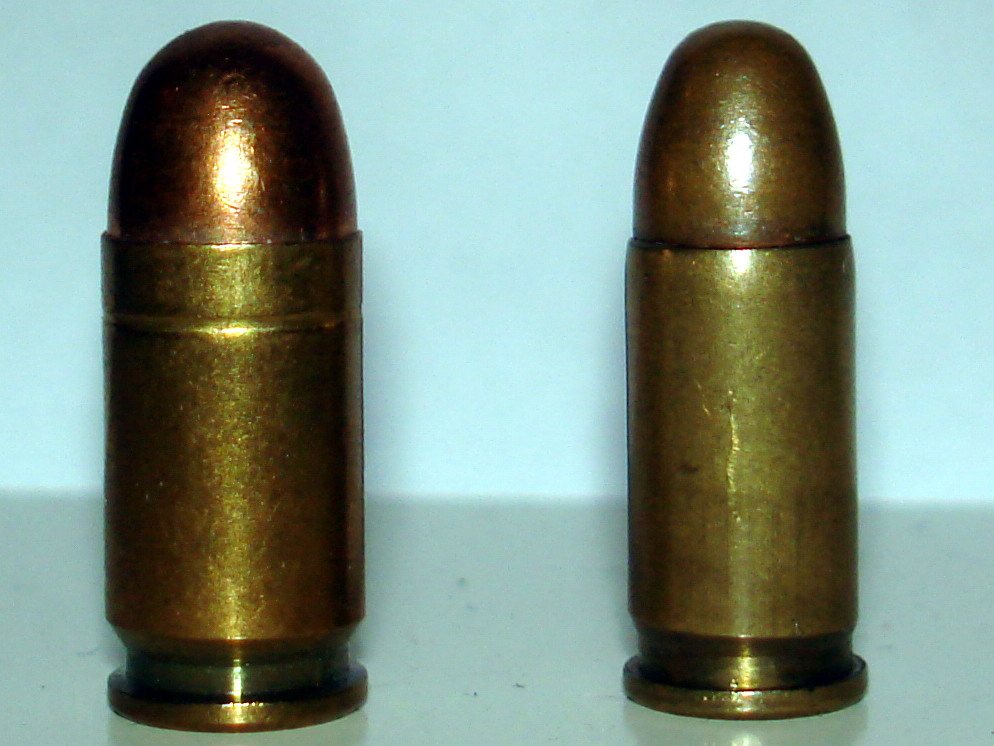
The cases are the same .680 inch long. The difference is the bullet: up to .3125 inch for the .32 and .3565 inch for the .380. SAAMI’s limits are close, 20,500 and 21,500 psi, and Europe’s C.I.P. actually rates the .380 lower than the .32, at 1,350 bar against 1,600. So the .380’s extra punch comes mostly from its heavier, wider bullet.
Recoil is the .32’s selling point. Shooting Illustrated’s writer says it “has half the recoil of a .380 ACP,” and in a pocket gun you’ll feel the difference. If you want the next step up, here are our best .380 pistols.
.32 ACP Pistols You Can Buy Today
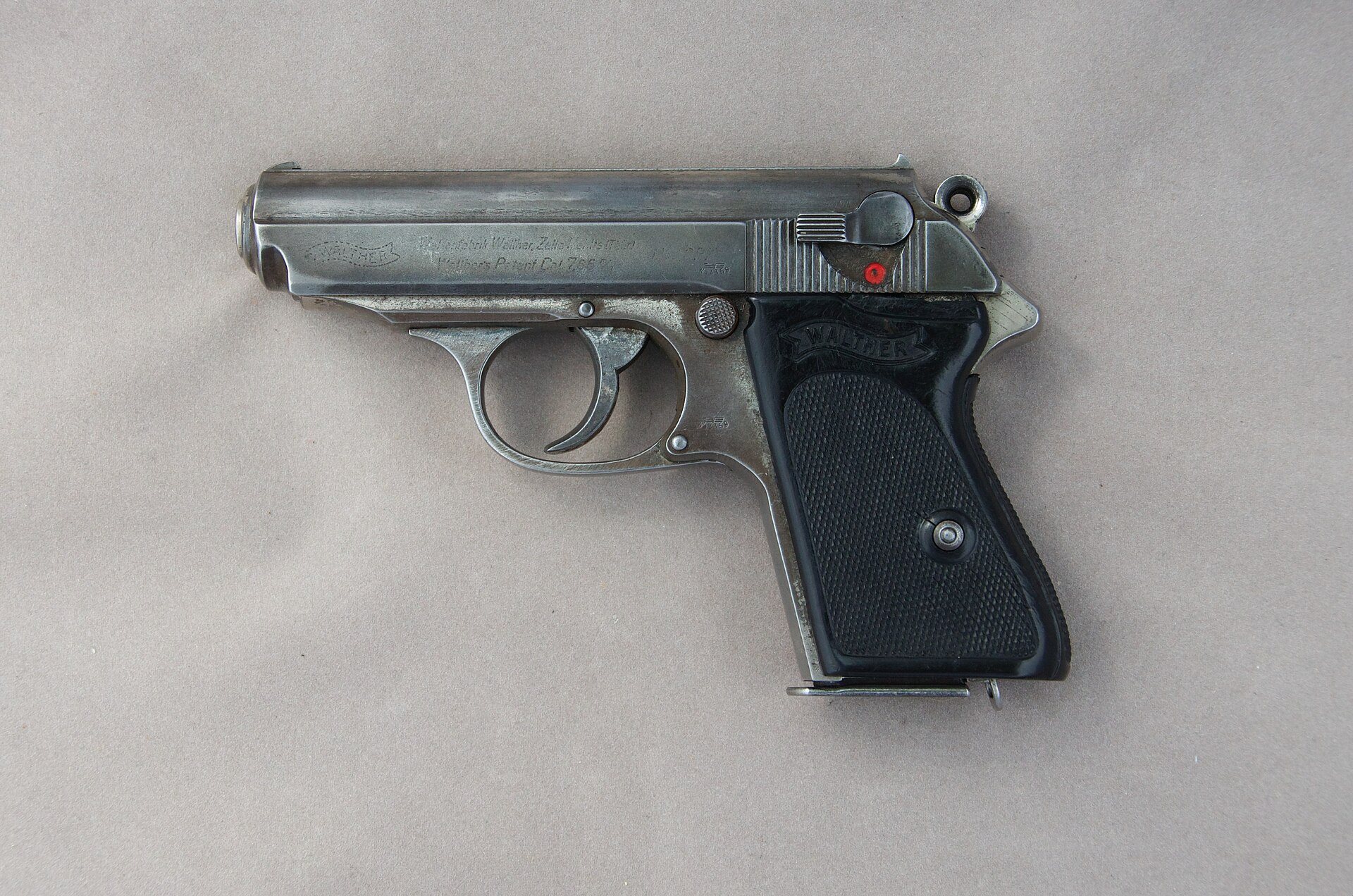
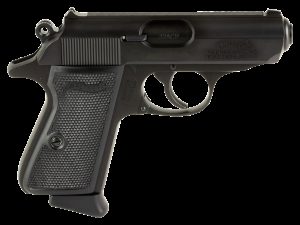
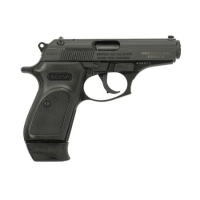
New .32 ACP pistols in 2026 include the Beretta 30X Tomcat, the Kel-Tec P32, the North American Arms Guardian, the Seecamp LWS 32 and Walther’s PP, PPK and PPK/S in .32. Bersa’s Thunder 32 was on our dealers’ shelves too.
| Pistol | Magazine, by the maker | Price at our dealers, Oct. 3 |
|---|---|---|
| Beretta 30X Tomcat | 8 rounds | $329.99 |
| Beretta 3032 Tomcat Inox, California model | Not stated on Beretta’s page | $449.99 |
| Kel-Tec P32 | 7 rounds | $289.92 |
| North American Arms Guardian in .32 ACP, not the .32 NAA model | 6 rounds | $436.69 |
| Seecamp LWS 32 | 6 rounds | Not listed |
| Walther PPK/S .32 | 8 rounds | $759.99 |
| Walther PP .32 | 8 rounds | $812.99 |
| Bersa Thunder 32 | Not stated here | $271.74 |
The Tomcat’s tip-up barrel lets you load the chamber without working the slide, which is a big deal in a gun this small. Beretta claims double the durability for the reinforced 30X frame, and that’s the maker’s word, not ours. If you’re buying a used 3032, look it over closely.

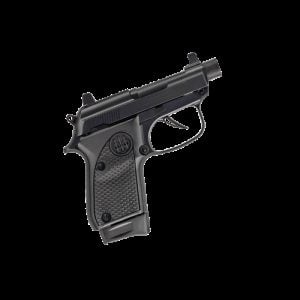
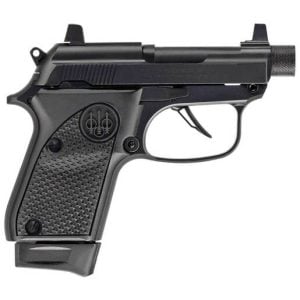
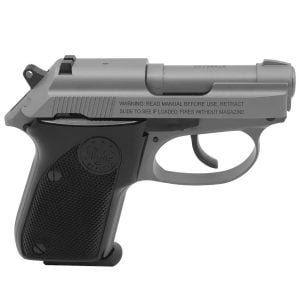
The Kel-Tec P32 weighs 6.9 ounces empty and is the lightest of the lot. The Walthers are the classics, and our Walther PPK review and James Bond guns page cover their history.


Classic .32 ACP Pistols
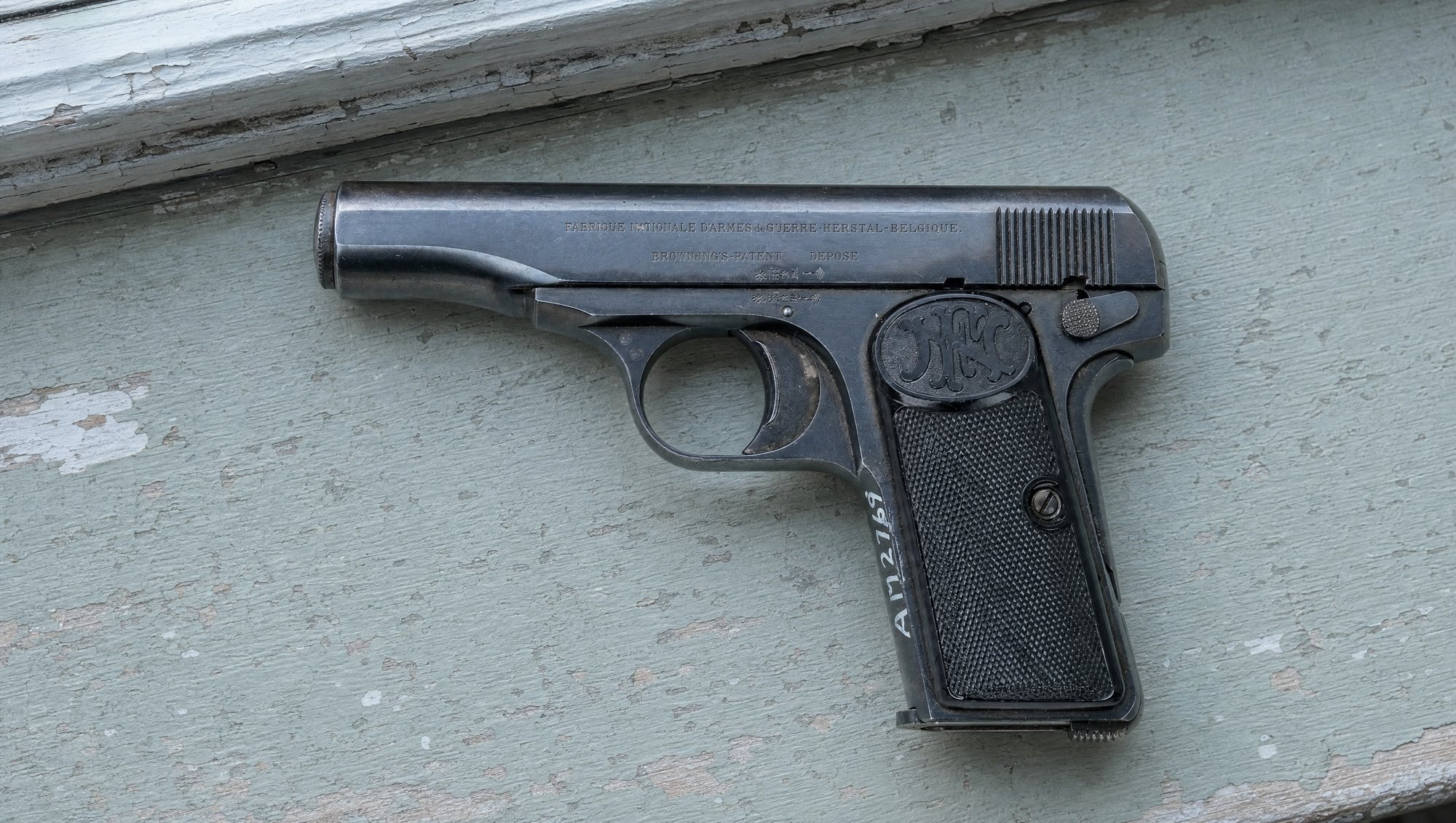
The .32 ACP armed much of the 20th century: FN’s 1900 and 1910, the Colt 1903 Pocket Hammerless, Savage’s pistols, the Walther PP and PPK, the Mauser HSc, the Sauer 38H, the CZ vz. 27 and the Beretta 1935. Most are blowback guns with fixed barrels.
| Pistol | What the record says |
|---|---|
| FN Browning 1900 | FN’s improved 1899 design, adopted by Belgium. 7 rounds |
| Colt 1903 Pocket Hammerless | About 572,000 made through the end of World War II. The Colt 1908 is the .380 version |
| Savage .32 | Used by French and Portuguese troops in World War I |
| Remington Model 51 | Made in .32 ACP from 1921 to 1926 |
| Walther PP | Introduced in 1929, first only in 7.65 mm |
| Mauser HSc | 8 rounds |
| Sauer 38H | 8 rounds, 1938 to 1945, about 250,000 built |
| CZ vz. 27 | 9 rounds. Czech-designed, then produced for the Third Reich after the occupation |
| Beretta 1935 | Preferred by the Italian air force |
| CZ 50 and CZ 70 | Postwar Czechoslovak pistols in 7.65 mm |
| Zastava M70 | A Yugoslav .32 ACP pistol |
| HK 4 | 1967, offered in 7.65 Browning |
During World War II, the Pitt Rivers Museum notes, “the PP was issued to the Gestapo, the Luftwaffe, and Nazi party officials.” Plenty of 7.65 pistols came home in GIs’ duffel bags.
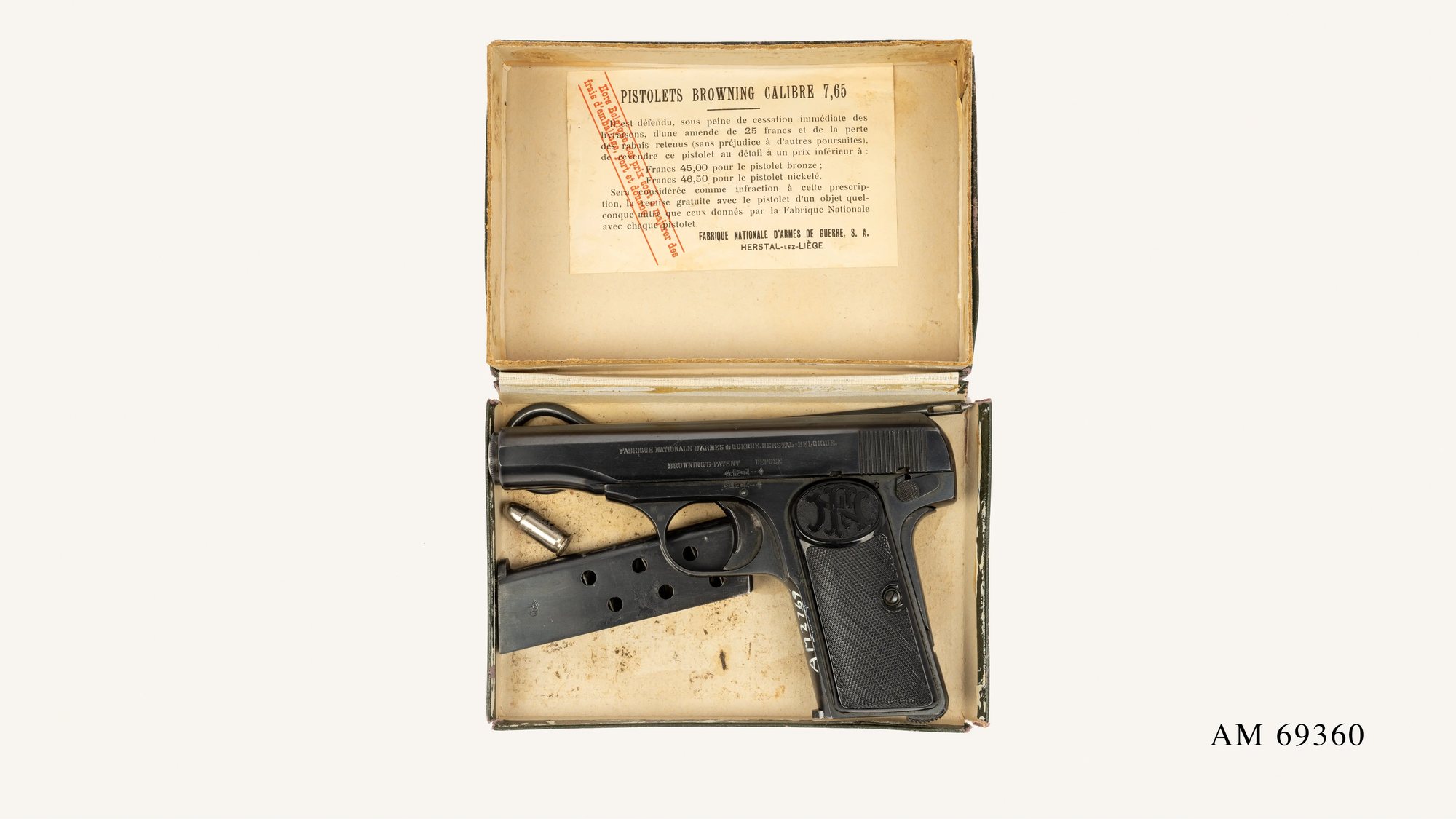
Shoot standard-pressure factory loads in these old guns and nothing else. Beretta’s Tomcat manual tells owners, in capital letters, not to fire old ammunition, and the same logic applies doubly to an 80-year-old pistol. For the guns themselves, read our John Moses Browning page and the classic European pistols roundup.
.32 ACP Myths vs. the Truth
The .32 ACP myth that causes the most trouble is that a .32 is a .32. It isn’t, and the cartridge has more look-alikes than most. Here are the others.
| The myth | The truth |
|---|---|
| “7.65 means .32 ACP.” | It can also mean the 7.65 Parabellum or the 7.65 French Long. |
| “It works fine in a .32 revolver.” | SAAMI lists it as unsafe in a .32 S&W chamber, and no gun maker we read approves it in any .32 revolver. |
| “+P is an official grade.” | SAAMI has no .32 ACP +P. It’s the maker’s label. |
| “Hollow points are always better.” | Most stopped short of 12 inches in the published gel tests. The XTP got there because it barely opened. |
| “It’s nearly as strong as a .380.” | The makers’ own pages give the .380 about half again the energy. |
| “It was a Colt cartridge.” | FN introduced it in 1899. Colt brought it to America in 1903. |
Our Range Notes: Five Loads in Three .32 ACP Pistols
We shot five loads through a Beretta 30X Tomcat, a Kel-Tec P32 and a prewar Walther PP in 7.65. That was 350 rounds over two days, ten-shot strings over a Garmin Xero C1 chronograph.
| Load | Listed velocity | Tomcat, 2.4 in. | Kel-Tec P32, 2.7 in. | Walther PP, 3.9 in. | Tomcat group, 7 yd |
|---|---|---|---|---|---|
| PMC Bronze 71 gr full metal jacket | 900 fps | 805 fps | 822 fps | 912 fps | 2.1 in. |
| Hornady 60 gr XTP | 1,000 fps | 742 fps | 760 fps | 931 fps | 2.4 in. |
| Hornady 60 gr Critical Defense | 1,000 fps | 851 fps | 868 fps | 984 fps | 2.2 in. |
| Speer 60 gr Gold Dot | 960 fps | 846 fps | 861 fps | 986 fps | 2.6 in. |
| Buffalo Bore 60 gr TAC-XP, sold as +P | 1,150 fps headline | Not fired | 1,031 fps | Not fired | Not fired |
Groups were the best of three five-shot groups from a rest. Against the box figures the Tomcat and the P32 ran 78 to 258 fps slow. The XTP lost the most, and that’s no surprise, since Hornady rates it from a 4-inch barrel while Critical Defense is rated from a 2-inch one.
We had one failure to feed in 350 rounds. It came in the Kel-Tec with PMC ball, after a fast reload where one round’s rim slipped behind the round below it. That’s the rim lock the manual warns about, and it never happened when we loaded the magazine with care.
And the Buffalo Bore went only through the P32, the one gun whose maker allows +P. It ran fine and kicked harder, and we’d still save it for occasional use, as Kel-Tec says.
Old and Surplus .32 ACP Ammo
Old .32 ACP turns up at gun shows in European boxes marked 7,65, and some of it is decades old. Beretta’s Tomcat manual warns against it outright, and Kel-Tec asks for commercial ammunition that is “clean, dry, and in good condition.”
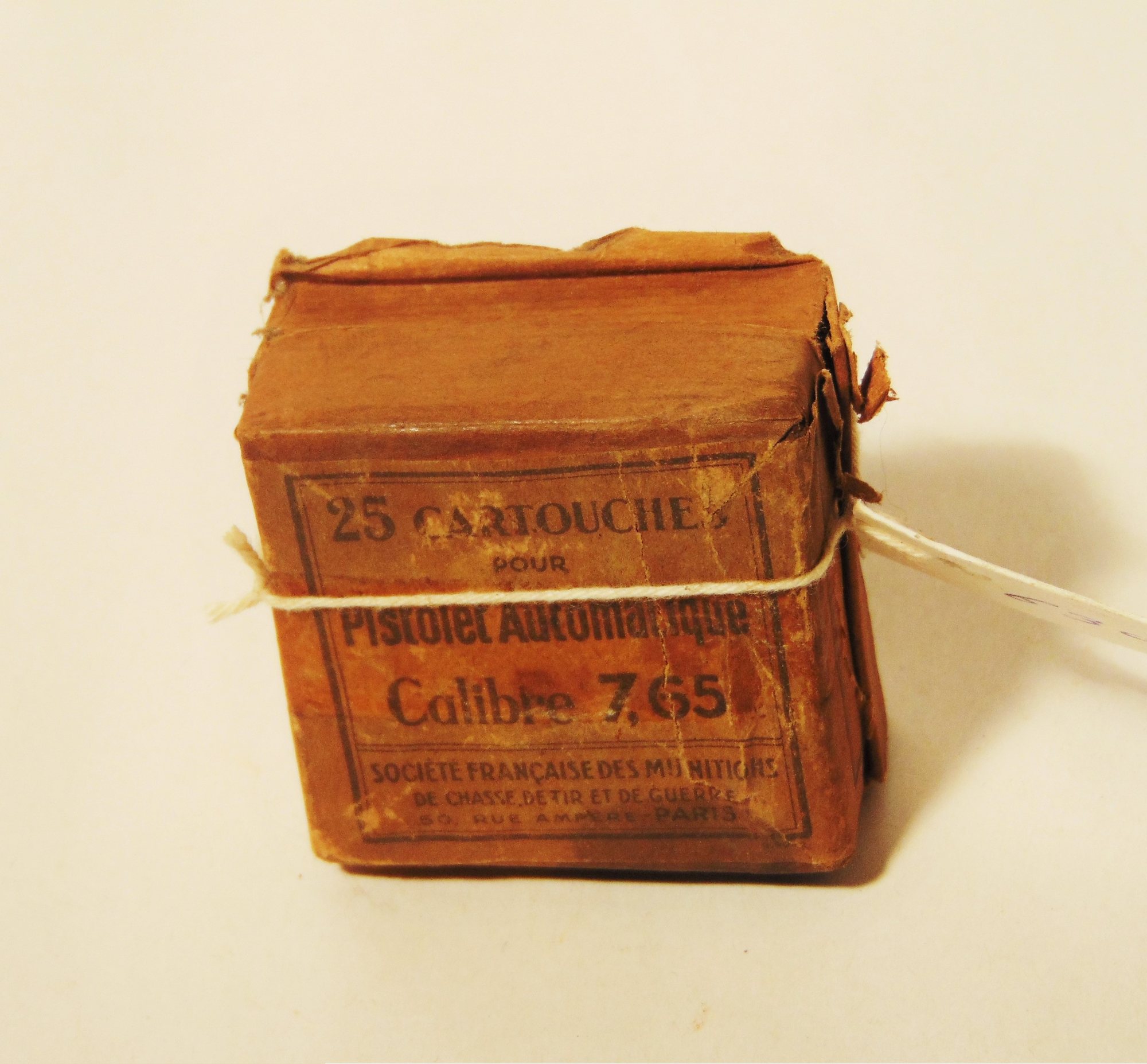
Nobody publishes a reliable list of which old 7.65 lots are corrosive, so assume they all might be. Clean the gun the same day you shoot it, and keep that ammo out of a carry gun. American Rifleman adds that some early European loads ran a little hot, which can make an old pistol cycle badly.
A Short History of the .32 ACP
John Browning showed FN’s Hart O. Berg a prototype pocket pistol, and Berg took the design to Belgium in 1897. FN launched the pistol and its new 7.65 mm Browning cartridge in January 1899 and shipped 3,900 pistols in the first year.
Belgium adopted an improved version as the Model 1900. Colt brought the cartridge to America in 1903 with the Pocket Hammerless, and the name .32 ACP came with it.
German police carried the Sauer 38H, and the Walther PP and PPK made the cartridge famous. North American Arms brought out its .32 Guardian in 1997, and small modern pistols like the Tomcat, the Kel-Tec P32 and the Seecamp keep it in production. Buying one? Our C&R guns guide walks through the paperwork.
A Note on Reloading
The .32 ACP takes small bullets of about .309 to .3125 inch, and its short semi-rimmed case is fussy to load. With practice ammo under 50 cents a round, the tiny cases rarely pay back the time at the bench.
We don’t publish load data on this page. Use a current manual from a bullet or powder maker, and start with our beginner’s guide to reloading if you’re new to it.
Bottom Line: Which .32 ACP Ammo to Buy
For most owners the .32 ACP ammo to buy is a 50-round box of PMC, PPU or Winchester full metal jacket for practice, at 47 to 64 cents a round on October 3, 2026, and Hornady XTP or a good full metal jacket to carry. The gun decides the rest.
- For a Tomcat: full metal jacket rated at 130 foot-pounds or less, such as PMC Bronze, Federal American Eagle or Magtech, because Beretta’s own card caps it there.
- For a Kel-Tec P32: standard full metal jacket for practice, Hornady XTP to carry, and load the magazine carefully.
- For a Seecamp: a non +P hollow point, as Seecamp asks.
- For a Walther PP or PPK: standard loads, with Hornady XTP to carry. It went deepest of the hollow points from the 3.8-inch Beretta.
- For a Colt 1903, an FN or any prewar gun: standard-pressure factory loads only.
- For +P: only in a modern pistol whose maker allows it.
- For any revolver: no .32 ACP at all.
We’ve done the same job for other old calibers: the 8mm Mauser ammo guide, the .30-40 Krag ammo guide, the .32-20 ammo guide, the .303 British ammo guide, the 7.62×25 Tokarev ammo guide, the .44-40 ammo guide, the .45 Colt ammo guide, the 9×18 Makarov ammo guide, the .32 H&R Magnum ammo guide, the .25 ACP ammo guide and the .38-40 ammo guide.
Lead image: composite based on a photo of a Walther PP marked Cal. 7,65 m/m by Emir Curt for the Glomdalsmuseet collection, CC BY-SA, and a photo of a .32 ACP cartridge by Gasdruck, CC0. The composite is shared under the same license.
.32 ACP Ammo FAQ
Is .32 ACP the same as .32 Auto and 7.65 Browning?
Yes. .32 ACP, .32 Auto, 7.65 Browning and 7.65x17mm SR are names for one cartridge. SAAMI calls it 32 Automatic and C.I.P. calls it 7,65 mm Browning. FN introduced it in 1899, and Colt brought it to America in 1903.
Is 7.65 Parabellum the same as 7.65 Browning?
No. The 7.65 Parabellum, also called the 7.65 Luger, is SAAMI's 30 Luger, a bottleneck cartridge for the Luger pistol. The 7.65 French Long is a third, separate cartridge. Only the 7.65 Browning is .32 ACP.
Can you shoot .32 ACP in a .32 revolver?
Don't. SAAMI lists .32 Automatic as unsafe in a .32 S&W chamber, and no SAAMI document or gun maker we found approves it in a .32 S&W Long, .32 H&R Magnum or .327 revolver. Its thinner rim leaves the primer too far from the firing pin.
Is +P .32 ACP safe?
SAAMI has no +P standard for .32 ACP, so +P is the maker's label. Kel-Tec says its P32 will accept +P but not with continuous use, Seecamp asks for non +P loads, and Beretta's Tomcat manual is silent. Keep +P out of old pistols.
Is .32 ACP good for self-defense?
It works if you pick depth. In Lucky Gunner's gel test from a 2.7-inch Kel-Tec P32, Fiocchi full metal jacket went 16.8 inches and the Hornady XTP hollow point 12.64 inches, while most other hollow points stopped short of 12 inches.
What is the difference between .32 ACP and .380 ACP?
Both cases are .680 inch long, but the .380 fires a bullet of .3565 inch against .3125 for the .32. Federal lists its .32 full metal jacket at 128 foot-pounds and its .380 at 203. SAAMI limits are 20,500 and 21,500 psi.
How much does .32 ACP ammo cost?
On October 3, 2026 it cost $0.37 to $0.98 a round in boxes of 50 and $1.02 to $2.02 a round for premium loads in boxes of 20 and 25. The cheapest box was Fiocchi hollow points at $18.60 for 50, and full metal jacket started at $21.99.
What pistols are chambered in .32 ACP?
New ones include the Beretta 30X Tomcat, Kel-Tec P32, North American Arms Guardian, Seecamp LWS 32 and Walther PP, PPK and PPK/S in .32. Classics include the Colt 1903, FN 1900 and 1910, Mauser HSc and Sauer 38H.
5,492+ Gun & Ammo Deals
Updated daily from 200+ top retailers. Filter by category, caliber, action type, and price.
Related Guides