

Last updated October 2026
Some of the links below are affiliate links, meaning at no additional cost to you, we may earn a commission if you click through and make a purchase.
- Treat every gun as loaded
- Point the muzzle in a safe direction
- Keep your finger off the trigger until you’re ready to shoot
- Know your target and what’s beyond
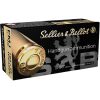
Yes, 7.62×25 ammo is still made. Prvi Partizan, Sellier & Bellot and Fiocchi all had new 7.62×25 Tokarev ammo at our dealers when we checked in early October 2026, and boxes of 50 started at $27.29 on our price cards.
That’s about 55 cents a round for new, brass-cased, reloadable ammunition. The sealed tins of military surplus that made this caliber famous now cost as much or more, and they bring corrosive primers with them.
The trap with 7.62×25 ammo is folklore. Owners are told the CZ 52 is the strong pistol and the Tokarev the fragile one, and that any box with 25 in the name suits a Mauser Broomhandle. The measurements and the standards don’t back that up.
This guide covers who makes 7.62×25 ammo, what it costs per round, what’s safe in which pistol, and why Tokarev ammo stays out of a C96. New to buying online? Our ammo buying guide covers the basics.
Quick answer
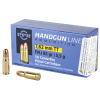
Buy new PPU or Sellier & Bellot 85-grain full metal jacket for a Tokarev, a Zastava M57 or a CZ 52. Both are brass cased and Boxer primed. Skip corrosive surplus, which no longer saves you money. And if your pistol is a Mauser C96, this isn’t your cartridge: buy boxes marked 7.63 Mauser.
- Price in October 2026: about $0.55 to $0.73 a round for PPU and Sellier & Bellot, $1.00 to $1.14 for Fiocchi
- Also sold as: 7.62×25 Tokarev, 7.62 Tokarev and 7.62×25 TT
- Bullet: 85 grains, about .308 in., in a rimless bottleneck case
- Not the same thing: 7.63 Mauser, .30 Luger, 7.62x38R Nagant and 7.62×39 are different cartridges

How we tested: Every pick here is ranked against our testing methodology. Minimum round counts, accuracy and reliability protocols, the failures that disqualify a gun.
7.62×25 Tokarev at a Glance
The 7.62×25 Tokarev is a rimless, bottleneck pistol cartridge the Soviet Union adopted in 1930, firing an 85-grain bullet of about .308 inch. Europe’s C.I.P. limits it to 2,500 bar, and America’s SAAMI has no standard for it at all.
| Spec | 7.62×25 Tokarev |
|---|---|
| Names | 7.62×25 Tokarev, 7.62 Tokarev, 7.62×25 TT. C.I.P. lists it as 7,62 x 25 Tokarev |
| Bullet | 85 to 90 gr. Bullets run .307 to .311 in. by maker, and reloaders buy .308 or .309 in. |
| Case | Rimless, bottleneck, 25 mm long. It headspaces on the shoulder |
| Overall length | 35.2 mm, about 1.39 in. |
| European pressure limit | 2,500 bar by transducer |
| US pressure limit | None. SAAMI doesn’t list the cartridge |
| Factory loads | 85 gr full metal jacket and 85 gr hollow point |
| Rifling | 4 grooves, 1 turn in 240 mm, about 9.45 in. |
| Adopted | 1930, with the TT-30 pistol |
| Guns | Tokarev TT-33, Zastava M57, Romanian and Polish TTC, Chinese Type 54, CZ 52, PPSh-41 and PPS-43 |
| Status | In production |
7.62×25 Ammo: The Good and the Bad
Prvi Partizan, Sellier & Bellot and Fiocchi all sell new 7.62×25 ammo in 2026, in brass cases with Boxer primers, from $27.29 for a box of 50. The bad news is mostly about old surplus and a short list of makers.
Pros
- New brass-cased ammo from 55 cents
- Flat shooting for a pistol round
- Boxer primed and reloadable
- Hollow points exist from PPU
- Suits every 7.62×25 Tokarev copy
Cons
- Only three brands at dealers
- Costs double what 9mm does
- Surplus is corrosive and no bargain
- Some surplus bullets fail range magnets
- Never for a Mauser C96
Table of Contents
Who Still Makes 7.62×25 Ammo in 2026
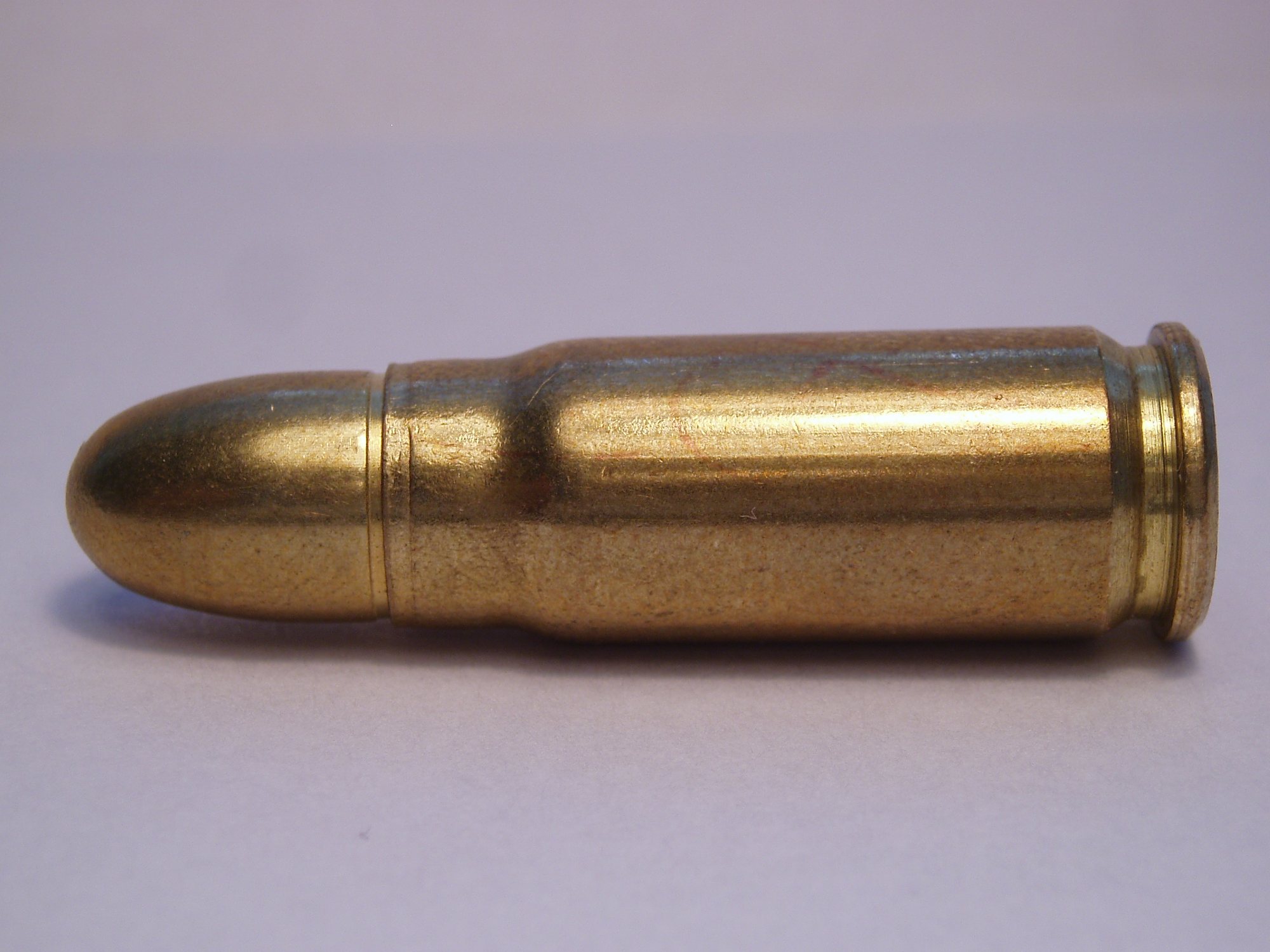
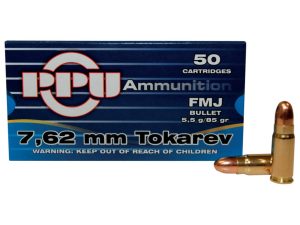
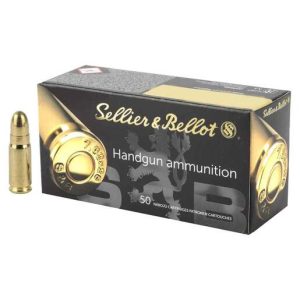
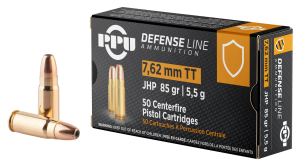
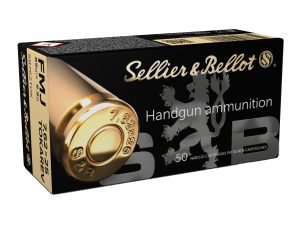
Three makers had 7.62×25 Tokarev ammo at our dealers in October 2026: Prvi Partizan of Serbia with an 85-grain full metal jacket and an 85-grain hollow point, Sellier & Bellot of the Czech Republic with an 85-grain full metal jacket, and Fiocchi.
So is 7.62×25 ammo still made? Yes. The table shows who makes 7.62×25 ammo and what each maker’s own page or catalog listed, with the test barrel beside every velocity, because that’s where the numbers mislead.
| Maker and load | Bullet | Listed velocity | Test barrel |
|---|---|---|---|
| PPU | 85 gr full metal jacket | 525 m/s, about 1,722 fps | 250 mm, about 9.8 in. |
| PPU | 85 gr jacketed hollow point | 510 m/s, about 1,673 fps | 250 mm, about 9.8 in. |
| Sellier & Bellot | 85 gr full metal jacket | 566 m/s, about 1,857 fps | 287 mm, about 11.3 in., on the maker’s Czech page |
| Fiocchi Heritage | 85 gr full metal jacket | 1,525 fps | Not stated |
| Winchester Ammunition | 85 gr full metal jacket | 1,645 fps | 4.75 in., per Shooting Times. We found none for sale |
| Steinel | 90 gr Hornady XTP hollow point | 1,550 fps and 1,300 fps | A Romanian TT-33. Listed on the maker’s site |
| Reed’s | 85 gr Hornady XTP hollow point | 1,700 fps | Not stated. Listed on the maker’s site |
Those figures aren’t what your pistol will do. PPU measures from a barrel about twice as long as a Tokarev’s, and Sellier & Bellot gives no barrel length on its US page, though its Czech page lists 287 mm. Shooting Times chronographed six factory loads from a six-inch 1911 conversion barrel, and the S&B was the fastest at 1,642 fps and the Fiocchi the slowest at 1,471.
PPU lists its full metal jacket with a gilding metal jacket over a lead core, and its hollow point is the one factory expanding load our dealers carry. Both are non-corrosive and Boxer primed, so the brass can be reloaded. PPU’s catalog gives a muzzle velocity of 525 m/s and a muzzle energy of 759 joules for the full metal jacket.
Some names you’ll see on older lists weren’t for sale. We found no 7.62×25 load on the sites of Magtech, Aguila, Armscor or Buffalo Bore, and Century’s Red Army Standard page didn’t list one. Winchester still shows its load, with no ballistics on the product page.
Two details trip buyers up. Fiocchi’s own page lists an 85-grain bullet, while some dealer listings still say 88 grains, which is the weight of its 7.63 Mauser load. And Wolf has listed a brass-cased 85-grain load at 1,641 fps, which Shooting Times found in 2015 to be made by PPU, but we found none at our dealers.
What 7.62×25 Ammo Costs in 2026
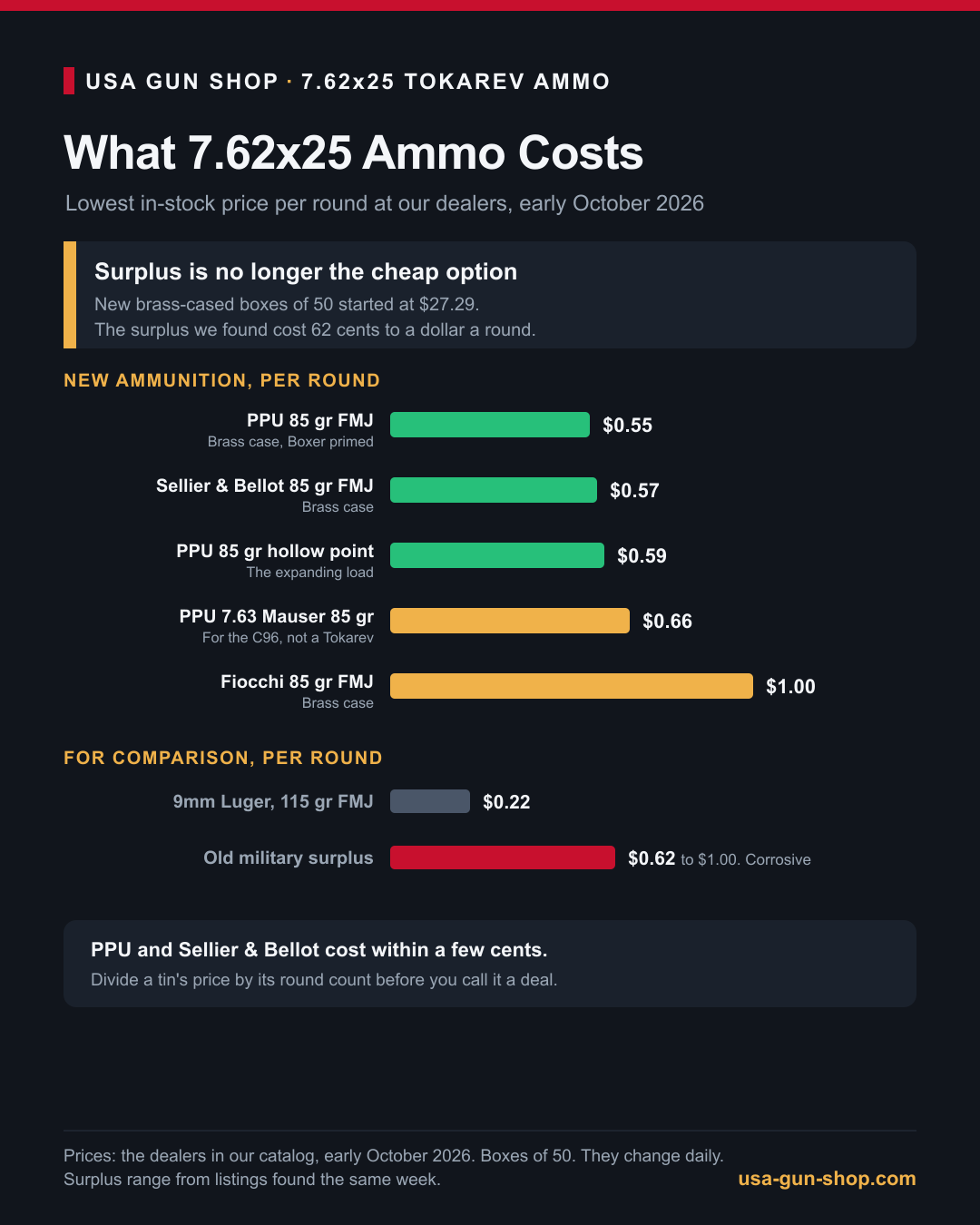
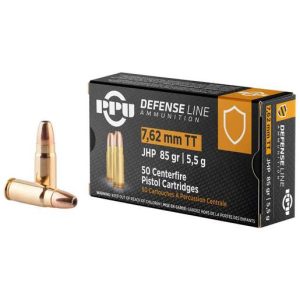
The 7.62×25 ammo price at our dealers ran from $0.55 a round for PPU full metal jacket to $1.14 a round for Fiocchi in early October 2026, with Sellier & Bellot from $0.57 and PPU hollow points from $0.59.
Prices are for a box of 50, from the dealers in our catalog that day. The live cards search more dealers, so you may see a lower price there. Prices move, and so does availability.
One quirk when you compare 7.62×25 ammo prices: the cheapest PPU box is listed under the maker’s full name, Prvi Partizan, so it shows on the first card on this page and not on the PPU card.
| Load | Box of 50 | Per round |
|---|---|---|
| PPU 85 gr full metal jacket | $27.29 to $35.49 | $0.55 to $0.71 |
| Sellier & Bellot 85 gr full metal jacket | $28.68 to $36.49 | $0.57 to $0.73 |
| PPU 85 gr hollow point | $29.56 to $38.99 | $0.59 to $0.78 |
| Fiocchi 85 gr full metal jacket | $50.19 to $57.09 | $1.00 to $1.14 |
| PPU 7.63 Mauser, for the C96 | $32.99 | $0.66 |
Two things stand out in 7.62×25 ammo prices. PPU and Sellier & Bellot cost within a few cents of each other, and Fiocchi costs about double for the same bullet weight.
And surplus has stopped being the cheap option. The surplus listings we found ran about 62 cents to a dollar a round, which is as much as new PPU or more. A sealed tin still looks like a deal because the total is big, so divide by the round count before you buy. One tin of 1,224 Romanian rounds was listed at $899.99, which is 74 cents each.
Watch the pack size when you shop for 7.62×25 ammo on dealer search pages too. Bulk case quantities of 500, 1,000 and 2,000 rounds get listed beside boxes of 50, and a case price isn’t a box price.
Against 9mm, 7.62×25 ammo costs more than double. On the same day 115-grain 9mm full metal jacket started at about 22 cents a round on our cards. Our ammo price report tracks the common calibers.

Tokarev Ammo: What’s Safe in Your Pistol
No ammunition maker says which pistols its 7.62×25 ammo suits, so nothing in this table is a maker rating. The pistol’s condition and its chambering decide what’s safe, and a gunsmith’s check comes first.
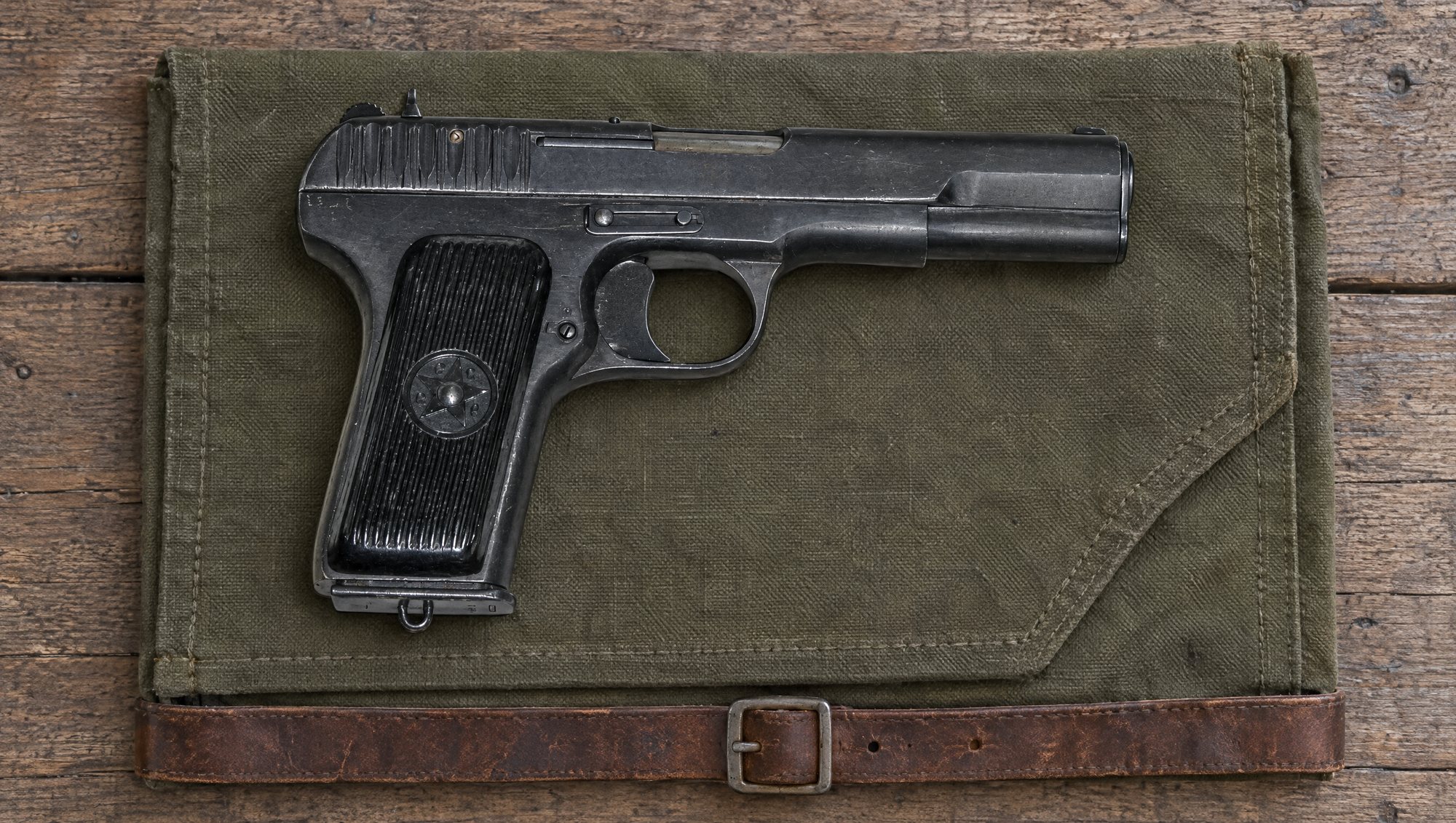
Tokarev ammo is the same 7.62×25 cartridge across every TT copy chambered for it. Find your pistol in the table.
| Pistol | Action and era | New commercial 7.62×25 | What to do first |
|---|---|---|---|
| Soviet TT-30 and TT-33 | Browning-type tilting barrel, 1930s to the 1950s | No maker rating for any load | Gunsmith check. Install a fresh recoil spring |
| Zastava M57 and M57A | Tokarev copy, from 1957, nine-round magazine | Zastava’s manual calls for commercial ammunition | Read the manual. Corrosive ammunition voids the warranty |
| Romanian TTC and Polish Tokarevs | Tokarev copies, import safety added | No maker rating for any load | Gunsmith check |
| Chinese Type 54 | Tokarev copy, from 1954 | No maker rating for any load | Gunsmith check. Some Chinese commercial pistols are 9mm |
| CZ 52 | Roller-locked, 1952 to 1954 | Standard commercial loads | Gunsmith check. Have the decocker and firing pin looked at |
| PPSh-41 and PPS-43 semi-auto builds | Blowback | Follow the builder’s manual | Read the manual |
| Zastava M70A and M88, Norinco 213 | Tokarev pattern | No. Wrong cartridge | These are 9mm pistols |
| Mauser C96 Broomhandle and Astra 900 | Chambered for 7.63 Mauser | No. Never | Buy boxes marked 7.63 Mauser or .30 Mauser |
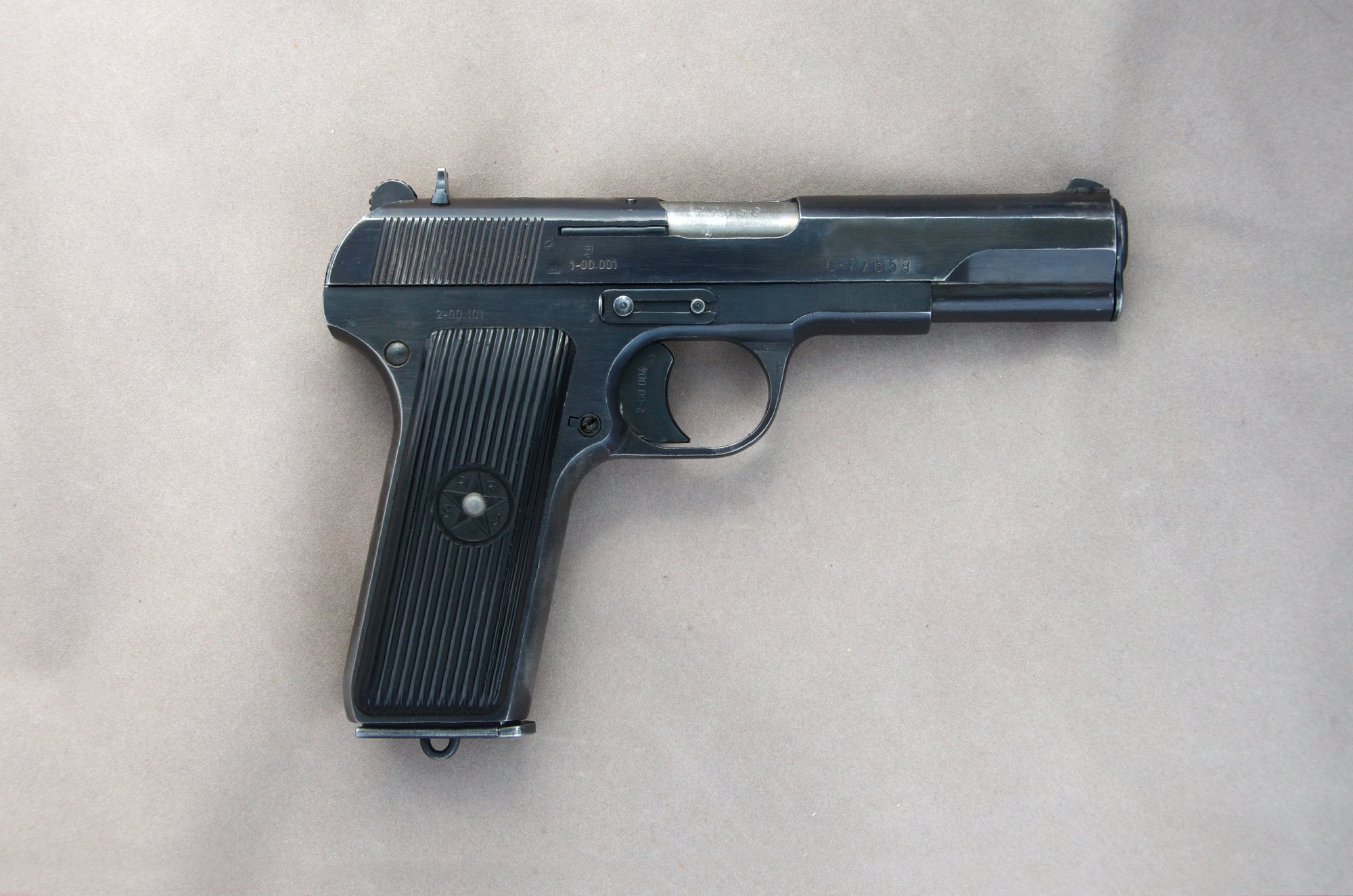
The Zastava row is the one with a maker behind it. Zastava’s M57A manual calls for “original high quality commercially manufactured ammunition in good condition,” and says corrosive or defective ammunition voids the warranty. It lists 450 m/s, about 1,476 fps, from the pistol’s 116 mm barrel.
Tokarev-pattern pistols do wear. Owners report slides cracking at the ejection port after long use, so have a gunsmith look there and install a fresh recoil spring before you put a case of anything through an old one.
The semi-auto PPS-43 and PPSh builds are their own subject. Owners report light strikes with old surplus primers in them. The answer is new commercial ammunition, and never a modified firing pin.
Read the barrel markings on any Tokarev-pattern pistol before you buy ammunition. Zastava sells the same frame in 9mm, some Chinese commercial pistols were made in 9mm, and a few CZ 52s have been converted. Fire only the cartridge the barrel in the gun is chambered for.
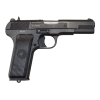
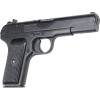
One gun matter belongs here. The military Tokarev’s only safety is the half-cock notch on the hammer, and importers added a manual safety because the 1968 Gun Control Act requires one. Our Tokarev pistol guide covers the guns, and the military surplus pistols roundup compares them.
The Standards: 2,500 bar, and Why SAAMI Has No Number
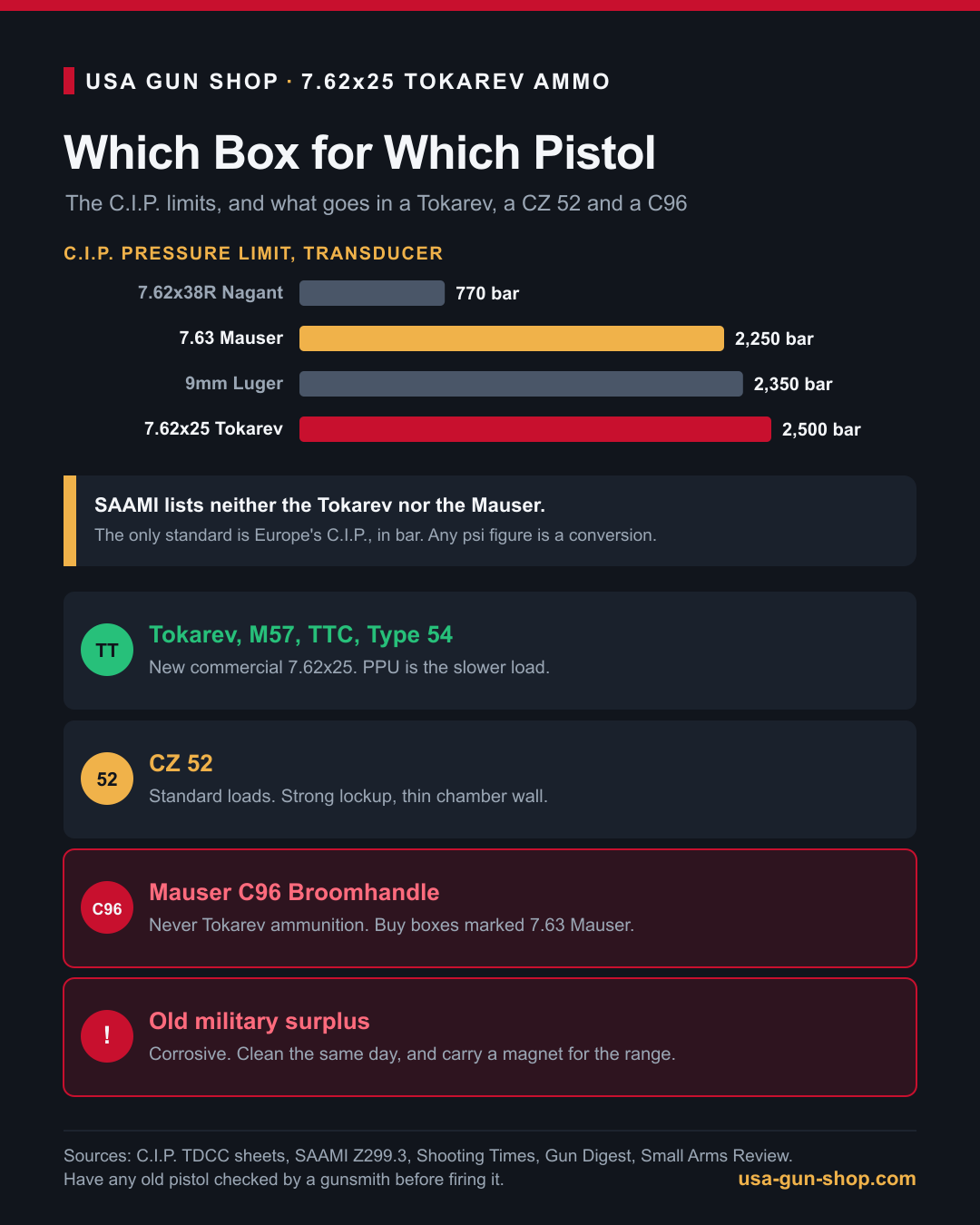
C.I.P., the European standards body, limits the 7.62×25 Tokarev to 2,500 bar by transducer and the 7.63 Mauser to 2,250 bar, so the Tokarev limit sits about 11 percent above the Mauser’s. SAAMI lists neither cartridge.
That’s worth saying plainly because some comparison pages print a SAAMI figure for this round. There isn’t one. The words Tokarev and Mauser don’t appear in SAAMI’s pistol standard, and any psi number you see is somebody’s conversion from the C.I.P. sheet.
| Cartridge | C.I.P. limit, transducer |
|---|---|
| 7.62x38R Nagant | 770 bar |
| 7.63 Mauser | 2,250 bar |
| 7.65 Parabellum, the .30 Luger | 2,350 bar |
| 9mm Luger | 2,350 bar |
| 7.62×25 Tokarev | 2,500 bar |
| 9mm Mauser | 2,600 bar |
The two sheets also show that the Tokarev and the 7.63 Mauser aren’t the same cartridge. The Tokarev case is 25.00 mm long and the Mauser’s 25.15, the bullets are 7.90 and 7.86 mm, and the barrels have four grooves against six. They’re close enough to be mistaken for each other, and that’s the problem.
C.I.P. also sets the proof pressure, the overload a proof house fires in a new gun, at 3,250 bar for the Tokarev and 2,925 for the Mauser. And both cartridges headspace on the shoulder, so a chamber cut for one isn’t a correct fit for the other.
7.62×25 vs 7.63 Mauser, the CZ 52 and the Hot-Load Folklore
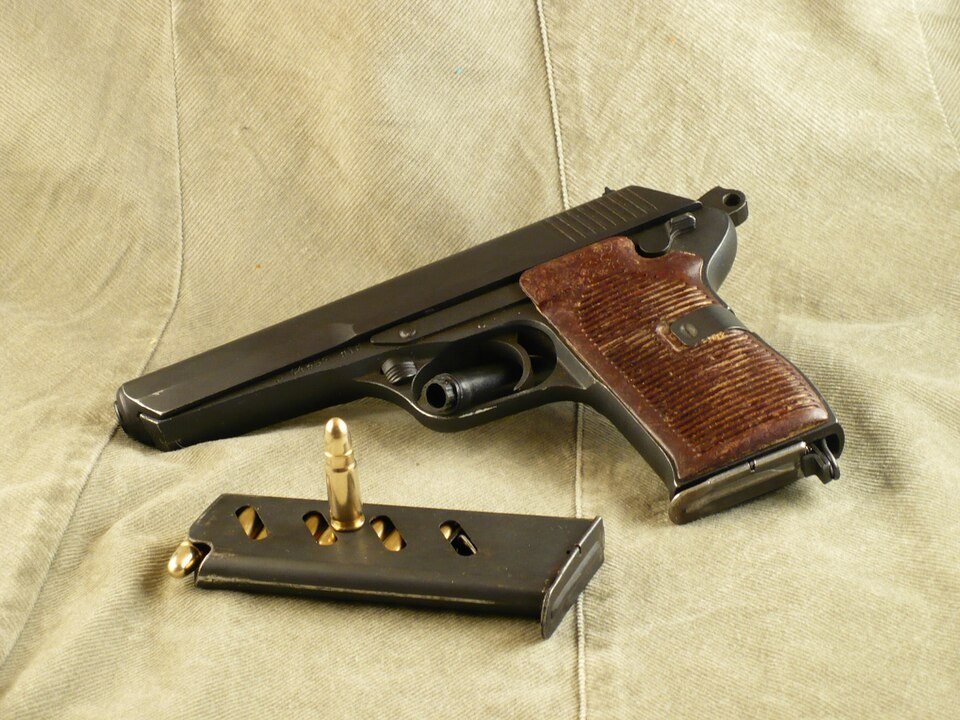
Tokarev ammunition doesn’t belong in a Mauser C96: C.I.P. limits the 7.62×25 Tokarev to 2,500 bar and the 7.63 Mauser to 2,250 bar, and Shooting Times says never to fire it there. Two more beliefs cause trouble: that the CZ 52 is strong enough for anything, and that some loads are made hot for submachine guns.
Tokarev ammunition in a Mauser C96
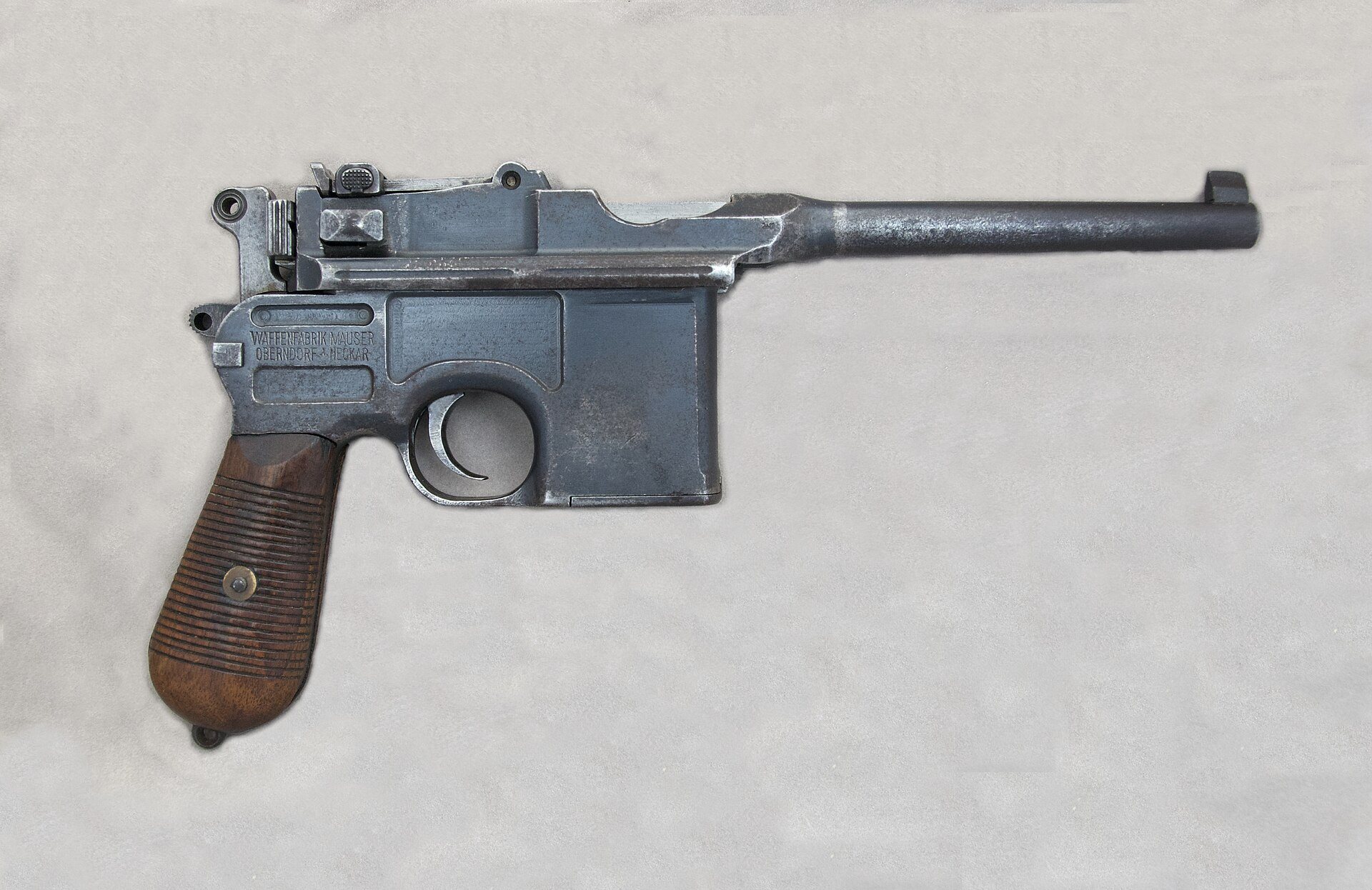
7.62×25 vs 7.63 Mauser is a one-way street. Shooting Times puts it without hedging: “One should absolutely never shoot 7.62×25 Tokarev ammunition in a gun chambered for the 7.63×25 Mauser because the Tokarev is loaded to higher pressure.”
Gun Digest, Small Arms Review and The Firearm Blog say the same, and Reed’s marks its own loads “NOT 7.63 Mauser.” A C96 is about 90 to 130 years old. If you own one, buy boxes marked 7.63 Mauser or .30 Mauser, which PPU and Fiocchi both load, and have a gunsmith look at the springs and the bolt stop.
The bolt stop is the part owners name when a Broomhandle fails, and they report it letting go with 7.63 ammunition too when the springs are tired. So the right box doesn’t excuse a pistol nobody has inspected.
The other direction comes up too. Shooting Times fired PPU 7.63 Mauser rounds from a Tokarev barrel as a test, noted they “might not fit in all Tokarev chambers,” and wrote that it was “not endorsing this practice.” We’d leave it alone as well.
Is the CZ 52 the strong one?
The usual line is that the roller-locked CZ 52 was built for hot Czech ammunition and will take anything. Gun Digest calls the action “quite efficient at allowing the use of both standard velocity or high-pressure submachine gun ammunition.”
The lockup is strong. The chamber is another matter. One enthusiast measured the barrels and found the CZ 52’s chamber wall just 0.065 inch thick at its thinnest, under the roller cut, against 0.120 to 0.130 inch on a Romanian Tokarev copy.
Some owners report failures at that spot. We couldn’t find a documented one in print, so we won’t call the pistol weak. But “the CZ 52 can take anything” is unproven, and standard commercial ammunition is all it needs.
The pistol has two faults that are in print. Small Arms Review warns to keep the muzzle pointed in a safe direction when you use the decocker, because a worn one can drop the hammer hard enough to fire, and the cast firing pin is brittle.
Hot submachine-gun loads
The Czech M48 military load was reported at about 1,650 to 1,730 fps, faster than Soviet ball, and Small Arms Review says it’s “not recommended in other 7.62×25 pistols like the TT33 Tokarev.” No published source we found gives a measured pressure for it.
It still turns up as 70-year-old surplus, and we’d leave it alone. That leaves the two new brands most dealers carry.
PPU or Sellier & Bellot?
They aren’t the same load. In our session the Sellier & Bellot ran about 60 fps faster than the PPU from the same pistol, and owners who chronograph both report the same gap. For a worn Tokarev or a CZ 52 we’d pick the slower PPU. In a TT-pattern pistol a gunsmith has checked, we’d shoot either.
.30 Mauser, .30 Luger and the Names That Look Right but Aren’t
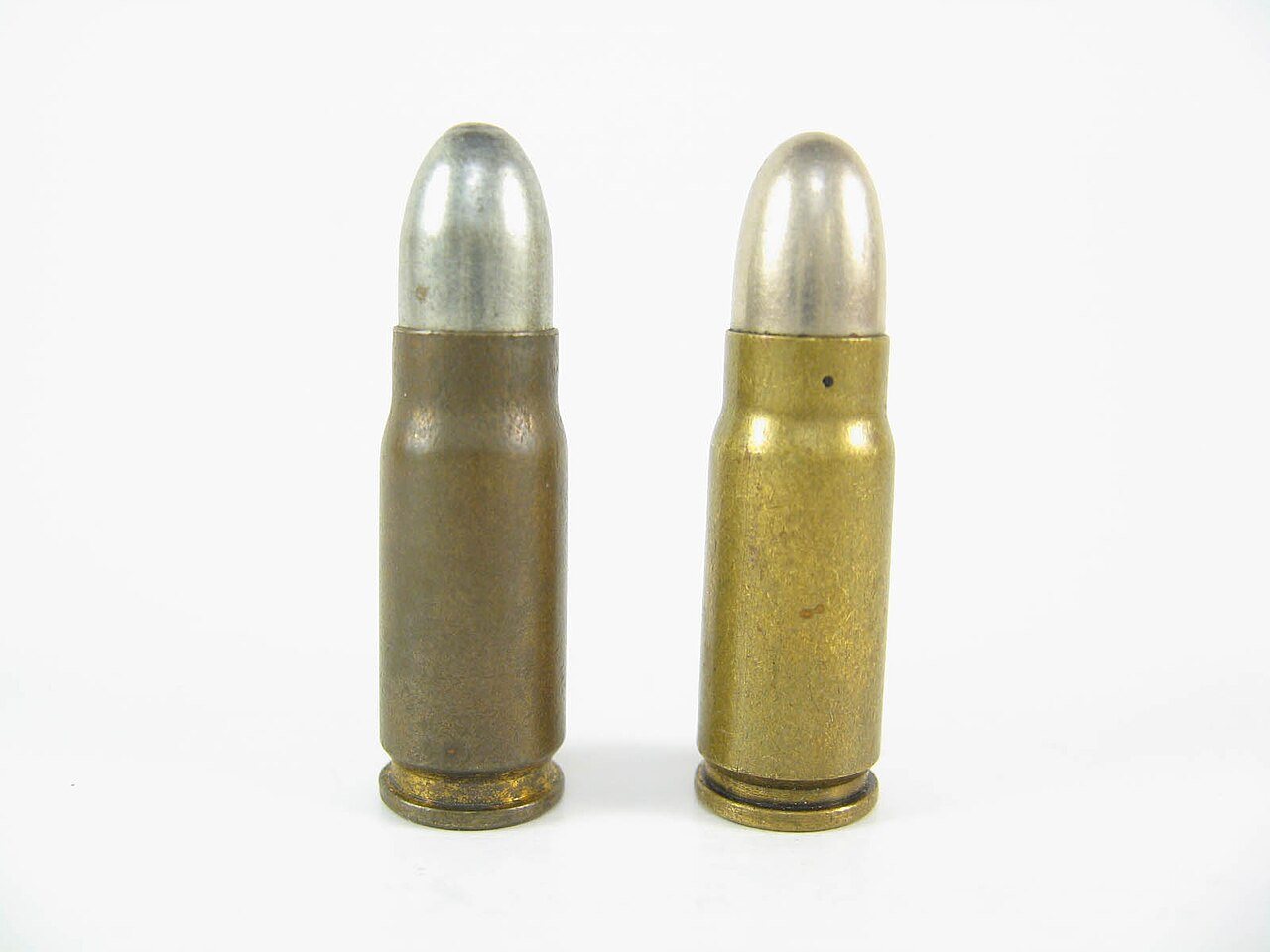
The 7.62×25 Tokarev, the 7.62 Tokarev and the 7.62×25 TT are one cartridge, and the 7.63 Mauser is its parent with a lower pressure limit. The other 7.62s and .30s on the shelf are different rounds altogether.
| On the box | What it is | Fits a 7.62×25 pistol? |
|---|---|---|
| 7.62×25 Tokarev, 7.62 Tokarev, 7.62×25 TT | The same round under its three names | Yes |
| 7.63 Mauser, .30 Mauser | The parent round of 1896, held to 2,250 bar | It may not fit every chamber. Not recommended |
| 7.65 Borchardt | The grandparent of 1893, loaded milder still | No |
| .30 Luger, 7.65 Parabellum | A shorter case, 21.59 mm against 25 mm | No |
| 7.62x38R Nagant | The rimmed revolver round the Tokarev replaced | No |
| 7.62×39 | A rifle cartridge that shares only the bore size | No |
| 9mm Luger | What a Zastava M70A or M88 fires | No |
The danger runs the other way on the second row. A 7.62×25 round should never be fired in a 7.63 Mauser pistol. Our Mauser C96 guide covers the Broomhandle.
7.62×25 Surplus Ammo: Spam Cans, Corrosive Primers and the Magnet Test
Most 7.62×25 surplus ammo sold in the United States came from Romania, Bulgaria, Yugoslavia and Poland, and Gun Digest says of it that “it is all corrosive.” Treat any military lot that way, whatever the seller’s listing says.
Quality varies by lot. Gun Digest reports “chronic evidence of case splitting after firing” in some Polish and Bulgarian lots. Most military cases were Berdan primed, and many were lacquered or copper-clad steel, so they can’t be reloaded in practice.
Corrosive surplus isn’t only a pistol problem. Our 8mm Mauser ammo guide covers the same cleaning drill for rifles.
Cleaning is simple if you do it the same day. The primer residue is potassium chloride and sodium chloride, salts that attract water and dissolve in it. Shooting Illustrated says an ammonia-based window cleaner will remove them, and some shooters follow with hot water. Then clean with bore solvent and oil as normal.
What a spam can holds
A spam can is a sealed steel tin of military ammunition that you open with a can opener. The Romanian tins that turn up here hold 86-grain ball from the 1980s, and GUNS Magazine clocked a 1986 lot at 1,501 fps from a TT-33.
If cases from any lot split when you fire them, stop and set that lot aside.
Steel in the bullet
Some military loads have steel or steel-and-lead cores, and many more have a copper-washed steel jacket over lead that looks like ordinary full metal jacket. Federal law treats a handgun bullet with a core made entirely of steel as armor piercing ammunition.
Ranges care about either kind, and many ban steel-core and bimetal-jacket bullets. The Missouri Department of Conservation explains that steel “does not expand on impact” and can damage bullet traps and baffles, and its test is a magnet on the bullet. It allows steel-cased ammunition when the bullet itself has no steel. Carry a magnet, and check your range’s rule before an indoor session.
If a surplus round clicks, keep the muzzle downrange and wait. The NRA’s range safety guidance and Zastava’s manual both say 60 seconds before you open the action.
7.62×25 Ballistics and What the Round Is Good For
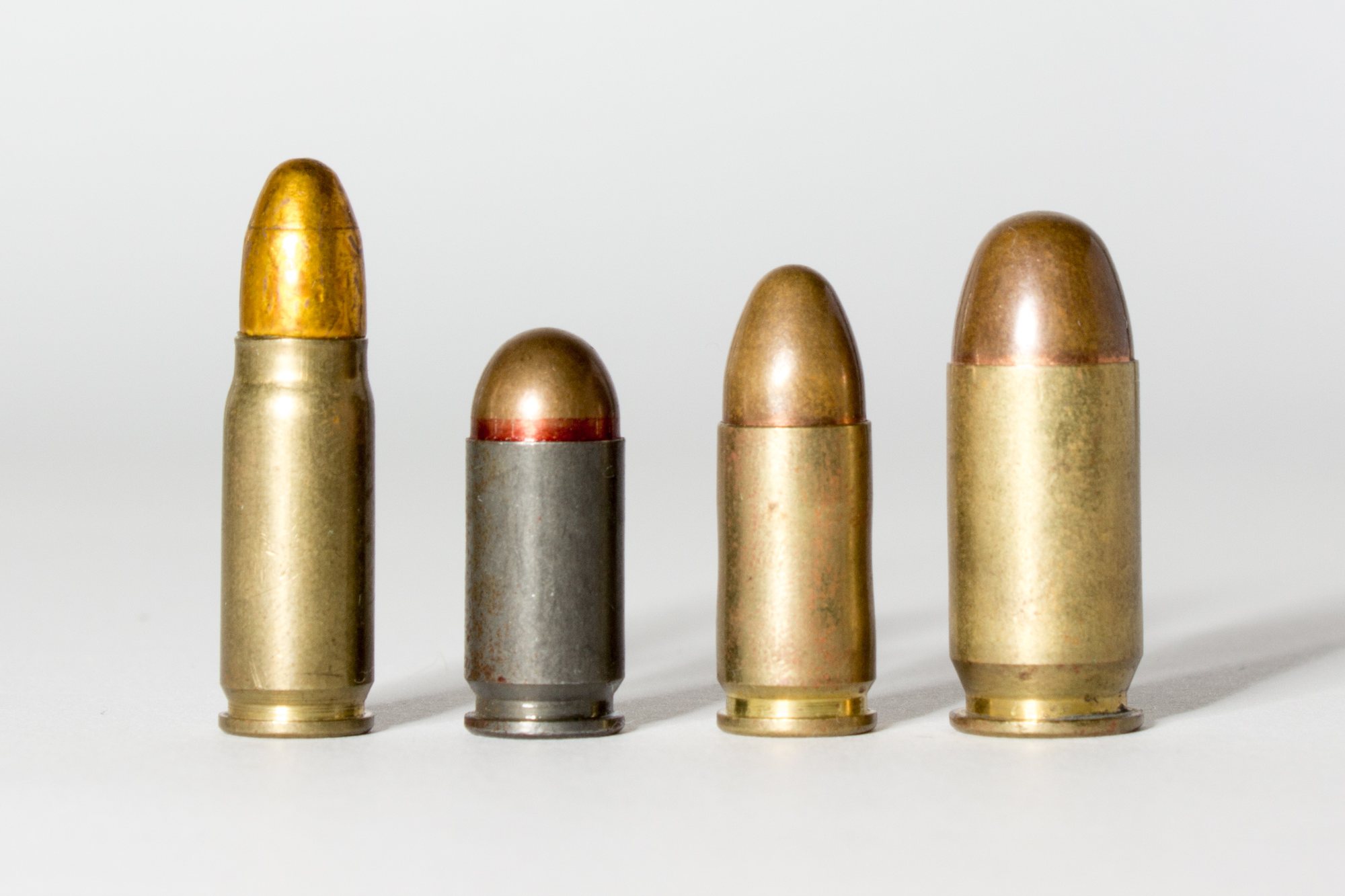
Real 7.62×25 ballistics from a pistol run about 1,350 to 1,650 fps with an 85-grain bullet, against 1,190 fps listed for Winchester’s 115-grain 9mm. Box figures run higher because makers test in long barrels.
| Cartridge, Winchester factory load | Bullet | Muzzle velocity | Muzzle energy |
|---|---|---|---|
| 7.62×25 Tokarev | 85 gr | 1,645 fps | 511 ft-lb |
| 9mm Luger | 115 gr | 1,190 fps | 362 ft-lb |
| .38 Super +P | 130 gr | 1,215 fps | 426 ft-lb |
| .357 SIG | 125 gr | 1,350 fps | 506 ft-lb |
Those are Winchester’s own listed figures, one maker across four cartridges. On that page the Tokarev lands beside the .357 SIG for energy and well ahead of the 9mm.
Measured figures from real guns run lower and vary by load. Small Arms Review got 1,458 fps from a Tokarev pistol and 1,761 fps from a carbine with the same Sellier & Bellot load, and American Rifleman clocked Red Army Standard at 1,355 fps from a Type 54.
7.62×25 vs 9mm
7.62×25 vs 9mm comes down to speed against bullet weight and price. The Tokarev shoots flatter and makes more energy on paper. The 9mm throws a heavier bullet, comes in every kind of hollow point, and costs less than half as much per round.
What is 7.62×25 ammo good for? The range, mostly. For hunting, Shooting Times calls it “dandy for small game” and says it “might also do well for self-defense with hollow-point bullets.” PPU’s 85-grain JHP is the one expanding load our dealers carry.
You’ll read that it goes through body armor. Gun Digest says plainly that it’s “not armor-piercing ammo.” In the one test we found written up, Guns.com fired Romanian surplus at Cold War armor and reported that “none fully penetrated the body armor,” though the round did pass through one side of an old helmet.
7.62×25 Myths vs. the Truth
The first 7.62×25 ammo myth to drop is that it’s a dead surplus caliber: three makers had new boxes at our dealers in October 2026, from $27.29 for 50 rounds. Is 7.62×25 ammo still made? Yes, by PPU in Serbia, Sellier & Bellot in the Czech Republic and Fiocchi. Here are the other claims that come up on the forums.
| The myth | The truth |
|---|---|
| “It’s a surplus-only caliber.” | PPU, Sellier & Bellot and Fiocchi sell new brass-cased ammunition. |
| “Surplus is the cheap way to shoot it.” | The surplus we found cost as much as new PPU or more, and it’s corrosive. |
| “Tokarev ammo is fine in a Broomhandle.” | No. C.I.P. allows 2,500 bar for the Tokarev and 2,250 for the 7.63 Mauser. |
| “The CZ 52 is the strongest, so feed it the hot stuff.” | Its lockup is strong and its chamber wall is thin. The claim is unproven. |
| “There’s a SAAMI pressure limit.” | SAAMI doesn’t list the cartridge. The only standard is C.I.P.’s. |
| “The box says 1,720 fps, so my pistol does 1,720.” | That figure is from a 9.8 inch barrel. Pistols run about 1,350 to 1,650 fps. |
| “All surplus is steel core.” | Much of it has a steel jacket over lead. A magnet sticks to both. |
| “It’s armor piercing.” | Gun Digest says it isn’t. One written test with surplus ball failed to pass a vest panel. |
| “7.62×25 and 7.63 Mauser are identical.” | C.I.P. lists two cartridges with different dimensions and limits. |
Our Range Notes: Four Loads in a Romanian TTC and a CZ 52
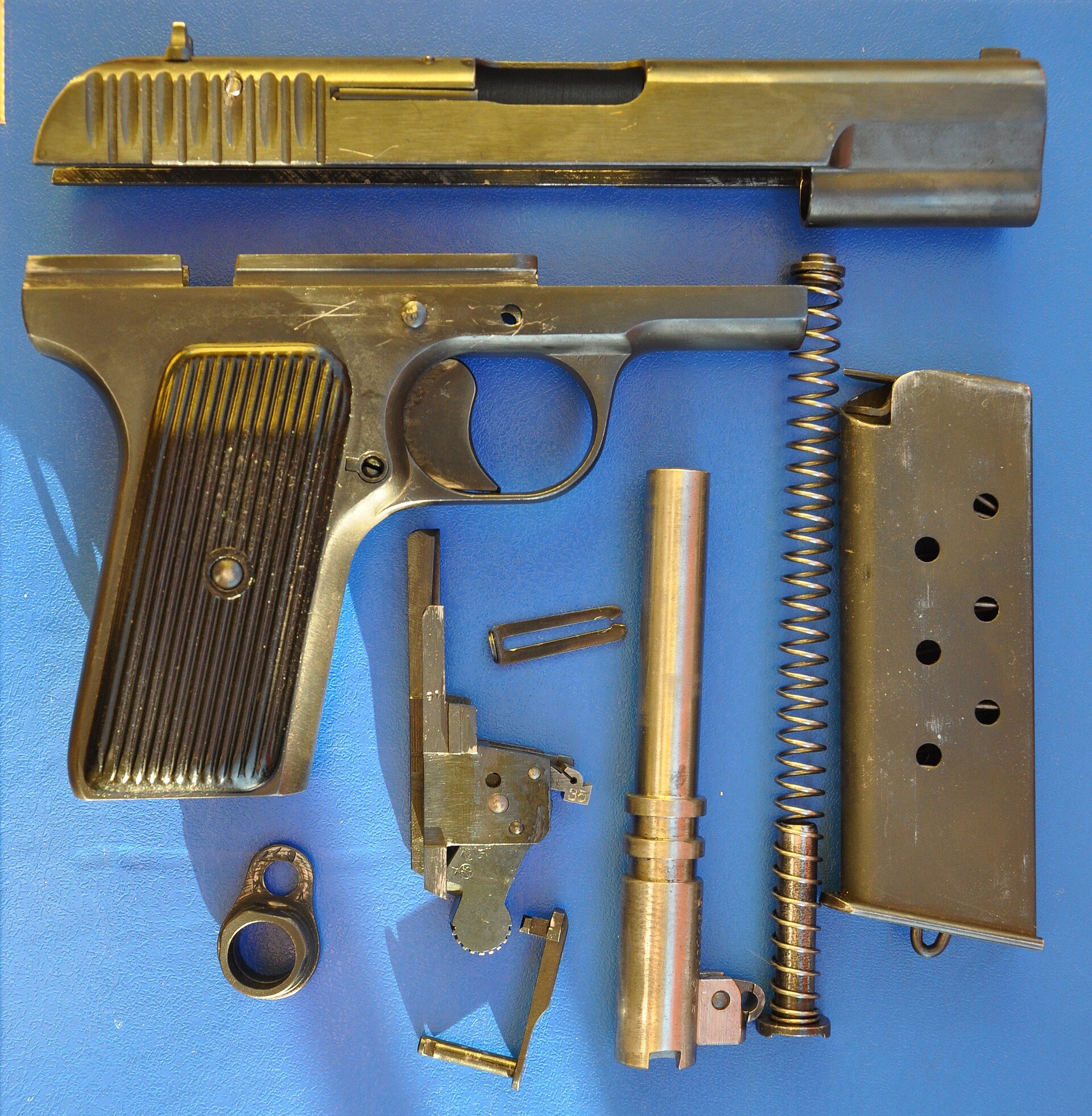
We shot four factory 7.62×25 Tokarev ammo loads through a Romanian TTC and a CZ 52 over two September mornings, 400 rounds in all over a chronograph. Both pistols had been checked by a gunsmith first, and the well-used TTC wore a new recoil spring.
| Load | Listed velocity | Romanian TTC | CZ 52 | TTC group | CZ 52 group |
|---|---|---|---|---|---|
| PPU 85 gr FMJ | about 1,722 fps from 9.8 in. | 1,426 fps | 1,441 fps | 2.9 in. | 3.4 in. |
| PPU 85 gr JHP | about 1,673 fps from 9.8 in. | 1,398 fps | 1,412 fps | 2.6 in. | 3.1 in. |
| Sellier & Bellot 85 gr FMJ | about 1,857 fps from 11.3 in. | 1,489 fps | 1,507 fps | 3.1 in. | 3.6 in. |
| Fiocchi 85 gr FMJ | 1,525 fps | 1,402 fps | 1,418 fps | 3.0 in. | 3.5 in. |
Groups were the best of three five-shot groups at 25 yards from a rest. Every load ran 100 to 370 fps under its box figure, which is the long-barrel effect showing up on the chronograph. The Sellier & Bellot was the fastest in both pistols by about 60 fps.
All four loads fed and fired without a stoppage. The PPU hollow point shot the tightest groups from both pistols, and the PPU full metal jacket was the one we’d buy by the case.
We put a magnet on a bullet from each PPU box before the indoor session and it didn’t stick. Do the same with whatever you buy. We also checked the fired cases, and none had split.
The CZ 52 is loud and it throws brass a long way. After 200 rounds its decocker still worked as it should, but we pointed it downrange every time, as Small Arms Review warns.
A Short History of the 7.62×25 Tokarev
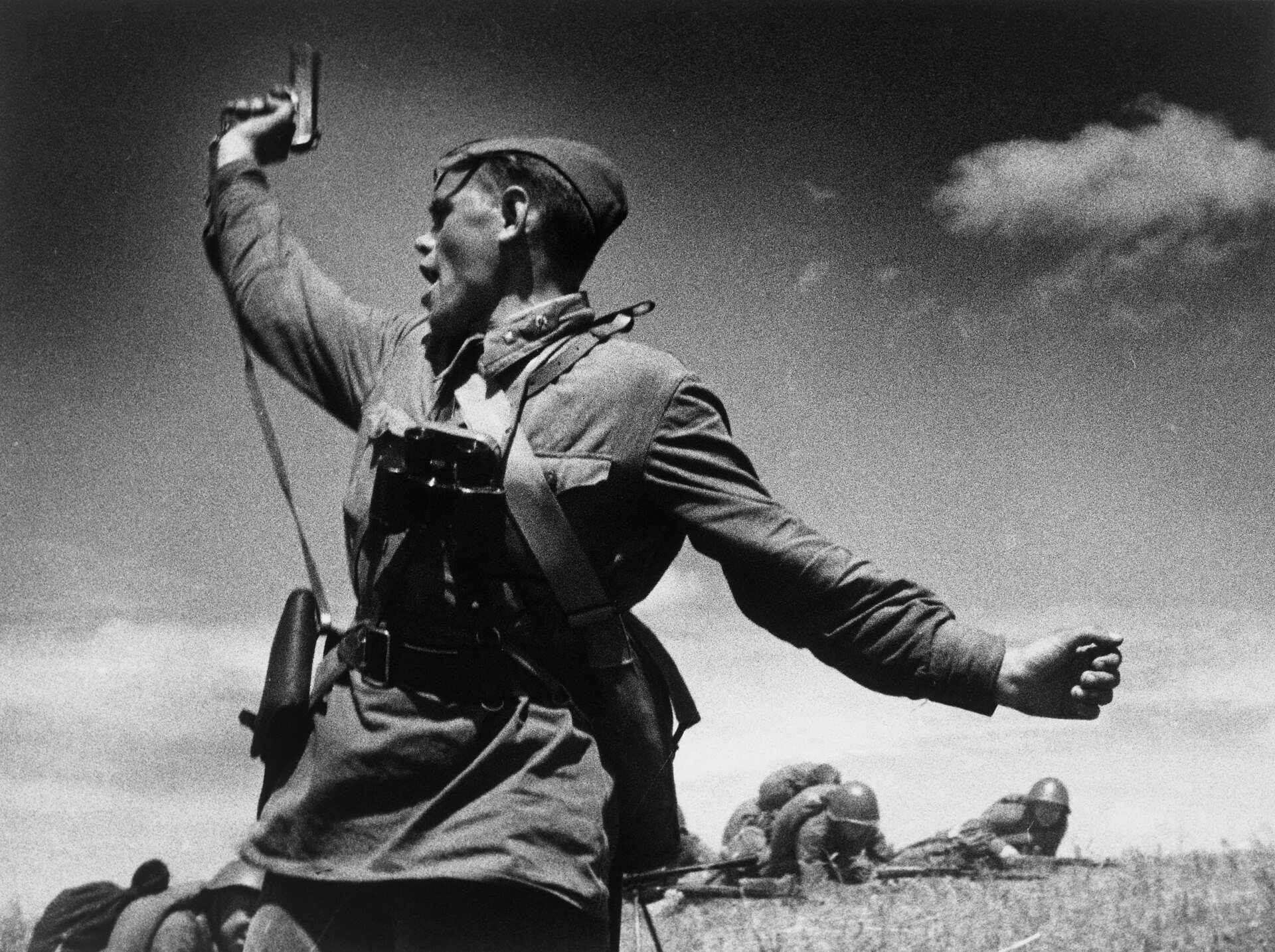
The Soviet Union adopted the 7.62×25 cartridge and the TT-30 pistol in 1930, basing the round on the 7.63 Mauser of 1896, which itself came from the 7.65 Borchardt of 1893. American Rifleman says the Soviets apparently dimensioned it at 7.62 mm so they could use machinery and gauges they already had.
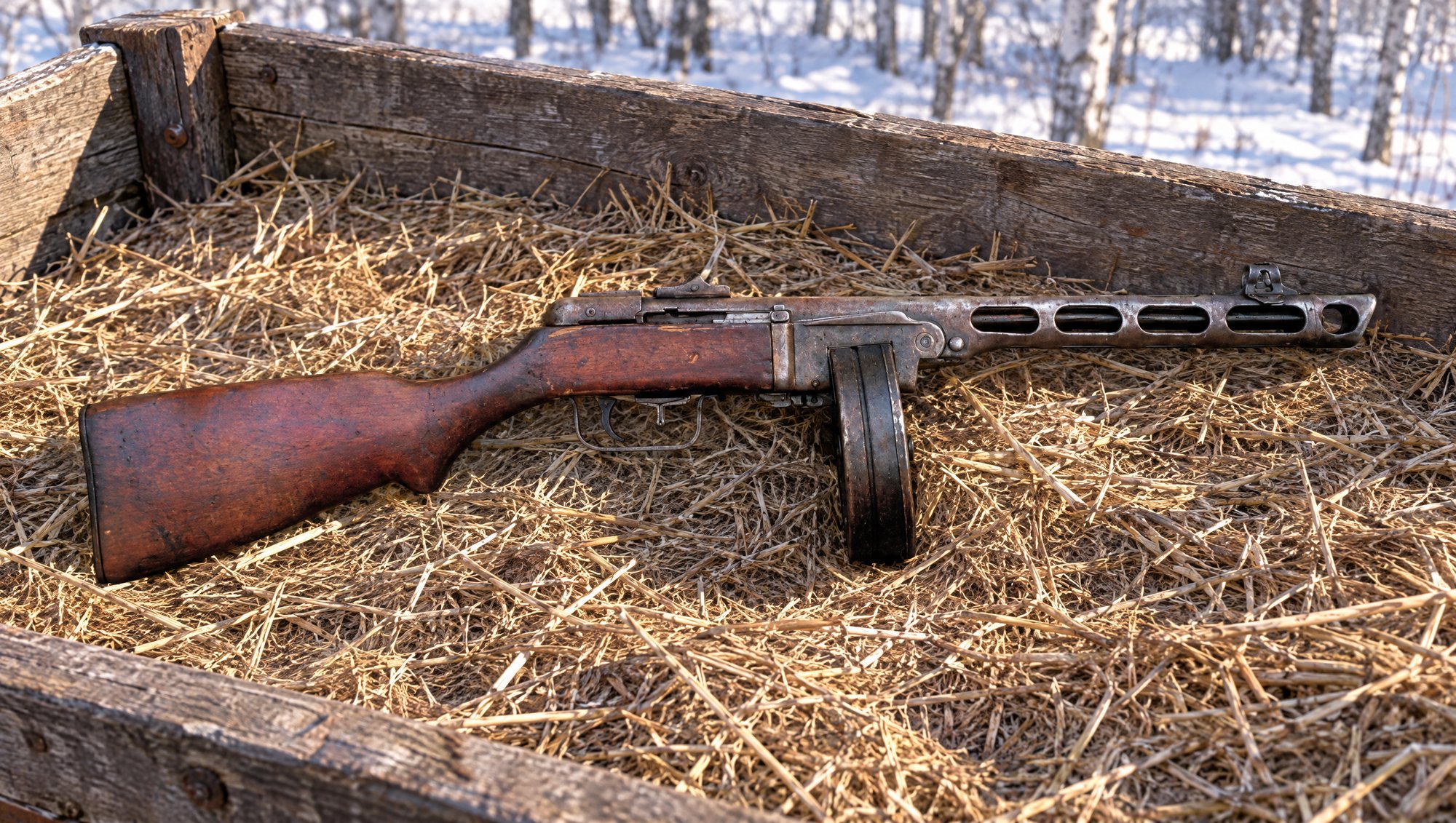
The simplified TT-33 followed in 1933, and about 1.7 million Soviet TT pistols were made, more than 1.3 million of them for World War II according to Shooting Illustrated. The cartridge did even more work in submachine guns. Sources put PPSh-41 production at five to six million by the end of the war.
Copies spread across the Eastern Bloc. Czechoslovakia built about 200,000 CZ 52 pistols from 1952 to 1954 and kept them until 1982. Poland adopted the Tokarev in late 1946, Hungary built it from 1948, China made the Type 54 from 1954, and Yugoslavia adopted the Zastava M57 in 1957.
The Soviets replaced it with the Makarov in the early 1950s, once the Kalashnikov had taken over from the submachine guns and the pistol no longer had to share their ammunition.
Some pistols came to the United States before the 1968 Gun Control Act. Surplus imports reopened in 1986, Chinese pistols arrived from the late 1980s to about 1994, and Century offered CZ 52s in the mid-1990s. Zastava still sells a new M57A today. Our Makarov guide covers its successor.
A Note on Reloading
The 7.62×25 takes .308 or .309 inch bullets of 85 to 90 grains over a small pistol primer, and Starline and PPU both sell new Boxer-primed brass for it. It’s a bottleneck case, so the dies are plain steel and the cases need lube.
Barrels vary, and one Zastava M57 measured 0.3128 inch across the grooves, so slug the bore before you choose a bullet. Starline also warns that .30 Mauser cases used for hot Tokarev loads in the CZ 52 can lose their necks.
We don’t publish load data on this page. Use a current manual from a bullet or powder maker, and start with our beginner’s guide to reloading if you’re new to it.
Bottom Line: Which 7.62×25 Ammo to Buy
For most owners the 7.62×25 ammo to buy is new PPU 85-grain full metal jacket, which cost $0.55 to $0.71 a round at our dealers in early October 2026. The pistol decides the rest.
- For a Tokarev, an M57 or a TTC: PPU for volume, or Sellier & Bellot if you want it livelier, after a gunsmith has checked the pistol.
- For a CZ 52: PPU. It’s the slower of the two common loads, and nothing about the pistol needs more.
- For a Mauser C96: not this cartridge. Buy 7.63 Mauser from PPU or Fiocchi.
- For an indoor range: new brass-cased 7.62×25 Tokarev ammo, and a magnet in your range bag for anything else.
- For the spam can in the closet: it’s corrosive. Shoot it outdoors, clean the same day, or keep it sealed as a collectible.
If you shoot other old military guns, our .303 British ammo guide and .30-40 Krag ammo guide do the same job for those rifles.
We’ve done the same job for other old calibers: the .32-20 ammo guide, the .44-40 ammo guide and the .45 Colt ammo guide.
Lead image: composite based on a photo of a CZ 52 from Wikimedia Commons, author credited as Anonymous, CC BY 3.0.
7.62×25 Ammo FAQ
Is 7.62x25 ammo still made?
Yes, 7.62x25 ammo is still made. Prvi Partizan, Sellier & Bellot and Fiocchi all had new brass-cased loads at our dealers in October 2026, and boxes of 50 started at $27.29 on our price cards. Steinel and Reed's list more loads on their own sites.
What is 7.62x25 equivalent to?
Nothing interchanges with it. Its parent is the 7.63 Mauser, which is close in size but held to a lower pressure limit. On paper it's closest to the .357 SIG: Winchester lists the 7.62x25 at 1,645 fps and 511 foot-pounds and the .357 SIG at 1,350 fps and 506.
Is 7.62x25 better than 9mm?
It's faster and flatter, and it isn't cheaper. Winchester lists an 85-grain 7.62x25 at 1,645 fps against a 115-grain 9mm at 1,190 fps. But 9mm costs less than half as much per round and comes in far more defensive loads.
Can you shoot 7.62x25 in a Mauser C96?
No. Shooting Times says you should absolutely never fire 7.62x25 ammo in a gun chambered for 7.63 Mauser, because it's loaded to higher pressure. C.I.P. allows 2,500 bar for the Tokarev and 2,250 bar for the Mauser. Buy boxes marked 7.63 Mauser.
Can you shoot 7.63 Mauser in a Tokarev?
It may chamber and fire, but we wouldn't. Shooting Times tried it as a test, noted the rounds might not fit every Tokarev chamber, and said it wasn't endorsing the practice. Buy 7.62x25 for a Tokarev.
Is surplus 7.62x25 ammo corrosive?
Treat it all as corrosive. Gun Digest says the Romanian, Bulgarian, Yugoslav and Polish surplus sold here is all corrosive. Clean the pistol the same day, and don't expect a bargain: the surplus we found cost as much as new PPU or more.
What is the best 7.62x25 ammo?
For the range, PPU 85-grain full metal jacket: it's brass cased, Boxer primed and the cheapest new load our dealers had. Sellier & Bellot runs a little faster. For an expanding bullet, PPU's 85-grain hollow point is the one our dealers carry.
Can I shoot 7.62x25 at an indoor range?
It depends on the range, so check its rule first. Many ranges ban steel-core and steel-jacketed bullets and test with a magnet, and a lot of surplus fails that test. The new PPU we shot didn't attract a magnet.
5,470+ Gun & Ammo Deals
Updated daily from 200+ top retailers. Filter by category, caliber, action type, and price.