

Last updated October 2026
Some of the links below are affiliate links, meaning at no additional cost to you, we may earn a commission if you click through and make a purchase.
- Treat every gun as loaded
- Point the muzzle in a safe direction
- Keep your finger off the trigger until you’re ready to shoot
- Know your target and what’s beyond
Yes, .30-40 Krag ammo is still made. Hornady, Remington and Winchester all catalog a 180-grain soft point, and HSM, Steinel and Buffalo Arms fill in around them. On the day we checked, the dealers on our price cards had 20 listings, with boxes of 20 starting at about $41.
That catches people off guard, because 30-40 Krag ammo has a reputation as an orphan. The rifle left Army service before World War I and the cartridge went through some long dry spells on store shelves.
But every factory load on sale today was built around the Krag’s one real weakness, a bolt that locks on a single lug.
So with 30-40 Krag ammo, the question to ask is less about the box and more about the rifle. This guide covers who makes it, where to find 30-40 Krag ammo for sale and what it costs per round, what to have checked on an old Krag before you shoot it, and what the round will do on deer and elk.
Quick answer
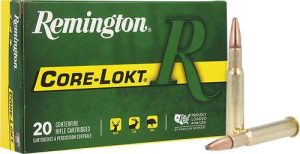
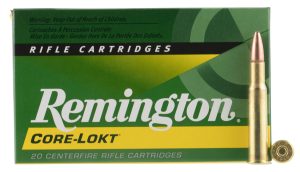
Buy the Hornady Custom or Remington Core-Lokt 180-grain soft point. We chronographed both in two Krags and they ran within 20 fps of each other. They are loaded to the same 2,430 fps, they are built to the pressure limit that exists because of the Krag rifle, and our dealers had both in stock when we checked. Before the first shot, have someone who knows Krags look at the bolt’s locking lug and bolt face.
- Price in October 2026: about $2.05 to $2.65 a round for Hornady, $2.53 to $3.72 for Remington
- Also sold as: .30 U.S., .30 Army, .30 Government and 30 USA on old boxes and headstamps
- Bullet: .308 in., in a rimmed case
- Not the same thing: .30 Carbine, .30-30, .303 British and .30-06 will not work in a .30-40 Krag rifle

How we tested: Every pick here is ranked against our testing methodology. Minimum round counts, accuracy and reliability protocols, the failures that disqualify a gun.
.30-40 Krag at a Glance
The .30-40 Krag is a rimmed, bottleneck .30-caliber rifle cartridge the US Army adopted in 1892. It fires .308-inch bullets, and its SAAMI maximum average pressure is 40,000 CUP.
| Spec | .30-40 Krag |
|---|---|
| Names | .30-40 Krag, .30 U.S., .30 Army, .30 Government; headstamps read 30-40 KRAG, 30 USA, 30 ARMY or 30 USG |
| Bullet diameter | .308 in. |
| Case | Rimmed, bottleneck, 2.314 in. long. It headspaces on the rim |
| US pressure limit | 40,000 CUP. SAAMI lists no psi figure for this cartridge |
| European pressure limit | 3,250 bar, about 47,100 psi |
| Factory load | 180 gr soft point at 2,430 fps and 2,360 ft-lb |
| Rifling | 1 turn in 10 in. |
| Adopted | 1892, with the Krag-Jorgensen rifle |
| Rifles | US Krag rifles and carbines, Winchester Model 1895, Winchester 1885 High Wall, Remington-Lee, Ruger No. 3 |
| Status | In production |
30-40 Krag Ammo: The Good and the Bad
Pros
- Three big makers still load it
- Factory loads held to Krag pressure
- Hits like a .303 British
- Mild recoil for its power
- Brass is worth keeping
Cons
- Costs double a .30-06 box
- Only one common load, 180 grains
- Supply has dried up before
- Old Krag bolts need inspecting
- No cheap surplus exists
Table of Contents
Who Still Makes 30-40 Krag Ammo in 2026
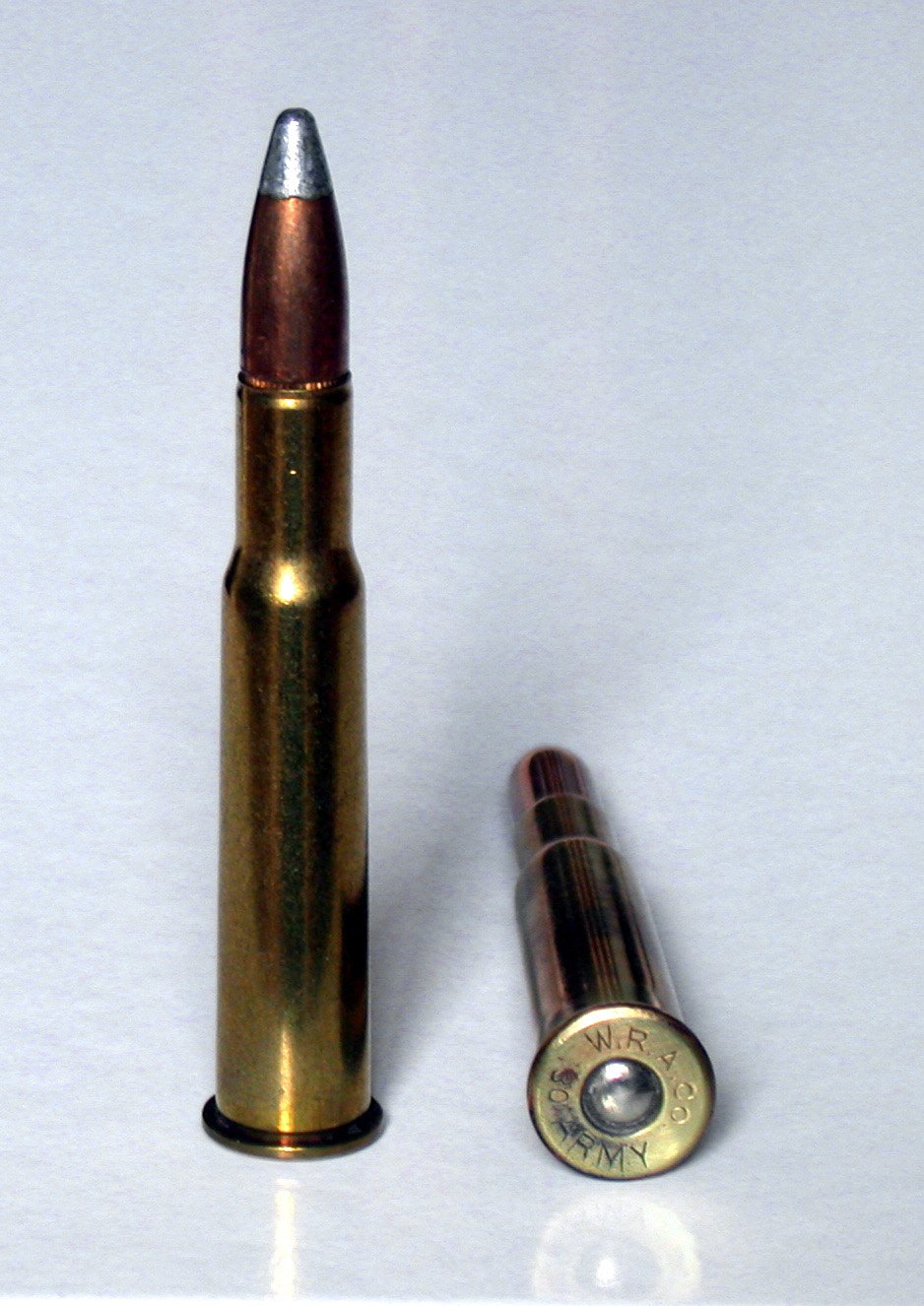
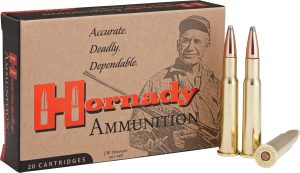
Six companies list 30-40 Krag ammo in 2026: Remington, Winchester and Hornady each catalog a 180-grain soft point at 2,430 fps, and HSM, Steinel and Buffalo Arms make smaller runs that include round-nose and lead bullets.
We went to each maker’s own pages on October 1, 2026. The velocity and status columns are what those pages said that day, except Steinel’s, which is an April 2026 capture.
| Maker and load | Bullet | Listed velocity | Listed energy | Status on the maker’s page |
|---|---|---|---|---|
| Remington Core-Lokt | 180 gr pointed soft point | 2,430 fps | 2,360 ft-lb | Listed |
| Winchester Super-X | 180 gr Power-Point | 2,430 fps | 2,360 ft-lb | Listed |
| Hornady Custom | 180 gr InterLock soft point | 2,430 fps from a 24 in. barrel | 2,360 ft-lb | Listed |
| HSM Game King | 150 gr and 180 gr Sierra GameKing | Not published | Not published | Out of stock at HSM |
| Steinel | 150 gr round-nose soft point | 2,380 fps from a 30 in. barrel | Not published | On backorder in April 2026 |
| Buffalo Arms | 220 gr round nose | 2,046 fps from a 30 in. barrel | Not published | Listed |
The three big-maker loads are ballistic twins, which makes choosing easy. Hornady, Remington and Winchester all publish 180 grains at 2,430 fps for 2,360 foot-pounds.
Our dealers also stock two HSM loads, a 150-grain GameKing and a 165-grain lead flat nose sold as a cowboy action load. None of them had the Winchester load when we checked, and we couldn’t find a .30-40 Krag load from Prvi Partizan. And we found no hotter “+P” style load from any of the six makers above, which matters for the rifle section below.
It’s the same story we found with 8mm Mauser ammo, where the American loads are held far below the European ones.
What 30-40 Krag Ammo Costs in 2026
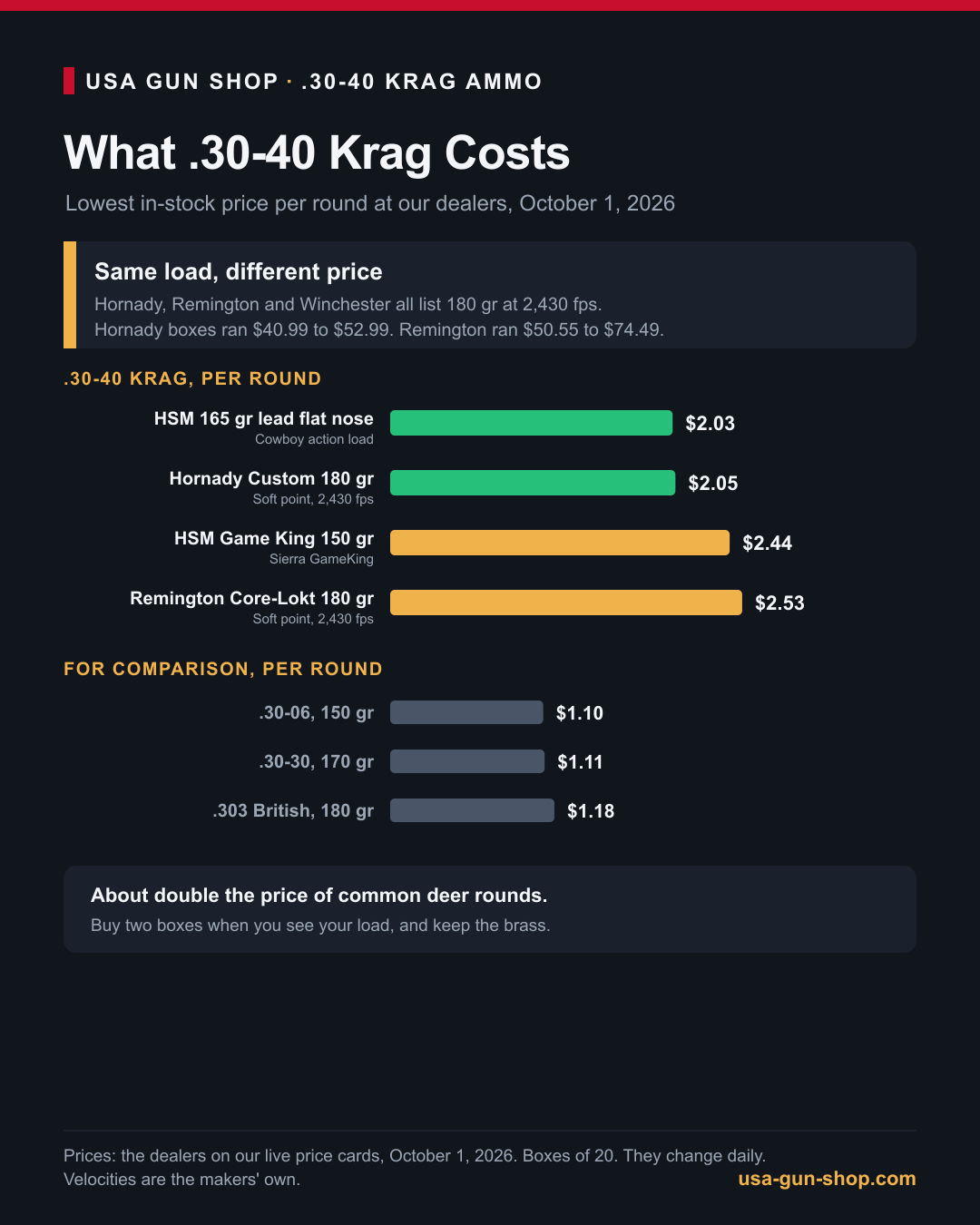
New 30-40 Krag ammo for sale at our dealers costs about $2.05 to $2.65 a round for Hornady Custom and $2.53 to $3.72 a round for Remington Core-Lokt, going by the listings our dealers had on October 1, 2026.
Prices are for a box of 20. They move, and so does availability, so use the live cards for what’s available today.
| Load | Box of 20 | Per round |
|---|---|---|
| HSM 165 gr lead flat nose | $40.62 to $41.31 | $2.03 to $2.07 |
| Hornady Custom 180 gr soft point | $40.99 to $52.99 | $2.05 to $2.65 |
| HSM Game King 150 gr | $48.86 | $2.44 |
| Remington Core-Lokt 180 gr soft point | $50.55 to $74.49 | $2.53 to $3.72 |
Two things stand out in 30-40 Krag ammo prices. Hornady and Remington publish the same velocity and energy, and the Hornady box is cheaper by ten dollars or more at most dealers. And Remington’s own site lists its load at $94.99, well above what any of our dealers charge for it.
It costs about double the common rounds. On the same day, 170-grain .30-30 started at $22.26 a box on our cards, 180-grain .303 British at $23.51 and 150-grain .30-06 at $21.99. Our ammo price report tracks those calibers.
The reason is volume, and it’s also why the supply has run dry before. American Rifleman reported 1980s boxes selling at gun shows for more than $2 a round during the lean years. Hornady has cataloged the load since 2018, which has steadied things. Our advice hasn’t changed: when you see your load, buy two boxes and keep the brass.
What’s Safe in Your Rifle
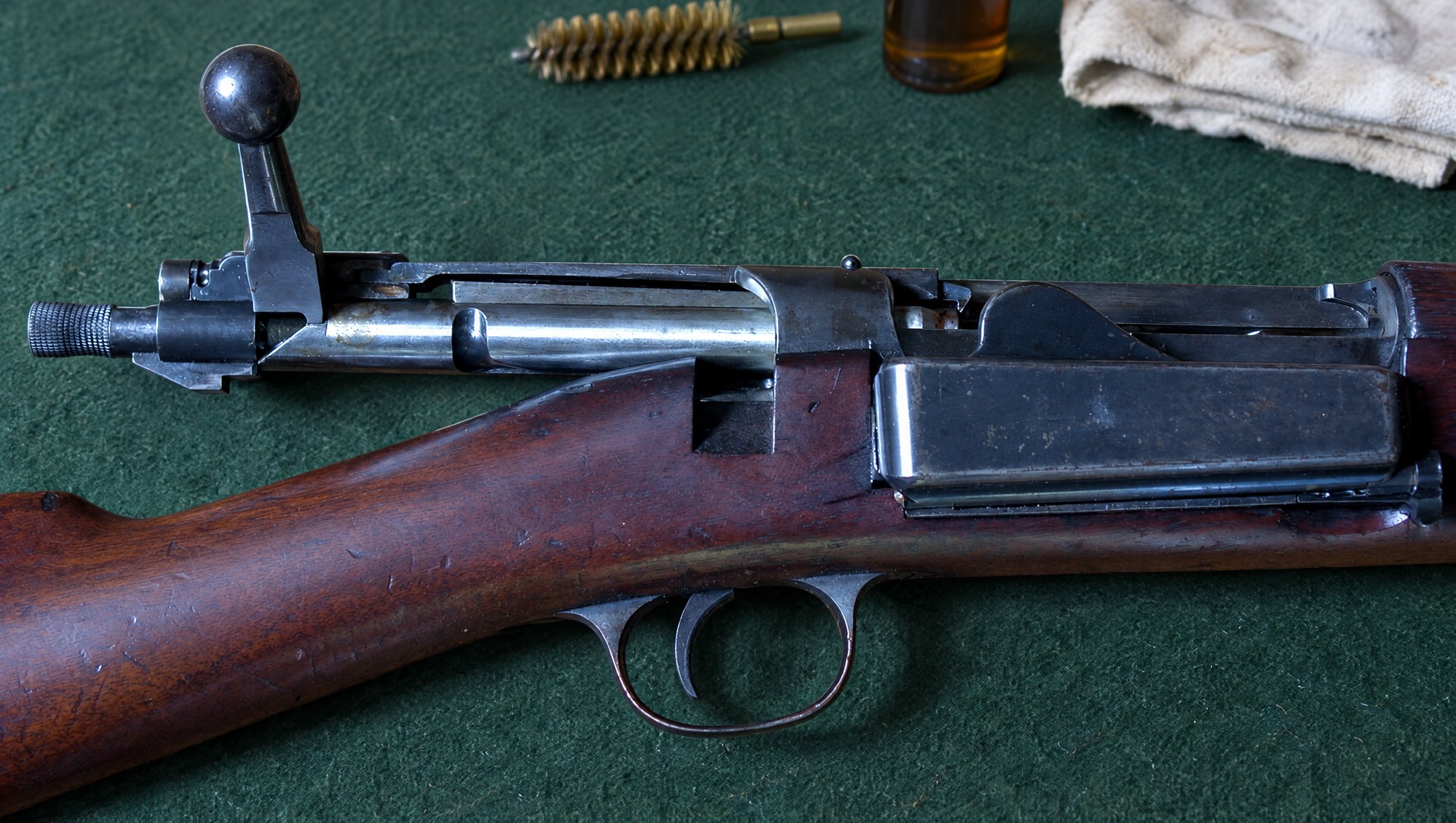
The SAAMI limit that makers load .30-40 Krag ammo to is 40,000 CUP, a figure that exists because of the Krag rifle, so the box is rarely the problem. The rifle is. Find yours in the table.
| Rifle | Action | Factory 180 gr loads | What to do first |
|---|---|---|---|
| US Krag rifles, Model 1892, 1896 and 1898 | Bolt action, one locking lug | Yes, in a rifle that passes inspection | Have the locking lug and bolt face inspected |
| US Krag carbines, Model 1896, 1898 and 1899 | Bolt action, one locking lug | Yes, in a carbine that passes inspection | Same inspection |
| Sporterized Krags | Bolt action, one locking lug | Yes, in a rifle that passes inspection | Same inspection, plus a look at any gunsmithing done to it |
| Winchester Model 1895 | Lever, box magazine | Yes | Gunsmith check on an original; pointed bullets are fine in its magazine |
| Winchester 1885 High Wall | Single shot | Yes | Gunsmith check on an original |
| Remington-Lee Model 1899 and Remington rolling block | Bolt and single shot | Chambered for it | Gunsmith check. Only about 1,500 Remington-Lees were made |
| Ruger No. 3 | Single shot | Chambered for it | Gunsmith check on any used rifle. Made in .30-40 from 1973 to 1977 |
| Norwegian and Danish Krags | Bolt | No. Wrong cartridge | These are 6.5×55 and 8x58R rifles |
Steinel is the one maker that says in writing which rifles its load is for. It calls it “appropriate for original Krag rifles in good mechanical condition” and names the Model 1892, 1896 and 1898 Krags, Krag sporters and the Winchester Model 1895.
Gun Digest notes that the Model 1895 is considered safe at somewhat higher pressure than the Krag, with a caution attached. That’s a handloader’s question. We found no hotter factory load from the six makers above, so the stronger rifles get a safety margin and nothing more. Our best lever-action rifles roundup covers the modern lever guns.
Don’t have the rifle yet? This card shows the Krags our dealers have right now. The best military surplus rifles roundup compares them with the Mausers, Enfields and Mosins, and a curio and relic license makes buying one simpler.
Why Every 30-40 Krag Load Is Mild: 40,000 CUP
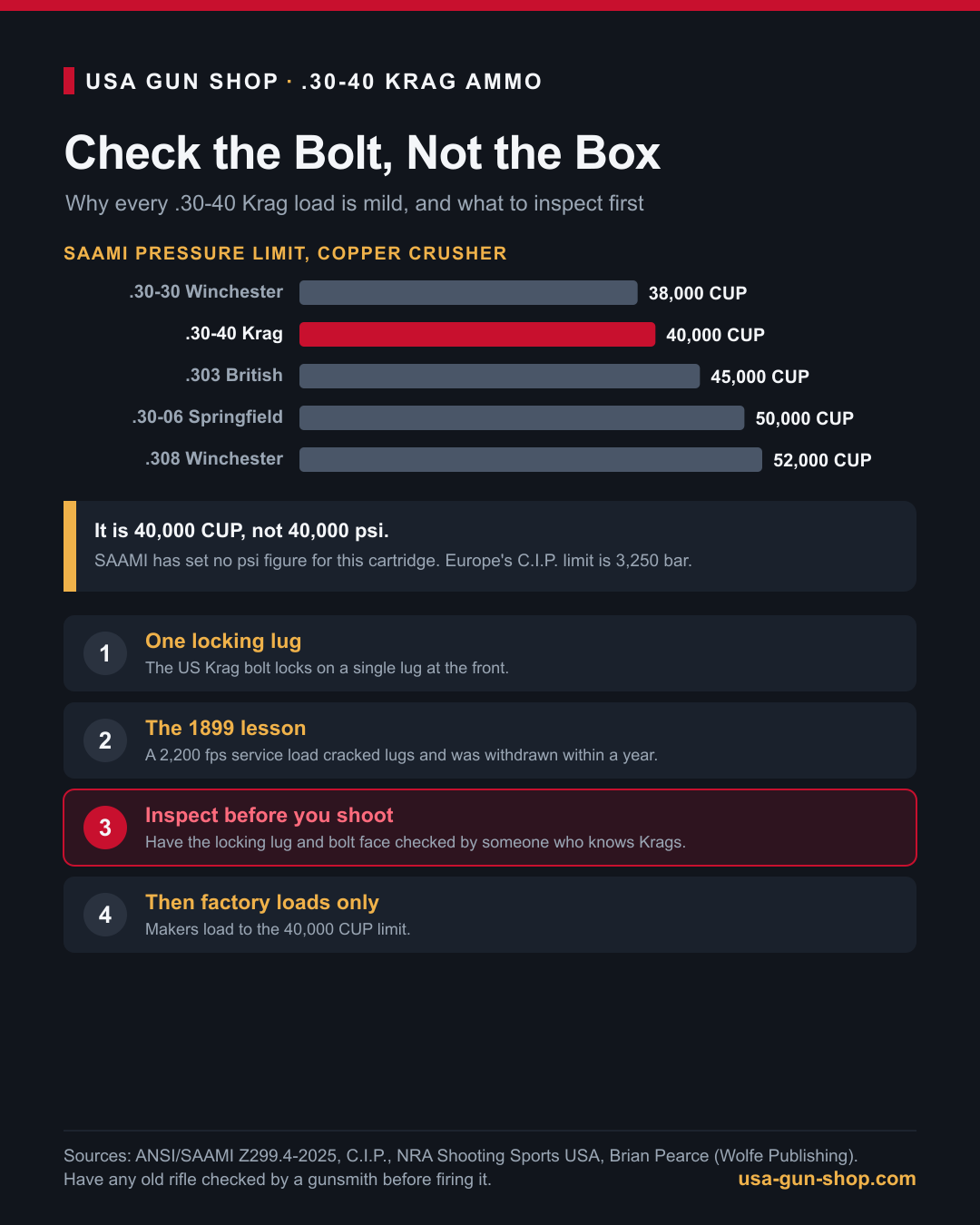
SAAMI limits the .30-40 Krag to 40,000 CUP, measured by the old copper crusher method, and where the psi figure should be its table prints “Piezo Pressures Not Established.” There is no American psi limit for this cartridge.
That matters because “40,000 psi” is printed all over the internet. It’s the right number with the wrong unit. CUP and psi aren’t the same scale, and one can’t be converted into the other. You can read the table yourself in the SAAMI centerfire rifle standard.
The only transducer limit on paper comes from Europe. C.I.P. lists a maximum of 3,250 bar, about 47,100 psi. Here is where the Krag sits against its neighbors in SAAMI’s crusher column:
| Cartridge | SAAMI limit, copper crusher |
|---|---|
| .30-30 Winchester | 38,000 CUP |
| .30-40 Krag | 40,000 CUP |
| .303 British | 45,000 CUP |
| .30-06 Springfield | 50,000 CUP |
| .308 Winchester | 52,000 CUP |
So the Krag is loaded a step above the .30-30 and well below the cartridges that replaced it. Brian Pearce, writing for Wolfe Publishing, says loads “should not exceed industry pressure guidelines of 40,000 CUP.” That’s the rule the factory loads are built to.
The One-Lug Bolt: What to Check Before You Shoot a Krag
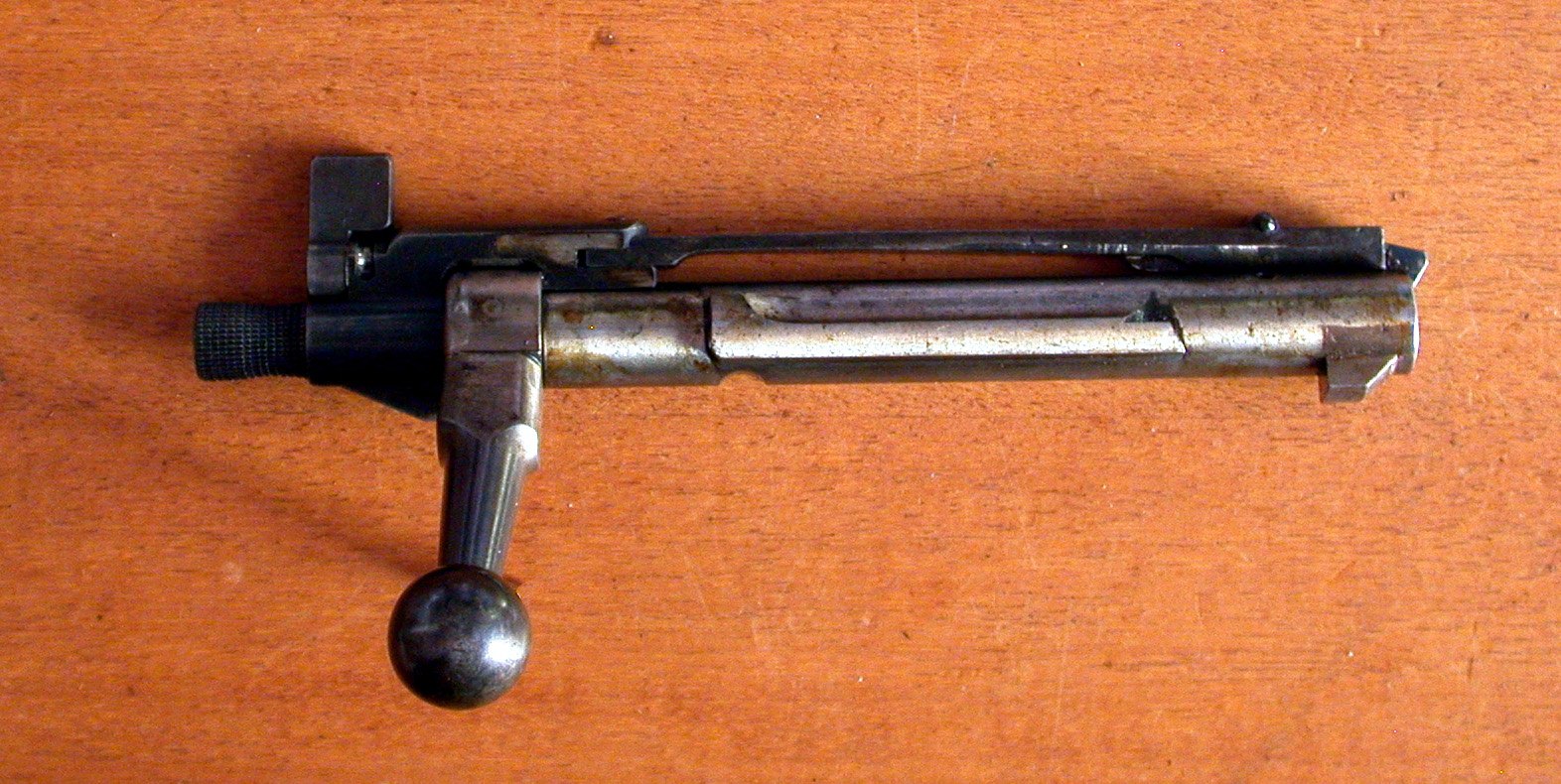
The US Krag bolt locks on one lug at the front. The rear of the guide rib works as a safety lug that doesn’t touch the receiver in a sound rifle, and the root of the bolt handle is a second backup.
One lug was enough for the service cartridge. It wasn’t enough for more. In 1899, after the Spanish-American War, the Army raised the load from about 2,000 fps to 2,200 fps to chase the 7mm Mauser, and reports of cracked locking lugs followed. The hot load was withdrawn within a year.
Shooting Times adds that the steel was part of it: “U.S. Krag rifles had some fairly brittle metal for bolts and receivers.” That’s a 125-year-old rifle with a known weak point, and it deserves a look before it’s fired.
How does a 2,430 fps factory load get away with it when 2,200 fps cracked bolts? Velocity isn’t pressure. The 1899 load pushed a heavy 220-grain bullet, and today’s loads push a 180-grain bullet inside the 40,000 CUP limit.
The inspection to ask for
Pearce puts the advice in one sentence. Krag rifles “should be in good condition and determined to be safe” by “someone familiar with this design before firing factory ammunition or handloads.” He names the locking lug and the bolt face as the parts to inspect.
- Take the rifle to a gunsmith who has worked on Krags, and say that’s what you want checked.
- Ask for the locking lug to be examined for cracks and the bolt face for damage.
- We’d also ask for a general safety check of the action and chamber while it’s on the bench.
- We’d have the bore looked at too. Old Krag barrels vary by a few thousandths.
- If the rifle passes, shoot factory ammunition and leave hot handloads to stronger actions.
If the inspection finds a crack, don’t fire the rifle. And don’t shoot it to find out.
Round Nose or Pointed: What Feeds and What Shoots
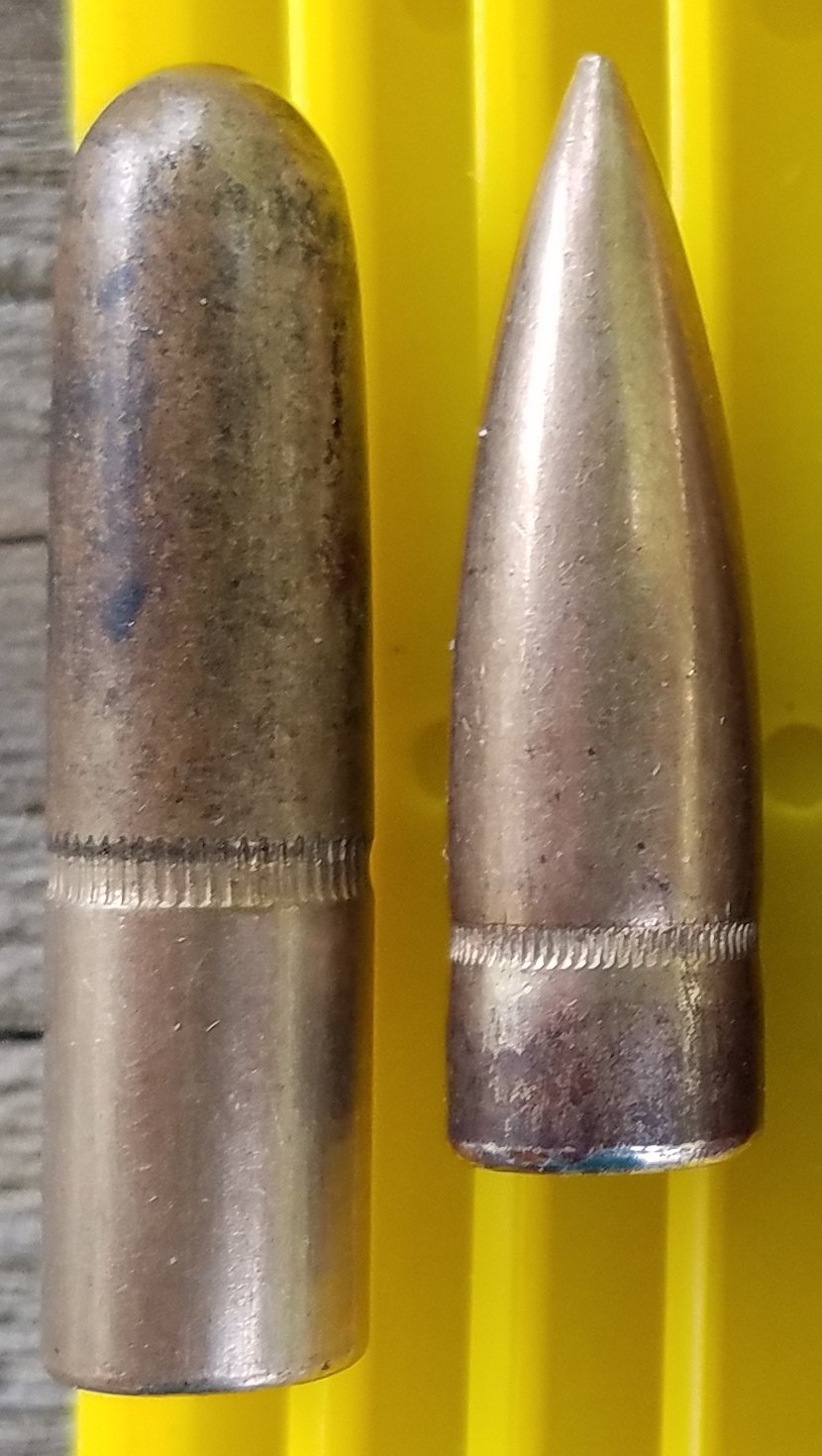
The Krag was built around a 220-grain round-nose bullet, and every big-maker factory load today is a pointed 180-grain soft point. Whether the pointed load feeds from the magazine depends on the individual rifle.
Accuracy is the other half of it. Sierra notes that older rifles were throated for the long 220-grain round nose, so accuracy can be hard to get from lighter bullets, particularly spitzers.
Some Krags feed it and some don’t. American Rifleman ran the pointed Hornady load through two Krags without trouble when it came out in 2018. Load five and cycle them at the range before you count on yours for a hunt.
If your magazine balks, look at the round-nose loads from Steinel and Buffalo Arms. Buffalo Arms loads the 220-grain bullet the long throat was cut for. The Winchester 1895 and the single shots don’t care either way.
Buffalo Arms lists its 220-grain round-nose load at $66.09 a box and 2,046 fps from a 30-inch barrel, which is close to the load the Army issued. It says it uses properly headstamped brass when it can get it, so ask what cases are in the current lot if that matters to you.
.30 U.S., .30 Army and the Names That Look Right but Aren’t
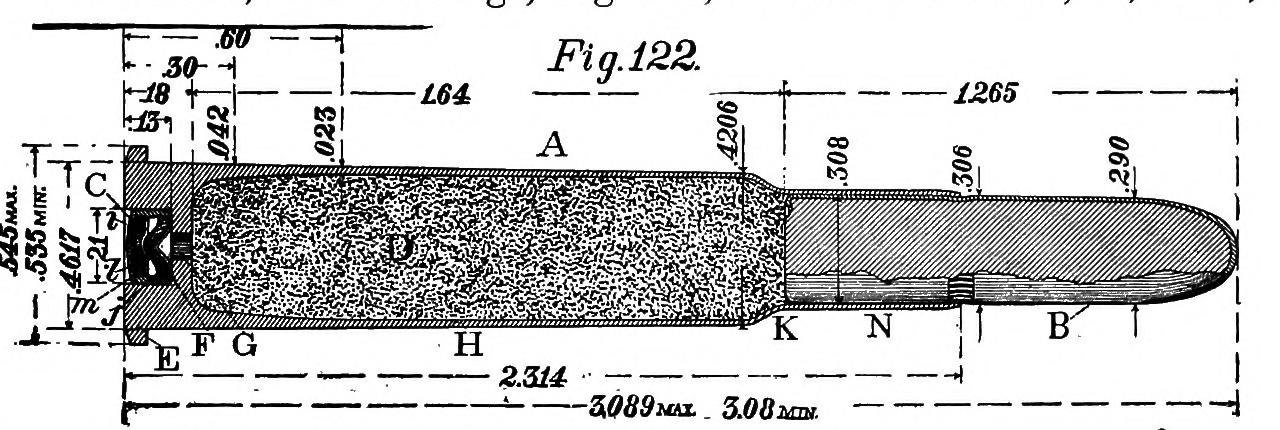
Boxes and headstamps marked .30 U.S., .30 Army, .30 Government, 30 USA and 30 USG all hold the 30-40 Krag cartridge, and US Krag-Jorgensen ammo is never anything else. The trouble starts with the .30-caliber names that sit next to them on the shelf.
| On the box | What it is | Fits a .30-40 Krag rifle? |
|---|---|---|
| .30-40 Krag, .30 U.S., .30 Army, .30 Government | The same rimmed .308 round under its old names | Yes |
| .30 Carbine | The short M1 Carbine round. Search engines mix it up with “.30 US” | No |
| .30-30 Winchester | A smaller rimmed case, introduced in 1895 | No |
| .303 British | The Lee-Enfield round. A near twin in size with a .312 in. bullet. SAAMI lists it as unsafe in a Krag chamber | No. Never |
| .303 Savage and .32 Winchester Special | Both on SAAMI’s do-not-use list for Krag chambers | No. Never |
| .30-03 and .30-06 Springfield | The rimless cartridges that replaced the Krag in 1903 and 1906 | No |
| 6.5×55 and 8x58R | What Norwegian and Danish Krag rifles fire | No |
One more for the list: a Krag can’t be turned into a .30-06 or a .308 by rechambering. Those cartridges run at far higher pressure than the single-lug action was built for.
Old Boxes and the Ammo That Came With the Rifle
We found no military surplus 30-40 Krag ammo for sale anywhere, and a round that came in a coffee can with the rifle is a collectible first and ammunition a distant second. Treat every military Krag round as corrosive.
Frankford Arsenal made Krag ball from 1894 to 1907, and the earliest lots used mercuric primers as well. Mercury ruins the fired brass and corrosive salts rust the bore. The brass ages badly too. One dealer in collector cartridges notes that many surviving rounds have split necks.
If you do fire old ammunition and get a click, keep the muzzle pointed downrange and wait. The NRA’s range safety guidance says at least 60 seconds before opening the action. Afterward, flush the bore and bolt with hot water, dry them, then clean with bore solvent and oil as normal.
30-40 Krag Ballistics for Deer and Elk
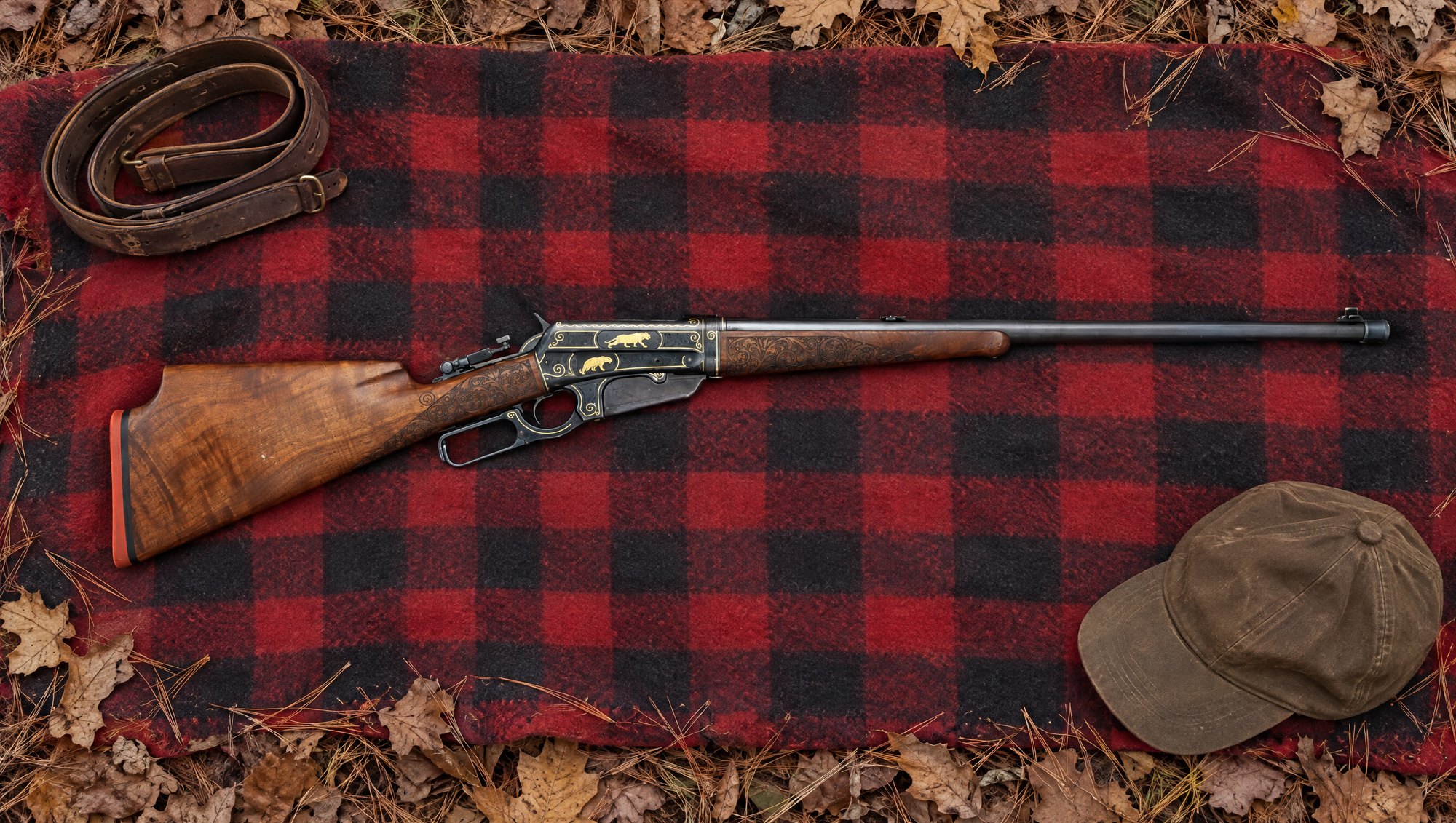
Factory 30-40 Krag ammo sends a 180-grain bullet at 2,430 fps for 2,360 foot-pounds, which puts it level with the .303 British, about 530 foot-pounds ahead of a .30-30 and about 550 behind a .30-06.
| Cartridge, Winchester Power-Point | Bullet | Muzzle velocity | Muzzle energy |
|---|---|---|---|
| .30-30 Winchester | 170 gr | 2,200 fps | 1,827 ft-lb |
| .30-40 Krag | 180 gr | 2,430 fps | 2,360 ft-lb |
| .303 British | 180 gr | 2,460 fps | 2,418 ft-lb |
| .308 Winchester | 180 gr | 2,620 fps | 2,743 ft-lb |
| .30-06 Springfield | 180 gr | 2,700 fps | 2,913 ft-lb |
Those 30-40 Krag ballistics come from Winchester’s own listing, with one bullet family across all five rounds.
Is it a good deer rifle? Yes. Remington’s figures show the 180-grain Core-Lokt still carrying 1,609 foot-pounds at 200 yards and 1,312 at 300. Remington labels the load for big game, and Sierra calls the cartridge capable of cleanly taking even moose and elk.
How far can it shoot? With iron sights and a 2,430 fps load, we treat it as a 200 to 250 yard rifle. The cartridge carries the energy farther than that. The sights and the shooter are the limit.
For an outside view of its effective range, Steinel rates its load excellent on deer to 250 yards and good on elk to 200. And John Plute’s world record Rocky Mountain elk of 1899 was taken with a .30-40.
Recoil is easy to live with. Chuck Hawks’ recoil table puts the 180-grain load in an eight-pound rifle at 16.6 foot-pounds, against 17.5 for a .308 and 20.3 for a .30-06 with the same bullet weight. Our guide to the best deer hunting cartridges puts those numbers in context, and the .30-06 guide covers the round that replaced it.
30-40 Krag Myths vs. the Truth
The first 30-40 Krag ammo myth to drop is that the round is obsolete and nobody makes it. Remington, Winchester and Hornady each list a 180-grain load at 2,430 fps and 2,360 foot-pounds. Here are the rest of the claims that come up on the forums.
| The myth | The truth |
|---|---|
| “It’s obsolete. Nobody makes it anymore.” | Six makers list it, and Hornady, Remington and Winchester all catalog a 180-grain load. |
| “Modern factory ammo is too hot for an original Krag.” | Makers load to the 40,000 CUP limit that exists because of the Krag. The risk is a cracked or worn bolt, which is why the rifle gets inspected. |
| “Krag bolts crack.” | They did in 1899 with an overloaded service round, and a cracked lug is still the thing to check for. |
| “The limit is 40,000 psi.” | It is 40,000 CUP. SAAMI has never set a psi figure for this cartridge. |
| “You need round-nose bullets or it won’t feed.” | Some Krags feed the pointed 180-grain load and some don’t. Test yours before a hunt. |
| “A Winchester 1895 takes hotter ammo.” | It may be the stronger rifle, but we found no hotter factory load to put in it. |
| “It hits like a .30-06.” | It hits like a .303 British, about 270 fps behind a .30-06 with the same bullet. |
| “The ammo that came with the rifle is fine to shoot.” | Old military rounds are corrosive, and the oldest are mercuric. They are collectibles. |
Our Range Notes: Velocity and Accuracy in Two Krags
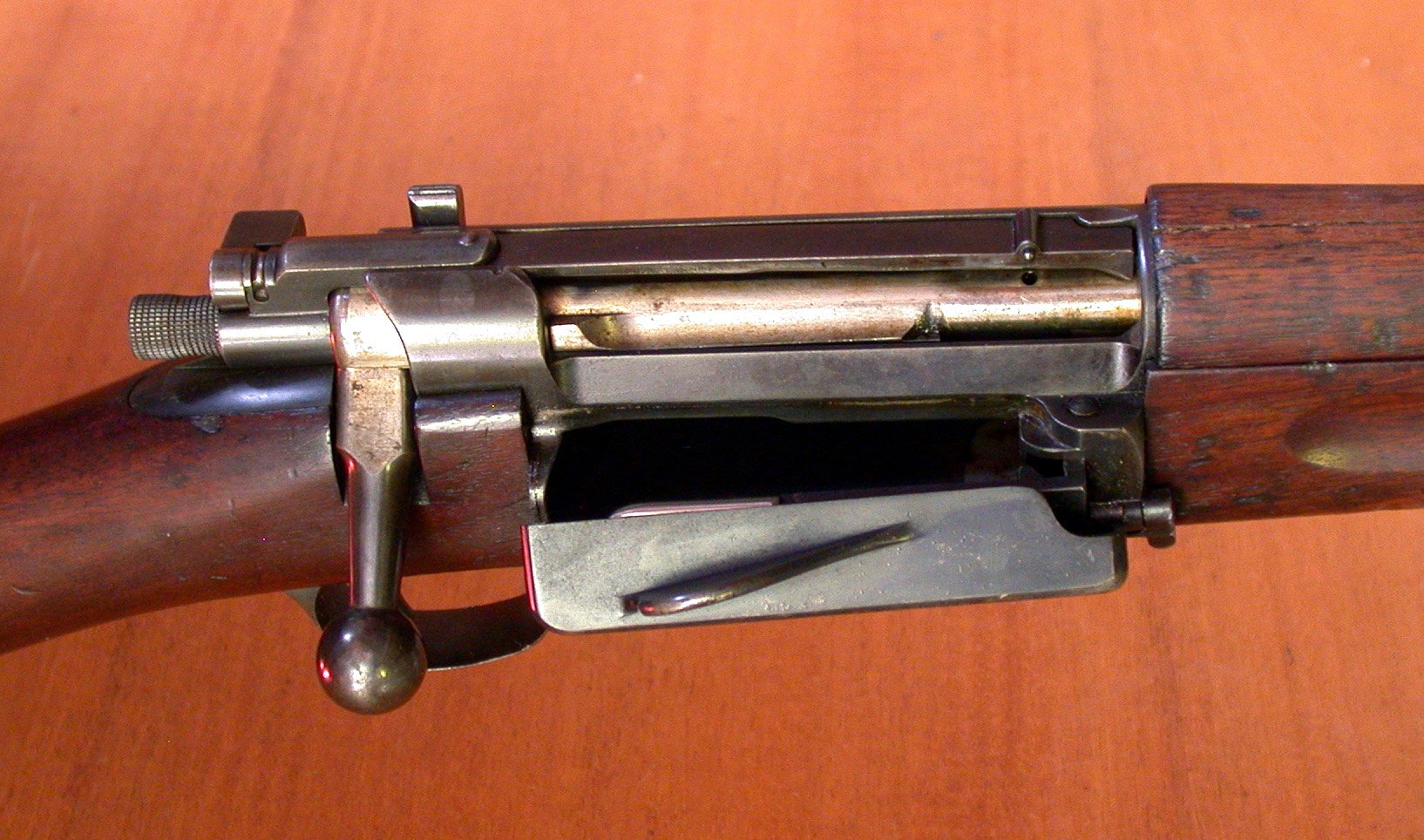
We took a Model 1898 Krag rifle with its 30-inch barrel and a sporterized Krag cut to 22 inches to the range for two mornings in September and shot 120 rounds over a chronograph. Both rifles had been checked by a gunsmith first.
| Load | Listed velocity | Model 1898 rifle, 30 in. | Sporter, 22 in. | Rifle group | Sporter group |
|---|---|---|---|---|---|
| Hornady Custom 180 gr | 2,430 fps | 2,462 fps | 2,338 fps | 2.8 in. | 2.0 in. |
| Remington Core-Lokt 180 gr | 2,430 fps | 2,447 fps | 2,321 fps | 3.2 in. | 2.6 in. |
Groups were five shots at 100 yards from a rest, with the issue sights on the rifle and a receiver sight on the sporter. The Hornady load shot a little tighter in both. Neither load showed a flattened primer or a sticky bolt lift.
Feeding was the thing we watched. Both rifles took the pointed bullets from the magazine without a hang-up in 120 rounds, loaded singly and with the box full. And the Krag’s magazine gate is still the nicest thing about it, because you can top it off with the bolt closed.
The long barrel gave back a little more than the listed speed and the short one gave up about 100 fps. That’s worth knowing if you hunt with a carbine. We’d buy the Hornady for either rifle and keep the brass.
A Short History of the .30-40 Krag
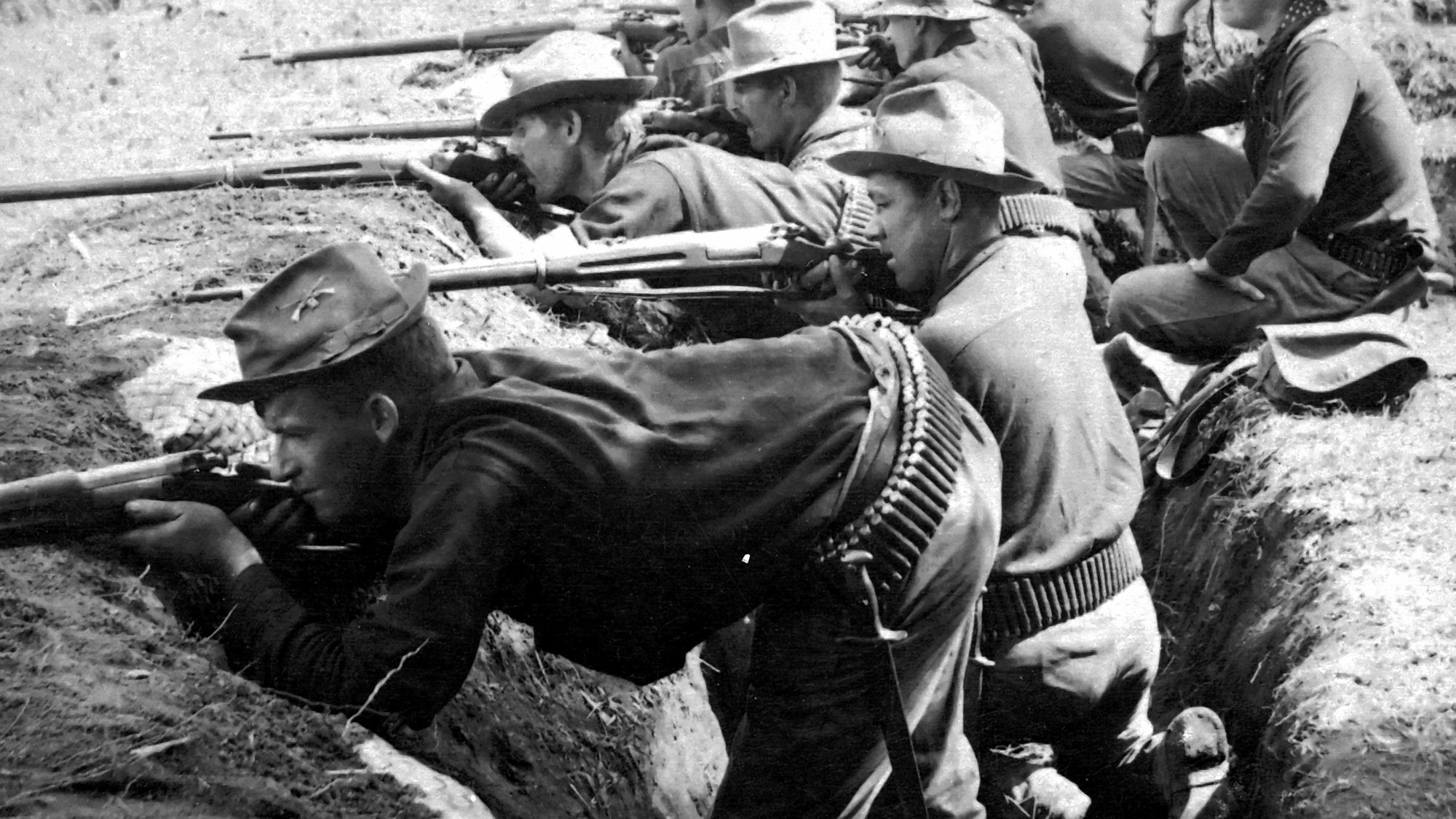
The Army adopted the Krag-Jorgensen and its .30 U.S. Army cartridge in 1892, the first smokeless powder, small-bore cartridge in American service. The government arsenal at Springfield, Massachusetts finished the first rifles on January 1, 1894. The service load was a 220-grain round-nosed full metal jacket bullet at about 2,000 fps.
Winchester had it in the High Wall single shot by 1893 and in the Model 1895 lever action soon after. It replaced the .45-70 and saw combat in Cuba in the Spanish-American War of 1898 and then in the Philippines. The Army adopted the M1903 Springfield on June 19, 1903 with the rimless .30-03, which kept the 220-grain round-nose bullet, and the Krag’s short career was over.
Surplus Krags sold cheaply after World War I and the cartridge became a deer and elk standard with 180-grain factory loads. Gun Digest notes that no commercial rifle was chambered for it from 1936 until Ruger offered the No. 3 single shot from 1973 to 1977. The name follows the old black powder pattern of caliber and charge, but the .30-40 Krag was a smokeless round from the start: a .30 caliber bullet over 40 grains of smokeless powder.
A Note on Reloading
The .30-40 Krag takes standard .308-inch bullets of 150 to 220 grains, and Shooting Sports USA reports original Krag barrels with groove diameters from .307 to .310 inch. Handloaders keep the cartridge alive, the long case neck makes it a favorite with cast bullets, and brass has come from Remington, Winchester and Hornady. Cases can also be formed from .303 British brass, which leaves a short neck.
We do not publish load data on this page. Use a current manual from a bullet or powder maker, stay inside the 40,000 CUP limit in any Krag, and start with our beginner’s guide to reloading if you’re new to it.
Bottom Line: Which 30-40 Krag Ammo to Buy
- For an original or sporterized Krag: Hornady Custom or Remington Core-Lokt 180-grain, after the bolt has been inspected. They are the same load, so buy on price.
- For a Winchester 1895, a High Wall or a Ruger No. 3: the same two loads. We found no hotter factory option, and you don’t need one.
- For a Krag that won’t feed pointed bullets: a round-nose load from Steinel or Buffalo Arms.
- For the old rounds that came with the rifle: keep them as collectibles and shoot new ammunition.
If you’re still shopping for the rifle, where to buy vintage guns online covers the dealers.
We’ve done the same job for other old calibers: the .32-20 ammo guide, the 7.62×25 Tokarev ammo guide, the .44-40 ammo guide and the .45 Colt ammo guide.
Lead image: composite based on a CC0 photo by Tenacious Trilobite.
30-40 Krag Ammo FAQ
Is 30-40 Krag ammo still made?
Yes. Remington, Winchester and Hornady all catalog a 180-grain soft point at 2,430 fps, and HSM, Steinel and Buffalo Arms make smaller runs. When we checked on October 1, 2026, the dealers on our price cards had 20 listings, with boxes of 20 from about $41.
What ammo does a Krag-Jorgensen take?
Krag-Jorgensen ammo for a US rifle is 30-40 Krag, which is also marked .30 U.S., .30 Army or .30 Government on old boxes. Norwegian Krags are chambered in 6.5x55 and Danish Krags in 8x58R, so check which rifle you have before you buy ammunition.
Is modern 30-40 Krag ammo safe in an original Krag?
Makers load 30-40 Krag ammo to the 40,000 CUP limit that exists because of the Krag rifle. The rifle is the question. Have the locking lug and bolt face inspected by a gunsmith who knows the design before you fire it, and shoot factory ammunition only.
How much does 30-40 Krag ammo cost per round?
In October 2026, Hornady Custom cost about $2.05 to $2.65 a round and Remington Core-Lokt about $2.53 to $3.72 a round at the dealers on our cards. That is roughly double the price of .30-30 or .30-06.
Is the 30-40 Krag a good deer rifle?
Yes. The factory load sends a 180-grain bullet at 2,430 fps for 2,360 foot-pounds, and Remington lists it at 1,609 foot-pounds at 200 yards. With iron sights we treat it as a 200 to 250 yard rifle for deer and elk.
What is the 30-40 Krag similar to?
It is closest to the .303 British. Winchester lists its 180-grain .303 British load at 2,460 fps and its 180-grain 30-40 Krag load at 2,430 fps. It is more powerful than a .30-30 and about 270 fps slower than a .30-06 with the same bullet weight.
What is the pressure limit for the 30-40 Krag?
SAAMI lists a maximum average pressure of 40,000 CUP by the copper crusher method and has not set a psi figure for this cartridge. The European C.I.P. limit is 3,250 bar by transducer, which is about 47,100 psi.
Why is it called 30-40 Krag?
The 30 is the caliber and the 40 is the 40 grains of smokeless powder in the original load. The name follows the old black powder pattern, but it was never a black powder cartridge. Krag comes from Ole Krag, the Norwegian co-designer of the Krag-Jorgensen rifle the US Army adopted in 1892.
5,470+ Gun & Ammo Deals
Updated daily from 200+ top retailers. Filter by category, caliber, action type, and price.
Related Guides